
Reviewed · STARGAZING & MAUNA KEA TOURS
Hawaii’s GOAT Experience: Mauna Kea Summit, Sunset & Stars
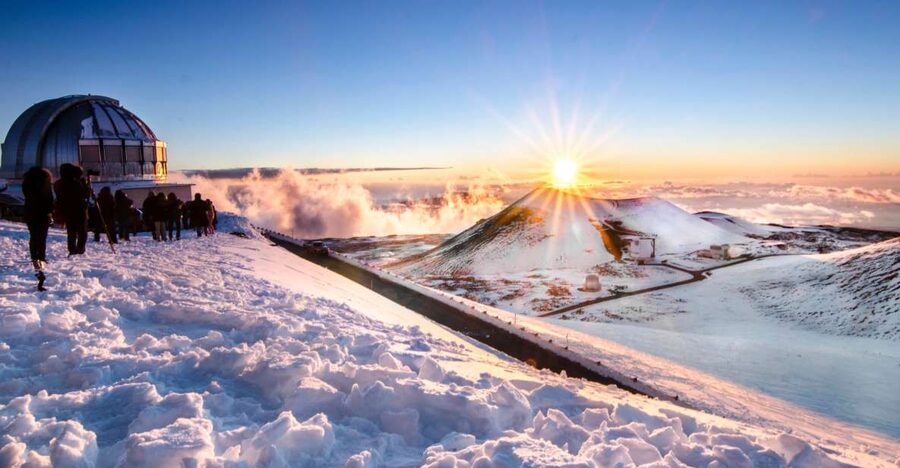
Mauna Kea gives you two very different shows in one evening: a sunset above the clouds and a sky crowded with stars after dark. The mountain’s summit is home to one of the world’s great astronomy sites, including two telescopes involved in the first photo of a black hole.
I like the warm parkas, gloves, hot chocolate, snacks, and guide-provided night photos. I also like that guides such as Mitch, James, Jess, Rob, Zac, and Tay handle the mountain drive while explaining Hawaiian history, volcanoes, constellations, and the science behind the telescopes. The main drawback is the cost at $289 per person, plus the real risk of cold, wind, clouds, or a summit road closure.
Key points to know before booking
- Sunset at the summit: Reach Mauna Kea’s high summit area for broad views and changing colors above the clouds.
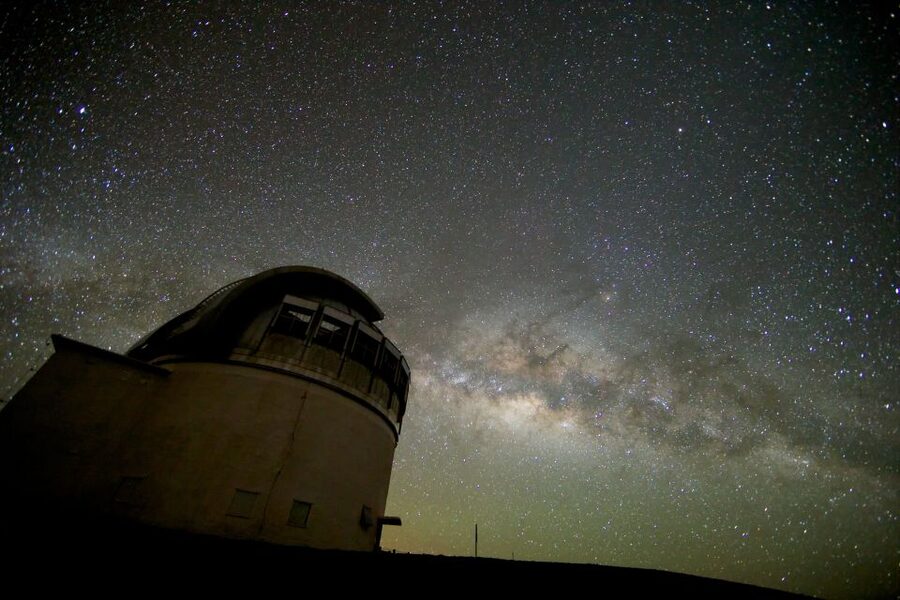
- Stargazing with a telescope: After sunset, use the tour telescope for close views of the night sky, weather permitting.
- Warm clothing is supplied: Parkas and gloves are included, but bring long pants, sturdy shoes, and extra layers.
- Photos are part of the value: Your guide takes night photos and emails them after the experience.
- Transportation removes a major worry: Pickup and drop-off are available at three Hilo meeting points.
- This is a demanding high-altitude outing: It is not suitable for children under 13, pregnant women, or people with several medical conditions.
Why Mauna Kea sunset is worth the long evening
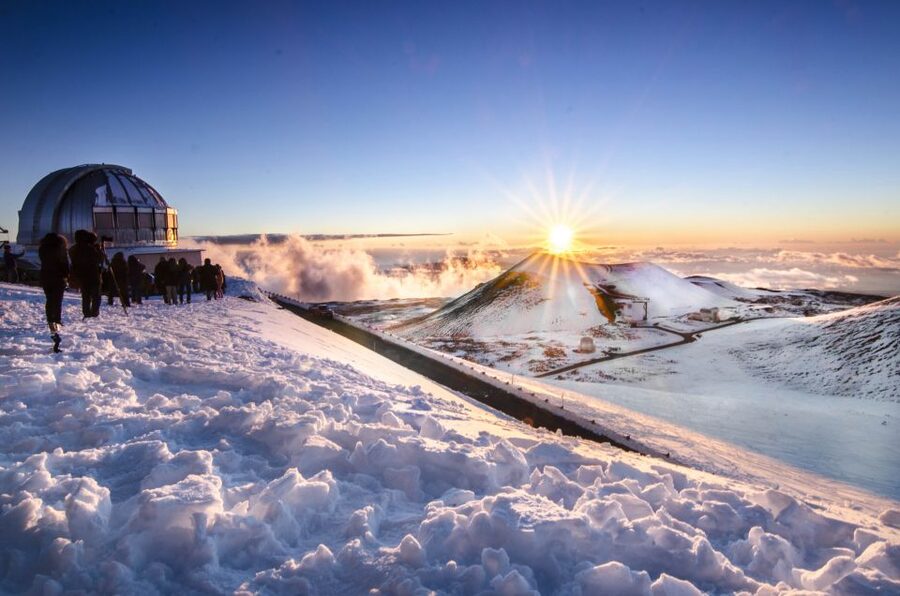
Mauna Kea is not simply a high viewpoint. It is the highest point in the Pacific, and the summit puts you far above the warmer, wetter air lower on the Big Island. That change in elevation is the reason the view can feel so unusual: you may watch the sun drop toward a layer of cloud rather than a nearby town or beach.
The sunset is the first main event. Colors can shift quickly, so the exact show depends on the weather. On a clear evening, the view can feel vast and almost detached from the rest of Hawaii. One guide, James, has even helped visitors photograph an erupting volcano as an unexpected bonus, though you should not count on that sight.
The mountain is also home to the largest collection of research telescopes in the world. You do not tour every observatory, but you can see two of the eight telescopes involved in taking the first photo of a black hole. That detail gives the stop more weight than a routine scenic overlook. You are looking at a working center of modern astronomy, not just a place with a nice view.
Your guide supplies the setting and the context. Guides including Mitch, Jess, Rob, James, Zac, and Tay have been praised for explaining the mountain, Hawaiian traditions, volcanoes, the stars, and the telescopes in an easygoing way. The best part of this kind of tour is not just identifying a constellation. It is understanding why this particular mountain matters.
More sunset cruises on the Big Island:
- Big Island GOAT Experience: Mauna Kea Summit, Sunset & Stars
★ 5.0 · 1,706 reviews - Sunset and Manta Ray Snorkel Adventure
★ 5.0 · 843 reviews - Waikoloa Signature Catamaran Sunset Sail
★ 4.5 · 396 reviews
The Hilo pickup and the ride uphill
Pickup and drop-off are available at three listed Hilo locations: Starbucks, the Grand Naniloa Hotel Hilo, a DoubleTree by Hilton, and Bank of Hawaii. The exact meeting point depends on the option you book, so check it carefully before you set out.
The full outing lasts about 6.5 to 7.5 hours. Starting times change with the sunset and availability, so expect an evening commitment rather than a quick side trip. Some pickup times may include a small tour of Hilo on the way out, as one experience with Mitch did, but the central purpose remains the climb to Mauna Kea.
This drive is a strong reason to book an organized trip rather than handle the summit road yourself. Your guide does the driving, watches the schedule, and gets you to the right place for sunset. One visitor described seeing a vehicle that had gone off the road and warned against speeding in the dark. That is useful advice even if you never drive this route yourself.
The road conditions and access rules matter. The summit road can close without warning, and the tour cannot promise access to the summit or clear skies. Weather may change quickly, and clouds can spoil the view or limit the telescope session. A good guide can make the best call with the conditions available, but no tour operator can control the mountain.
Reaching the summit in supplied cold-weather gear
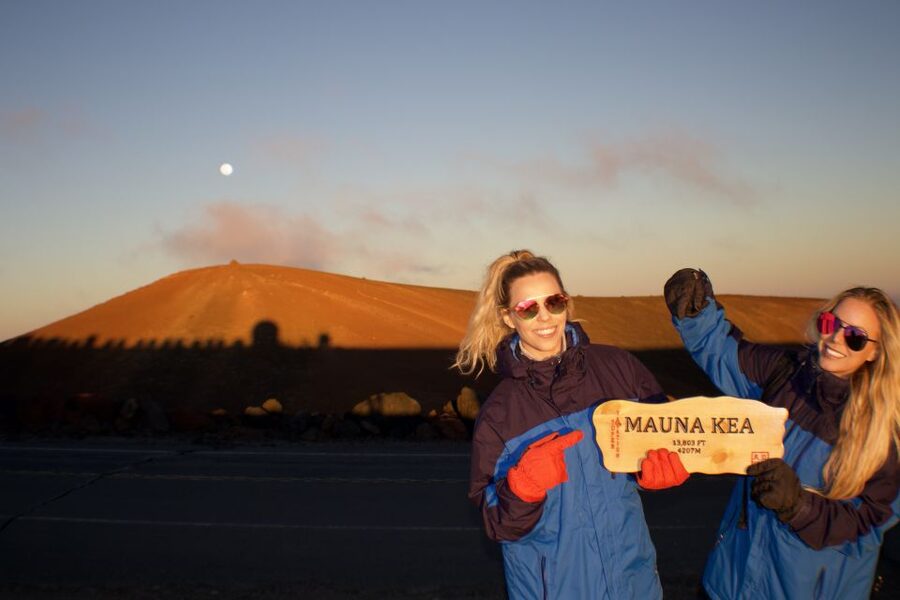
The temperature can fall below freezing at high elevation. That is a serious change from the warm, humid weather you may have enjoyed elsewhere on the island. Parkas and gloves are provided, which is a major practical benefit, but they are not a substitute for your own layers.
Bring long pants, comfortable shoes, and an extra sweater or warm top. Tall socks, a beanie, and solid shoes are sensible additions based on the conditions described by past participants. The supplied floral parkas also make for memorable photos, but their main job is keeping you comfortable while you wait for the sunset.
You should be able to walk on uneven or rocky ground. Cool, wet, or muddy conditions are possible, and the summit area may be windy. This is not the right evening activity if you need smooth paths, warm indoor shelter, or easy access from vehicle to viewpoint.
The high elevation can also affect how you feel. The experience is not suitable for people with altitude sickness, heart or respiratory problems, back problems, or mobility impairments. It is also not suitable for pregnant women, children under 13, or people over 80. If any of those conditions apply, do not treat the supplied clothing or vehicle transport as a solution.
Sunset first, stars afterward
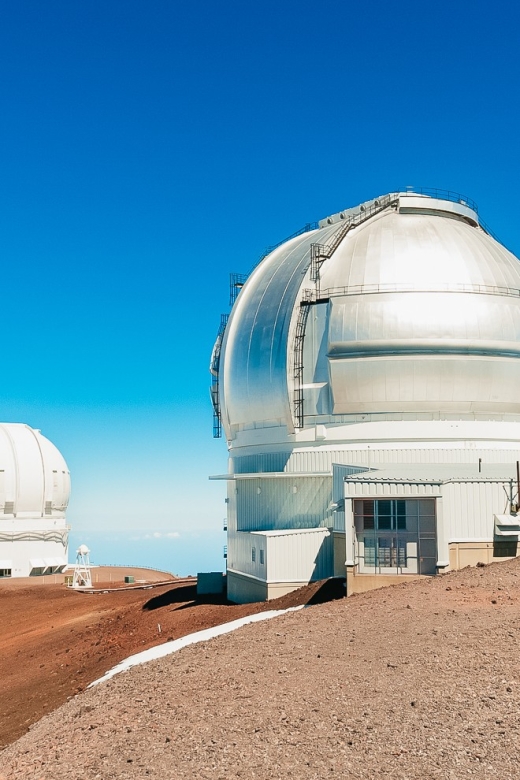
The timing follows the natural order of the evening. You reach the summit area in time for sunset, spend time taking in the view, and then continue to a lower area near the visitor center for stargazing. That change of location is useful because the visitor center area can be less windy than the summit.
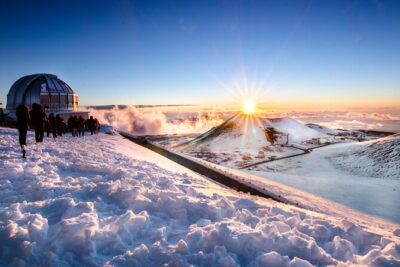
At the summit, you have time to watch the color change and take photographs. The air, elevation, and cold create a setting that feels very different from a sunset at sea level. You may also see cloud layers below you, which is one of the defining visual features of the experience.
After sunset, the group moves toward the stargazing location. This is when the supplied hot chocolate and snacks become especially welcome. A hot drink helps take the edge off the cold, and the food gives you something simple to enjoy while the guide prepares the next part of the evening.
The telescope session is weather permitting. If clouds, wind, or other conditions interfere, you should not expect a guaranteed view of planets or deep-sky objects. On a clear night, the telescope can provide a close look at selected features of the sky, while the guide points out stars and constellations visible from the mountain.
One participant described seeing Jupiter as the sun was going down and later feeling surrounded by an extraordinary number of stars. Another highlighted the ability to see both Polaris and the Southern Cross from this part of the Pacific. The exact objects depend on the season, time, and conditions, but the location gives the guide an excellent setting for a private astronomy presentation.
More summit and stargazing trips from the Big Island:
- Small Group Big Island Twilight Volcano and Stargazing Tour
★ 5.0 · 1,619 reviews - Big Island: Mauna Kea Summit and Stars Small-Group Adventure Tour
★ 5.0 · 1,545 reviews - Big Island: Mauna Kea Summit Tour with Free Night Star Photo
★ 5.0 · 1,449 reviews - Mauna Kea Stargazing Experience + Photos
★ 5.0 · 261 reviews
The science behind the telescopes
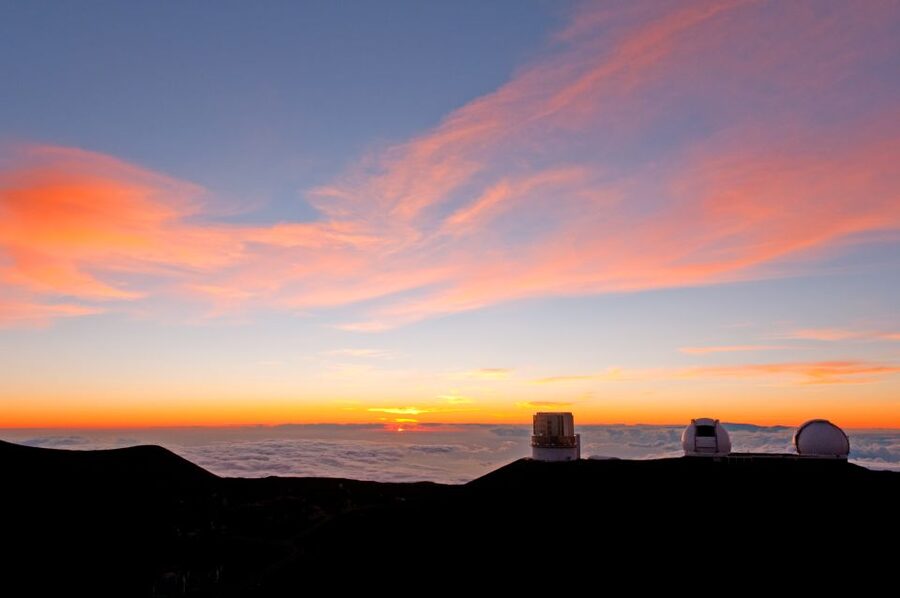
The observatories are not merely scenery. Mauna Kea’s summit has become important to astronomy because of its high elevation and generally dark conditions. The tour does not promise an inside visit to the research facilities, so keep your expectations focused on seeing the telescope buildings and learning about their work.
The black hole connection is a memorable talking point. Two of the eight telescopes involved in taking the first photograph of a black hole are visible during the experience. That helps connect the quiet night around you with a major scientific achievement.
The guide-led explanation is especially useful if you know only a little about astronomy. Jess, Rob, Mitch, James, Zac, Tay, and other guides are described as bringing the sky to life with explanations of planets, stars, constellations, and the mountain. The tone appears to vary by guide, but the strongest outings combine facts with a sense of timing. A good guide knows when to explain what you are seeing and when to let the silence do its work.
Music may also form part of the atmosphere. One couple particularly enjoyed the way Robert and Jessica used music at certain points of the trip. That is a small detail, but it shows how the guides shape the mood rather than simply drive you to a viewpoint and point upward.
Photos, snacks, and the practical value of the $289 price
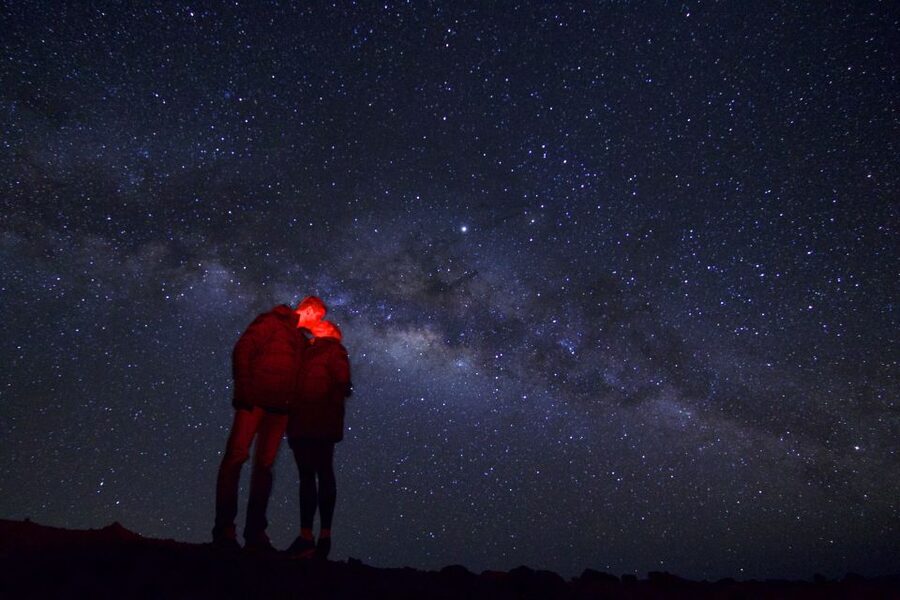
At $289 per person, this is a costly half-day outing. The price makes more sense when you add up what is included: selected pickup and drop-off, a guide, mountain transportation, parkas, gloves, snacks, hot chocolate, telescope viewing, and free night photos sent by email.
The photos are one of the strongest parts of the package. Night portraits are difficult to take on your own, especially when you are trying to keep the stars visible without turning everyone into a dark silhouette. Your guide uses the tour camera and sends the images afterward, giving you a record of the evening without asking you to spend the whole time managing your phone.
The clothing also adds real value. You may own a warm jacket, but many visitors do not pack clothing for below-freezing temperatures on a tropical island. The provided parka and gloves reduce the amount of bulky gear you need to carry. Still, I would not arrive in shorts and sandals. You remain responsible for your feet, legs, and base layers.
Dinner is not included. Snacks and hot chocolate are provided, but they should not be treated as a full evening meal. Plan your food around the pickup time and the long duration. Because the tour begins and ends at the meeting point, you may want to eat before pickup or arrange a meal afterward.
For me, the tour is worth the price if you want a guided, photo-friendly evening and do not want to manage the mountain road, timing, cold-weather gear, and astronomy on your own. It is harder to justify if your budget is tight, you are mainly interested in a sunset, or you already have safe access to the summit and the equipment to enjoy the sky independently.
Who will enjoy this Mauna Kea experience
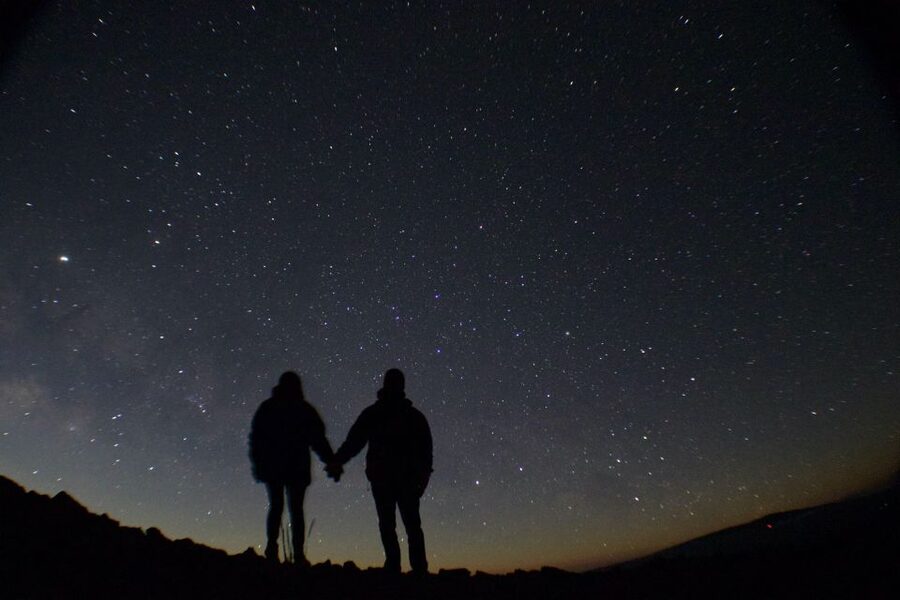
This outing suits adults and older teenagers who want a memorable natural and science-focused evening. It works especially well for couples, families with children 13 and older, and anyone who likes having a guide explain what they are seeing instead of simply arriving at a viewpoint.
It is also a good fit for amateur astronomy fans. The combination of high elevation, research observatories, a telescope session, and a guide who can identify planets and constellations gives the night more substance than ordinary stargazing from a hotel balcony.
You should skip it if you dislike cold, have trouble walking on uneven ground, or are concerned about high altitude. The experience is not suitable for people with heart, respiratory, back, or mobility issues, or for anyone with altitude sickness. It is also not suitable after recent underwater activity within 24 hours.
The road closure warning deserves attention. If access shuts down, the summit portion may not be possible. Book only if you can accept that the mountain controls the final result. Free cancellation up to 24 hours before the activity and the reserve-now, pay-later option help reduce the financial risk, but they cannot guarantee clear weather.
Should you book the Mauna Kea sunset and stars tour?
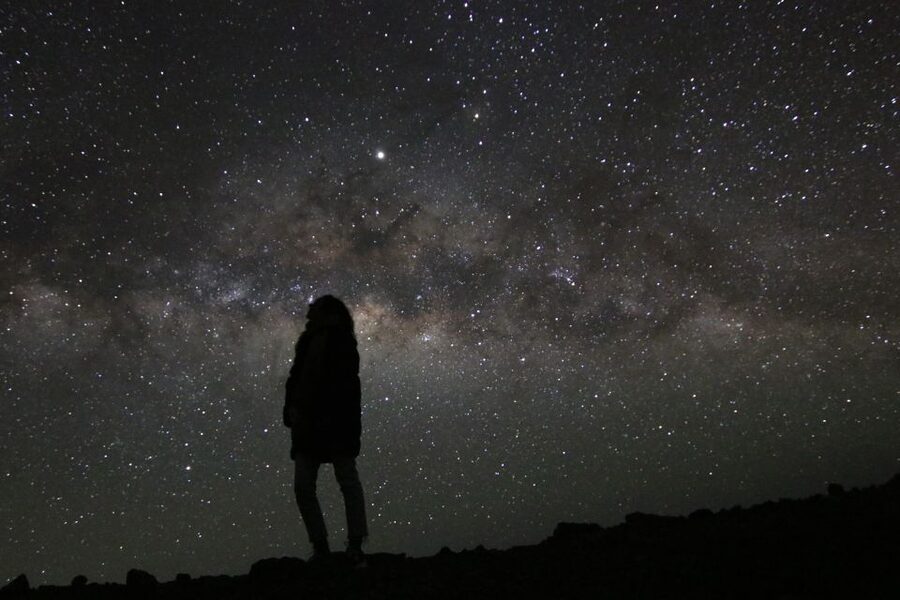
Book it if you want the complete package: sunset above the clouds, a look at the famous observatories, warm clothing, hot chocolate, telescope viewing, and professionally taken night photos. The guides are a major part of the experience, with people such as Mitch, James, Jess, Rob, Zac, and Tay adding astronomy and Hawaiian context to the drive.
Do not book it expecting a guaranteed summit view or a full meal. Weather can change, the access road can close, and the telescope session depends on conditions. Bring warm layers, long pants, sturdy shoes, and realistic expectations.
For the right person, this is one of the Big Island’s most memorable evenings. The $289 price is high, but the driving, equipment, photos, and guide-led interpretation make it easier to understand than a simple viewpoint visit. If standing above the clouds at sunset and then watching the Milky Way from one of the world’s major astronomy sites is high on your Hawaii list, this tour deserves serious consideration.
FAQ
How long does the Mauna Kea sunset and stargazing experience last?
The activity lasts about 6.5 to 7.5 hours. Starting times vary, so check availability for the date you want.
Where can pickup and drop-off take place?
The listed locations are Starbucks, the Grand Naniloa Hotel Hilo, a DoubleTree by Hilton, and Bank of Hawaii. Your exact meeting point depends on the option you book.
Are parkas and gloves included?
Yes. Parkas and gloves are provided. You should still bring long pants, comfortable shoes, and extra warm layers because temperatures can fall below freezing.
Is dinner included?
No. Snacks and hot chocolate are included, but dinner is not.
Is telescope viewing guaranteed?
No. Telescope viewing is weather permitting. Weather can change quickly, and summit access or clear conditions cannot be guaranteed.
Who should not take this activity?
The experience is not suitable for children under 13, pregnant women, people with back, heart, respiratory, or mobility problems, people with altitude sickness, people over 80, or anyone who has taken part in recent underwater activity within 24 hours.
Just added on the Big Island
- Kailua-Kona: Big Island Morning Snorkeling Tour with Lunch★ 4.9 · 7 reviews
- Big Island: Hawaii Volcanoes National Park and Hilo Tour★ 5.0 · 118 reviews
- Kailua-Kona: Hualalai Volcano Doors On/Off Helicopter Tour★ 4.7 · 12 reviews
- Big Island: Full Day Adventure Tour of the Kohala Waterfalls★ 5.0 · 41 reviews
- Big Island Hawaii: Craft Chocolate Tasting and Farm Tour★ 5.0 · 14 reviews
- Big Island: Evening Volcano Explorer from Hilo★ 4.7 · 31 reviews
- Big Island: Off the Beaten Path Volcano Crater Hike★ 5.0 · 15 reviews
- Big Island: Full-Day Kohala Zipline and Waterfall Adventure★ 4.8 · 36 reviews
Stargazing & Mauna Kea Tours, compared.
Big Island GOAT Experience: Mauna Kea Summit, Sunset & Stars
Read our review →
Small Group Big Island Twilight Volcano and Stargazing Tour
Read our review →
Mauna Kea Summit and Stars Small-Group Adventure Tour
Read our review →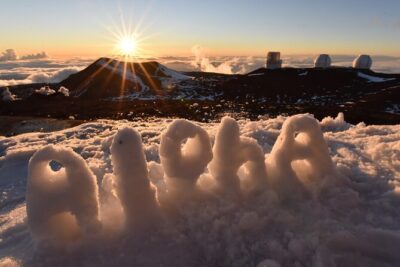
Mauna Kea Summit Tour with Free Night Star Photo
Read our review →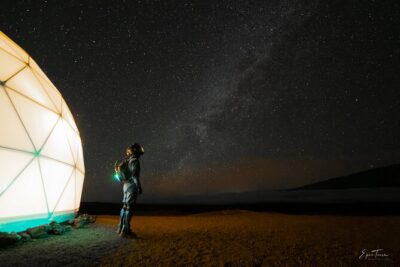
Browse the lists this tour appears in