
Reviewed · STARGAZING & MAUNA KEA TOURS
Big Island GOAT Experience: Mauna Kea Summit, Sunset & Stars
The Mauna Kea summit gives you a sunset above the clouds, giant observatories, and a night sky that can feel almost unreal. At 13,796 feet, this is not a quick scenic stop. It is a long, cold evening at high altitude, with much of the time spent riding between stops.
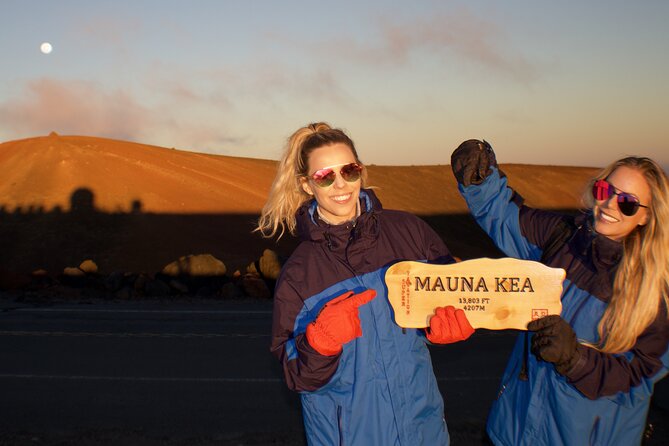
I like the thoughtful practical touches: warm jackets, gloves, snacks, and hot drinks are supplied, and the included night photo saves you from trying to photograph yourself in the dark. I also like the guides’ mix of astronomy and Hawaiian culture, from Polynesian navigation to stories of Poliʻahu and the sacred role of the mountain. The main caution is simple: cloud, wind, snow, or a bright moon can limit the stars, and the cold can be fierce even with borrowed gear.
Key points to know before booking
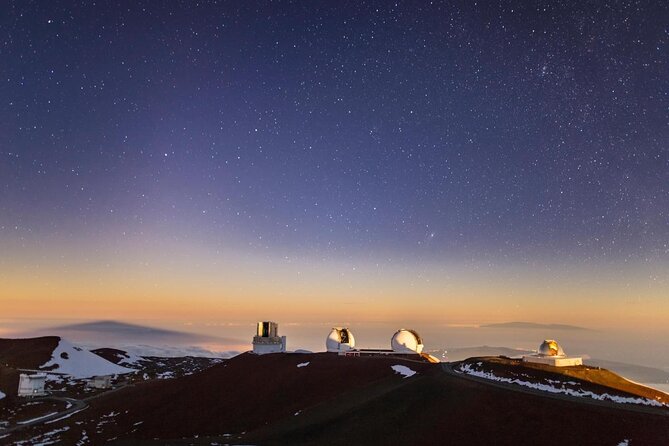
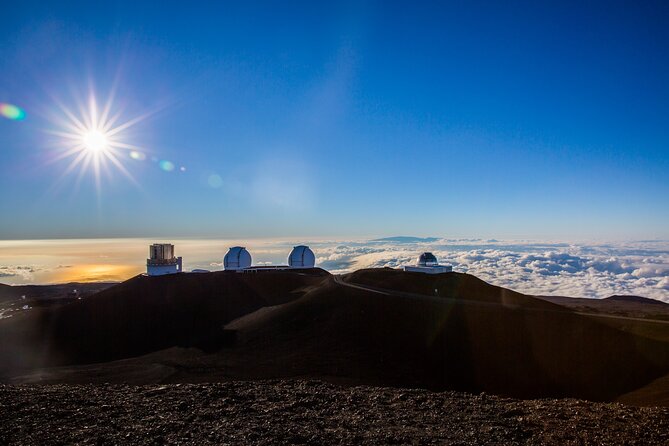
- Sunset from 13,796 feet: Watch the sun drop above the cloud layer near Mauna Kea’s summit observatories.
- Stargazing at lower elevation: The astronomy portion may take place around the 9,200-foot visitor center area, where you spend more time under the sky.
- Small-group transport: A 4×4 van handles the steep route, with a maximum group size of 14 listed for the experience.
- Cold-weather gear included: Coats and gloves help, but bring a warm hat, extra layers, thick socks, and your own gloves if you have them.
- Guides add the meaning: Guides including Tay, Kella, John, Chris, Val, and Tom have led guests through star lore, Hawaiian traditions, geology, and telescope viewing.
- Weather controls the show: You can have a spectacular sunset but cloudy stars, or clear skies after a change in plan. Flexibility matters.
Why Mauna Kea feels different from a normal sunset tour
Most sunset trips keep you near sea level, where you can wear a light shirt and stroll back to the car. Mauna Kea is a different proposition. You climb from the coast into a high, dry mountain environment, then watch the light fade from a place surrounded by clouds and major astronomical facilities.
The summit is special for two reasons. First, the views are broad and uncluttered. Second, the thin, dry air and high elevation help create excellent conditions for astronomy. That is why international research observatories occupy the mountain. The tour does not take you inside those large facilities, but it brings you close enough to understand why this summit matters to modern science.
The mountain also matters to Native Hawaiian culture. Maunakea is associated with Poliʻahu, Lilinoe, and Waiau, and the summit was traditionally regarded as a sacred realm reserved for chiefs and priests. A good guide helps you see the mountain as more than a place for photographs. Guides such as Kella and Val have mixed Hawaiian stories with practical explanations of volcanoes, stars, and navigation.
That combination is the strongest part of the experience. You are not just looking at a sunset. You are learning why the mountain has drawn both spiritual and scientific attention.
More sunset cruises on Big Island of Hawaii:
- Sunset and Manta Ray Snorkel Adventure
★ 5.0 · 843 reviews - Hawaii’s GOAT Experience: Mauna Kea Summit, Sunset & Stars
★ 4.8 · 443 reviews - Waikoloa Signature Catamaran Sunset Sail
★ 4.5 · 396 reviews
The long ride up in a 4×4 van
Pickup is available from selected points in Hilo, Waikoloa Village, and Kailua-Kona. The total outing lasts about seven to eight hours, so your pickup point affects how much of the evening you spend on the road. The 4×4 van takes care of the driving, which is a major benefit on a route with changing conditions and a steep climb.
The group is listed as no more than 14 people, though the actual vehicle setup can matter. One account described a crowded return ride with poor legroom and no easy access to a seatbelt. Another described two vans carrying about 30 people together. Ask about the current group arrangement if a small group is especially important to you.
The guides make the drive useful rather than dead time. You might hear about lava types, island formation, beach areas, astronomy, or Hawaiian stories. John has been praised for his humor and helpful facts, while Kella has been noted for her warm manner and explanations of island geology and legends.
Still, this is a substantial driving commitment. If you dislike long van rides, high-altitude stops, or sitting around while conditions change, the tour may feel slow. Bring water, any personal medication you need, and a packed dinner. Food is not sold at the mountain, although a snack bag and hot drink are provided.
Halepōhaku and the 9,200-foot adjustment stop
The Onizuka Center for International Astronomy, also called Halepōhaku, is around 9,200 feet. This mid-level area is important because the air is thinner than at the coast but less demanding than the summit. It may also be where the main astronomy talk takes place.
The stop gives your body time to adjust before the highest section. You may notice the altitude when walking uphill, so do not rush. One person described even a short uphill walk as hard at high elevation. The safest approach is to move slowly, tell your guide if you feel unwell, and avoid treating the stop like a normal stroll.
This area also provides context for Mauna Kea’s cultural importance. The story of Queen Emma’s 1881 visit to sacred Lake Waiau helps explain how demanding and meaningful travel to the upper mountain once was. Today, roads and vans make the trip possible, but the place remains culturally important.
Restrooms are available at the visitor center, and portable facilities may be available near the summit. Conditions can vary, so use the facilities when you have the chance. A small pack with tissues is a sensible backup.
Sunset at the 13,796-foot summit
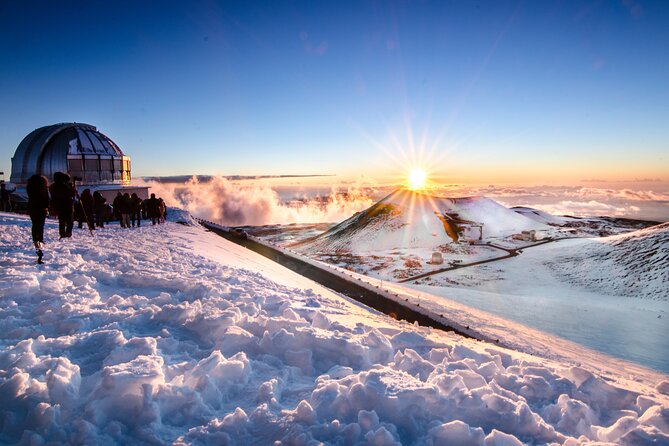
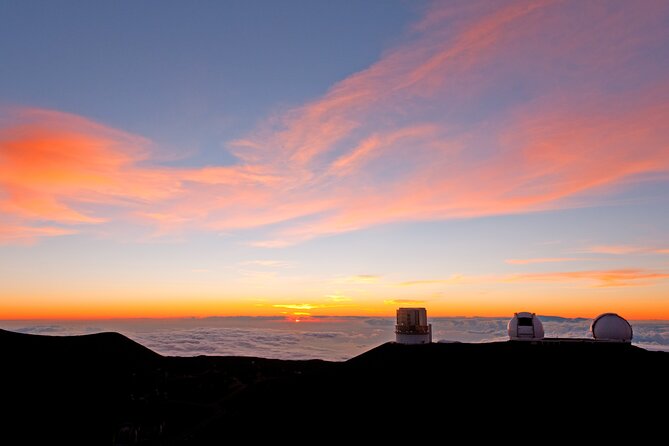
The summit stop is the visual centerpiece. The van carries you near the observatories, and you step out in borrowed outerwear to watch the sun sink over the island. On a clear evening, the cloud layer below can look like a pale sea, with the horizon changing from gold to pink to deep blue.
Winter can bring snow to the summit. One February outing had a snow-covered view that made the sunset especially striking. Snow is not guaranteed, but it tells you how quickly the mountain can shift from tropical Hawaii to something that feels alpine.
The cold is not a minor detail. Strong wind and temperatures near or below freezing can make the sunset stop uncomfortable. The supplied coats are useful, but the fit is not always ideal, and gloves may not provide much warmth. Bring a wool or fleece hat, a personal pair of gloves, long pants, several upper layers, and thick socks. Warm shoes matter as much as a warm coat. Leather shoes and ordinary sneakers may leave your toes cold while you stand outside.
Give yourself enough time to dress before leaving the van. You do not want to discover at the overlook that your layers are buried under a seat. A small bag for extra clothing is helpful, especially if you begin the day in warm coastal weather.
The summit can also be windy enough to change the plan. Guides may shorten the high stop or move the stargazing portion lower down. That is not necessarily a failure. The mountain demands a safety-first approach, and the lower area can offer better conditions for a longer astronomy talk.
More summit and stargazing trips from Big Island of Hawaii:
- Small Group Big Island Twilight Volcano and Stargazing Tour
★ 5.0 · 1,619 reviews - Big Island: Mauna Kea Summit and Stars Small-Group Adventure Tour
★ 5.0 · 1,545 reviews - Big Island: Mauna Kea Summit Tour with Free Night Star Photo
★ 5.0 · 1,449 reviews - Mauna Kea Stargazing Experience + Photos
★ 5.0 · 261 reviews
Looking through the Celestron telescope
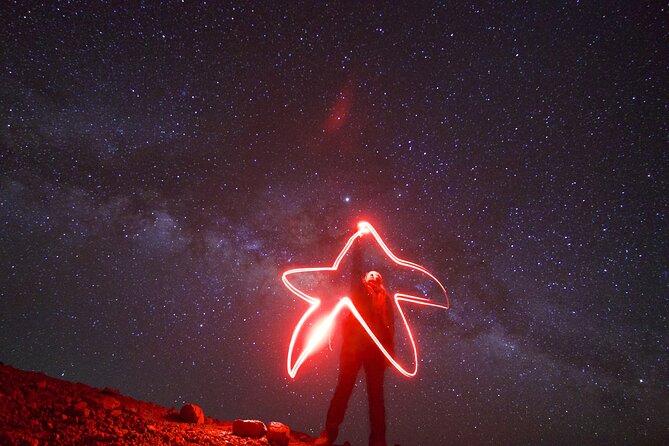
Do not expect to use the enormous observatory telescopes. Those facilities belong to universities and international research organizations. Instead, the guide sets up a professional Celestron telescope, weather permitting, and uses a laser pointer to identify objects overhead.
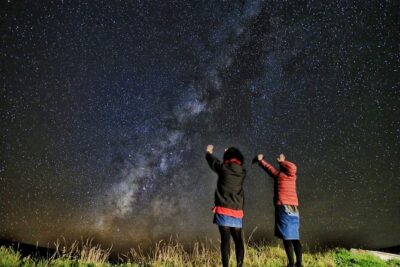
On a clear night, you might see planets, star clusters, nebulae, the Andromeda Galaxy, or satellites such as the International Space Station and Starlink. The exact viewing list depends on the date, moon, clouds, and the guide’s setup. A bright three-quarter moon can wash out faint stars, but it can also make the moon itself an appealing subject.
The best part is the explanation. Guides such as Tay and Tom have been praised for turning the sky into a story rather than simply pointing at bright dots. You learn about constellations, Hawaiian star knowledge, and the way Polynesian navigators used the heavens at sea.
Clouds remain the great wildcard. You might have rain in Hilo and still find clearer conditions on Mauna Kea, but no guide can promise a cloudless sky. A patient guide may wait for a break in the cloud cover, yet the telescope session can still be shorter than expected. If stars are your main reason for booking, choose a date with a darker moon when possible, while remembering that weather remains unpredictable.
What the included extras are really worth
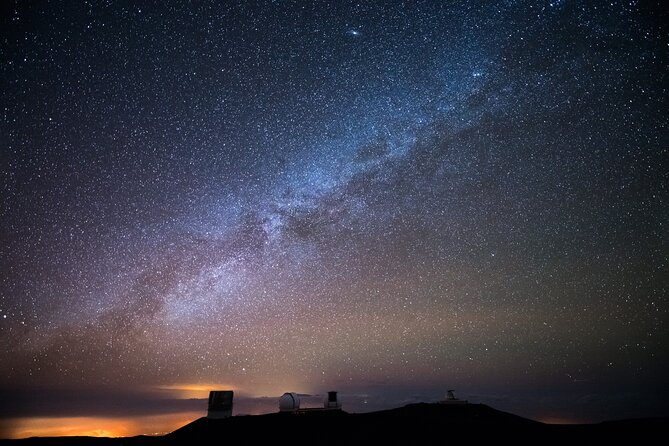
At $289 per person, this is not a cheap evening. You are paying for round-trip transport, a specialized high-altitude route, guides, outerwear, astronomy equipment, snacks, a hot beverage, and a professional night photograph.
The value depends on what you would otherwise have to arrange. Driving yourself requires a suitable four-wheel-drive vehicle and confidence on a mountain road. You would also need to monitor weather, manage the cold, and arrange your own astronomy viewing. The tour removes those tasks and gives you interpretation along the way.
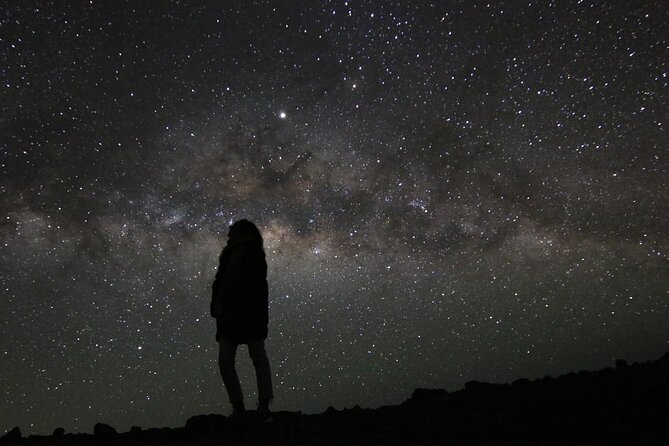
The photograph is a nice bonus. Night portraits are difficult with a phone, and several guides have been praised for taking attractive summit and star photos. Save the download link promptly, since one person had trouble accessing the images later.
The supplied snack bag is modest, not dinner. Bring a packed meal if you need a full evening meal, since there is no food for sale at the mountain. A thermos is not necessary because a hot drink is included, but extra water and a small personal snack can make the long ride easier.
Altitude, health, and comfort
This is not an easy sightseeing ride for everyone. You move from sea level to 9,200 feet and then potentially close to 13,796 feet. The tour requires moderate physical fitness and is not recommended for children under 13, pregnant people, or anyone with heart problems, serious medical conditions, back problems, or poor health.
You do not need to hike a mountain, but standing, walking uphill, and getting in and out of the van can feel harder at altitude. A person with diabetes experienced discomfort and improved after returning to lower elevation. Take symptoms seriously and tell the guide early. The itinerary can change for safety.
The summit may be closed or unreachable because of weather. If poor conditions cancel the experience, you are offered another date or a full refund. You can also cancel for a full refund up to 24 hours before the start time. Changes made inside that 24-hour window are not accepted.
Who will enjoy this most
I would choose this outing if you want a major Big Island experience that combines scenery, astronomy, and local cultural context. It works especially well for couples, families with older teenagers, and anyone who would rather let a guide handle the mountain driving.
It is less suitable if you want a relaxed dinner outing, dislike cold weather, or need a predictable schedule. The trip can involve long van stretches, standing in wind, and adjustments caused by clouds or road conditions. People seeking only a quick sunset may find the seven to eight hours excessive.
The best mindset is flexible and patient. You may get a snow-dusted summit, a clear view of the Milky Way, and the full telescope program. You may instead get a wonderful sunset followed by limited stars. The guide can improve the experience, but no one controls the sky.
Should you book the Mauna Kea sunset tour?
Book it if the thought of standing above the clouds in a borrowed parka, then tracing constellations with a laser pointer, appeals to you. The strongest elements are the summit sunset, the high-quality guide talks, the supplied warm gear, and the chance to see objects through a proper telescope.
Before paying, check your pickup location, prepare for a long evening, and pack warmer clothing than you think Hawaii requires. If you need a guaranteed telescope session or dislike the cold, skip it. If you can accept changing weather and want one of the Big Island’s most unusual outings, this tour offers solid value and a memorable view of Hawaii far beyond the beaches.
FAQ
Where can I be picked up for the tour?
Pickup is available from selected locations in Hilo, Waikoloa Village, and Kailua-Kona. Choose the correct pickup option when booking.
How long does the experience last?
The full experience lasts approximately seven to eight hours, including transportation, the summit visit, and the astronomy stop.
How high is Mauna Kea’s summit?
The summit is 13,796 feet, or 4,205 meters, above sea level. The visitor center area is around 9,200 feet, or 2,800 meters.
Are jackets and gloves provided?
Yes. Jackets and gloves are provided for the cold conditions, but you should still bring warm layers, a hat, personal gloves, and thick socks.
Is dinner included?
No. Snacks and a hot beverage are included, but dinner is not. You may bring your own packed dinner, and food is not available for purchase at the mountain.
Will I use the large observatory telescopes?
No. The large observatories are operated by universities and organizations from several countries. The tour may use a professional Celestron telescope for sky viewing, weather permitting.
Is the tour suitable for children?
Children under 13 are not allowed or recommended for this experience because of the high altitude.
Are restrooms available?
Restrooms are available at the Mauna Kea visitor center, and portable restrooms may be available near the summit.
What happens if bad weather cancels the tour?
If poor weather causes cancellation, you can choose a different date or receive a full refund. You can also cancel at least 24 hours before the start time for a full refund.
Just added on Big Island of Hawaii
- Kailua-Kona: Big Island Morning Snorkeling Tour with Lunch★ 4.9 · 7 reviews
- Big Island: Hawaii Volcanoes National Park and Hilo Tour★ 5.0 · 118 reviews
- Kailua-Kona: Hualalai Volcano Doors On/Off Helicopter Tour★ 4.7 · 12 reviews
- Big Island: Full Day Adventure Tour of the Kohala Waterfalls★ 5.0 · 41 reviews
- Big Island Hawaii: Craft Chocolate Tasting and Farm Tour★ 5.0 · 14 reviews
- Big Island: Evening Volcano Explorer from Hilo★ 4.7 · 31 reviews
- Big Island: Off the Beaten Path Volcano Crater Hike★ 5.0 · 15 reviews
- Big Island: Full-Day Kohala Zipline and Waterfall Adventure★ 4.8 · 36 reviews
Stargazing & Mauna Kea Tours, compared.
Small Group Big Island Twilight Volcano and Stargazing Tour
Read our review →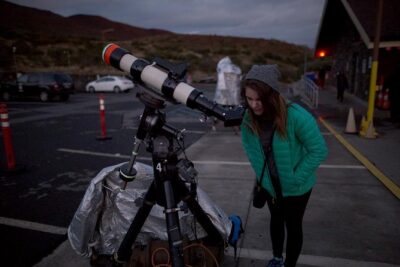
Mauna Kea Summit and Stars Small-Group Adventure Tour
Read our review →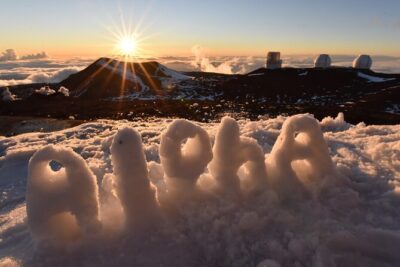
Mauna Kea Summit Tour with Free Night Star Photo
Read our review →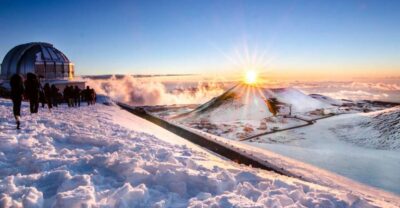
Hawaii’s GOAT Experience: Mauna Kea Summit, Sunset & Stars
Read our review →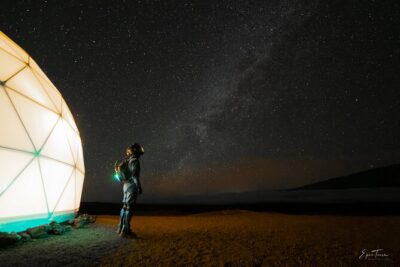
Browse the lists this tour appears in