
Reviewed · STARGAZING & MAUNA KEA TOURS
Mauna Kea Stargazing Experience + Photos
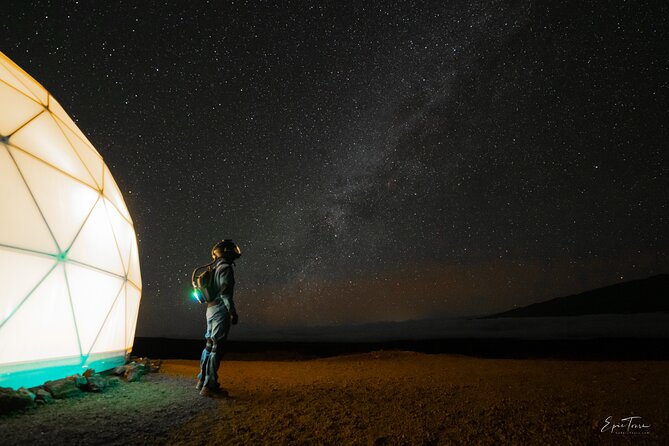
The best part of this Big Island outing is not simply seeing more stars. It is sitting far from the bright crowds, listening to an astronomer explain what you are looking at, then watching a smart telescope bring distant galaxies and nebulas into view. An astro-photographer also takes portraits with the Milky Way behind you.
I like the remote setting and the stargazing guarantee. I also like having both an astronomy guide and a photographer, since you can focus on the sky instead of trying to manage a camera in the dark. The main drawback is the price, $299 per person, plus the long, dark drive to the meeting point and the possibility that the weather will spoil the show.
Key points to know before booking
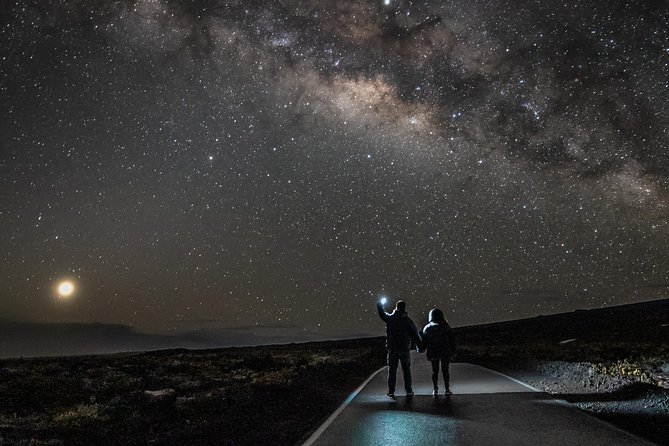
- Remote viewing locations: The group may meet near Mauna Kea or Mauna Loa, depending on clouds and sky conditions.
- Astronomy with real equipment: A guide uses a Celestron Origin smart telescope for close views of galaxies, nebulas, and star clusters.
- Photos included: Medium-resolution portraits and astronomy images are included, with optional upgrades for larger files.
- Cold, exposed setting: Parkas are supplied, but you should bring gloves, a hat, warm layers, pants, and closed-toe shoes.
- No hotel pickup: You drive yourself to Puʻu Huluhulu Cinder Cone parking lot and return there afterward.
- Small-feeling experience, larger maximum group: The tour can accept up to 30 people, though the remote setup is intended to avoid packed viewing areas.
Why this is more than simply looking at stars
The Big Island already gives you a better night sky than most places in the United States. Mauna Kea and Mauna Loa offer high, dark locations with little nearby light. Still, you can look up at a sky full of stars and miss much of what makes it special. A guide gives the sky a story and a sense of order.
Dylan is frequently mentioned as the astronomy guide, while James has also led and managed the experience. The guides use a green laser pointer and explain stars, planets, nebulae, galaxies, black holes, traditional sky stories, and current astronomy. The talk is designed for questions, so you do not need any background in science.
That matters because a stargazing tour can easily become a short list of constellations. Here, the aim is a longer presentation, often lasting 90 minutes and sometimes closer to two hours when the group is engaged. You can ask about almost anything in astronomy, including subjects as large as relativity and as speculative as UFOs.
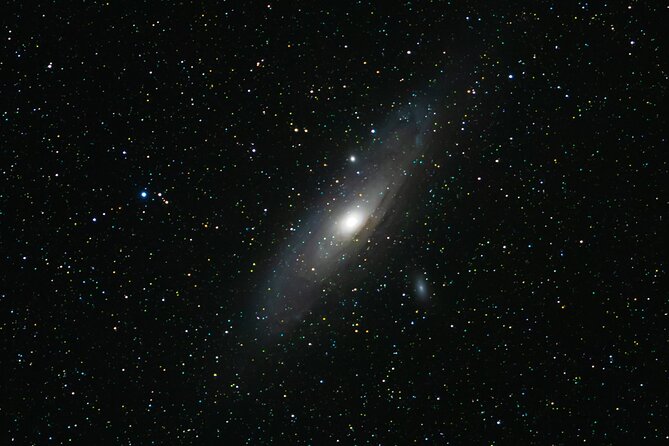
The smart telescope adds another layer. You may see the Andromeda Galaxy, Orion Nebula, Horsehead Nebula, star clusters, and other deep-sky objects in much greater detail than with your eyes alone. The telescope system also lets the group observe objects that would otherwise look like faint smudges.
More summit and stargazing trips from Big Island of Hawaii:
- Big Island GOAT Experience: Mauna Kea Summit, Sunset & Stars
★ 5.0 · 1,706 reviews - Small Group Big Island Twilight Volcano and Stargazing Tour
★ 5.0 · 1,619 reviews - Big Island: Mauna Kea Summit and Stars Small-Group Adventure Tour
★ 5.0 · 1,545 reviews
Meeting at Puʻu Huluhulu, then heading into the dark
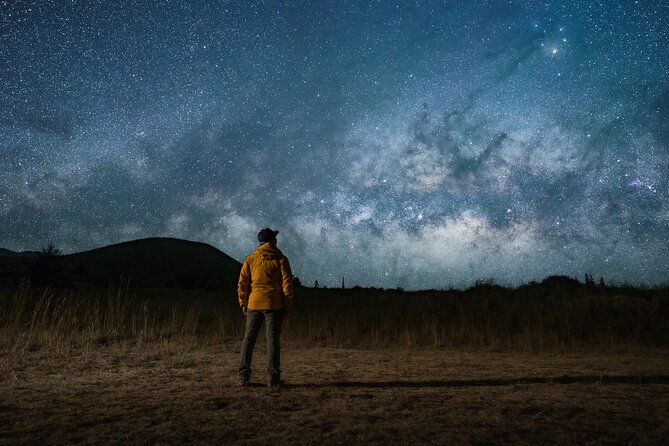
The listed meeting point is the Puʻu Huluhulu Cinder Cone parking lot on the Big Island. There is no hotel pickup or drop-off, so you need your own transportation and enough time to reach the meeting point.
The final approach can be a serious part of the evening. The road is dark, narrow, and curvy, and some reports describe a single-lane stretch where cars going in opposite directions need to make room for one another. Take the drive slowly. Download or save the directions before leaving, and do not assume that a familiar phone signal will be available all the way up.
The exact viewing site can change. The team may choose a location on Mauna Kea or Mauna Loa to avoid clouds, headlights, traffic, and large groups. That flexibility is useful when the weather shifts, but it means you should pay attention to same-day messages about the meeting point and time.
This is not a summit visit. The activity takes place at lower remote locations selected for safe nighttime viewing. You should expect a quiet mountain setting rather than a formal visitor center with exhibits, restrooms, and a steady flow of buses.
What the 90-minute astronomy session feels like
Once the chairs are set out, the evening usually settles into a simple rhythm. You sit back, keep warm under a parka or blanket, and let the guide point out the sky above you.
The listed duration is about 90 minutes, although the overall evening may run closer to two hours. That difference is worth noting when you plan dinner, a drive back to your hotel, or another activity. This is a seated program, not a hike, but the ground and road conditions still call for sturdy shoes.
The astronomy talk is the heart of the experience. The guide explains what is visible at that time of year and answers questions as they come up. The best sessions seem to be interactive rather than scripted, so speak up if you want to know why a star looks a certain color or how far away a galaxy might be.
The telescope views make the session feel more substantial than a basic constellation talk. A phone app can identify stars, but it cannot replace an expert explaining what you are seeing or a telescope showing a distant object in close detail. One important caution: the equipment is a smart telescope, not the sort of giant observatory instrument you might imagine from the summit. Its value comes from the combination of live viewing, digital imaging, and a guide who knows how to use it.
The photography is a major part of the value
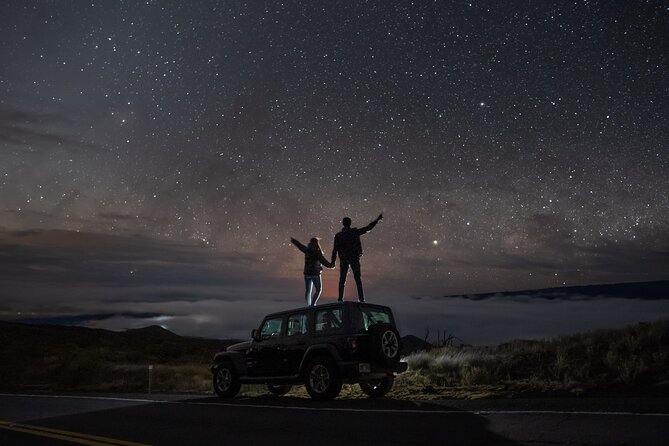
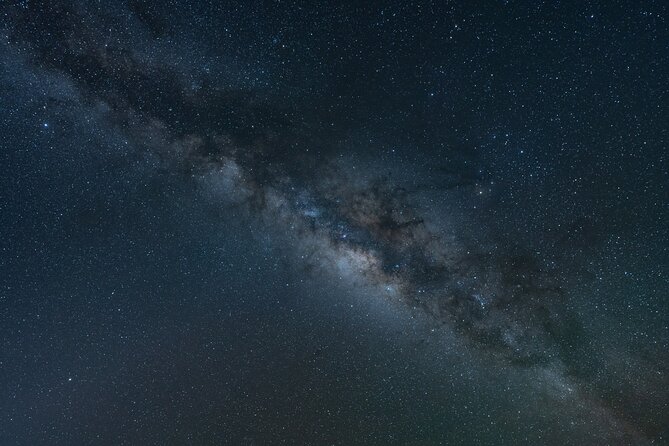
A professional astro-photographer is present to take private group portraits. You can pose with the Milky Way behind you, and the team may also capture photographs of the night sky itself.
Medium-resolution photos are included in the tour price. They should work well for sharing online and keeping as a holiday souvenir. Optional upgrades are available if you want larger files or a fuller collection, so ask exactly what is included before the session ends.
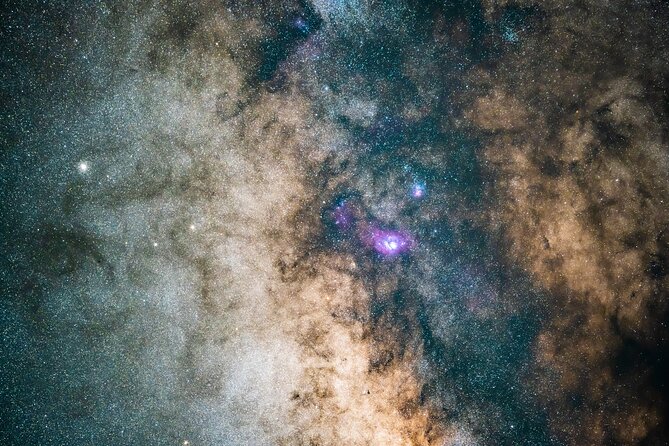
This point deserves attention because photo expectations vary. The free files are not necessarily print-quality originals. One person found a portrait less clear than expected, while another was delighted by images that included the Milky Way, Andromeda, volcanic glow, and even a shooting star.
You can help the photographer by asking for another pose if the first image does not flatter you. Wear clothing that contrasts a little with the dark setting, keep your hood from covering your face, and listen carefully when the photographer positions you. At night, small changes in posture and focus make a big difference.
The photo service also solves a common problem. Night photography is difficult without a tripod, long exposure settings, and patience. You can enjoy the sky instead of spending the evening trying to make your phone produce a black image with three white dots.
Same island, a different kind of day:
- Big Island in a Day: Volcanoes Waterfalls Sightseeing and History
★ 5.0 · 6,569 reviews - Big Island Manta Ray Night Snorkel
★ 5.0 · 5,656 reviews - Big Island: Kona Manta Ray Snorkel Tour in Keauhou Harbor
★ 4.5 · 2,465 reviews - Hilo Shore Excursion: Volcanoes National Park & Black Sand Beach
★ 4.5 · 2,338 reviews
Staying warm at nearly freezing temperatures
The mountain can reach about 30 degrees Fahrenheit. Even if the afternoon at sea level is warm, the viewing site can feel bitterly cold after sunset, especially while you sit still.
Parka jackets with hoods and pockets are provided. Blankets and hand warmers may also be available, and hot cocoa, coffee, or tea may be served, but you should not count on refreshments as your main defense against the cold.
Bring:
- Long pants and several warm layers
- Gloves and a warm hat
- Closed-toe shoes with a firm sole
- Extra socks if you are sensitive to cold
- Water and any personal medication you may need
The supplied parka may not be enough for everyone. If you chill easily, dress for winter, not for the beach weather you may have enjoyed earlier that day. Cold can turn a fascinating astronomy talk into an uncomfortable wait.
Weather flexibility is helpful, but not magic
The company operates in changing weather and may move the viewing location to find clearer skies. That can be a real advantage on the Big Island, where clouds can sit over one area while another nearby location is clear.
The tour also promises a full refund if clouds prevent stargazing. This is one of the strongest protections in the booking. You are not simply gambling $299 on a cloudy night with no recourse.
Still, the guarantee does not make weather irrelevant. A last-minute change or cancellation can disrupt your plans, especially if you have already driven toward the mountain. The company says it sends updates by text and email, so check both before setting out and make sure your booking contact details are correct.
If the activity is canceled because of poor weather or because the minimum number of people is not reached, you can choose a different date or receive a full refund. For a personal cancellation, you need to cancel at least 24 hours before the start time for a full refund. Cancellations inside that window are not refundable.
Is $299 a fair price?
At $299 per person, this is not a cheap add-on. You are paying for the guide, the photographer, the smart telescope, equipment, warm outerwear, remote site planning, and included medium-resolution photos. The astronomy talk and private group photography give it more substance than simply driving to a dark pullout and looking up.
The value depends on what you want. If you already own good night-sky photography equipment, know the constellations, and are happy to explore alone, you may see the tour as expensive. One critical assessment described the telescope as a camera with a zoom lens and felt that a phone app could cover the basic star talk. That is a fair concern for an experienced amateur astronomer.
For most visitors, the bigger question is convenience and access. You do not need to learn exposure settings, find a dark site, identify deep-sky objects, or arrange a photographer. You get an organized evening with expert explanation and souvenir images. The remote location also aims to avoid the hundreds of cars and bright headlights that can gather at more popular viewing spots.
You should also compare the price with other Big Island stargazing programs. Some include transportation, while this one does not. Others may offer different equipment or viewing sites. If you dislike night driving on narrow mountain roads, paying for a tour with transportation may be worth more to you than having a dedicated photographer.
Who will enjoy this experience most
I would recommend it most strongly to couples, families with older children, and solo visitors who want a guided introduction to astronomy. It is also a good choice for anyone who values a memorable photograph as much as the science talk.
You do not need to be an astronomy fan. The guides aim to make difficult subjects understandable, and the question-and-answer format lets you choose the level of detail. Children must be with an adult, and the group size can reach 30, so this is not a private lesson.
The activity is not a good match for someone with limited mobility or serious back, heart, hearing, or other medical concerns. It is also not recommended for some older adults, pregnant people without prior medical advice, or anyone who cannot manage the cold and uneven mountain setting. The company asks for a moderate level of physical fitness, even though most of the program is seated.
Practical booking advice
Book early if your schedule is fixed. The activity is commonly reserved about a month ahead, and clear nights are limited. I would place it early enough in your Big Island visit that you have a chance to reschedule if weather cancels the first attempt.
Keep the evening flexible. Do not plan a tight dinner reservation immediately afterward, since the program may last longer than the advertised 90 minutes and the drive back is slow in the dark.
Before you leave, confirm the current meeting location, save the map link, and check your phone for updates. Arrive with fuel, warm clothing, and a patient attitude. The remote setting is part of the appeal, but it also means you should not expect the easy access of a town attraction.
Should you book the Mauna Kea stargazing experience?
Book it if you want expert guidance, smart-telescope views, and professional night portraits in one evening. The remote location, warm gear, astronomy talk, and included medium-resolution photos make the price easier to justify for someone who wants a polished special occasion.
Skip it if you mainly want a free view of the stars, need hotel transportation, dislike cold mountain roads, or already have strong astronomy and night-photography skills. At $299, this is a premium experience, not a casual stop.
For the right person, it can be one of the Big Island’s most memorable nights. Dress warmly, confirm the meeting details, and treat the weather guarantee as useful protection rather than a promise of clear skies.
FAQ
Where does the tour meet?
The listed meeting point is the Puʻu Huluhulu Cinder Cone parking lot on the Big Island. The activity ends back at the meeting point.
Is hotel pickup and drop-off included?
No. You are responsible for reaching the meeting point and returning from it.
How long does the experience last?
The listed astronomy session is about 90 minutes, while the overall experience is described as approximately two hours.
What happens if clouds block the stars?
If the stars are not visible because of clouds, the tour offers a full refund under its stargazing guarantee. If the activity is canceled because of poor weather, you can also choose another date or receive a full refund.
What should I wear?
Wear pants, closed-toe shoes, and warm layers. Temperatures can reach about 30 degrees Fahrenheit. Parka jackets are provided, but gloves and a warm hat are strongly recommended.
Are photos included in the price?
Yes. Complimentary medium-resolution photos are included. Optional photo upgrades are available for larger files or additional photo services.
Is the activity suitable for children and people with mobility concerns?
Children must be accompanied by an adult. The activity is not recommended for people with mobility or ambulatory restrictions, serious back or heart problems, hearing problems, certain other medical conditions, or for some older adults. Pregnant people should consult a doctor beforehand.
Just added on Big Island of Hawaii
- Kailua-Kona: Big Island Morning Snorkeling Tour with Lunch★ 4.9 · 7 reviews
- Big Island: Hawaii Volcanoes National Park and Hilo Tour★ 5.0 · 118 reviews
- Kailua-Kona: Hualalai Volcano Doors On/Off Helicopter Tour★ 4.7 · 12 reviews
- Big Island Hawaii: Craft Chocolate Tasting and Farm Tour★ 5.0 · 14 reviews
- Big Island: Full Day Adventure Tour of the Kohala Waterfalls★ 5.0 · 41 reviews
- Big Island: Evening Volcano Explorer from Hilo★ 4.7 · 31 reviews
- Big Island: Off the Beaten Path Volcano Crater Hike★ 5.0 · 15 reviews
- Big Island: Full-Day Kohala Zipline and Waterfall Adventure★ 4.8 · 36 reviews
Stargazing & Mauna Kea Tours, compared.
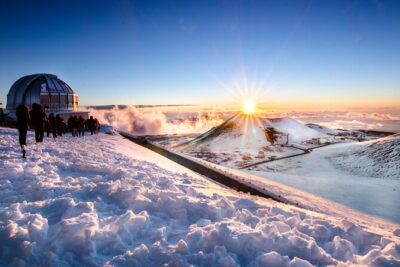
Big Island GOAT Experience: Mauna Kea Summit, Sunset & Stars
Read our review →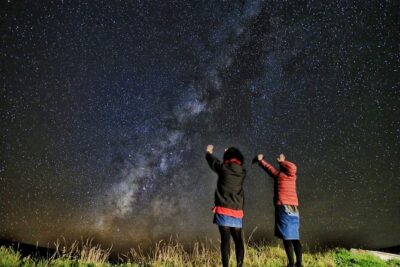
Small Group Big Island Twilight Volcano and Stargazing Tour
Read our review →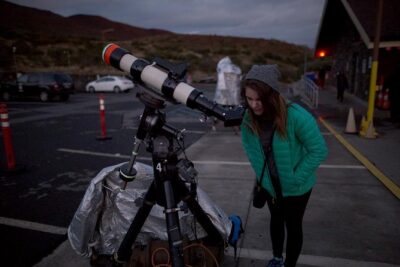
Mauna Kea Summit and Stars Small-Group Adventure Tour
Read our review →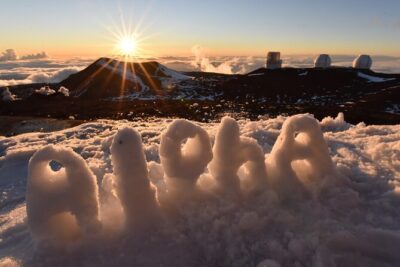
Mauna Kea Summit Tour with Free Night Star Photo
Read our review →
Hawaii’s GOAT Experience: Mauna Kea Summit, Sunset & Stars
Read our review →Browse the lists this tour appears in