
Reviewed · STARGAZING & MAUNA KEA TOURS
Mauna Kea Arnott’s Adventures
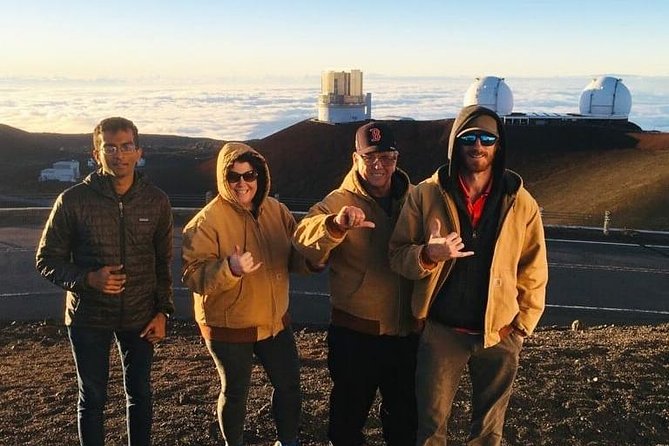
Mauna Kea gives you two big sights in one evening: a sunset from Hawaii’s highest point, followed by a sky dark enough to reveal the Milky Way. The drive reaches 13,796 feet, so this is not just a scenic outing. It is a high-altitude trip that calls for care, warm clothing, and a steady pace.
I like the small maximum of 13 people, which keeps the ride and star talk personal. I also like the guides’ practical help, especially with night photography and identifying constellations. Guides including Donna, Andres, Andrew, and Eris have been praised for clear explanations and frequent safety checks.
The main drawback is the price, $255 per person, with no meal, hot drink, or telescope included. The other serious consideration is altitude sickness. If you have respiratory problems, recent scuba or manta ray activity, or doubts about high elevation, this may not be the right evening for you.
Key points to know before you book
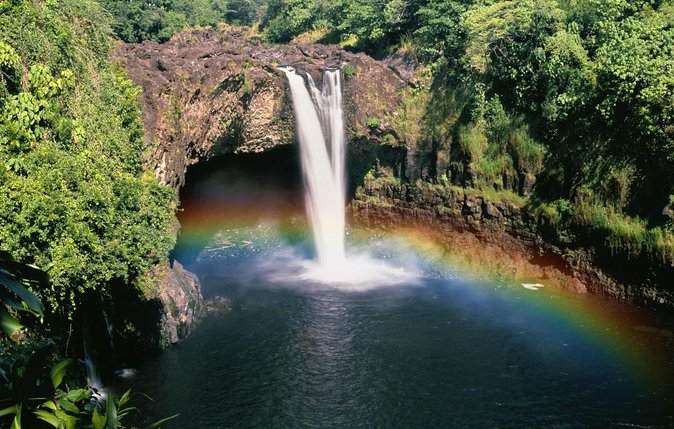
- Sunset at 13,796 feet: You reach Mauna Kea’s summit by vehicle and, weather permitting, watch the sun drop above the clouds.
- A real acclimation stop: You spend about 30 minutes at 9,000 feet before making the final climb.
- Small-group format: The vehicle carries no more than 13 people, giving you more room to ask questions and move at a sensible pace.
- Jackets are supplied: Bring your own warm layers too. The summit can feel brutally cold and windy.
- Stargazing without telescopes: The guide uses a laser pointer to explain the sky, but no telescopes are provided.
- Hilo is the normal base: Pickup is offered in Hilo, while Kona or Waikoloa pickup requires at least four passengers and advance contact.
Why Mauna Kea sunset feels different
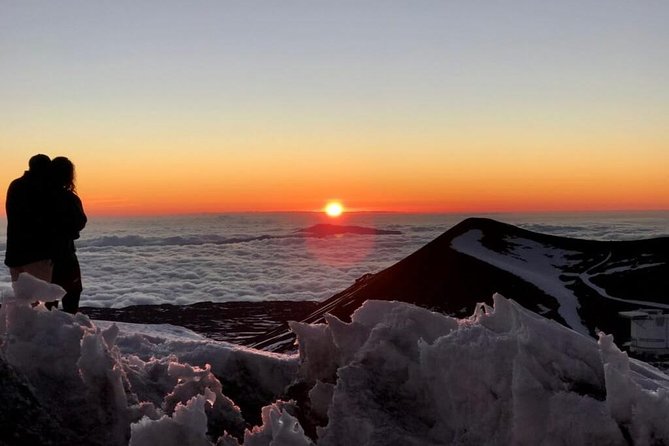
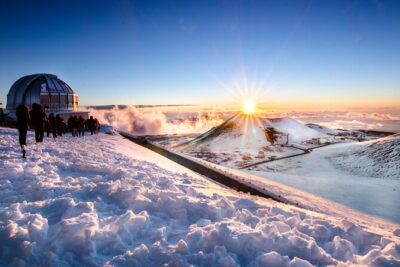
At sea level, a Hawaii sunset is already a fine show. On Mauna Kea, you watch it from a much higher perch, often above a blanket of cloud. The effect is less beach postcard and more otherworldly mountain evening, with the sun lighting the sky while the summit observatories come into view.
The mountain is also sacred in Hawaiian culture, and the route passes international astronomy facilities. A good guide helps you understand both sides of Mauna Kea: a place of cultural importance and one of the world’s best-known sites for studying the night sky.
The summit visit itself is fairly brief, listed at about 30 minutes. That is enough time to take in the view and watch the sunset, but not enough for a long wander. You should arrive ready to make the most of the stop rather than expecting a full summit hike.
Weather controls the experience. Clear skies can produce a superb sunset and strong stargazing. Clouds, wind, or road conditions can change the plan, and poor weather can lead to a rescheduled trip or full refund.
More summit and stargazing trips from Big Island of Hawaii:
- Big Island GOAT Experience: Mauna Kea Summit, Sunset & Stars
★ 5.0 · 1,706 reviews - Small Group Big Island Twilight Volcano and Stargazing Tour
★ 5.0 · 1,619 reviews - Big Island: Mauna Kea Summit and Stars Small-Group Adventure Tour
★ 5.0 · 1,545 reviews
The 9,000-foot stop at Onizuka Astronomy Complex
The first major stop is the Onizuka Astronomy Complex, at about 9,000 feet. You spend roughly 30 minutes there, looking at exhibits and allowing your body to adjust before the vehicle climbs higher.
This pause matters. The summit sits at 13,796 feet, and the quick change in elevation can affect people who feel perfectly fine at sea level. Use the stop to drink water, eat a snack, visit the restroom, and pay attention to how you feel.
The complex also gives you a chance to buy something at the gift shop and get your bearings before the final ascent. Restroom lines can be long, so do not leave the stop until the last minute. Porta-potties may be available near the summit, but facilities are basic.
You should move slowly and avoid alcohol or other intoxicants before and during the trip. Carbonated drinks are also discouraged. The operator asks for a strong level of physical fitness and does not recommend the activity for people with respiratory conditions.
If you develop chest tightness, throat tightness, shortness of breath, shaking, or other troubling symptoms, take them seriously. One party had to turn back at about 7,200 feet after developing altitude symptoms. No sunset is worth pushing through a dangerous reaction.
The climb to 13,796 feet
After acclimating, you continue by vehicle toward the summit. This is useful for anyone who wants the view but does not want to hike at high altitude. You will see major telescopes along the route, with the guide explaining the mountain and the astronomy facilities.
The ride is also when your guide can add context about Mauna Kea, the Big Island, geology, and Hawaiian culture. Guides such as Andrew and Andres have been praised for sharing useful suggestions about the island beyond the tour itself. Donna has been singled out for explaining which high-altitude symptoms are normal and which should prompt action.
The summit can be much colder than you expect. A jacket is included, but do not treat that as your entire cold-weather plan. Bring a hat or beanie, gloves, thick socks, and several layers that you can put on before leaving the vehicle.
A light shirt, flannel, leather jacket, scarf, and supplied coat may still leave you shivering. Heavy gloves are a smart addition, especially if you plan to use your phone for photographs. The wind can make the cold feel sharper.
Bring water and food. Dinner is not included, and the timing can run from midafternoon into the evening, well past a normal dinner hour. Snacks also help you manage the effects of altitude and prevent the trip from becoming an uncomfortable exercise in waiting for the drive home.
Sunset, observatories, and a sacred summit
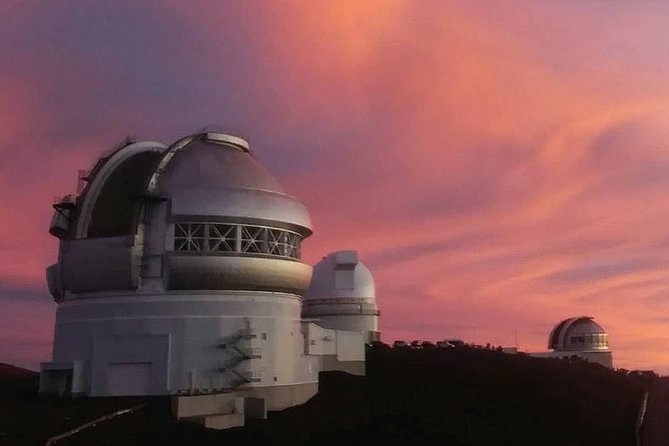
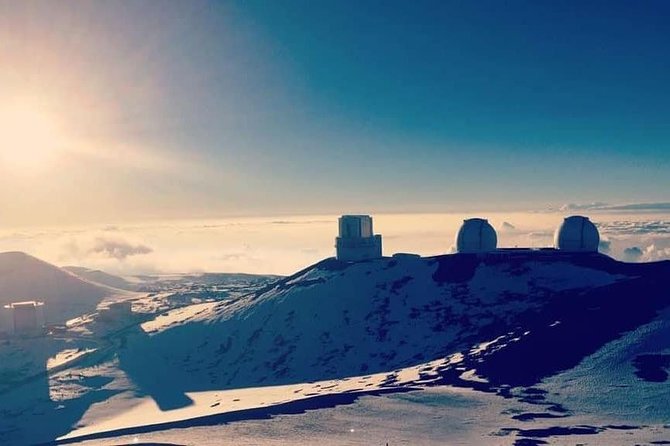
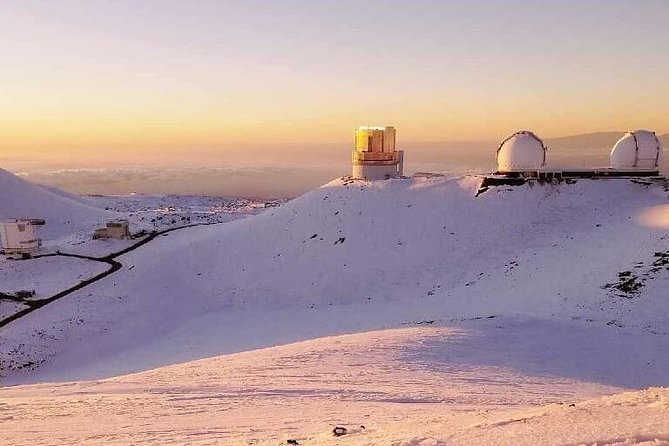
At the top, the reward is wide-open sky and a view that changes by the minute. The sun lowers, clouds catch the last light, and the observatories take on a striking shape against the horizon.
The tour is not built around entering the observatories. Instead, you see them from the route and summit area while your guide explains their role and the significance of the mountain. That balance is useful because it gives you a sense of place without pretending this is an observatory tour.
Your time outside is limited, and the cold is real. You may spend part of the stop moving between the vehicle and the viewing area rather than standing still for the entire sunset. Bring a camera, but keep your hands warm and do not let photography distract you from the short summit window.
The guides often help with phone photography. Tips for night mode and slower shutter settings can make a major difference, particularly on newer iPhones and similar phones. A tripod is not listed as included, so plan to work with what you bring.
Same island, a different kind of day:
- Big Island in a Day: Volcanoes Waterfalls Sightseeing and History
★ 5.0 · 6,569 reviews - Big Island Manta Ray Night Snorkel
★ 5.0 · 5,656 reviews - Big Island: Kona Manta Ray Snorkel Tour in Keauhou Harbor
★ 4.5 · 2,465 reviews - Hilo Shore Excursion: Volcanoes National Park & Black Sand Beach
★ 4.5 · 2,338 reviews
Stargazing with a laser pointer
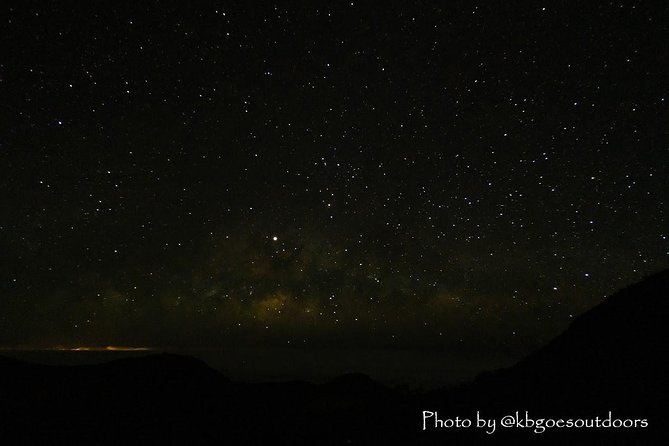
After sunset, the tour shifts toward the night sky. At the Onizuka Astronomy Complex, or a nearby viewing area used by the group, your guide explains constellations with a laser pointer.
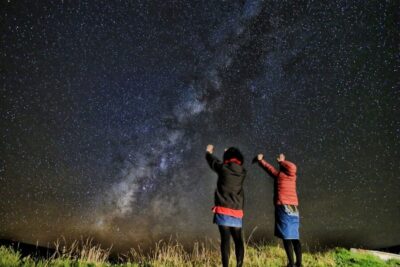
This is an informal sky talk rather than a professional observatory session. No telescopes are provided, so you will not be looking through a large instrument at planets or distant objects. The strength of the session is the guide’s ability to point out stars, constellations, the Milky Way, and, when conditions allow, objects such as Andromeda.
The group may also get a chance to see unusual activity in the distance, such as a lava glow, but that depends entirely on conditions. Cloud cover and moonlight also matter. A new moon gives the darkest sky and the best chance for dramatic Milky Way photographs. A full moon does not end the experience, but it can reduce the contrast of faint stars.
The scheduled stargazing stop is only about 15 minutes, though the total time at the mountain can be longer depending on conditions and the evening’s flow. Do not book this expecting hours at a telescope. Book it for a guided introduction to the sky in a remarkable setting.
The guide’s role is important here. A live explanation in the open air can feel more immediate than a planetarium presentation, especially when the guide uses your own phone to help frame a photograph. The quality of the evening depends partly on the person leading it, and the named guides have drawn strong praise for their star knowledge, warmth, and care with the group.
What $255 includes, and what it does not
At $255 per person, this is not a bargain shuttle ride. You are paying for transportation to a difficult-to-reach summit, a small group, a guide, jackets, and the chance to combine sunset with stargazing in one seven-hour outing.
The small group helps justify the cost. A maximum of 13 people is more personal than a large coach, and guides can check how each person is handling the altitude. That matters on a trip where comfort and safety are not minor details.
The price also includes fees and taxes, so you do not need to sort out separate entry charges. Pickup is offered, usually from Hilo, and the activity ends back at the meeting point.
You do not get dinner, snacks, hot drinks, or telescopes. Some people will consider those omissions reasonable because they prefer to bring their own food and camera gear. Others may find the price high when the main inclusions are transportation, a guide, and a jacket.
I would compare the tour with your priorities. If you want a guided summit trip and do not want to handle the high-altitude drive yourself, the price is easier to defend. If you mainly want a sunset and are comfortable arranging your own transport, the value may look weaker.
Pickup from Hilo, Kona, or Waikoloa
Hilo is the normal starting point. You can meet in Hilo or at the Onizuka Visitor Center on Mauna Kea, depending on the arrangement made for your booking.
Kona and Waikoloa pickup is not guaranteed. The operator can offer it only when at least four passengers need pickup from that side of the island, so contact the company before booking if you are staying there. Do not assume that a standard Hilo departure automatically includes a long cross-island transfer.
The overall outing lasts about seven hours, and the summit portion takes place in the late afternoon and evening. Plan your day around it. You will not want a tightly scheduled dinner reservation immediately afterward, particularly if weather or road conditions affect the timing.
The tour is offered in English and uses a mobile ticket. Service animals are allowed. The minimum age is 13, making this better suited to teenagers and adults than to families with young children.
Who should book this Mauna Kea trip?
I would recommend it to you if you want three things at once: a dramatic sunset, a guided high-altitude drive, and a simple introduction to the stars. It works especially well for couples, small families with older children, photographers, and anyone staying in Hilo without a suitable vehicle for the mountain.
It is also a good fit if you value a guide who can explain what you are seeing instead of simply dropping you at a viewpoint. The best moments come from the combination of place, timing, and interpretation.
I would hesitate if you dislike cold, have a respiratory condition, are uneasy about high elevation, or want a relaxed evening with a meal included. I would also avoid it within 24 hours of scuba or manta ray activity, as the operator specifically warns against attending then.
Read the cancellation terms carefully before paying. The booking is normally non-refundable and cannot be changed for personal reasons. If poor weather or an insufficient number of bookings cancels the trip, you are offered another date or a full refund, but ordinary changes from your side are not covered.
Should you book Arnott’s Mauna Kea adventure?
Book it if seeing sunset above the clouds and learning the night sky sounds worth $255, and if you are prepared for serious cold and high altitude. The 4.9 rating from 150 reviews and 96 percent recommendation reflect how often the guides, views, and small-group format work well.
My practical advice is simple: bring more warm clothing than you think you need, pack dinner and water, use the acclimation stop seriously, and plan around a clear or promising weather forecast. You will get the most from this trip if you treat it as a mountain outing first and a sightseeing ride second.
FAQ
How long does the Mauna Kea tour last?
The activity lasts approximately seven hours and ends back at the meeting point.
Where does the tour begin?
The normal starting point is Hilo. You may also meet the group at the Onizuka Visitor Center on Mauna Kea.
Is pickup available from Kona or Waikoloa?
Pickup from Kona or Waikoloa may be available only when at least four passengers need pickup there. Contact the operator before booking to arrange the best meeting point.
Is food included?
No. Dinner, snacks, and hot drinks are not included. Bring your own food and water, especially because the tour can run through the evening.
Are telescopes provided for stargazing?
No. The guide uses a laser pointer to explain the night sky, but telescopes are not supplied.
What are the age and health requirements?
The minimum age is 13, and participants should have a strong level of physical fitness. The activity is not recommended for people with respiratory conditions, and you should not attend within 24 hours of scuba or manta ray activity.
Just added on Big Island of Hawaii
- Volcano National Park and Rainbow Fall in Hilo, Hawaii★ 5.0 · 53 reviews
- Volcanoes National Park Adventure Tour – Hilo Shore Excursion★ 4.5 · 104 reviews
- Volcanoes National Park and Hilo Private Tour★ 5.0 · 3 reviews
- Private VAN Tour Hilo★ 4.5 · 5 reviews
- Volcanoes Adventure Tour from Hilo★ 4.0 · 29 reviews
- Majestic Waterfall Tour★ 5.0 · 31 reviews
- Private Shore Excursion Hilo Volcanoes National Park up to 10 PPL★ 5.0 · 36 reviews
- 5 Hour Custom Private Tour of Hawaii★ 5.0 · 9 reviews
Stargazing & Mauna Kea Tours, compared.
Big Island GOAT Experience: Mauna Kea Summit, Sunset & Stars
Read our review →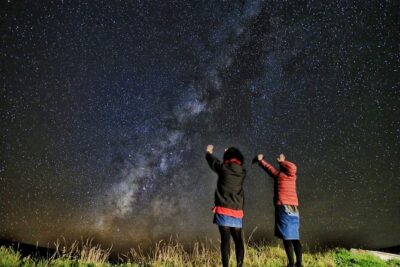
Small Group Big Island Twilight Volcano and Stargazing Tour
Read our review →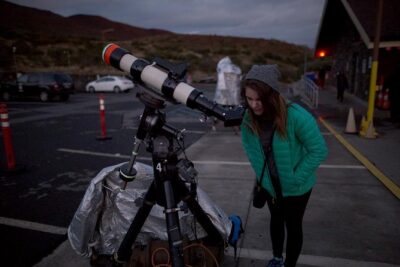
Mauna Kea Summit and Stars Small-Group Adventure Tour
Read our review →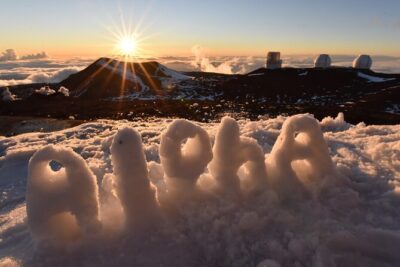
Mauna Kea Summit Tour with Free Night Star Photo
Read our review →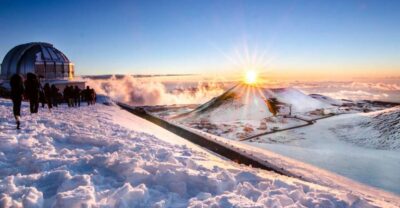
Hawaii’s GOAT Experience: Mauna Kea Summit, Sunset & Stars
Read our review →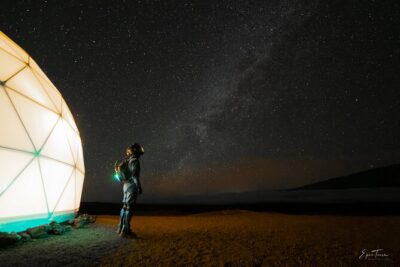
Big Island, Hawaii: Volcano and Stargazing Tour with Dinner
Read our review →
Browse the lists this tour appears in