
Reviewed · STARGAZING & MAUNA KEA TOURS
Big Island: Mauna Kea Summit and Stars Small-Group Adventure Tour
Mauna Kea gives you one of Hawaii’s most unusual evenings: sunset above the clouds, followed by a sky packed with stars. This small-group trip handles the steep drive, cold weather, dinner, telescopes, and altitude concerns in one well-planned outing. I especially like the two-telescope setup and the chance to learn about Hawaiian star navigation before looking into deep space.
I also like the practical care built into the trip. You get a hot meal, a hooded parka, gloves, hot chocolate, and a guide who watches how you are handling the altitude. The main drawback is that this is a long, cold evening on a bumpy road, with a fairly tight dinner and restroom schedule. If you need warmth, comfort, or a relaxed pace at all times, this may test you.
Key points to know before booking
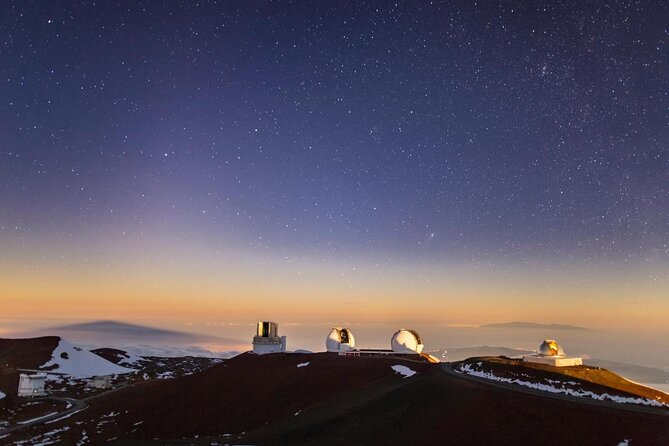
- Sunset from nearly 14,000 feet: Look over the Pacific and, on clear days, toward Maui from Mauna Kea’s summit.
- Stargazing at about 9,000 feet: The group descends after sunset to reduce the cold and altitude effects.
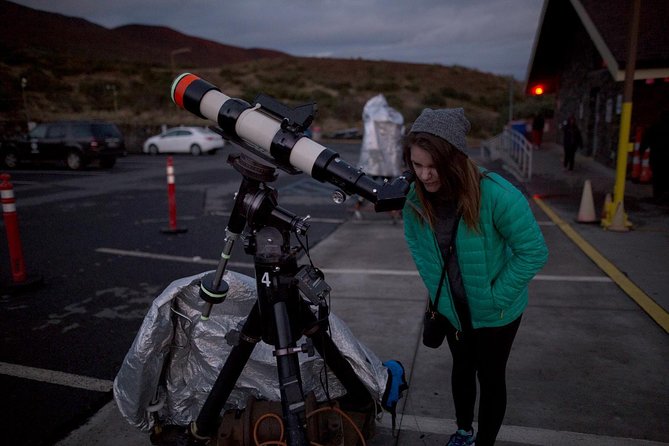
- Two strong telescope experiences: Use an 11-inch Celestron telescope and a Stellina digital astro-photography scope.
- Small group, maximum 12 people: The van keeps the outing more personal than a large coach tour.
- Dinner and cold-weather gear included: Expect a hot picnic meal, parka, gloves, cocoa, and cookies.
- Serious altitude rules apply: No scuba diving within 24 hours, and the tour is not suitable for pregnancy or certain medical conditions.
Why Mauna Kea makes such a memorable evening
Mauna Kea is more than a high point with a good view. Its height and dark skies make it an excellent place to look beyond the bright stars visible from the coast. The evening has two distinct rewards: the changing colors of sunset and the much quieter spectacle of the night sky.
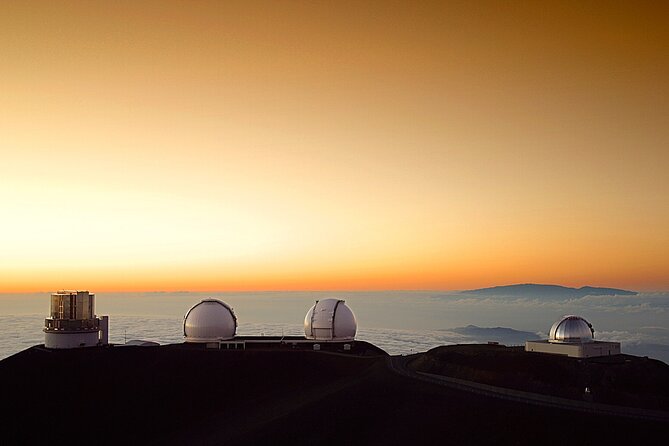
The summit is high enough that the Pacific can seem to disappear beneath a layer of cloud. On a clear evening, you may also see Maui, a view that is difficult to get elsewhere on the Big Island. Sunset lasts only a short while, so the trip’s timing matters. Your guide handles the driving and positions the group for the best available view.
The astronomy portion is the real reason to choose this tour over a simple sunset drive. The 11-inch Celestron telescope can bring planets and other objects into view, while the Stellina digital scope is used for deep-space images and captured photographs. Guides may share those images with you, giving you something more useful than a quick glance through an eyepiece.
The sky will not cooperate every night. Clouds, mist, rain, and fog can reduce the star show. Even then, the guide can use breaks in the clouds to point out constellations, and the information about volcanoes, island formation, Hawaiian culture, and ecology still gives the evening value.
More summit and stargazing trips from Big Island of Hawaii:
- Big Island GOAT Experience: Mauna Kea Summit, Sunset & Stars
★ 5.0 · 1,706 reviews - Small Group Big Island Twilight Volcano and Stargazing Tour
★ 5.0 · 1,619 reviews - Big Island: Mauna Kea Summit Tour with Free Night Star Photo
★ 5.0 · 1,449 reviews
From Kona to the Mauna Kea Visitor Information Station
The trip begins at a central meeting point in Kailua-Kona, commonly at the Courtyard by Marriott King Kamehameha’s Kona Beach Hotel. The guide meets you near the benches by the parking lot entrance. Pickup times can differ from the time shown online, and there may be other central stops before the van reaches Mauna Kea.
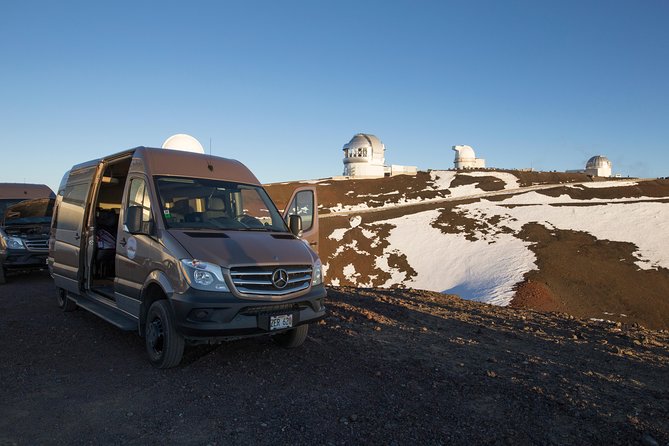
The ride takes you from sea level toward a very different setting. Your vehicle is a custom four-wheel-drive transit van with room for no more than 12 people. That small size matters on a trip where the guide needs to monitor everyone’s comfort, explain the terrain, and make sure the group follows the altitude rules.
The road becomes bumpy as you climb. This is not a smooth sightseeing transfer, though the van is designed for the route and is more sensible than trying to manage the drive yourself in a rental vehicle. The access road requires four-wheel drive, and the final section can be rough enough that you should expect some shaking.
Guides including Jeff, Jason, Wilson, and Eugene have received strong praise for their care, astronomy knowledge, and explanations of the island’s volcanoes. That makes a real difference here. A good guide turns the drive into part of the outing instead of treating it as dead time.
Dinner and Hawaiian star navigation at about 9,000 feet
The first major stop is the Maunakea Visitor Information Station. You have about 45 minutes here to eat, use the facilities, and adjust to the higher elevation before going farther up the mountain.
The meal is a warm picnic-style dinner. Chicken stew has been a popular choice, and a vegetarian option is available. A vegetarian meal can also meet gluten-free needs, but you should provide your meal choice when booking. The food is simple rather than fancy, yet a hot meal is exactly right before a cold evening outside.
The schedule can feel compressed. You may need to eat, visit the restroom, and look around the information center in a short window. Restroom lines can also add pressure, so use the facilities early rather than waiting until the last minute.
This stop has an important purpose beyond food. The guide introduces Hawaiian star navigation and explains how the night sky connects to the islands’ cultural traditions. You also begin adjusting to the elevation before the van continues upward. Take it slowly, breathe steadily, and tell the guide if you feel unwell.
Bring your own refillable water bottle. Filtered water is available for refills, but the operator does not provide your personal bottle. Closed-toe shoes and long pants are required, and a sweatshirt or sweater gives you a useful extra layer.
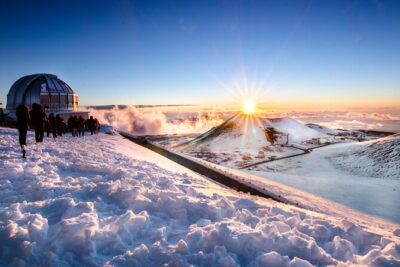
Sunset above the clouds at the summit
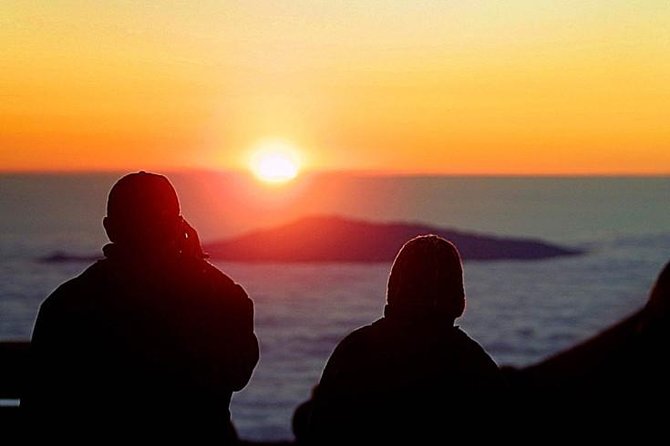
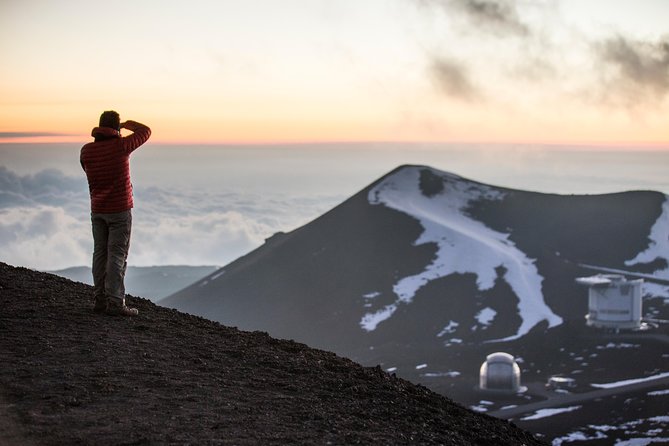
The summit portion is short, about 30 minutes, but it is the visual centerpiece of the evening. You ride higher on the four-wheel-drive road and step out into strong cold and wind. The exact conditions vary, and snow is possible in winter, with the heaviest snowfall during the colder months.
The summit altitude is often described in the 13,000-foot range, while the stargazing session takes place lower down at about 9,000 feet. That distinction matters. The highest point gives you the broadest sunset view, but you spend less time there because the air is thin and the conditions can be harsh.
Your included hooded parka and gloves are not decorative extras. Use them. Several people have found the cold more intense than expected, especially after the sun disappears. I would also bring a warm hat and wear several layers beneath the parka. The provided coat helps, but it does not replace sensible clothing.
The guides pay close attention to safety at this altitude. You may be reminded to take slow, deep breaths and move carefully. Do not treat the summit like a normal roadside stop. The combination of height, wind, cold, and uneven ground can affect you quickly.
Same island, a different kind of day:
- Big Island in a Day: Volcanoes Waterfalls Sightseeing and History
★ 5.0 · 6,569 reviews - Big Island Manta Ray Night Snorkel
★ 5.0 · 5,656 reviews - Big Island: Kona Manta Ray Snorkel Tour in Keauhou Harbor
★ 4.5 · 2,465 reviews - Hilo Shore Excursion: Volcanoes National Park & Black Sand Beach
★ 4.5 · 2,338 reviews
A calmer star show at 9,000 feet
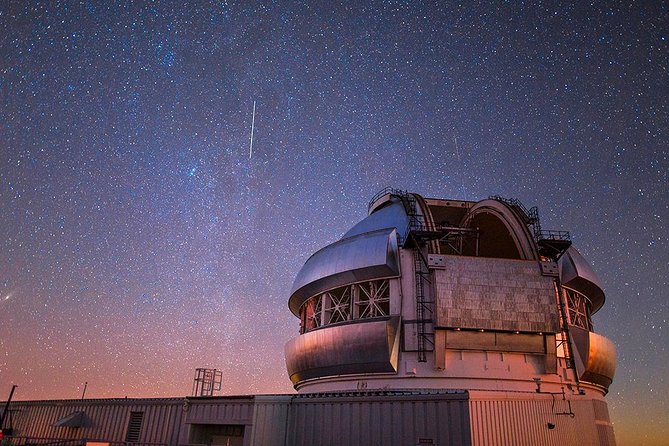
After sunset, the van descends to a more comfortable elevation near the visitor station. This is where the night sky gets its turn. You avoid some of the worst cold and altitude effects while still enjoying exceptionally dark conditions.
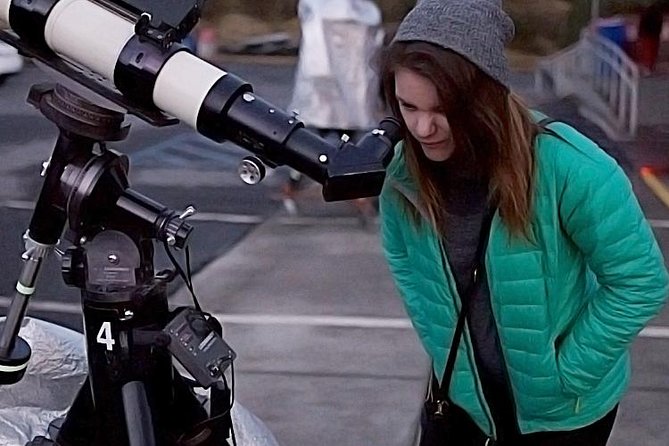
The private star show uses the 11-inch Celestron telescope. Depending on the sky and the date, you may view planets, stars, galaxies, or other deep-space objects. The Stellina digital telescope adds a different kind of experience by capturing images of the sky that can be shared with family and friends.
Moon phase can make a noticeable difference. A night near the new moon gives the Milky Way and faint stars a better chance to show clearly. The tour operates in changing conditions, so you cannot guarantee a perfect sky, but planning around a darker moon is a smart choice if your schedule allows.
The guide’s role is especially important here. Someone who understands the equipment can help you see more than a blur of light. Jeff, Jason, Wilson, and Eugene have each been praised for explaining the stars as well as the mountain, volcanoes, island culture, and ecology. That broader context keeps the session interesting even when a cloud passes over.
Hot chocolate and cookies arrive at the right moment. Once the sun is gone, the temperature drops fast, and a warm drink gives you a welcome break between telescope views. The cookies are modest, but they fit the setting better than a large formal meal would.
How much value do you get for $329.84?
At $329.84 per person, this is not a cheap evening excursion. The price makes more sense when you add up what you are avoiding and what is included: four-wheel-drive transport, a guide, dinner, weather gear, altitude planning, summit access, two telescope systems, cocoa, cookies, and central pickup and drop-off.
You are also paying for judgment. Driving a rough high-altitude road, managing the descent, watching the weather, and deciding where to hold the star show all require more than simply renting a vehicle. One person can save money by arranging a four-wheel-drive car, but that person still has to handle the road, the cold, the altitude, the vehicle rules, and the telescope experience.
The small group improves the value. With a maximum of 12 people, you have a better chance to hear the guide and get a turn at the telescope than you would on a large bus. It also makes the van feel more like a shared outing than a transfer.
The price is harder to justify if you mainly want a quick sunset photo. The tour lasts about eight hours, and much of that time is spent driving or adjusting to the mountain. You should book it because you want the complete combination of summit sunset, Hawaiian context, and guided astronomy.
Who should book this Mauna Kea tour?
This trip suits adults and teenagers age 13 or older who enjoy astronomy, geology, photography, and unusual natural settings. It also works well for couples, families with older children, and friends who want one major evening activity on the Big Island.
You will get the most from it if you are comfortable with a long day, a bumpy ride, cold air, and a schedule that cannot pause for every small need. The guides work hard to keep people comfortable, but they cannot change the altitude or weather.
This is not suitable for anyone with respiratory, circulatory, or heart conditions, pregnancy, or poor health. You should also avoid the summit within 24 hours after scuba diving because of the altitude risk. If you are unsure about your health, ask a medical professional before booking.
The tour is also not ideal for anyone seeking complete independence. You will follow the group’s timing, meal arrangements, road plan, and stargazing location. For most people, that structure is a benefit. For others, it may feel restrictive.
Practical ways to make the evening better
Wear long pants and closed-toe shoes from the start. Add a sweater or sweatshirt, then bring a warm hat if you have one. The operator supplies a hooded parka and gloves, but extra layers give you more control.
Carry your own water bottle, and refill it when the van or station makes water available. Drink steadily rather than waiting until you feel thirsty, but avoid rushing around at the summit.
Give your meal choice and parka size when you book. Available parka sizes include small through xx-large. If you leave out those details, you may need to contact the operator directly.
Try to use the restroom as soon as you reach the visitor station. The stop includes food, an orientation, and altitude adjustment, so the available time can pass quickly.
If stargazing is your top goal, look at the moon phase before choosing your date. A darker night can make faint stars easier to see, though clouds remain the deciding factor.
The tour has free cancellation up to 24 hours before the start time. Changes made within 24 hours are not accepted, and late cancellations are not refunded. If poor weather or an insufficient number of bookings causes the operator to cancel, you can choose another date or receive a full refund.
Should you book it?
Book this Mauna Kea tour if you want the safest and simplest way to combine a summit sunset with serious stargazing. The guides, telescopes, warm clothing, food, and four-wheel-drive transport make the $329.84 price easier to defend, especially if you would otherwise be uneasy driving the mountain yourself.
Skip it if you dislike cold, altitude, rough roads, or fixed schedules. For everyone else, this is one of the Big Island’s strongest evening outings, especially on a clear night near the new moon. Go prepared for physical discomfort, and you may come away with the sunset, stars, and sense of place you hoped for.
FAQ
How long does the Mauna Kea tour last?
The outing lasts approximately eight hours, including central pickup and drop-off, the drive to Mauna Kea, dinner, the summit visit, and stargazing.
Where does pickup take place?
People staying in Kailua-Kona meet at central locations, including the Courtyard by Marriott King Kamehameha’s Kona Beach Hotel. The guide meets you near the benches by the parking lot entrance. Pickup time and location can vary, so confirm them with the operator.
How many people can join the tour?
The custom transit vans carry a maximum of 12 participants.
What food is included?
A hot picnic-style dinner is included, along with hot cocoa and cookies. You must provide your meal choice when booking. A vegetarian option is available, including a vegetarian and gluten-free option noted for one meal arrangement.
Are parkas and gloves provided?
Yes. The tour provides hooded parkas and gloves. You should still bring warm layers, a hat, and a sweater or sweatshirt.
What should I wear?
You must wear closed-toe shoes and long pants. Layered clothing is recommended because the summit is cold and windy.
Is the tour suitable for children?
The minimum age is 13. Children under 13 cannot join the tour.
Can I join after scuba diving?
No. You should not visit the Mauna Kea summit within 24 hours after scuba diving because of the altitude.
What happens if weather cancels the tour?
If poor weather causes cancellation, you will be offered another date or a full refund. The same choice applies if the minimum number of participants is not reached.
Just added on Big Island of Hawaii
- Kailua-Kona: Big Island Morning Snorkeling Tour with Lunch★ 4.9 · 7 reviews
- Big Island: Hawaii Volcanoes National Park and Hilo Tour★ 5.0 · 118 reviews
- Kailua-Kona: Hualalai Volcano Doors On/Off Helicopter Tour★ 4.7 · 12 reviews
- Big Island: Full Day Adventure Tour of the Kohala Waterfalls★ 5.0 · 41 reviews
- Big Island Hawaii: Craft Chocolate Tasting and Farm Tour★ 5.0 · 14 reviews
- Big Island: Evening Volcano Explorer from Hilo★ 4.7 · 31 reviews
- Big Island: Off the Beaten Path Volcano Crater Hike★ 5.0 · 15 reviews
- Big Island: Full-Day Kohala Zipline and Waterfall Adventure★ 4.8 · 36 reviews
Stargazing & Mauna Kea Tours, compared.
Big Island GOAT Experience: Mauna Kea Summit, Sunset & Stars
Read our review →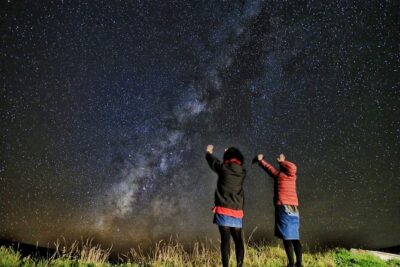
Small Group Big Island Twilight Volcano and Stargazing Tour
Read our review →
Mauna Kea Summit Tour with Free Night Star Photo
Read our review →
Hawaii’s GOAT Experience: Mauna Kea Summit, Sunset & Stars
Read our review →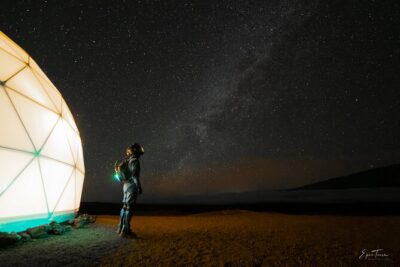
Browse the lists this tour appears in