
Reviewed · CANOES & KAYAKS
South Maui: Self Guided Clear Bottom Kayak Tour
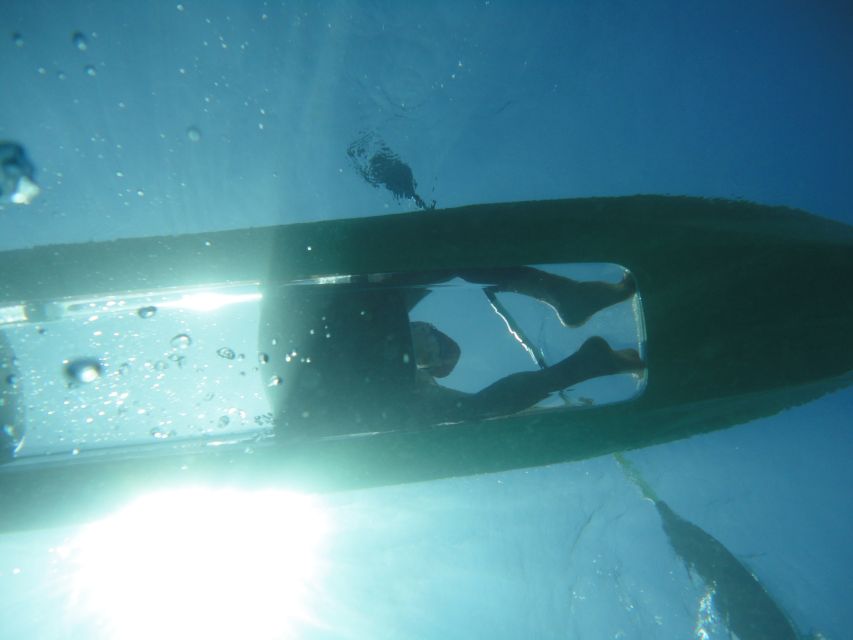
Makena Landing earns its local name, Turtle Town, for good reason. From a clear-bottom kayak, you can look more than 20 feet down into calm water and spot green sea turtles, coral, anemone, lava tubes, and reef fish without putting on a mask. I like the quiet, self-guided format and the freedom to paddle at your own speed. I also like that the $125 price covers a kayak for two, which makes it fair value for a couple or parent and child.
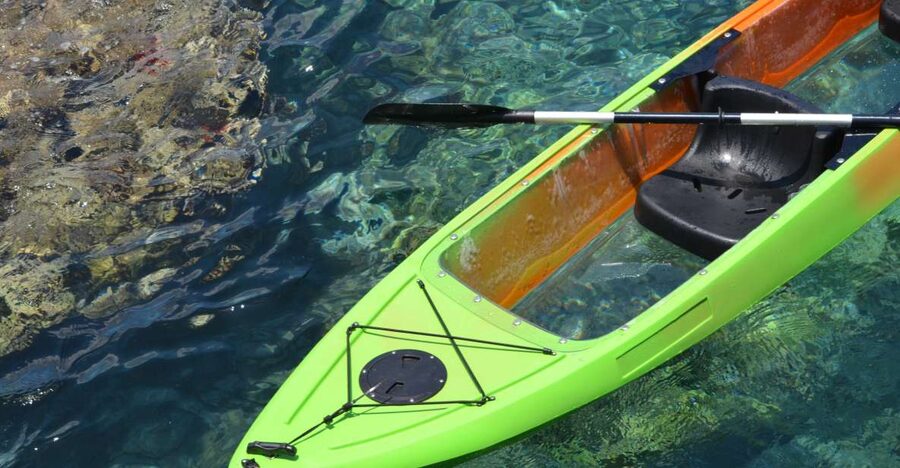
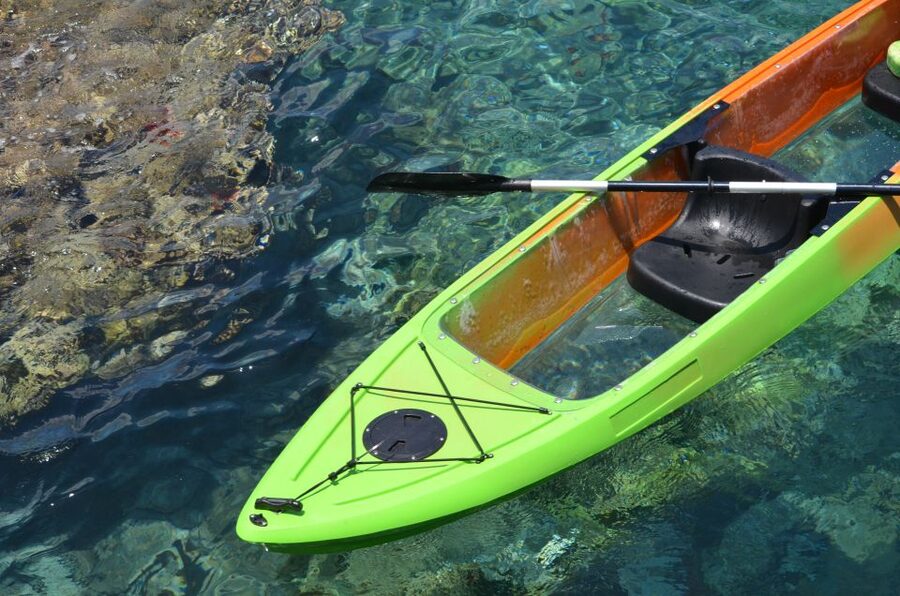
The tradeoff is simple: this is a rental, not a guided wildlife tour. You get local advice and a fish identification card, but you must choose where to paddle and find the best sights yourself. The rental spot can also be a little confusing to locate, so allow time to find the orange and green kayaks with glass bottoms.
Key points to know before you paddle
- The glass bottom really matters: In clear conditions, you may see coral formations, anemone, fish, and lava tubes more than 20 feet below.
- Turtle Town is the main attraction: Green sea turtles are common sightings, though wildlife is never guaranteed.
- You control the route: After instruction, you have the rest of the two-hour booking to explore around Makena Landing.
- Boarding happens in the water: Wear a swimsuit and water shoes, and expect to get wet before you start.
- Two people share one kayak: The capacity is 450 pounds, though groups over 420 pounds are advised to reserve differently.
- Winter adds whale potential: Humpback whales may be seen from December through April.
What the two-hour rental actually includes
This experience is best understood as a compact ocean rental with a short orientation, not a traditional guided excursion. The full booking lasts two hours, but the first 5 to 15 minutes are used for check-in, waivers, paddle instruction, safety information, and a quick overview of the area.
That leaves you with roughly an hour and 45 minutes, depending on how quickly your group gets ready. The crew supplies one clear-bottom kayak, paddles, a personal flotation device, a squirt gun, and a fish identification card. The squirt gun is a small but amusing extra, especially for families. The fish card gives you something useful to study as you paddle over the reef.
You will be shown where you may kayak and given suggestions about likely wildlife areas. After that, the route is yours. You are not following a guide from one stop to another, and there is no set order of sights. That freedom is the main appeal for confident paddlers who prefer to stop, turn, and linger as they choose.
The crew checks ocean conditions before each rental begins. That matters here because a clear bottom is only useful when the water is reasonably calm and visibility is good. Conditions can also affect how easy it is to paddle, launch, and return to shore. The final decision about starting rests with the crew.
More canoes & kayaks on Maui:
- Maui Clear Kayak and Snorkel Tour: Swim with turtles (Makena)
★ 5.0 · 551 reviews - Maui: Turtle Town Kayak and Snorkel Tour
★ 4.7 · 345 reviews - Turtle Reef Kayak Tour of Makena, Maui
★ 4.5 · 328 reviews
Finding the orange and green kayaks at Makena Landing
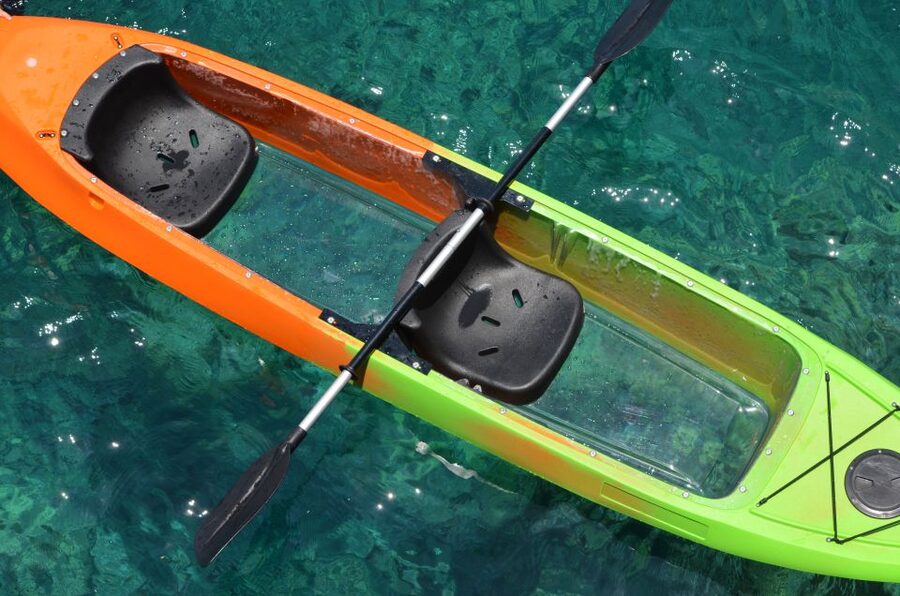
The meeting point is identified by the orange and green kayaks with glass bottoms. Do not expect a large shopfront or a conventional tour desk. One practical weakness is that the rental area can be hard to spot at first, so arrive with enough time to look carefully rather than rushing in at the last minute.
Once you find the crew, the process is direct. You sign the required waivers, receive your PFD and paddles, and get a short lesson on handling the kayak. The owners meet you at the beach, explain the area, help you launch, and assist when you return.
There are no named guides leading the outing, because there is no guide in the kayak with you. That distinction is important when you compare this with a guided turtle tour. You receive help at the start and finish, plus local pointers, but you are responsible for your own route and wildlife spotting.
Launching from the water
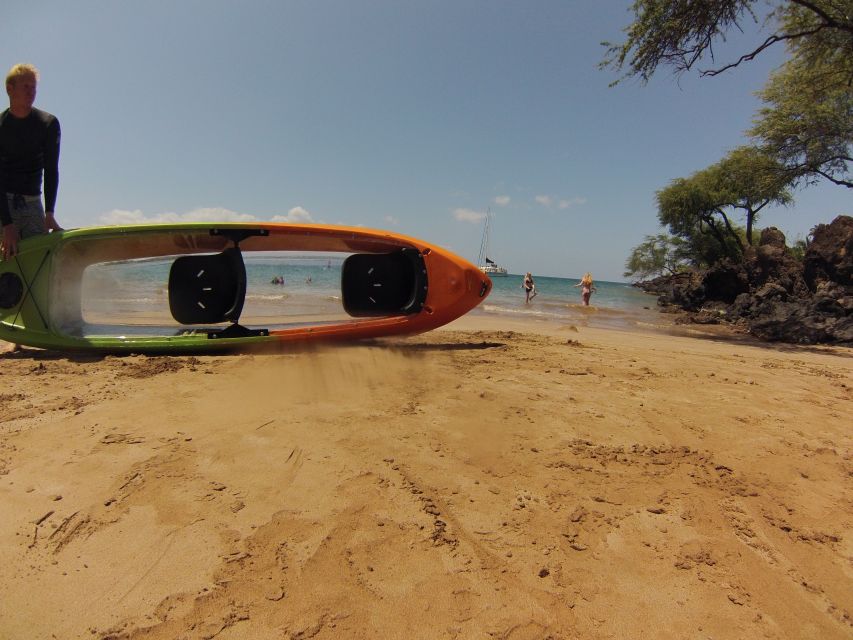
The kayak is boarded in the water, not from a dry dock or large floating platform. You should wear a swimsuit or other clothing you do not mind getting wet. Water shoes are useful because they make the short wade and launch more comfortable.
The crew helps you get started, which takes some of the awkwardness out of the process. Still, the first few minutes can feel less polished than a land-based activity. If you are traveling with children, older adults, or anyone uneasy around water, pay close attention during the safety briefing and take your time.
The kayak is designed to be steady and easy to use. Two people share the boat, with one paddler in front and one behind. A cooperative pair can cover a good amount of water, while an inexperienced or tired paddler will naturally limit your range. One family used two kayaks so the adults and children could be arranged in ways that worked for their paddling abilities.
Capacity rules deserve careful attention. The maximum total weight in one kayak is 450 pounds, or 204 kilograms, but the operator recommends a different arrangement for groups over 420 pounds. Children over age three cannot ride on an adult’s lap, so a second kayak may be required. Infants under 30 pounds do not have a properly sized life jacket listed as available.
Groups cannot rotate through the kayaks. You need to reserve enough boats for everyone who plans to ride, rather than booking one boat and switching people during the session.
Paddling over Makena’s underwater world
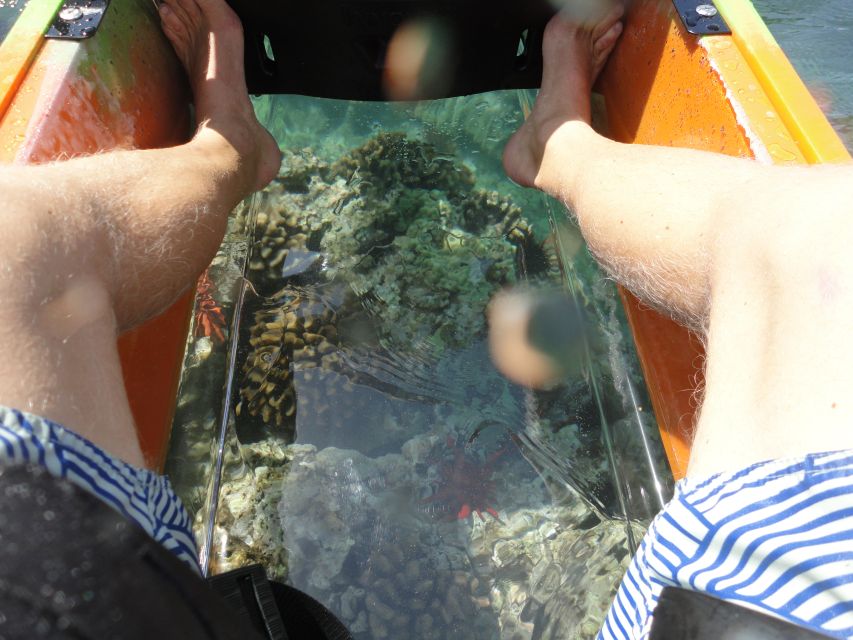
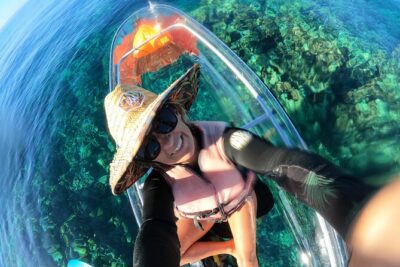
Once you leave the beach, the clear bottom gives you a second view of the trip. You are not only looking outward across the bay. You are also watching the water beneath your seat, where coral formations, anemone, reef fish, and other sea life may appear.
Visibility can be excellent. One outing had a clear view down more than 20 feet, with sea anemone, coral, a lava tube, several turtles, and many fish all visible from the kayak. That is the experience at its best: quiet paddling combined with a natural viewing window below you.
The fish identification card is helpful here. Without it, the underwater scene can blur into colorful shapes and movement. With it, you can pause and try to match what you see. This makes the rental more engaging for children and gives adults a reason to slow down rather than simply paddle from one end of the bay to the other.
Take your time. The area is larger than most people will cover during the two-hour rental, especially after check-in and launch. You do not need to chase every possible sighting. A slow route gives you more time to look down through the glass and scan the water around you.
The clear bottom is not a guarantee of constant views. Water clarity, sunlight, wind, and ocean conditions all affect what you can see. A cloudy day or rough surface can make the glass panel less useful. That is why the crew’s condition check matters more than the promise of a particular animal.
Same island, a different kind of day:
- Small-Group Road to Hana Adventure Tour with Pickup & Lunch
★ 5.0 · 3,064 reviews - Maui Pineapple Farm Tour in Haliimaile
★ 5.0 · 2,855 reviews - Maui Eco-Raft Tour: Eye-Level Whale or Dolphin Watching – Lahaina
★ 5.0 · 2,482 reviews - Maui Snorkeling Adventure to Molokini and Turtle Town
★ 4.5 · 2,221 reviews
Turtle Town and the chance of wildlife
Green sea turtles are the star attraction around Makena Landing. You may see them resting, swimming, or passing below the kayak. The setting lets you watch from above without joining a crowded group in the water.
The wildlife list is wide, but you should treat it as a list of possibilities, not a schedule. Reef fish and turtles are the most central sights. You might also see manta rays, spotted eagle rays, octopuses, dolphins, monk seals, or small white-tip reef sharks.
Humpback whales are a seasonal possibility from December through April. A whale sighting from a kayak can be memorable, but it is not guaranteed and should not be the main reason you book. The same applies to the less common rays, dolphins, monk seals, and sharks.
You may also encounter scuba divers in the area. That can be frustrating if you are trying to inspect a particular reef spot, but it is part of sharing a popular marine area. A self-guided rental gives you the option to paddle elsewhere instead of waiting for one location to clear.
The owners suggest areas where you may have better luck, but there is no fixed wildlife route. If finding animals is your top priority, a guided tour may suit you better because a guide can point out small movements and tell you where to look. If you prefer privacy and a slower pace, the freedom here is worth more than a set commentary.
Why the self-guided format works for some people
I like self-guided activities when the setting does much of the teaching. Makena Landing is a good example. The water, reef, turtles, and clear kayak provide the main story, while you decide how much paddling and how much quiet observation you want.
This format is especially good for couples, families, and small groups who do not want to keep pace with a larger party. You can turn around when someone gets tired, pause over a fish, or spend several minutes looking for a turtle without holding anyone else up.
It also suits mixed-age families better than you might expect, provided everyone fits the capacity rules and can manage the launch. An outing included adults in their seventies, a 14-year-old, and an 8-year-old across two kayaks. The children had different paddling abilities, but the family could arrange the boats to match. The calm water and simple kayak handling helped the group feel safe.
The limitation is that self-guided means self-directed. You may paddle past a good viewing area without knowing it, and you will not have someone explaining the reef as you go. One useful improvement would be a simple map showing the shoreline, coral areas, and likely fish zones. For now, you need to rely on the briefing, the fish card, and your own attention.
The value of $125 for up to two people
At $125 per group of up to two, the price is most attractive for a couple or two people who would otherwise pay per person for a guided outing. You receive the kayak, paddles, PFDs, instruction, local suggestions, fish card, and two hours on the water.
The value depends on what you want from the morning or afternoon. If you want a natural setting, quiet time, and the ability to explore alone, the price is reasonable. If you expect a guide to narrate the reef, locate turtles, and lead you to each wildlife area, you may feel the rental does not provide enough for the money.
Families need to calculate the total carefully. The booking covers two participants in one kayak, but children over age three cannot sit on laps. Larger groups need additional kayaks, and groups cannot share boats by taking turns. A family may find the total cost rises quickly, even though the first kayak is well priced.
The two-hour limit is also worth considering. It is long enough for a satisfying paddle, but not long enough to cover every corner of the area at a leisurely pace. Since the first 5 to 15 minutes are used for preparation, an early start to the booking gives you more actual time on the water.
Who will enjoy this most
I would choose this for:
- Couples who want a private-feeling ocean outing without a large group
- Families with children who can follow safety instructions and paddle or sit appropriately
- Visitors who enjoy wildlife but do not need a guide talking the entire time
- People who want to see coral and fish without snorkeling
- Paddlers who are comfortable making their own route choices
- Anyone who values a calm, flexible activity over a tightly scheduled excursion
I would think twice if you need a fully guided experience, have difficulty boarding in shallow water, or want guaranteed wildlife sightings. The rental is friendly to all ages, but age alone does not remove the need for a safe fit, a properly sized PFD, and enough paddling ability for the pair in each kayak.
Bring swimwear and water shoes. You may also want sun protection, though the supplied information does not specify what personal items are provided. Keep your attention on the water and wildlife rather than treating the squirt gun as the main event. It is fun, but Turtle Town is the reason to paddle slowly.
Should you book the clear-bottom kayak rental?
Book it if you want a flexible two-hour outing around Makena Landing and are happy to find the wildlife yourself. The clear view into the water, the chance to see turtles, and the calm pace are the strongest reasons to go. The experience can be especially good for a couple or a family using two kayaks with children who have different paddling skills.
Skip it in favor of a guided outing if you want expert commentary or help locating every good reef area. You should also choose another plan if your group cannot meet the kayak capacity and age rules. For the right pair, this is a simple, good-value way to get close to Maui’s marine life without signing up for a crowded, scripted trip.
FAQ
How long does the clear-bottom kayak activity last?
The entire rental process lasts two hours. Check-in, waivers, safety instruction, paddle lessons, and the area overview usually take 5 to 15 minutes, leaving the rest of the booking for paddling.
How much does one kayak cost?
The price is $125 for a group of up to two people.
Is the activity guided?
No. The crew provides paddle and safety instruction, local tips, launch assistance, and suggestions about where to look, but you paddle independently.
What might I see from the kayak?
You may see green sea turtles, reef fish, coral formations, anemone, lava tubes, manta rays, spotted eagle rays, octopuses, dolphins, monk seals, small white-tip reef sharks, and seasonal humpback whales.
When can I possibly see humpback whales?
Humpback whales may be seen from December through April.
Where does the activity meet?
Look for the orange and green kayaks with glass bottoms at Makena Landing, also known locally as Turtle Town.
How many people can use one kayak?
One kayak is intended for up to two participants, with a maximum capacity of 450 pounds or 204 kilograms. Groups over 420 pounds are advised to arrange the group differently or reserve another kayak.
Can children ride in an adult’s lap?
Children over three years old cannot ride in laps. Infants under 30 pounds or 13.5 kilograms do not have a listed life jacket size, and larger groups must reserve enough kayaks for all participants.
Just added on Maui
- South Maui: Waterfall Tour w/ Kayak, Snorkel, and Hike★ 5.0 · 18 reviews
- South Maui: Whale Watch Kayaking and Snorkel Tour in Kihei★ 4.7 · 93 reviews
- South Maui: Premium Turtle Town Kayak and Snorkel Tour★ 4.8 · 113 reviews
- South Maui: Semi-Private Surf Lesson★ 4.9 · 17 reviews
- Wailea Beach: Snorkeling for Non-Swimmers Guided Tour★ 5.0 · 42 reviews
- South Maui: Kalama Beach Park Surf Lessons★ 4.9 · 38 reviews
- Maui: Road to Hana Sightseeing Tour★ 4.5 · 32 reviews
- Haiku: Waterfall, Rainforest, and Handcrafted Chocolate Tour★ 5.0 · 11 reviews
Canoes & Kayaks, compared.
Kauai Adventure: Kayak & Hike to Secret Falls with Expert Guide
Read our review →
Kailua Bay, Oahu: Epic Kayak and Snorkel to Islands
Read our review →
Secret Falls Kayak & Hike Guided Adventure on the Wailua River
Read our review →
Wailua River & Waterfalls Kayak Tour: Expert-Guided Adventure
Read our review →
Wailua River Kayak and Sacred Falls Guided Hike with Lunch
Read our review →
Maui Clear Kayak and Snorkel Tour: Swim with turtles (Makena)
Read our review →Browse the lists this tour appears in