
Reviewed · FARMS
Maui Pineapple Farm Tour in Haliimaile
A pineapple field is more interesting than it sounds once you see the work behind each golden fruit. At the Haliimaile farm, you ride and walk through an operating plantation, learn the growing cycle, sample pineapple at different stages, and see parts of the packing operation. The star of the show is the extra-sweet Maui Gold pineapple.
I like the mix of hands-on tasting and local agriculture, and I like that every person receives a boxed pineapple to take home. Guides such as Shilo, Colton, Brian, Rudy, and Frank are often praised for making the information lively. The main drawback is value: $99.48 per person is a serious price for a 90-minute activity, especially if farm tours are not a major interest.
Key points at a glance

- Taste pineapple at different growing stages: The samples help you connect the guide’s explanation with real differences in flavor and texture.
- Walk through a working Haliimaile farm: This is an operating agricultural site, not just a display garden.
- Take home one airport-ready pineapple: Every person receives a whole pineapple prepared for the journey home.
- Keep the group reasonably small: The maximum is 24 people, which gives the guide room to answer questions.
- Plan for a little farm-road bumpiness: The mini-coach travels through working fields, so this is not a smooth sightseeing bus ride.
- Allow 90 minutes, plus your drive: The tour starts and finishes at the Maui Pineapple Store in Haliimaile.
Why a pineapple farm tour works in Maui
Maui is often sold through beaches, ocean views, and resort activities. This tour gives you a different view of the island: agriculture, packing work, and the effort required to produce a fruit that seems simple when it reaches a grocery shelf.
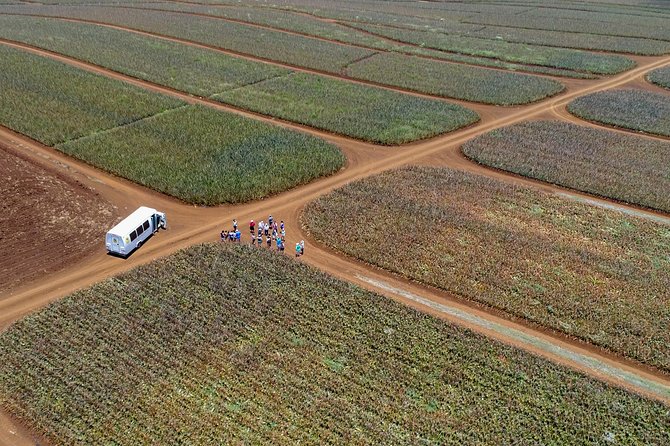
The Haliimaile farm is a working operation. You are not simply looking at rows of plants from a distance. The tour includes time in the pineapple fields, a ride in a mini-coach, and a look at the packing facility. That combination matters because it connects the plant in the ground with the finished fruit you can buy or take home.
The guide explains the pineapple growing cycle and cultivation methods as you move through the farm. Instead of hearing a long talk first and seeing the plants later, you taste pineapple while learning about its different stages. I like that approach. It gives children and adults something concrete to notice, and it keeps the 90-minute visit from becoming a lecture.
The setting also gives you a look at Haliimaile, a historic plantation town in Maui’s upcountry. The tour focuses on pineapple farming, but the setting helps place the operation within the island’s agricultural past and present.
Other coffee and chocolate farms to visit on Maui:
- Lahaina: Maui Ku’ia Estate Guided Cacao Farm Tour and Tasting
★ 5.0 · 1,103 reviews - Maui: Road to Hana Adventure with Farm to Table Lunch
★ 5.0 · 877 reviews - The Maui Butterfly Farm Tour
★ 5.0 · 446 reviews
Starting at the Maui Pineapple Store in Haliimaile
You make your own way to the Maui Pineapple Store at 870 Haliimaile Road, Makawao. The activity begins and ends at this same location, so you do not need to arrange a separate drop-off point.
Several start times are offered. That is useful if you are fitting the tour around a morning drive, lunch, or another upcountry activity. The tour is booked well in advance on average, so I would not assume you can always walk in and find space, especially if your Maui schedule is tight.
The store is more than a check-in point. It has a gift shop with pineapple-related items and other purchases, and the setting gives you a chance to browse before or after the farm visit. One practical tip: the whole pineapple you receive at the end is ready to fly home, but you still need room for it in your luggage.
The activity is offered in English. Confirmation is sent within 48 hours of booking, subject to availability, so check that you have received confirmation before building the rest of your day around the tour.
Riding into the working pineapple fields
After meeting your guide, you board a mini-coach for the farm portion of the visit. The group maximum is 24 people. That is not a private family outing, but it is small enough for a guide to keep the presentation moving and respond to questions.
Expect the ride to be a little bumpy. The coach travels on farmland, not a paved city route, and that is part of the point. You are reaching an operating field rather than a polished attraction built only for sightseeing. If you prefer a smooth ride at all times, this detail may bother you. If you see it as access to a real farm, it makes sense.
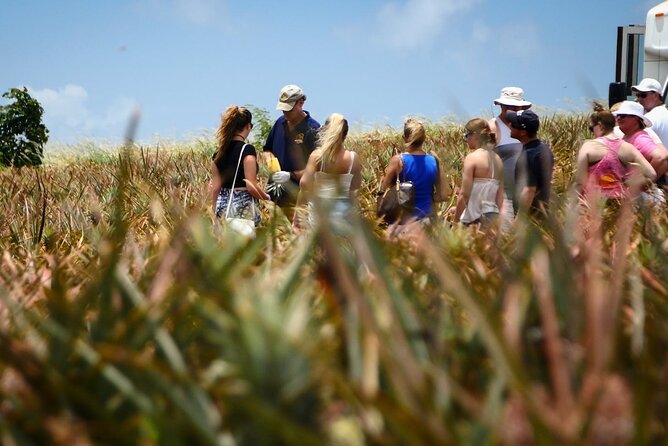
The guide points out the pineapple rows and explains how the plants are grown and cared for. You learn about the stages of development and the work involved in planting, monitoring, harvesting, and sending the fruit onward. The discussion also touches on Hawaii’s pineapple industry and local culture.
This is where the tour earns much of its value. Many people know pineapple only as a cut fruit in a supermarket. Seeing it in the field changes that picture. You begin to understand why the fruit takes time, labor, and careful handling before it reaches the packing area.
The farm also provides good photo opportunities. The guide may point out interesting views and places to take pictures, but remember that this remains a working operation. The focus is on seeing and understanding the farm rather than staging a long photography session.
Tasting Maui Gold pineapple at different stages
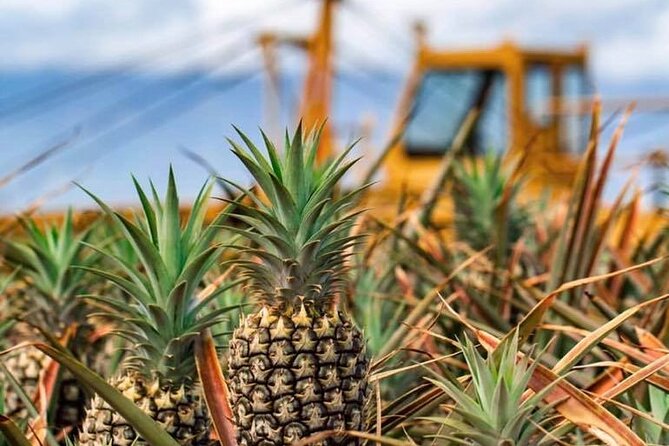
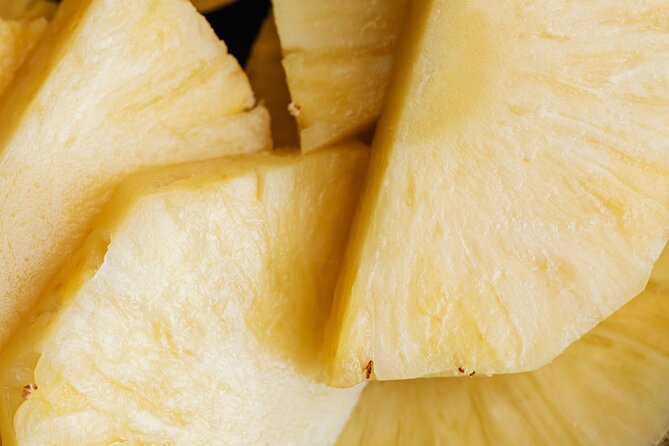
The tasting is the most memorable part for many people, and it is more useful than a simple snack. You sample fresh pineapple as the guide explains what you are seeing in the field. The samples demonstrate changes in flavor and texture, helping you understand the fruit beyond the familiar ripe slice.
Maui Gold pineapple is known here for its especially sweet taste. One of the pleasures of the tour is trying the fruit close to where it is grown, rather than treating the tasting as an afterthought. The samples are included in the admission price.
I would especially recommend this experience for anyone who thinks they do not like pineapple. One tasting comment describes a person who normally avoids pineapple but enjoyed this fruit. That does not guarantee you will change your mind, of course, but the freshness and sweetness may surprise you.
The tasting also works well for families. Children can follow the simple question of how a pineapple grows, then sample what they have just learned about. Adults get the agricultural explanation, while younger people get a clear sensory part of the tour.
The guide is central to the experience. Shilo is praised for combining clear explanations with humor. Colton, also spelled Colten in one account, is noted for discussing farming, island industry, and production while offering useful suggestions for nearby food and drink stops. Brian, Rudy, and Frank are also named as guides who made the tour friendly and informative.
Because guides can vary, you should not book expecting one particular person unless the operator confirms that detail. The consistent point is that a good guide makes a major difference here. The information is straightforward, but the best guides add local stories, answer questions, and point out details you might otherwise miss.
Same island, a different kind of day:
- Small-Group Road to Hana Adventure Tour with Pickup & Lunch
★ 5.0 · 3,064 reviews - Maui Eco-Raft Tour: Eye-Level Whale or Dolphin Watching – Lahaina
★ 5.0 · 2,482 reviews - Maui Snorkeling Adventure to Molokini and Turtle Town
★ 4.5 · 2,221 reviews - Maui: Haleakala Sunrise Spectacular with Local Breakfast
★ 4.5 · 2,155 reviews
Inside the packing facility
The tour includes a look at the packing facility, which adds an important second half to the farm story. The field shows where the pineapple begins. The packing area shows how the fruit is prepared for sale and transport.
This section may be shorter than the time spent outdoors, but it helps explain the operation as a business rather than a scenic farm. You get a better sense of the machinery and handling involved in getting pineapples from the field to customers.
The farm environment is not perfectly controlled. You may see signs of the practical problems that come with agriculture, including animals that damage the fields. One unusual sighting involved a Polynesian pig following the bus, described as cute but harmful to the crop. It is a small reminder that working farms deal with real challenges, not just tidy rows for photographs.
The take-home pineapple and its real value
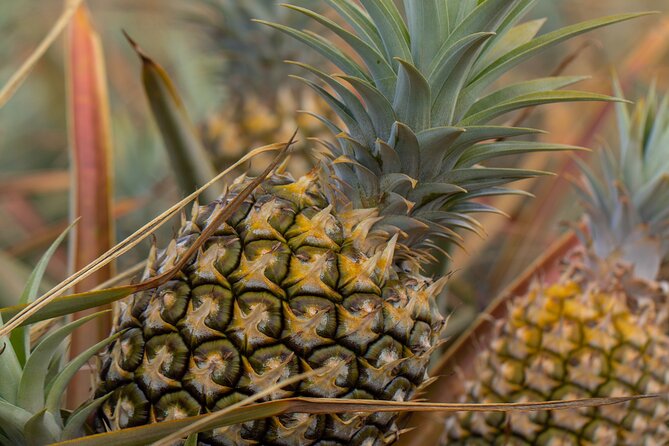
Every person receives a fresh pineapple at the end of the tour. It is prepared as an airport-ready pineapple, so the operator is presenting it as suitable to take on your trip home.
This is a generous and memorable extra, but you should plan for it. If your suitcase is already full, the pineapple may become an awkward final purchase. The tour information specifically warns you to leave room in your luggage.
The fruit also gives the tour a lasting payoff. You do not simply remember the tasting at the farm. You can share the pineapple later, eat it at home, or possibly try to grow it. It is not enough by itself to justify the price for everyone, but it does make the experience feel more substantial than a short talk and a few samples.
Is $99.48 a fair price?
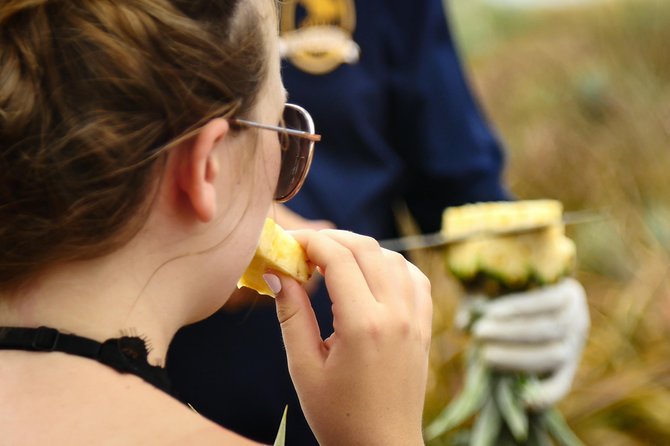
At $99.48 per person, this is not a bargain snack stop. The price covers a guide-led visit lasting about 90 minutes, the farm and packing-facility experience, pineapple samples, and one whole pineapple for each person.
I see the value most clearly if you want an activity with an agricultural and cultural focus. You are paying for access to a working operation, the guide’s presentation, the tasting, and the take-home fruit. For a family, the farm setting and simple subject can work across several generations. For someone mainly seeking scenic views or a long outdoor adventure, the price may feel high.
The tour is brief. The field portion is the main event, but the total visit remains about an hour and a half. That makes it easy to fit into a day, yet it also limits how much detail you can receive. One direct assessment called it a good but slightly expensive tour, which is a fair way to view it.
I would compare it with the rest of your Maui budget. If you have already paid for several premium activities, this may be the one to skip unless pineapple farming genuinely interests you. If you want a family-friendly outing that is educational, tasty, and different from the usual beach schedule, the price becomes easier to defend.
There is also a distillery across the street that uses the same pineapples for alcohol production and offers tours. The two activities can make a convenient pairing, though the pineapple tour itself does not include the distillery visit.
Who should book this experience?
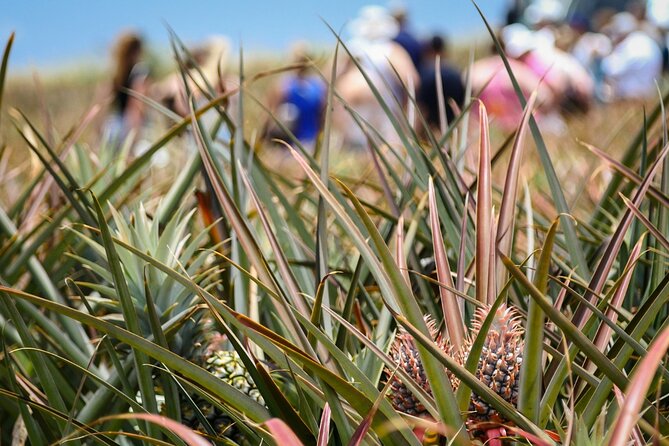
I would recommend the tour to families, food-focused visitors, and anyone curious about how Hawaii’s agriculture works. It suits a three-generation group because the walking is limited, the ride breaks up the field visit, and the tasting gives everyone something to enjoy.
It is also a good choice for people who want to understand an everyday food rather than simply photograph it. The guide’s explanation of planting, growing, harvesting, and packing adds substance to what might otherwise be a quick farm stop.
The activity has a minimum age of three. Children under three are not permitted, and no refund is given to parties who arrive with children under that age. Most people can take part, but you must be able to climb three steps on and off the mini-coach and stand for about 20 minutes at a time.
I would think twice if you have mobility concerns, dislike uneven farm roads, or want a private experience with no other people. The maximum group size is 24, and the ride may be bumpy. The tour is also weather dependent, so leave some flexibility in your schedule.
Booking, timing, and cancellation details
The activity is offered in English and comes with a mobile ticket. You select from available start times, then drive to the Maui Pineapple Store in Haliimaile.
Free cancellation is available up to 24 hours before the start time for a full refund. Changes or cancellations made within 24 hours are not accepted and are not refunded. If poor weather forces a cancellation, you are offered another date or a full refund.
One operational problem has been reported: a person who arrived early was mistakenly not checked in and was moved between vehicles, missing part of the tour. This appears to be an exception rather than the normal experience, but it is sensible to arrive early, confirm that your name is checked in, and make sure you are assigned to the correct coach.
Should you book the Maui Pineapple Farm Tour?
Book it if you want a short, clearly organized look at Maui agriculture, especially if you are traveling with children or several generations. The fresh tasting, working fields, packing facility, and airport-ready pineapple give the visit more substance than a simple shop stop.
Skip it if your top priority is a low-cost activity, a long tour, or a smooth sightseeing ride. At $99.48, the experience needs to match your interests. For people who enjoy food, local production, and practical cultural context, I think the farm access and take-home fruit make it a worthwhile splurge. For everyone else, the price may be better spent elsewhere.
FAQ
Where does the Maui Pineapple Farm Tour begin?
The tour begins at the Maui Pineapple Store, 870 Haliimaile Road, Makawao, Hawaii 96768.
Where does the tour end?
The activity ends back at the Maui Pineapple Store, the same place where it begins.
How long does the tour last?
The tour lasts approximately 1 hour and 30 minutes.
How much does the tour cost?
The listed price is $99.48 per person.
What language is the tour offered in?
The tour is offered in English.
What is included in the tour?
The tour includes fresh pineapple samples and one airport-ready pineapple for each person.
Are children under three allowed?
No. Children must be at least three years old, and no refund is provided to parties who arrive with children under three.
How large is the tour group?
The activity has a maximum of 24 people.
Do I need to be able to walk or climb?
You need to climb three steps on and off the mini-coach and stand for about 20 minutes at a time. Most people can participate.
What is the cancellation policy?
You can cancel at least 24 hours before the start time for a full refund. Cancellations or changes made less than 24 hours before the start time are not refunded. If poor weather cancels the tour, you are offered another date or a full refund.
Just added on Maui
- Central Maui: Two-Island Scenic Helicopter Flight to Molokai★ 4.9 · 165 reviews
- Goat Yoga with Miniature Goats In Maui★ 5.0 · 55 reviews
- A Maui Beach Photoshoot in Wailea★ 5.0 · 154 reviews
- Lanai Snorkel and Dolphin Watch from Maalaea★ 4.5 · 235 reviews
- Sea Scooter Snorkeling Tour with GoPro – Wailea Beach★ 5.0 · 251 reviews
- Small-Group Shark and Turtle Dive for Certified Divers★ 5.0 · 219 reviews
- From Ma’alaea: Sunset Dinner Cruise Aboard the Quicksilver★ 4.5 · 218 reviews
- Maui Lahaina Group Surf Lesson★ 4.9 · 235 reviews
Farms, compared.

Oahu’s Ultimate Tour: Dole, Turtle Snorkel, Pali Lookout & More
Read our review →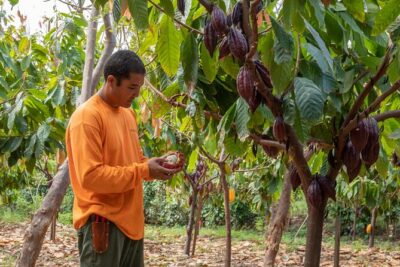
Maui Ku’ia Estate Guided Cacao Farm Tour and Tasting
Read our review →
Big Island Highlights: Coffee, Volcano, Black Sands & Waterfall
Read our review →
Road to Hana Adventure with Farm to Table Lunch
Read our review →
Pearl Harbor, Dole Plantation, and Polynesian Center from Waikiki
Read our review →
Princeville Botanical Gardens Tour and Chocolate Tasting Ticket
Read our review →
Browse the lists this tour appears in