
Reviewed · MANTA RAY NIGHT SNORKELS
Big Island: Night Swim with Manta Ray with Hot Chocolate
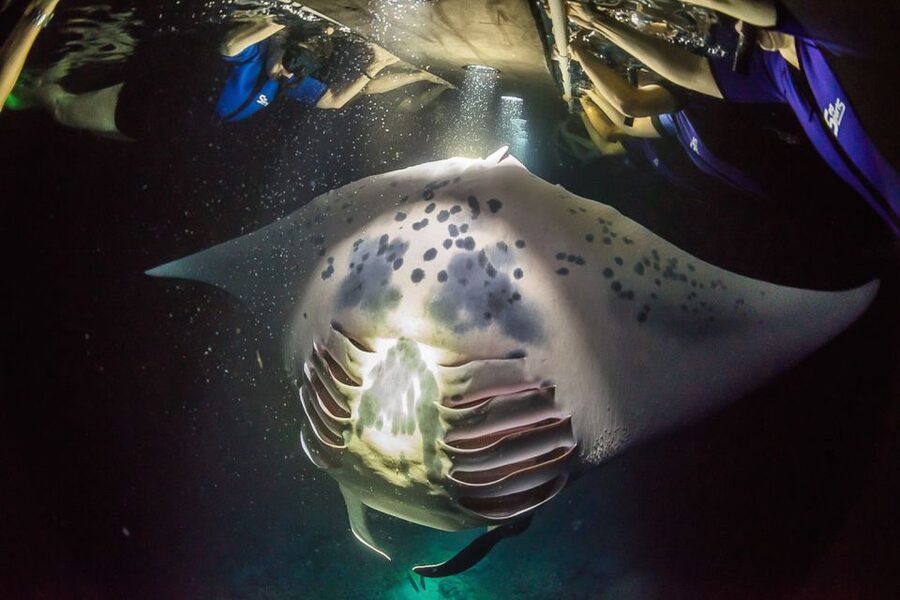
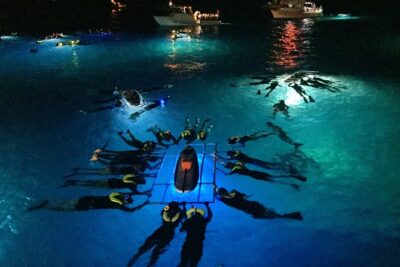
At night off the Kona coast, a floating raft lit from below draws plankton into the water. Giant manta rays then sweep beneath you, sometimes passing within inches as they open their wide mouths to feed. It is a wild-animal encounter with no cage, tank, or guarantee, and that is exactly what makes it special.
I like two things right away: the short boat ride keeps the outing focused, and the crew provides the key gear, including wetsuits, flotation equipment, snorkel gear, and prescription masks. I also like the thoughtful finish: hot chocolate and cookies taste especially good after time in the nighttime water.
The main catch is simple. You must be an experienced swimmer and snorkeler, and holding the raft for the full viewing period can tire your shoulders. Mantas are wild animals, too, so the number you see can range from a few to a large group.
Key Points
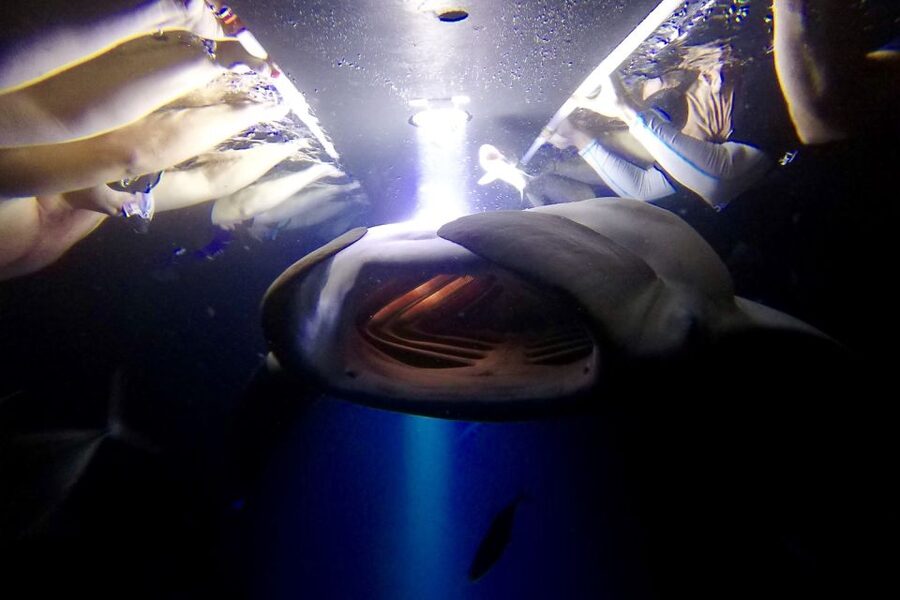
- Mantas feed beside a lighted raft: Blue lights draw plankton, bringing the rays close to the viewing platform.
- The boat ride is short: The manta site is near the mouth of Keauhou Bay, so more of your 75 minutes is spent in the water.
- Gear is supplied: You receive snorkel equipment, a wetsuit, flotation devices, and prescription masks.
- Guides stay involved: Guides such as Michelle and Kelsie have been praised for safety support and clear manta facts.
- The activity suits confident swimmers: Children under seven, non-swimmers, wheelchair users, and people without experience cannot join.
- There is a backup for a no-manta night: If none appear, you can return another night or join a confirmed afternoon snorkel at no extra charge.
What Makes the Kona Manta Swim Special
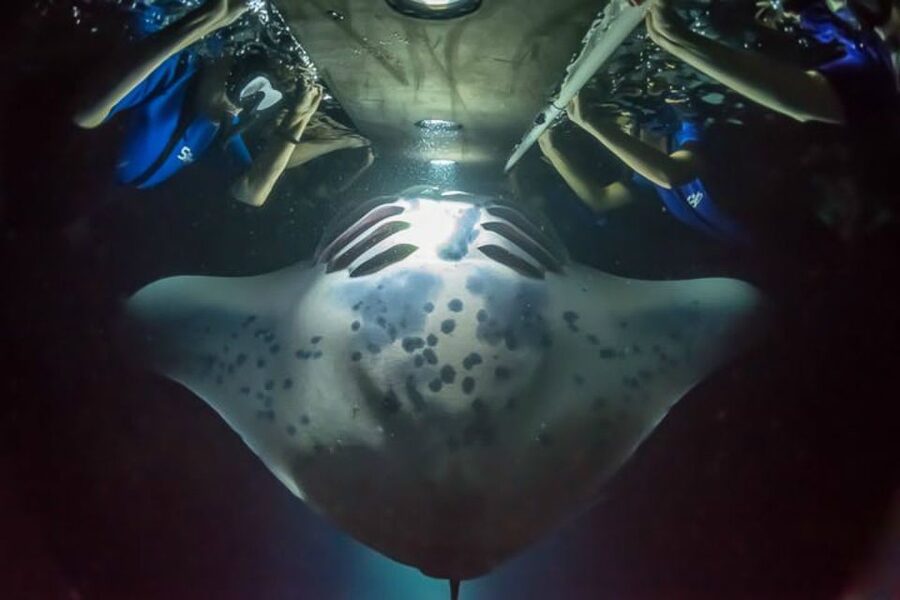
Many nighttime ocean activities ask you to search for wildlife with a flashlight. This one uses a more focused setup. A floating raft with high-illumination blue lights attracts plankton, and the plankton attracts manta rays. You hold the raft and watch the feeding action from above, with the lighted water creating the view.
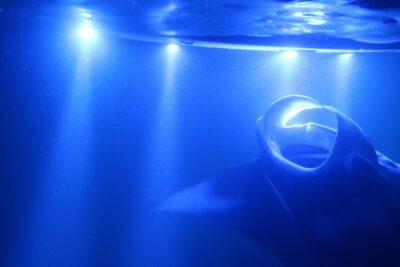
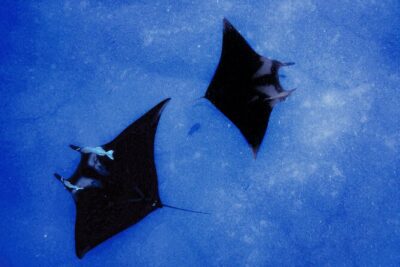
The mantas are not being fed by the crew. They come for the plankton, which keeps the encounter tied to their normal feeding behavior. Their broad wings and slow, graceful turns can look almost unreal in the dark water, especially when one rolls beneath the raft with its mouth open.
The viewing area near the mouth of Keauhou Bay is one of the Kona coast’s most consistent places for manta sightings. Still, consistency is not certainty. Some outings produce three or four rays, while particularly active nights have brought six, eight, ten, or even more into the lighted area.
That difference matters when you decide how to judge the price. You are paying for access to a strong viewing location, a trained crew, the boat, equipment, and the chance to watch wild animals at close range. You are not buying a fixed number of manta rays.
Other night swims with the mantas from Island Of Hawaii:
- Kailua Kona: Night Manta Ray Adventure on the Big Island
★ 4.8 · 1,199 reviews - Big Island Manta Ray Night Snorkel
★ 5.0 · 5,656 reviews - Big Island: Kona Manta Ray Snorkel Tour in Keauhou Harbor
★ 4.5 · 2,465 reviews
From Keauhou Bay to the Lighted Raft
Check in at 78-7138 Kaleiopapa Street in Kailua-Kona. Transportation to the meeting point is not included, so plan your own way there. The activity lasts 75 minutes, with departure times varying by availability.
After check-in, the crew fits you with snorkel equipment, a wetsuit, and flotation gear. Prescription masks are available, a useful detail if you normally need corrective lenses in the water. Bring your swimsuit and towel, and expect to change into the supplied wetsuit before boarding or entering the water.
The ride to the viewing area is short, around five minutes according to the reported trip experience. That is a real advantage. You do not spend a long evening crossing open water before the main event, and the short ride gives the captain and guides time to explain the plan and settle nerves.
You may notice that the water feels comfortable at first, but nighttime snorkeling can still leave you chilled. The wetsuit helps, and the hot chocolate afterward is more than a cute extra. It gives the outing a warm, practical ending.
How the Nighttime Viewing Works
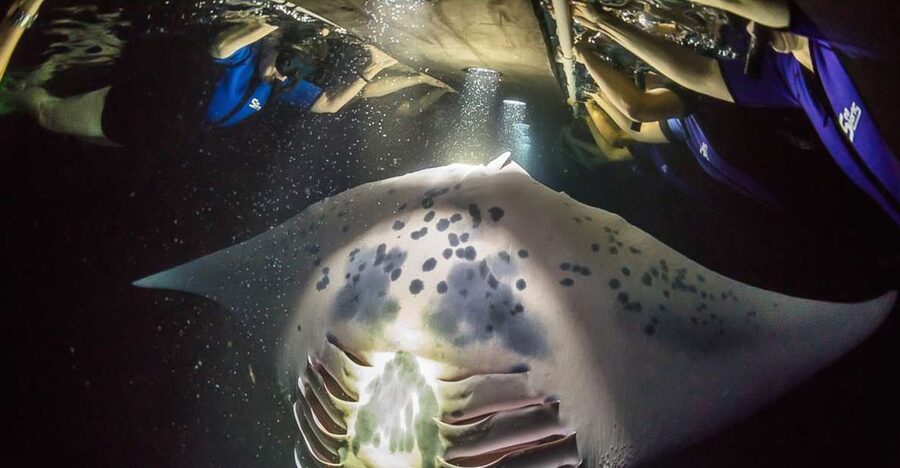
Once the boat reaches the viewing area, the guide explains how to enter the water and hold the flotation raft. You are not expected to swim around freely looking for mantas. Instead, you grip the handles and keep your body positioned at the surface while the lights do the work below.
This arrangement makes the viewing fairly accessible for a confident snorkeler, but it is not effortless. One detailed account described shoulder strain from hanging onto the bar for the full period. If your shoulders tire, tell the crew. The guides help people return to the boat when they have had enough.
The raft also helps keep the group together. That matters at night, when it is harder to judge distance and direction. Follow the guide’s instructions, keep your legs behind you, and avoid reaching toward the mantas. The rays may pass so close that contact seems possible, but the best practice is to let them control the distance.
The blue light pulls plankton toward the raft, and the mantas follow. They often glide below the swimmers, then turn upward in a slow roll. You might see one ray at a time, or several moving through the same patch of water. Reports from different outings include three rays, five to seven, and large groups of ten or more.
What You Can Expect From the Guides
The crew’s role is not limited to handing out masks. You receive a safety briefing before entering the water, and guides remain nearby during the viewing. Their help is especially useful if you feel uneasy about being in the ocean after sunset.
Michelle has been praised for looking after the group while keeping the mood light. Kelsie has been singled out for her manta facts and her ability to keep people engaged while they wait for the action. Names and crew assignments can change, but the practical point is that the guide’s presence shapes the experience.
The crew also explains an important fact about the animals. Manta rays are harmless filter feeders. They do not have teeth or a poisonous tail, so you can focus on watching their movement rather than worrying about an attack. You still need to respect the animals and follow the crew’s instructions.
The safety emphasis benefits the mantas as much as it benefits you. A calm group is less likely to kick, grab, chase, or crowd the animals. The best encounter is one where the rays choose to pass beneath the lighted raft on their own.
Other coffee and chocolate farms to visit on Island Of Hawaii:
- Oahu’s Ultimate Tour: Dole, Turtle Snorkel, Pali Lookout & More
★ 4.5 · 5,461 reviews - Maui Pineapple Farm Tour in Haliimaile
★ 5.0 · 2,855 reviews - Lahaina: Maui Ku’ia Estate Guided Cacao Farm Tour and Tasting
★ 5.0 · 1,103 reviews - Big Island Highlights: Coffee, Volcano, Black Sands & Waterfall
★ 5.0 · 1,054 reviews
Is 75 Minutes Enough?
For a nighttime wildlife activity, 75 minutes is a sensible length. The short ride leaves more time for fitting gear, receiving instructions, and watching the water rather than sitting on a boat. The actual time in the water can vary depending on conditions and how long you feel comfortable holding the raft.
Some people remain in the water for 40 minutes or more. Others leave sooner because of shoulder fatigue, seasickness, or simple cold. The crew can help you back onto the boat if you need a break.
Do not assume that the listed duration means a full 75 minutes of continuous snorkeling. The trip includes check-in, equipment, the briefing, the boat ride, and the water session. Even so, the format gives you a concentrated encounter without taking an entire day from your Big Island plans.
If you are prone to seasickness, consider taking your usual motion-sickness medicine before the boat ride. The ride is short, but several people have found the boat and water motion difficult. This is one of the few practical drawbacks that comes up repeatedly.
The Mantas Are the Main Event
The best moments come when the rays move from distant silhouettes to close passes beneath the raft. Their wings can stretch several feet across, and the low light makes their movements seem slow and deliberate. A ray may turn onto its back, circle, and return through the illuminated plankton.
One outing produced only three mantas, while another had four or five. Those are still meaningful sightings, but they may feel modest if you imagined a constant parade. On other nights, people have watched six, eight, ten, or fifteen rays gather around the light.
This is why I would keep your expectations flexible. The viewing site has a good record, but nature sets the schedule. A quiet start can change quickly. One outing began slowly, then produced a group of ten to fifteen rays close to the raft.
If no manta rays appear at all, Sea Quest offers a return outing on another night at no added cost, or a confirmed afternoon snorkel at no added cost. That policy does not remove the disappointment of a blank night, but it gives you a reasonable second chance.
The Gear and Physical Demands
Your package includes snorkel equipment, a wetsuit, flotation devices, and prescription masks. That keeps the preparation simple and means you do not need to pack a full set of specialist equipment.
The activity still requires real swimming ability. You must be able to enter the water, hold onto the raft, keep your body positioned correctly, and remain calm in darkness. The experience is not suitable for non-swimmers, people without snorkeling experience, wheelchair users, or people with mobility impairments.
The minimum age is seven, but age alone does not determine readiness. A child can meet the age requirement and still struggle with the raft, the darkness, or the open water. An adult should make an honest assessment of the child’s comfort and swimming skill.
You may find the activity less strenuous than open-water snorkeling because you stay with the raft rather than swimming long distances. Still, hanging on for a long viewing session works your shoulders, and the wetsuit can feel restrictive to someone unused to it.
Hot Chocolate, Cookies, and the Return to Shore
After the water session, you return to the boat and warm up with hot chocolate and cookies. It is a small detail, but it changes the mood of the trip. Night snorkeling can leave you cold and tired, so a warm drink is welcome rather than decorative.
The snack also gives you a quiet moment to talk with the crew and absorb what you just saw. The manta encounter can pass quickly because your attention stays fixed on the lighted water. A warm drink helps bring the evening back to earth.
Do not expect a full meal. Eat beforehand if you need something substantial, especially because the total activity is short and focused. Bring a towel for the return and wear swimwear under the supplied wetsuit.
Price, Timing, and Overall Value
At $146 per person, this is not a casual add-on for every Big Island budget. I think the price makes sense if seeing manta rays is high on your list and you value a well-organized trip with equipment included.
You are paying for a boat ride, guide support, safety instruction, wetsuit, snorkel gear, flotation equipment, prescription masks, and the lighted raft. You also receive a no-sighting return option, subject to the stated conditions. The activity takes only 75 minutes, which lets you fit it into an evening without giving up a full day.
The value drops if you dislike open water, cannot swim confidently, or would be disappointed by seeing only a few rays. It also drops if you expect a private experience. The raft setup is designed for a group, and your view can be affected by how well others follow instructions.
Book early enough to give yourself a second night if your schedule allows. The no-sighting policy helps, but it is far easier to return when you have left room in your itinerary.
Who Should Book This Kona Night Swim?
I would choose this for a confident snorkeler who wants close wildlife viewing without a full-day boat trip. It suits couples, families with capable older children, and solo visitors who are comfortable joining a guided group.
It is a particularly good fit if you want a strong Big Island memory that feels different from a daytime reef snorkel. The water, the lights, and the manta feeding pattern create a very different experience from watching fish over a sunny reef.
I would skip it if you are a non-swimmer, have no snorkeling experience, or find the idea of dark open water stressful. I would also think twice if shoulder pain, mobility limits, or seasickness could make the raft difficult.
FAQ
Where does the manta ray night swim meet?
Check in at 78-7138 Kaleiopapa St, Kailua-Kona, Hawaii 96740. Transportation to the meeting point is not included.
How long does the activity last?
The listed duration is 75 minutes. Starting times vary, so check availability when booking.
What equipment is included?
The tour includes snorkel gear, prescription masks, wetsuits, flotation devices, and a guide.
Do I need to be an experienced swimmer?
Yes. The activity is limited to experienced swimmers and snorkelers. It is not suitable for non-swimmers or people without experience.
What happens if no manta rays appear?
If no manta rays are sighted, you can return on another night at no additional cost, or join a confirmed afternoon snorkel at no additional charge.
What should I bring?
Bring swimwear and a towel. Hot chocolate and cookies are provided after the nighttime swim.
Is the activity suitable for young children?
Children under seven cannot join. Anyone who participates must also be comfortable swimming and snorkeling in open water.
Should You Book It?
Book this tour if you want a close look at wild manta rays and you are comfortable in the water after dark. The short ride, supplied gear, active guides, and warm snack make the outing practical, while the lighted raft creates a strong chance for close viewing.
Just keep the wild-animal rule in mind: you may see three rays, or you may watch a whole group roll beneath you. If you can accept that uncertainty, this is one of the Big Island’s most memorable short activities.
Just added on Island Of Hawaii
- Big Island: Full Day Adventure Tour of the Kohala Waterfalls★ 5.0 · 41 reviews
- Big Island: Evening Volcano Explorer from Hilo★ 4.7 · 31 reviews
- Big Island: Off the Beaten Path Volcano Crater Hike★ 5.0 · 15 reviews
- Big Island: Full-Day Kohala Zipline and Waterfall Adventure★ 4.8 · 36 reviews
- Waikoloa Catamaran Snorkel & Sail Adventure with Lunch★ 4.8 · 39 reviews
- Big Island: Native Bird Watching & Hiking Tour★ 5.0 · 5 reviews
- Big Island: 3-Hour Kohala Canopy Zipline Adventure★ 4.9 · 37 reviews
- Big Island: Captain Cook Sightseeing & Snorkel Expedition★ 4.9 · 105 reviews
Manta Ray Night Snorkels, compared.
Kona Manta Ray Snorkel Tour in Keauhou Harbor
Read our review →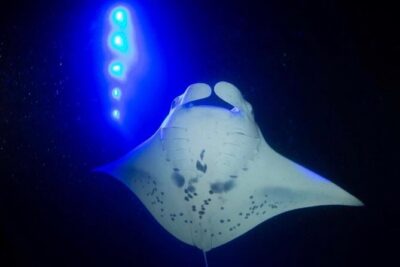
KONA Manta Ray Night Snorkel – FREE re-ride if no Sightings
Read our review →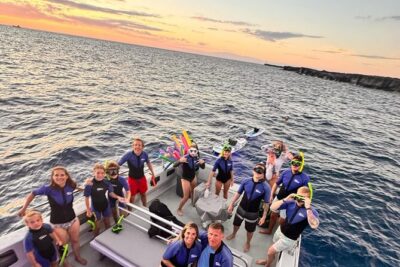
Glow of the Deep: Night Snorkeling with Manta Rays
Read our review →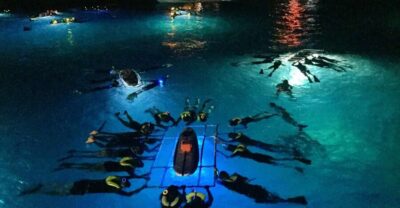
Manta Magic: Small-Group Manta Ray Night Snorkel in Kailua Kona
Read our review →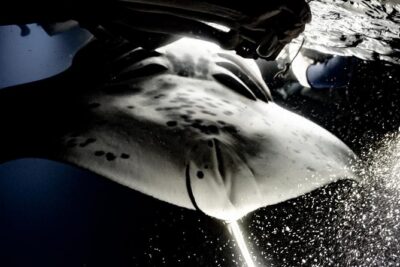
Browse the lists this tour appears in