
Reviewed · MANTA RAY NIGHT SNORKELS
Glow of the Deep: Night Snorkeling with Manta Rays
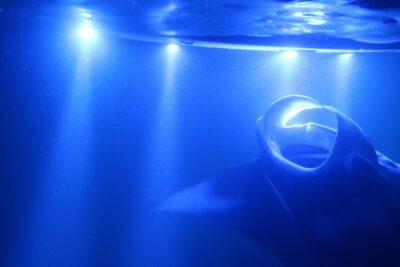
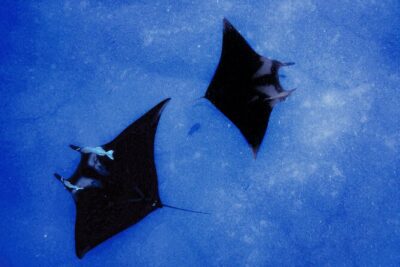
The main event is wonderfully strange: you float in the dark while giant manta rays sweep beneath you, mouths open, feeding on plankton drawn to the boat’s lights. Some pass within inches of your face, then loop away into the black water. This is one of Kona’s most memorable evening outings.
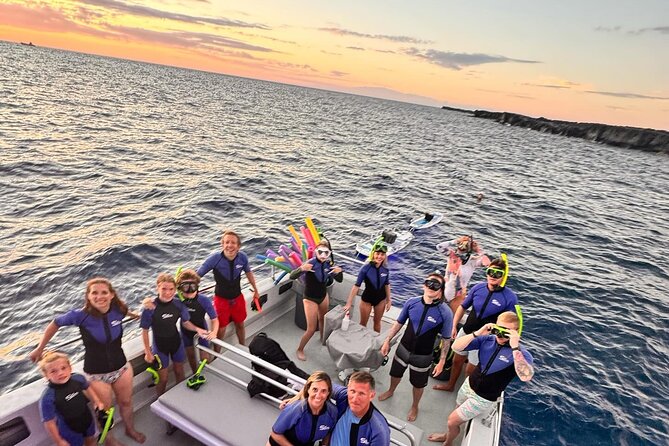
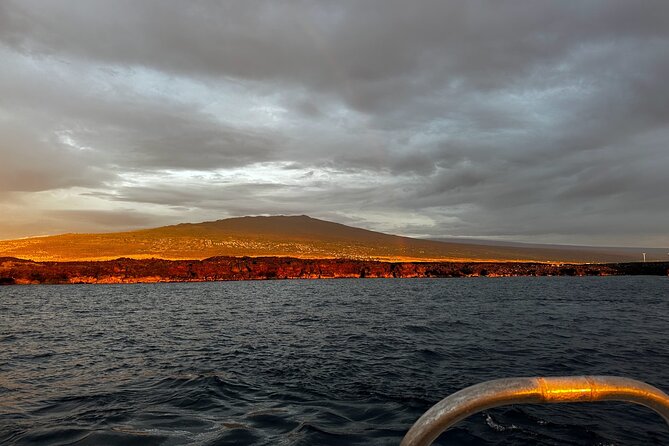
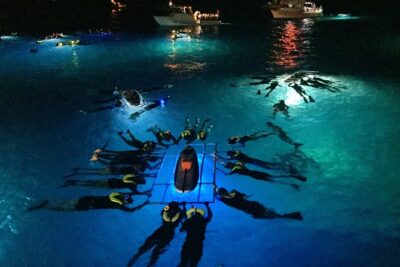
I like the sunset timing and the simple setup. You watch the coast turn gold from the upper deck, then hold onto a lighted board with a flotation noodle while the crew guides you through the encounter. The $80 price is also strong for a 2.5-hour boat trip with wetsuit, snorkel gear, snacks, and a manta sighting guarantee. The main caution is comfort: the water can feel cold, the boat can move in the swell, and a full boat of up to 30 people may feel crowded.
Key points to know before booking
- Giant rays at close range: Mantas can have wingspans from 4 to 12 feet and may glide right over the lighted viewing board.
- Sunset comes first: Early departures combine a boat ride and Kona sunset, while later trips offer a darker setting for the rays.
- About 45 minutes in the water: You float in 30 to 35 feet of water while the crew manages the lights and viewing area.
- You must know how to swim: Flotation is provided, but this is not a learn-to-swim activity.
- Ride-along option available: You can remain on the boat if you do not want to enter the water.
- Plan for motion and cold: Take seasickness precautions if needed, and bring warm clothes or a dry towel for the ride back.
Why Kona’s manta rays are worth seeing after dark
Manta rays gather around the Kona coast because underwater lights attract plankton, their food. The animals follow that concentration of tiny organisms and make slow, graceful passes through the illuminated water.
You are not feeding the rays or touching them. The encounter is passive. You hold onto the flotation setup, keep your body still, and let the animals choose their path. That matters because the best moments come when a manta turns on its side, rolls under the board, or rises with its broad mouth open.
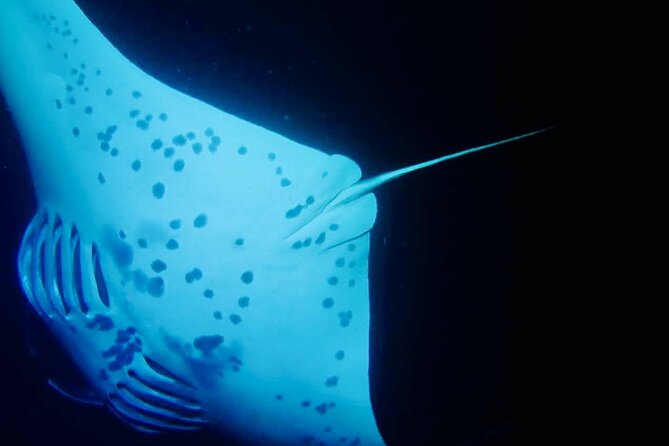
These are large animals, but they are not aggressive. They have no teeth or barbs. Their size can still surprise you. A ray with a 10-foot wingspan moving silently toward your face feels like a creature from another world, even when you know it is harmless.
The experience also gives you a close look at animal behavior. You can watch the rays make repeated loops as they feed, sometimes alone and sometimes with several animals sharing the same patch of plankton. Sightings are guaranteed, but the number of rays and the length of each close pass will vary.
More snorkeling on Big Island of Hawaii:
- Big Island Manta Ray Night Snorkel
★ 5.0 · 5,656 reviews - Big Island: Kona Manta Ray Snorkel Tour in Keauhou Harbor
★ 4.5 · 2,465 reviews - Big Island: Captain Cook Snorkel On A Power Catamaran With Lunch
★ 5.0 · 2,232 reviews
From Honokohau Harbor to the open water
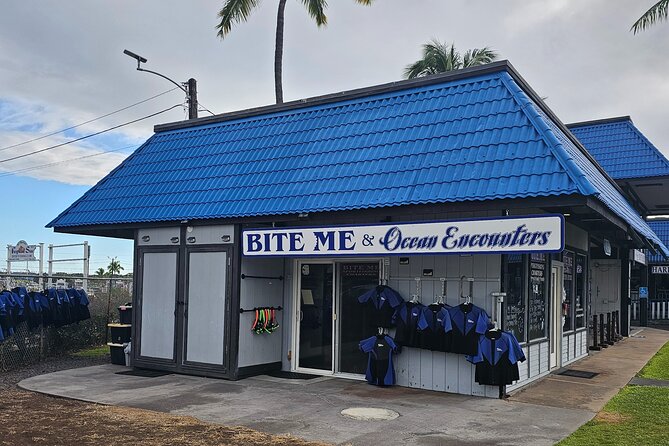
You meet at Bite Me Sport Fishing, at 74-425 Kealakehe Parkway, number 1, in Kailua-Kona. Hotel pickup is not included, so you need to arrange your own transportation to the harbor.
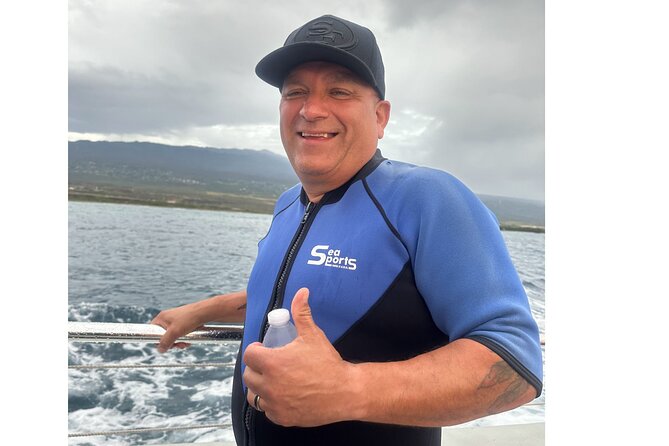
Check-in includes gear fitting. The crew supplies wetsuits, snorkels, flotation devices, swimming noodles, bottled water, and light snacks. The boat has a large cabin, a top observation deck, and an onboard bathroom. Those features matter more than they may sound. You are out after sunset, you may get wet, and a place to sit indoors or use the bathroom makes the return trip easier.
The boat carries up to 30 people. That is a manageable size for a properly organized operation, but it is not a small private charter. If you prefer quiet water time and plenty of room around you, ask about the group size when you book.
The ride to the manta area can take around 20 minutes, depending on the site and conditions. The full boat time can feel longer, especially if the boat uses a farther northern manta site. Bring patience, and sit where you can manage the motion best if you are prone to seasickness.
Pick the departure that fits your evening
Departure times change during the year because the trip is built around sunset and darkness. The listed seasonal options are:
- January 1 through March 31: 5:30 p.m. or 8:30 p.m.
- April 1 through September 31 as listed by the operator: 6 p.m. or 9 p.m.
- October 1 through December 31: 5 p.m. or 8 p.m.
Call 24 hours before departure to confirm your assigned time. You are placed in the available departure, so you may not simply get the time you prefer.
The earlier trip gives you the best mix of scenery. You can watch the Kona sunset from the upper deck, then see the sky darken as the crew prepares the lights. The later outing offers a more complete night experience, but cold can become more noticeable after you leave the water.
If sunset matters to you, choose the earlier option and confirm the time. If you care most about the night setting, the later trip may feel more dramatic. Either way, bring a sweatshirt or jacket for the boat ride home. A dry towel or snuggle towel is also a smart addition.
The lighted raft and the 45-minute water session
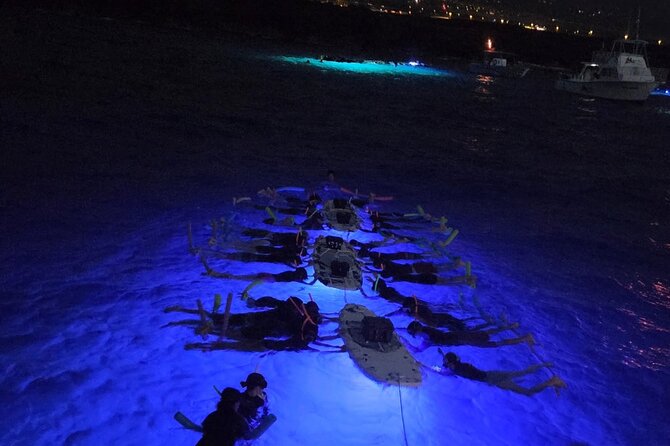
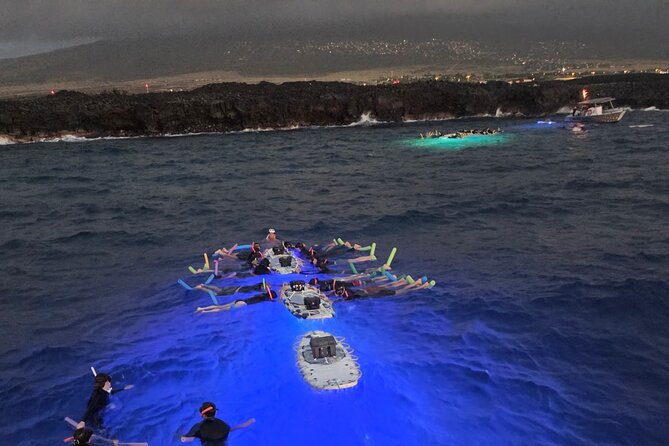
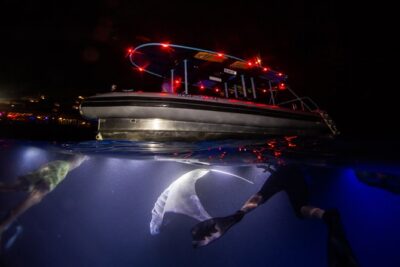
At the site, the crew gives you a wetsuit jacket and snorkel gear, then explains how to use the flotation equipment. You enter the water near the lighted viewing board and hold on while the crew positions the group.
The water is roughly 30 to 35 feet deep. You are not asked to swim down to the rays. The lights draw plankton near the surface, and the mantas come upward to feed. Your job is to float, keep your face in the water, and give the rays space to pass.
The water portion lasts about 45 minutes. That is enough time for repeated sightings, but it is also a long time to remain wet and mostly still. The wetsuit helps with warmth and provides some flotation, yet several practical factors affect comfort:
- The January water may feel cold, especially late in the session.
- A calm sea can still cause motion sickness.
- Holding the board is easier than free-swimming, but you must still be comfortable in open water.
- Nervous swimmers may need extra reassurance when moving from the boat to the lighted area.
Crew members remain in the water with the group and supervise the viewing area. Several strong experiences have come from crew members helping nervous swimmers, guiding children across, and staying close to people who were unsure about entering.
You must know how to swim to participate. Children need an adult with them, and children under five must bring their own life vest. The operator says most people can take part, but that does not mean the activity suits every swimmer. If you are not confident in open water, use the ride-along option instead.
Other night swims with the mantas from Big Island of Hawaii:
- KONA Manta Ray Night Snorkel – FREE re-ride if no Sightings
★ 5.0 · 2,212 reviews - Manta Ray Night Snorkel at Kona, Big Island
★ 5.0 · 1,758 reviews - Kailua Kona: Night Manta Ray Adventure on the Big Island
★ 4.8 · 1,199 reviews - Manta Magic: Small-Group Manta Ray Night Snorkel in Kailua Kona
★ 5.0 · 1,141 reviews
The rays, the lights, and respectful viewing
The light board is the center of the show. Bright lights point into the water, bringing plankton close to the surface. The rays follow the food, not the people, which creates a more natural encounter than a staged animal performance.
You may see a manta roll onto its side, make a tight loop, or pass directly beneath you. One ray may return several times, while another may disappear into the darker water. A good evening can bring three rays or more than a dozen, but no company can promise a set number.
The best way to watch is to stay calm. Avoid kicking and do not reach toward an animal. A manta may brush close enough to feel almost within reach, but the respectful choice is to let it pass without contact.
The guides also explain manta biology and behavior during the trip. That information gives the encounter some meaning beyond a quick photo. You learn why the animals arrive, how they feed, and why the crew sets the lights in a particular way.
If you plan to record video, bring a waterproof phone case. The light is useful for seeing the mantas, but underwater footage still depends on your phone, case, and how steady you can remain while holding the board.
A realistic look at comfort, crowding, and seasickness
The most important drawback is not the rays. It is the human setup around them.
A boat with up to 30 people can feel busy at the light board. You may share close quarters with other swimmers, and the viewing position may not feel equally good for everyone. The crew has to move people into the water, keep the group together, manage the lights, and watch for anyone who needs help.
Seasickness is another real concern. The boat travels offshore, and people who feel fine at the harbor can become ill once the ride begins. Take your usual motion sickness medicine before boarding if you need it. The operator offers Dramamine, motion sickness patches, and pressure-point wristbands for purchase at its location, but planning ahead is better than waiting until you feel sick.
Bring warm clothing for after the swim. Even if the water feels comfortable at first, you may get chilled while floating for 45 minutes and then sitting wet on the boat. Winter evenings and later departures can feel especially cold.
Snacks are provided, but they are simple dry treats rather than a meal. Eat beforehand if you need a substantial dinner. Bottled water is included.
The operator states that snorkel equipment is sanitized between uses. If you are particular about shared mouthpieces, bring your own snorkel or rent one before the trip. That is a small step that can make you more comfortable.
The ride-along choice is useful
You do not have to enter the water to enjoy the outing. The ride-along option lets you take the boat trip, watch the sunset or night sky, and observe the activity from above.
This is useful for a family or couple with mixed abilities. One person can snorkel while another stays aboard. It also suits anyone who cannot swim, feels uneasy in dark open water, or simply wants to watch without getting cold.
Do not treat the ride-along option as a consolation prize. You will miss the sensation of a manta passing under your face, but you still get the boat ride, the coastal views, and a chance to see the animals from the surface. It is a better choice than forcing yourself into the water and spending the whole session frightened.
Is $80 a fair price for the experience?
At $80 per person, this is a good value if you want the full package rather than a private outing. The fee covers about 2.5 hours, the boat, a professional guide, wetsuit, snorkel gear, flotation, water, snacks, and the manta sighting guarantee.
The value comes from the setting and the equipment. You do not need to arrange separate gear, find a manta site, or figure out how to position lights in the water. The crew handles those parts while you focus on the animals.
The tradeoff is group size. A lower price often means sharing the boat with more people. If you want a small group, extra personal space, or a quieter pace, compare this trip with smaller operators before booking.
The manta guarantee also has limits worth understanding. If no manta is seen, you receive a voucher for another tour. That protects the basic promise, but it does not replace your time if you are leaving the island soon. Keep enough flexibility in your schedule to use another departure if conditions cancel the outing or sightings fail.
Free cancellation is available up to 24 hours before the start time. Inside that window, you do not receive a refund. Poor weather or failure to meet the minimum number of passengers can lead to a new date, an alternative experience, or a full refund.
Who should book this Kona night snorkel?
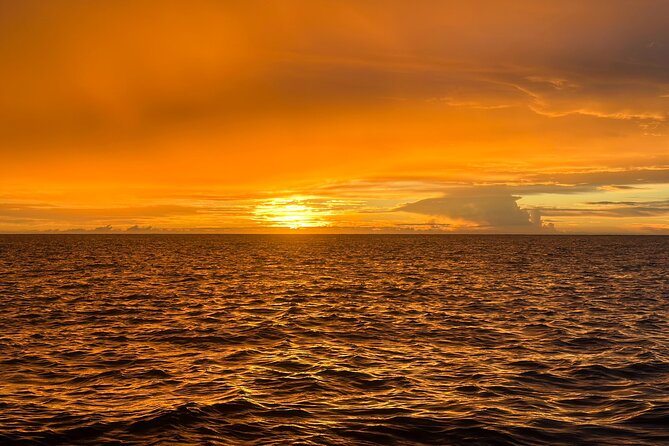
I would choose this for a confident swimmer who wants a close animal encounter without paying for a private charter. It also works well for families with older children who can follow instructions and handle a boat ride, dark water, and a long floating session.
You should think twice if you are prone to seasickness, dislike shared spaces, or cannot swim. You may still enjoy the ride-along option, but the water portion requires more confidence than the simple word snorkel suggests.
This is also a strong choice for a first night activity in Kona because the trip gives you both sunset and wildlife. You get a short boat ride, a change of pace from beach time, and one of the Big Island’s most distinctive natural encounters.
Should you book Glow of the Deep?
Book it if you want to see giant manta rays at close range and you value included gear, flotation, crew support, and a guaranteed sighting. The strongest part of the experience is the animal encounter itself. A manta sweeping over the lighted board can turn a simple snorkel into a lasting memory.
Go in prepared for cold water, possible seasickness, and a boat that may carry as many as 30 people. Take motion sickness precautions, bring warm layers and a towel, confirm your departure time, and choose the ride-along option if you do not swim confidently.
For $80, this is a sensible Kona pick for an active evening. Just know that the rays provide the magic, while the boat experience depends on your comfort with motion, shared space, and a little nighttime disorder.
FAQ
Where does the manta ray tour start?
You meet at Bite Me Sport Fishing, 74-425 Kealakehe Parkway, number 1, Kailua-Kona, Hawaii. The trip ends back at the same meeting point.
How long does the activity last?
The experience lasts about 2 hours and 30 minutes. The water session with the manta rays lasts about 45 minutes.
Do I need to know how to swim?
Yes. You must know how to swim to enter the water. Flotation devices and swimming noodles are provided, but the activity is not designed for people who cannot swim.
Can I join without snorkeling?
Yes. A ride-along option is available for people who want to stay on the boat rather than enter the water.
What equipment and refreshments are included?
The tour includes wetsuits, snorkel equipment, flotation, a swimming noodle, bottled water, snacks, and a professional guide.
What happens if no manta rays appear or the weather is poor?
Manta sightings are guaranteed, and you receive a voucher for another tour if none are seen. If poor weather cancels the activity, you are offered another date or a full refund.
Just added on Big Island of Hawaii
- Kailua-Kona: Big Island Morning Snorkeling Tour with Lunch★ 4.9 · 7 reviews
- Big Island: Hawaii Volcanoes National Park and Hilo Tour★ 5.0 · 118 reviews
- Kailua-Kona: Hualalai Volcano Doors On/Off Helicopter Tour★ 4.7 · 12 reviews
- Big Island: Full Day Adventure Tour of the Kohala Waterfalls★ 5.0 · 41 reviews
- Big Island Hawaii: Craft Chocolate Tasting and Farm Tour★ 5.0 · 14 reviews
- Big Island: Evening Volcano Explorer from Hilo★ 4.7 · 31 reviews
- Big Island: Off the Beaten Path Volcano Crater Hike★ 5.0 · 15 reviews
- Big Island: Full-Day Kohala Zipline and Waterfall Adventure★ 4.8 · 36 reviews
Manta Ray Night Snorkels, compared.
Kona Manta Ray Snorkel Tour in Keauhou Harbor
Read our review →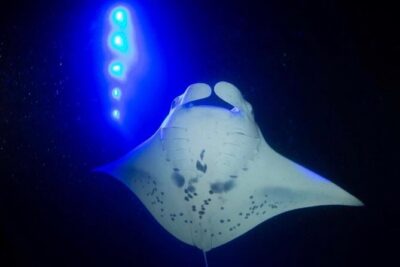
KONA Manta Ray Night Snorkel – FREE re-ride if no Sightings
Read our review →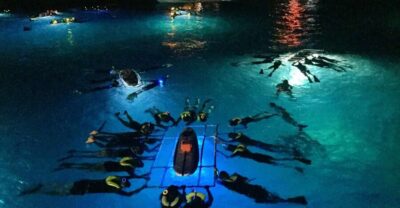
Manta Magic: Small-Group Manta Ray Night Snorkel in Kailua Kona
Read our review →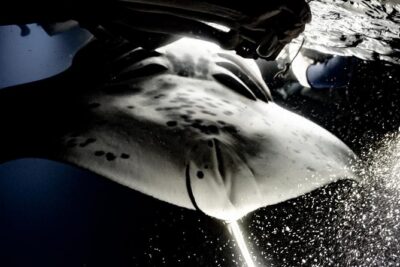
Browse the lists this tour appears in