
Reviewed · SCUBA DIVING
Intro/Refresher Dive Swim Ability Required
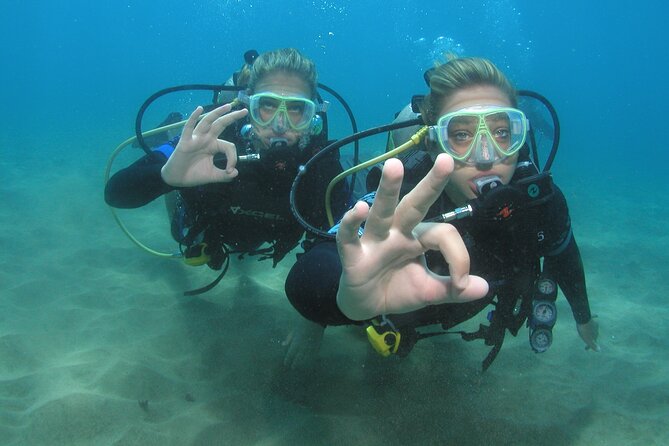
Maui’s introductory scuba lesson gives first-timers a careful way to see the underwater world without certification. A certified instructor handles the teaching and chooses a suitable place to look for fish and turtles, while the small group size keeps the lesson personal.
I like the supplied equipment and the patient teaching style associated with instructors such as Mike and Thai. I also like the chance to add a turtle and shark outing after completing the lesson. The catch is firm: you must already be a strong swimmer, and medical or weather problems can affect your plans.
Key points to know before booking
- Ages 12 and up: Children can participate alone with an instructor or with family, but every participant must meet the swimming and health rules.
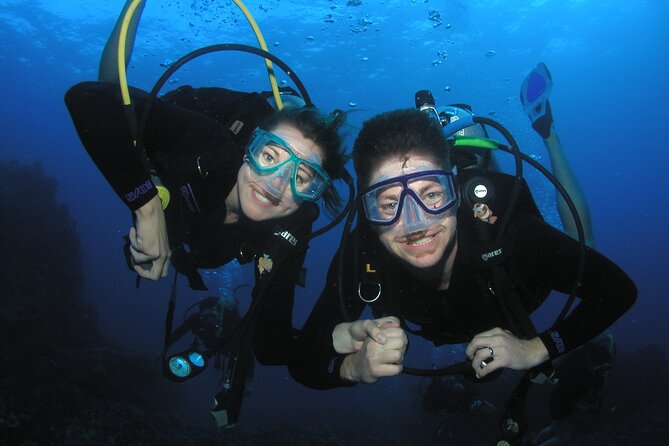
- Small groups: The maximum is four people, which gives you more room to ask questions and get help with basic skills.
- Two-hour format: This is a short introduction, not a certification course, so expect essential instruction and a first underwater experience rather than advanced training.
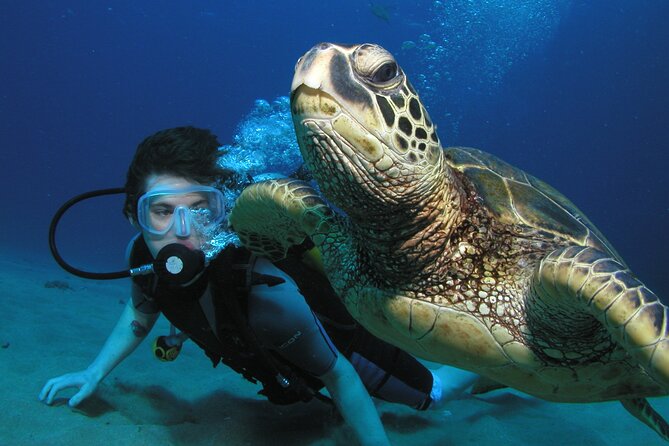
- Turtles may appear: The instructor knows local marine areas, but wildlife sightings are never guaranteed.
- Strong swimming is required: The operator does not teach swimming and can cancel the session without a refund if you misrepresent your ability.
- No hidden equipment charge: Scuba equipment is included in the $239 price, but transportation and optional extras are not.
A gentle first step into Maui scuba
This experience is built for people who have never used scuba equipment before. You learn from a certified instructor, get the necessary gear, and then put the basic skills to work in Maui’s coastal water.
That structure matters. A first underwater session can feel strange at first. Breathing through a regulator, managing your mask, and staying calm while wearing unfamiliar equipment all take attention. A small group gives the instructor more time to watch how you are doing and repeat instructions when needed.
The reported teaching style is especially useful for beginners. Mike is described as patient, safety-minded, and fun, while Thai is praised for repeating instructions without rushing. Those details tell you what to look for on the day: ask questions, speak up if something feels unclear, and do not worry about needing an explanation twice.
The lesson lasts about two hours. The available information does not give a minute-by-minute schedule, so you should treat the time as a combination of preparation, equipment use, instruction, and underwater sightseeing. It is not a full certification program, and completing it does not make you a certified scuba user.
More scuba diving on Maui:
- 2 Tank Lanai Cathedral Scuba Dive Via Boat for Certified Divers
★ 5.0 · 548 reviews - Beginner Scuba Dive in Lahaina: Swimming Required
★ 5.0 · 219 reviews - Small-Group Shark and Turtle Dive for Certified Divers
★ 5.0 · 219 reviews
Meeting in Lahaina at 65 Kai Ala Drive
You meet at 65 Kai Ala Drive in Lahaina, and the activity ends at the same location. The price does not include an air-conditioned vehicle, so plan your own way to the meeting point.
The meeting arrangement is simple, but it makes timing important. Confirmation arrives within 48 hours of booking, subject to availability. Since this experience is often reserved about 17 days ahead, booking early makes sense if you have a fixed Maui schedule.
The group limit is four people. That is one of the better features for a nervous beginner, especially if your party includes different ages or comfort levels. You will not be lost in a large class, and the instructor should have a better chance to notice problems with equipment, breathing, or confidence.
The activity is offered in English. Service animals are allowed, and the meeting point is near public transportation. Those details may help with planning, though you still need to arrange your own transport because a vehicle is not included.
What the first lesson covers
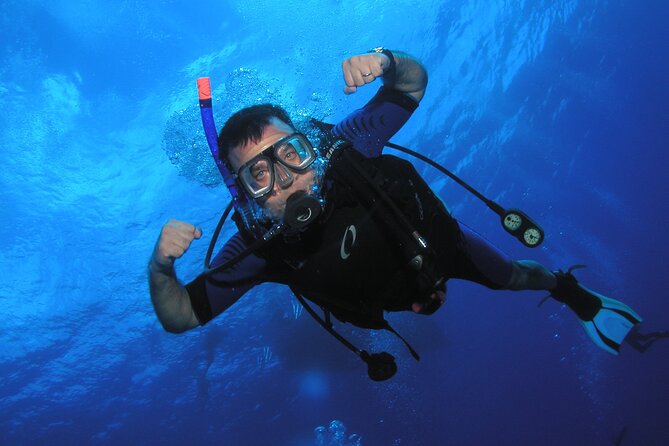
The course begins with an introduction to scuba equipment and the basic skills needed to use it. The supplied equipment removes one major hassle. You do not need to rent a mask, regulator, or other scuba gear separately for this experience.
Expect the instructor to explain how the equipment works and how to respond to common beginner concerns. The exact skill sequence is not specified, so I would avoid expecting a particular training method or certification standard. What is clear is that the course is designed for uncertified participants and supervised by a certified instructor.
This is where your attitude matters. You should be ready to listen closely, ask direct questions, and move at a sensible pace. The teaching approach described by past customers suggests that patient instruction is part of the experience, not an afterthought.
The operator places safety ahead of simply getting everyone underwater. That is important in any scuba activity, but especially so for a first attempt. If you feel anxious or cannot manage a basic instruction, tell the instructor early. A good lesson should leave you more comfortable with the equipment, not pressured to perform.
Maui’s underwater wildlife, including possible turtles
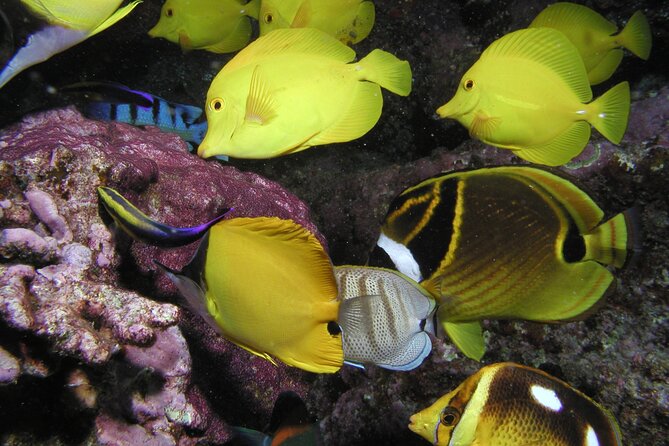
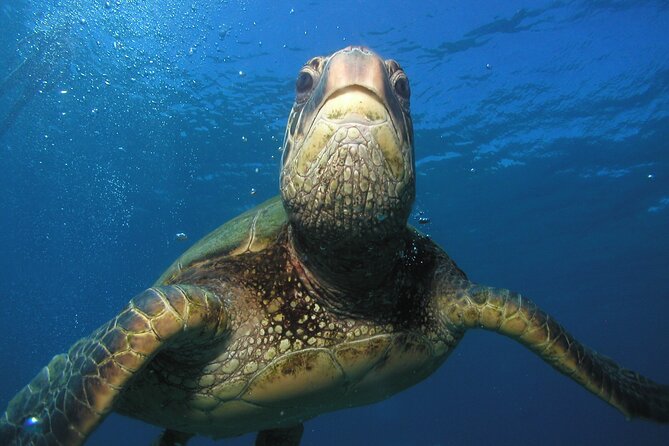
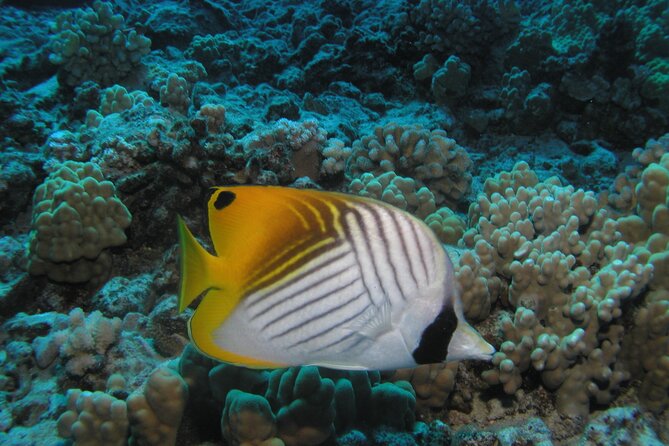
Once you are prepared, the main appeal is seeing marine life in its natural setting. The instructor knows local sites and can guide you toward areas where fish and turtles may be present.
Turtles are a real possibility, and several participants reported seeing them. Still, you should not book this as a guaranteed turtle encounter. Wild animals set the schedule, and water conditions can affect visibility and location.
Fish and turtles are not the only point. For a first-time scuba user, simply moving calmly underwater and seeing Maui from below can be the memorable part. You may spend as much time concentrating on breathing and technique as on spotting animals, especially during your first session.
An instructor-led visit also gives you a safer way to observe wildlife. You can focus on staying calm and following directions instead of trying to choose a site or manage equipment by yourself.
Same island, a different kind of day:
- Small-Group Road to Hana Adventure Tour with Pickup & Lunch
★ 5.0 · 3,064 reviews - Maui Pineapple Farm Tour in Haliimaile
★ 5.0 · 2,855 reviews - Maui Eco-Raft Tour: Eye-Level Whale or Dolphin Watching – Lahaina
★ 5.0 · 2,482 reviews - Maui Snorkeling Adventure to Molokini and Turtle Town
★ 4.5 · 2,221 reviews
Why the small group makes a difference
A maximum of four people is unusually helpful for an introductory lesson. With fewer participants, you have a better chance to receive individual corrections and to ask questions without holding up a large class.
That matters if you are the least confident swimmer in your group. It also helps families with children ages 12 and older, since the instructor can keep a closer eye on each person. Children may participate with family or alone with an instructor, but the same swimming and health rules apply.
Small groups do not remove every risk. You still need to be comfortable in the water and capable of following directions. The operator does not teach swimming, so this is not a suitable activity for someone who is merely hoping to learn basic water skills on the day.
The short format also keeps the commitment manageable. Two hours is enough time for an introduction without taking over an entire day in Maui. If you enjoy the experience, you can ask about the additional turtle and shark outing afterward, subject to space.
The swimming rule is not a formality
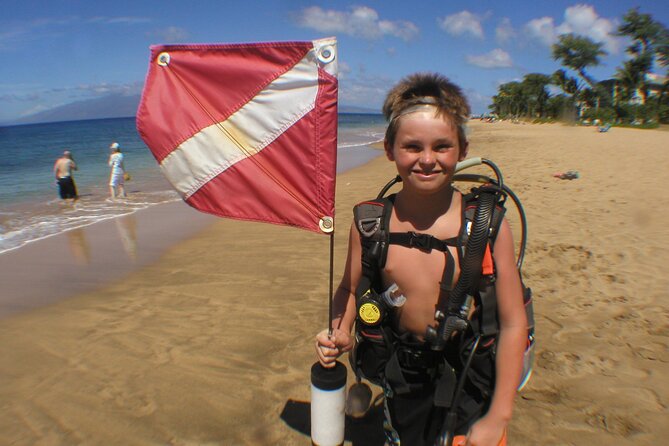
You must be a good, strong swimmer. This is the most important booking condition, and it should be taken literally.
The operator states that swimming is not taught during the activity. If you claim to be a strong swimmer and the instructor finds that you are not, the session can be canceled immediately with no refund. That may sound strict, but it reflects the physical demands of using scuba equipment in open water.
You should also consider your general health. Participants must be able to answer no to 20 medical questions, and anyone who answers yes may need a doctor’s release. A specific rule applies to participants age 45 and older: a doctor’s release is required if a blood family member has had a heart attack.
If you answer yes to a medical question on the day, the operator can cancel the activity without a refund. Do not wait until arrival to think through these issues. Check your health situation before paying, and obtain any required medical clearance in advance.
Price, equipment, and what you really receive
The price is $239 per person. That is not a bargain basement water activity, but it includes the scuba equipment and instruction needed for a first session. There are no hidden fees listed for the core experience.
The price makes more sense if you value a small class and personal guidance. You are paying for a supervised introduction, not simply access to the water. A large group class might cost less, but it could offer less individual attention. On the other hand, you should compare the price carefully if you only want a brief snorkeling outing or are unsure you can complete the lesson.
Transportation is not included. You must reach the Lahaina meeting point yourself, and the experience returns there rather than dropping you elsewhere. Optional photo or video services may also cost extra. One participant specifically found a paid GoPro recording worthwhile because it allowed them to concentrate on the underwater experience instead of handling a camera.
The additional turtle and shark outing is not included in the basic price. You can ask by phone before your visit, or inquire after the lesson if space remains. It may also be available on another day, but it sells quickly.
Weather, cancellations, and practical risk
The activity requires good weather. If poor weather forces a cancellation, you are offered another date or a full refund.
Your own cancellation is handled much less generously. The experience is non-refundable and cannot be changed for any reason if you cancel or request an amendment. That includes illness concerns under the stated policy. One unhappy customer reported being unable to receive a refund after a family COVID illness, so you should treat the booking as a firm commitment.
This matters when planning a Maui holiday. If your schedule is uncertain, the strict policy adds risk. If you have a stable itinerary and can meet the health rules, the weather provision offers some protection.
After the session, you must stay below 1,000 feet for 12 hours. This is a decompression safety rule, not a casual suggestion. Do not schedule a flight, mountain drive, or other high-altitude activity during that period unless you have confirmed it is safe with the operator or a medical professional.
Who will enjoy this most
I would choose this for a strong swimmer who is curious about scuba but does not want to commit to a full certification course. It also suits families with children age 12 or older, provided everyone meets the physical and medical requirements.
The experience is a good fit if you like close instruction, have time to ask questions, and want a chance to see turtles and fish with a guide. The small group limit is especially useful for first-timers who feel nervous about breathing underwater.
I would not choose it for a weak swimmer, someone with unresolved medical concerns, or anyone looking for a casual activity that can be canceled at the last minute. It is also not ideal if you need transport included or want a guaranteed wildlife encounter.
The 5-star score from 248 ratings and the 99 percent recommendation rate suggest very strong satisfaction, especially with patient instruction, safety, marine life, and the quality of the underwater setting. One poor experience centered on a refund dispute, not the underwater teaching itself. That distinction helps, but it does not make the strict cancellation terms disappear.
Should you book this Maui scuba lesson?
Book it if you are already a confident swimmer, can meet the health rules, and want a carefully supervised first scuba experience in a group of no more than four. The included equipment, certified instruction, and possibility of turtles make the $239 price reasonable for the right person.
Before paying, confirm your medical eligibility, arrange transportation to 65 Kai Ala Drive, and leave 12 hours after the session free from high-altitude travel. If you want photos, ask about the GoPro option, and if you hope to add the turtle and shark outing, arrange it early.
For a first underwater lesson with patient guidance and a real chance to see Maui marine life, this is a strong choice. Just do not confuse it with swimming instruction, scuba certification, or a guaranteed turtle encounter.
FAQ
What is the activity?
It is an introductory scuba course for uncertified participants. You receive instruction from a certified instructor and use supplied scuba equipment.
How long does the experience last?
The activity lasts about two hours.
Where does the activity begin?
It begins at 65 Kai Ala Drive, Lahaina, Hawaii 96761.
Where does the activity end?
It ends back at the meeting point.
What is the maximum group size?
The maximum is four participants.
What age do participants need to be?
Participants must be at least 12 years old.
Do I need to be a strong swimmer?
Yes. You must be a good, strong swimmer, and the operator does not teach swimming.
Is scuba equipment included?
Yes. Use of scuba equipment is included, with no hidden fees listed for the core activity.
Is transportation included?
No. An air-conditioned vehicle is not included, so you must arrange your own transportation to the meeting point.
Can I see turtles?
You may see turtles and other marine life, but sightings are not guaranteed. After the lesson, you may ask about adding a turtle and shark outing if space is available.
What happens if the weather is poor?
If poor weather causes the operator to cancel, you can choose another date or receive a full refund.
Can I cancel for a refund?
No. The experience is non-refundable and cannot be changed for any reason if you cancel or request an amendment.
Are there medical requirements?
Yes. You must be in good health and able to answer no to 20 medical questions. A doctor’s release may be required for any yes answer, and participants age 45 or older need a release if a blood family member has had a heart attack.
How long must I stay below 1,000 feet afterward?
You must stay below 1,000 feet for 12 hours after the scuba activity.
Just added on Maui
- Central Maui: Two-Island Scenic Helicopter Flight to Molokai★ 4.9 · 165 reviews
- Goat Yoga with Miniature Goats In Maui★ 5.0 · 55 reviews
- A Maui Beach Photoshoot in Wailea★ 5.0 · 154 reviews
- Maui Lahaina Group Surf Lesson★ 4.9 · 235 reviews
- Maui: Guided Rainforest and Waterfall Walk & Swim★ 4.8 · 226 reviews
- South Maui: Gilligans’ Island Luau with Dinner and Drinks★ 4.2 · 254 reviews
- Maui: Molokini Snorkel and Performance Sail with Lunch★ 4.8 · 224 reviews
- South Maui: Sunset Prime Rib or Island Fish Dinner Cruise★ 4.7 · 242 reviews
Scuba Diving, compared.
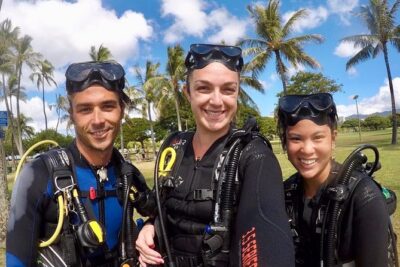
First-Time Scuba Diving in Honolulu + Free Videos
Read our review →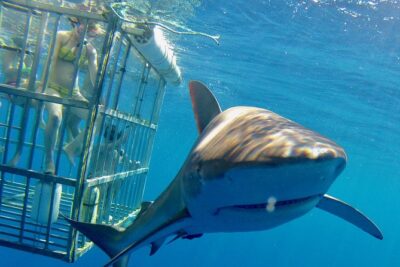
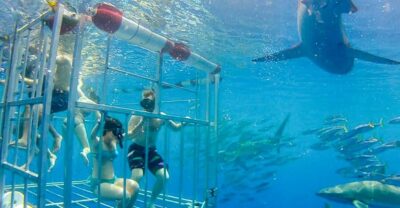
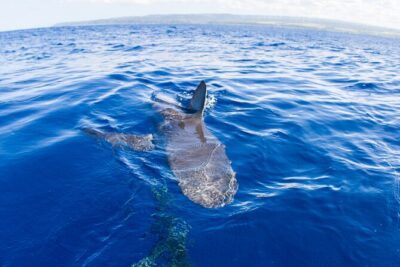
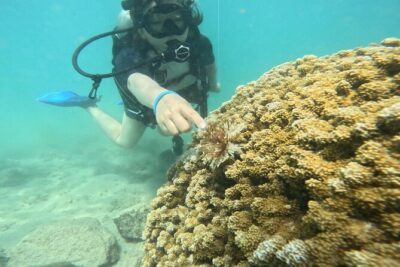
Beginner Scuba Diving Experience with Video Package in Honolulu
Read our review →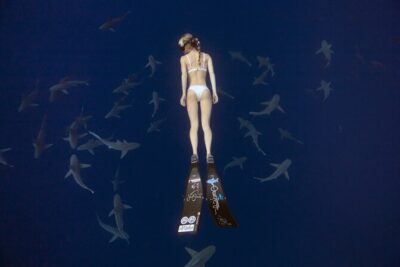
Safe and Educational Shark Dive from Haleiwa: Sharks Guaranteed
Read our review →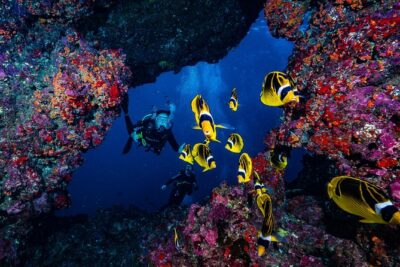
2 Tank Lanai Cathedral Scuba Dive Via Boat for Certified Divers
Read our review →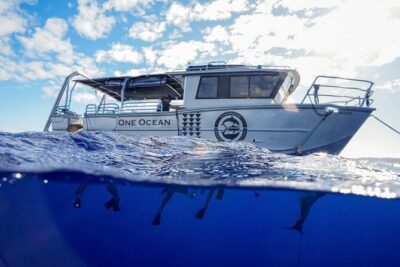
Dive with Sharks in Hawaii: Shark Tour from Haleiwa
Read our review →Browse the lists this tour appears in