
Reviewed · SCUBA DIVING
Discover Scuba Diving Class from Lahaina
Maui’s best underwater moments begin with the first breath through a regulator. This three-hour Discover Scuba session gives you that chance without signing up for a full certification course. You’ll complete PADI eLearning first, then meet an instructor, practice key skills, and head into the ocean near Lahaina.
I like two things here: the maximum of four participants means your instructor can keep a close eye on you, and all equipment is included. Instructors including Matt, Joe, Scott, Abby, Gretchen, and Joe have been praised for patience and calm support. The main catch is that this is a real ocean entry, not a pool lesson. You must swim, feel comfortable in the sea, carry your own gear, and handle a rocky shoreline.
Key points before you book
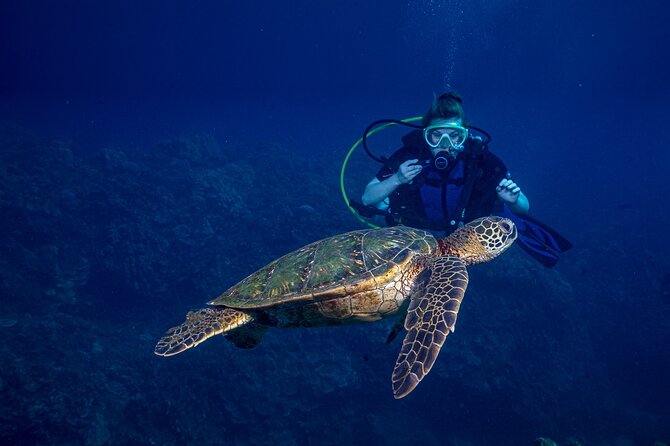
- PADI preparation comes first: Complete the assigned online reading and videos before arriving at the shop.
- Small groups matter: The class is capped at four people, allowing more personal attention than a large introductory class.
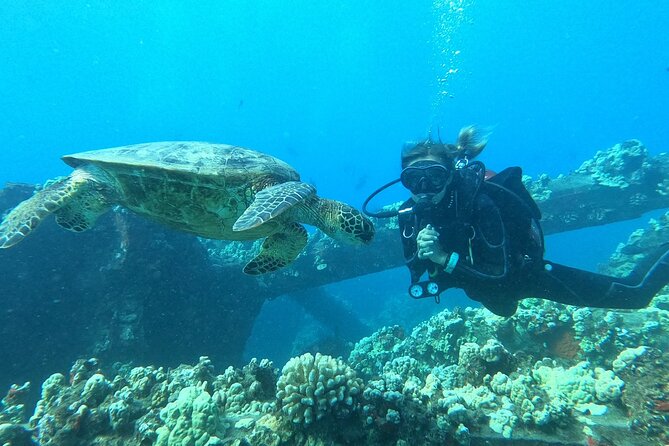
- Maui’s reef is the reward: Expect coral, tropical fish, sea turtles, and the possibility of sharks or a shipwreck.
- The shore entry takes effort: You may need to carry full scuba gear and walk over uneven ground to reach the water.
- Medical clearance can affect your booking: Every participant must complete the PADI medical form, and some yes answers require a doctor’s approval.
- Plan around air travel: You cannot fly or go to higher elevation for 18 hours after the session.
What this Lahaina scuba class really offers
This is a first taste of scuba, not a certification course. You learn enough to participate in one supervised underwater outing, with a PADI professional beside you. That makes it a good fit if you are curious about scuba but are not ready to commit to several days of formal training.
The advertised price is $158.43 per person, which is reasonable for a three-hour experience that includes instruction, gear, online study, and a small group. The value depends heavily on your comfort in the water. If you already swim confidently and can stay calm while breathing through a regulator, the price buys a memorable look at Maui’s reefs. If you are unsure around ocean waves or dislike carrying heavy equipment, the same price may feel high for an activity you cannot comfortably finish.
The program starts at 1223 Front Street in Lahaina and returns to that meeting point. Confirmation arrives when you book, and a mobile ticket is accepted. The class is offered in English.
More scuba diving on Maui:
- 2 Tank Lanai Cathedral Scuba Dive Via Boat for Certified Divers
★ 5.0 · 548 reviews - Intro/Refresher Dive Swim Ability Required
★ 5.0 · 248 reviews - Beginner Scuba Dive in Lahaina: Swimming Required
★ 5.0 · 219 reviews
Complete the PADI eLearning before you arrive
After booking, you receive a login for PADI eLearning. This online work includes reading and videos covering the basic rules of scuba, equipment, breathing, and safety. You need to finish it before the scheduled class.
This step is not busywork. It gives you the vocabulary and basic ideas you need before putting on the equipment. It also helps reveal possible medical concerns before you reach the shore. Set aside time for the online material instead of assuming you can squeeze it in during breakfast on the morning of the activity.
The in-person briefing reviews the material and explains the skills you will use in the water. It is not designed to replace the online portion from scratch. If you arrive without finishing the eLearning, you can be turned away without a refund. That rule is firm, and it is easy to avoid the problem by completing the work early.
Meet the instructor and learn the equipment
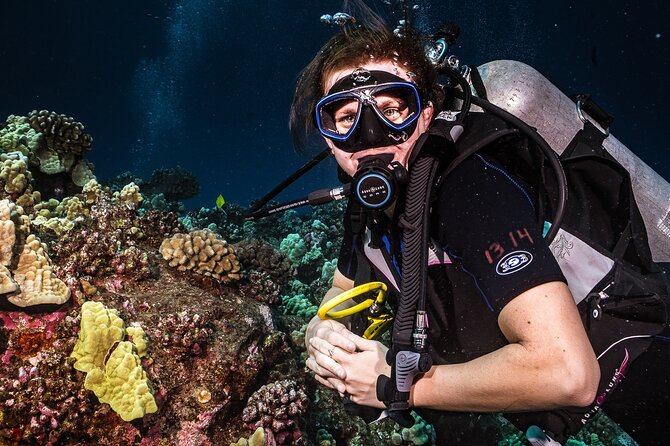
At the start of the class, your instructor explains the scuba kit and shows you how each part works. You learn how to use the mask, regulator, tank, buoyancy equipment, and other basic gear while swimming underwater.
The instructors named in the feedback include Matt, Joe, Scott, Abby, Gretchen, Annika, and Sean. The strongest pattern is their attention to nervous first-timers. Abby, for example, was praised for staying calm while a participant adjusted to the mask and first breaths. Matt was repeatedly described as patient and attentive, while Joe received strong marks for helping newer participants and keeping the pace comfortable.
That individual guidance matters. The first minute underwater can feel strange, even if you are a strong swimmer. Your breathing sounds different, your face is covered, and your body responds to equipment you have never used before. A calm instructor can help you slow your breathing, check your mask, and regain control.
Still, this is a shared ocean class, not a private coaching session. The instructor must keep the group together and follow the conditions at the entry point. Tell the instructor early if you feel anxious or need another explanation. You should never try to hide discomfort.
The shore entry is the hardest part for some people
The class uses an ocean entry that requires walking with scuba equipment to the water. You must carry your own gear in and out, and the route includes uneven rocks. This is the most important practical detail to understand before booking.
A full scuba setup is heavy on land. It can feel awkward on your back, especially when you are still learning how to move in it. Getting over rocks while managing a mask, fins, and tank takes balance and patience. If you have back, knee, or mobility concerns, call the operator before booking and ask whether the site suits you.
The entry is also affected by ocean conditions. Instructors time the move into the water carefully, since lingering on uneven rocks with heavy equipment is not ideal. Some people find the pace brisk. Others appreciate getting through the entry quickly and reaching the water.
This is not the usual calm, waist-deep pool introduction. You might not receive a long pool acclimatization period before the ocean portion. The program expects you to be able to swim and float independently and to feel at ease in the sea. If your child or companion is nervous around open water, consider that carefully.
Same island, a different kind of day:
- Small-Group Road to Hana Adventure Tour with Pickup & Lunch
★ 5.0 · 3,064 reviews - Maui Pineapple Farm Tour in Haliimaile
★ 5.0 · 2,855 reviews - Maui Eco-Raft Tour: Eye-Level Whale or Dolphin Watching – Lahaina
★ 5.0 · 2,482 reviews - Maui Snorkeling Adventure to Molokini and Turtle Town
★ 4.5 · 2,221 reviews
Practice the basic skills before exploring
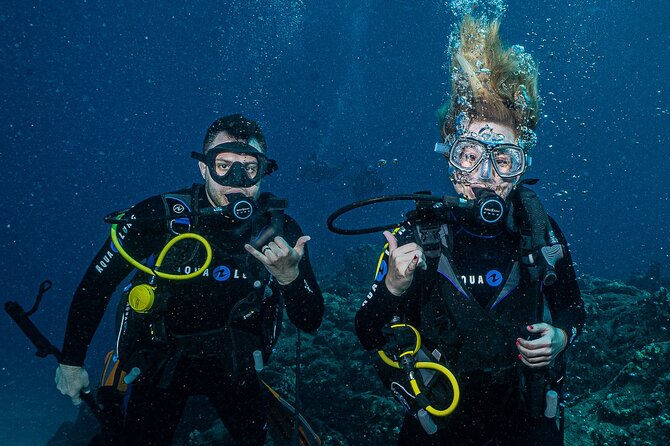
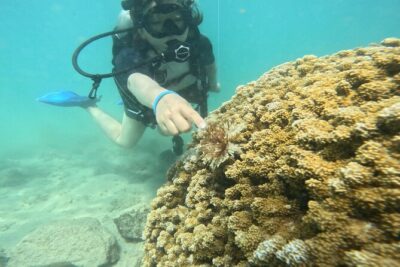
Once you reach the water, the instructor works through the skills needed for the session. You practice breathing through the regulator and learn the actions you will use on every scuba outing. The goal is to help you become comfortable enough to move underwater with direct professional supervision.
You may need time to adjust. A mask that feels fine on land can seem bothersome once you are submerged. The regulator may take a few breaths before it feels natural. These are normal parts of a first session, and the instructor can help you work through them.
The program is structured around confidence and control. You do not simply put on gear and swim away. First, you review the equipment, practice the skills, and show that you can manage the basics. Once you feel ready, you and your instructor continue to the reef.
If you cannot become comfortable or meet the safety requirements, the instructor may stop the session. That can be disappointing, but it is better than being pushed beyond your ability. The health form and swimming requirement are there for a reason.
The reef is the payoff
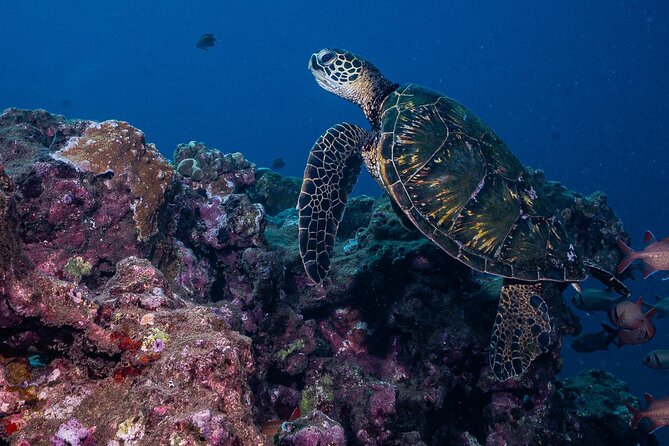
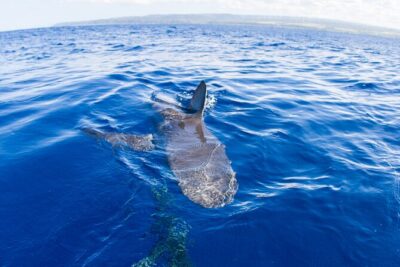
After the skills practice, you move into the sightseeing portion of the session. Maui’s coral reefs provide the setting, with tropical fish and the possibility of sea turtles. Some outings have included large numbers of turtles, colorful reef fish, eels, puffer fish, and white-tip or nurse sharks.
A few accounts also describe a shipwreck site, though the exact underwater route can vary. You should treat wildlife sightings as possible rather than promised. The ocean is not an aquarium, and the conditions, site, and animals change from one session to the next.
Sea turtles are the most consistent highlight in the available experience details. You might see one resting near the reef or passing through the area. Keep your hands to yourself and give wildlife room. The best encounter is the one where the animal continues behaving naturally.
The reef portion can last longer than the initial skills work, depending on the group and conditions. Your instructor keeps watch, checks that everyone is comfortable, and points out marine life. You may spend much of the session simply learning how to move slowly and breathe steadily while looking around.
That quiet pace is part of the appeal. Underwater, a small fish, coral formation, or turtle can hold your attention for several minutes. You do not need advanced skills to appreciate the setting, but you do need enough calm to notice it.
Why the four-person limit helps
The group limit of four is one of the strongest features of this class. A small group gives the instructor a better chance to see when someone is struggling with a mask, breathing, buoyancy, or nerves. It also means fewer people competing for explanations during the briefing.
This setup is especially useful for couples and families with mixed experience. One person may feel ready immediately while another needs more time. A small group makes it easier to pause and address a problem instead of allowing it to disappear in a crowd.
The limit does not guarantee a private lesson. You still share the instructor’s attention, and everyone needs to follow the same basic plan. But four participants is far more manageable than a large introductory class, particularly in an ocean setting.
The instructors have also received strong praise for checking on people throughout the underwater portion. That is exactly what you want from an introductory session: not constant hand-holding, but regular confirmation that you are comfortable and safe.
Physical and medical requirements deserve serious attention
You must be at least 10 years old, able to swim, comfortable in the ocean, and in moderate physical condition. You also need to carry your scuba equipment to and from the water.
Every participant completes a PADI medical questionnaire. If you answer yes to any of the listed questions, you need approval from a doctor before participating. The operator does not promise a refund if a medical issue prevents you from taking part, so read the form well before your booking date.
This is the point where careful planning saves money. Complete the form as soon as you receive it. If you have a health concern, contact the operator before paying or well before the cancellation deadline. A last-minute medical problem can leave you with an unusable reservation.
The class is not suitable for someone who cannot swim or who panics in open water. One person may be a strong pool swimmer but still struggle with ocean conditions. Be honest with yourself. Maui’s underwater scenery is wonderful, but it is not worth forcing yourself into an activity that feels unsafe.
Timing, weather, and the 18-hour flight rule
Plan for about three hours from start to finish. That includes the briefing, gear preparation, skills practice, and the reef outing. The experience ends back at the starting point on Front Street.
Weather can cancel the session. If that happens, you are offered another date or a full refund. This is sensible for an ocean activity, since wind, waves, and visibility affect both safety and enjoyment.
You also need to leave at least 18 hours between the session and flying or going to elevation. Do not schedule this activity on the final morning before a flight. If your Maui itinerary includes a mountain drive or another high-elevation activity, place the scuba session carefully.
You can cancel for a full refund up to 24 hours before the start time. Changes made inside that window are not accepted, so keep your schedule flexible until the deadline passes.
What the price includes, and what it does not
At $158.43, the fee includes the PADI online preparation, professional instruction, and the required scuba equipment. You are paying for a guided introduction, not a full certification.
The small group improves the value. So does the chance to explore a real Maui reef rather than practicing only in a swimming pool. The potential to see turtles, sharks, and unusual fish adds to the appeal, though no wildlife encounter is guaranteed.
The price does not remove the physical demands. You still carry the gear, complete the eLearning, pass the medical screening, and manage the rocky entry. You should also check whether photos or video are available, since this is not clearly included. One participant specifically wished the operator offered them, so bring your own expectations rather than assuming an underwater photo package comes with the booking.
Who should book this experience
I would recommend it to a confident swimmer who wants a first taste of scuba and is willing to prepare properly. It suits adults, families with children age 10 and older, and couples who want a shared underwater activity without committing to certification.
It is also a good choice for someone who has scuba experience from years ago and wants a guided refresher. One family used the class to refresh older skills, and the instructor reviewed the basics before taking them to the reef.
I would be cautious if you are uneasy in the ocean, have trouble carrying heavy equipment, or expect a gentle pool-based lesson. You may prefer an activity with more shallow-water practice. Contact Dive Maui before booking if you have medical questions, mobility concerns, or uncertainty about the entry.
Should you book the Lahaina Discover Scuba class?
Book it if you can swim comfortably, complete the online work early, and accept that the first challenge is getting into the ocean with full gear. The strongest reasons are the small four-person group, included equipment, patient instructors, and access to Maui coral reefs where turtles and tropical fish are common possibilities.
Think twice if your main goal is a relaxed beach activity or if you need extensive shallow-water coaching. The shore entry is physical, and the class moves from preparation to ocean practice rather than spending a long time in a pool.
For the right person, $158.43 is a fair price for a carefully supervised first underwater experience. Just plan around your flight, finish the medical form early, and ask questions before the 24-hour cancellation window closes.
FAQ
Where does the experience begin?
It begins at 1223 Front Street, Lahaina, Hawaii 96761. The activity ends back at the same meeting point.
How long does the class last?
The experience lasts approximately three hours.
Do I need previous scuba experience?
No. The program is designed for people without previous scuba experience, under the direct supervision of a PADI professional.
Do I need to complete online work?
Yes. You must complete the assigned PADI eLearning, including reading and videos, before arriving for the session.
Is scuba equipment provided?
Yes. All necessary scuba gear is provided.
How many people are in each group?
The group has a maximum of four participants.
What animals might I see?
You might see sea turtles, tropical fish, coral, eels, puffer fish, sharks, and possibly a shipwreck site. Wildlife sightings are not guaranteed.
Do I need to be able to swim?
Yes. You must be able to swim, float independently, and feel comfortable in the ocean.
What happens if I answer yes on the medical form?
A doctor’s approval is required if you answer yes to any item on the PADI medical questionnaire. Refunds are not authorized when a medical issue prevents participation, so contact the operator with questions before booking.
Can I fly after the experience?
No. You cannot fly or go to higher elevation within 18 hours after the session.
What is the cancellation policy?
You can cancel at least 24 hours before the start time for a full refund. Cancellations or changes made less than 24 hours before the session are not accepted. If poor weather causes the operator to cancel, you receive another date or a full refund.
Just added on Maui
- Two Site Snorkeling Adventure featuring the Molokini Crater★ 5.0 · 4 reviews
- Road to Hana Deluxe Rainforest & Waterfall Experience from Maui★ 5.0 · 116 reviews
- Traditional Airport Lei Greeting on Kahului Maui★ 5.0 · 95 reviews
- Turtle Town Clear Kayak & Snorkel Tour (8am-11am)★ 5.0 · 100 reviews
- The Best Maui 3 Hour Molokini and Turtle Town Snorkel★ 5.0 · 106 reviews
- 3-Hour Small-Group Maalaea Luxury Snorkel Cruise Tour★ 5.0 · 29 reviews
- Elite Private Tour★ 5.0 · 7 reviews
- VIP Premiere Whale Watch Kaanapali Beach MAX 12 PASSENGERS★ 5.0 · 78 reviews
Scuba Diving, compared.
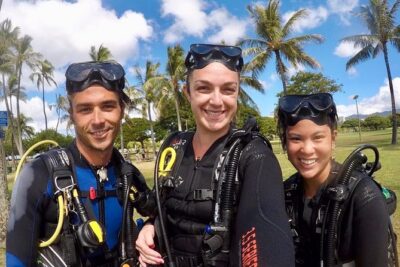
First-Time Scuba Diving in Honolulu + Free Videos
Read our review →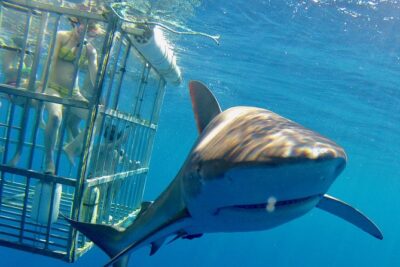
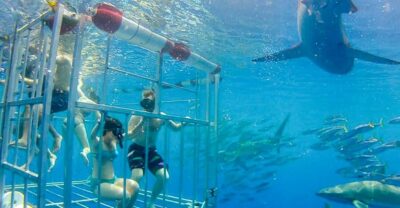
Beginner Scuba Diving Experience with Video Package in Honolulu
Read our review →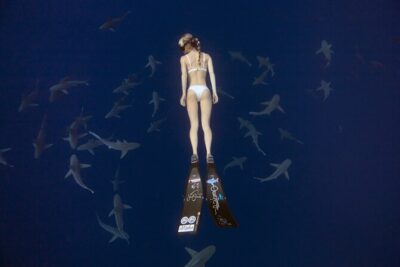
Safe and Educational Shark Dive from Haleiwa: Sharks Guaranteed
Read our review →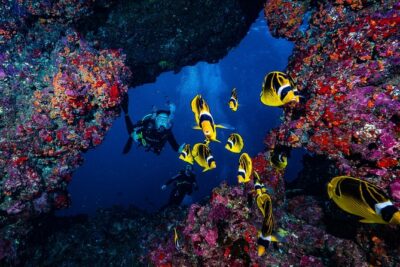
2 Tank Lanai Cathedral Scuba Dive Via Boat for Certified Divers
Read our review →
Dive with Sharks in Hawaii: Shark Tour from Haleiwa
Read our review →Browse the lists this tour appears in