
Reviewed · FARMS
Farm to Table Cooking Class at Kulaniapia Falls
The best part of this four-hour experience is that lunch begins in the soil. You walk through Kulaniapia Farms, pick much of what you will eat, then help turn it into a fresh plant-based meal in a restored barn with views toward Hilo Bay and Mauna Kea. It feels far more personal than a standard cooking demonstration.
I like the small group limit of eight, which gives you room to ask questions and get your hands dirty. I also like the setting: a waterfall, tropical gardens, volcanic soil, and a kitchen with a view. The main consideration is that you may do more chopping and preparing than actual cooking. One recent session had a volunteer do most of the cooking, so the hands-on balance can depend on the person leading your class.
Key points to know before you book
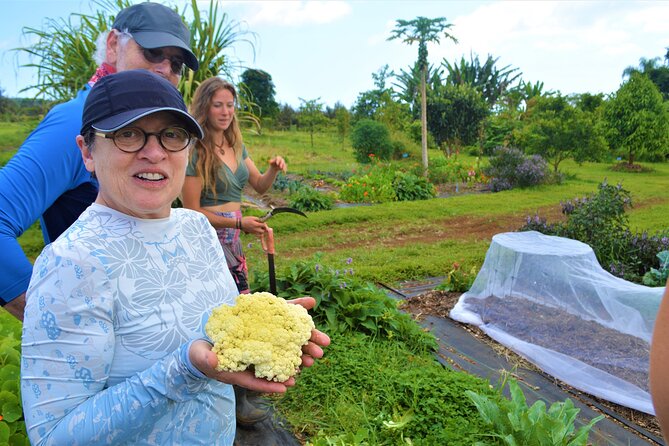
- You harvest the ingredients: More than 90 percent of your meal uses produce from the farm, including vegetables you help select.
- The setting is part of the meal: You’ll see Kulaniapia Falls, walk among tropical plantings, and may look out toward Hilo Bay and Mauna Kea.
- The group stays small: The maximum is eight people, with four to six likely to feel especially comfortable for a shared kitchen activity.
- The food is plant-based: This is a good fit if you enjoy fresh vegetables and want practical recipes without meat.
- Wear proper shoes: Farm paths can be uneven, weedy, and muddy, so choose closed-toe, flat shoes rather than sandals.
- Plan for a relaxed morning: The class starts at 9:30 a.m. at 100 Kulaniapia Drive and ends back there about four hours later.
Starting at Kulaniapia Falls at 9:30 a.m.
Your morning begins at Kulaniapia Falls, at 100 Kulaniapia Drive in Hilo. The farm sits on the grounds of the Inn at Kulaniapia Falls, so the first impression is not a plain classroom or commercial kitchen. You are surrounded by water, gardens, and the sound of a working farm.
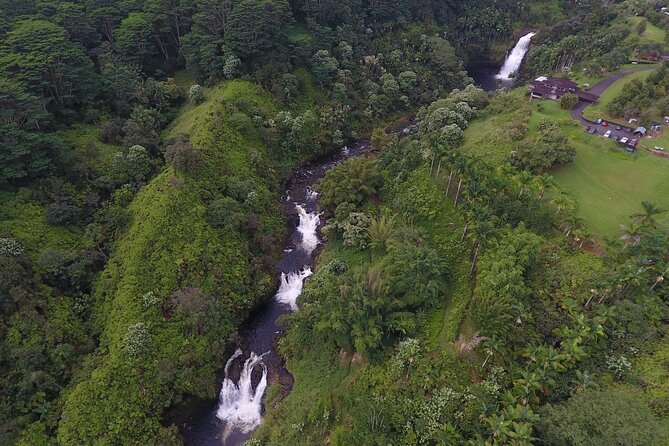
The waterfall is one of the pleasures of the location. You may see it before or after the food portion, and the farm setting gives the morning a calm pace. This is not a quick lesson squeezed into a city storefront. You have time to walk, gather food, prepare lunch, and enjoy the place.
The exact guide can change. Past sessions have been led by people including Natalie, Davey, Adrian, and Ayden, and the staff rotate often. That means the mood and teaching style may vary, but the experience is built around the same basic idea: learn by walking the farm and working with the harvest.
The class is offered in English, and your booking confirmation arrives at the time of booking. Since it is often reserved well ahead, securing your preferred date early is sensible, especially if your Hilo plans are fixed.
More waterfall tours on Big Island of Hawaii:
- Big Island in a Day: Volcanoes Waterfalls Sightseeing and History
★ 5.0 · 6,569 reviews - Big Island Zipline Tour Near Akaka Falls (250-ft Waterfall!)
★ 5.0 · 1,077 reviews - Big Island: 9-Line Waterfall Zipline Experience
★ 5.0 · 1,057 reviews
Walking the farm and choosing lunch
The farm tour is the heart of the experience. A member of the Kulaniapia community leads you through the gardens and explains how food grows in the area. You do not simply look at vegetables in neat rows. You help pick the produce that will become your lunch.
That connection matters. When you pull a vegetable from the ground or select something ripe from the garden, lunch stops being an abstract farm-to-table promise. You can see the source, handle the ingredients, and understand why the menu changes with the season.
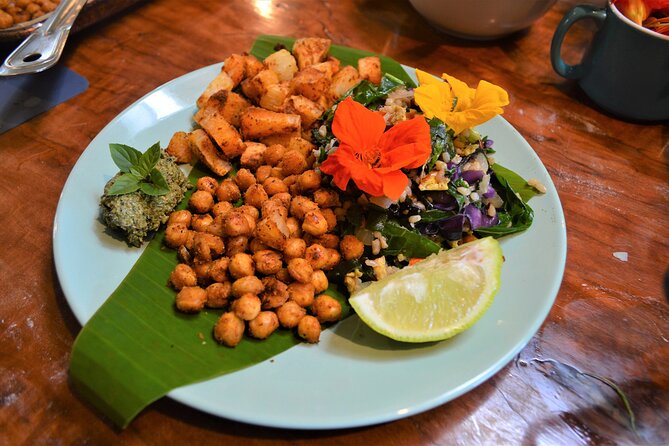
The meal uses seasonal farm produce, with more than 90 percent of it coming from the property. The menu is not fixed in the way a restaurant menu is. The farm decides much of what appears on your plate, so you should expect freshness and variety rather than a guaranteed list of specific dishes.
You might also encounter some of the farm’s other pleasures during this part of the morning. Past sessions have included feeding goats, collecting eggs, eating bananas straight from the tree, and sampling coffee. These details can depend on the day and the guide, so I would treat them as possible additions rather than promised stops.
Wear tennis shoes or other closed-toe, flat shoes. The route can cross uneven ground and weedy areas. This is a working farm, not a paved botanical garden, and sensible footwear will make the picking portion much more comfortable.
From fresh harvest to a plant-based lunch
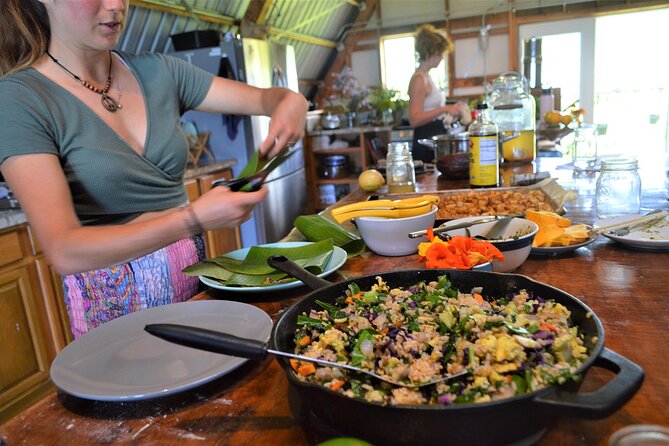
After collecting ingredients, you move to the cooking area. The meal is prepared in a refurbished barn with a full kitchen upstairs and broad views toward the ocean. The setting adds a special touch, but it also keeps the experience informal. You are working with a small group, not watching a polished stage production.
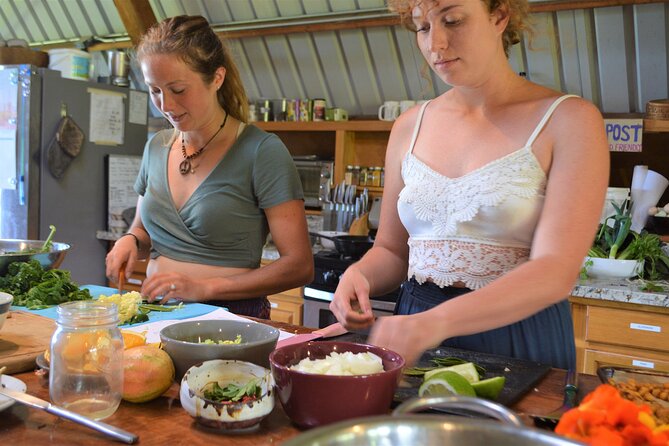
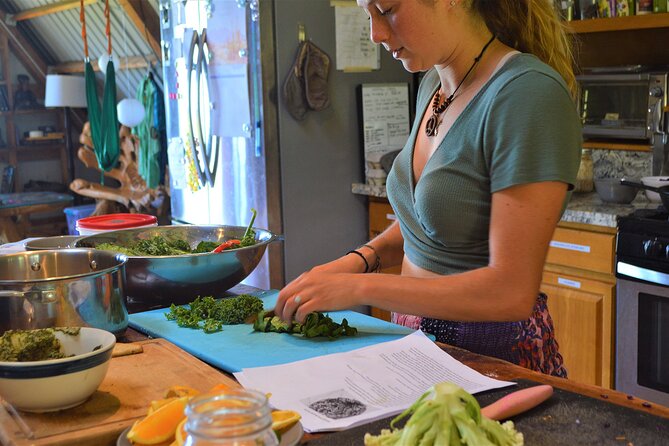
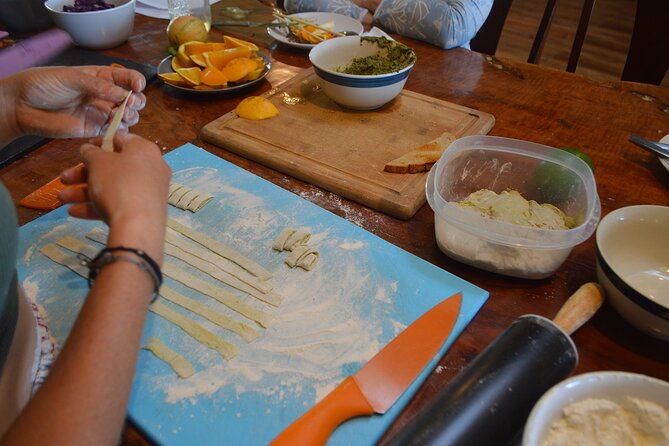
You will help prepare lunch from the produce you gathered. That can include washing, cutting, seasoning, and other basic kitchen work, depending on the recipe and the person leading the class. The goal is to send you home with plant-based recipes and more confidence using fresh produce.
The food is a major strength. The ingredients travel only a short distance from garden to plate, and you have a direct hand in gathering them. A lunch made from vegetables picked that morning has a freshness you cannot easily reproduce with supermarket produce.
Still, be clear about the format. This is not necessarily a fully hands-on chef lesson where you cook every dish from start to finish. One participant found that the volunteer did most of the actual cooking after the group prepared the vegetables. If you want intense instruction on knife skills, sauces, timing, and stovetop technique, this may feel light.
If you prefer a social, relaxed class, that same format may suit you well. You can take part without carrying the pressure of running a kitchen. Guides such as Davey have helped make the food portion educational even for people who already cook regularly, but the amount of direct instruction can vary.
The views, waterfall, and slower pace
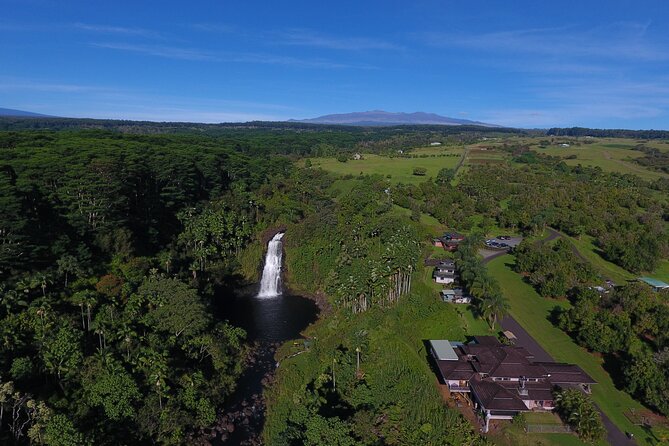
The scenery is not filler between activities. You can see Hilo Bay and Mauna Kea while preparing food, and the farm sits beside Kulaniapia Falls. A short walk toward the river has also been part of the morning for some groups.
The property includes bamboo gardens and paths near the waterfall. That makes this a useful choice if you want a food activity with a strong sense of place. You are not only learning a recipe. You are seeing how the farm fits into the tropical surroundings.
The pace is another reason I would choose this class over a busier food tour. Four hours gives you time to walk, gather, prepare, and sit down for lunch without rushing each step. The tradeoff is that anyone looking for a fast, tightly scheduled activity may find the morning leisurely.
The setting can also shape your expectations. Rain, mud, or changing farm conditions may affect how comfortable the outdoor portion feels, though no specific weather policy is provided. Closed shoes and clothes you do not mind wearing around soil are wise choices.
Other coffee and chocolate farms to visit on Big Island of Hawaii:
- Big Island Highlights: Coffee, Volcano, Black Sands & Waterfall
★ 5.0 · 1,054 reviews - Hawaiian Salt Farm Tour in Kona
★ 5.0 · 767 reviews - Award Winning Farm Tour: Coffee, Chocolate and Unique Gifts
★ 5.0 · 484 reviews - Big Island: Night Swim with Manta Ray with Hot Chocolate
★ 4.9 · 420 reviews
What $169 buys you
The price is $169 per person, with a typical gratuity of $20 per guest not included. That makes the full cost higher than a basic cooking class, but you are paying for more than a meal and a recipe card.
The fee includes the farm walk, harvesting, lunch, and the supplies needed to gather and prepare the food. You also receive the setting: the waterfall, gardens, barn kitchen, and views. For someone who values local food, a small group, and time outdoors, the package offers reasonable value.
The value is less clear if your main goal is advanced cooking instruction. Since the leader or volunteer may handle much of the actual cooking, you may not get four hours of direct chef training. I would choose this for the farm connection and shared meal first, and for technical cooking practice second.
The small group helps justify the cost. With a maximum of eight people, the class should feel more like a hosted farm visit than a large demonstration. A group of four to six can be especially comfortable around the kitchen and during the farm walk.
The $20 gratuity is typical for this activity and should be included in your budget. It is not part of the listed price, so plan for it if you want to follow the suggested tipping norm.
Who will enjoy this most
I would recommend the class to couples, families, friends, and solo visitors who like food with a local connection. It works particularly well for people who enjoy gardens, simple cooking, and scenery more than formal culinary training.
Families can find plenty to do because the morning combines walking, picking, animals, and eating. The small group also makes it easier to stay involved. Still, children should be comfortable on uneven farm ground, and the activity may not suit anyone who needs a fully paved route.
It is also a good match for plant-based eaters or anyone hoping to add more vegetables to their cooking. You leave with recipes built around fresh produce rather than a single restaurant meal. If you are not interested in plant-based food, the menu may feel limited.
Solo participants can fit in well because the class is social without being huge. Couples and friends get a shared project, while people traveling alone have a natural way to meet others around the harvest and meal.
I would be more cautious about booking it for someone seeking luxury, strict structure, or a guaranteed chef-led class. The welcome is warm and the setting is special, but the experience is casual. Staff rotate, and the exact mix of teaching, cooking, and farm activities can change.
Timing, booking, and cancellation
The class starts at 9:30 a.m. and lasts about four hours. It begins and ends at 100 Kulaniapia Drive, so you should arrange your morning around reaching that meeting point on time.
You receive confirmation when you book, and the activity accepts mobile tickets. Since it is commonly booked well in advance, I would reserve early if you have only one open morning in Hilo.
Free cancellation is available when you cancel at least 24 hours before the start time. A cancellation or change made inside that 24-hour window is not refunded or accepted. The cut-off uses local Hawaii time.
The class also requires a minimum number of participants. If the provider cancels because that minimum is not reached, you will be offered another date or experience, or a full refund.
Should you book the Kulaniapia farm class?
Book it if you want a small, scenic, farm-based morning where the ingredients come from the ground around you. The waterfall, tropical gardens, ocean views, and fresh lunch give the experience a strong sense of place. The best moments come from picking the food yourself and then sitting down to eat it.
Think twice if you want a rigorous chef course or a guaranteed hands-on cooking session. You may prepare the ingredients while the guide or volunteer handles much of the cooking. For me, that is a manageable drawback because the farm visit and setting do much of the work.
Wear closed shoes, allow the full four hours, budget for the extra gratuity, and reserve ahead. If that sounds like your kind of morning, this is one of the more distinctive food activities around Hilo.
FAQ
Where does the Farm to Table Cooking Class take place?
The experience takes place at Kulaniapia Farms, located at 100 Kulaniapia Drive, Hilo, Hawaii 96720. It is on the grounds of the Inn at Kulaniapia Falls.
What time does the class start?
The class starts at 9:30 a.m.
How long does the experience last?
The activity lasts approximately four hours and ends back at the meeting point.
What kind of food will we prepare?
You will prepare a fresh, plant-based lunch using seasonal produce from the farm. More than 90 percent of the meal comes from ingredients grown there.
Do I get to pick the ingredients?
Yes. You will walk through the gardens and help harvest vegetables and other produce used in the meal.
How many people can join the class?
The maximum group size is eight participants.
Is the activity offered in English?
Yes. The class is offered in English.
What should I wear?
Wear tennis shoes or other closed-toe, flat shoes. The farm includes uneven ground and weedy areas.
Is gratuity included in the price?
No. Gratuity is not included. A tip of $20 per guest is typical for this activity.
Can I cancel for a full refund?
Yes, if you cancel at least 24 hours before the experience start time. Cancellations or changes made less than 24 hours before the start time are not refunded or accepted.
More Cooking Classes on Big Island of Hawaii
- Hands-On Hawaiian Imu Cooking and Cultural Dining Experience
★ 5.0 · 95 reviews - Baumkuchen Campfire Baking Class
★ 5.0 · 3 reviews - Farm to Taco: A Farm to Table Cooking Class
★ 5.0 · 41 reviews - Corner Store Kauai Cooking Class
★ 5.0 · 18 reviews
Just added on Big Island of Hawaii
- Volcano National Park and Rainbow Fall in Hilo, Hawaii★ 5.0 · 53 reviews
- Volcanoes National Park Adventure Tour – Hilo Shore Excursion★ 4.5 · 104 reviews
- Volcanoes National Park and Hilo Private Tour★ 5.0 · 3 reviews
- Private VAN Tour Hilo★ 4.5 · 5 reviews
- Volcanoes Adventure Tour from Hilo★ 4.0 · 29 reviews
- Majestic Waterfall Tour★ 5.0 · 31 reviews
- Private Shore Excursion Hilo Volcanoes National Park up to 10 PPL★ 5.0 · 36 reviews
- 5 Hour Custom Private Tour of Hawaii★ 5.0 · 9 reviews
Farms, compared.
Oahu’s Ultimate Tour: Dole, Turtle Snorkel, Pali Lookout & More
Read our review →
Maui Ku’ia Estate Guided Cacao Farm Tour and Tasting
Read our review →
Big Island Highlights: Coffee, Volcano, Black Sands & Waterfall
Read our review →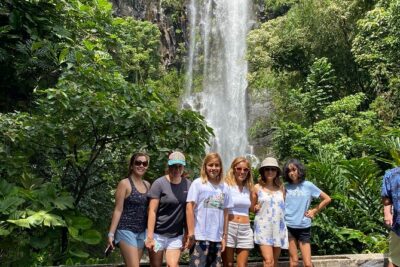
Road to Hana Adventure with Farm to Table Lunch
Read our review →
Pearl Harbor, Dole Plantation, and Polynesian Center from Waikiki
Read our review →
Princeville Botanical Gardens Tour and Chocolate Tasting Ticket
Read our review →
Browse the lists this tour appears in