
Reviewed · TOURS IN THE BIG ISLAND
Hands-On Hawaiian Imu Cooking and Cultural Dining Experience
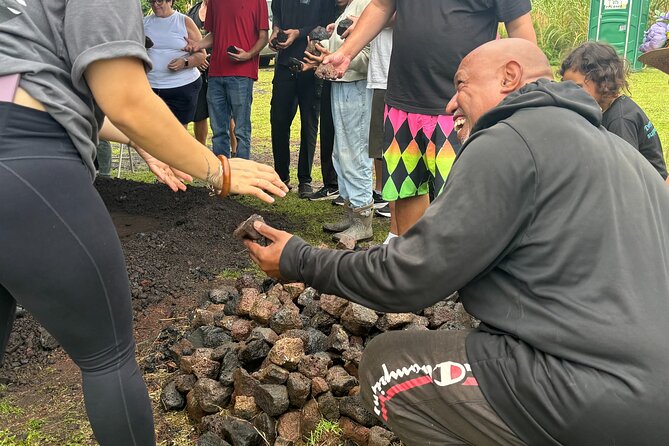
The heart of this Big Island experience is not the lunch. It is the work that comes first: helping build an imu, an underground oven that uses heated earth, wood, and other natural materials to cook food slowly. I like that you do not simply watch a demonstration. You take part, then sit down to eat what the group prepared.
I also like the strong family and community focus, explained by the Men of Pa’a through food, language, history, and the Hawaiian idea of ohana. The food is another clear strength, especially the kalua pork and vegetables cooked in the imu. The main drawback is the fixed 10:00 a.m. start in Pāhoa, which may require a long drive from other parts of the Big Island.
Key things to know before booking
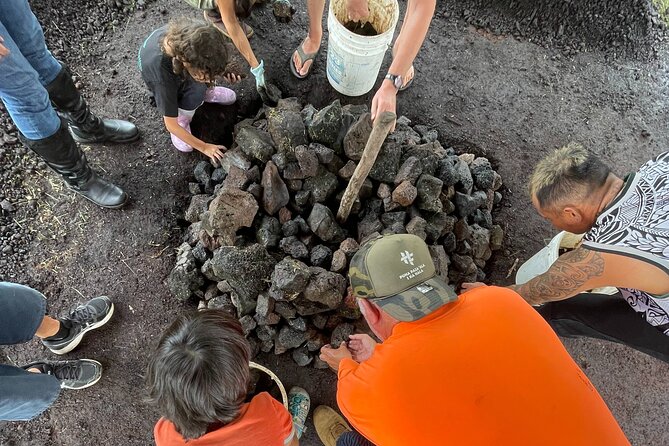
- Build the imu yourself: You help with the preparation of the underground oven instead of watching a staged cooking show.
- Learn from the Men of Pa’a: The hosts connect cooking with family, land, language, and Hawaiian culture.
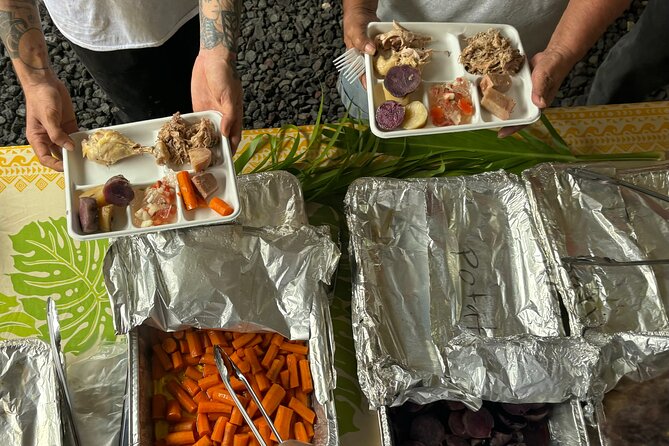
- Eat a full cooked lunch: The menu includes kalua pork, kalua chicken, kalua vegetables, and kulolo.
- Expect a four-hour visit: The morning start leads into a shared lunch and ends at the same meeting point.
- Small-group intimacy is possible, but not guaranteed: The maximum group size is 50 people.
- Plan around the weather: Poor conditions can lead to a new date or a full refund.
Why this imu experience feels different from a luau
Many Hawaiian meals are designed for you to sit back and watch. This one asks you to work first. You help create the cooking method, hear why it matters, and then share the result around a table.
That difference matters. The imu is not just a large underground oven. It is a traditional way to prepare food with materials from the earth, and it gives the meal a clear connection to place. You see the process before tasting it.
The Men of Pa’a also frame the meal as a community event. Their explanations include the meaning of Hawaiian words, the role of family, the importance of gathering, and the way food brings people together. I would choose this activity if you want cultural context rather than a polished stage performance.
The experience is based in Pāhoa, on the eastern side of the Big Island. The meeting point is 15-1380 Auina Street, Pāhoa, Hawaii 96778. You make your own way there, and the activity returns to that same location. There is no transportation from a hotel listed, so allow time for the drive and arrive ready for a morning outdoors.
A few more things to do on Big Island of Hawaii worth a look
- Farm to Table Cooking Class at Kulaniapia Falls
★ 4.5 · 36 reviews - Baumkuchen Campfire Baking Class
★ 5.0 · 3 reviews - Farm to Taco: A Farm to Table Cooking Class
★ 5.0 · 41 reviews
Starting at 10:00 a.m. in Pāhoa
The activity begins at 10:00 a.m. and lasts about four hours. That timing makes sense for a lunch-centered visit. You have the morning to reach Pāhoa, then spend the late morning preparing food before eating together.
I would not treat this as a quick stop between other scheduled activities. The group needs time to prepare the imu, explain what is happening, uncover the food, and share the meal. Putting another major activity immediately afterward could make the day feel rushed.
The maximum group size is 50 people. That is large enough for a lively gathering, though the actual feel may depend on how many people book your date. The supplied information does not promise a small group, so book this for its hands-on cultural format rather than for a private cooking lesson.
English is the offered language. Bottled water and an activity guide are included, along with lunch. The exact schedule within the four hours is not specified, so you should expect a natural group experience rather than a minute-by-minute class.
Building an underground oven from the earth
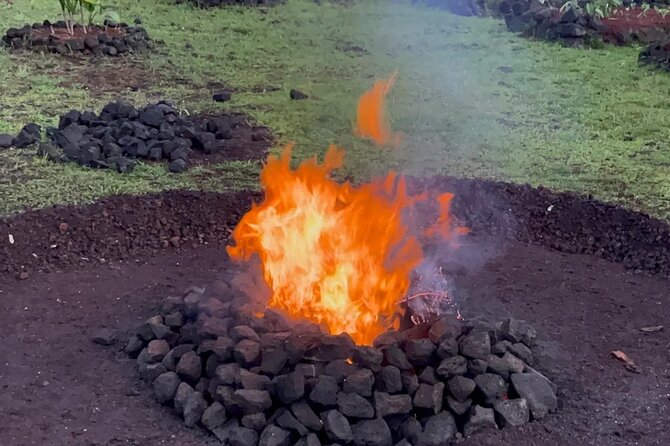
The most memorable part is the imu itself. An imu is an underground oven that cooks food slowly. The process uses the earth as part of the cooking method, giving the meal a strong sense of connection to Hawaiian practice.
You participate in building the imu from scratch under the direction of native Hawaiian hosts. Their families have cooked this way for generations, so the instruction is tied to lived family practice rather than a generic cooking demonstration.
The hands-on element is important. You are not only hearing that the method is traditional. You are involved in preparing the oven that will cook your lunch. That makes the meal easier to understand and gives the food a story before it reaches your plate.
The activity also links cooking with care for the land. The explanations focus on why food preparation matters, how gathering supports family, and how Hawaiian words and traditions carry meaning. You might find the cultural teaching as memorable as the cooking itself.
I would keep your expectations practical. This is not advertised as a formal culinary course, and no detailed lesson plan is provided. You will learn through working with the hosts and listening to their explanations. The value lies in participation and conversation, not in leaving with professional cooking skills.
Learning with the Men of Pa’a
The hosts are the Men of Pa’a, a group described through the experience as native Hawaiian cultural educators and cooks. Their welcome is a major part of the visit. The tone is personal, open, and centered on bringing people together.
Iopa Maunakea is associated with Imu Mea ’Ai Food Tour Hawaii. The supplied information also refers to a lead host as the chief, but does not provide his personal name. You should therefore expect guidance from the group rather than a single named chef leading a standard recipe class.
One useful detail is the attention given to language and translation. A Chinese-speaking family was able to receive help translating between English and Chinese during the event. That does not mean a Chinese translation is a standard service, but it shows that the hosts may make an effort to include people who need help following the discussion.
The cultural conversation can reach beyond the imu. One special gathering included reflections from a host who had recently visited China as part of a Hawaii Tourism Authority delegation. That kind of exchange gives the event a conversational quality, rather than limiting it to a prepared speech.
The central idea is ohana, or family. You will hear how family, food, land, and community connect. If you enjoy learning through personal stories and shared work, this part may be the strongest reason to book.
Same island, a different kind of day:
- Big Island in a Day: Volcanoes Waterfalls Sightseeing and History
★ 5.0 · 6,569 reviews - Big Island Manta Ray Night Snorkel
★ 5.0 · 5,656 reviews - Big Island: Kona Manta Ray Snorkel Tour in Keauhou Harbor
★ 4.5 · 2,465 reviews - Hilo Shore Excursion: Volcanoes National Park & Black Sand Beach
★ 4.5 · 2,338 reviews
Uncovering the food and sharing lunch
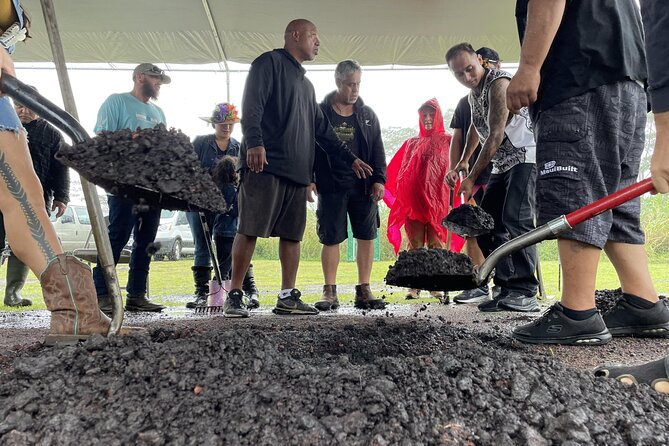
After the imu has done its work, the group uncovers the food and gathers for lunch. This is the payoff, but it works because you have seen the preparation.
The main dish is kalua pork, steamed in the underground oven. Kalua chicken is also served, along with vegetables cooked in the same method. The vegetable selection includes local sweet potato, kalo, carrots, celery, and other vegetables.
Kalo, also called taro, is especially useful in this meal because it appears in both the savory food and the dessert. It gives you another way to understand how one important local crop fits into Hawaiian cooking.
Dessert is kulolo, made with kalo, coconut milk, and honey. It is a distinctly Hawaiian finish rather than a familiar mainland dessert. If you like tasting food with a clear cultural connection, do not skip it.
The menu is generous in range, but it is not described as a choice-based meal. The listed mains include pork, chicken, and vegetables, so the spread offers some variety. Still, if you have serious allergies or strict dietary requirements, ask the provider before booking. The supplied details do not explain substitutions, preparation areas, or cross-contact procedures.
The meal is served in a backyard-style setting. That phrase suggests a relaxed communal lunch rather than restaurant service. You should expect the social side of the meal to matter: sitting together, talking, and sharing the food prepared through the group effort.
What the $150 price really covers
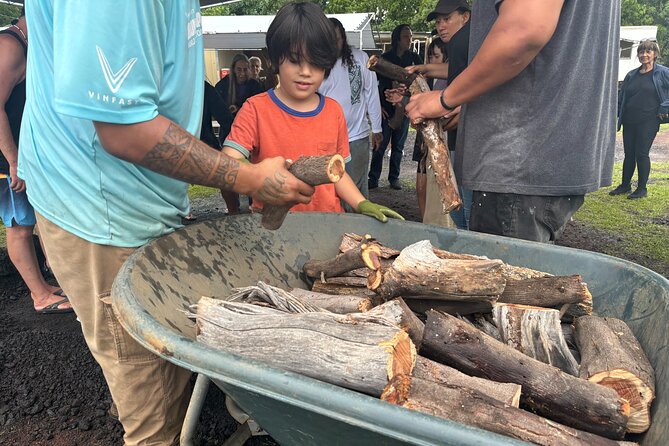
At $150 per person, this is more expensive than simply ordering a Hawaiian lunch. You are paying for about four hours of guided cultural activity, not only for a plate of food.
The price includes lunch, bottled water, and an activity guide. More importantly, it includes instruction and participation in building the imu. You also receive access to a setting where the cooking method, food, family, and culture are explained together.
I see the value most clearly for people who would otherwise book a luau or food tour. A large luau may offer entertainment and a broad buffet, while this experience gives you a closer look at one cooking tradition and asks you to take part. If your priority is a polished show, the $150 may feel high. If your priority is personal contact and practical participation, the price is easier to justify.
The maximum group size of 50 is worth considering. The experience may feel intimate if your date has a smaller booking, but you should not assume a private or tiny class. The price buys the activity and meal, not exclusive access.
The average booking lead time is about 25 days. That is useful planning information, especially if your Big Island dates are fixed. I would book ahead rather than count on finding an opening during the trip.
Who will get the most from this experience
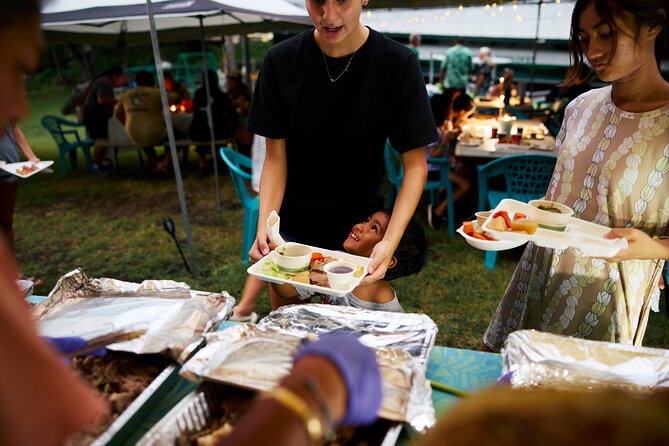
I would recommend the imu cooking visit to several types of visitors:
- Families: Children and adults can take part in a shared task, and the food gives everyone something familiar to enjoy.
- Food-focused visitors: You learn how the meal is cooked, not just what is on the plate.
- Cultural learners: The activity covers Hawaiian language, family, history, gathering, and food traditions.
- People seeking a personal connection: The hosts encourage conversation and welcome direct participation.
- Visitors tired of staged entertainment: This is built around cooking and conversation rather than a performance.
It may be less suitable if you want a short, highly structured activity or a restaurant-style lunch. It may also be awkward for anyone who cannot commit to four hours or reach Pāhoa by 10:00 a.m.
The format suits a family or group that wants to do something together. The shared work gives the day a natural rhythm. You are not split into separate stations with a finished product handed to you at the end.
Practical details that affect your decision
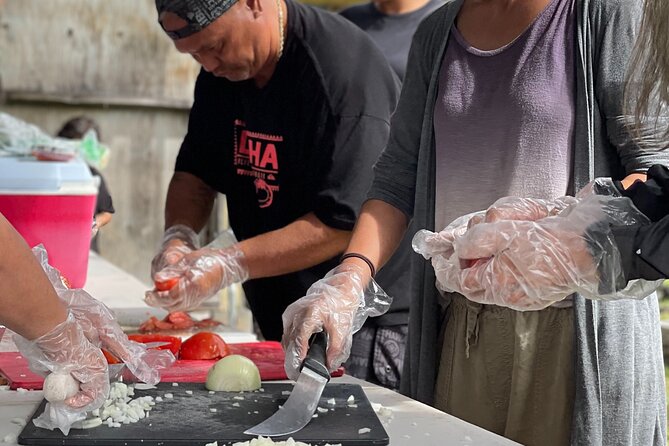
The meeting point is 15-1380 Auina St, Pāhoa, HI 96778. The activity ends there, so plan both your arrival and departure from that address.
A mobile ticket is accepted, and confirmation is provided when you book. The offered language is English. Bottled water is included, but the information does not state that other drinks or transportation are provided.
Weather matters. The experience requires good conditions, and poor weather can lead to a different date or a full refund. The activity also requires a minimum number of participants. If that minimum is not reached, you will be offered another date or experience, or a full refund.
Free cancellation is available if you cancel at least 24 hours before the local start time. Cancellations or changes made inside that 24-hour window are not refunded or accepted. Keep that deadline in mind before locking the activity into a tightly packed itinerary.
The experience may involve outdoor work and time around an underground oven, but specific accessibility information is not provided. If mobility, seating, food allergies, or other practical needs are important to you, contact Imu Mea ’Ai Food Tour Hawaii before booking.
Should you book the Men of Pa’a imu experience?
Book it if you want a meal with a clear sense of place and you are willing to participate before eating. The combination of building the imu, learning about ohana, and sharing kalua food offers more substance than a simple lunch stop.
I especially like this for families, first-time visitors to Hawaii, and anyone who prefers conversation and hands-on learning to a staged show. The hosts’ emphasis on welcome, language, food, and community gives the experience a human scale.
Think twice if you need a small private group, a flexible start time, or a detailed menu for dietary restrictions. The group can reach 50 people, the start time is fixed at 10:00 a.m., and the available menu information is limited.
For the right visitor, the $150 price buys a morning of participation rather than an ordinary meal. You help make the oven, learn why it matters, and then eat what it produced. That is a solid way to spend part of a Big Island day in Pāhoa.
FAQ
Where does the imu cooking experience begin?
It begins at 15-1380 Auina St, Pāhoa, HI 96778, USA. The activity also ends back at this meeting point.
What time does the experience start?
The start time is 10:00 a.m.
How long does the experience last?
The activity lasts approximately four hours.
What food is included?
Lunch includes kalua pork, kalua chicken, and kalua vegetables cooked in the imu. Dessert is kulolo, made with kalo, coconut milk, and honey. Bottled water is also included.
How many people can join?
The maximum group size is 50 people.
What happens if the weather is poor?
If the activity is canceled because of poor weather, you will be offered a different date or a full refund.
Just added on Big Island of Hawaii
- Volcano National Park and Rainbow Fall in Hilo, Hawaii★ 5.0 · 53 reviews
- Volcanoes National Park Adventure Tour – Hilo Shore Excursion★ 4.5 · 104 reviews
- Volcanoes National Park and Hilo Private Tour★ 5.0 · 3 reviews
- Private VAN Tour Hilo★ 4.5 · 5 reviews
- Volcanoes Adventure Tour from Hilo★ 4.0 · 29 reviews
- Majestic Waterfall Tour★ 5.0 · 31 reviews
- Private Shore Excursion Hilo Volcanoes National Park up to 10 PPL★ 5.0 · 36 reviews
- Elite Volcano Hike From Hilo★ 5.0 · 20 reviews
Tours in the Big Island, compared.
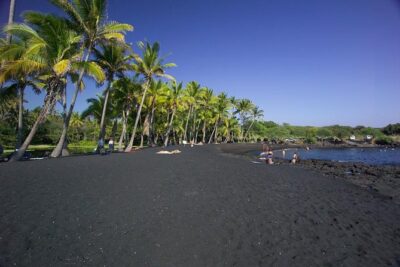
Big Island in a Day: Volcanoes Waterfalls Sightseeing and History
Read our review →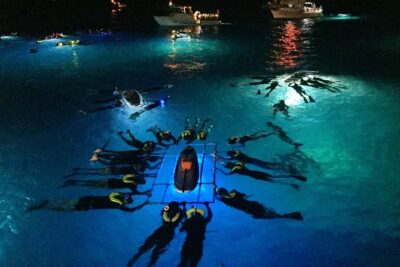
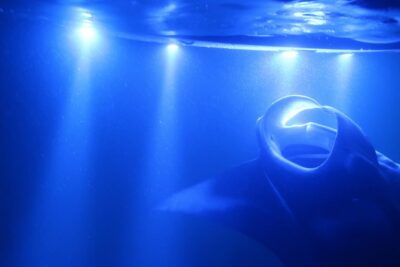
Kona Manta Ray Snorkel Tour in Keauhou Harbor
Read our review →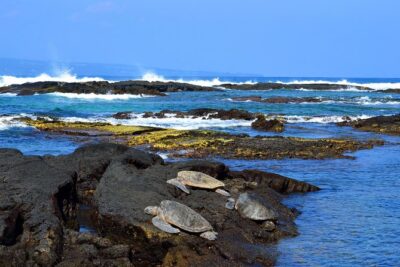
Hilo Shore Excursion: Volcanoes National Park & Black Sand Beach
Read our review →
Captain Cook Snorkel On A Power Catamaran With Lunch
Read our review →
KONA Manta Ray Night Snorkel – FREE re-ride if no Sightings
Read our review →
Big Island GOAT Experience: Mauna Kea Summit, Sunset & Stars
Read our review →
Small Group Big Island Twilight Volcano and Stargazing Tour
Read our review →Browse the lists this tour appears in