
Reviewed · TOURS IN KAUAI
Corner Store Kauai Cooking Class
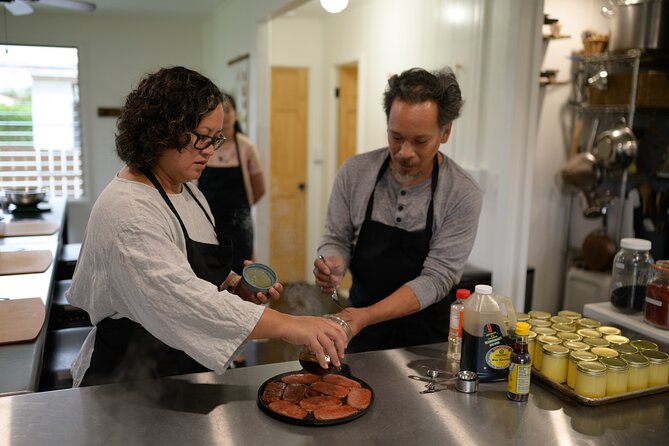
Kauai’s corner-store cooking is the star here, not fancy restaurant food. In a small kitchen cabin on a one-third-acre South Shore homestead, Aletha guides you through musubi, somen salad, ahi poke, and butter mochi, explaining how these everyday foods fit into life on the island. I like the hands-on format and the way each dish carries a bit of local story. I also like that you leave with recipes and practical ingredient substitutes, not just a full stomach.
The main consideration is the price: $173 per person is a serious lunch bill. You also need to commit to a fixed three-hour class, and the booking is non-refundable. For a casual meal, that is costly. For a small, personal food lesson with a maximum of 12 people, it can be good value if you care about cooking and culture.
Key points to know before booking
- Four local favorites: Prepare Kauai-style musubi, somen salad, ahi poke, and butter mochi.
- Two poke versions: Make traditional ahi poke and a modern spicy mayo poke bowl.
- Personal setting: Cook on Aletha’s one-third-acre homestead near Koloa and Poipu.
- Small class size: The experience accepts a maximum of 12 people, allowing plenty of participation.
- Useful take-home help: You receive recipes and suggestions for replacing hard-to-find ingredients.
- Plan ahead: The class starts at 11:00 a.m., lasts about three hours, and is often reserved 30 days ahead.
A local lunch in a small kitchen cabin
The class begins at 11:00 a.m. on Koloa Road, about ten minutes from Koloa and Poipu. You make your own way to the meeting point, and the activity finishes there as well. There is no sightseeing transfer or island-wide pickup, so check the drive from your lodging before booking.
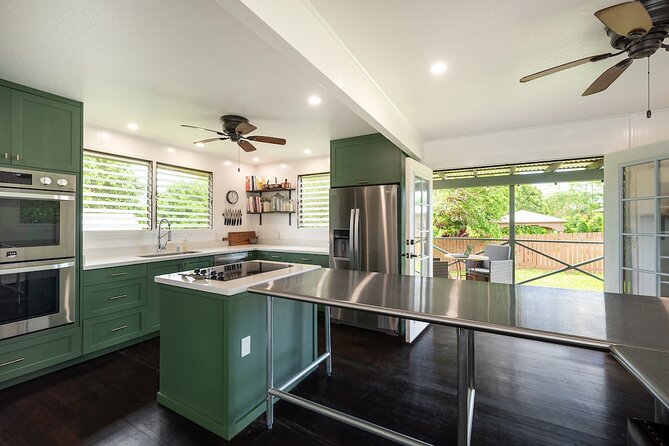
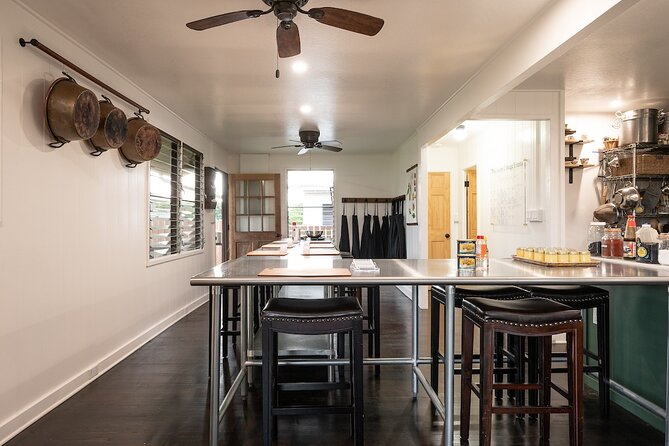
The setting helps explain the tone of the class. Aletha’s homestead covers about one-third of an acre on Kauai’s sunny South Shore, with lychee, avocado, orange, citrus, and banana trees around the property. The cooking area is a small kitchen cabin, giving the experience a home-based feel rather than the polished setup of a hotel demonstration.
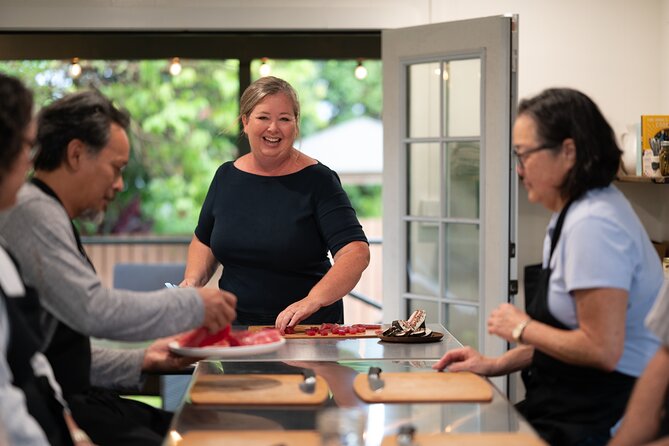
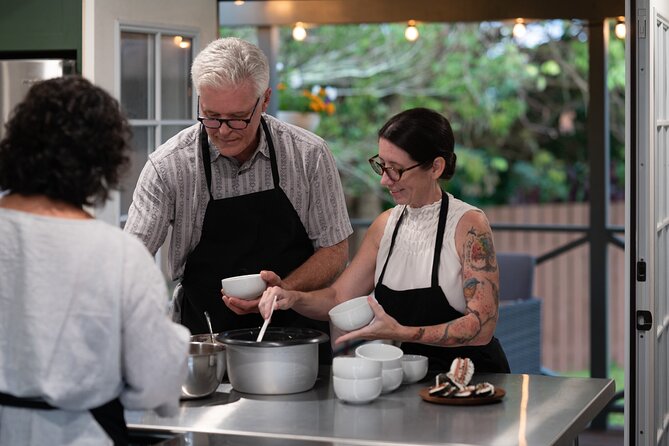
That setting has a practical benefit. You are not watching a chef work at a distance while a plate appears in front of you. The ingredients, tools, and recipes are arranged in advance, and you take part in putting the dishes together. The preparation is organized so the group can focus on cooking, conversation, and tasting instead of waiting for every ingredient to be measured.
The group limit of 12 matters here. A class this size can still feel social, but it is small enough for Aletha to offer guidance. Her daughter Anneka may also help as the class moves along. The overall mood is warm and informal, with food preparation sharing the stage with stories about Kauai and Hawaiian culture.
A few more things to do on Kauai worth a look
- Private Chef, Catering and Cooking Classes
★ 5.0 · 7 reviews - Hands-On Hawaiian Imu Cooking and Cultural Dining Experience
★ 5.0 · 95 reviews - Farm to Taco: A Farm to Table Cooking Class
★ 5.0 · 41 reviews
Starting with Kauai-style musubi
The first dish is Kauai-style musubi, with a vegetarian option available. Musubi is familiar to many people in Hawaii, but the class uses it as more than a quick snack. You learn how a simple, portable food fits into the everyday food culture of the islands and local corner stores.
This is a good opening dish because it gives you a manageable first task. You can get comfortable with the tools, the work area, and Aletha’s teaching style before moving on to the more delicate poke. The vegetarian version also means the menu is not built around meat alone.
The class emphasizes participation. You might start out unsure about an ingredient or technique, but the instructions are designed to be easy to follow. That makes this a reasonable choice for beginners, not just confident home cooks.
Musubi is also one of the dishes most likely to be useful after your holiday. It does not require a restaurant kitchen or an elaborate presentation. With the recipe in hand, you can adapt it at home and remember the class through something you can actually make again.
Preparing somen salad, a cool island-style main
Next comes somen salad, offered in a pescatarian or vegetarian form. Somen noodles are light and suited to a warm island climate, and the salad provides a different texture from the rice-based musubi.
This part of the class is less about difficult cooking than about building a balanced dish. You will work with prepared ingredients and learn how the components come together. The pescatarian and vegetarian choices make the menu workable for people who want seafood-free options, though you should confirm any other dietary needs before booking because no further dietary details are provided.
I like the order of the menu. After the compact musubi, somen salad gives you a fresh, lighter course before the richer focus of the poke bowls. It also shows that local food is not one single style. The menu reflects the mix of influences found in Hawaii’s everyday cooking rather than presenting a narrow idea of island cuisine.
Making traditional ahi poke and spicy mayo poke
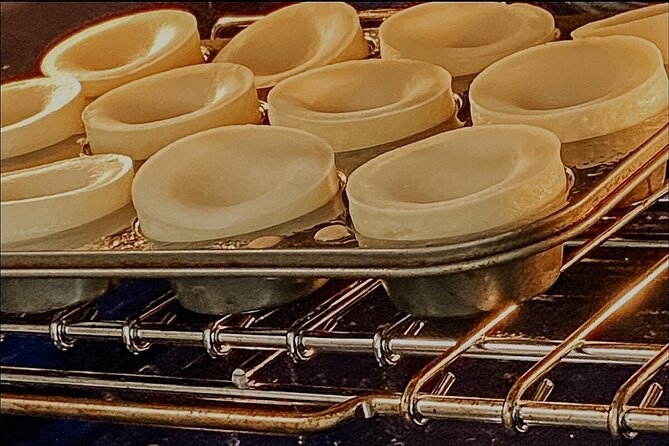
The poke portion is the center of the class. You prepare a traditional ahi poke bowl and a modern spicy mayo poke bowl, both listed as pescatarian dishes.
The two versions give you a useful comparison. Traditional ahi poke lets you focus on the clean flavor of the fish and the basic elements of the dish. The spicy mayo version moves in a more modern, creamy direction. Making both helps you understand how one local favorite can appear in different forms at home, in corner stores, and in more contemporary food settings.
Freshness matters greatly with ahi, but the supplied information does not promise a specific fish source or explain how the fish is handled. I would treat the class as a lesson in preparation and cultural context rather than a guarantee of a particular seafood experience. If you have allergies or strict dietary rules, ask the provider before paying, since the booking is non-refundable.
The class also places poke in a broader setting. Aletha explains the connection between the dishes and local traditions, so you are not simply mixing sauce into a bowl. You get a clearer sense of why poke is such a familiar part of food life in Hawaii.
Same island, a different kind of day:
- Koloa Zipline in Kauai
★ 5.0 · 6,764 reviews - Kauai Deluxe Sightseeing Flight
★ 5.0 · 2,162 reviews - Kauai Eco Adventure Helicopter Tour
★ 5.0 · 2,032 reviews - Kauai Airplane Tour: Na Pali Coast, Waterfalls & Window Seats
★ 5.0 · 1,964 reviews
Finishing with butter mochi
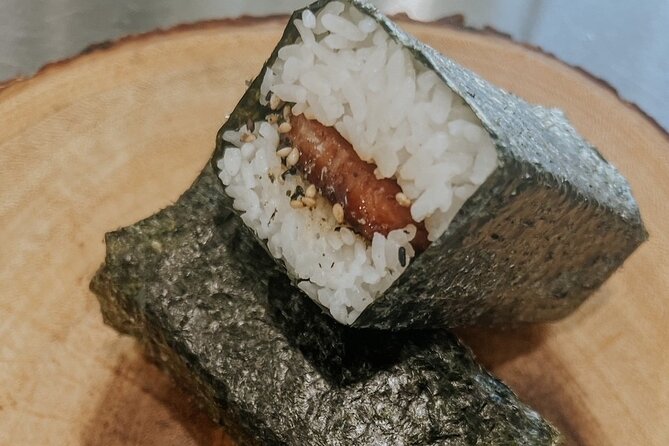
Dessert is butter mochi, a vegetarian sweet with a chewy texture and a rich, buttery flavor. It closes the meal on a different note from the savory dishes and gives you one more recipe to carry home.
Mochi can look simple, but the texture is what makes it memorable. A hands-on class lets you see how the mixture comes together instead of treating dessert as an afterthought. The recipe is also practical for home use, provided you can find the required ingredients or apply the substitutions Aletha discusses.
By the end, you have prepared four core dishes, with the poke presented in two styles. The meal is generous enough that you are not expected to leave hungry. There may even be food to take home, though exact leftovers depend on the class.
The cultural value is in the stories between dishes
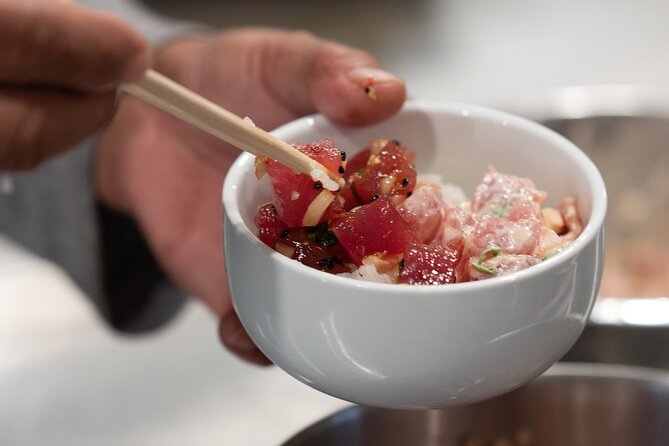
The food lesson is only half the experience. Aletha connects each recipe with Kauai’s cultures, local traditions, and the role of mom-and-pop stores. That context gives the menu more meaning than a list of island-themed recipes.
I especially like this approach for a first visit to Kauai. Food can explain daily life in a way that a quick photo stop cannot. Musubi, somen salad, poke, and mochi are not presented as museum pieces. They are foods people eat, adapt, share, and buy from local shops.
The class also gives you a chance to ask questions as you cook. The pace appears relaxed enough for conversation, and the small group keeps the setting personal. You might find that the informal discussion becomes as useful as the recipes, especially if you want ideas for local places to eat or things to do during the rest of your stay.
One practical tip: consider booking this class early in your Kauai visit. The class itself is often reserved about 30 days in advance, and the local suggestions you pick up could help shape the days that follow. That early timing also gives you a better chance of fitting the 11:00 a.m. start into your plans.
What the $173 price includes
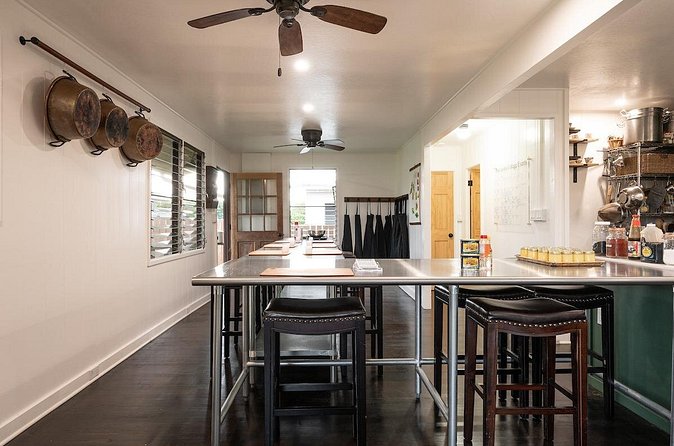
At $173 per person, this is not a bargain lunch. You are paying for a three-hour class, the ingredients, tools, instruction, cultural background, and the meal you prepare. The maximum group size of 12 gives the price more justification than a large demonstration where you only watch.
The value depends on what you want from Kauai. If you want a cheap taste of local food, buy a snack at a corner store and spend the difference elsewhere. If you want to understand the food and learn recipes you can repeat, the class offers more than a meal.
The included preparation is important. You do not need to shop for ingredients or bring cooking equipment. The kitchen is set up before the class, and the recipes are provided for home use. That removes the guesswork and makes the experience approachable for people who do not cook often.
Still, the price does not remove the usual limits of a cooking class. You follow the host’s menu rather than choosing dishes yourself, and the three-hour schedule may feel long if you are only mildly interested in food. The class is best for people who want to participate, ask questions, and eat the results.
Who will enjoy this most
I would choose this experience for:
- Couples who want an activity beyond beach time and resort dining
- Families with children age 10 or older
- Solo visitors who enjoy meeting a small group through a shared meal
- Home cooks looking for recipes tied to Kauai and Hawaiian culture
- Vegetarians and pescatarians who appreciate the listed menu options
- Anyone who prefers a personal homestead setting to a large commercial tour
Children must be at least 10 years old, and anyone ages 10 through 17 must attend with a registered adult. The menu includes vegetarian and pescatarian choices, but the available information does not confirm options for vegan diets, allergies, or other restrictions.
I would skip it if you dislike group cooking, want a formal restaurant meal, or cannot commit to the fixed time. The non-refundable policy also makes this a poor choice for a loose itinerary that may change.
What to bring and how to plan the morning
Your main task is getting to Koloa Road for the 11:00 a.m. start. The experience ends at the same meeting point, so plan your next activity around that location rather than expecting a drop-off elsewhere.
Arrive ready to take part. The tools and ingredients are supplied, and the recipes are prepared for the class, so you do not need to bring cooking equipment. You will want enough appetite for a full meal, since the menu includes a starter, three main preparations including two poke styles, and dessert.
The class is offered in English and uses a mobile ticket. Confirmation arrives at booking. Since the experience may require a minimum number of participants, a cancellation by the provider for that reason results in an alternate date or experience, or a full refund. If you cancel or request a change yourself, no refund is provided.
Should you book Corner Store Kauai Cooking Class?
Book it if you want a personal, food-centered look at Kauai and enjoy learning by doing. The strongest reasons are the small group, Aletha’s warm teaching style, the cultural background, and the useful set of recipes. You get a full meal, but the real payoff is understanding how familiar island foods fit into local life.
Think twice if $173 feels high for lunch or if your schedule is uncertain. The fixed start, three-hour commitment, and strict cancellation policy require planning.
For the right person, this is a fine South Shore choice. You leave with a full stomach, practical recipes, and a better sense of Kauai through the foods people actually share and eat.
FAQ
Where does the cooking class take place?
The class meets on Koloa Road in Koloa, Hawaii, on a one-third-acre homestead about ten minutes from Koloa and Poipu.
What time does the class start?
The class starts at 11:00 a.m.
How long does the experience last?
The cooking class lasts approximately three hours.
What dishes will I prepare?
The menu includes Kauai-style musubi, somen salad, traditional ahi poke, modern spicy mayo poke, and butter mochi.
Are vegetarian or pescatarian options available?
Yes. Musubi and butter mochi have vegetarian options, somen salad is available as vegetarian or pescatarian, and the ahi poke dishes are pescatarian.
Can children join the class?
Participants must be at least 10 years old. Youth ages 10 through 17 must attend with a registered adult.
What happens if I need to cancel?
The experience is non-refundable and cannot be changed for any reason. If the provider cancels because the minimum number of participants is not reached, you will be offered another date or experience, or a full refund.
Just added on Kauai
- Kauai Island Private Guided Tour-Waimea Canyon from Poipu/Koloa★ 5.0 · 9 reviews
- Waimea Canyon & Na Pali Driving Tour app★ 4.5 · 116 reviews
- Waimea Historical and Cultural Shared Tour★ 4.5 · 5 reviews
- Kauai Wailua Valley & Waterfalls Audio Driving Tour★ 4.5 · 23 reviews
- Kauai Island Private Guided Tour-Waimea Canyon from Lihue/Kapaa★ 5.0 · 17 reviews
- Kauai Island Private Guided Tour-Waimea Canyon from Princeville★ 5.0 · 3 reviews
- 2-Hour Snorkeling Adventure in Kauai★ 5.0 · 18 reviews
- Unforgettable Surf Lesson in Kauai★ 5.0 · 6 reviews
Tours in Kauai, compared.




Kauai Airplane Tour: Na Pali Coast, Waterfalls & Window Seats
Read our review →
Hughes 500 4-Passenger Doors-Off Helicopters
Read our review →

Na Pali Coast Half-Day Raft and Snorkel Adventure
Read our review →
Browse the lists this tour appears in