
Reviewed · WHALE WATCHING
Whale Watching Maui: 2-Hour Small Group Raft Tour from Lahaina
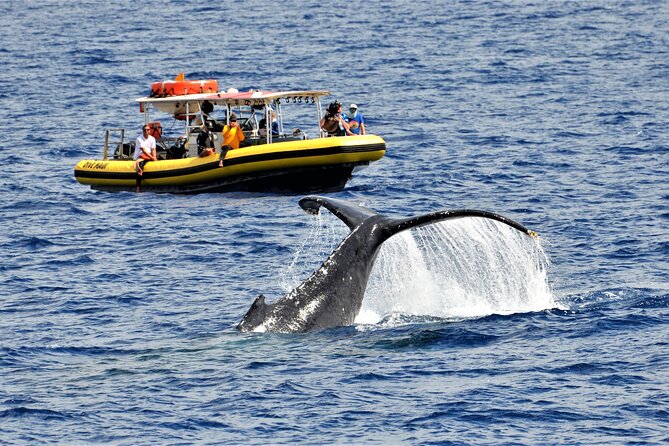
Humpback whales gather in Maui’s warm winter waters to mate and give birth, and this small inflatable raft puts you close to the water with open views in every direction. The trip uses a hydrophone and speakers, so you can listen to whale song as well as watch for blows, tails, breaches, mothers, calves, and escort males.
I like the small-group setup and the crew’s clear enthusiasm for the animals. Captains Will and Joe, along with naturalists Renee, Brian, and others, have earned praise for answering questions, moving promptly toward active whales, and explaining what you are seeing. I also like that filtered water, reef-safe sunscreen, and paper cups are provided.
The main consideration is that a small boat cannot promise closer whales or more dramatic behavior. Federal and state rules apply to every operator, and the whales decide where they go. The weather can also cancel the trip, though you receive a new date or a full refund in that case.
Key points to know before booking
- Two hours from Lahaina: The trip begins and ends at 1223 Front Street, with the boat heading into Maui Nui’s whale sanctuary.
- Small raft, open views: The vessel carries no more than 20 people, and some departures have had as few as eight passengers.
- Whale songs included: A hydrophone and onboard speakers let you hear the calls beneath the surface.
- Winter whale habitat: Humpback whales visit Maui to mate and give birth, making this a seasonal wildlife trip rather than a year-round sightseeing cruise.
- Whale guarantee: If you do not see whales, you can take another trip free.
- Important restrictions: Children under 3 and pregnant people cannot participate, and the tour requires good weather.
Leaving Front Street for Maui Nui’s whale sanctuary
You meet at the Dive Maui and Hawaiian Rafting Adventures location at 1223 Front Street in Lahaina. Check-in is described as quick and easy, and the activity returns to this same point after the two-hour outing.
The boat is a custom-built inflatable raft. That matters because you sit low to the water, rather than high on a large sightseeing vessel. The lower profile can make the ocean feel more immediate, and the open design gives you a broad view when a whale surfaces behind or beside the boat.
There is no assigned sightseeing stop or shoreline attraction along the way. The point is to search the sanctuary waters, watch animal behavior, and listen for whale song. That makes the crew important. A good captain keeps scanning, responds to sightings, and positions the raft without rushing the animals.
The maximum group size is 20, though several departures described groups of eight or similarly small numbers. I would consider that a major part of the value. You are less likely to spend the entire trip peering around rows of people, and the marine naturalist has a better chance to answer individual questions.
More whale watching on Maui:
- Maui Eco-Raft Tour: Eye-Level Whale or Dolphin Watching – Lahaina
★ 5.0 · 2,482 reviews - From Maalaea: Whale Watching Tour Aboard the Quicksilver
★ 4.5 · 1,461 reviews - Maui: Ultimate Whale Watch from Lahaina
★ 5.0 · 1,162 reviews
What the two-hour search is really like
The tour description promises a chance to see migrating humpbacks, not a fixed parade of guaranteed performances. Your first task is often simply to watch the horizon for a spout. A whale may surface once and disappear, or a pod may remain active with repeated blows, tail lifts, and breaches.
The crew’s job is to help you understand what you are seeing. The strongest accounts describe the naturalists explaining mothers with calves, escort males, mating competition, and the reasons whales behave differently from one encounter to the next.
Some outings have found groups quickly. Others have involved weather delays or less exciting conditions. That variation is part of any wildlife trip, and it is worth keeping in mind before you pay for a premium small-boat outing. The whale guarantee protects you against seeing nothing, but it does not guarantee breaching whales, close approaches, or a particular species of behavior.
The boat may reposition when whales appear elsewhere. Passengers have described being moved between groups and watching mothers, babies, and male escorts. One especially active outing included baby whales practicing breaches, while another included whales swimming near and under the raft several times.
Those moments can be spectacular, but you should not expect the captain to force an encounter. The crew must follow wildlife-protection rules, and the animals control the distance. A smaller raft may maneuver more easily than a large boat, but it does not remove legal approach limits.
Hearing humpback song beneath the raft
The hydrophone is one of the most distinctive parts of this trip. The crew lowers it into the water and sends the sound through speakers on the raft. Instead of only watching for a whale’s back, you can hear the animals calling below the surface.
This adds something a standard sightseeing cruise may not offer. You begin to think about the part of the whale you cannot see. A whale can be nearby and underwater, and the sound gives you another clue that the sanctuary is active even during a quiet stretch at the surface.
The hydrophone is also useful for children old enough to participate. It turns the trip into more than a camera hunt. You can listen, ask questions, and connect the sounds to the animals the naturalist describes.
The audio will not make a slow day exciting by itself, and whales may not sing audibly during every minute. Still, it is a worthwhile feature, especially if you have already watched humpbacks from shore and want a different view of their behavior.
Captains and naturalists who shape the outing
The crew receives unusually strong praise for warmth, whale knowledge, and personal attention. Will and Renee are repeatedly singled out for guiding active sightings, explaining whale behavior, and keeping the mood friendly. Joe is also praised for positioning the raft well, while Brian is noted for answering questions and sharing information about the whales and the area.
That personal connection matters on a two-hour trip. You are not simply transported to a viewing area and left to scan the sea. The best version of this outing includes narration about what you are seeing, why a mother and calf may be traveling together, and how escort males compete for access to a female.
The naturalist’s role is especially useful when several whales surface at once. A trained eye can point out the difference between a blow, a tail slap, a fluke, and a breach. The crew can also help you keep watching the right section of water after a whale disappears.
Do not assume a guide can call a whale over or guarantee a close pass. Some playful descriptions give the naturalists almost magical nicknames, but the more practical truth is simpler: an alert crew can help you notice behavior and choose a sensible position, while the animals remain wild and unpredictable.
Same island, a different kind of day:
- Small-Group Road to Hana Adventure Tour with Pickup & Lunch
★ 5.0 · 3,064 reviews - Maui Pineapple Farm Tour in Haliimaile
★ 5.0 · 2,855 reviews - Maui Snorkeling Adventure to Molokini and Turtle Town
★ 4.5 · 2,221 reviews - Maui: Haleakala Sunrise Spectacular with Local Breakfast
★ 4.5 · 2,155 reviews
Small raft advantages, and the tradeoffs
The small vessel is the main reason to book this trip instead of a larger commercial cruise. With no more than 20 passengers and sometimes far fewer, you get 360-degree views and less crowding. You can turn quickly when someone spots a blow, and the captain and naturalist are usually within easy speaking distance.
A small raft also makes the ocean feel more active. You are close to the water, and the boat responds more directly to waves. That can feel exciting, but it may also be less comfortable for anyone prone to seasickness or uneasy on a moving vessel.
The supplied information does not list a specific seasickness policy, so bring your own comfort plan if you know you are sensitive. You should also expect exposure to sun, wind, and spray. Rain ponchos are provided on wet days, and filtered water is available in paper cups.
The tradeoff is price. At $80.60 per person, this is not the cheapest way to look for whales. A large boat may charge less, and one dissatisfied passenger specifically felt the small raft did not justify paying more when the whales stayed at the same legal distance.
That criticism is fair as a value question. The small boat does not guarantee closer viewing. You are paying for a smaller group, lower seating, open sightlines, a hydrophone, and direct access to a naturalist, not for permission to approach whales more closely than other boats.
How the whale guarantee affects the value
The company guarantees a whale sighting or offers another trip free. That is helpful if you are visiting during the migration season and have enough time left on Maui to try again.
The guarantee is less useful if this is your final morning on the island. You might receive the chance to go again, but you cannot take advantage of it after leaving. If your schedule is tight, book early enough to allow for bad weather or a quiet wildlife outing.
The tour is booked about 26 days ahead on average, which suggests that advance planning is sensible during the busy whale season. I would avoid placing it on the last possible day of your vacation. A morning trip earlier in your stay gives you more flexibility if the weather cancels the outing or you want another attempt.
A full refund is available when the operator cancels because of poor weather. If you cancel, you must do so at least 24 hours before the start time for a full refund. Cancellations inside 24 hours are not refunded, and late changes are not accepted.
Weather, safety, and who should skip it
This is an outdoor ocean activity, so conditions matter. A trip has been rescheduled because of bad weather, and another was canceled because of high winds and waves. That can be disappointing, but safety should come before a forced departure.
The trip is family-friendly for children age 3 and older. Children under 3 cannot join, and pregnant people cannot participate. Service animals are allowed, and the activity states that most people can take part.
The boat carries up to 20 people, but a smaller departure is possible. You should expect an exposed raft rather than a large enclosed cabin. Bring a camera if you like, but keep your attention on the sea. A whale may surface for only a few seconds, and looking down at a screen can mean missing the best moment.
Filtered water and reef-safe sunscreen are included. Alcohol is not included, though you may bring your own if it is not in a glass container. I would keep the packing list simple: water-friendly clothing, sun protection, a camera you can manage quickly, and any personal motion-sickness supplies you normally use.
Is $80.60 a fair price?
I think the price is reasonable for the right buyer, but not automatically a bargain. If your priority is the lowest possible fare and a view of whales from any vessel, a larger boat may suit you better.
If you care about group size, easy communication with the crew, open views, and the chance to hear whale song, the price makes more sense. The raft has fewer seats than a large cruise boat, and past outings have been intimate enough for the naturalist to answer many questions personally.
The value also depends on how much time you have. With several open days on Maui, the whale guarantee gives you useful protection. With one narrow time slot, you are taking a bigger gamble on weather and whale behavior, even though the company promises a free return trip if no whales appear.
I would not book this solely because you expect whales to swim directly beneath the raft. That has happened, but it is not a promised feature. Book it because you want a small, low-to-the-water platform and a crew that focuses on teaching as well as finding animals.
Who will enjoy this Lahaina whale trip most?
I would recommend it to couples, families with older children, and small groups who dislike crowded boats. It is also a good choice if you have already watched whales from shore and want to add sound, water-level views, and naturalist commentary.
The trip suits people who enjoy patient wildlife watching. You may spend time scanning the horizon between sightings. The reward comes when the search pays off with a mother and calf, a breach, a tail slap, or a whale surfacing near the raft.
It is less suitable if you need a guaranteed close encounter, dislike open boats, cannot participate because of pregnancy, or are traveling with children under 3. It may also disappoint you if you compare every moment with a previous trip that happened to find unusually active whales.
Should you book it?
Book this tour if you want a personal whale-watching outing rather than the lowest-cost boat ride. The strongest reasons are the small group, 360-degree views, hydrophone, and capable crew members such as Will, Renee, Joe, and Brian.
Before paying, check your schedule. Leave room for a weather cancellation, and remember that the whale guarantee promises another trip, not a dramatic show. For a flexible Maui visit during humpback season, $80.60 is a fair price for a well-supported small-raft experience. For a one-chance outing where close whales are essential, choose with more caution.
FAQ
Where does the whale-watching tour begin and end?
It begins and ends at Dive Maui and Hawaiian Rafting Adventures, 1223 Front Street, Lahaina, Hawaii 96761.
How long is the whale-watching trip?
The outing lasts approximately two hours.
How many people can join the raft?
The tour has a maximum capacity of 20 people. Some departures may be smaller, with one reported group of only eight passengers.
Are whales guaranteed?
Yes. If you do not see whales, you can take another trip free.
When do humpback whales visit Maui?
Humpback whales visit Maui every winter to mate and give birth in the warm waters around the island.
What is included on the tour?
Filtered water and paper cups, a hydrophone with speakers, a marine naturalist, and reef-safe sunscreen are included. Rain ponchos are provided on rainy days.
Can children and pregnant people join?
Children under 3 cannot participate, and pregnant people cannot join the tour. Service animals are allowed, and most people can participate.
Just added on Maui
- Central Maui: Two-Island Scenic Helicopter Flight to Molokai★ 4.9 · 165 reviews
- Goat Yoga with Miniature Goats In Maui★ 5.0 · 55 reviews
- A Maui Beach Photoshoot in Wailea★ 5.0 · 154 reviews
- South Maui: Sunset Prime Rib or Island Fish Dinner Cruise★ 4.7 · 242 reviews
- Maui Circle Island-PRIVATE-Air Tour for 2-5: Waterfalls & Lava!★ 5.0 · 228 reviews
- Clear Kayak Tour with Pontoons and Optional Snorkeling-Unlimited★ 5.0 · 224 reviews
- Haleakala Maui Sunset Twilight Tour with Dinner★ 4.5 · 240 reviews
- Intro/Refresher Dive Swim Ability Required★ 5.0 · 248 reviews
Whale Watching, compared.
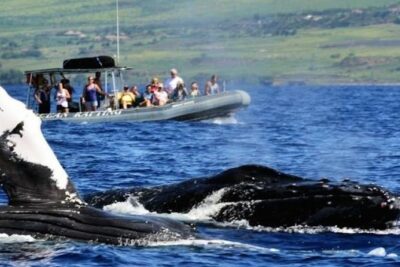
Maui Eco-Raft Tour: Eye-Level Whale or Dolphin Watching – Lahaina
Read our review →
2-Hour Oahu Whale Watch from Ala Wai Harbor, Waikiki
Read our review →
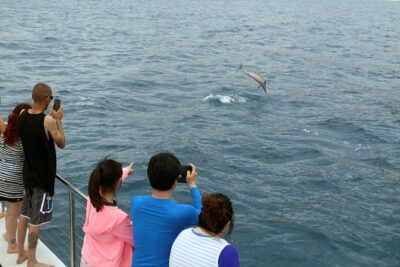
Luxury Snorkel Cruise, Local Buffet with Whale & Dolphin Watch
Read our review →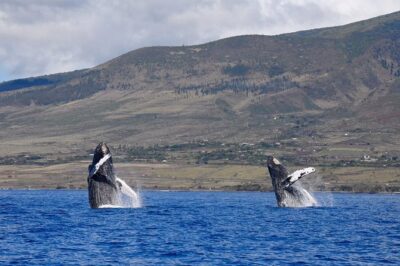
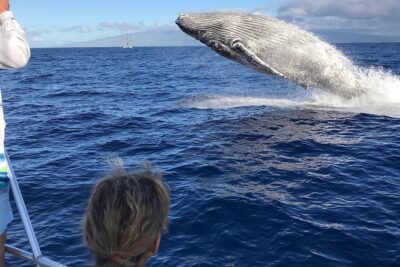
WHALES GUARANTEED Maui Whale Watching Makai Adventures
Read our review →
Waikiki, Oahu 2-Hour Whale Watching: Guaranteed Sightings
Read our review →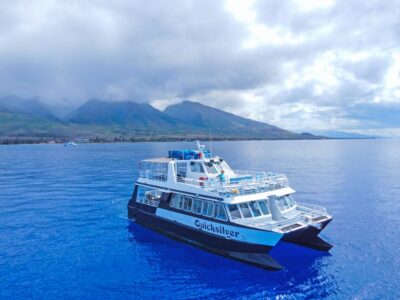
Ma’alaea Harbor: Whale Watching Tour Aboard Power Catamaran
Read our review →Browse the lists this tour appears in