Reviewed · TOURS IN MAUI
Regenerative Mango and Tropical Fruit Tour in West Maui
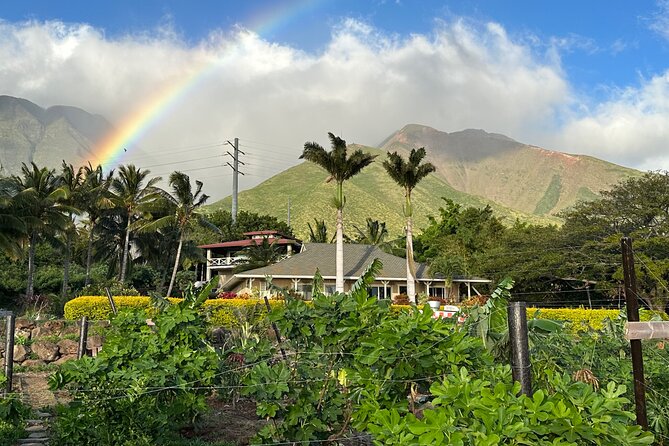
West Maui’s best fruit may not come from a market stall. On this small hillside farm, you learn how mangoes, papayas, bananas, pineapple, and less familiar fruits grow together under a regenerative farming plan. The setting is a big part of the pleasure, with ocean views on one side and mountains on the other.
I like the small groups of up to eight, which give the visit a personal feel. I also like the mix of practical farming talk and actual tasting, from mango and papaya to Surinam cherries, figs, starfruit, and passionfruit. Smita and Andre are warm hosts, and they may help take photos as you enjoy the view.
The main drawback is practical: there are no bathrooms, and transportation is not provided. Fruit also follows the seasons, so a mango tour does not guarantee mangoes on your particular date.
Key points to know before you go
- Seasonal fruit tasting: Mangoes are generally available from late May through early November, but other organic fruit is offered at different times of year.
- A family-run farm: Smita and Andre lead an intimate visit shaped by their own experience with natural farming.
- Two-hour visit: Allow about 15 to 20 minutes for the introduction, 45 to 60 minutes for the farm walk, and extra time for fruit and photos.
- Wide West Maui views: The farm looks toward the ocean and mountains, with several spots chosen for photographs.
- Small group size: A maximum of eight people keeps the pace relaxed and leaves room for questions.
- Bring outdoor basics: Bees and mosquitoes have been noticed on the property, so light coverage and repellent are sensible.
A small farm with a big view
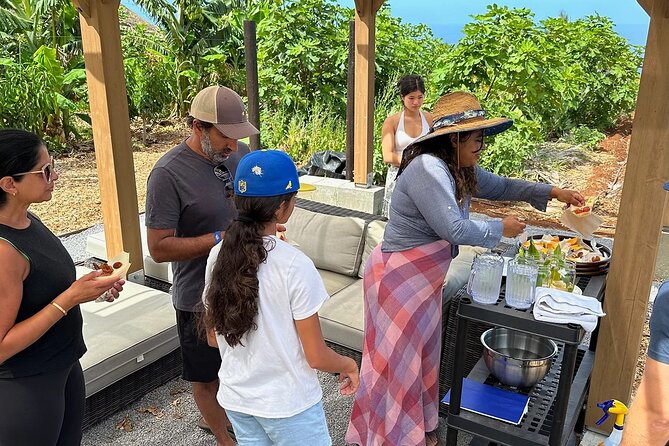
The experience begins at 15 Wailau Place in Lahaina. You meet beneath a shaded trellis covered by a large passionfruit vine, a fitting first glimpse of the farm’s style. This is not a polished attraction built around a single crop. It is a working family farm where many useful plants share the same space.
The welcome starts with a refreshing drink and a short talk about Hawaiian history and agriculture in West Maui. That opening matters because it gives the fruit a setting. You are not just learning that a mango tree produces mangoes. You are hearing how farming fits into the island, how older methods differ from current approaches, and why soil care matters for future crops.
The opening talk lasts about 15 to 20 minutes. That is long enough to set up the main ideas without taking over the visit. If you arrive mainly for tasting, you still get to the fruit fairly soon. If you care about land use and food production, the introduction gives you something more useful than a quick photo stop.
Other trips people book on Maui:
- Small-Group Road to Hana Adventure Tour with Pickup & Lunch
★ 5.0 · 3,064 reviews - Maui Pineapple Farm Tour in Haliimaile
★ 5.0 · 2,855 reviews - Maui Eco-Raft Tour: Eye-Level Whale or Dolphin Watching – Lahaina
★ 5.0 · 2,482 reviews
Regenerative farming explained in plain terms
The farm introduces the difference between traditional farming and regenerative permaculture farming. The key value here is practical context. You can see the plants as the guide explains how a farm can work with natural systems rather than treating each crop as an isolated row.
The information comes from the owners’ own experience managing the property, so the talk is personal rather than academic. That can be a strength if you want to understand what sustainable farming looks like in daily practice. You hear about growing fruit naturally, protecting the soil, and producing food for future generations while walking through the place where those choices are being tested.
I would not book this as a formal agriculture course. It is a short introduction, not a technical workshop. Still, the combination of explanation and direct tasting makes the ideas easier to remember. You can connect the farming approach to the texture, smell, and flavor of the fruit in front of you.
Walking through pineapple, papaya, and mango
After the introduction, you set off on foot through the farm. The walking portion usually lasts 45 to 60 minutes, depending on the pace and what is growing at the time. This is the part where the tour feels most like a discovery walk.
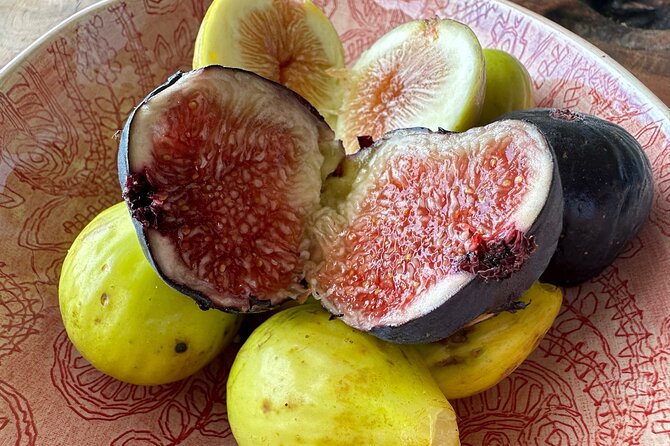
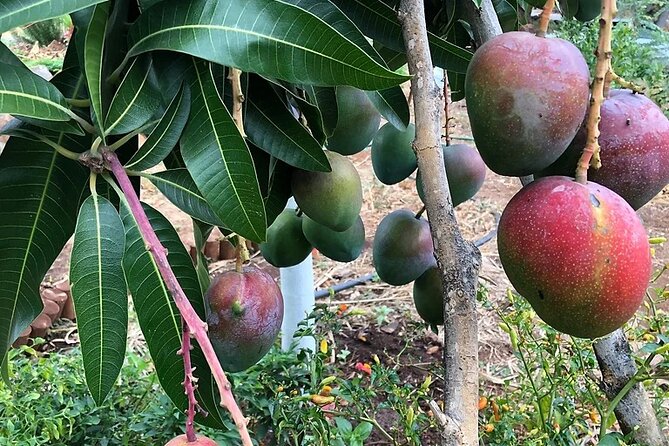
The route passes pineapple, papaya, Surinam cherries, figs, starfruit, bananas, and mangoes. You may also see passionfruit, Meyer lemons, cocoa, dragon fruit, and ice cream bean trees. Not every plant will be fruiting, and not every crop will be ready to eat. That is normal for a farm visit, and the changing harvest is part of the point.
When fruit is ripe, you get to taste it during the walk. A toddler can sometimes pick fruit along the route, which makes the experience work well for families. Children who are not interested in a long talk may pay closer attention once they can see where food grows and try it directly from the plant.
The fruit list also makes this a better choice for repeat visitors to Maui. You might already know the island’s common bananas and papayas, but Surinam cherries, ice cream beans, cocoa, or several mango varieties offer something less familiar. The exact selection depends on the season, so come ready for variety rather than a fixed menu.
Mango season and the final fruit plate
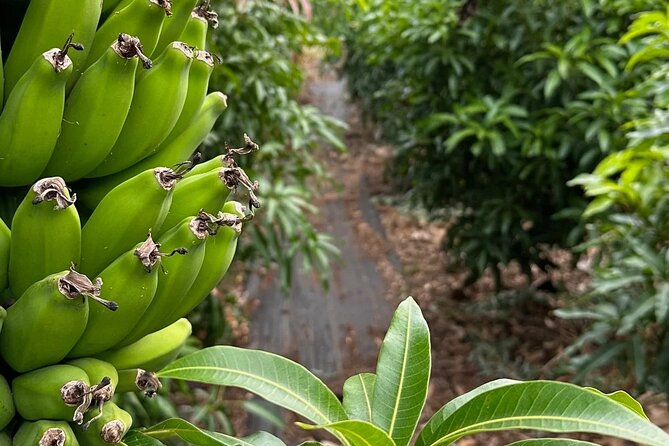
Mango is the star of the tour, but its timing is important. The usual mango season runs from late May through early November. Outside that period, you may still taste other organic fruit, but you should not book a winter visit expecting a plate of mango varieties.
When mangoes are available, the tasting can be a real highlight. The experience may include several kinds of mango, and the same is true of other fruit when the farm has a good harvest. The final plate is served back in the welcome area and includes whatever is seasonal and ready.
This is also where the visit feels generous for the price. You are not paying only for a short guided walk. The fee includes the introduction, the farm tour, a guide, and fruit to taste during the visit and at the end. At $85 per person, it is not a bargain attraction, but the small group and hands-on tasting make the cost easier to justify if local food and farming are high on your list.
I would be more cautious if your main goal is simply to eat a large amount of mango. Crop timing controls the menu, and the tasting is part of a wider farm visit. You are paying for the setting, conversation, and learning as well as the fruit.
Same island, a different kind of day:
- Maui Snorkeling Adventure to Molokini and Turtle Town
★ 4.5 · 2,221 reviews - Maui: Haleakala Sunrise Spectacular with Local Breakfast
★ 4.5 · 2,155 reviews - Maui Snorkeling Adventure From Ma’alaea Harbor to Molokini
★ 4.5 · 1,997 reviews - Maui: Turtle Town Snorkel with Photo and Video
★ 5.0 · 1,916 reviews
Ocean views, mountain views, and time for photos
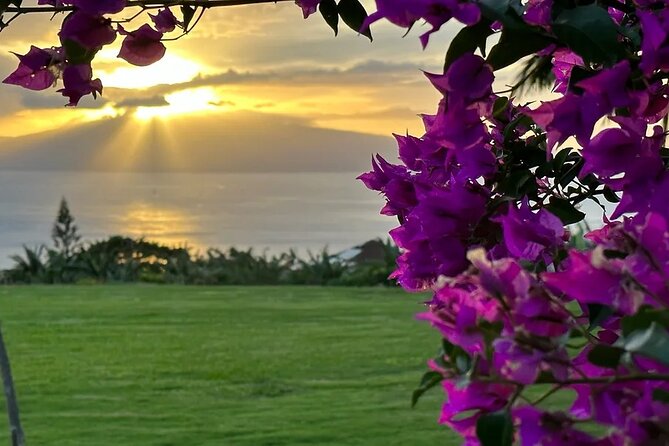
The farm’s position gives the tour a visual reward beyond the plants. As you walk, you can look toward the ocean on one side and the mountains on the other. The hosts point out good places for photographs, and they may take a few pictures for you.
The views are especially useful for couples and families who want a quieter photo stop than a crowded lookout. After the fruit plate, you have time for self-guided wandering around the welcome area and for finding a sunset picture if the timing and weather cooperate.
The photo time is not a separate professional photography session, so keep your expectations sensible. It is a friendly extra that can help when you are traveling with a group and want everyone in the frame. The farm setting also gives you photos with real agricultural character instead of only a scenic roadside view.
Why the small group matters
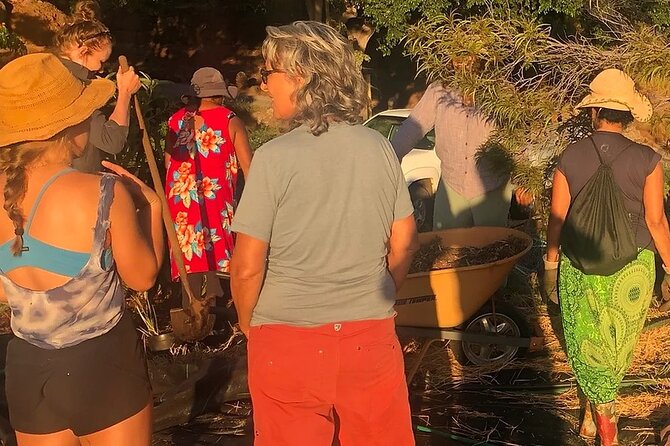
With a maximum of eight people, the tour can stay conversational. You can ask about a particular plant, pause for a taste, or spend a moment taking pictures without being lost in a large crowd.
This size also suits people who prefer a personal welcome. The hosts have been described as kind and easy to talk with, and the visit has the feel of meeting a local family rather than joining a large commercial operation. Smita is the owner named most often in connection with the tour, while Andre has also led farm walks with his wife.
That personal format comes with a tradeoff. A small family farm cannot offer the same facilities, signage, or polished production as a major commercial attraction. If you want a highly structured tour with extensive infrastructure, this may feel simple. If you want direct contact with the people caring for the land, the simplicity is a plus.
Families, couples, and anyone curious about food
Families can get a lot from this visit. The walk is short enough for many children, and tasting fruit gives younger visitors a clear reason to stay engaged. Most people can participate, and service animals are allowed.
Couples also have good reason to consider it. The farm setting is calm, the views are strong, and the hosts may help with photographs. One couple described the visit as a favorite part of a honeymoon, which makes sense if you want something more personal than another beach stop.
Food-minded visitors will appreciate the changing menu. You could taste familiar fruit at its peak, or you might encounter something you have never tried. If you are strongly interested in regenerative agriculture, the educational side gives the tour extra weight.
I would skip it if you dislike walking outdoors, have no interest in farming, or need a bathroom on site. Bees and mosquitoes can be present, so use repellent and consider clothing that offers some coverage. The tour requires good weather, and the hosts may cancel if conditions are poor.
Timing, meeting point, and what to bring
The tour lasts about two hours, though the main scheduled portions account for roughly 60 to 80 minutes. The remaining time is useful for tasting, photos, and looking around the welcome area.
You must arrange your own transportation to 15 Wailau Place in Lahaina. The activity ends where it begins, so you do not need a second pickup point. Since bathrooms are not available, plan accordingly before arrival.
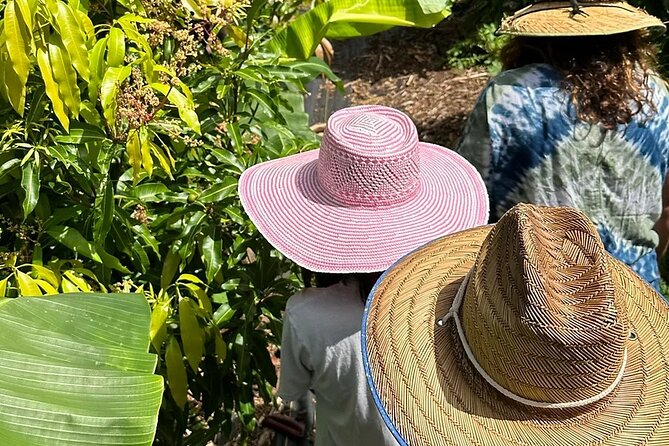
I would bring water, sun protection, insect repellent, and shoes suitable for a farm walk. The exact walking conditions are not described in detail, so practical outdoor footwear is the safe choice. A camera is worthwhile, but leave room in your schedule for the fruit plate and relaxed conversation.
Your booking confirmation arrives at the time of booking. You can cancel for a full refund up to 24 hours before the start time. Changes or cancellations inside that window are not accepted for a refund. Because weather and minimum group size can affect the outing, a cancellation by the operator leads to a different date or a full refund.
Is $85 a fair price?
At $85, this is a midrange Maui activity rather than a low-cost stop. The value depends on what you want from your afternoon.
You get a guided farm walk, a welcome drink, seasonal tastings, a final fruit plate, views, and a small group capped at eight. You also get time with the people who run the farm, which is hard to reproduce on a large commercial tour.
The value is weaker if you measure the price by food quantity alone. The fruit selection changes with the harvest, mangoes are not always available, and there are no bathrooms or transportation included. You are buying an experience built around place, farming, and conversation, not a full meal or a long attraction.
Should you book the Maui Mango Mala Farm Tour?
Book it if you want to understand how fruit farming works in West Maui, enjoy tasting produce at its source, and prefer a small family-run activity to a large commercial tour. It is especially appealing for couples, families, and anyone interested in permaculture or local food.
Book during mango season if mangoes are your main goal, generally from late May through early November. Outside that period, expect other seasonal fruit instead. Check the weather, arrange your own ride, and plan around the lack of bathrooms.
I would choose this tour for a quieter, more personal side of Maui. I would not choose it as a simple mango guarantee. Go for the farm, the views, the conversation, and the chance to taste whatever the land is offering that day.
FAQ
Where does the fruit farm tour begin?
The tour begins at 15 Wailau Pl, Lahaina, HI 96761, USA.
Where does the tour end?
The activity ends back at the meeting point.
How long does the experience last?
The tour lasts approximately two hours. The introduction takes about 15 to 20 minutes, and the farm walk usually takes 45 to 60 minutes, followed by tasting and free time.
Are mangoes available all year?
No. Mango season is generally from late May through early November. Other organic seasonal fruit is available at different times of year.
What fruit might I taste?
Depending on the season, you might taste mango, pineapple, papaya, Surinam cherries, figs, starfruit, bananas, passionfruit, Meyer lemons, cocoa, dragon fruit, or ice cream beans.
Is transportation included?
No. You must arrange your own transportation to and from the meeting point.
Are bathrooms available at the farm?
No. Bathrooms are not available at the property.
What is the cancellation policy?
You can cancel at least 24 hours before the start time for a full refund. Cancellations or changes made less than 24 hours before the start time are not refunded. If poor weather or an insufficient minimum group size cancels the tour, you will be offered another date or a full refund.
Just added on Maui
- Two Site Snorkeling Adventure featuring the Molokini Crater★ 5.0 · 4 reviews
- Road to Hana Deluxe Rainforest & Waterfall Experience from Maui★ 5.0 · 116 reviews
- Traditional Airport Lei Greeting on Kahului Maui★ 5.0 · 95 reviews
- Turtle Town Clear Kayak & Snorkel Tour (8am-11am)★ 5.0 · 100 reviews
- The Best Maui 3 Hour Molokini and Turtle Town Snorkel★ 5.0 · 106 reviews
- 3-Hour Small-Group Maalaea Luxury Snorkel Cruise Tour★ 5.0 · 29 reviews
- Elite Private Tour★ 5.0 · 7 reviews
- VIP Premiere Whale Watch Kaanapali Beach MAX 12 PASSENGERS★ 5.0 · 78 reviews
Tours in Maui, compared.
Small-Group Road to Hana Adventure Tour with Pickup & Lunch
Read our review →

Maui Eco-Raft Tour: Eye-Level Whale or Dolphin Watching – Lahaina
Read our review →
Maui Snorkeling Adventure to Molokini and Turtle Town
Read our review →
Haleakala Sunrise Spectacular with Local Breakfast
Read our review →
Maui Snorkeling Adventure From Ma’alaea Harbor to Molokini
Read our review →