
Reviewed · LUAUS & SHOWS
Oahu: Polynesian Cultural Center Island Villages Ticket
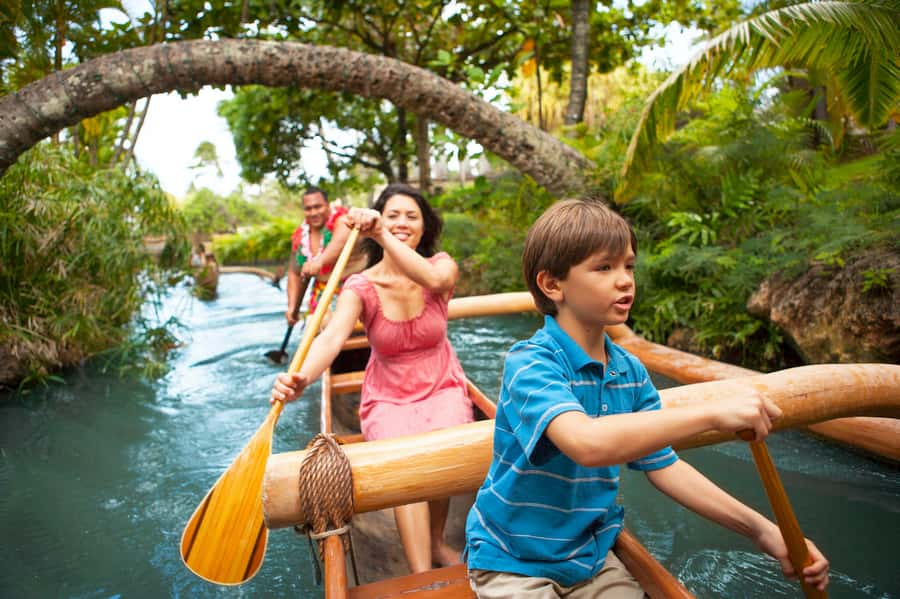
The most interesting part of this Oahu experience is the chance to compare six Polynesian cultures in one large setting. You can watch the Haka in Aotearoa, crack open a coconut in Samoa, paddle at Tonga, and learn about Hawaiian games without rushing from one distant island to another. I like the hands-on activities and the clear cultural focus.
I also like that you can set your own pace during the five-hour admission. The scheduled presentations give your visit structure, while the village areas let you pause for demonstrations, food, music, and crafts. The main drawback is price: at $103 per person, this is a serious expense, especially since food, transportation, luaus, and evening shows cost extra.
Key Points at a Glance
- Six island villages in one visit: Explore Hawaii, Aotearoa, Fiji, Tahiti, Tonga, and Samoa.
- Hands-on cultural activities: Try fishing, spear throwing, coconut work, poi balls, canoe paddling, and old-style fire starting.
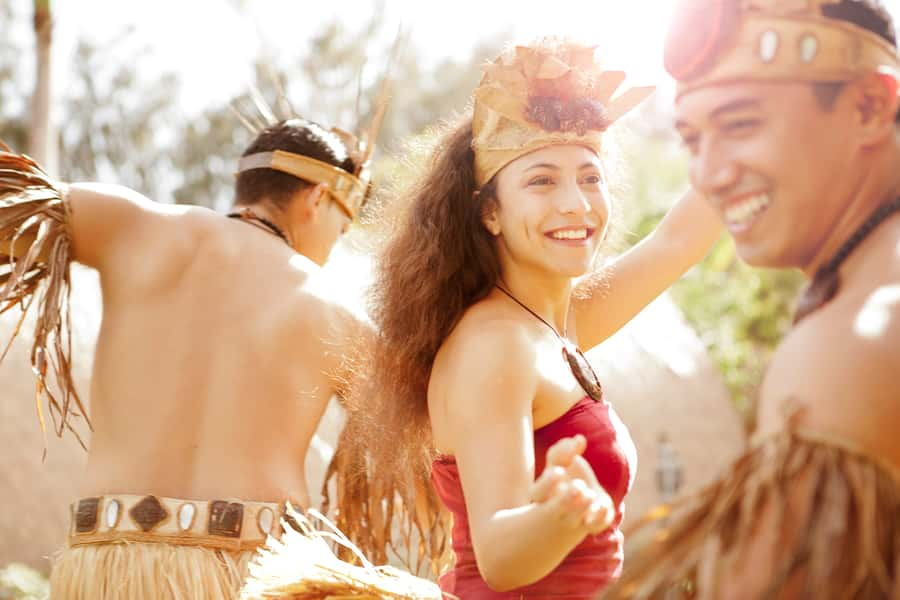
- Strong scheduled shows: Plan around the Haka, Fijian music and dance, Samoan demonstrations, and other village presentations.
- Food is limited but memorable: You can taste traditional Hawaiian food, yet a full meal is not included.
- Five hours is useful but not endless: You need to check presentation times and choose your priorities.
- General admission only: Luaus and other shows require separate tickets, and no transportation is provided.
Six Polynesian Worlds Within One Oahu Visit
The Polynesian Cultural Center gives you a compact way to see several island traditions in one afternoon. Each village has its own demonstrations, games, music, architecture, and stories. The result is less like a standard sightseeing stop and more like a string of short cultural lessons, each with something you can try.
I appreciate the variety. You are not simply walking past displays. At different points, you can dance, paddle, fish, throw a spear, weave, play games, or watch a performance. That mix keeps the visit moving, particularly for families and anyone who learns better by doing than by reading signs.
The setting is also useful for first-time visitors to Polynesia. You will not receive a complete study of each culture in five hours, but you will get a broad introduction to the customs and activities that make each island group distinct. Keep your expectations sensible: this is an organized cultural attraction, not a remote village visit or a substitute for traveling across the Pacific.
Other luaus and shows on Oahu:
- Paradise Cove Luau
★ 4.5 · 4,498 reviews - Toa Luau at Waimea Valley, Oahu
★ 5.0 · 3,350 reviews - Chief’s Luau Admission
★ 4.5 · 3,018 reviews
Begin With Hawaii’s Games, Food, and Hula
The Hawaii village is a natural place to start. Here, you can learn ancient dances and play traditional games with cultural ambassadors. You can also sample traditional Hawaiian food and try fishing.
The food tasting is a small part of the experience, not lunch. Since food and drinks are not included in the ticket, plan accordingly. A taste can help you connect the demonstrations to daily life, but do not arrive expecting a full Hawaiian meal.
The Hawaiian village works well for families because the activities are direct and easy to understand. You can join in without needing previous dance or fishing experience. I would schedule this stop early if you want to participate, since the Hawaii presentations are listed at approximately 1, 2, 3, 4, and 5 PM.
Aotearoa Brings the Haka and Poi Balls
At the Aotearoa village, the focus shifts to Maori culture from New Zealand. You can learn about the meaning of Maori tattoos and try the old game of poi balls. The major draw is the Haka warrior dance, a forceful performance known for its chants, gestures, and strong physical presence.
The Haka is one of the clearest reasons to plan your route around a scheduled presentation. Aotearoa presentations are listed at approximately 1:30, 3:30, and 4:30 PM, so missing one may create a long wait before the next opportunity.
The tattoo presentation adds useful context. It treats tattooing as a form of identity and symbolism rather than a simple decoration. You will not leave with a permanent tattoo, but the explanation gives the village more substance than a short dance show alone.
Poi balls are another welcome hands-on detail. Trying the movement yourself makes it easier to understand the coordination behind the performance. If you have limited time, I would give Aotearoa priority for the Haka and poi demonstration.
Fiji Adds Music, Coconut Oil, and a Chief’s Home
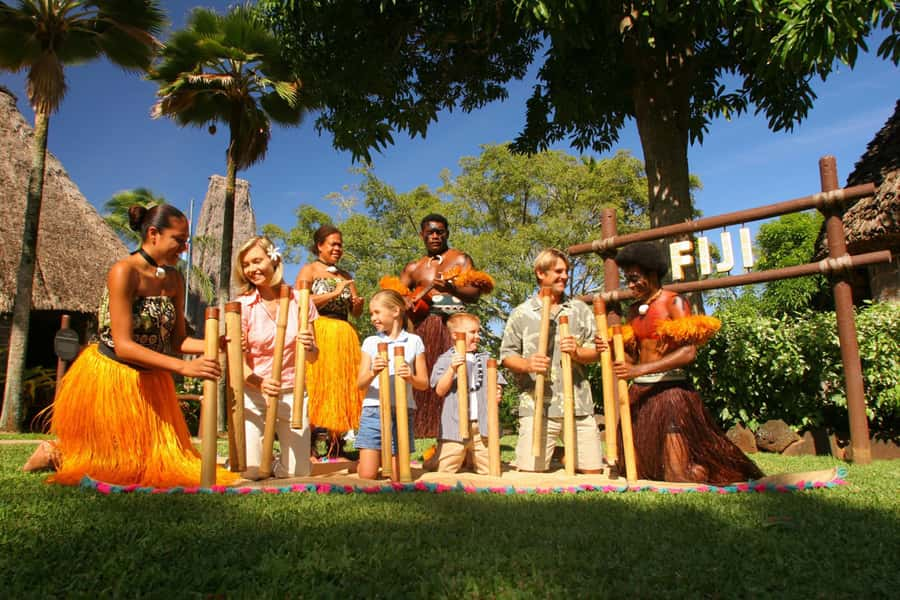
Fiji brings music and dance to the route. You can learn how coconut oil is made, receive a temporary tattoo, and enter the home of a chief.
This village offers several different kinds of activity in a small span. The music and dance provide the main performance element, while coconut oil production and the chief’s home give you a look at practical life and social structure. The temporary tattoo is a lighthearted souvenir, especially for children, though it is worth remembering that this is not the same as learning the full cultural meaning of tattooing.
Fiji presentations are listed at approximately 1:30, 2:30, 3:30, and 4:30 PM. Those frequent times make this village easier to fit into a busy route. If you miss one show, you usually have another scheduled opportunity during the five-hour period.
A few more things to do on Oahu worth a look
- Waikiki Luau Buffet with Optional Rock-A-Hula Show Ticket
★ 4.5 · 1,572 reviews - Rock-A-Hula Ticket
★ 4.5 · 448 reviews - Bishop Museum General Admission Ticket
★ 4.5 · 243 reviews - Polynesian Cultural Center: Islands of Polynesia Admission Ticket
★ 4.5 · 233 reviews
Samoa Is the Most Hands-On Stop
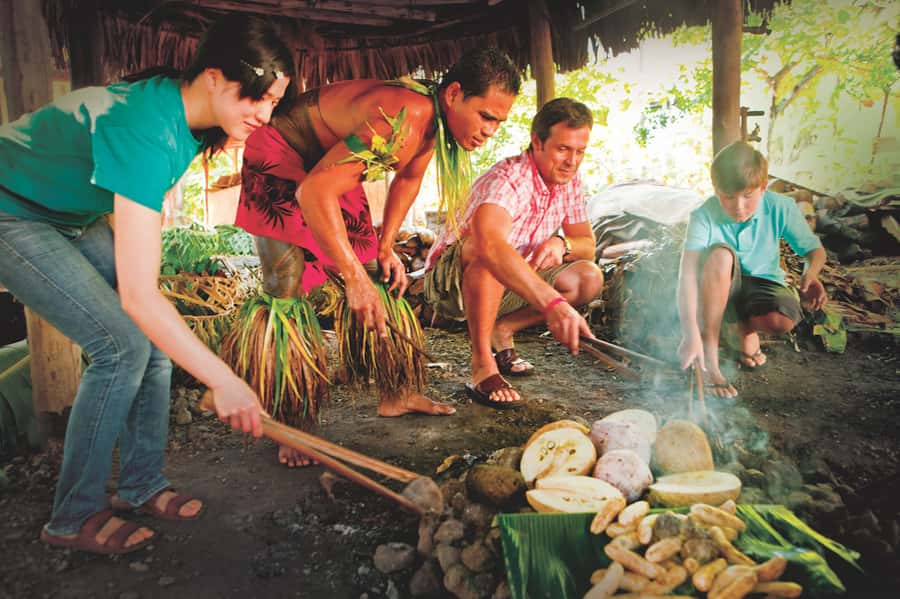
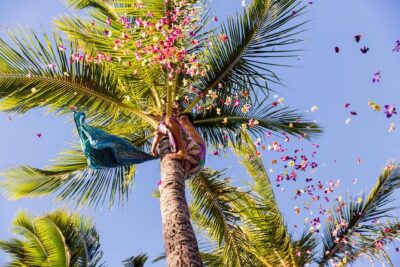
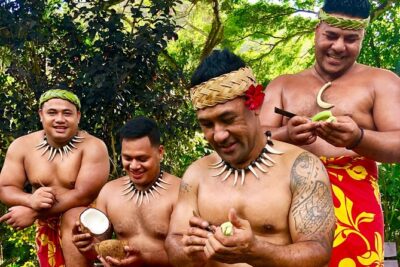
Samoa is often the busiest part of the visit because so many activities happen here. You can watch a coconut being opened after it is picked fresh, learn how to start a fire in the old-fashioned way, weave a fish, cook island food, and examine traditional architecture.
The coconut demonstration is especially effective because it turns an everyday island resource into a practical lesson. You see the work rather than just hearing a description. The fire-starting activity has the same appeal. It gives you a clear sense of how skill, patience, and local materials mattered before modern tools.
The Samoan village also gives you more to do than simply watch. Weaving and cooking help connect the performance to daily tasks. If you have children with you, this is one of the places where participation may hold their attention longest.
Samoa has presentations listed at approximately 1, 2, 3, 4, and 4:30 PM. The frequent schedule makes it a good anchor for your afternoon. I would not leave Samoa until late in your visit if you want to try several activities, since the hands-on portions may take longer than a quick walk-through.
Tahiti Combines Fishing, Dance, and Royal Stories

The Tahitian village takes a different approach. You can fish with a pole, learn a romantic dance, practice spear throwing, and hear about pearl farms, tattoos, and Tahitian royalty.
The fishing activity is simple but useful. It lets you try one of the skills connected with island life instead of only watching a staged presentation. Spear throwing gives the stop a more active edge, though you should follow the staff’s instructions closely and remember that sharp objects are not allowed into the attraction.
The romantic dance provides a change of pace. It is less about athletic performance and more about movement between partners. The stories about pearls, tattoo traditions, and royalty add context to the activities.
Tahitian presentations are listed at approximately 1:30, 2:30, 3, and 4 PM. If Tahiti is a priority, note the times before you begin. Its schedule is not quite as frequent as Hawaii or Samoa, and a missed presentation can affect your whole route.
Tonga Brings Canoes, Games, and Audience Participation
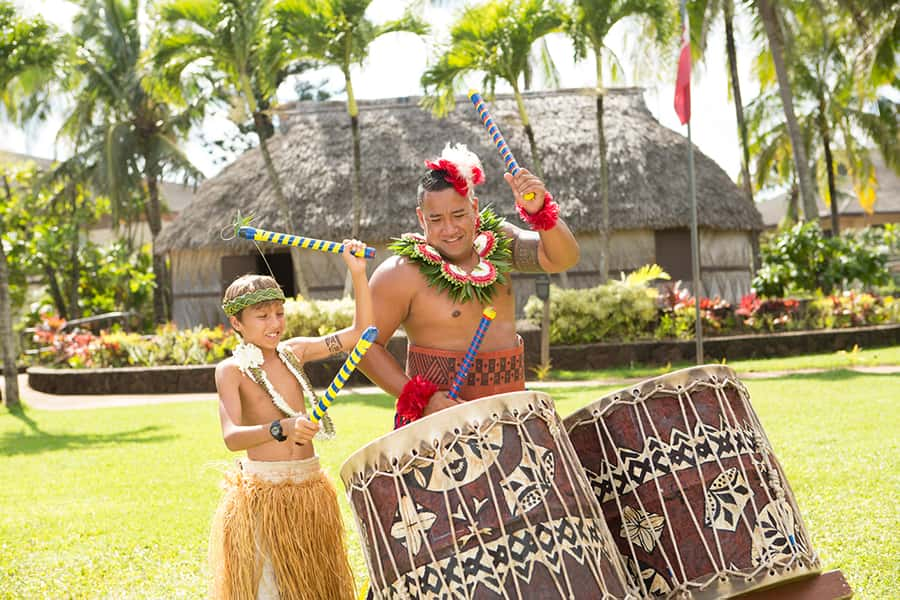
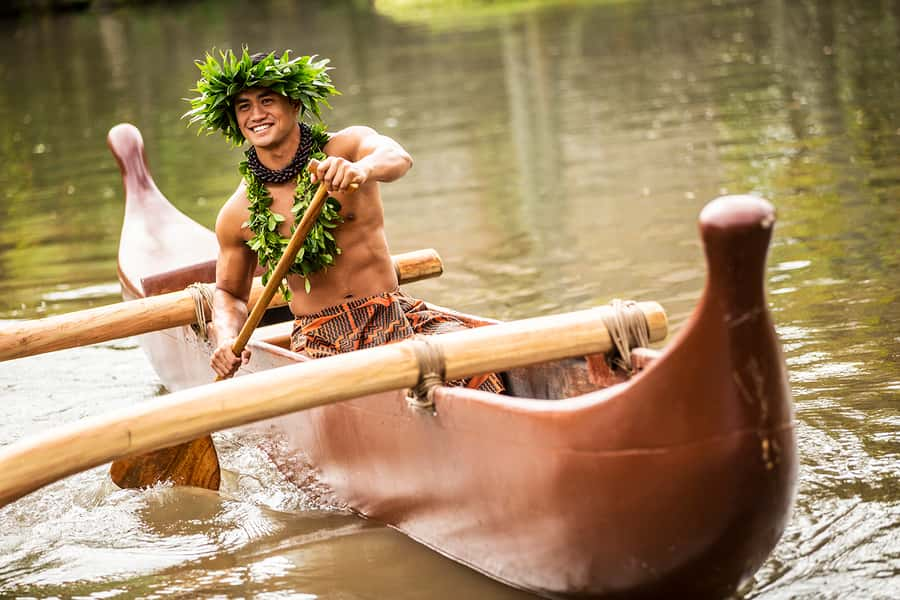
Tonga offers another strong collection of activities. You can learn how to dance without standing, watch a lively performance, paddle an outrigger canoe, try Tongan games, and learn what it is like to be a queen.
The seated dance lesson is a clever feature. It shows that dance is not always about full-body movement or complex footwork. You can take part even if you are tired after several hours of walking.
The outrigger canoe activity adds a physical element, while the games give you another way to take part. These activities help Tonga feel distinct from the other villages rather than just another stop with music and costumes.
Tonga presentations are listed at approximately 1:30, 2:30, 3:30, 4:30, and 5 PM. Since the final presentation is relatively late, Tonga can work well near the end of your visit. Still, do not assume every activity runs continuously. Use the scheduled times to avoid arriving between demonstrations.
How to Plan Five Hours Without Missing the Best Parts
Your ticket is valid for five hours from first activation. That sounds generous, but six villages and several scheduled presentations can fill the time quickly. You will get more from the visit if you treat the schedule as a framework rather than wandering randomly.
Start by choosing two or three presentations that matter most to you. For many people, those might be the Haka, the Samoan fire or coconut demonstration, and a canoe or dance activity. Then fit the other villages around those times.
A practical plan looks like this:
- Begin with a nearby village and check the presentation times.
- Choose one or two fixed shows in the first half of the visit.
- Use the gaps for hands-on activities and short walks.
- Leave time for Samoa, since its activities can tempt you to stay longer.
- Keep one final presentation in reserve instead of filling every minute.
The times are approximate, so allow flexibility. You may need to wait briefly, move at a relaxed pace, or choose between two presentations scheduled close together. Comfortable shoes matter. High heels are not allowed, and the experience involves walking between villages and taking part in activities.
The center is wheelchair accessible, which makes the general layout workable for many visitors with mobility needs. The activity host or greeter speaks English, and the listed language for the experience is English.
What the $103 Ticket Really Covers
At $103 per person, this is not a casual drop-in attraction. You are paying for five hours of access to six themed villages, scheduled cultural presentations, and hands-on activities. The value is strongest if you plan to stay for several hours and take part in more than one demonstration.
I would not recommend this ticket to someone who only wants a quick look at Polynesian dance. A shorter visit may not feel worthwhile at this price. You also need to budget separately for food and drinks, since neither is included.
The ticket does not include transportation. You must make your own way to the Polynesian Cultural Center. It also does not include luaus or other shows. If you want a luau, you need a separate ticket, so compare the total cost before booking a larger package or adding evening entertainment.
The value improves for people who enjoy cultural activities, families looking for variety, and anyone who wants a full afternoon plan in one location. Recent feedback gives the experience a 4.6 rating from 92 reviews. The strongest praise centers on enjoyable shows, friendly and engaged staff, and the sense that the admission can be worth the money. The main criticism is also clear: some people find an admission price close to $100 too high for the village access alone.
Cloudy weather need not ruin the day. In fact, an overcast afternoon can make walking between the villages more comfortable than intense sun. You should still bring comfortable shoes and plan around the weather because much of the experience takes place across the center’s outdoor areas.
Who Will Enjoy This Most
I would recommend the Island Villages ticket to you if you like learning through demonstrations and participation. It suits families, first-time visitors to Hawaii, culture-minded couples, and anyone who wants a structured afternoon with several types of entertainment.
It is also a good choice if you have limited time in the Pacific but want introductions to Hawaii, New Zealand, Fiji, Tahiti, Tonga, and Samoa. You cannot gain a full understanding of six cultures in one afternoon, but you can come away with useful comparisons and a better sense of how dance, food, games, tattooing, fishing, and architecture connect to island life.
You may want to skip it if you prefer quiet, unstructured sightseeing or if your main goal is a luau. The admission does not include one. You may also feel the price is hard to justify if you will stay only two or three hours.
Should You Book the Island Villages Ticket?
Book it if you can commit to most of the five-hour period and want active cultural demonstrations rather than a simple show. Build your day around the Haka, Samoan activities, Tahitian spear throwing, Tonga’s canoe experience, and the other scheduled presentations.
Think twice if $103 feels high before adding food, transportation, or a luau. The ticket offers plenty to do, but its value depends on using the time well. For a full afternoon of island traditions, games, music, and hands-on activities, it is a strong choice. For a brief stop or a stand-alone evening performance, choose a different ticket.
FAQ
How long is the Island Villages ticket valid?
The ticket is valid for five hours from the time you first activate it.
Which island villages are included?
Admission includes the villages representing Hawaii, Aotearoa, Fiji, Tahiti, Tonga, and Samoa.
Does the ticket include a luau?
No. The ticket covers the Island Villages only. Luaus and other shows require separate tickets.
Is food included?
No. Food and drinks are not included, although the Hawaii village includes a taste of traditional Hawaiian food.
Is transportation included?
No. You must arrange your own transportation to the Polynesian Cultural Center.
What presentations can I see?
The villages offer presentations such as Hawaiian dances and games, the Aotearoa Haka, Fijian music and dance, Samoan demonstrations, Tahitian activities and stories, and Tongan performances and games. Presentation times are approximate and vary by village.
Is the experience wheelchair accessible?
Yes. The activity is listed as wheelchair accessible.
Just added on Oahu
- Battleships of World War II Departing from Waikiki Area★ 5.0 · 10 reviews
- “The Dole Plantation” & “North Shore” Private Limousine VIP Tour!★ 5.0 · 6 reviews
- North Shore / Waimea, Falls Day & Swim with Turtles★ 5.0 · 106 reviews
- Private Half-Day Circle Island Highlights Tour in Oahu★ 4.5 · 10 reviews
- Half-Day Waterfall Tour – Hike, Scenic, Food and Photo★ 5.0 · 3 reviews
- Private Bucket List Adventure Day- Hikes, Beaches, Waterfalls★ 5.0 · 48 reviews
- Waikiki Sunset – 50 Min Helicopter Tour – Doors Off or On★ 5.0 · 8 reviews
- Best Waikiki Whale Watching in Honolulu: Whales Guaranteed★ 4.5 · 196 reviews
Luaus & Shows, compared.
Mauka Warriors Luau Honoring Polynesia’s Forgotten History
Read our review →
The Magical Mystery Show! at Hilton Waikiki Beach Hotel
Read our review →
Maui Nui Luau at the Sheraton Maui Resort & Spa
Read our review →
Waikiki Luau Buffet with Optional Rock-A-Hula Show Ticket
Read our review →Browse the lists this tour appears in