
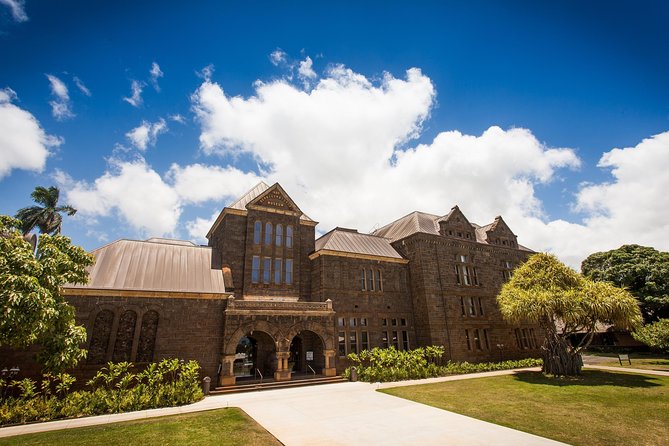
Reviewed · TOURS IN OAHU
Bishop Museum General Admission Ticket
Bishop Museum gives you far more than a display of old objects. Its Hawaiian Hall, Pacific Hall, planetarium, and science center connect island culture with ocean travel, astronomy, geology, and daily life. The most memorable parts are the ornate Hawaiian Hall Complex and the chance to see how Polynesian people navigated and settled the Pacific.
I like the museum’s wide range. You can spend an hour with major exhibits or make a full half-day of it, and children have hands-on science displays while adults study artifacts, maps, woven mats, fishing hooks, and feathered kahili. I also like that the museum works well on a rainy Honolulu day. The main drawback is its size, and several popular areas may have limited hours or separate fees, so you should check what is operating before you go.
Key points to know
- Plan at least half a day: One or two hours gives you a taste, but the campus can fill four hours or more.
- Start with Hawaiian Hall: Its woodwork, artifacts, royal objects, and cultural displays provide the best foundation for the visit.
- Pacific Hall adds a wider story: Maps and displays explain Pacific migration, settlement, traditions, and shared values.
- The science center suits families: Interactive exhibits explain volcanoes, lava, and island formation in a hands-on way.
- Planetarium and lava shows are not included: General admission covers the museum, but these options may cost extra and can have changing availability.
- Check the day before going: Parking, special exhibits, holiday hours, and temporary closures can affect the value of your ticket.
Why Bishop Museum matters in Honolulu
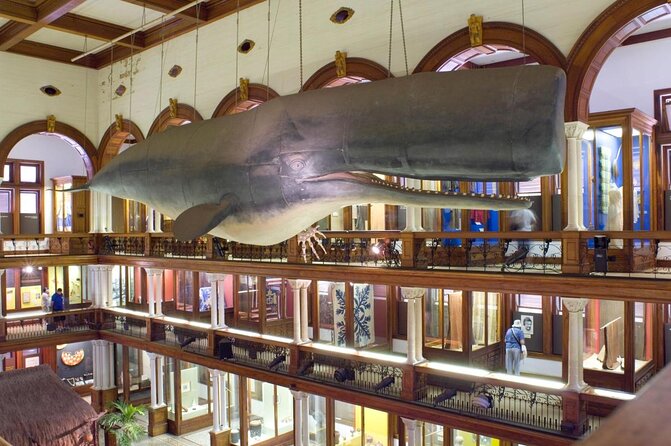
If you want to understand Hawaiʻi beyond beaches and resort life, Bishop Museum is one of the most useful stops in Honolulu. It brings Hawaiian culture, Pacific voyaging, science, art, and royal history into one large campus.
The museum was founded in 1889. That long history matters because its collections cover both everyday life and the traditions of Hawaiian leaders. You are not limited to one narrow story. You can move from featherwork and carved objects to migration maps, astronomy, volcanic science, and modern efforts to keep traditional Hawaiian arts alive.
I find the museum most rewarding when you give it time. A quick visit can show you the beautiful buildings and a few major displays, but the full picture takes longer. If you read labels carefully, allow at least half a day. Eight hours is possible for someone who wants to examine nearly everything.
The museum also makes a sensible backup for unsettled weather. It operates in all weather conditions, though the booking terms also allow a date change or refund if the experience is canceled because of poor weather. Dress comfortably and check conditions before setting out.
Other trips people book on Honolulu:
- Oahu Grand Circle Island and Haleiwa Tour: 9-Hr Deluxe Experience
★ 5.0 · 17,387 reviews - Oahu: Grand Tour Around Island 16 Locations plus Snorkeling
★ 5.0 · 8,669 reviews - Salute to Pearl Harbor Including USS Arizona
★ 4.5 · 7,433 reviews
Begin with the Hawaiian Hall Complex
Hawaiian Hall is the place to begin. It is the museum’s main presentation of Hawaiian history and culture, and the building itself is part of the experience. The woodwork and ornate interior give the displays a fitting setting rather than placing them in plain white rooms.
Take your time with objects linked to Hawaiian leaders, ceremonial life, craft, and family traditions. The feathered kahili room is one especially striking area. You might also find yourself lingering over fishing hooks, woven mats, carved pieces, and photographs that make the culture feel specific and human.
Bishop Museum is strongest when it lets objects speak for themselves. A feathered standard or woven mat is not simply decoration. It points to skill, status, materials, work, and values. The labels help connect those objects to the people who made and used them.
The Hawaiian Hall Complex can be slow going if you read every panel. That is not a criticism, but it does affect your schedule. If you only have two hours, focus on the central displays and the sections that interest you most. If Hawaiian history is your main reason for coming, plan a longer visit and resist the temptation to rush on to the next building.
Follow the Pacific story in Pacific Hall
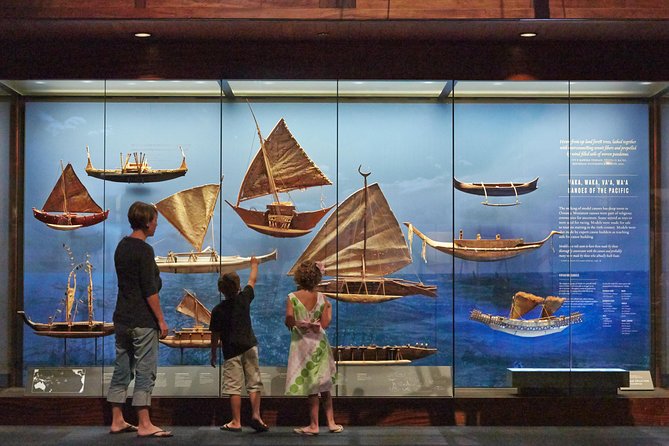
Pacific Hall widens the focus from Hawaiʻi to the people of the Pacific. This is where the museum explains migration, settlement, culture, and shared values across the islands.
One useful feature is the large migration map. It helps place Hawaiian history within the wider movement of Polynesian peoples across the ocean. That context is important. Hawaiʻi did not develop in isolation, and the map gives you a clearer sense of the distances and connections involved.
You can also expect displays about Pacific traditions and material culture. The exhibit gives you a chance to compare island communities without treating them as one single culture. I would allow extra time here if you are interested in navigation, migration, or the origins of Hawaiian people.
Pacific Hall is also a good stop for teenagers and adults who may find a purely object-based museum slow. The maps and broader story provide a clear reason for why the objects matter. Still, some visitors may prefer the more ornate Hawaiian Hall or the interactive science center, so your ideal route depends on your interests.
Look up at the Jhamandas Watumull Planetarium
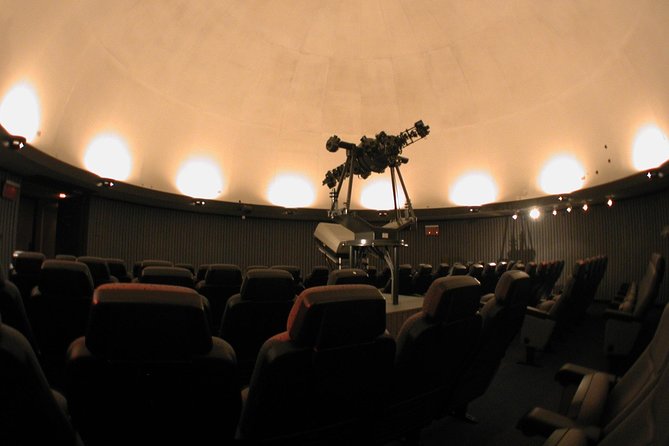
The Jhamandas Watumull Planetarium focuses on the skies above Hawaiʻi and Polynesia. Its subject fits the museum especially well because astronomy was part of the way ancient Pacific voyagers understood and crossed the ocean.
A planetarium show can add a strong visual layer to the museum’s migration story. Instead of seeing only routes on a map, you get a sense of the stars and sky used by ancient navigators. The educational focus also makes this a useful stop for families and anyone interested in astronomy.
There is an important catch: planetarium admission is not included in the general ticket. It is listed as optional, and availability can change. Some visits have included a navigation show, while at other times the planetarium has been closed. Check the schedule before buying an extra ticket or planning your entire day around it.
The planetarium waiting area has received some criticism for needing improvement, but that should not overshadow the subject itself. If the show you want is running, it can tie together the museum’s cultural and scientific themes better than almost any single exhibit.
A few more things to do on Honolulu worth a look
- Rock-A-Hula Ticket
★ 4.5 · 448 reviews - Diamond Head Hike Shuttle with Reservation Tickets Included
★ 5.0 · 223 reviews - Oahu : Hanauma Bay Admission Ticket+Equipment Rental
★ 4.0 · 84 reviews - Waikiki Luau Buffet with Optional Rock-A-Hula Show Ticket
★ 4.5 · 1,572 reviews
Let children experiment at the Science Adventure Center
The Richard T. Mamiya Science Adventure Center is the most obvious choice for families. It uses interactive displays to explain science connected to Hawaiʻi and the Pacific environment.
The main attraction is the explanation of lava and how the Hawaiian Islands formed. A live lava melting demonstration may be offered, creating a memorable link between the island beneath your feet and the volcanic processes that shaped it.
Availability matters here too. The live lava demonstration has not always operated, and some areas may be closed during a visit. Ask what is scheduled when you arrive so you know what to expect.
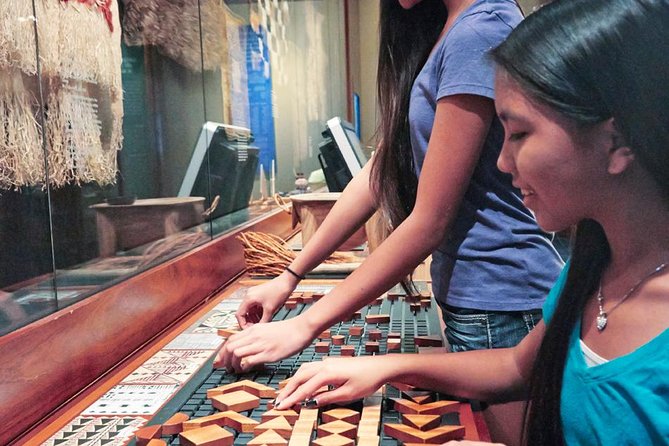
I would place the science center later in a family visit, especially if younger children need a change from reading-heavy displays. Adults who enjoy geology will find useful context here, while children can learn through movement and interaction rather than long text panels.
The center also gives the museum balance. Without it, the visit might feel focused mainly on history and objects. With it, you see how volcanoes, rocks, oceans, and island formation shaped the place where Hawaiian culture developed.
Check the Castle Memorial Building before planning around it
The Castle Memorial Building hosts changing exhibits. That means it can offer something new on a return visit, but it also means the contents and availability are not fixed.
Before you make this building a priority, confirm what is open and what the current exhibition covers. A temporary exhibit fee may apply, and special exhibits are not included in general admission.
This is the part of the museum most affected by timing. If you are visiting for a specific exhibition, do not assume it will be available simply because the building is listed as part of the campus. Ask at the entrance or check current information before you pay for extras.
How long should you allow?
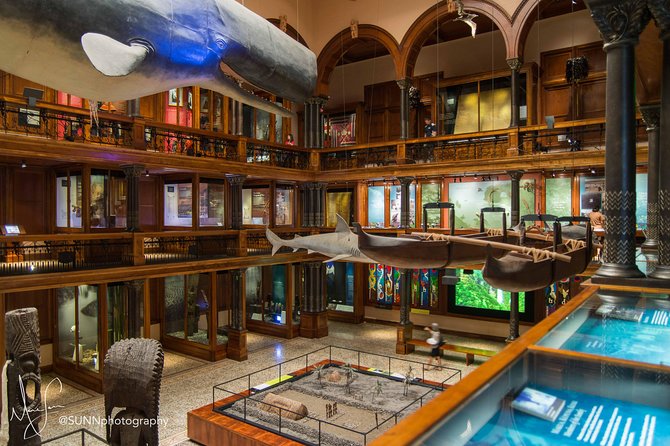
The advertised visit can last from one to eight hours. That wide range is realistic because Bishop Museum is not a quick single-gallery stop.
Use these time frames as a guide:
- One to two hours: See the main Hawaiian Hall displays and make a short visit to another building.
- Three to four hours: Cover Hawaiian Hall, Pacific Hall, and the Science Adventure Center at a comfortable pace.
- Half a day or more: Add a planetarium show if available, spend time reading labels, visit changing exhibits, and explore the grounds.
I would not schedule Bishop Museum between two tightly timed activities. The campus is large, and you may find more to read than expected. One visit can easily turn into four hours, especially if you are interested in Hawaiian history or Pacific migration.
Start early if you want a full visit. Food service may close before the museum, and arriving late can leave you choosing between exhibits and lunch. A morning start also gives you more room if a show time changes or a building is temporarily unavailable.
Is $38.95 a fair price?
General admission costs $38.95 per person. That is not a small museum fee, so value depends on how you use the ticket.
For a one-hour visit with several closed areas, the price may feel high. That concern is stronger if you expected the planetarium or lava demonstration to be included. General admission covers the museum, but parking, planetarium shows, and special exhibits may cost extra.
For a serious half-day visit, the price is easier to justify. You are getting several subject areas in one place: Hawaiian culture, Pacific history, science, astronomy, and changing exhibits. Families may find the science center adds enough variety to keep different ages interested.
Compare the ticket with the time you have, not just the number on the receipt. If you can spare four hours and care about Hawaiʻi beyond the usual sightseeing, the museum offers more value. If your schedule allows only a quick stop, you may prefer to buy directly at the museum after checking current prices and open buildings.
There is also a practical reason to verify the day’s arrangements. A special reduced admission day or a closure could make a pre-purchased ticket a poor deal. The experience allows free cancellation up to 24 hours before the start time, but cancellations within 24 hours are not refunded.
Getting there and preparing for the visit
The museum is in Honolulu and is near public transportation. Parking is optional and carries a separate fee, so include that cost if you plan to drive.
Your mobile ticket is offered in English. Confirmation is provided at booking, and service animals are allowed. The museum asks for a moderate level of physical fitness, which is worth noting because you may spend several hours walking between buildings and standing at displays.
Dress for the weather. The experience operates in all weather conditions, but the campus includes several buildings and outdoor movement between them. Comfortable shoes will make a long visit easier.
At arrival, ask three simple questions:
- Which buildings are open today?
- Is the planetarium show running, and is there a separate ticket?
- Will the lava demonstration take place?
Those answers can save you from building your day around a closed attraction. They also help you decide whether general admission is good value for the particular date.
Who will enjoy Bishop Museum most?
I recommend Bishop Museum most strongly to people who want cultural context. It suits you if you enjoy artifacts, maps, architecture, history, astronomy, or geology.
Families have a useful split here. Adults can spend time in Hawaiian Hall and Pacific Hall while children use the interactive science displays. Teenagers may appreciate the freedom to explore at their own pace, especially in the science building and the sections on Pacific migration.
The museum may be less satisfying if you want a short, highly guided activity with constant entertainment. It is a large institution, and much of its value comes from reading, comparing objects, and choosing your own pace. Some children may find the historical galleries slow, while the science center should hold their attention better.
You also need to accept that not every listed attraction will be operating on every date. The museum remains worthwhile for its main collections, but the planetarium, lava show, and changing exhibits require a little checking.
Should you book Bishop Museum?
Book it if you want to understand Hawaiʻi through its people, traditions, Pacific connections, and volcanic origins. I especially recommend it when you have at least half a day, when the weather is poor, or when your family needs an indoor activity with both cultural displays and hands-on science.
Before paying $38.95, confirm the opening status of the planetarium, science demonstrations, and temporary exhibits. If several areas are closed and you have limited time, the value drops. If most of the campus is operating and you give the museum four hours or more, Bishop Museum can be one of the most useful cultural stops in Honolulu.
FAQ
Where is Bishop Museum?
Bishop Museum is located in Honolulu, USA.
How much does general admission cost?
The listed price is $38.95 per person.
How long does a visit take?
The visit can take approximately one to eight hours. Allow at least half a day if you want time for several exhibit buildings and detailed viewing.
What does general admission include?
General admission includes entry to Bishop Museum and its general exhibit areas.
Is the planetarium included in the ticket?
No. Planetarium admission is optional and is not included in the general admission ticket.
Does the ticket include special exhibits?
No. Special exhibit fees are optional and are not included.
Is parking included?
No. Parking fees are optional and are not included in the admission price.
Is the ticket available on a mobile device?
Yes. The experience offers a mobile ticket.
Is the experience offered in English?
Yes. The experience is offered in English.
Can I cancel for a full refund?
Yes. You can cancel at least 24 hours before the experience start time for a full refund. Cancellations within 24 hours are not refunded.
Are service animals allowed?
Yes. Service animals are allowed.
Does the museum operate in bad weather?
The experience operates in all weather conditions, but if it is canceled because of poor weather, you will be offered a different date or a full refund.
Just added on Honolulu
- Big Island Hawaii Volcano Day tour from Oahu and Hotel PU★ 4.8 · 29 reviews
- Best of Oahu in One Day★ 4.9 · 11 reviews
- Amazing Circle Island Tour★ 4.4 · 4 reviews
- Arrival Lei Greeting –HNL to Waikiki Private Transfer★ 5.0 · 3 reviews
- 3-Hour Honolulu Bottom Fishing Adventure★ 4.6 · 25 reviews
- 1 Hour Photography Honolulu Beautiful and Magical★ 5.0 · 5 reviews
- Oahu: Private Transfer to/from Honolulu Airport – Waikiki★ 4.1 · 59 reviews
- Honolulu: Historic Downtown Segway Tour★ 5.0 · 6 reviews
Tours in Oahu, compared.
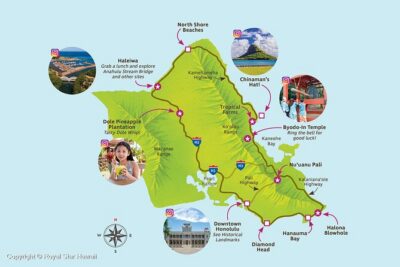
Oahu Grand Circle Island and Haleiwa Tour: 9-Hr Deluxe Experience
Read our review →
Grand Tour Around Island 16 Locations plus Snorkeling
Read our review →


Oahu’s Ultimate Tour: Dole, Turtle Snorkel, Pali Lookout & More
Read our review →
Oahu Circle Island Tour with Turtle Snorkeling— Small-Groups
Read our review →
Browse the lists this tour appears in