

Reviewed · LUAUS & SHOWS
Polynesian Cultural Center: Islands of Polynesia Admission Ticket
The Polynesian Cultural Center turns a day on Oahu’s North Shore into a tour of seven island cultures. You can watch dancers, try spear throwing, learn about Samoan cooking, ride a canoe, and move from one village presentation to another without leaving the park. It is part museum, part live theater, and part hands-on family outing.
I like the student-led setting, since revenue supports daily operations and the education of students from nearby Brigham Young University-Hawaii. I also like the range of activities: ukulele lessons and coconut demonstrations suit curious adults, while canoe rides, tattoos, and games keep younger children busy. The main drawback is that the base ticket does not include dinner or the popular Ha: Breath of Life evening show.
Key points
- Seven cultures in one North Shore visit: Explore Hawaii, Tahiti, Tonga, Samoa, Fiji, New Zealand, and the Marquesas.
- Hands-on activities: Try ukulele, spear throwing, fishing, canoe rides, and Samoan cooking demonstrations.
- Three-day admission: The village ticket remains valid for three days after your first visit.
- Shows throughout the park: Each village has presentations, with Huki: The Canoe Pageant included.
- Major evening upgrade: Ha: Breath of Life features more than 100 performers, fire walkers, and knife dancers.
- Plan for the heat and walking: Bring patience for lines, use covered performance areas, and reserve an electric cart ahead if walking is difficult.
Seven island cultures in one North Shore park

The Polynesian Cultural Center sits about an hour from Waikiki, so the trip itself takes planning. Once you arrive, the setting gives you a broad introduction to Polynesia through six island villages and a central program of shows and canoe activities.
The cultures presented are Hawaii, Tahiti, Tonga, Samoa, New Zealand, the Marquesas, and Fiji. Each area has its own demonstrations and performances, so you are not simply walking past displays. You can stop for music, dance, craft work, food preparation, games, and short presentations about daily life.
That variety is the reason I would allow more than a quick afternoon if you want to see the park properly. A six-hour visit gives you time to catch several programs, but you may need to choose between activities. The ticket remains valid for three days after your first visit, which is useful if your Oahu plans give you a second chance to return.
The park is designed for a broad audience. You can take a more educational approach and listen carefully to the cultural explanations, or keep moving and sample the activities. Families can split the difference: adults learn about history, belief systems, food, travel, music, and social customs while children take part in physical activities.
Other luaus and shows on Oahu:
- Paradise Cove Luau
★ 4.5 · 4,498 reviews - Toa Luau at Waimea Valley, Oahu
★ 5.0 · 3,350 reviews - Chief’s Luau Admission
★ 4.5 · 3,018 reviews
What you actually do in the island villages
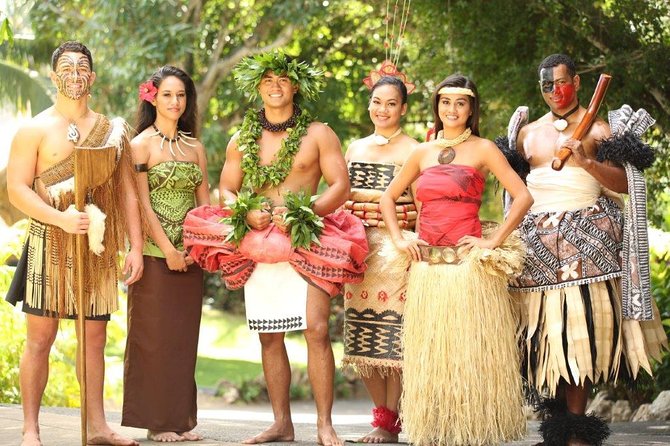
The village areas are the heart of the admission ticket. Presentations run throughout the day, and each village offers a different reason to stop.
You might join a ukulele lesson, watch coconut bread being made, learn about coconut oil, or see a demonstration connected with fishing and food preparation. Spear throwing and baton twirling add a playful element, though the value is not just entertainment. These activities give you a small sense of the skills and traditions being explained.
Samoa receives particular attention through cooking demonstrations and food-related activities. You can learn how an authentic Samoan meal is prepared, then compare that experience with other island traditions presented around the park. Food becomes a useful way to understand how island life, available resources, and community customs connect.
Children have plenty to do. A child can take a canoe ride on the lagoon, receive a temporary tattoo, watch performers, or try activities that involve throwing, spinning, or crafting. That matters because a full cultural program can feel long to younger children if they are expected to sit through every presentation.
The quality of the experience depends partly on how you organize your day. Pick up a schedule when you arrive and note the times of the programs you most want to see. Then leave room for wandering. If you try to attend every presentation, you may spend the day hurrying from one area to the next.
Huki: The Canoe Pageant and lagoon rides
Canoes are part of the center’s main identity, and the included canoe activities add movement to a day that otherwise involves plenty of standing and watching. Canoe tours travel through the village areas, giving you another way to see the park.
Huki: The Canoe Pageant is another included feature. It brings together canoes, music, and performances in a larger presentation than the individual village demonstrations. Check the daily schedule when you arrive, since missing a timed show can make the day harder to manage.
The canoe elements are especially useful for families. They break up the walking and let children see the villages from the water. For adults, they provide context for the importance of canoe travel across Polynesia, a subject that connects many of the cultures presented here.
The big choice: admission only or an evening show
The $103.50 admission price covers the Islands of Polynesia villages and the three-day pass. It does not cover dinner or Ha: Breath of Life. This distinction matters because the center is often treated as an all-day attraction, and an all-day outing usually creates an appetite.
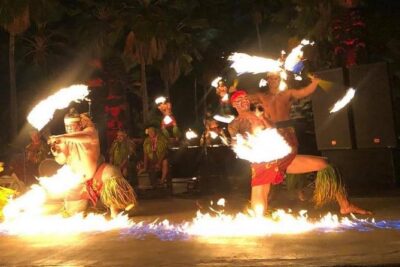
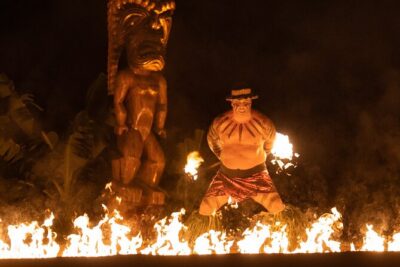
The evening show is called Ha: Breath of Life. It uses more than 100 performers and combines folklore, history, traditional music, dance, knife dancers, and fire walkers. The show is separate from the standard village admission, but it is the upgrade I would consider first if you want a fuller day.
Ha: Breath of Life offers something different from the shorter daytime presentations. The village shows are useful for learning about individual cultures, while the evening production offers a large-scale theatrical story with a stronger sense of spectacle. If your time or budget allows only one major addition, this is likely the most distinctive choice.
You should also know that photography and recording are not allowed during the night show. If you like documenting every part of a trip, prepare for that rule before you take your seat. It is a small practical point, but it can prevent an unpleasant surprise.
A few more things to do on Oahu worth a look
- Waikiki Luau Buffet with Optional Rock-A-Hula Show Ticket
★ 4.5 · 1,572 reviews - Rock-A-Hula Ticket
★ 4.5 · 448 reviews - Bishop Museum General Admission Ticket
★ 4.5 · 243 reviews - Diamond Head Hike Shuttle with Reservation Tickets Included
★ 5.0 · 223 reviews
Dinner packages, luau expectations, and food choices

Dinner is not included with the base ticket. You can add an Ali’i Luau dinner package or select another dining upgrade, depending on the package available when you book.
The luau is more than a meal, since it includes a dinner show. It may feel similar to some of the performances you have already seen during the day, so I would not choose it solely for a completely new style of entertainment. Its value is convenience and the combination of food with a seated evening program.
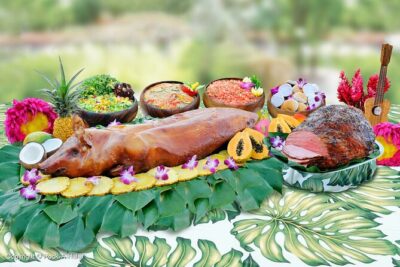
Buffet quality can be uneven depending on your expectations and the dining package. Some meals are described as plentiful, while other diners found the regular buffet disappointing. The island-style food receives mixed reactions, with roast pig often singled out as a highlight. If you want a more substantial dining experience, the upgraded dining rooms may offer better value than the basic buffet.
The food options also include non-Polynesian choices such as tacos and fish and chips. That helps picky eaters, but it may disappoint you if you expect every food outlet to focus on island dishes. Look for local coconuts, kalua pork, poi, taro dishes, and island-style desserts if you want to build a more Polynesian meal.
If you have dietary concerns, ask about the available choices before ordering. One family reported finding enough food for a coeliac diner, but the supplied information does not provide a complete allergy guide, so you should confirm details directly.
How to plan a six-hour visit
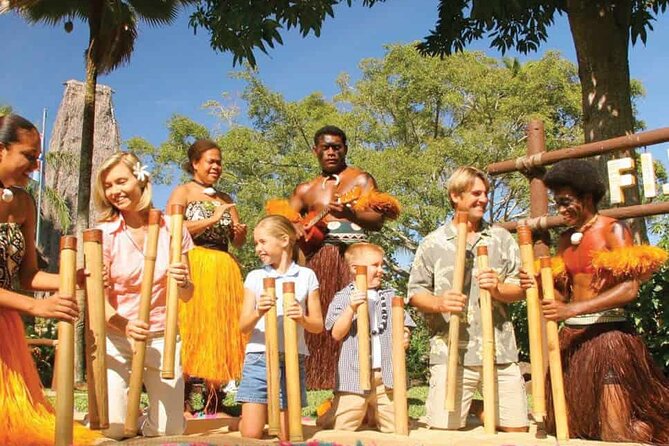
A typical visit lasts about six hours, though the three-day ticket gives you more flexibility. The center can fill a full day because the villages, canoe activities, daytime shows, meal breaks, and evening production all compete for your attention.
I would arrive early enough to get oriented, especially since lines can form at the entrance. Once inside, start with the presentations that have fixed times. Use open periods for the village areas, food, shopping, and activities that do not require you to be in one place at a precise hour.
A sensible rhythm looks like this:
- Begin with the village schedule and mark the presentations you most want to see.
- Choose two or three hands-on activities, rather than trying to do everything.
- Fit in a canoe ride or Huki: The Canoe Pageant between village programs.
- Take a shaded or indoor break during the hottest part of the afternoon.
- Eat before evening programs begin, especially if your package does not include dinner.
- Stay for Ha: Breath of Life only if your admission package includes it or you have added it separately.
The center can be busy, and the walk between areas takes time. An afternoon arrival may work if you mainly want the evening show, but it is a poor choice if you want to see every village. One afternoon package left little else to do after the later show, so check exactly what is operating during your chosen hours.
Heat, shade, walking, and transport

Oahu’s heat and humidity can shape your opinion of the day. Some visitors find the park comfortable because many performances take place under cover, while others find the open areas short on shade. Wear light clothing, carry water, and use covered seating whenever possible.
Walking ability is another practical concern. The park is laid out clearly, but you will spend much of the day moving between villages and standing for shows. If you have trouble walking, reserve an electric cart before arriving. Do not assume one will be available at the last moment.
Round-trip hotel transportation is available with selected packages, not automatically with every ticket. A bus can simplify the long trip from Waikiki, but confirm the pickup point and time before the day of your visit. Past booking confusion has occurred when pickup information was not clear, so I would not leave this question until the evening before.
Driving yourself is another option, and the center is near public transportation. One practical observation is that taking public transit or driving independently can cost less than a bundled tour, especially if you do not need hotel pickup. The tradeoff is that you must manage the timing yourself.
Value at $103.50 per person

At $103.50, the basic ticket is not a cheap casual attraction. Its value comes from the amount of programming included: seven cultural areas, hands-on activities, canoe experiences, Huki: The Canoe Pageant, and a pass valid for three days after your first visit.
The price makes more sense if you plan to spend most of the day there or return for a second visit. It is harder to justify if you only have a few hours and intend to see one village plus a show. The center’s nonprofit structure is also worth knowing: its revenue supports operations and the education of student employees from Brigham Young University-Hawaii.
Optional upgrades quickly change the total price. Dinner, a luau, premium dining, hotel transportation, and Ha: Breath of Life may all be separate depending on the package. Read the inclusions carefully, since dinner is not part of the basic admission and the evening show is not included either.
Booking well ahead is sensible. This experience averages about 38 days of advance booking, which suggests that popular dates and upgraded packages may not remain available close to your visit.
Who will enjoy this most
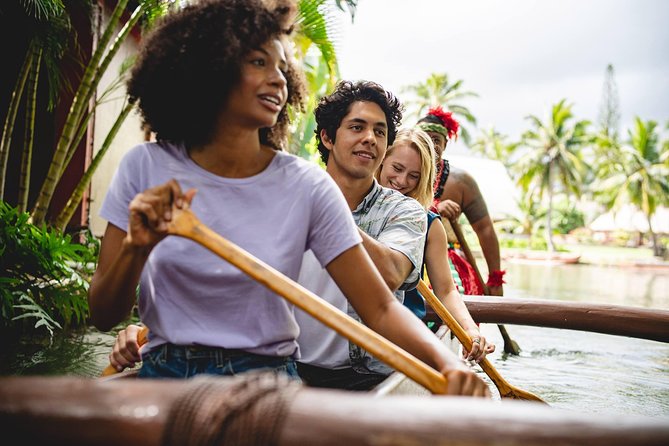
Families are a natural match because the day alternates between watching and doing. Children can ride canoes, try activities, and see performances, while adults can pay closer attention to the cultural explanations.
I also recommend it to first-time Oahu visitors who want a broad introduction to Polynesia without arranging separate trips to several islands. The format is organized and accessible, though it is still a staged attraction rather than a substitute for visiting the individual island nations.
Couples can enjoy the shows and evening production, particularly if they add dinner. Solo visitors should know that the day is built around scheduled presentations and group activities, but the park can still work well if you enjoy cultural programs and independent wandering.
You may want to skip it if your Oahu stay is very short, you dislike staged demonstrations, or you mainly want a quiet beach day. The park asks for time, patience, and some tolerance for crowds, lines, heat, and a busy schedule.
Should you book the Polynesian Cultural Center?
Book it if you want a full cultural attraction with hands-on activities, frequent performances, and a strong family focus. The three-day pass gives the $103.50 admission more value than a single short visit, and Ha: Breath of Life is worth adding if you enjoy large evening productions.
Before paying, decide what kind of day you want. For village activities alone, the base ticket may be enough. For a complete outing, compare the price of dinner, transportation, and the evening show as a package, then confirm every inclusion.
I would give this experience a clear yes for families, first-time visitors, and anyone willing to spend most of a day on Oahu’s North Shore. I would be more cautious for visitors with limited time or strict expectations of traditional food and quiet, low-key sightseeing.
FAQ
How much does the Polynesian Cultural Center admission ticket cost?
The listed price is $103.50 per person. The ticket includes admission to the Islands of Polynesia villages and a three-day pass after your initial visit.
How long does the visit last?
The experience is approximately six hours. You can use the included pass for three days after your first visit if you want additional time.
Which cultures are presented at the center?
The center presents Hawaii, Tahiti, Tonga, Samoa, New Zealand, the Marquesas, and Fiji.
Is dinner included with the admission ticket?
No. Dinner is not included with the basic ticket. You can add the Ali’i Luau dinner package or another dining upgrade.
Is Ha: Breath of Life included?
No. Ha: Breath of Life is an optional evening show that must be added through an applicable upgrade or package.
Is hotel transportation available?
Round-trip transportation from your hotel is available with selected packages. It is not included with every admission ticket.
Can I cancel for a full refund?
Yes. You can cancel at least 24 hours before the experience start time for a full refund. Cancellations or changes made within 24 hours are not accepted for a refund.
Just added on Oahu
- Big Island Hawaii Volcano Day tour from Oahu and Hotel PU★ 4.8 · 29 reviews
- Best of Oahu in One Day★ 4.9 · 11 reviews
- Oahu: Beauty and the Feast Circle Island Experience★ 4.6 · 83 reviews
- Amazing Circle Island Tour★ 4.4 · 4 reviews
- Arrival Lei Greeting –HNL to Waikiki Private Transfer★ 5.0 · 3 reviews
- Oahu: Waikiki 2-Hour Semi-Private Surfing Lesson★ 4.9 · 5 reviews
- (2nd)Diamond Head Hike w/ Malasada Starts at 7:00 a.m.★ 3.3 · 3 reviews
- Oahu: Waikiki 2-Hour Beginner Group Surf Lesson★ 4.9 · 191 reviews
Luaus & Shows, compared.

Mauka Warriors Luau Honoring Polynesia’s Forgotten History
Read our review →
The Magical Mystery Show! at Hilton Waikiki Beach Hotel
Read our review →
Maui Nui Luau at the Sheraton Maui Resort & Spa
Read our review →
Waikiki Luau Buffet with Optional Rock-A-Hula Show Ticket
Read our review →Browse the lists this tour appears in