
Reviewed · WHALE WATCHING
Maui: Whale Watching Tour – 1.5 hours
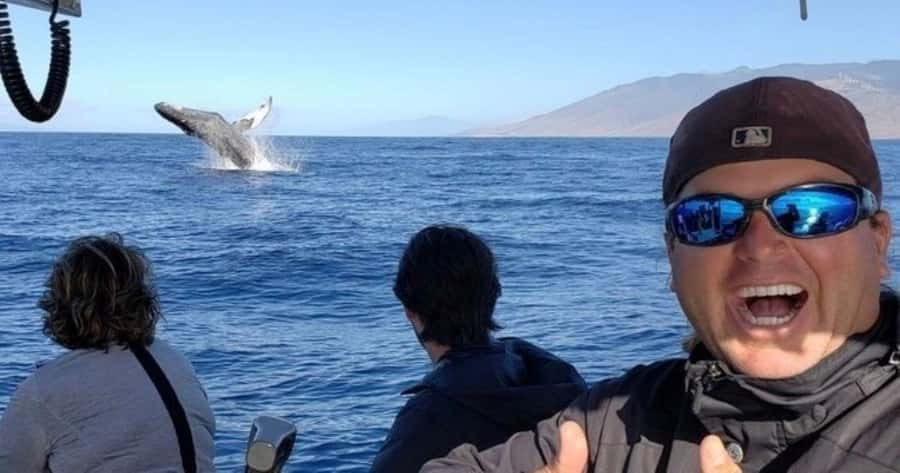
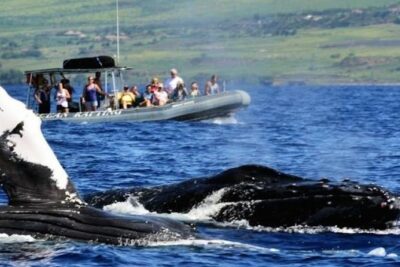
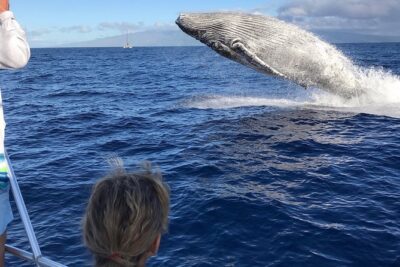
Maui’s humpback whales are the main event here, and the tour gives you a good shot at seeing them quickly in the calm waters off the south shore. You may spot a mother and calf, watch a pod surface, and hear whale calls through a hydrophone lowered into the sea.
I like the 90-minute length, which keeps the outing easy to fit into a Maui day, and I like the free parking at Kihei Boat Ramp. The fast boat also gets you onto the water without wasting much time at the dock.
The main caution is comfort. This is a small-boat ocean trip, so it is not suitable for pregnant women or people with back problems. Morning trips usually offer calmer conditions, but the sea can still be active.
Key points to know before you book
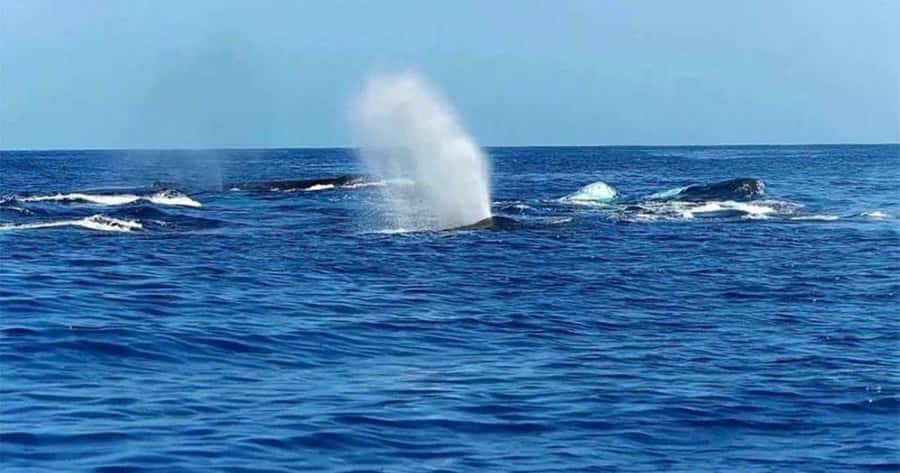
- Whale sightings are guaranteed: If you do not see a whale, your next ride is free.
- You can hear the whales: A hydrophone lets you listen to their underwater calls, not just watch them surface.
- The trip lasts 90 minutes: That is enough time for a focused whale watch without taking up half your day.
- Kihei Boat Ramp keeps logistics simple: It is about 10 minutes from Kihei and Wailea resorts, with ample free parking.
- Morning is the smart choice: Early departures generally bring calmer water along Maui’s south shore.
- The boat approaches within 100 yards: This can create close viewing while keeping federal wildlife rules in mind.
Why this short Maui whale tour works
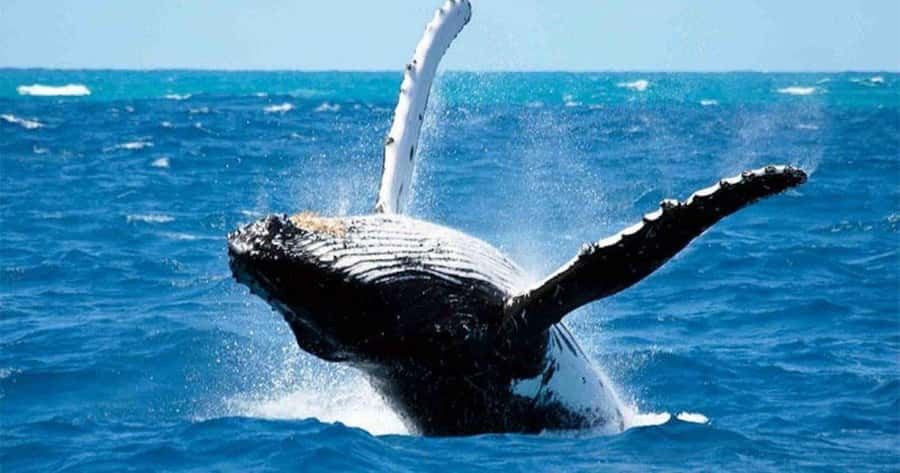
A 90-minute whale watch is a good fit when you want to see humpbacks but do not want to spend most of your morning on a boat. Blue Water Rafting departs from Kihei Boat Ramp, so you avoid a long transfer from the resort areas around Kihei and Wailea.
The route takes you into the south-shore waters where humpbacks gather during the season. The supplied details do not name individual guides, but the tour includes a live English-speaking guide who explains the whales and their behavior as you search.
The trip is built around quick access to the viewing area. Once the boat leaves the ramp, your time is spent looking for blows, backs, tails, and calves rather than sitting through a long harbor cruise. The boat is described as fast and convenient, which matters on a short outing. Every extra minute spent moving toward the whale area gives you more time to watch.
The 90-minute format also suits families and people with packed schedules. You can place it between breakfast and another Maui activity without giving up an entire day. If you want a full marine excursion with several stops, this is not that kind of trip. It is a focused whale watch.
More whale watching on Maui:
- Maui Eco-Raft Tour: Eye-Level Whale or Dolphin Watching – Lahaina
★ 5.0 · 2,482 reviews - From Maalaea: Whale Watching Tour Aboard the Quicksilver
★ 4.5 · 1,461 reviews - Maui: Ultimate Whale Watch from Lahaina
★ 5.0 · 1,162 reviews
Leaving from Kihei Boat Ramp
The departure point is one of the tour’s strongest practical features. Kihei Boat Ramp is about 10 minutes from the Kihei and Wailea resort areas, and free parking is available at the ramp.
You should check in 30 minutes before departure. That extra time is useful because the boat needs to load safely, and whale-watch operators must allow time between trips to meet federal regulations. Do not plan to arrive at the last minute, even if you are staying nearby.
Bring water, sunscreen, a hat, and a camera. Maui sun can feel strong on open water, and you will have little shade once the boat gets moving. A hat helps, though you should hold onto it securely in the wind.
There is no smoking, and feeding animals is not allowed. Those rules protect the marine setting and keep the trip focused on responsible wildlife viewing.
The first minutes on the water
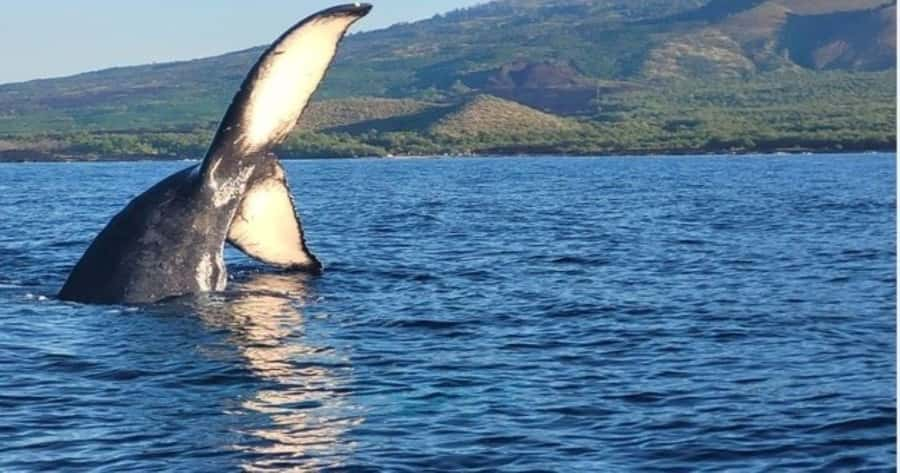
After leaving the ramp, the boat heads toward the south-shore whale area. The ride is meant to be quick, with the crew watching for signs of activity as you go.
Your first useful skill is learning to scan the water. A whale’s blow may appear before the rest of the animal. Then you may see a dark back, a tail, or a calf surfacing beside a larger whale.
The tour promises close encounters within 100 yards. That does not mean a whale will surface beside the boat on every pass. Wildlife controls the timing, direction, and distance. Still, this range can give you a clear look when a whale surfaces nearby.
The guide also provides information about humpbacks, their migration, and their behavior. One recent booking report described the information as brief rather than a formal lecture. That is worth noting. If you want constant narration, this may feel light. If you prefer to watch the sea without a long speech, the simple approach may suit you well.
Watching mothers, calves, and pods
The south shore is noted for humpbacks and their young. That gives the tour a particular appeal during the whale season. A mother and calf can surface together, and the calf may be easier to spot because it often moves close to the adult.
Pods may also appear. The word pod can sound grand, but it does not guarantee a large group. You might see several whales together, or you might watch one animal surface and disappear before another appears nearby.
The crew’s goal is to find whales quickly, which leaves more of the 90 minutes for viewing. That is important on a short trip. A whale watch can feel disappointing if most of the time is spent searching, even when the crew is working hard. Here, the advertised route and fast boat are designed to reduce that problem.
You should keep your camera ready, but do not spend the whole trip looking through a screen. Whales surface without much warning. Watch the water first, then take pictures when you have a clear chance.
Same island, a different kind of day:
- Small-Group Road to Hana Adventure Tour with Pickup & Lunch
★ 5.0 · 3,064 reviews - Maui Pineapple Farm Tour in Haliimaile
★ 5.0 · 2,855 reviews - Maui Snorkeling Adventure to Molokini and Turtle Town
★ 4.5 · 2,221 reviews - Maui: Haleakala Sunrise Spectacular with Local Breakfast
★ 4.5 · 2,155 reviews
Hearing the whales through the hydrophone
The hydrophone is more than a technical extra. It changes the experience from watching animals at the surface to getting a small sense of what happens below it.
Humpback calls can travel through the water, and the onboard sound system lets you listen to them. You may hear the calls while watching for a whale to rise. That combination can make a short sighting feel more complete, even if the animal surfaces only a few times.
The sound system also gives the guide another way to explain whale behavior. Sightings can be brief, especially when the sea is moving. Listening helps fill the quiet stretches between blows and surfaces.
You should not expect a concert or nonstop whale song. The hydrophone is there to help you hear what is happening underwater when conditions allow. Its value is greatest for people who want more than a quick photograph.
Morning conditions and boat comfort
Morning departures are recommended because the south-shore water is generally calmer then. This is a practical tip, not a guarantee of smooth seas. Ocean conditions can change, and a fast boat can still move sharply over waves.
If you have back problems, take the restriction seriously. The trip is not suitable for people with back problems or pregnant women. The same boat movement that helps the vessel cover distance quickly can be uncomfortable for anyone sensitive to motion.
The boat is presented as comfortable and safe, but the available information does not specify seating, shade, or restrooms. Plan for an open-water ride and dress for sun and spray. Bring only what you can manage safely on a moving boat, especially cameras and hats.
Morning also makes sense for another reason: you begin the day with your main wildlife activity finished. If conditions or scheduling affect a later plan, you still have much of the day left. That is a small but useful advantage when organizing a Maui itinerary.
What the $82 price is buying
At $82 per person, this is not a bargain-bin harbor ride, but the price includes several things that matter. You get a 90-minute boat trip, a live English-speaking guide, hydrophone access, and a whale sighting guarantee.
The guarantee is especially important. If no whale is seen, the next ride is free. It does not turn wildlife into a sure performance, and you still need enough time in your schedule to use the replacement ride. But it lowers the risk of paying for a search that produces no sighting.
Free parking also improves the real value. You do not need to add a separate parking charge at the departure point, and the short drive from Kihei or Wailea resorts keeps transport costs and hassle down.
A recent January 2026 booking report raised a serious service concern: the trip was canceled while people were boarding, then the replacement departure did not operate as expected, and the person reported difficulty getting a refund. This is one report, not proof of a normal pattern, but it is worth treating the cancellation and refund terms carefully. The stated policy allows free cancellation up to 24 hours before departure, and you can reserve now and pay later. Keep confirmation details and contact the provider promptly if the operator changes your trip.
Who should choose this 90-minute outing
I would choose this tour if you are staying in Kihei or Wailea and want a short, direct whale watch with simple parking. It also suits you if hearing whale calls matters as much as seeing them.
Families may like the limited time on the water, though children must be able to follow boat safety rules and remain comfortable on a moving vessel. The activity is also a good match for anyone who wants to leave room in the day for beaches, meals, or another scheduled visit.
You may want a different option if you need a fully accessible experience, have back trouble, are pregnant, or strongly dislike boat motion. You may also prefer a longer trip if you want more time for photography or a broader marine itinerary.
The light narration can go either way. If you want a natural, quiet watch with useful facts, it may be just right. If you expect a detailed natural-history talk from start to finish, you may find the commentary too brief.
Small details that improve your chances
Check in 30 minutes early. That gives you time to park, find the departure point, and board without rushing.
Choose a morning departure when possible. Calmer water can make the ride more comfortable and help you keep your eyes trained on the sea.
Apply sunscreen before boarding. Open water reflects sunlight, and a 90-minute trip is long enough to cause discomfort if you start unprotected.
Keep your camera ready, but do not rely on it. The best sighting may last only a few seconds, and your own eyes will catch more than a delayed phone camera.
Listen when the hydrophone is active. The sound is a major part of what separates this trip from a basic boat ride.
Finally, leave room in your schedule if a replacement ride might be needed. The sighting guarantee is useful, but it works best when you have flexibility.
Should you book Blue Water Rafting?
Book this tour if you want a short, reasonably priced whale watch from the Kihei and Wailea area, especially if free parking, morning conditions, and underwater whale sounds appeal to you. The 90-minute length keeps the outing practical, and the free next ride reduces the risk of a no-sighting trip.
Think twice if boat motion causes pain, if you are pregnant, or if you need a long educational program. Also keep the recent cancellation and refund complaint in mind, and confirm your booking details before setting out.
For most able-bodied visitors with a flexible morning, this is a focused way to look for Maui humpbacks without giving up an entire day.
FAQ
How long is the Maui whale watching tour?
The tour lasts 90 minutes.
Where does the boat depart?
It departs from Kihei Boat Ramp, about 10 minutes from resorts in Kihei and Wailea.
Is whale watching guaranteed?
Yes. If you do not see a whale, your next ride is free.
Can I hear the whales during the tour?
Yes. The boat uses a hydrophone sound system so you can listen to whale calls underwater.
What should I bring?
Bring a hat, camera, sunscreen, and water.
When should I arrive, and are morning trips better?
You should check in 30 minutes before departure. Morning trips generally offer calmer conditions along Maui’s south shore.
Just added on Maui
- Two Site Snorkeling Adventure featuring the Molokini Crater★ 5.0 · 4 reviews
- Road to Hana Deluxe Rainforest & Waterfall Experience from Maui★ 5.0 · 116 reviews
- Traditional Airport Lei Greeting on Kahului Maui★ 5.0 · 95 reviews
- Turtle Town Clear Kayak & Snorkel Tour (8am-11am)★ 5.0 · 100 reviews
- The Best Maui 3 Hour Molokini and Turtle Town Snorkel★ 5.0 · 106 reviews
- 3-Hour Small-Group Maalaea Luxury Snorkel Cruise Tour★ 5.0 · 29 reviews
- Elite Private Tour★ 5.0 · 7 reviews
- VIP Premiere Whale Watch Kaanapali Beach MAX 12 PASSENGERS★ 5.0 · 78 reviews
Whale Watching, compared.
Maui Eco-Raft Tour: Eye-Level Whale or Dolphin Watching – Lahaina
Read our review →
2-Hour Oahu Whale Watch from Ala Wai Harbor, Waikiki
Read our review →
Luxury Snorkel Cruise, Local Buffet with Whale & Dolphin Watch
Read our review →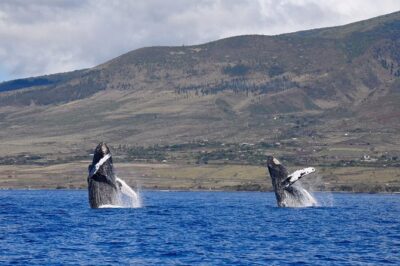
WHALES GUARANTEED Maui Whale Watching Makai Adventures
Read our review →
Waikiki, Oahu 2-Hour Whale Watching: Guaranteed Sightings
Read our review →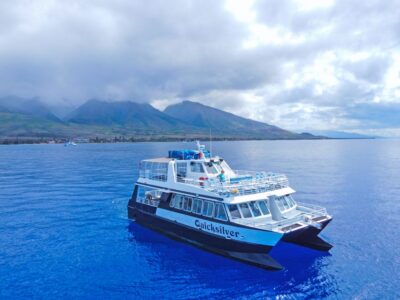
Ma’alaea Harbor: Whale Watching Tour Aboard Power Catamaran
Read our review →Browse the lists this tour appears in