
Reviewed · TOURS IN MAUI
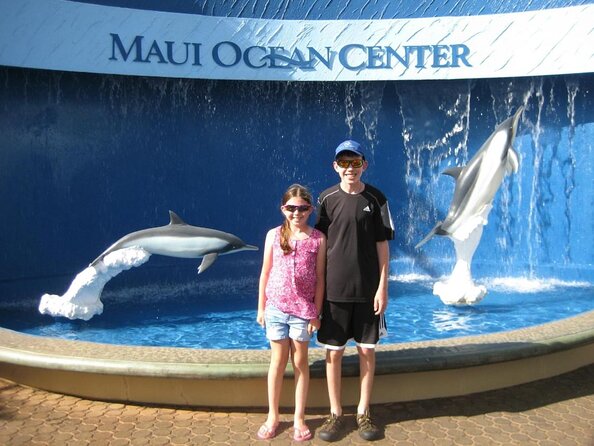
Maui Ocean Center All Day Admission Ticket
The most memorable feature here is the Humpbacks of Hawaii 3D Sphere, a short film-style experience that puts you face-to-face with humpback whales. It is a fine way to see these huge animals when they are not breaching offshore. I also like the focus on creatures native to Hawaii and the chance to see live Pacific corals, sharks, rays, turtles, and eels in one easy stop.
I like the all-day admission, since you can come early, eat at Seascape Restaurant, and return to the exhibits without rushing. The touch pools and scheduled ocean-naturalist talks add more than a simple walk past tanks. The main catch is price: at $55.44 per person, this is a medium-sized aquarium, not a Monterey Bay-sized attraction, and some families will see everything in about an hour.
Key points to know before you go
- The whale sphere is the star attraction: This short 3D presentation offers a close look at Hawaii’s humpback whales.
- More than 60 exhibits cover local sea life: Look for sharks, stingrays, turtles, octopuses, eels, jellies, reef fish, and live coral.
- Daily talks give your visit structure: Presentations take place at Turtle Lagoon, Shark Nursery Bay, Open Ocean, Discovery Pool, Living Reef, and Nursery Bay.
- You can touch selected sea life: The Tide Pool Tactile Discovery area allows a careful two-finger touch.
- All-day entry helps with the price: The aquarium is open from 9 a.m. to 5 p.m., with final entry at 4 p.m.
- Parking costs extra: Paid parking is $3 per hour through the ParkLinq app or a QR code.
Starting at Maui Ocean Center in Maalaea
Maui Ocean Center sits at 192 Maalaea Road in Wailuku, near public transportation and the harbor area. Your ticket is mobile, and admission begins at 9 a.m. You can enter any time during the day until 4 p.m., then stay until closing at 5 p.m.
That flexible schedule matters. If you are building a full day around Maalaea, arrive early, take your time with the displays, eat at Seascape Restaurant, and return to anything you missed. If you have a packed Maui schedule, a focused two-hour visit is realistic.
The aquarium is clean, well kept, and easy to walk through. You will find a mix of indoor and outdoor areas, which gives the visit some variety. It is also a useful rainy-day or hot-afternoon stop, especially for families with young children who need a break from beaches and road trips.
Parking is not included. Expect to pay $3 per hour using the ParkLinq app or the QR code provided on arrival. If you are coming from a cruise ship, plan transportation carefully. One account put round-trip taxi costs at about $100, which can change the value calculation quickly.
A few more things to do on Maui worth a look
- Road to Hana: Full-Day Scenic Drive with Blacksand & Waterfalls
★ 4.5 · 837 reviews - Oahu Ultimate Circle Island Tour Full Day Experience
★ 4.5 · 762 reviews - Full Day Oahu Circle Island -Turtle Beach Snorkel at North Shore
★ 5.0 · 662 reviews
The 750,000-gallon Open Ocean exhibit
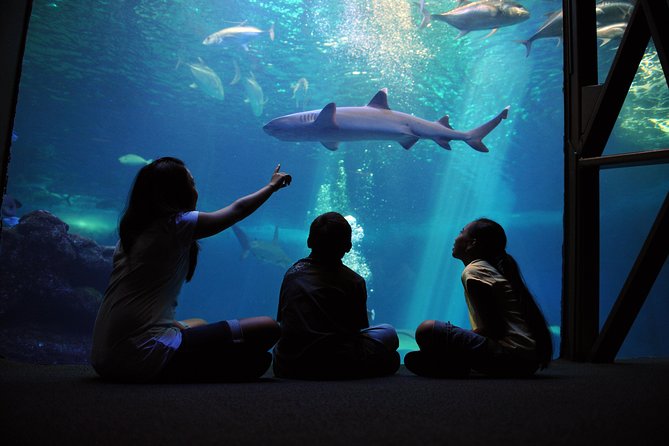
The Open Ocean exhibit is the aquarium’s largest display, holding 750,000 gallons of seawater. A clear tunnel lets you look up at sharks and other marine life moving above you. A floor window gives you another unusual angle, with sharks passing below.
This is one of the places where you should slow down. A quick walk gives you the basic view, but a few minutes of stillness lets you notice how the animals move and share the space. Families often find the sharks an easy focal point for children, while adults may pay more attention to rays, schooling fish, and the shape of the tank itself.
The exhibit is also a reminder that the aquarium is focused on Hawaiian waters. The goal is not simply to collect famous sea creatures from around the world. The displays center on species found around the islands, including animals you may not recognize from aquariums on the mainland.
You might spot octopuses, eels, stingrays, sea jellies, tropical reef fish, and other Pacific species throughout the aquarium. One fish that has made a strong impression is the frogfish, an odd-looking animal that is easy to miss if you hurry.
Living Reef and Pacific coral displays
The Living Reef exhibit is one of the strongest reasons to visit if you care about reef life. It presents live Pacific corals, along with the smaller fish and creatures that depend on them.
Coral is easy to overlook when a large shark tank is nearby, so give this section proper time. Look closely at the colors, shapes, and small movements in the reef displays. The aquarium also connects these exhibits to conservation and restoration, helping you understand that coral is living habitat, not just colorful decoration.
The coral section will not satisfy everyone. Some people expect a much larger coral collection because the aquarium is in Hawaii. If your main goal is an enormous reef hall, you may find the presentation limited. Still, the live coral displays provide a useful look at a key part of Hawaiian ocean life, and the smaller tanks make it easier to see details.
I especially like that the aquarium gives small species room to be noticed. You do not need to identify every fish to enjoy this section. Watching one unusual animal for a few minutes can be more rewarding than racing past a long row of tanks.
Turtle Lagoon and the daily presentations
Turtle Lagoon offers a closer look at Hawaiian green sea turtles. The daily Marine Naturalist Presentations take place at 10:30 a.m. and 2:30 p.m.
These talks are worth arranging your visit around. You can read signs on your own, but a naturalist can explain behavior, habitat, and conservation in a more direct way. The talks also give children a reason to pause instead of treating the aquarium as a series of quick photo stops.
The schedule creates a practical choice. If you arrive soon after opening, you can see the 10:30 presentation, continue through the exhibits, and catch the 2:30 talk if you remain for the afternoon. If you have only two hours, choose the one that fits your entry time and leave room for the whale sphere.
Same island, a different kind of day:
- Small-Group Road to Hana Adventure Tour with Pickup & Lunch
★ 5.0 · 3,064 reviews - Maui Pineapple Farm Tour in Haliimaile
★ 5.0 · 2,855 reviews - Maui Eco-Raft Tour: Eye-Level Whale or Dolphin Watching – Lahaina
★ 5.0 · 2,482 reviews - Maui Snorkeling Adventure to Molokini and Turtle Town
★ 4.5 · 2,221 reviews
Shark Nursery Bay and hands-on tide pools
Shark Nursery Bay has daily presentations at 11:45 a.m. and 1:45 p.m. The name points to a younger stage of shark life, making this a useful counterpoint to the large sharks in Open Ocean.
The aquarium also includes Tide Pool Tactile Discovery. You can get close to selected marine animals and use a gentle two-finger touch. This is not a free-for-all petting area. Listen to the staff and follow the touch rules so the animals are not stressed.
For younger children, this may be one of the most useful areas in the building. A child who is not yet interested in reading display panels can still learn through careful contact and a short explanation. Parents should stay close, since the aquarium also includes nearby family areas and a playground.
The cultural side of the visit includes a wood carving demonstration and other activities tied to local culture. These moments keep the aquarium from feeling like a generic collection of tanks. They connect the sea life to Hawaii as a place with its own traditions, history, and relationship with the ocean.
The Humpbacks of Hawaii 3D Sphere
The Humpbacks of Hawaii 3D Sphere is the feature most likely to shape your opinion of the entire visit. The presentation is short, but the rounded screen creates the sensation of being beneath the surface with humpback whales.
It is not a substitute for seeing whales in open water. It is controlled, brief, and theatrical. Still, it gives you a close view of the animals and helps explain why humpbacks matter to Hawaii. Several people have found this the best part of the aquarium, and I can see why it makes such a strong impression.
The experience is not open to children under five. Keep that restriction in mind if you are visiting with toddlers or a large family group. Parents may want to split up briefly so older children can see the sphere while a younger child stays with an adult.
Because the presentation is short, do not treat it as the whole reason to pay admission. Think of it as the aquarium’s standout feature, surrounded by coral, turtles, sharks, and cultural displays.
How long to plan and how to use the all-day ticket
The usual visit takes about two hours. That is enough time to walk through the exhibits, watch the main tanks, see the whale sphere, and attend one or two presentations.
You can also stretch the visit to four or five hours if you read every panel, take photographs, sit with the animals, attend several talks, and stop for lunch. The all-day ticket gives you that freedom. You do not need to choose between a careful aquarium visit and a meal at Seascape Restaurant.
A fast family visit may take less than an hour, especially if children focus on the sharks and skip the written material. That is the central value question. At $55.44 per person, the ticket feels more reasonable when you use the scheduled talks, cultural demonstration, whale sphere, restaurant, and return privileges. It feels expensive if you simply walk from entrance to exit.
Seascape Restaurant serves fresh catch specials and island-inspired food. It is Ocean-Friendly certified, so the meal fits the aquarium’s conservation message. Food and drinks are not included in admission, but the restaurant can help turn a short aquarium visit into a relaxed half-day outing.
The Maui Ocean Treasures gift shop provides another stop before you leave. Shopping is optional, of course, but it is useful if you want a small ocean-themed souvenir without making a separate stop elsewhere.
Family visits, mobility, and practical comfort
This is a family-friendly activity for many ages. Toddlers can watch moving fish and sharks, older children can use the touch pools, and adults can spend more time with the conservation displays. The aquarium is generally easy to walk through, and most areas are accessible.
There is one important caution. Some presentations take place in stairwell areas, and the stairs may be difficult for people with mobility limitations. One account described a protruding rock near a presentation area that created a tripping hazard. If you use a wheelchair, have balance concerns, or are traveling with someone who tires easily, check the route before committing to every talk.
Service animals are allowed. Most people can take part, but the stairwell layout and the under-five rule for the whale sphere are worth considering before you buy several tickets.
The aquarium can also be a calm stop. It is not a thrill ride, and the pace is mostly self-directed. That suits children who like to watch animals quietly, couples looking for an indoor activity, and anyone who wants a break from driving around the island.
Is $55.44 a fair price?
The honest answer depends on what you compare it with. The aquarium is not as large as major institutions such as Monterey Bay Aquarium or a large mainland city aquarium. If you expect that scale, you may feel underwhelmed. Some people see the full collection in less than an hour.
The price makes more sense if you value Hawaii-specific marine life rather than sheer size. You are paying for the Open Ocean exhibit, live Pacific corals, sea turtles, touch pools, presentations, the cultural program, and the whale sphere. The ticket also lets you return during the same day, which is useful if you eat on site.
I would recommend allowing at least two hours before deciding the ticket is too costly. Attend one presentation, spend time at the Open Ocean tunnel, and watch the whale sphere. If you still feel finished after that, you have at least used the main parts of the admission.
Parking and transportation add to the cost. At $3 per hour, parking is modest for a short visit, but taxi fares from the cruise area can change the budget. If you are already renting a car or staying nearby, the value is easier to defend.
Who should book this Maui aquarium visit?
I would book it for families with children who like animals, couples seeking an indoor activity, and anyone with a serious interest in Hawaiian marine life. It is also a good choice if you want a structured educational stop without committing to a boat trip or a full-day excursion.
I would be more cautious if you have already visited several huge aquariums and expect a similar scale. I would also think twice if you have only one free hour, cannot attend the whale sphere because of young children, or dislike paying premium admission for a compact attraction.
For the best experience, arrive early, note the presentation times, and give yourself enough time for the whale sphere and Open Ocean tunnel. If you are staying for lunch, the all-day format becomes much more useful.
Should you book the Maui Ocean Center?
Book it if you want a clean, easy-to-manage look at Hawaiian sea life, especially if turtles, sharks, coral, and humpback whales interest you. The whale sphere, live coral displays, and naturalist talks give the aquarium more substance than a simple row of tanks.
Skip it if your priority is the largest possible aquarium or the lowest-cost attraction. At $55.44, the visit needs two thoughtful hours, not a rushed walk-through, to feel worthwhile. Free cancellation is available up to 24 hours before the start time, but changes or cancellations within 24 hours are not refunded.
FAQ
How long does a visit to Maui Ocean Center take?
The expected visit lasts about two hours, but you can stay longer because admission allows access from 9 a.m. to 5 p.m. Final entry is at 4 p.m. Some people may see the main exhibits in about an hour, while a careful visit with presentations and lunch can take four to five hours.
What are the opening and final entry times?
You can enter between 9 a.m. and 4 p.m. The aquarium closes at 5 p.m.
What does admission include?
Admission includes access to more than 60 exhibits, the Humpbacks of Hawaii 3D Sphere, Turtle Lagoon, daily naturalist presentations, a cultural wood carving demonstration, Tide Pool Tactile Discovery, Shark Nursery Bay, and the Living Coral Reef Exhibit.
How much does the ticket cost?
The listed price is $55.44 per person.
Is parking included?
No. Parking costs $3 per hour and is paid through the ParkLinq app or a QR code on arrival.
Can children under five enter the whale sphere?
Children under five are not permitted to take part in the whale sphere experience.
Can I cancel for a refund?
Yes. You can cancel at least 24 hours before the experience start time for a full refund. Cancellations or changes made less than 24 hours before the start time are not accepted and are not refunded.
Just added on Maui
- Central Maui: Two-Island Scenic Helicopter Flight to Molokai★ 4.9 · 165 reviews
- Goat Yoga with Miniature Goats In Maui★ 5.0 · 55 reviews
- A Maui Beach Photoshoot in Wailea★ 5.0 · 154 reviews
- Maui: Molokini Snorkel and Performance Sail with Lunch★ 4.8 · 224 reviews
- South Maui: Sunset Prime Rib or Island Fish Dinner Cruise★ 4.7 · 242 reviews
- Maui Circle Island-PRIVATE-Air Tour for 2-5: Waterfalls & Lava!★ 5.0 · 228 reviews
- Clear Kayak Tour with Pontoons and Optional Snorkeling-Unlimited★ 5.0 · 224 reviews
- Haleakala Maui Sunset Twilight Tour with Dinner★ 4.5 · 240 reviews
Tours in Maui, compared.
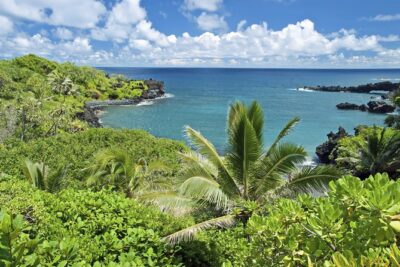
Small-Group Road to Hana Adventure Tour with Pickup & Lunch
Read our review →
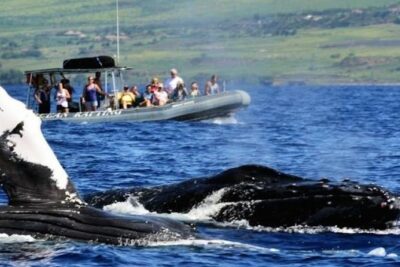
Maui Eco-Raft Tour: Eye-Level Whale or Dolphin Watching – Lahaina
Read our review →
Maui Snorkeling Adventure to Molokini and Turtle Town
Read our review →
Haleakala Sunrise Spectacular with Local Breakfast
Read our review →
Maui Snorkeling Adventure From Ma’alaea Harbor to Molokini
Read our review →

Browse the lists this tour appears in