Reviewed · TOURS IN MAUI
Macnut Tour, Picnic lunch and Maui Bees
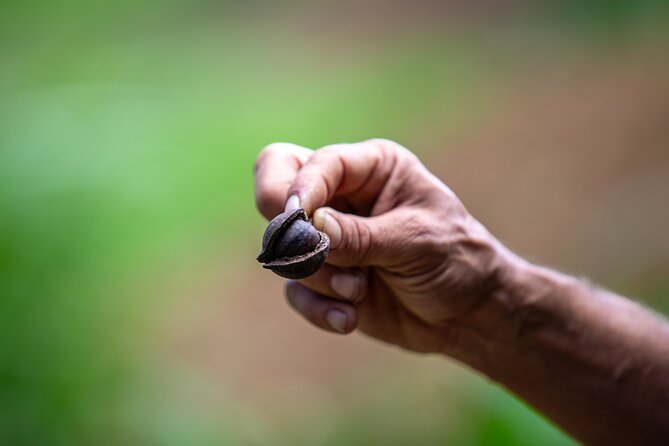
Maui’s Macnut Tour is really a lesson in regenerative farming, not a quick stop at a nut shop. You walk through a large solar-powered farm, see hydroponic growing in action, sample honey and fresh macadamia nuts, then sit down to a farm to table lunch at Ula’Ula Cafe.
I like two things right away: the tour shows how damaged farmland can be put back to work, and the food gives you a direct taste of that effort. I also like that this is a private tour, so your group can move at a comfortable pace instead of being swept along with a large crowd.
The main consideration is time. At about two hours, the visit offers a useful introduction rather than a full day of farm work or a detailed bee-keeping course. If you want a dedicated Maui Bees program, confirm how much time will focus on bees before booking.
Key points about the Macnut Tour
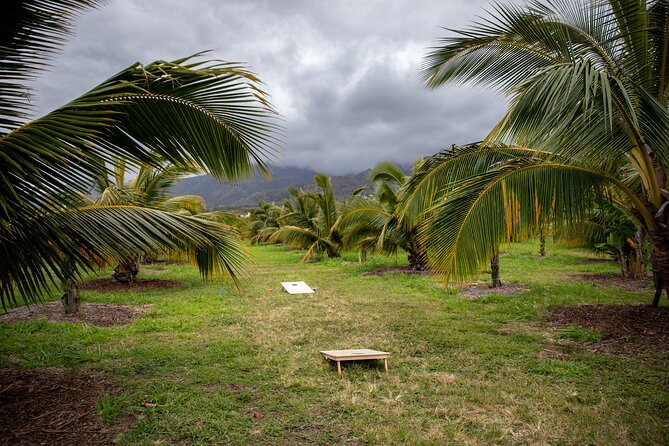
- Nearly 1,000 acres of working farmland: See macadamia, banana, coconut and dragon fruit plants in a broad agricultural setting.
- Solar-powered and regenerative methods: Learn how the farm aims to produce food while repairing and caring for the land.
- Hydroponic greenhouse visit: Compare soil-based crops with controlled growing systems.
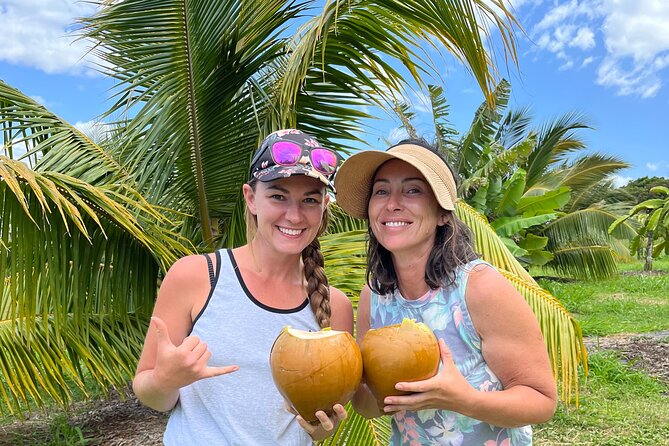
- Samples included: Taste honey, macadamia nuts, and produce such as coconut and dragon fruit when available.
- Farm to table lunch at Ula’Ula Cafe: Finish with a substantial meal made with farm produce, including options such as fried rice with kalua pork.
- Private, two-hour format: Your own group participates, with the tour beginning and ending at Ula’Ula Cafe in Wailuku.
Why this is more than a macadamia nut stop
Many Maui farm visits follow a simple pattern: walk past a few plants, taste a product, and shop. This one gives you a wider view of agriculture on the island. You learn about soil recovery, water use, greenhouse growing, food production, and the practical work needed to run a large farm.
That wider focus is the real reason to book it. I would choose this tour if you want to understand how food is grown in Hawaii, not simply buy a bag of nuts. The macadamias are still central, but they are part of a larger story about land care and local food.
The farm covers almost 1,000 acres and uses solar power. That scale matters. You are not looking at a decorative garden built only for visitors. You are seeing an active agricultural operation with different crops and growing methods working together.
The visit also offers a useful counterpoint to Maui’s better-known beach and mountain activities. After a busy day in the sun, a farm walk can feel calm and grounded. You get to see another side of the island, one tied to food, labor, and community rather than scenery alone.
Other trips people book on Maui:
- Small-Group Road to Hana Adventure Tour with Pickup & Lunch
★ 5.0 · 3,064 reviews - Maui Pineapple Farm Tour in Haliimaile
★ 5.0 · 2,855 reviews - Maui Eco-Raft Tour: Eye-Level Whale or Dolphin Watching – Lahaina
★ 5.0 · 2,482 reviews
Starting at Ula’Ula Cafe in Wailuku
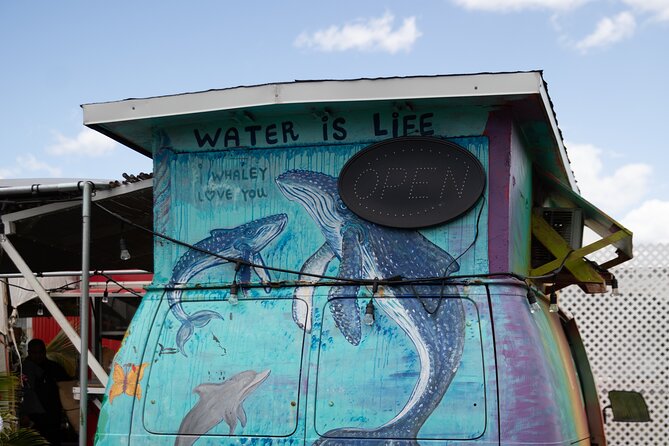
The meeting point is Ula’Ula Cafe at 1765 Kahekili Highway in Wailuku. The tour begins and ends here, which keeps the logistics simple. You do not need to arrange a separate drop-off at the end, and you can return to the cafe for lunch without moving to another site.
The cafe is more than a place to gather. It is where the farm to table meal takes place, so the tour has a clear rhythm: meet, walk, learn, sample, and eat. That makes good use of a two-hour visit.
Because the activity is offered in English, you can expect the explanations and guided walk to be in English. The experience includes mobile ticketing, and confirmation is usually sent at booking. If you book within four hours of the start time, confirmation comes as soon as possible and remains subject to availability.
The farm is near public transportation, according to the supplied details, but no transfer service is listed. I would plan your route to the cafe in advance, especially if you are fitting this between other Maui plans.
Walking through a solar-powered farm
The walking portion introduces the farm’s main crops and growing systems. You can expect to see macadamia nut trees, banana trees, coconut trees, and dragon fruit plants. The variety gives the tour a practical feel because you are looking at several types of tropical agriculture in one place.
Macadamia nuts are the headline crop, but the other plants help explain how a farm can provide more than one product. Bananas, coconuts, and dragon fruit also show the range of food that can grow in Maui’s conditions. Depending on the season and what is ready, you may have a chance to taste some of these foods.
The walking route is also where the environmental message becomes concrete. Instead of hearing general statements about sustainability, you learn about day-to-day farming practices and the rehabilitation of previously abused farmland. That context is valuable. It shows that responsible farming is not simply about installing solar panels. It also involves restoring soil, managing crops, and making careful choices over time.
The tour is described as a walking farm visit, but the supplied information does not give a precise distance, trail surface, or amount of elevation change. Most travelers can participate, though I would still wear comfortable shoes and prepare for outdoor conditions. Anyone who needs a very gentle or fully accessible route should ask the operator for current details before booking.
The hydroponic greenhouse and farm systems
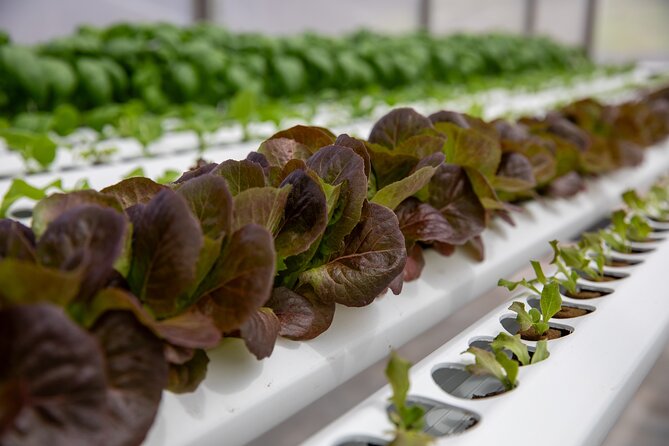
The hydroponic greenhouse adds a different angle. Here, you can see food grown in a controlled system rather than only in open fields or beneath trees. For anyone curious about modern agriculture, this is one of the more useful parts of the tour.
Hydroponics can sound technical, but the setting makes the idea easier to understand. You see how a farm uses more than one method to grow food, and you can ask questions in the moment. The point is not that one system replaces the other. Instead, the farm shows how different approaches can serve different crops and conditions.
This part should appeal to families, gardeners, students, and anyone interested in food production. You do not need a green thumb to follow along. The explanations are designed for a general audience, so the visit works for people who want a light introduction as well as those already interested in growing food.
I would not book this expecting a long technical seminar. The tour lasts about two hours and includes several parts, so the greenhouse visit is one piece of a broader walk. Its value comes from seeing it alongside the outdoor crops and land-recovery work.
Same island, a different kind of day:
- Maui Snorkeling Adventure to Molokini and Turtle Town
★ 4.5 · 2,221 reviews - Maui: Haleakala Sunrise Spectacular with Local Breakfast
★ 4.5 · 2,155 reviews - Maui Snorkeling Adventure From Ma’alaea Harbor to Molokini
★ 4.5 · 1,997 reviews - Maui: Turtle Town Snorkel with Photo and Video
★ 5.0 · 1,916 reviews
Tasting honey, macadamias, and tropical produce
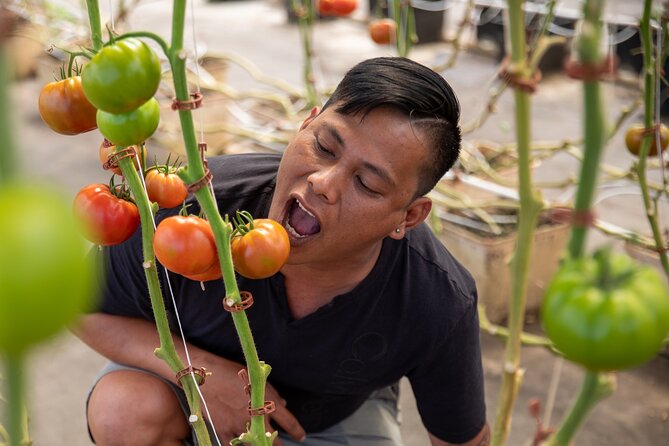
Samples make the visit feel connected to the farm. You can taste honey and macadamia nuts during or after the tour, and the supplied details also point to fresh coconut and dragon fruit tastings. Availability can depend on what is ready, but these samples give you a direct way to compare the farm’s products with packaged versions sold elsewhere.
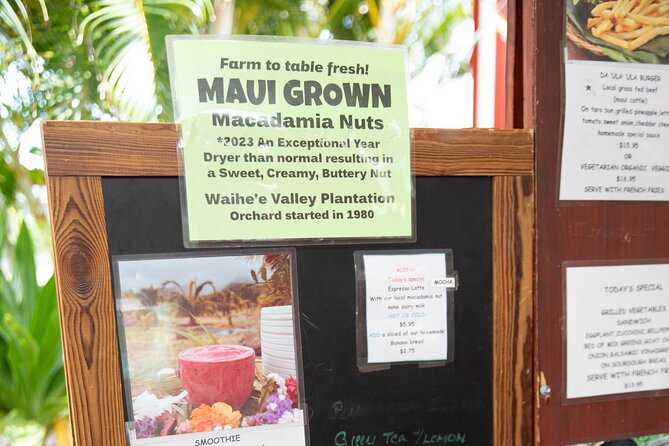
The macadamia nuts receive especially strong attention. The farm uses a drying process that does not rely on gas dryers, according to the information provided. That is a specific detail worth asking about when you visit, particularly if you care about production methods and flavor.
I would save room for the tasting even if you plan to buy snacks elsewhere. Fresh macadamias can have a creamier texture than older packaged nuts, and the samples help you decide if the farm’s bags are worth taking home. The tour includes a good helping of macadamia nuts and souvenirs, though the exact form and quantity are not specified.
The honey also fits naturally into the farm story. It connects the visit to pollination and food production, even though the information does not promise a separate, in-depth hive demonstration. If bees are your main interest, ask how the Maui Bees portion is handled on your date.
Lunch at Ula’Ula Cafe
The meal is one of the strongest reasons to consider the tour. Rather than ending with a sample and a gift shop, the visit finishes with a farm to table lunch using produce grown on site.
The available details specifically mention fried rice with kalua pork as a popular choice. I would consider that a good pick if you want something filling and local in spirit. The meal gives you a chance to sit down after the walk and taste the farm’s work in a complete dish rather than as isolated samples.
A farm meal is not automatically good simply because it is served on a farm. Here, the appeal is the connection between what you have just seen and what arrives on your plate. You have walked past crops, learned about growing methods, and then eaten food made with produce from the same operation.
The information does not list a full menu, vegetarian choices, allergy handling, or special-diet arrangements. If any of those matter to you, ask before arrival. The lunch is included as part of the experience, but the exact meal may vary.
What the private format changes
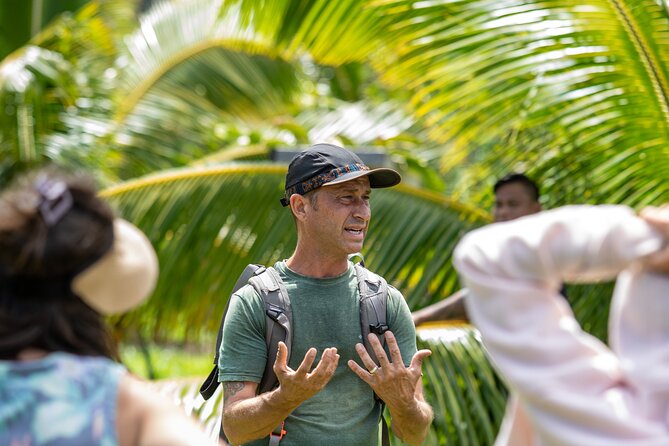
This is a private activity, meaning only your group participates. That can make a real difference on a farm walk. You can ask questions without waiting behind a large group, and the guide can adjust the pace to suit your party.
The private format may be especially useful for families or mixed-age groups. Someone interested in plants can ask detailed questions, while someone else can enjoy the samples and scenery without feeling rushed. The tour information also says the guide takes the walk at a pace comfortable for each group.
You should still keep expectations realistic. Private does not mean completely self-directed. The route, farm access, samples, and lunch remain part of the operator’s planned experience. But you get a more personal setting than a large shared bus tour.
No individual guide names are provided, so I would not expect to request a particular guide based on the available information. The important point is that the guide leads the farm walk and explains the growing practices, crops, and sustainability work.
Is $123.75 a good value?
At $123.75 per person, this is not a bargain-priced farm snack stop. The cost needs to cover a private guided visit, access to a large working farm, samples, lunch, and the time of the farm team.
I think the price makes sense if you value the full package. You are getting more than a short tasting: the visit combines education, outdoor time, food, and souvenirs. It can also replace the need to plan a separate lunch around Wailuku.
The value is weaker if your only goal is to buy macadamia nuts. You can spend less on nuts elsewhere, and a two-hour visit may feel short if you want a long agricultural tour. The price works best for people who want the story behind the food and appreciate a private format.
The tour has received a five-star rating from all 10 supplied ratings, with 100 percent recommending it. That is a small sample, so I would treat it as encouraging rather than final proof. The praise centers on the same practical features: the farm’s sustainability work, the fresh tastings, the guide’s engaging approach, and the lunch.
Who should book this Maui farm visit?
I would recommend it to families, couples, food-focused visitors, gardeners, and anyone looking for a slower activity between more demanding Maui outings. It suits a wide age range because you can learn, walk, taste, and eat without committing to a strenuous adventure.
It is also a good fit if you have already seen Maui’s main scenic attractions and want a more local activity. The farm shows how people work with the island’s conditions and how food reaches the table. That gives you a useful connection to Maui beyond beaches and viewpoints.
I would think twice if you want a dedicated bee tour, a long hike, or a full-day farm course. The name includes Maui Bees, but the supplied details focus on the farm, honey samples, macadamias, hydroponics, and lunch. Confirm the bee content if that is the main reason you are booking.
Service animals are allowed, and most people can participate. The experience is offered in English. Free cancellation is available if you cancel at least 24 hours before the start time. Within 24 hours, the payment is not refunded, and changes are not accepted. The activity also requires a minimum number of participants, so a cancellation by the operator may lead to another date or a full refund.
Should you book the Macnut Tour?
Book it if you want an easy-to-fit, food-focused farm visit that explains how Maui agriculture works. The best parts are the large solar-powered farm, the mix of traditional and hydroponic growing, the fresh samples, and the satisfying lunch at the same place where you begin.
I would especially choose it for a private group that wants conversation and flexibility rather than a standard shared excursion. Bring comfortable shoes, plan your route to Ula’Ula Cafe, and ask about the lunch menu and bee-focused content if either is important to you.
Skip it if you only want a short macadamia tasting or a dedicated beekeeping lesson. For everyone else, $123.75 buys a thoughtful two-hour look at farming, food, and land care, with a meal that makes the ideas easier to remember.
FAQ
Where does the Macnut Tour begin and end?
The tour begins at Ula’Ula Cafe, 1765 Kahekili Highway, Wailuku, Hawaii 96793. It ends back at the same meeting point.
How long does the experience last?
The tour lasts approximately two hours.
What is included in the farm visit?
The experience includes a guided farm and hydroponic greenhouse walk, samples such as honey and macadamia nuts, a farm to table lunch, souvenirs, and a helping of macadamia nuts.
Is this a private tour?
Yes. Only your group participates in the activity.
Is the tour offered in English?
Yes. The experience is offered in English and includes a mobile ticket.
What is the cancellation policy?
You can cancel at least 24 hours before the start time for a full refund. Cancellations or changes made within 24 hours are not accepted for a refund. If the operator cancels because the minimum number of participants is not met, you can receive a full refund or choose another date or experience.
Just added on Maui
- Two Site Snorkeling Adventure featuring the Molokini Crater★ 5.0 · 4 reviews
- Road to Hana Deluxe Rainforest & Waterfall Experience from Maui★ 5.0 · 116 reviews
- Traditional Airport Lei Greeting on Kahului Maui★ 5.0 · 95 reviews
- Turtle Town Clear Kayak & Snorkel Tour (8am-11am)★ 5.0 · 100 reviews
- The Best Maui 3 Hour Molokini and Turtle Town Snorkel★ 5.0 · 106 reviews
- 3-Hour Small-Group Maalaea Luxury Snorkel Cruise Tour★ 5.0 · 29 reviews
- Elite Private Tour★ 5.0 · 7 reviews
- VIP Premiere Whale Watch Kaanapali Beach MAX 12 PASSENGERS★ 5.0 · 78 reviews
Tours in Maui, compared.
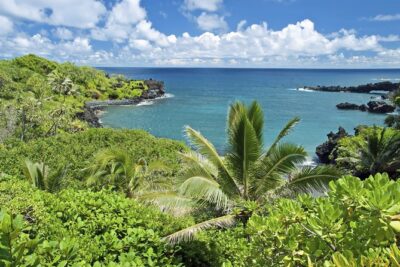
Small-Group Road to Hana Adventure Tour with Pickup & Lunch
Read our review →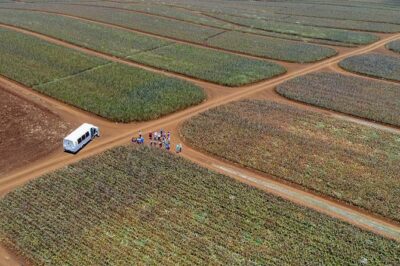

Maui Eco-Raft Tour: Eye-Level Whale or Dolphin Watching – Lahaina
Read our review →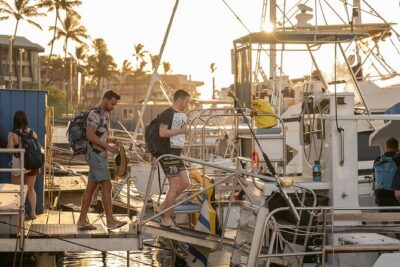
Maui Snorkeling Adventure to Molokini and Turtle Town
Read our review →
Haleakala Sunrise Spectacular with Local Breakfast
Read our review →
Maui Snorkeling Adventure From Ma’alaea Harbor to Molokini
Read our review →