
Reviewed · FARMS
Edible Hibiscus Guided Farm Tour (Big Island)
The most unusual part of this Big Island outing is that the flower in front of you is also the snack on your plate. Near Honokaa, Susan and Lance lead you through their hibiscus farm, explaining how culinary hibiscus differs from the familiar ornamental plants used mainly for decoration.
I like the hands-on tasting, especially the tea, flowers in syrup, preserves, and baked treats. I also like the small group size, capped at 12, which gives the visit a personal farm-visit feel rather than a factory tour.
The main consideration is focus. This is a short agricultural tour, not a broad sightseeing stop. If gardening and hydroponic growing do not interest you, the greenhouse portion may feel more technical than exciting.
Key points to know before you go
- Taste hibiscus in several forms: Try flowers, tea, preserves, flowers in syrup, and other farm-made samples.
- Meet the farmers themselves: Susan and Lance guide the visit and explain how their products are grown and made.
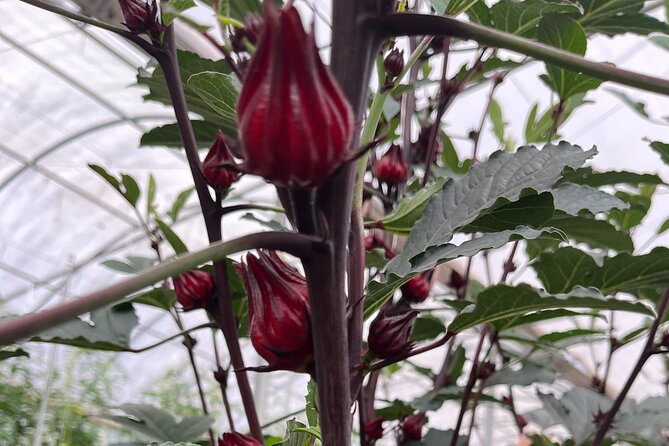
- See both outdoor plants and a greenhouse: The tour covers a demonstration garden and a hydroponic production area.
- Expect a compact group: No more than 12 people can join, making questions and conversation easier.
- Allow about 90 minutes: The experience begins and ends at 44-2790 Kalopa Mauka Road near Honokaa.
- Save room for farm products: You can buy hibiscus tea, preserves, and other items after the tasting.
A flower farm with something to eat
Most farm tours ask you to look closely. This one also asks you to taste. That simple change makes the visit memorable, because hibiscus stops being just a bright tropical flower and becomes an ingredient with several uses.
Susan and Lance walk you through the story of their farm and the work behind its products. You learn about hibiscus cultivation, hydroponic farming, and the differences between plants grown for food and those grown mainly for appearance.
The setting is the countryside of the Hamakua Coast, just outside Honokaa in the northern part of the Big Island. The property includes an outdoor demonstration garden, a greenhouse, and views toward the ocean. It is a useful stop for anyone already driving this part of the island, especially if you enjoy gardens, local food, or small-scale farming.
The tour lasts about an hour and a half. That is long enough to cover the growing process and enjoy a proper tasting, but short enough to fit into a day of exploring near Honokaa.
Other coffee and chocolate farms to visit on Big Island of Hawaii:
- Big Island Highlights: Coffee, Volcano, Black Sands & Waterfall
★ 5.0 · 1,054 reviews - Hawaiian Salt Farm Tour in Kona
★ 5.0 · 767 reviews - Award Winning Farm Tour: Coffee, Chocolate and Unique Gifts
★ 5.0 · 484 reviews
Starting near Honokaa on the Hamakua Coast
You meet at 44-2790 Kalopa Mauka Road, Honokaa, Hawaii 96727. The activity ends at the same location, so you do not need to arrange a separate ride between sections of the farm.
The farm setting is part of the appeal. This is not a downtown food demonstration or a polished visitor center. You are visiting an active agricultural property in the countryside, where the plants, greenhouse, and products connect directly.
The location also makes the tour a natural companion to a Hamakua Coast driving day. You can plan it as a focused stop rather than an all-day commitment. Since the exact amount of time needed for driving is not provided, check your route carefully before booking and leave enough time to arrive at the meeting point.
A mobile ticket is accepted, and the tour is offered in English. Confirmation is provided when you book. The small group limit matters here because the farm is best experienced through conversation and questions, not by standing at the back of a large crowd.
Learning the difference between ornamental and culinary hibiscus
The first useful lesson is also one many people miss: not every hibiscus plant is meant to be eaten. Ornamental hibiscus and culinary hibiscus may both look attractive, but they serve different purposes.
The tour explains how to tell those categories apart and why the distinction matters. You see several hibiscus varieties in the outdoor demonstration garden, then connect what you see to the food products made on the farm.
This section should appeal to gardeners and plant lovers. You are not simply hearing a list of plant names. You are learning how a flower moves from cultivation to the kitchen, and why careful selection matters when food is the goal.
The garden is also where expectations should stay realistic. The property does not offer an enormous collection of edible and ornamental plants. Some flowers may show signs of insect damage, a normal problem in gardening and farming. If you expect a perfectly manicured display garden, you may find the outdoor portion modest.
I consider that a fair trade for seeing a working farm. Real plants are not always spotless, and a few chewed leaves can make the growing process more believable than a flawless display.
Inside the hydroponic greenhouse
The tour continues to the greenhouse production area, where Susan and Lance explain their hydroponic approach. This is the most practical part of the visit for anyone curious about how crops can be grown in a controlled setting.
You get a look at the production side of the farm rather than only the finished food. That helps connect the tasting table with the work required to grow and prepare the ingredients.
For gardeners, this may be the strongest part of the experience. You can ask about cultivation and hear how the farm uses hydroponic methods for hibiscus production. The visit also places the farm within Hawaii’s larger agricultural story, giving you context for how food growing has developed on the islands.
The greenhouse will not hold equal appeal for everyone. If you are mainly seeking scenery, the outdoor garden and ocean views may be more rewarding. If you enjoy growing plants, however, the greenhouse gives the tour a useful layer of detail that a basic tasting would miss.
The group limit helps here. With no more than 12 people, you should have a better chance to hear the explanation and ask a question without competing with a busload of people.
A few more things to do on Big Island of Hawaii worth a look
- Kailua Kona: Manta Ray Night Snorkel Tour with Guide
★ 4.5 · 283 reviews - Guided Outrigger Canoe Tour in Kealakekua Bay
★ 5.0 · 218 reviews - Private Guide Meet In Hawaii Volcanoes National Park
★ 5.0 · 181 reviews - Self-Guided GPS Audio E-Bike Tour Hawaii Volcanoes National Park
★ 4.5 · 131 reviews
The tasting is the heart of the visit
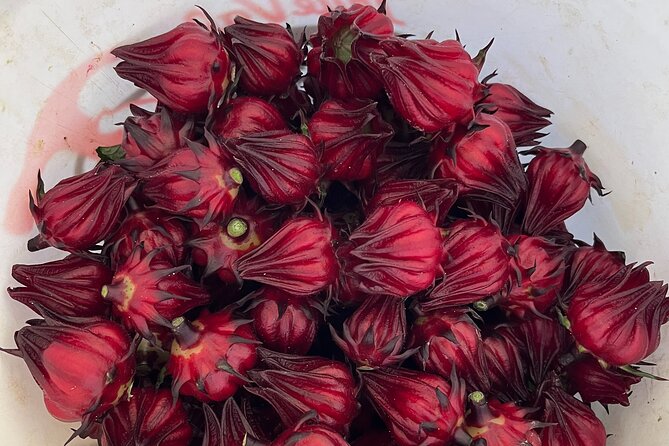
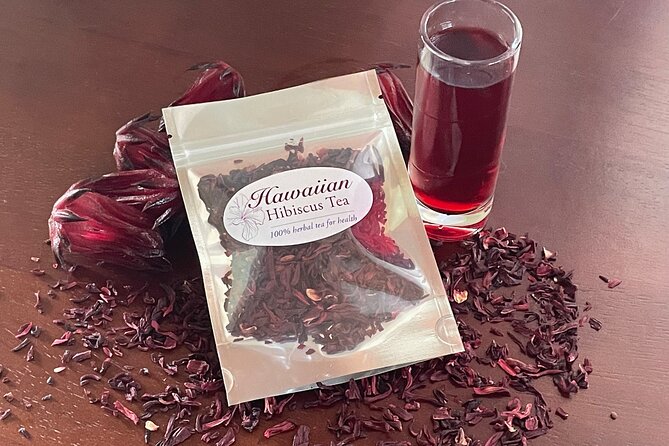
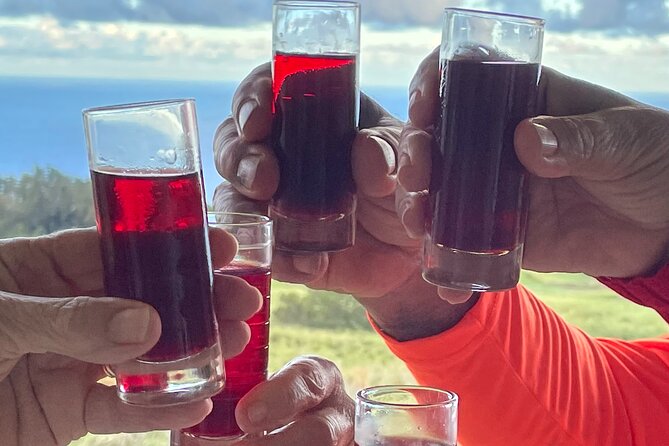
The final tasting is where the tour earns its title. You sample hibiscus flowers, tea, preserves, and flowers prepared in syrup. Other farm-made items may include treats such as hibiscus shortbread with jam and hibiscus panna cotta.
The tea receives especially strong praise for its flavor and refreshing quality. It is a good first taste because it shows hibiscus in a familiar drink while still making clear how distinctive the flower can be.
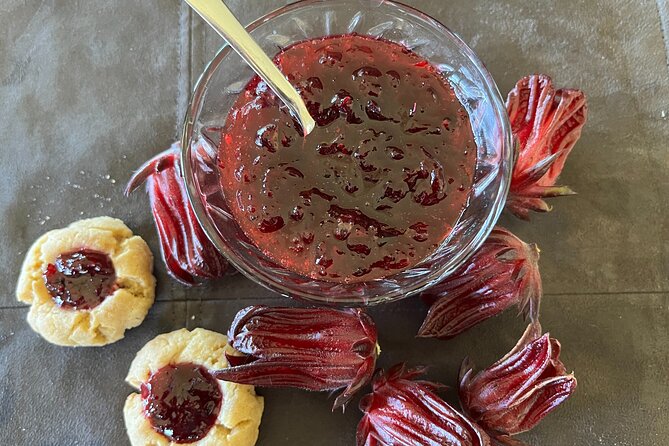
The preserves are another highlight. If you enjoy fruit spreads or unusual pantry items, plan to buy a jar after the tasting. The flowers in syrup offer a different texture and presentation, showing how the same crop can move beyond tea and jam.
The sweets make the tasting more playful. Hibiscus panna cotta and shortbread with hibiscus jam turn the flower into dessert, not just an herbal drink. You may come expecting a botanical lesson and leave thinking about breakfast spreads and tea at home.
This tasting is not merely an add-on. It gives purpose to the earlier discussion of cultivation. You see the plants, hear how they are grown, and then taste the result. That full connection is the best reason to choose this farm tour over a simple garden visit.
What the Hawaii farming context adds
The tour includes discussion of Hawaii’s agricultural history. The information is tied to the farm rather than presented as a long classroom lecture, so it helps explain why growing methods and crop choices matter in the islands.
That context is useful because Hawaii is often presented only through beaches, volcanoes, and scenery. A farm visit gives you another view of the Big Island, one based on food production and local enterprise.
You also get a clearer sense of the work behind a small specialty product. Hibiscus tea or preserves may look simple on a shop shelf, but the tour shows that the process begins with choosing suitable varieties, growing the plants, managing production, and developing recipes.
I like this kind of travel stop because it gives you a story to carry into the rest of your trip. Afterward, a cup of hibiscus tea is no longer just a colorful drink. You know something about where the ingredient came from and how it was turned into a finished product.
How the small group changes the experience
A maximum of 12 people is a real advantage on a farm tour. You can stay close enough to follow the explanation, and the format should make it easier to ask about gardening, food preparation, or the greenhouse.
The visit is led by the owners, Susan and Lance, rather than by a guide separated from the farm’s daily work. That gives the tour a direct, personal quality. You are hearing about the plants and products from the people who grow and make them.
Susan is also described as quick-witted and engaging, adding humor to the educational parts. That matters during a technical subject such as hydroponic cultivation. A warm guide can keep the tour from feeling like a lecture.
The small scale has one possible limitation: if the group is quiet or the weather affects the outdoor portion, the visit may feel less lively. Still, the format suits this farm better than a large commercial operation would.
Who will enjoy this farm tour most
I would recommend the experience most strongly to:
- Gardeners and plant enthusiasts who want to understand hydroponic growing
- People interested in Hawaii’s food and agricultural traditions
- Anyone who enjoys tasting unusual local products
- Couples and small groups looking for a relaxed countryside activity
- Families with older children who can appreciate plants and food production
- Visitors already exploring the Hamakua Coast near Honokaa
The tour is less suitable if your priority is a major scenic attraction or a long list of activities. The farm is compact, and the experience centers on hibiscus cultivation, production, and tasting.
You also should not book it expecting every flower to look perfect. A working farm can show insects, weather wear, and ordinary growing challenges. That is part of the setting, but it may disappoint someone seeking a formal botanical garden.
Value for your time and spending
No tour price is provided here, so I cannot judge the exact dollar value. I can judge what the 90-minute format includes.
You receive a guided farm visit, a lesson about hibiscus and hydroponics, access to the outdoor garden and greenhouse, and a tasting of several products. The value improves if you care about food and growing methods, because the visit offers more than a single sample or quick photo stop.
There is also an opportunity to buy products directly from the farm. Tea and preserves are practical souvenirs, especially if you prefer something small, edible, and tied to the place you visited.
The tour works best when you treat the tasting as part of the educational experience, not as a full meal. The samples are a pleasant finish, but you should still plan your meals separately.
Practical details for planning the visit
Allow approximately 1.5 hours from start to finish. The activity begins and ends at the farm meeting point, and the address is 44-2790 Kalopa Mauka Road in Honokaa.
The tour is conducted in English and accepts mobile tickets. Most people can participate, according to the supplied activity information, but specific accessibility details are not provided. If you have mobility or access needs, confirm directly before booking.
The experience depends on good weather. If poor weather forces a cancellation, you are offered another date or a full refund. The tour also requires a minimum number of participants, and a cancellation for that reason brings the same options.
For your own plans, free cancellation is available if you cancel at least 24 hours before the start time. Changes or cancellations made less than 24 hours ahead are not accepted for a refund.
One scheduling caution is worth noting: a previous visit was rescheduled twice, though that caused no trouble for the person involved. If your Big Island plans are tightly packed, leave some flexibility instead of placing this tour between two fixed reservations.
Should you book the edible hibiscus tour?
Book it if you want a friendly, small-scale farm experience with a clear local focus. The combination of greenhouse cultivation, outdoor plants, owner-led storytelling, and generous tasting makes the visit more than a quick stop for tea.
I would give it extra weight if you are already planning to visit Honokaa or drive the Hamakua Coast. The ocean views, countryside setting, and unusual food products add variety to a day that might otherwise focus only on major sights.
Skip it if you have little interest in plants, farming, or specialty foods. The garden is not huge, some plants may show insect damage, and the hydroponic section may feel too technical if you want nonstop scenery.
For the right person, this is a memorable Big Island experience because it lets you taste a crop, meet the people behind it, and understand how an ornamental-looking flower becomes something you can drink, spread, or eat.
FAQ
How long does the Edible Hibiscus Guided Farm Tour last?
The experience lasts approximately 1 hour and 30 minutes.
Where does the tour meet?
The meeting point is 44-2790 Kalopa Mauka Road, Honokaa, Hawaii 96727.
Where does the activity end?
The tour ends back at the same meeting point.
Who leads the farm tour?
The tour is led by the farm owners, Susan and Lance.
What will I see during the visit?
You will visit an outdoor demonstration garden with several hibiscus varieties and a hydroponic greenhouse production area.
What food and drinks are included in the tasting?
The tasting includes hibiscus flowers, tea, preserves, and flowers prepared in syrup. Other treats may include hibiscus panna cotta and shortbread with hibiscus jam.
Is the tour offered in English?
Yes. The experience is offered in English.
How many people can join the tour?
The tour has a maximum of 12 participants.
Can I cancel for a full refund?
Yes. You can cancel at least 24 hours before the experience start time for a full refund. Cancellations made less than 24 hours before the start time are not refunded.
Just added on Big Island of Hawaii
- Volcano National Park and Rainbow Fall in Hilo, Hawaii★ 5.0 · 53 reviews
- Volcanoes National Park Adventure Tour – Hilo Shore Excursion★ 4.5 · 104 reviews
- Volcanoes National Park and Hilo Private Tour★ 5.0 · 3 reviews
- Private VAN Tour Hilo★ 4.5 · 5 reviews
- Volcanoes Adventure Tour from Hilo★ 4.0 · 29 reviews
- Majestic Waterfall Tour★ 5.0 · 31 reviews
- Private Shore Excursion Hilo Volcanoes National Park up to 10 PPL★ 5.0 · 36 reviews
- 5 Hour Custom Private Tour of Hawaii★ 5.0 · 9 reviews
Farms, compared.
Oahu’s Ultimate Tour: Dole, Turtle Snorkel, Pali Lookout & More
Read our review →
Maui Ku’ia Estate Guided Cacao Farm Tour and Tasting
Read our review →
Big Island Highlights: Coffee, Volcano, Black Sands & Waterfall
Read our review →
Road to Hana Adventure with Farm to Table Lunch
Read our review →
Pearl Harbor, Dole Plantation, and Polynesian Center from Waikiki
Read our review →
Princeville Botanical Gardens Tour and Chocolate Tasting Ticket
Read our review →
Browse the lists this tour appears in