
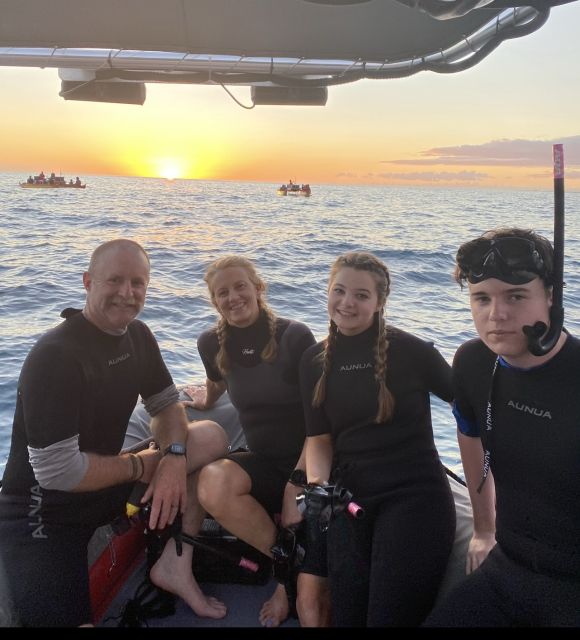
Reviewed · MANTA RAY NIGHT SNORKELS
Kailua Kona: Manta Ray Night Snorkel Tour with Guide
The magic begins when the boat’s lights pull plankton toward the surface and manta rays with wingspans up to 16 feet sweep beneath you. This is not a zoo-like encounter. The animals are wild, and their graceful passes can bring them within inches of your body as they feed.
I like two things right away: the small family-run operation, which can feel calmer than a crowded boat, and the crew’s careful work in the water. Guides such as Eli, Johnnie, and Bradley have been praised for keeping people relaxed while explaining how to watch the rays without touching them. The main drawback is simple: you need to swim and snorkel confidently, climb a boat ladder on your own, and feel ready for open water after dark.
Key points to know before booking
- Manta rays feed beneath LED lights: The lights attract plankton, which brings the rays close to the surface.
- At least 35 minutes in the water: The total outing lasts two hours, including the boat ride from Honokohau Harbor.
- Small, family-operated company: The boat can carry a more personal feel than a large excursion vessel.
- A guide stays in the water: The crew provides direction, safety support, and information about the rays.
- Wildlife sightings are never fully controlled: Several rays may gather, but exact numbers and behavior change each night.
- You must be physically independent: Swimming ability and climbing the side ladder are required.
The Kona night show happens just below your fins
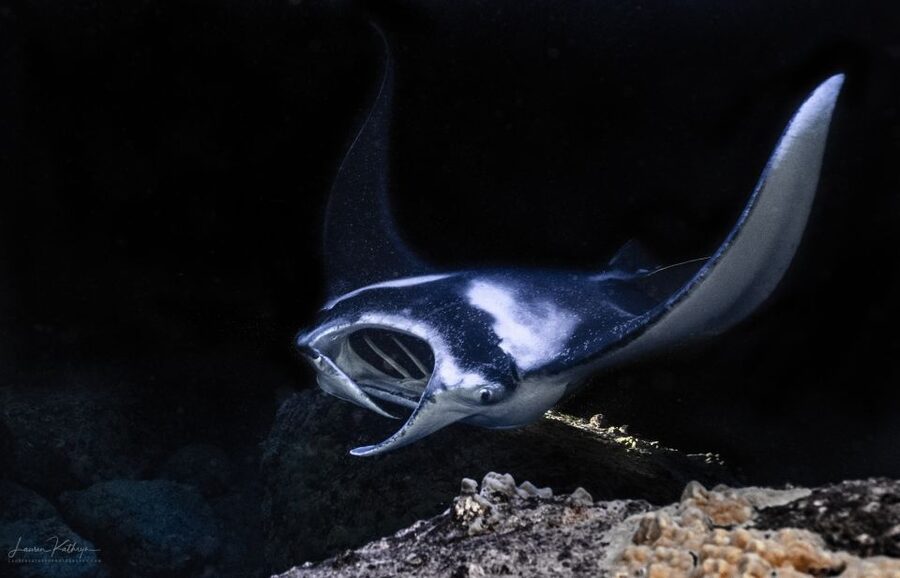
Kona’s manta ray snorkel is one of the Big Island’s most unusual evening activities. You leave Honokohau Harbor after sunset, ride out into the dark Pacific, and enter the water beside a floating light setup. Plankton gathers in the glow. Manta rays follow.
You hold onto a floating board or similar support while looking down into the illuminated water. The rays make wide, slow passes, turning on their sides and gliding beneath the group to scoop up plankton. Their size can be startling at first, especially when one rises directly toward you before banking away.
The best encounters are close, but closeness is not the whole point. You are watching a natural feeding behavior, not a trained performance. Some nights bring several rays at once. Specific sightings have included four, five, six, seven, nine, and even much larger groups. On another evening, a shark was seen on the ocean floor. That variety is part of the appeal, though it also means nobody can promise a particular number of animals.
More snorkeling on the Big Island:
- Big Island Manta Ray Night Snorkel
★ 5.0 · 5,656 reviews - Big Island: Kona Manta Ray Snorkel Tour in Keauhou Harbor
★ 4.5 · 2,465 reviews - Big Island: Captain Cook Snorkel On A Power Catamaran With Lunch
★ 5.0 · 2,232 reviews
A short ride from Honokohau Harbor
The meeting point is on the north side of Honokohau Small Boat Harbor at 74 Kealakehe Parkway in Kailua-Kona. Search Google Maps for Snorkel Big Island if the address proves confusing.
Coming from Highway 19, turn west toward the ocean at the sign for Honokohau Marina and Small Boat Harbor. Take the first right into the north side of the harbor, then follow the road around the bend for about a quarter mile. You will pass Gentry’s gas station on the left.
Continue to the end and park near Kona Sailing Club. Do not enter or disturb the club. The captain meets you near the black Ram 2500 truck marked for Snorkel Big Island. If he is still finishing an earlier trip, give him a little time. He brings the boat to the ramp between the pavilion and the sailing club.
This meeting point is practical rather than polished. You are using a working harbor, not a resort reception desk. Arrive on time, since the boat leaves according to its scheduled start.
The boat ride takes about 15 to 25 minutes each way. That leaves at least 35 minutes for snorkeling, with the full trip lasting about two hours. The ride itself can be dark and rough, particularly on the way out, so anyone prone to seasickness should take that seriously. On clear evenings, you may have sunset views on the way to the site and stars on the return.
What happens once the boat reaches the feeding area
After the boat reaches the manta site, the crew helps you prepare with snorkel equipment and a shorty wetsuit. The wetsuit is useful even in Hawaii, since floating still for half an hour at night can make you feel colder than expected.
You enter the water and stay with the group around the lighted board or flotation setup. A guide remains in the water, helping people find the best viewing position and reminding everyone to keep their hands off the mantas. That rule matters. Let the rays control the distance, even if one comes close enough to brush past you.
The crew’s role is especially valuable here. Darkness, open water, unfamiliar equipment, and large animals can make the first few minutes feel strange. Experienced guides help you settle your breathing, show you where to look, and explain what the rays are doing. The calm approach described by people who went with John, Johnnie, Eli, Bradley, and other crew members is exactly what you want in this setting.
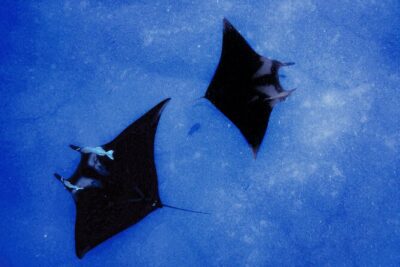
The manta rays feed by circling through the plankton-rich light. They may pass once and disappear, or return again and again. One ray called Nick was seen repeatedly during one outing. Another group had nine large mantas directly below the swimmers. Those moments are not guaranteed, but the setup gives the animals a reason to gather near the surface.
After the water time, you climb back up the boat ladder. The crew returns you to the harbor, sometimes sharing videos taken in the water. Bring your own underwater camera or GoPro if you want personal footage, but keep it secondary to watching the animals. A hot chocolate, snacks, and water have also been provided on some outings, though you should not treat those as guaranteed parts of every trip.
Why a smaller boat can make a difference
The operator is family owned and operated, and that shows in the personal scale of the outing. A smaller group can make it easier to hear instructions, find space around the light, and ask questions. One outing had only six people, while the usual total may be somewhere between 10 and 20 on the boat.
That does not mean the boat is luxurious. The appeal is function and intimacy, not fancy fittings. You are there for the water and the animals. A smaller vessel may also feel less overwhelming if you are nervous about nighttime snorkeling.
The tradeoff is that a small boat has less room and fewer amenities than a larger vessel. You should expect a straightforward harbor departure, a short ride, basic equipment, and a focused wildlife outing. For this particular activity, that is a sensible exchange.
The crew has also shown flexibility when conditions or animal activity make a change worthwhile. On one trip, the captain went farther to find a better viewing area. That is a good sign of active trip management, but it should not be read as a guarantee that every outing will move to a different site or produce a huge gathering.
Other night swims with the mantas from the Big Island:
- KONA Manta Ray Night Snorkel – FREE re-ride if no Sightings
★ 5.0 · 2,212 reviews - Manta Ray Night Snorkel at Kona, Big Island
★ 5.0 · 1,758 reviews - Glow of the Deep: Night Snorkeling with Manta Rays
★ 4.5 · 1,254 reviews - Kailua Kona: Night Manta Ray Adventure on the Big Island
★ 4.8 · 1,199 reviews
The value of the $137 price
At $137 per person, this is not a casual add-on like a short harbor cruise. It is a specialized night activity requiring a boat, safety equipment, wetsuits, lighting, trained staff, and an in-water guide.
I think the price is reasonable if you value a focused wildlife encounter and want a smaller operation. The roughly 35 minutes in the water is the heart of the trip, and the gear is included. CPR and lifeguard-certified crew add practical value, especially for people who feel uneasy about snorkeling after dark.
The value drops if you are mainly looking for a guaranteed animal show. Mantas are wild. You could see several circling close beneath you, or you could have a less active period. The company can place you in a productive area, but it cannot control the animals.
The reserve-now, pay-later option helps if your Big Island plans are still shifting. Free cancellation is available up to 24 hours before the tour for a full refund. Still, book only when you are confident about your swimming ability and physical readiness.
Who should book this night snorkel
This outing suits you if you:
- Swim and snorkel independently.
- Can climb a side boat ladder without assistance.
- Want a close wildlife encounter rather than a passive boat ride.
- Are comfortable spending time in open water at night.
- Prefer a small family business to a large boat operation.
- Enjoy learning about animal behavior while you watch.
It is not suitable for non-swimmers or people with back or heart problems. Recent surgery, mobility restrictions, and other physical limitations are also concerns. Pregnant people are not recommended for the activity, though the operator should be contacted about any possible exception.
You do not need to be an expert snorkeler, but you must already have basic swimming and snorkeling experience. The crew can explain the process and help you stay calm. They cannot replace the ability to move through the water and climb out independently.
If you have low vision or need specific visual assistance, contact the operator before booking. The supplied information does not describe special accommodations, so it is best to discuss your needs directly.
What to bring and how to prepare
Bring swimwear. Wetsuits and snorkel gear are supplied, so you do not need to pack a full kit unless you prefer your own equipment.
Wear something simple for the boat ride and bring a towel if you have room. The official requirements only list swimwear, but the return ride can feel cool after you leave the water. A waterproof camera can be useful, and several people particularly liked receiving crew-shot videos afterward.
Arrive early enough to find the harbor meeting point without rushing. The north side of Honokohau Harbor can be confusing if you simply follow the first marina sign. Use the directions above, look for the black truck, and do not wait inside the Kona Sailing Club area.
If nighttime open water makes you nervous, tell the crew before entering. The team’s calm instructions are one of the strongest parts of this tour, but you should be honest about your comfort level. Do not book this simply because it sounds like a must-do activity if you already know you dislike swimming in dark water.
A respectful way to watch the mantas
The right attitude is simple: you are a visitor in their feeding area. Do not touch, chase, block, or grab a manta ray. Let it pass beneath you at its own speed.
This matters for both the animals and your own experience. A ray that chooses to approach can come remarkably close. You do not need to reach out to make the moment memorable, and keeping your hands to yourself helps the crew maintain a safe, low-impact encounter.
The family operation also emphasizes care for the land, ocean, animals, and one another. That message fits the activity well. The appeal is not only seeing a giant animal at close range. It is seeing one behave naturally while the group gives it room.
Is the boat ride and water time worth it?
For most people who meet the physical requirements, yes. The ride is short compared with the time spent watching the mantas, and the experience is distinct from daytime snorkeling. Darkness removes the usual visual clutter. Your attention narrows to the light, the plankton, and the shapes moving below.
The ride can be bumpy and dark, and the climb back aboard takes effort. Those are real drawbacks, not footnotes. If you want a soft, dry, highly predictable evening, choose a different Kona activity.
But if you want one of the Big Island’s most unusual nature experiences, the format works. The crew gets you to the feeding area, supplies the basic gear, stays with you in the water, and gives you a good chance to see the rays at close range without turning the encounter into a circus.
Should you book Snorkel Big Island?
I would book this tour if you can swim confidently, manage the ladder, and accept that wildlife does not perform on command. The strongest reasons are the small family-run setting, the in-water guide, and the chance to see multiple enormous mantas gliding beneath the lights.
I would skip it if you have recent surgery, significant mobility limits, heart or back problems, or no snorkeling experience. I would also think twice if you are uncomfortable in dark open water.
For the right person, $137 buys more than a boat ride. It buys a carefully managed chance to watch wild manta rays feed within inches of you. That is a rare Big Island evening, and one worth making room for in your Kona plans.
FAQ
How long does the manta ray snorkel tour last?
The full activity lasts two hours, including the boat ride to and from the manta feeding area.
How long is the boat ride?
The ride takes about 15 to 25 minutes each way, depending on the conditions and location used for the outing.
How much time do I spend snorkeling?
You are allotted at least 35 minutes in the water with an experienced guide.
Where does the tour meet?
The meeting point is on the north side of Honokohau Small Boat Harbor at 74 Kealakehe Parkway, Kailua-Kona, Hawaii 96740.
How do I find the correct side of the harbor?
From Highway 19, turn west toward the ocean at the Honokohau Marina and Small Boat Harbor sign. Take the first right into the north side, follow the road past Gentry’s gas station, and park near Kona Sailing Club. Search Google Maps for Snorkel Big Island if needed.
What equipment is provided?
Shorty wetsuits and snorkel equipment are provided.
Do I need swimming experience?
Yes. You must have prior swimming and snorkeling experience and be able to participate independently in the water.
Can non-swimmers join?
No. The activity is not suitable for non-swimmers.
Can I join if I have mobility restrictions or recent surgery?
The activity is not recommended for people with recent surgery, back problems, heart problems, or mobility and physical restrictions. You must also be able to climb a side boat ladder independently.
What is the cancellation policy?
You can cancel up to 24 hours in advance for a full refund. A reserve-now, pay-later option is also available.
Just added on the Big Island
- Kailua-Kona: Big Island Morning Snorkeling Tour with Lunch★ 4.9 · 7 reviews
- Big Island: Hawaii Volcanoes National Park and Hilo Tour★ 5.0 · 118 reviews
- Kailua-Kona: Hualalai Volcano Doors On/Off Helicopter Tour★ 4.7 · 12 reviews
- Big Island: Full Day Adventure Tour of the Kohala Waterfalls★ 5.0 · 41 reviews
- Big Island Hawaii: Craft Chocolate Tasting and Farm Tour★ 5.0 · 14 reviews
- Big Island: Evening Volcano Explorer from Hilo★ 4.7 · 31 reviews
- Big Island: Off the Beaten Path Volcano Crater Hike★ 5.0 · 15 reviews
- Big Island: Full-Day Kohala Zipline and Waterfall Adventure★ 4.8 · 36 reviews
Manta Ray Night Snorkels, compared.
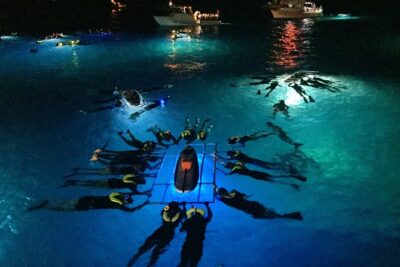
Kona Manta Ray Snorkel Tour in Keauhou Harbor
Read our review →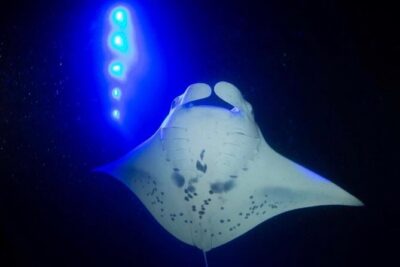
KONA Manta Ray Night Snorkel – FREE re-ride if no Sightings
Read our review →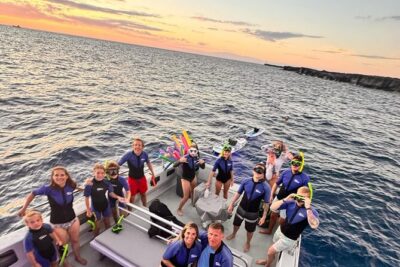
Glow of the Deep: Night Snorkeling with Manta Rays
Read our review →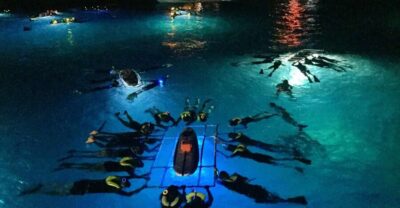
Manta Magic: Small-Group Manta Ray Night Snorkel in Kailua Kona
Read our review →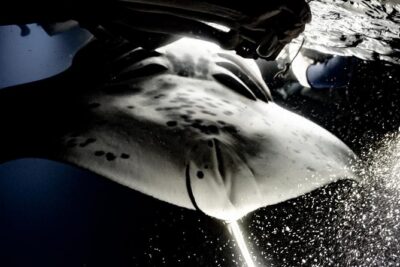
Browse the lists this tour appears in