
Reviewed · VOLCANOES NATIONAL PARK TOURS
Kilauea: Volcanoes National Park Guided Hike
Kilauea can give you two very different gifts in one afternoon: a quiet walk through native Hawaiian forest, followed by a view toward volcanic glow after sunset. That mix of calm greenery and active earth is the heart of this three-hour guided hike.
I like the personal scale, with no more than 10 people, and I like having a certified interpretive guide who can explain the geology instead of simply pointing at a crater. The snack, backpacks, trekking poles, and extra rain gear also make this easier than setting out on your own. The main drawback is that lava viewing is never guaranteed, and the park entrance fee and transportation are not included.
Key points to know before booking
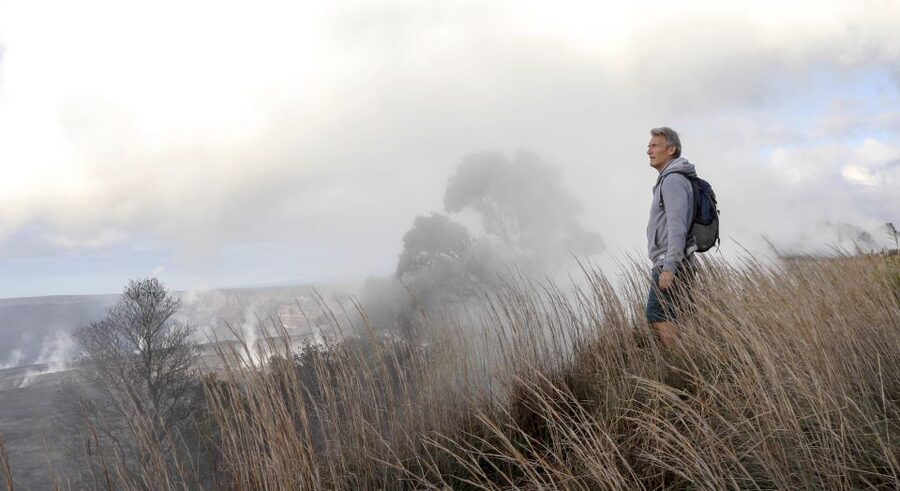
- A four-mile loop near Kilauea combines native forest, a hardened lava lake, volcanic features, and caldera views.
- Guides such as Jennifer and Yvonne bring strong knowledge of volcanoes, plants, Hawaiian history, and local legends.
- Sunset and lava glow depend on nature, including weather and current Kilauea activity.
- Small groups of up to 10 make it easier to ask questions and keep a comfortable pace.
- Poles, backpacks, snacks, and extra ponchos are provided, but you still need water and proper shoes.
- The route is not suitable for children under six or people with mobility impairments, and the hike operates rain or shine.
Why this Kilauea hike is more than a crater walk
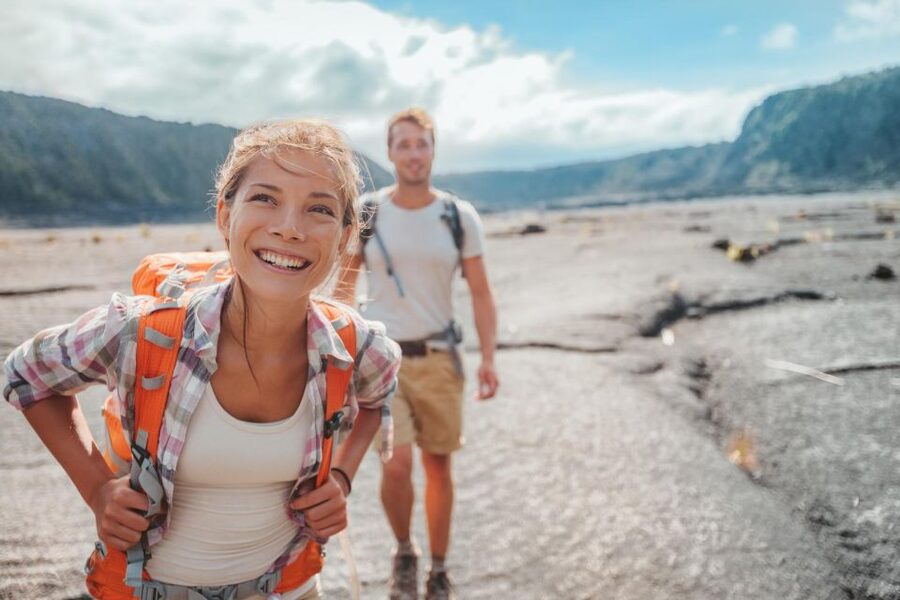
Many visitors arrive at Hawaiʻi Volcanoes National Park hoping to see lava. That is understandable, but the volcano is not always putting on a show. This hike works better than a simple lava-viewing outing because it gives you plenty to notice even when volcanic conditions are quiet.
You walk through native Hawaiian rainforest, learn how plants and animals cope with volcanic ground, and examine hardened lava from earlier eruptions. The guide also connects the physical sights with Hawaiian culture and stories tied to the area. That turns the hike into a lesson in how geology, ecology, and human history meet in one place.
The tour covers about four miles in three hours. That pace leaves room for stops, photographs, questions, and explanations. It is not a race to a viewpoint. You should expect a moderate outing with some hills rather than a strenuous mountain expedition.
More hiking & trekking on Island Of Hawaii:
- Big Island: Hawai’i Volcanoes National Park Guided Hike
★ 4.9 · 30 reviews - Big Island: Off the Beaten Path Volcano Crater Hike
★ 5.0 · 15 reviews - Big Island: Native Bird Watching & Hiking Tour
★ 5.0 · 5 reviews
Meeting at Kilauea Visitor Center
The stated starting point is the Kilauea Visitor Center. That is a sensible place to begin because you can arrive already oriented to the park, check your clothing and water, and meet your guide before walking into the forest.
Starting times vary, so you need to check availability when booking. An afternoon departure is designed to bring you toward sunset, but the exact light will depend on the season, clouds, and the day’s timing. If seeing the sunset is important to you, check the start time carefully rather than assuming every departure reaches the viewpoint at the same moment.
The tour is conducted in English. With a maximum of 10 participants, the group should feel more personal than a large park excursion. You can ask about a plant, eruption, or Hawaiian story without having to wait through a crowd of people.
There is no hotel pickup or drop-off. You will need to reach the visitor center yourself, and the park entrance fee is separate from the $120 tour price.
Through native Hawaiian rainforest
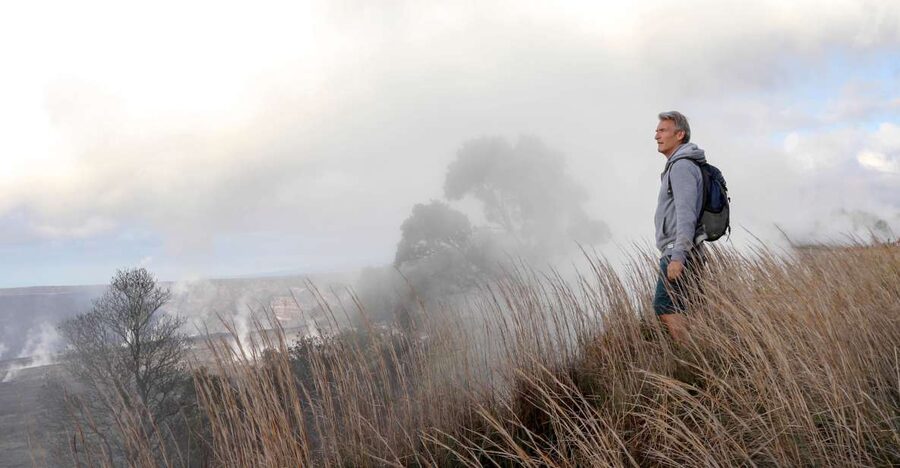
The first major pleasure is the forest itself. This is not just a walk between parking areas and a volcano overlook. The route passes through native Hawaiian rainforest, where the guide can point out plants and explain the difference between native and invasive species.
This matters because volcanic ground is not an empty stage. Plants gradually colonize fresh rock, and the forest tells a story about time, moisture, elevation, and survival. A guide can help you notice details you would likely walk past, especially when the vegetation looks familiar at first glance.
Jennifer is praised for taking time to explain flora and fauna, and for stopping at good photo spots. Yvonne is described as covering plants, animals, earthquakes, steam vents, and the way Hawaiians regard the volcano. The exact guide is not guaranteed, but those details give you a fair idea of the teaching style to expect.
You should also expect rain. The activity runs rain or shine, and rain gear is on the packing list for good reason. A wet forest can be beautiful, but damp clothing and slick ground can make the hike feel more tiring. Bring a waterproof layer, not just a light sweatshirt.
Walking around a hardened lava lake
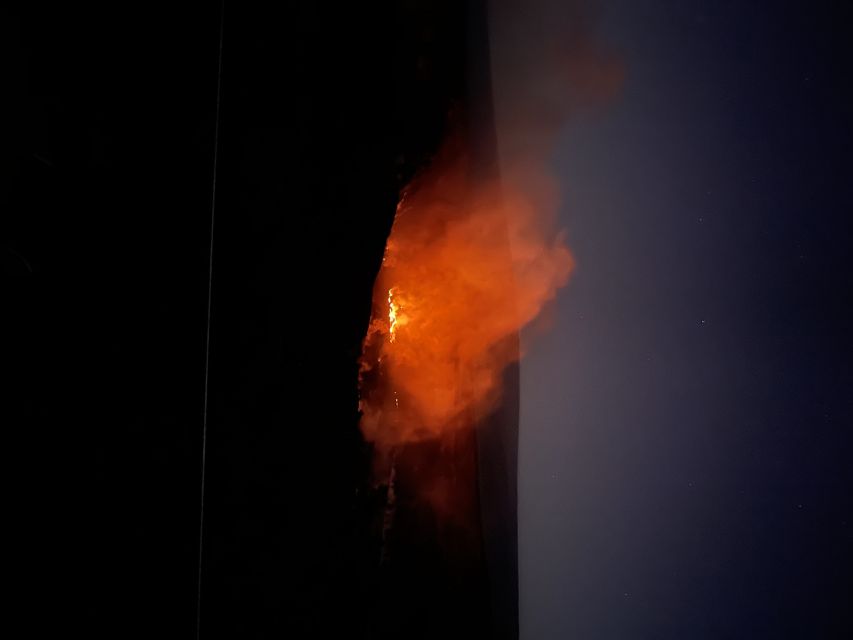
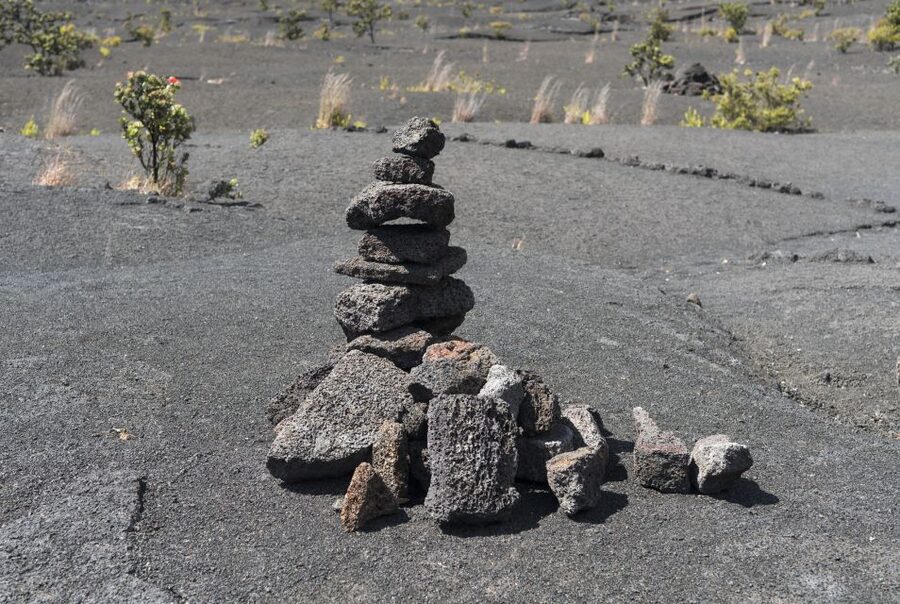
The route continues toward a hardened lava lake and volcanic features around the Kilauea caldera. A hardened lava lake gives you a chance to study what remains after molten rock cools. The surface may look stark and simple, but the guide can explain how an eruption changes the ground and how later life returns.
This is where a certified interpretive guide earns the tour price. You are not simply looking at black rock and being told that it came from a volcano. You can ask how eruptions, earthquakes, steam vents, and plant growth relate to one another.
The path is described as a comfortable hike with some hills. One account describes the upward section as slightly challenging but manageable. Another longer outing was tailored to a small group and covered close to eight miles, but that was a customized experience, not the standard four-mile promise. Plan on four miles unless your guide agrees to something different.
Trekking poles are included. They can help on uneven ground, particularly after rain, and are useful even if you normally hike without them. Wear sturdy hiking shoes with good traction. Open-toed shoes, high heels, and casual footwear are not allowed.
More volcano trips from Island Of Hawaii:
- Big Island: Evening Volcano Explorer from Hilo
★ 4.7 · 31 reviews - Big Island in a Day: Volcanoes Waterfalls Sightseeing and History
★ 5.0 · 6,569 reviews - Hilo Shore Excursion: Volcanoes National Park & Black Sand Beach
★ 4.5 · 2,338 reviews - Small Group Big Island Twilight Volcano and Stargazing Tour
★ 5.0 · 1,619 reviews
Sunset, volcanic glow, and uncertain lava viewing
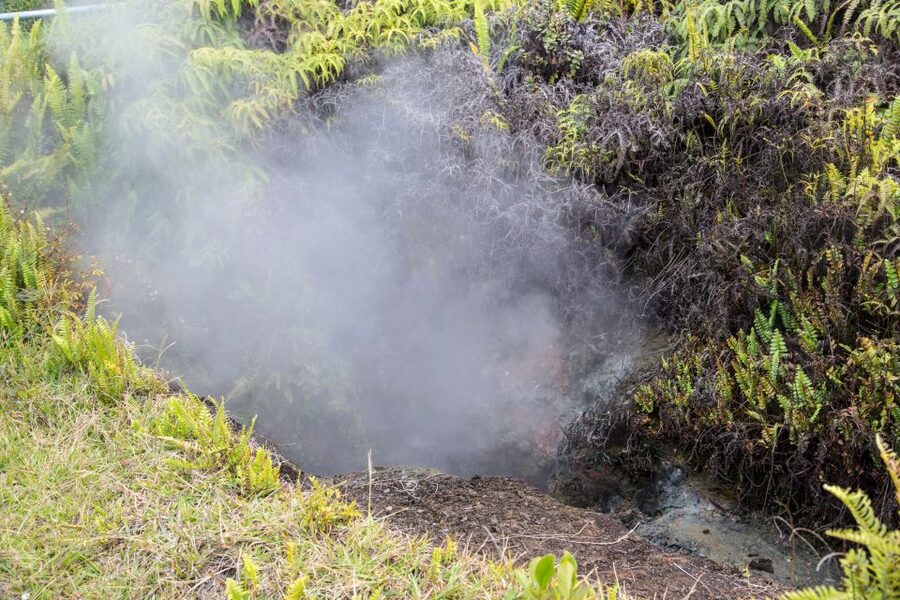
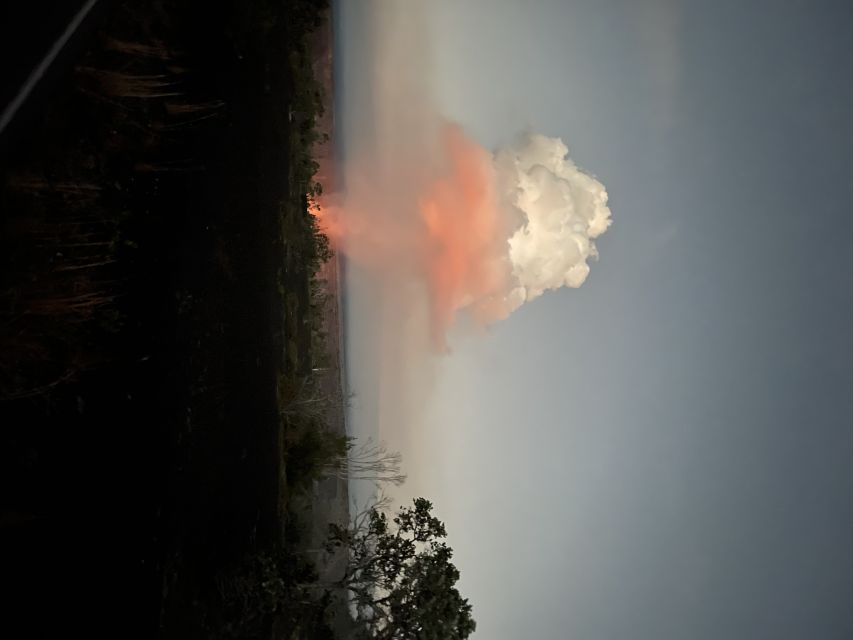
The tour’s most dramatic possibility comes near sunset. You may watch the light fade over a volcano and, if Kilauea is active, see a glow from a lava lake. Some past outings have taken place during eruptions, with guides sharing telescopes or helping participants find good viewing areas.
That possibility is memorable, but it must remain a possibility. Lava viewing depends on weather and the current condition of Kilauea. A cloudy evening, changing volcanic activity, or park conditions can limit what you see. You should book this for the guided walk and the chance to see volcanic glow, not as a guaranteed lava appointment.
The guide may also help you understand what you are seeing. A small orange glow in the distance can be hard to interpret without context. A telescope can help, but the supplied information does not promise telescope use on every departure. Do not assume that a lava lake will be visible or that the guide will provide optical equipment every time.
The afternoon timing is useful because it combines daylight for the forest with evening conditions near the volcano. It also means you should carry enough water and a rain layer for changing conditions. Temperatures and visibility may shift as the day progresses.
Guide-led geology, plants, and Hawaiian stories
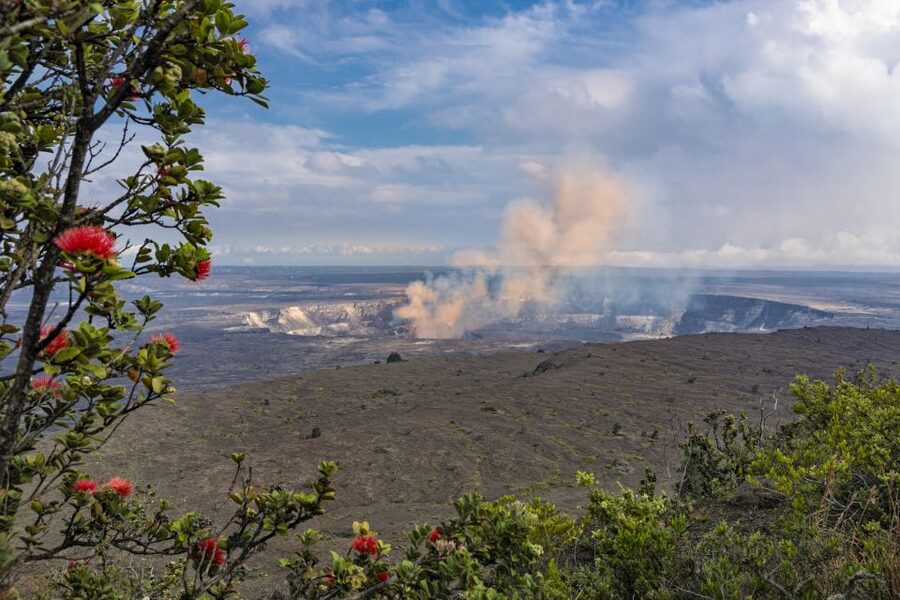
The strongest part of this experience is the guide’s role. Jennifer and Yvonne are both named in the feedback, and both are praised for clear explanations, patience, and personal attention. Jennifer is also described as studying volcanology, while Yvonne is praised for explaining Kilauea, the surrounding ecosystem, eruptions, earthquakes, plants, animals, and Hawaiian views of the volcano.
You can expect more than scientific facts. The tour may include Hawaiian legends connected with the area, discussion of invasive trees and plants, and local advice about other places to see on the island. That combination gives the hike a stronger sense of place than a basic nature walk.
The guide also appears to adjust explanations to the group. One guide contacted participants before the activity to ask about their interests and gave clear meeting instructions. Another helped participants who had limited English by using a translation device. English remains the tour language, but that extra effort may be useful if someone in your group is less comfortable with it.
You also have someone to handle the practical details. Guides have taken photographs for participants, carried extra ponchos, provided snacks, and brought backpacks. Those touches do not replace preparation, but they can make a wet or tiring outing easier.
What the four-mile route feels like
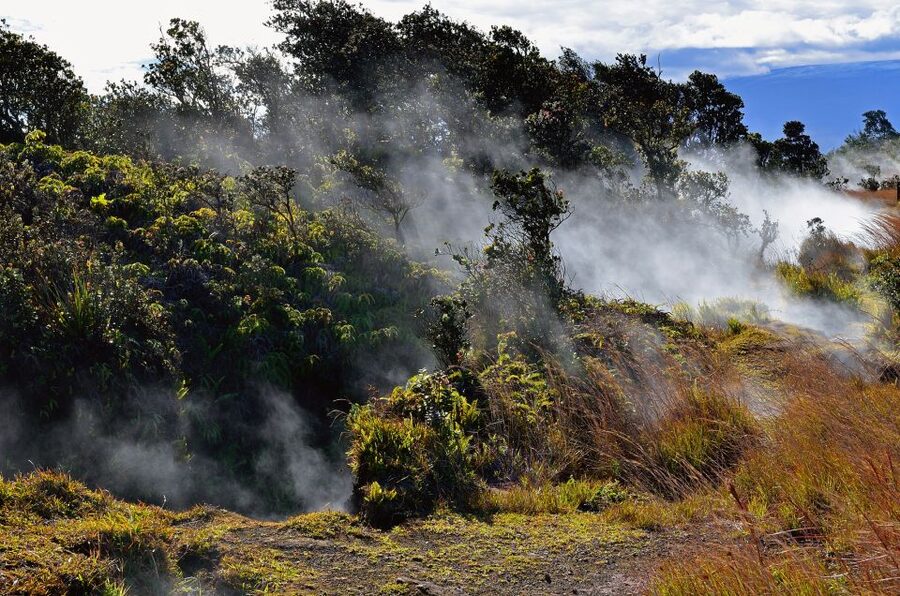
Three hours for four miles gives you a relaxed pace. You will have time to stop at geological points, listen to the guide, take photos, and look closely at the forest. If you prefer a brisk workout, this may feel slow. If you want to understand the park rather than simply cover ground, the pace makes sense.
The route includes some hills. It is described as light to moderate by past participants, but fitness levels differ. You should be comfortable walking several miles on uneven natural ground and handling a few uphill sections.
The activity is not suitable for people with mobility impairments. It is also not suitable for children under six. Intoxication is prohibited, and the guide can refuse participation if someone arrives impaired. These rules are practical in a remote volcanic setting where footing and weather can change.
Bring water even though a healthy snack is included. The snack is useful, but it is not a meal. Comfortable shoes and hiking shoes are listed separately, so choose hiking footwear rather than street shoes. Rain gear is essential because the tour operates regardless of weather.
Price, group size, and what you receive
At $120 per person, this is not the cheapest way to walk in Hawaiʻi Volcanoes National Park. You also pay the park entrance fee separately, and you handle your own transport to the meeting point. That raises the total cost.
The value comes from what is added to a self-guided visit. You receive a certified interpretive guide, a small group limited to 10 people, a snack, backpack, trekking poles, and access to explanations about geology, ecology, Hawaiian culture, and volcanic activity. You also avoid a van ride with people you do not know, which makes the outing feel more focused.
A self-guided walk costs less, but it will not necessarily give you the same understanding of a hardened lava lake, native plants, steam vents, or changing volcanic activity. If you have limited time in the park, the guide helps you make better use of three hours.
The price makes the most sense for first-time visitors, curious hikers, and anyone who wants to ask questions. It is less compelling for experienced park visitors who already know the geology and prefer to set their own pace.
The ending and a practical point to confirm
The experience is described as ending at Volcano House restaurant and bar, where you are encouraged to book a meal. That makes a pleasant finish: after walking through forest and volcanic ground, you can sit down for dinner and continue watching the evening light.
However, the meeting-point information also says the activity ends back at the meeting point. Those details do not match perfectly. Confirm the exact end location with the provider before booking, especially if you plan dinner at Volcano House or need to arrange transportation afterward.
If the hike does end at Volcano House, making a reservation could be wise. The tour price does not include food, and a meal is an optional add-on rather than part of the activity.
Who should book this Kilauea experience?
I would choose this hike if you want the park explained in plain language and prefer a small group to a large bus outing. It suits adults and older children who can manage four miles and some hills, as well as visitors who want a mix of forest, geology, culture, and volcanic views.
It is especially useful for a first visit to Hawaiʻi Volcanoes National Park. You can learn how to read the ground, recognize native plants, and understand why volcanic activity affects every part of the area.
I would think twice if you need guaranteed lava viewing, dislike rain, cannot walk uneven ground, or want transportation from your hotel. The hike takes place in all weather, lava conditions change, and the park fee is extra.
Cancellation is free up to 24 hours before the activity, and you can reserve now and pay later. Those terms help if your island schedule is still shifting, but they do not remove the need to check weather, volcanic conditions, and the final meeting details.
Should you book it?
Book this guided Kilauea hike if you want more than a quick viewpoint stop. The best reason to go is the combination of a manageable four-mile walk, a small group, and a guide who can connect lava, rainforest, plants, earthquakes, Hawaiian stories, and current volcanic activity.
Go with realistic expectations. You may see sunset and volcanic glow, or you may simply enjoy the forest and hardened lava under changing skies. Either way, the guide-led setting gives you a better chance of understanding what you are seeing. At $120, it is a fair choice for personal instruction and practical equipment, provided you are comfortable paying the separate park fee and arranging your own transport.
FAQ
How long is the Kilauea guided hike?
The activity lasts three hours and covers about four miles in a loop.
Where does the hike begin?
The stated meeting point is the Kilauea Visitor Center in Hawaiʻi Volcanoes National Park.
Where does the activity end?
The description says the hike ends at Volcano House restaurant and bar, while the meeting-point information says it ends back at the meeting point. Confirm the final location before booking.
Is lava guaranteed on the hike?
No. Lava viewing and visible volcanic glow depend on weather and the current activity of Kilauea.
Is the tour suitable for children?
The activity is not suitable for children under six years old.
What should I bring?
Bring comfortable hiking shoes, water, and rain gear. Open-toed shoes and high heels are not allowed.
Are hiking poles and backpacks provided?
Yes. Backpacks and trekking poles are included, along with a healthy snack.
Is the park entrance fee included?
No. The park entrance fee is separate. Hotel pickup and drop-off are also not included.
More National Parks on Island Of Hawaii
- Big Island: Fat Tire E-Bike Tour through Volcanoes National Park
★ 5.0 · 546 reviews - Maui: Haleakala National Park Sunrise Tour
★ 4.7 · 545 reviews - Big Island, Hawaii: Volcanoes National Park Safari
★ 4.5 · 545 reviews - Small-Group Big Island Tour: Hawaii Volcanoes National Park and Kona Coffee Farm
★ 5.0 · 343 reviews
Just added on Island Of Hawaii
- Big Island: Full Day Adventure Tour of the Kohala Waterfalls★ 5.0 · 41 reviews
- Big Island: Evening Volcano Explorer from Hilo★ 4.7 · 31 reviews
- Big Island: Off the Beaten Path Volcano Crater Hike★ 5.0 · 15 reviews
- Big Island: Full-Day Kohala Zipline and Waterfall Adventure★ 4.8 · 36 reviews
- Big Island: Native Bird Watching & Hiking Tour★ 5.0 · 5 reviews
- Waikoloa Catamaran Snorkel & Sail Adventure with Lunch★ 4.8 · 39 reviews
- Big Island: 3-Hour Kohala Canopy Zipline Adventure★ 4.9 · 37 reviews
- Big Island: Captain Cook Sightseeing & Snorkel Expedition★ 4.9 · 105 reviews
Volcanoes National Park Tours, compared.
Big Island in a Day: Volcanoes Waterfalls Sightseeing and History
Read our review →
Hilo Shore Excursion: Volcanoes National Park & Black Sand Beach
Read our review →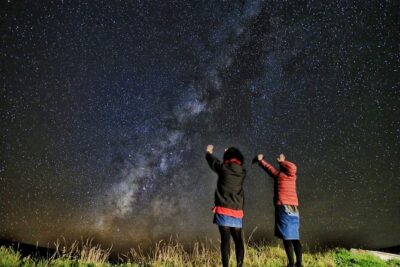
Small Group Big Island Twilight Volcano and Stargazing Tour
Read our review →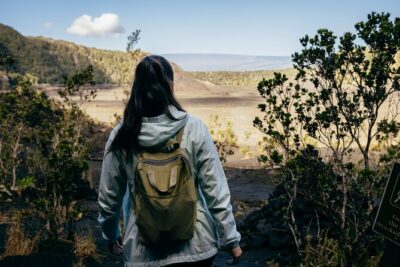
Big Island Highlights: Coffee, Volcano, Black Sands & Waterfall
Read our review →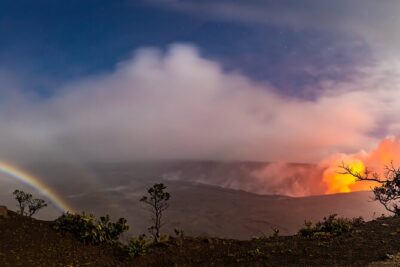
Deluxe Volcano Experience with Restaurant Dinner
Read our review →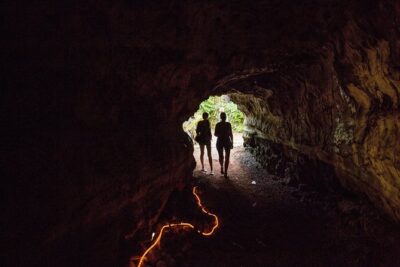
Captain Cook Snorkel Tour with Sea Caves and Lava Tubes
Read our review →
Fat Tire E-Bike Tour through Volcanoes National Park
Read our review →Browse the lists this tour appears in