
Reviewed · MANTA RAY NIGHT SNORKELS
Kona Hi, Sunset Manta Ray Tour 10 passengers maximum
Manta rays glide beneath you in the dark, their pale undersides catching the light as they circle for plankton. This sunset snorkeling trip keeps the group to 10 people, so you get more room around the float and more help from the crew.
I like the family-run feel and the useful wetsuit tops, which matter once you are floating at night. I also like the included normal and prescription-mask options, plus the chance of receiving tour videos by AirDrop afterward. The main drawback is simple: this is open-ocean snorkeling after dark, so motion sickness, cool water, or nerves in the night sea can affect your enjoyment.
Key things to know before you book
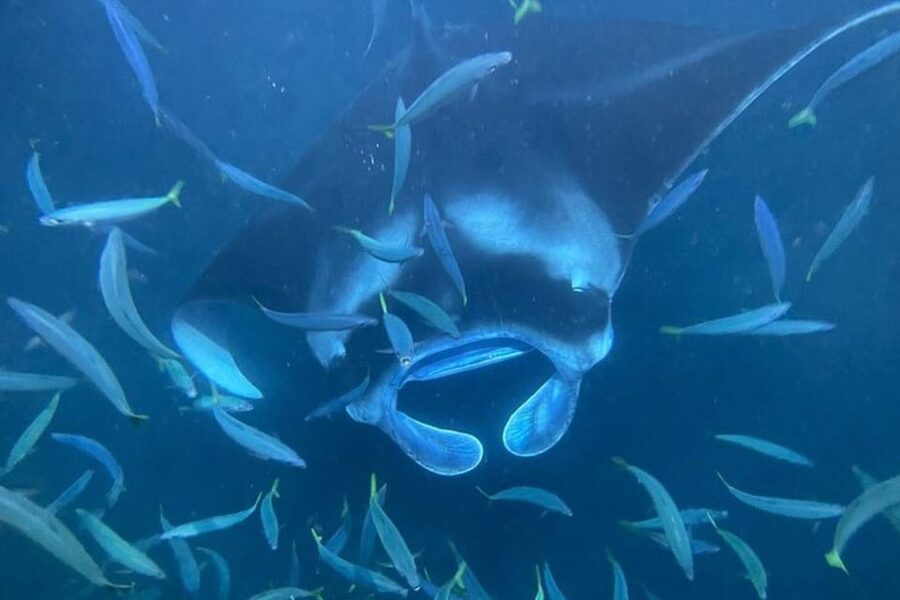
- The group is capped at 10 people, a real advantage over larger manta boats.
- The sunset timing adds atmosphere, letting you watch the light fade before entering the water.
- Bryan, Riley, and the wider crew provide hands-on guidance during the short boat ride and manta viewing.
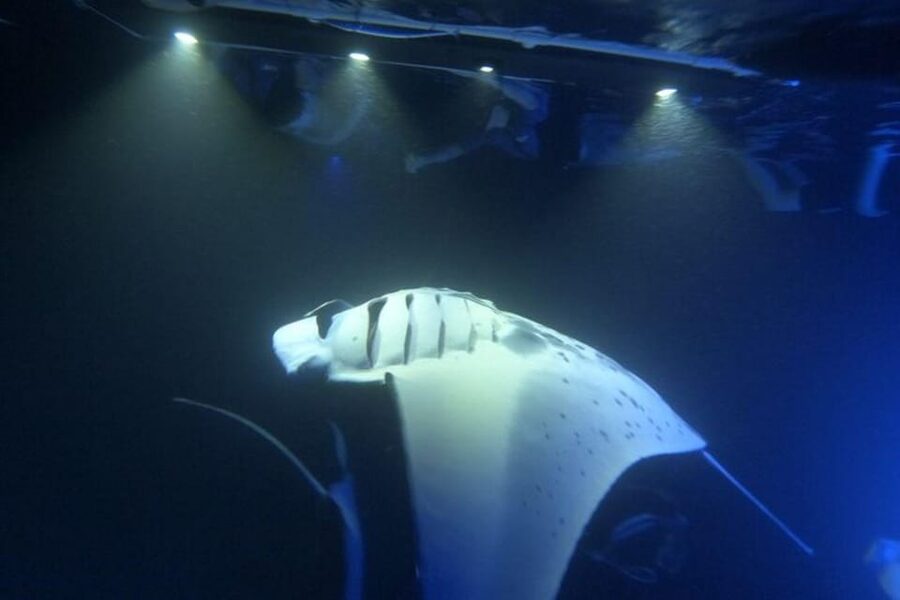
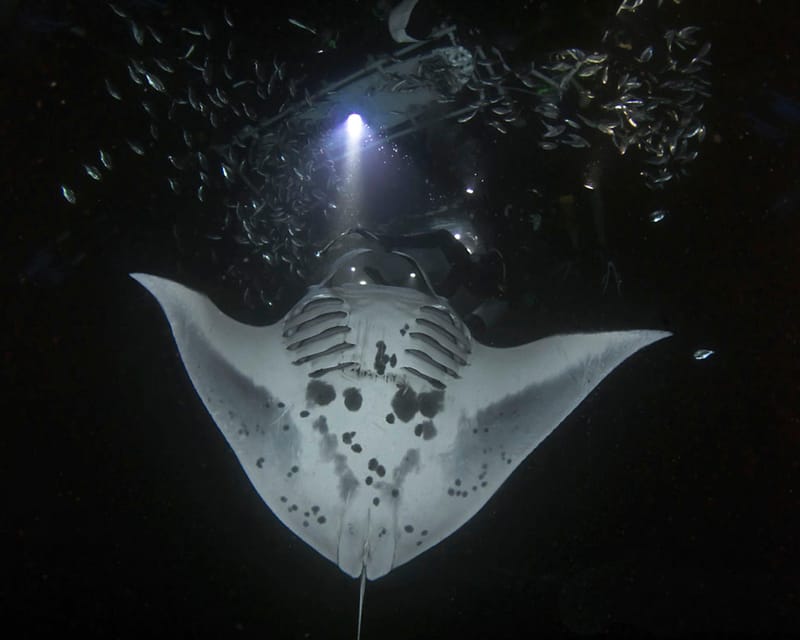
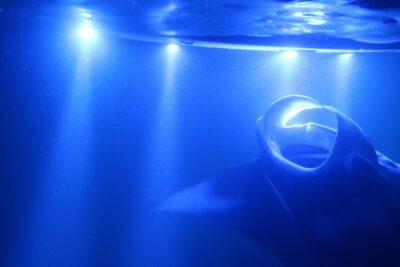
- A lit flotation device gathers plankton, bringing wild manta rays close beneath the group.
- Wetsuit tops and flotation gear are included, but you need to bring a swimsuit and towel.
- The tour costs $141 per person and lasts about 150 minutes, with cancellation allowed up to 24 hours ahead.
Why the Kona manta encounter works so well
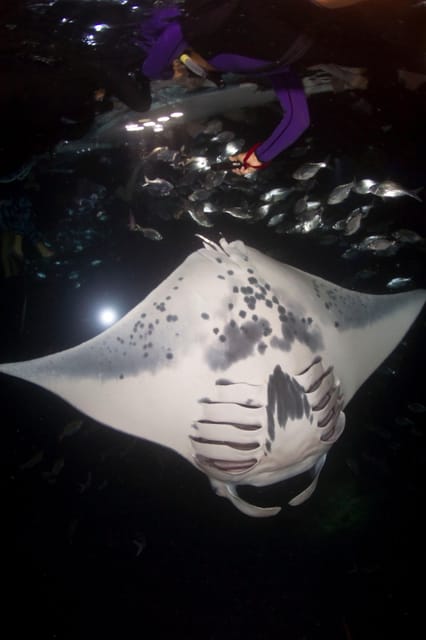
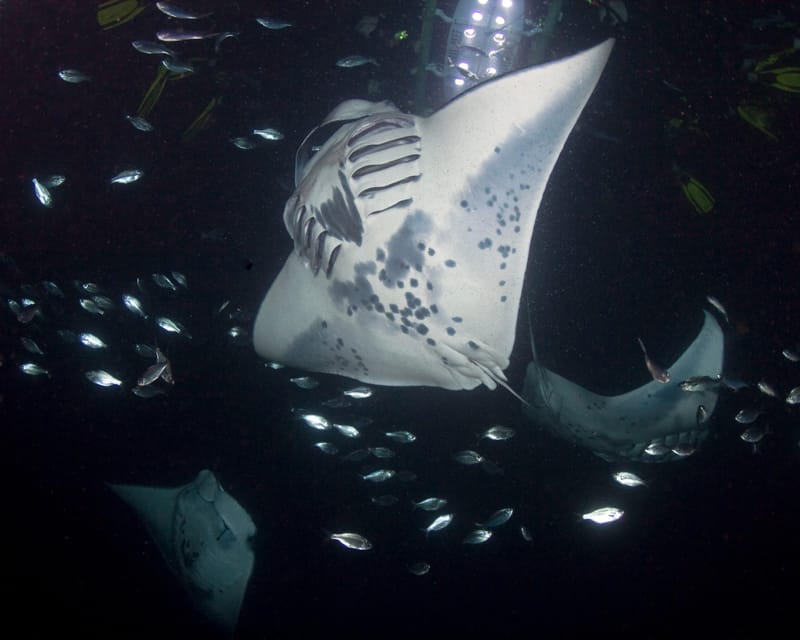
Kona’s famous manta experience is not a zoo visit or a staged animal show. You enter the sea at night and watch wild manta rays feed below an illuminated float. The rays come in for plankton, giving you a close look at their smooth turns, broad wings, and almost weightless movement.
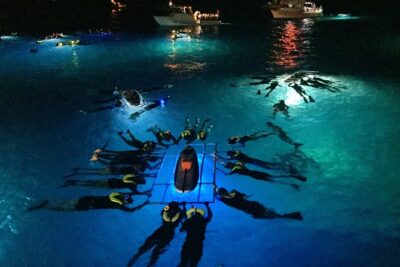
The basic setup is easy to understand. Your guide carries or positions a lighted float in the water. The light draws plankton, and the plankton draws manta rays. You hold onto the flotation device and look down while the animals pass beneath you.
That arrangement matters. You are not chasing the rays around the water. You stay in one place and let the animals set the pace. The result can feel surprisingly calm, even though you are out at sea after sunset.
I like the focus on watching rather than touching. The experience gives you a close encounter without asking the animals to perform. Your main job is to float, keep your mask in place, and pay attention to the water below.
More sunset cruises on Kailua Kona:
- Kailua-Kona: Manta Ray Snorkeling and Sunset Sailing Cruise
★ 5.0 · 3 reviews - Big Island GOAT Experience: Mauna Kea Summit, Sunset & Stars
★ 5.0 · 1,706 reviews - Sunset and Manta Ray Snorkel Adventure
★ 5.0 · 843 reviews
Meeting at Honokohau Small Boat Harbor
The tour begins at Hawaii Marine Life Charters, at slip G-8 in Honokohau Harbor. The harbor is reached from north or south Kailua-Kona by Queen Kaahumanu Highway, also called Highway 19.
From the highway, follow signs for the harbor and turn onto Kealakehe Parkway toward the ocean. Look for the light tan public-restrooms building with a red roof. The company sign is on the right near the check-in area.
Arrive 15 minutes before check-in. That buffer is worth taking seriously. Harbor directions can seem obvious in daylight but less so when you are watching the clock, carrying swimwear and a towel, and trying to find the correct slip.
The meeting point is practical rather than fancy. You are there to meet the crew, confirm your place, and get ready for the boat. The small group limit is one of the best parts of the setup. With no more than 10 participants, the crew can give clearer instructions and keep the float from becoming a crowded pile of elbows and fins.
Getting ready with the right gear
After a short introduction, you receive a wetsuit top and snorkeling equipment. The wetsuit top is for warmth, not just appearance. Night water can feel cooler than you expect, especially when you are floating in one position instead of swimming hard.
Standard snorkeling equipment is included, and prescription masks are available. That is a useful detail if you normally struggle to see underwater without your glasses. You should still bring your own swimsuit and towel.
Motion sickness prevention is also worth considering. You will make a boat trip along the Kona Coast, and the sea can affect people differently. If you are prone to queasiness, bring the prevention method you normally use. The tour information specifically recommends thinking about this before departure.
One practical omission is towels. They are not provided, so pack one. A dry layer for the ride back may also feel helpful, but the only listed requirement is a swimsuit and towel.
The boat ride to the manta site
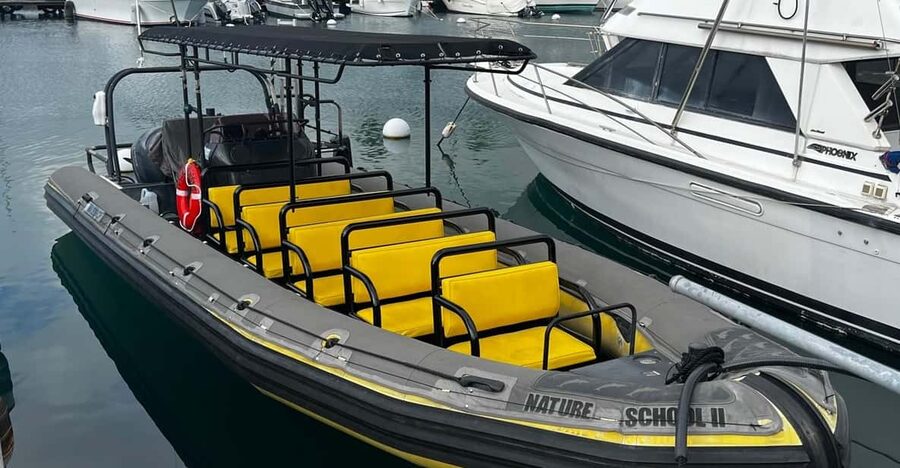
Once everyone is ready, you board the vessel at Honokohau Harbor. The ride to the manta stop is about 20 minutes according to the tour details shared by one participant, with the site described as close to the airport.
That short ride keeps the outing focused. You are not spending most of the evening commuting to a distant reef. The boat ride gives you time to settle in, listen to safety instructions, and watch the coast before the main activity begins.
Sunset is a smart choice for this format. You can see the water while getting organized, then wait briefly as daylight fades. After that, the illuminated float becomes the center of attention and the dark sea makes the manta rays easier to spot below.
The timing does create a small tradeoff. You need to be comfortable with a transition from a visible sunset boat ride to nighttime snorkeling. If you prefer bright daylight and shallow water, a night manta outing may not be your best fit. If you like the unusual mood of being on the ocean after dark, this timing is a major part of the appeal.
Other night swims with the mantas from Kailua Kona:
- Kailua-Kona: Manta Ray Watching Nighttime Boat Trip
★ 4.8 · 488 reviews - Kona: Manta Ray Snorkel Tour, Guaranteed or Come Again Free
★ 4.6 · 78 reviews - Big Island: Manta Ray Snorkel Boat Tour
★ 4.4 · 12 reviews - Kailua-Kona: Night Manta Snorkel or Dive
★ 4.6 · 7 reviews
Holding the float under the moonlit sky
At the manta site, you enter the water with your guide and hold onto the flotation device. The float helps you stay in position while you look down through your mask.
You are not expected to cover a long distance. The activity is centered on floating and marine-life viewing, not on athletic snorkeling. That makes it accessible to people who can swim or snorkel but do not want a demanding workout.
The light below the float brings plankton into the area. Manta rays then move through the illuminated water to feed. You may see them sweep close beneath you, curve their wide bodies, and turn upward before gliding away again.
The best viewing position is usually the one that lets you look down without kicking hard. Excessive movement can make it harder to keep your mask clear and your body steady. Listen to the guide, keep hold of the float, and give the rays room to move.
The guides help make this part less intimidating. Bryan and Riley are specifically associated with the sunset trip, and the crew explains what is happening while the group waits for darkness. A short pause between sunset and entering the water can be useful, since it gives everyone time to hear facts about manta rays and get mentally ready for the night swim.
What makes the small boat worth the price
At $141 per person, this is not a budget snorkeling stop. You are paying for a guided night-water experience, boat transport from Honokohau Harbor, equipment, a wetsuit top, flotation devices, and a strict 10-person maximum.
The group size is the strongest value point. Larger boats can put many more people around one viewing float, making the water feel crowded and reducing your clear view below. A 10-person cap gives the crew more control and gives you a better chance of finding a comfortable place along the float.
The included gear also reduces the amount you need to arrange separately. You do not need to rent a mask, snorkel, or flotation device before arriving. Prescription masks are available, which can save a separate search for specialized equipment.
The price also reflects the experience’s unusual timing. This is not a daytime snorkel over a shallow reef. You go out at sunset, enter the ocean at night, and watch wild manta rays gather below a light. If that is a top priority for your Kona visit, the cost is reasonable for a small-group format.
Still, value depends on your comfort level. If you dislike boats, cannot tolerate nighttime swimming, or would rather spend your money on a longer coastal cruise, $141 may feel high. The shorter ride and two-and-a-half-hour schedule mean you are paying for a concentrated wildlife encounter, not an all-day excursion.
A family business feel, with a personal touch
The operation is run by Hawaii Marine Life Charters, described as a small family business. That affects the tone of the experience. You are dealing with a compact crew rather than a large tourist operation with several dozen people moving through the same process.
The limited capacity supports that feeling. Crew members can keep track of the group, answer questions, and help people who need a little extra time with their masks or flotation gear.
There is also a nice practical extra at the end. Videos of the manta encounter may be sent by AirDrop after the trip. This is not listed as a guaranteed part of the package, so treat it as a possible bonus rather than something to book the tour around. If available, it gives you a way to remember the experience without trying to hold a camera while managing a mask and float.
The most important thing remains the live encounter. Video is useful, but it cannot replace the sight of a manta ray turning beneath you in the dark water.
Who will enjoy this most
I would recommend this trip to you if you want a close marine-life encounter and like the idea of being on the water after sunset. It suits couples, families with suitable swimmers, and small groups of friends who prefer a quieter boat over a large operation.
It is also a good choice for photographers and nature-minded visitors who care more about animal viewing than a packed activity schedule. The crew’s stated focus on respectful observation is important here. You are there to watch the rays feed, not to touch or chase them.
You should think twice if you are highly sensitive to motion sickness, uncomfortable in open water, or expecting a beach-style snorkeling session. The experience takes place at night, and the key view is downward into the dark water. Even with a wetsuit top and float, that setting will not suit everyone.
Your swimming comfort matters as well. The flotation device provides support, but the activity still involves entering the sea and snorkeling from a boat. Ask the crew for help if you need it, and follow all instructions closely.
Timing, cancellation, and planning details
The advertised duration is 150 minutes. The detailed schedule describes the marine-life portion as about 2.75 hours, so allow roughly two and a half to nearly three hours from departure to return. Build in extra time around check-in rather than scheduling another tight activity immediately afterward.
The tour returns to Honokohau Small Boat Harbor. You can cancel up to 24 hours ahead for a full refund, and the reserve-now, pay-later option lets you hold a place without paying at the time of booking. Those policies are useful when your Kona plans are still shifting.
The tour is conducted in English. Check availability for departure times, since the exact start time changes with scheduling and the sunset format.
Bring:
- Swimsuit
- Towel
- Motion sickness prevention if you need it
The operator provides the snorkeling tour, guide, wetsuit top, flotation devices, and normal and prescription snorkeling equipment.
Simple ways to get more from the night
Arrive early enough to find slip G-8 without rushing. The harbor directions include several landmarks, and following them in order is easier than relying on a last-minute search while carrying your gear.
Listen carefully during the short briefing. In a nighttime wildlife encounter, the guide’s instructions help you stay comfortable and keep the group organized. Hold the float as directed, avoid unnecessary kicking, and watch the water below rather than trying to chase every movement.
Keep your expectations realistic. Wild animals do not perform on a schedule. The illuminated float is designed to gather plankton and bring manta rays close, but the exact number, distance, and length of each pass can change.
The sunset departure is worth choosing for the mood and the gradual shift into darkness. You get a few minutes to see the coast and settle in before the main viewing begins. That small transition is part of what makes this different from a standard daytime snorkel.
Should you book this Kona manta tour?
Book it if you want a small-group manta ray encounter with a family-run feel, a sunset departure, and gear included. The 10-person maximum is the clearest reason to choose it over a larger boat, while the possible AirDrop videos and attentive crew add useful touches.
Skip it if nighttime ocean activity sounds stressful or if you want a long, broad snorkeling trip rather than one focused wildlife stop. For the right person, $141 buys a memorable and carefully contained Kona experience: a short boat ride, a moonlit sea, and manta rays moving beneath the float in the darkness.
FAQ
Where does the manta ray tour meet?
Meet at Hawaii Marine Life Charters, check-in area at Honokohau Harbor slip G-8. From Queen Kaahumanu Highway, follow the harbor signs, turn onto Kealakehe Parkway toward the ocean, and look for the light tan public-restrooms building with a red roof. Arrive 15 minutes before check-in.
How long does the tour last?
The advertised duration is 150 minutes. The marine-life schedule is also described as about 2.75 hours, so allow roughly two and a half to nearly three hours for the full outing.
What equipment is included?
The tour includes snorkeling equipment, flotation devices, and a wetsuit top for warmth. Normal and prescription snorkeling masks are available.
What should I bring?
Bring a swimsuit, towel, and motion sickness prevention if you use it. Towels are not provided.
How many people can join the tour?
The group is limited to 10 participants.
Can I cancel for a refund?
You can cancel up to 24 hours in advance for a full refund. The reserve-now, pay-later option allows you to book without paying at the time of reservation.
Just added on Kailua Kona
- Kona Salt Farm: Deep Ocean Cold Water Mineral Foot Soak★ 4.7 · 23 reviews
- Kona: Kilauea Summit to Shore★ 4.4 · 8 reviews
- Kailua-Kona: Kealakekua Bay Snorkel and Sail with Lunch★ 5.0 · 5 reviews
- Kona: Manta Ray Snorkel Tour, Guaranteed or Come Again Free★ 4.6 · 78 reviews
- Kona: Captain Cook Snorkel Tour★ 4.7 · 35 reviews
- Kailua-Kona: Manta Ray Snorkeling and Sunset Sailing Cruise★ 5.0 · 3 reviews
- Kona: Hawaii Volcanoes National Park Tour★ 5.0 · 9 reviews
- Kailua-Kona: Kohala, Volcanoes and Waterfall Helicopter Tour★ 3.8 · 8 reviews
Manta Ray Night Snorkels, compared.
Kona Manta Ray Snorkel Tour in Keauhou Harbor
Read our review →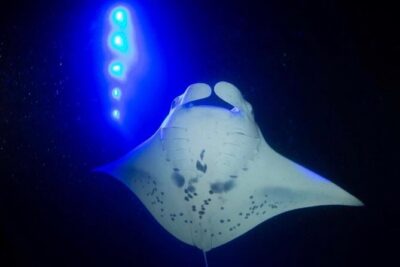
KONA Manta Ray Night Snorkel – FREE re-ride if no Sightings
Read our review →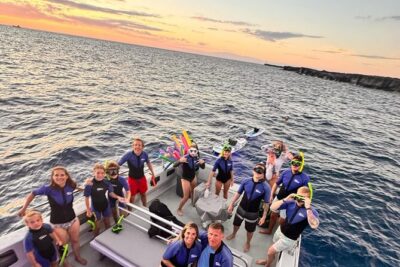
Glow of the Deep: Night Snorkeling with Manta Rays
Read our review →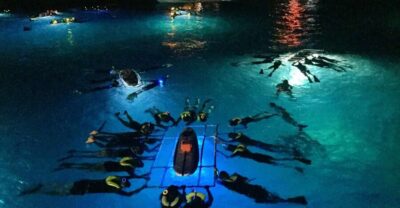
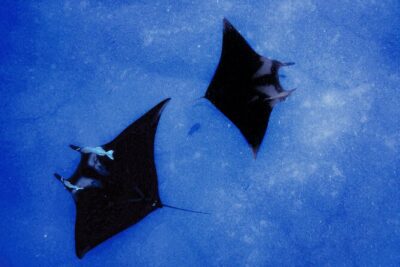
Manta Magic: Small-Group Manta Ray Night Snorkel in Kailua Kona
Read our review →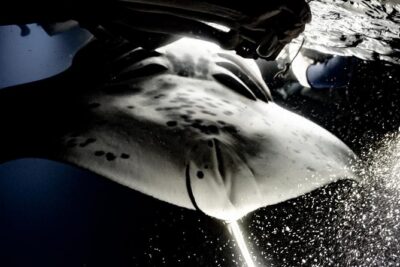
Browse the lists this tour appears in