
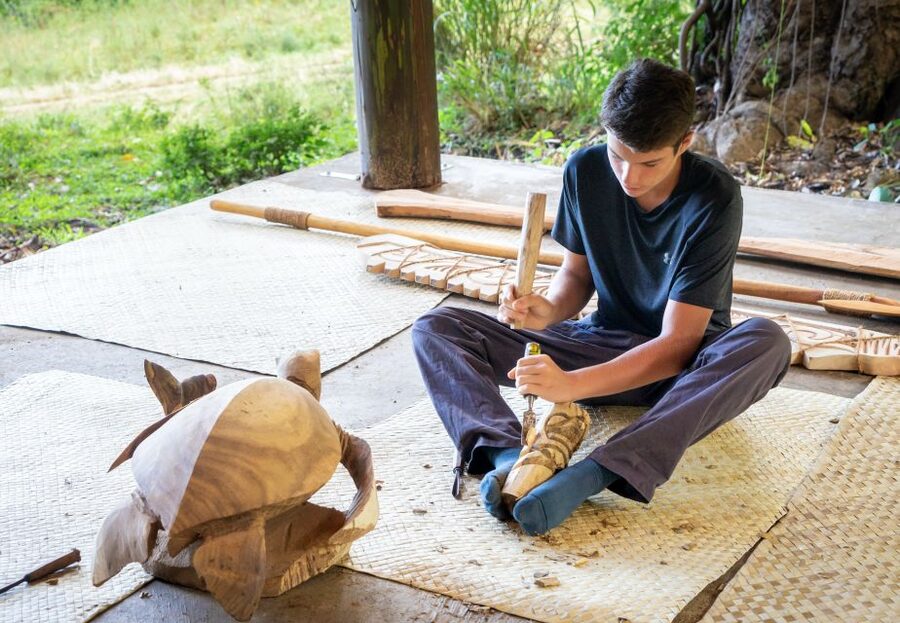
Reviewed · TOURS IN THE BIG ISLAND
Big Island: Tiki Carving Workshop
Carving a tiki beside a hillside view of Kona is a far more personal souvenir than buying one in a shop. At Aloha Adventure Farms, you ride a UTV to a small carving hut, choose a piece of local wood, and work beside a fourth-generation Tongan carver. The carver is identified as Mani in several accounts, with one also naming Monte.
I like the hands-on pace: you do the carving yourself, but receive clear help with the design, tools, and finishing work. I also like the small-group setting, limited to 10 people, which gives the carver time to guide each person and explain the meaning behind different tiki faces and forms.
The main consideration is that this is a two-hour craft lesson, not a broad farm tour or a full cultural program. You will need to arrive 30 minutes early, find the farm off Highway 180, and be ready for a rain-or-shine activity.
Key points at a glance
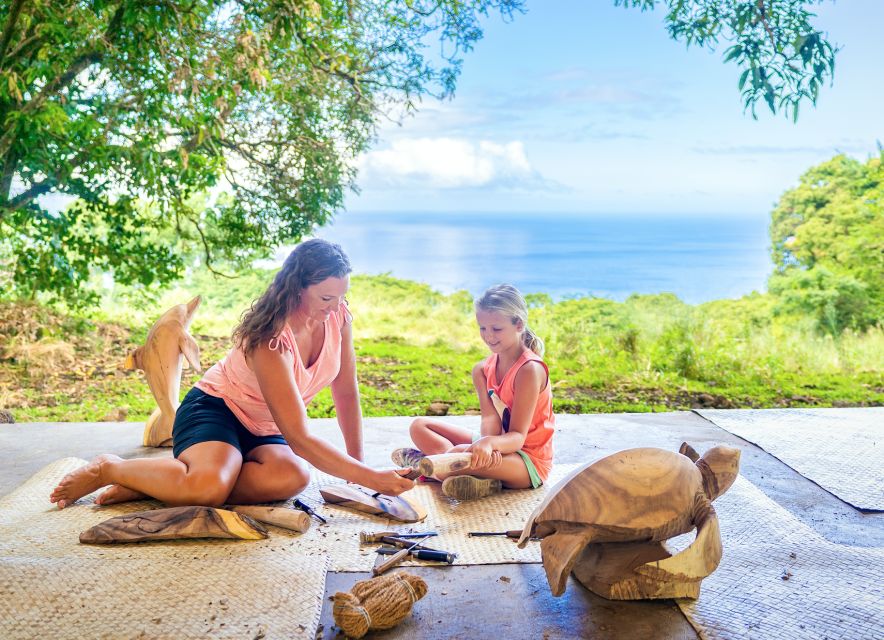
- A fourth-generation Tongan carver leads the lesson: Mani, also identified as Monte in one account, teaches carving technique, tiki symbolism, and Polynesian cultural context.
- The workshop takes place above Kona: A UTV carries you from the farm to a scenic carving hut overlooking the Kona area and ocean.
- You choose the wood and design: Locally sourced wood from the farm becomes your own personalized tiki.
- You take home the finished carving: Wood, carving tools, instruction, and the completed tiki are included in the $219 price.
- The group is limited to 10 people: The format allows for individual help, including assistance with tracing details and cleaning up the final piece.
- The activity suits families and wheelchair users: Children under 5 may attend with a paying adult, and the farm has accommodated wheelchair users.
A Kona souvenir you make with your own hands
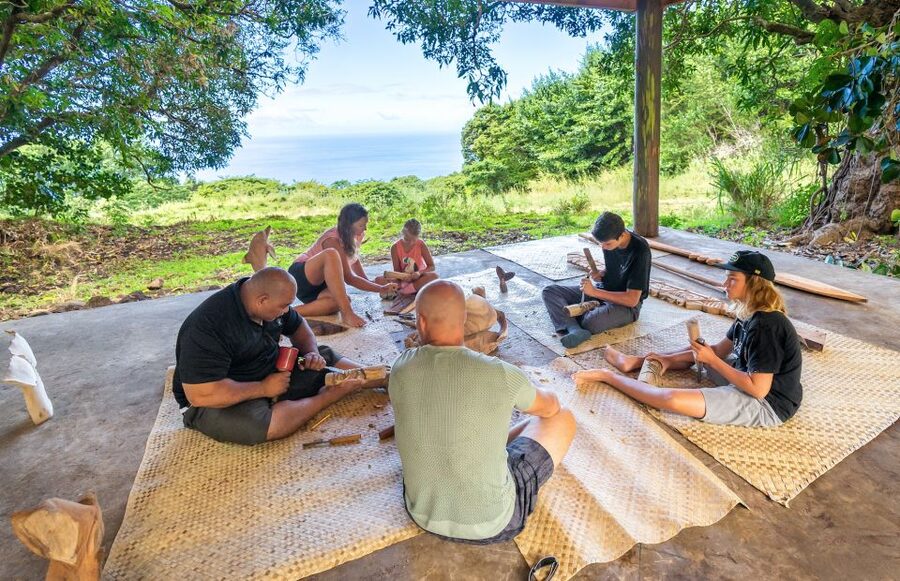
Many Hawaiian souvenirs begin and end at the cash register. This one starts with a rough piece of wood and ends with something you shaped yourself. That difference matters. Your tiki may not look like a professional carver made it, but it carries the marks of your choices, your patience, and the time you spent learning.
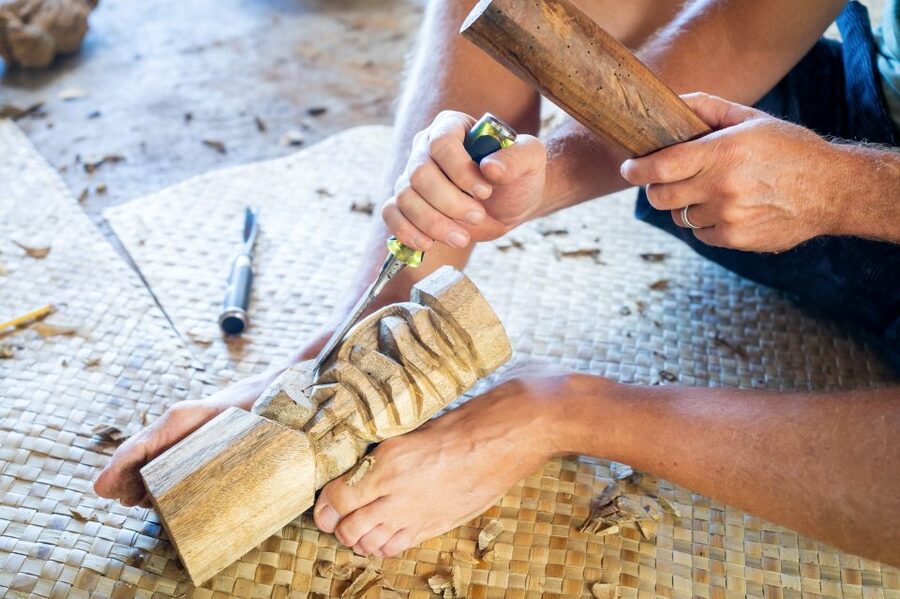
The lesson is designed for beginners. You do not need prior carving experience. The process begins with a starter design on the wood, then you decide which expression and details to add. The instructor traces the selected elements and shows you how to use the tools. You work at your own station while the carver moves around the group to offer help.
This approach gives you a useful balance. You are not left alone with a knife and a block of wood, but you are also not watching someone else make the souvenir for you. If you are nervous about ruining the piece, the guidance helps you get started. If you want to make the design more personal, you have room to choose the face and details.
The completed tiki is included, so you leave with a physical reminder of the activity rather than only photographs. The piece is also likely to have more meaning because you know how it took shape.
Other trips people book on Island Of Hawaii:
- Kailua Kona: Night Manta Ray Adventure on the Big Island
★ 4.8 · 1,199 reviews - Big Island: Night Swim with Manta Ray with Hot Chocolate
★ 4.9 · 420 reviews - Kailua-Kona: Whale Watching Cruise on the Big Island
★ 4.7 · 273 reviews
The ride from the farm to the carving hut
Your meeting point is at Aloha Adventure Farms, off Mamalahoa Highway, also called Highway 180. Look for the Aloha Adventure Farms or Holualoa Kona Coffee sign. Plan to arrive 30 minutes before the scheduled start, since the activity begins at the farm and not at the hillside hut.
From the farm, your guide drives a UTV roughly half a mile uphill to the carving area. The ride is short, but it helps give the workshop a sense of place. You are not simply entering an indoor classroom. You are heading to a quiet viewpoint above Kona, where the carving hut looks out across the area and toward the ocean.
The setting is one of the strongest parts of the experience. A craft lesson can feel ordinary if it takes place in a plain room. Here, the view gives you a reason to pause between cuts and look up. It also makes the two-hour schedule feel less rushed, since the setting itself is part of the experience.
The UTV transfer is worth noting for practical reasons. You should be ready for an open-air farm ride rather than a standard shuttle. The activity runs rain or shine, so bring an attitude suited to changing weather. The supplied information does not specify exactly what rain gear is provided, so ask the operator if the forecast looks wet.
Choosing local wood for your tiki
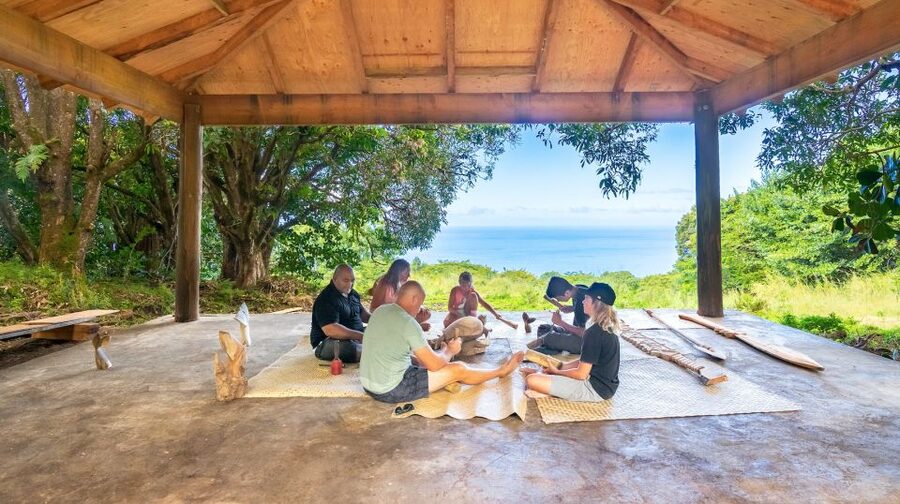
At the hut, you choose from locally sourced wood from the farm. Several accounts refer to mango wood, including one description of watching a chunk of mango turn into a tiki. The wood selection is not just a material choice. It gives you a direct connection to the farm and to the island’s plant life.
The size and shape of each piece may affect what you can carve. A broad piece gives you more room for a large face or extra details, while a smaller piece may be easier to handle during a first lesson. The instructor helps you select and prepare the wood, so you do not need to know how to judge a carving blank on your own.
This part is simple but important: take a moment before choosing. Look at the grain, shape, and weight. Ask which piece is easiest for a beginner if you are more interested in a smooth learning experience than in making the largest tiki.
The wood is included in the $219 price, as are the carving utensils and the personalized tiki. Food and drinks are not included, so eat before or after the workshop according to your schedule.
Learning what the tiki design means
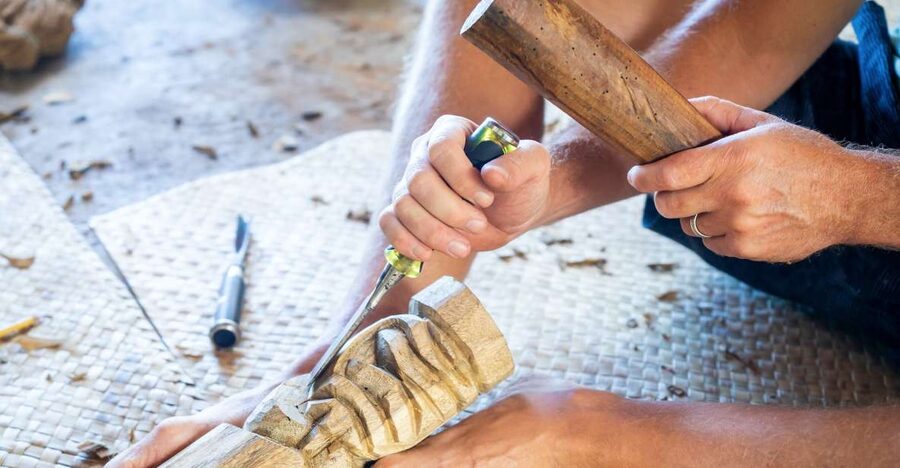
The lesson is not only about cutting lines into wood. Your guide explains the cultural background of the tiki forms, faces, and expressions, along with aspects of Tongan culture and Polynesian history. That context gives the design work a purpose.
You may begin with a starter carving already marked on the wood. From there, you can choose what to add and what expression you want your tiki to have. The guide explains how each part should be approached and helps trace the design before you work on it.
The cultural explanation is especially useful because the word tiki can be used loosely in souvenir shops. Here, you receive a lesson connected to a Tongan master carver rather than only a generic decorative craft. You should still treat the experience as an introduction, not a substitute for a full cultural course. The workshop lasts two hours, and much of that time is spent working with the tools.
The strongest teaching seems to come from the carver’s personal skill and manner. Descriptions of Mani emphasize patience, calm instruction, friendliness, and a willingness to help with both children and adults. One account identifies him as a fourth-generation master carver, which gives the activity a clear link to family tradition.
Same island, a different kind of day:
- From Keauhou Bay: Snorkel Cruise to Captain Cook’s Monument
★ 4.8 · 242 reviews - Big Island: Captain Cook Sightseeing & Snorkel Expedition
★ 4.9 · 105 reviews - Waikoloa: Catamaran Sunset Sail with Cocktails
★ 4.8 · 68 reviews - Kilauea: Volcanoes National Park Guided Hike
★ 4.8 · 46 reviews
What the two-hour carving lesson feels like
Once everyone has wood and a basic design, the hands-on work begins. You sit at your own station and use the supplied tools to shape the tiki. The guide demonstrates how to handle the carving utensils and then checks your progress.
This is where the small group helps. With no more than 10 participants, the instructor can spend time correcting a cut, explaining how to clean an edge, or helping you adjust a feature. One person described having the design traced onto the wood and receiving help with cleanup at the end. That is useful to know if you are worried about small details or uneven lines.
The activity can be relaxing, but it is still work. You will be concentrating on the wood, your hands, and the design. Do not expect a finished professional sculpture in two hours. Expect a personal piece made with guidance. The final result depends partly on your patience and partly on how much detail you choose to add.
Families should think about attention spans. Children under 5 may participate with a paid adult, but the supplied information does not promise a separate children’s program. Very young children may need close help throughout the carving. Older children who enjoy making things can get much more from the lesson, especially because the guide is described as patient with kids.
The view makes the setting special
The carving hut sits at a scenic viewpoint above the farm, with views across Kona and toward the ocean. This is not a side detail. It changes the rhythm of the class.
You can focus on the tiki, then look out over the coast as your hands rest. The open setting also gives the workshop a quieter feel than many scheduled activities in the Kona area. One account describes the location as a peaceful mountain setting with a breathtaking ocean view, while another notes the calm atmosphere above downtown Kona.
Weather will affect this part of the experience. Since the workshop operates rain or shine, clouds or showers may alter the view and the comfort of the carving session. That is the tradeoff for an outdoor setting. On a clear day, the viewpoint adds real value. In poor weather, the craft lesson remains, but the scenic part may be less rewarding.
Bring your identification, since a passport or ID card is listed among the required items. The provided information does not list specific clothing requirements, but practical outdoor clothing makes sense for a farm ride and an open-air hut.
Is $219 a fair price?
At $219 per person, this is not a casual, low-cost souvenir activity. You are paying for a guided cultural craft session, a piece of locally sourced wood, carving utensils, UTV transport to the hut, a scenic location, and the finished tiki.
The price makes the most sense if you value instruction and a personal keepsake. If you only want a decorative tiki, you can likely spend less at a shop. If you want to understand some of the design meaning, learn directly from a Tongan carver, and make your own object, the workshop offers more than a retail purchase.
The small group also matters. A large class could turn the activity into a demonstration with limited personal help. With a 10-person cap, the guide can give attention to individual designs and abilities. That is particularly valuable for first-time carvers, families, and anyone who wants help getting the finishing details right.
The price does not include hotel pickup, food, or drinks. You need to make your own way to the farm and plan around the two-hour session. The meeting point is off Highway 180, so check the route and allow extra time for finding the correct sign.
Accessibility and practical planning
The activity is listed as wheelchair accessible, and one wheelchair user described receiving accommodating assistance from the staff. That is encouraging, though the experience includes a UTV ride to a scenic hut, so you should contact Aloha Adventure Farms directly if you need details about the exact transfer and carving-station setup.
The workshop is offered in the morning and afternoon, giving you some flexibility when planning a Kona day. I would avoid placing it too close to another fixed booking. The listed duration is two hours, but you also need time to arrive early, check in, ride to the hut, and return to the meeting point.
The tour is conducted in English. If you want to ask detailed questions about Tongan culture or carving technique, English ability will help you get the most from the lesson.
Cancellation is flexible: you can cancel up to 24 hours before the activity for a full refund. You can also reserve now and pay later, which helps if your island plans are still shifting.
Who will enjoy this most
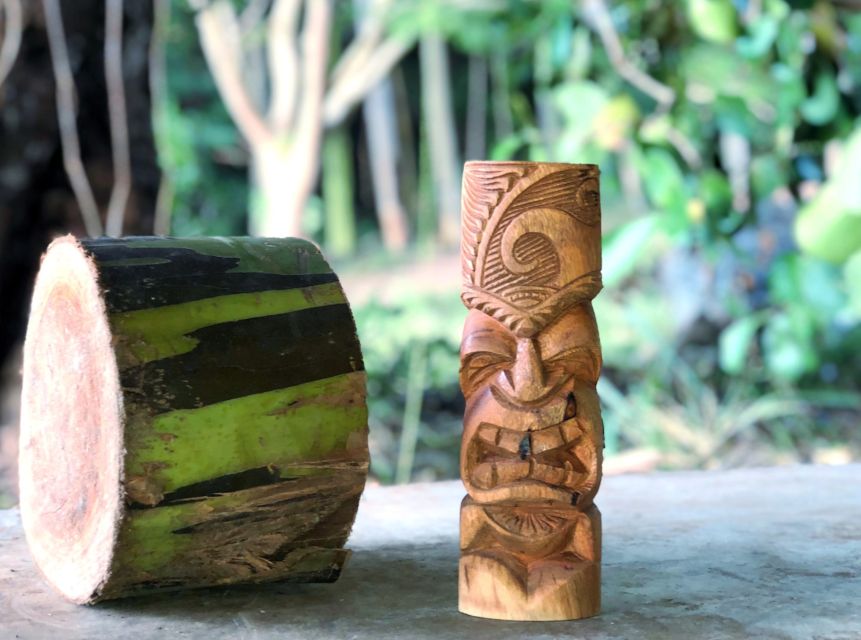
I would recommend the workshop most strongly to you if you prefer making something to simply seeing something. It fits couples, families with older children, solo visitors who enjoy creative work, and anyone seeking a souvenir with a personal story.
It is also a good match if you have already seen beaches and viewpoints and want an activity with more conversation and participation. The workshop gives you a break from sightseeing without removing you from the Kona setting.
You may want to skip it if you dislike hands-on crafts, want a fast activity, or are looking for a large cultural performance. The two-hour period is centered on carving, not on a long farm visit, meal, or wide-ranging island tour. You should also consider the price carefully if your main goal is simply to bring home a small gift.
Should you book the Big Island Tiki Carving Workshop?
Book it if you want a personal, made-by-you souvenir and enjoy learning from a skilled cultural practitioner. The combination of locally sourced wood, one-on-one guidance, Tongan cultural context, and the Kona viewpoint gives the activity a clear identity.
I especially like that the instructor helps you design and finish the piece without taking the project out of your hands. That makes the tiki yours in a real way. Just arrive early, plan for rain or shine, and remember that the $219 price covers the workshop and carving supplies but not transportation from your hotel or refreshments.
FAQ
Where does the tiki carving workshop meet?
It meets at Aloha Adventure Farms, located off Mamalahoa Highway, or Highway 180. Look for the Aloha Adventure Farms or Holualoa Kona Coffee sign.
How early should I arrive?
You should arrive at the meeting point 30 minutes before the activity begins.
How long does the workshop last?
The activity lasts two hours. Morning and afternoon start times are usually available.
Who teaches the carving lesson?
The lesson is led by a Master Carver of Tonga. The carver is identified as Mani in several accounts, and one account names Monte. He is described as a fourth-generation master carver.
What is included in the price?
The $219 price includes the wood, carving utensils, instruction, and your personalized tiki to take home.
Is transportation from my hotel included?
No. Hotel pickup and drop-off are not included. You must make your own way to the farm meeting point.
Can children participate?
Children under 5 may participate when accompanied by a paying adult. The workshop is conducted in English.
What happens if it rains?
The workshop takes place rain or shine. You should be prepared for changing outdoor conditions at the farm and carving hut.
Just added on Island Of Hawaii
- Big Island: Full Day Adventure Tour of the Kohala Waterfalls★ 5.0 · 41 reviews
- Big Island: Evening Volcano Explorer from Hilo★ 4.7 · 31 reviews
- Big Island: Off the Beaten Path Volcano Crater Hike★ 5.0 · 15 reviews
- Big Island: Full-Day Kohala Zipline and Waterfall Adventure★ 4.8 · 36 reviews
- Waikoloa Catamaran Snorkel & Sail Adventure with Lunch★ 4.8 · 39 reviews
- Big Island: Native Bird Watching & Hiking Tour★ 5.0 · 5 reviews
- Big Island: 3-Hour Kohala Canopy Zipline Adventure★ 4.9 · 37 reviews
- Big Island: Captain Cook Sightseeing & Snorkel Expedition★ 4.9 · 105 reviews
Tours in the Big Island, compared.

Big Island in a Day: Volcanoes Waterfalls Sightseeing and History
Read our review →

Kona Manta Ray Snorkel Tour in Keauhou Harbor
Read our review →
Hilo Shore Excursion: Volcanoes National Park & Black Sand Beach
Read our review →
Captain Cook Snorkel On A Power Catamaran With Lunch
Read our review →
KONA Manta Ray Night Snorkel – FREE re-ride if no Sightings
Read our review →
Big Island GOAT Experience: Mauna Kea Summit, Sunset & Stars
Read our review →
Small Group Big Island Twilight Volcano and Stargazing Tour
Read our review →Browse the lists this tour appears in