
Reviewed · FARMS
Taste of Hawaii: A Maui Farm Tour
Maui’s Lā Kāhea Community Farm turns a simple fruit tasting into a hands-on lesson about how food grows on the island. You’ll walk among tropical crops, taste produce from the farm, press sugarcane for your own drink, and take in views toward Haleakala and the West Maui Mountains. Making your own sugarcane juice and finishing with banana ice cream are the most memorable touches.
I like the tour for two clear reasons: the food is part of the lesson, not just a snack, and the hosts connect farming to Hawaiian crops, Polynesian plant traditions, and the needs of Maui communities. The main thing to consider is that this is a working community farm, not a polished botanical garden. Some areas can look rough or muddy, and the amount you see may feel limited if you expect a large commercial farm.
Key points to know before you book
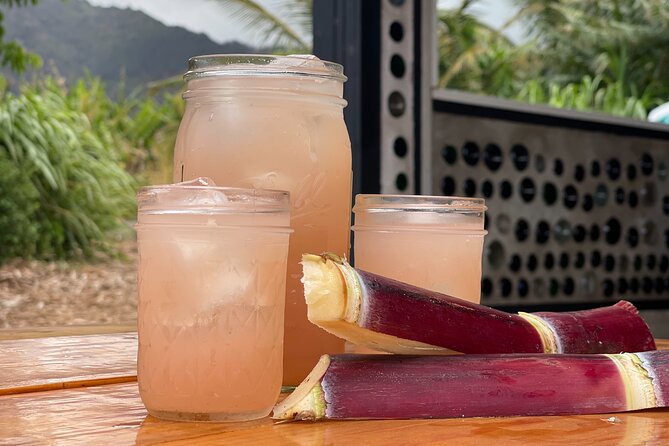
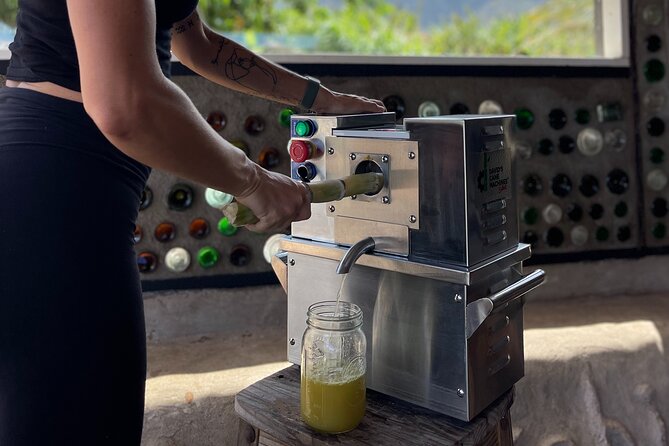
- Sugarcane becomes your drink: You may help press fresh cane and taste the juice on site.
- Tropical fruit leads the tour: Expect a plate of fresh fruit, along with samples of crops growing around the farm.
- The lesson goes beyond food: Guides explain Polynesian-introduced plants, natural farming, and regenerative agriculture.
- The setting is rural and practical: You get mountain views and an active community farm, not manicured gardens.
- Banana ice cream may finish the visit: Past tastings have included banana nice-cream with roasted macadamia nuts.
- The small-group format matters: The maximum is 35 people, and the 90-minute visit stays focused.
What the 90-minute Maui farm tour is really about
This is a short food-and-farming experience near Wailuku, built around Lā Kāhea Community Farm’s work. The farm visit begins at 2100 HI-30 at 10:30 a.m. and ends back at the same point.
The central idea is simple: you learn about Maui’s crops by tasting them. That makes the visit especially useful if you want more than a scenic stop but do not want to spend half a day on a formal agricultural program.
You can expect the hosts to explain how tropical plants grow, why certain crops matter to Hawaiian culture, and how a community farm can serve local people. The emphasis is on sustainable and regenerative methods. In plain terms, you are hearing about ways to care for soil, use resources wisely, and make farming more workable for the future.
The visit is not built around one major attraction. Its appeal comes from the mix of small activities: a fruit tasting, a walk through the growing areas, plant explanations, sugarcane juicing, and a sweet finish. That makes it a good fit for people who enjoy learning through food.
Other coffee and chocolate farms to visit on Maui:
- Maui Pineapple Farm Tour in Haliimaile
★ 5.0 · 2,855 reviews - Lahaina: Maui Ku’ia Estate Guided Cacao Farm Tour and Tasting
★ 5.0 · 1,103 reviews - Maui: Road to Hana Adventure with Farm to Table Lunch
★ 5.0 · 877 reviews
Starting with fruit, cane juice, and a friendly welcome
The tasting may begin before the walking portion. You can be offered a plate of sliced tropical fruit, giving you an immediate introduction to what the farm grows and what can thrive in Maui’s climate.
The fruit is more than a generous welcome. It gives the guide a natural way to discuss texture, flavor, cultivation, and the difference between familiar grocery-store produce and fruit picked or prepared close to where it grows.
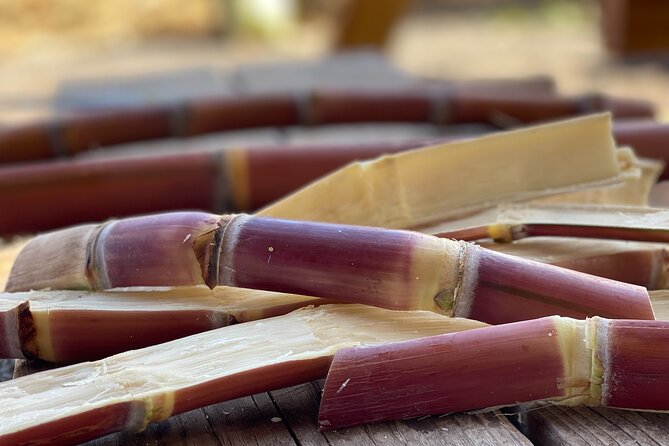
Sugarcane is one of the tour’s best hands-on moments. You may help squeeze the cane and drink the fresh juice. The activity is simple, but it turns an explanation about crops into something you take part in. The drink has been described as refreshing, and some visitors compare it to a natural sports drink.
The tasting can also include less familiar tropical fruit. Exact offerings may change with the harvest, so do not book this expecting a fixed menu. That seasonal element is part of the point, but it also means the food portion can vary from one visit to another.
Walking among Hawaiian crops
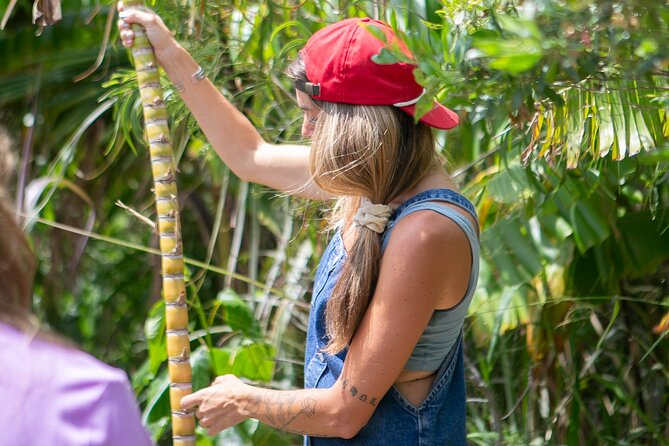
After the initial tasting, the tour moves into the farm. The hosts introduce you to plants, trees, leaves, and fruit growing in the fields. You may learn about crops brought to Hawaii by Polynesians, along with plants that support current food production on Maui.
This is where the tour earns its educational value. Instead of treating tropical agriculture as a pretty backdrop, the guides explain what the plants are and why they matter. You might hear about how crops grow, how natural farming works, and why local food production is important on an island.
Winsome, one of the farm’s owners and hosts, is closely associated with the farm’s larger goals. Anna has also led the tour, bringing an energetic and engaging style to the walk. Emily, Jakke, Whit, and Jake have been part of the hosting team as well. The exact guide is not guaranteed, but the experience is clearly shaped by people who care about the farm’s purpose.
The educational tone works best for adults, gardeners, teenagers, and older children who can listen while walking. One family found that a nine-year-old enjoyed the fruit, activities, and explanations. Another parent felt the material suited teenagers better than young children. That is a fair guide: this is not a playground visit, and the farming discussion may hold younger children only if they are already interested in plants or food.
Regenerative farming in a working community space
The farm’s focus on regenerative agriculture gives the tour more substance than a standard tasting stop. You are not simply being shown exotic fruit. You are hearing about farming practices and the farm’s goal of helping the environment and the surrounding community.
The phrase regenerative farming can sound technical, but the tour presents it through practical examples and the visible work of the farm. You can connect the discussion to soil, plant health, food production, and the question of how Maui can build a healthier agricultural future.
This is also where expectations matter. Lā Kāhea Community Farm is still growing and expanding. It is a startup community farm, not a large estate with acres of finished paths and displays. One person found the farm somewhat messy, especially after rain, and another expected more to see. Those comments are useful warnings, not deal breakers.
I would choose this tour if you want to see a real project in progress. If you want formal gardens, a highly staged setting, or a large number of attractions packed into 90 minutes, the visit may feel modest. The farm’s unfinished, practical quality is part of what you are paying to see.
Same island, a different kind of day:
- Small-Group Road to Hana Adventure Tour with Pickup & Lunch
★ 5.0 · 3,064 reviews - Maui Eco-Raft Tour: Eye-Level Whale or Dolphin Watching – Lahaina
★ 5.0 · 2,482 reviews - Maui Snorkeling Adventure to Molokini and Turtle Town
★ 4.5 · 2,221 reviews - Maui: Haleakala Sunrise Spectacular with Local Breakfast
★ 4.5 · 2,155 reviews
The food makes the farming lesson stick
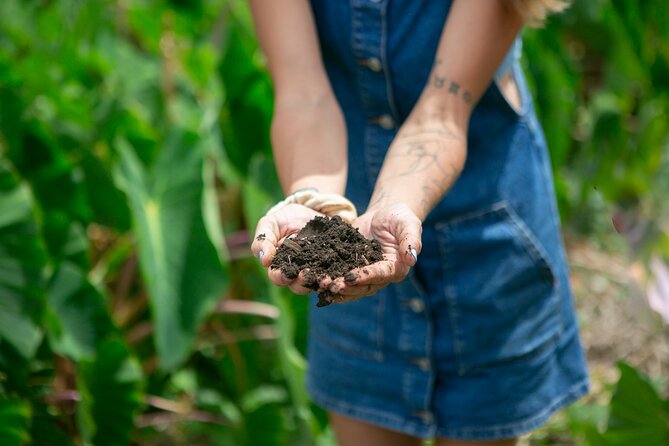
The strongest feature is the way the tasting keeps the discussion grounded. You may begin with fresh fruit, sample unusual produce in the growing area, drink sugarcane juice you helped make, and finish with banana ice cream.
The banana dessert has been a particular favorite. Some tastings include banana nice-cream topped or paired with freshly roasted macadamia nuts. Another hands-on food experience has involved learning how to make the ice cream. The exact dessert activity may vary, so treat it as a likely highlight rather than a guaranteed menu item.
This food is not a full lunch. You should think of it as a substantial tasting with dessert, not a replacement for a meal. The amount of food depends on the day’s offerings and the farm’s harvest.
I like this format because it gives you several ways to remember the lesson. You taste the fruit, feel the sugarcane process, and connect the crop to something familiar and delicious. That is more effective than listening to a long talk beside a row of plants.
Views toward Haleakala and the West Maui Mountains
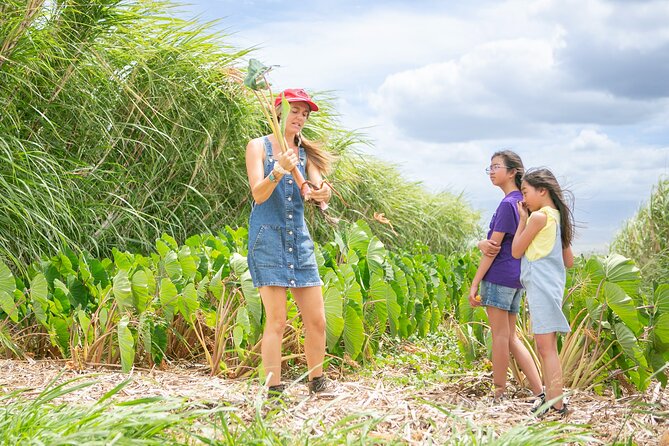
The farm also offers attractive views toward Haleakala and the West Maui Mountains. These make good photo opportunities, especially when the weather is clear.
Still, the scenery is a supporting feature, not the main event. This is a farm tour with mountain views, not a dedicated viewpoint excursion. The visual appeal comes from seeing the crops, open farm space, and surrounding mountains together.
Bring water, sunscreen, and protection from the sun. One practical note is that the farm area can be dry, and the tour takes place outdoors. Rain can also affect the walk and the condition of the ground. Comfortable clothing and shoes that can handle a working farm are sensible choices.
The weather policy is worth noting. If poor weather forces a cancellation, you can receive a different date or a full refund. The same applies if the minimum number needed to run the activity is not met.
How the $75 price compares
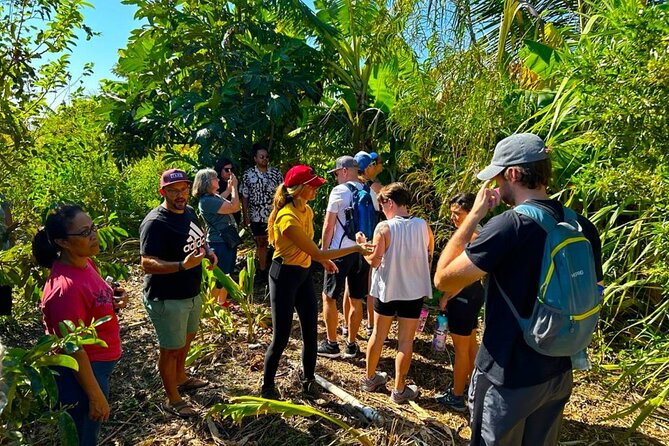
At $75 per person, this is not the cheapest way to sample fruit in Maui. The value depends on how much you want the educational side of the visit.
You are paying for about 90 minutes of guided time, a farm walk, fresh tastings, sugarcane juice, and possibly banana ice cream or another farm-made treat. You also get direct contact with a community project and an explanation of local agriculture. For a visitor who enjoys food, gardening, sustainability, or Hawaiian plant traditions, that combination can justify the price.
The value is weaker if you only want a large buffet of fruit or a long farm walk. The tour is short, and the farm is still developing. You should not expect a full meal, a huge plantation, or a long list of formal exhibits.
The group maximum is 35 people. That is not an intimate private tour, but it keeps the experience smaller than a large bus outing. Your experience will also depend on the guide and the day’s harvest. Hosts such as Anna and Winsome bring a personal style, and the strongest part of the visit is often the direct conversation.
Who will enjoy this most
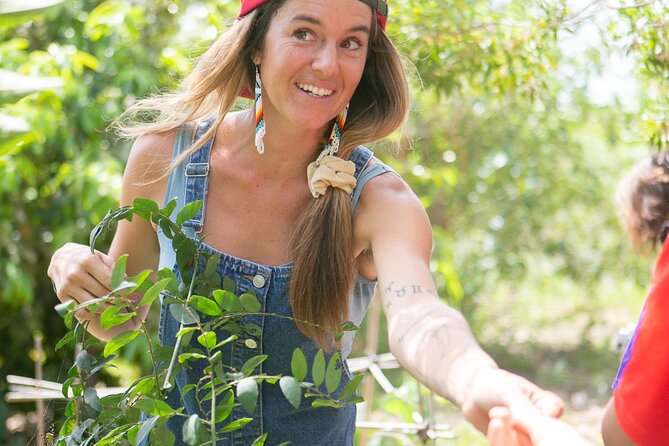
I would recommend this for:
- Couples who want a relaxed, food-centered activity
- Families with older children or teenagers
- Home gardeners and people curious about tropical crops
- Visitors interested in Hawaiian food traditions
- Anyone who wants to support a local community farming project
- People looking for a short morning activity near Wailuku
It is less suitable if you need constant entertainment for very young children, dislike outdoor conditions, or expect a polished agricultural attraction. It may also disappoint you if you want to pick large amounts of fruit yourself. The farm is moving in that direction, but picking is not presented as the standard feature of this visit.
Solo visitors can enjoy it too. The tasting and guided walk give you an easy structure, and the 90-minute length keeps the commitment manageable.
Practical details that affect your day
The tour is offered in English and uses a mobile ticket. Confirmation arrives when you book. Most people can participate, but the experience takes place on an active farm, so sun, rain, uneven ground, and outdoor walking are reasonable considerations.
The starting point is 2100 HI-30, Wailuku, Hawaii 96793. The activity begins at 10:30 a.m. and returns to the same meeting point. No separate transportation is described, so you should arrange your own way to the farm.
Book ahead if this experience is important to your itinerary. It is often reserved about 32 days in advance, a useful sign that morning spaces can fill well before a Maui trip. The booking terms allow free cancellation up to 24 hours before the start time. Changes or cancellations inside that window are not refunded.
Should you book Lā Kāhea Community Farm?
Book it if you want a personal introduction to Maui agriculture, fresh tropical fruit, sugarcane juice you help make, and a clear explanation of regenerative farming. The hosts, especially Winsome and Anna when they lead the visit, add warmth and purpose to a simple farm walk.
Skip it if you want a large farm, a full meal, or a highly polished attraction. The setting can be rough around the edges, the tour lasts only about 90 minutes, and the exact tasting changes with the farm.
For the right visitor, the $75 price buys more than snacks. You get a close look at a Maui project that is still growing, plus a tasty way to understand why local farming matters.
FAQ
Where does the Maui farm tour begin?
The tour begins at 2100 HI-30, Wailuku, HI 96793, USA.
What time does the tour start?
The scheduled start time is 10:30 a.m.
How long does the experience last?
The tour lasts approximately 1 hour and 30 minutes.
Does the tour return to the starting point?
Yes. The activity ends back at the meeting point.
What food and drinks are included?
The tasting can include fresh tropical fruit, sugarcane juice made during the visit, and banana ice cream or banana nice-cream. Exact offerings may vary.
Will I learn about Hawaiian crops?
Yes. The tour covers tropical crops, plants brought to Hawaii by Polynesians, natural farming, and regenerative agriculture.
Is sugarcane juicing part of the experience?
Yes. You may help squeeze sugarcane and drink the fresh juice.
How many people can join the tour?
The maximum group size is 35 people.
Can I cancel for a refund?
You can cancel at least 24 hours before the experience begins for a full refund. Cancellations or changes made less than 24 hours before the start time are not refunded.
Just added on Maui
- Two Site Snorkeling Adventure featuring the Molokini Crater★ 5.0 · 4 reviews
- Traditional Airport Lei Greeting on Kahului Maui★ 5.0 · 95 reviews
- Turtle Town Clear Kayak & Snorkel Tour (8am-11am)★ 5.0 · 100 reviews
- Road to Hana Deluxe Rainforest & Waterfall Experience from Maui★ 5.0 · 116 reviews
- The Best Maui 3 Hour Molokini and Turtle Town Snorkel★ 5.0 · 106 reviews
- 3-Hour Small-Group Maalaea Luxury Snorkel Cruise Tour★ 5.0 · 29 reviews
- Elite Private Tour★ 5.0 · 7 reviews
- VIP Premiere Whale Watch Kaanapali Beach MAX 12 PASSENGERS★ 5.0 · 78 reviews
Farms, compared.

Oahu’s Ultimate Tour: Dole, Turtle Snorkel, Pali Lookout & More
Read our review →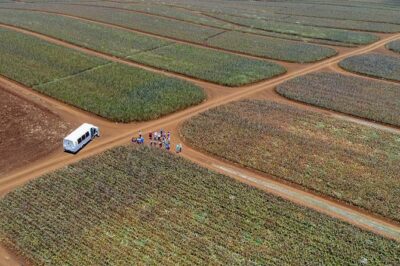
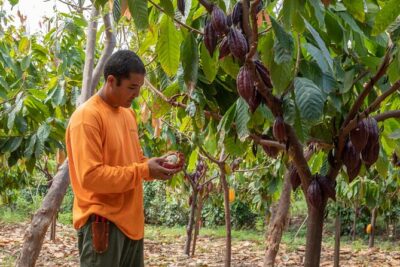
Maui Ku’ia Estate Guided Cacao Farm Tour and Tasting
Read our review →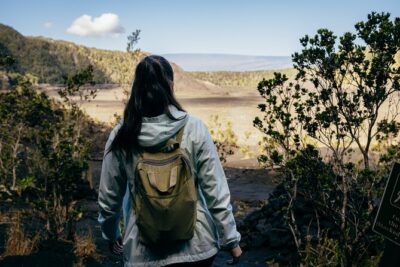
Big Island Highlights: Coffee, Volcano, Black Sands & Waterfall
Read our review →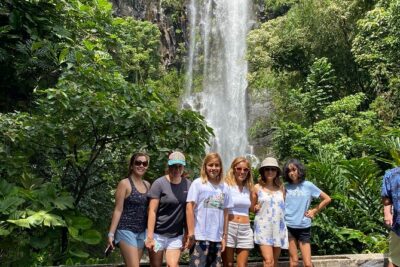
Road to Hana Adventure with Farm to Table Lunch
Read our review →
Pearl Harbor, Dole Plantation, and Polynesian Center from Waikiki
Read our review →
Princeville Botanical Gardens Tour and Chocolate Tasting Ticket
Read our review →
Browse the lists this tour appears in