Reviewed · TOURS IN MAUI
2.5-Hour Private Kiteboarding Lessons at Kanaha Beach in Kahului
Kanaha Beach is one of Maui’s key spots for learning kiteboarding, and this private lesson gives you a full 2.5 hours to understand the gear, control the kite, and practice in the water. You start with ground school on the beach, then work with an instructor before trying the skills yourself.
I like the one-to-one format, especially if you learn best with quick corrections instead of waiting for a group. I also like that the price includes the kiteboarding equipment, safety gear, bottled water, taxes, and a private instructor. The main caution is simple: this is an active water sport, and you must be able to swim, have moderate fitness, and accept that wind and weather can change the plan.
Key points
- Private instruction: Your group receives the instructor’s full attention, with the lesson adjusted to your experience.
- Kanaha Beach setting: The class takes place at Kite Beach in Kanaha Beach Park, a practical spot for learning and water practice.
- Clear progression: You move from gear selection and beach safety to water drills, then solo practice.
- Named instructor: Miki is one instructor connected with the experience and is praised for explaining skills clearly and matching the student’s pace.
- Equipment included: Kiteboarding, safety, and control gear are supplied, so you do not need to arrive with your own setup.
- Weather matters: You must call the day before to confirm the start time and conditions.
Learning Kiteboarding at Kanaha Beach Park
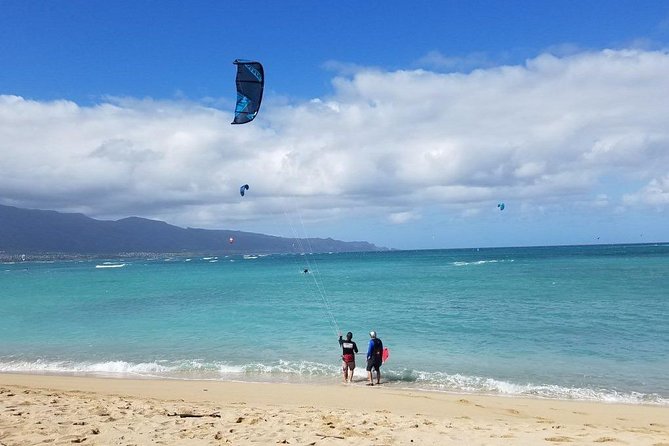
Kiteboarding can look wild from shore. A rider holds a large kite, catches the wind, and skims across the water. The first lesson is less dramatic and far more useful: learning how to stay safe and make the kite respond to small movements.
This experience takes place at Kanaha Beach Park in Kahului, at the area known as Kite Beach. You meet at 1200 Amala Pl, Kahului, Hawaii 96732. The class ends back at that same meeting point, and transportation to or from the beach is not included.
The private format changes the feel of the lesson. You are not sharing the instructor’s attention with a large class. If you already know a little about kite control, the lesson can focus on your weak spots. If you are new to the sport, the instructor can slow down and repeat the basics without making you feel rushed.
That matters because kiteboarding has several jobs happening at once. You need to watch the kite, manage the control bar, understand wind direction, and keep your body in a safe position. Private coaching lets the instructor see which part is causing trouble and offer a correction right away.
A few more things to do on Maui worth a look
- Maui: VIP Private Road to Hana Tour with Pick Up
★ 5.0 · 1,068 reviews - Maui -PRIVATE- Air Tour: 5 Islands: (2-5 people): SEE Even MORE!
★ 5.0 · 785 reviews - Maui -PRIVATE- Air Tour FUN: 3 Islands: (2-5 people): SEE it ALL!
★ 5.0 · 559 reviews
The First 30 Minutes: Gear and Beach Orientation
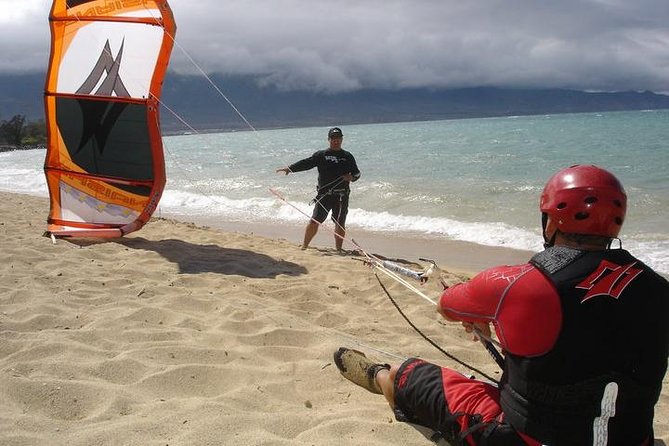
The class begins with gear selection and an orientation to Kite Beach. You are introduced to the kiteboarding setup and the safety and control equipment used during the lesson.
The supplied information does not list specific equipment brands or models, so you should not expect to choose from a personal equipment menu. The useful point is that the necessary kiteboarding gear is included. That saves you from renting pieces separately or trying to bring specialized equipment on a flight to Maui.
Beach orientation is more than a quick look around. Before you enter the water, you need to understand where you will work, how the wind affects the kite, and how to handle the equipment without creating a safety problem. This opening stage gives the rest of the class a clear purpose.
You should arrive ready to listen and move. The activity requires a liability waiver before class, and all participants must be at least 9 years old and able to swim. A moderate level of physical fitness is also required. That does not mean you need to be an athlete, but you should be comfortable with an active lesson around the water.
Ground School: Learning Control Before You Ride
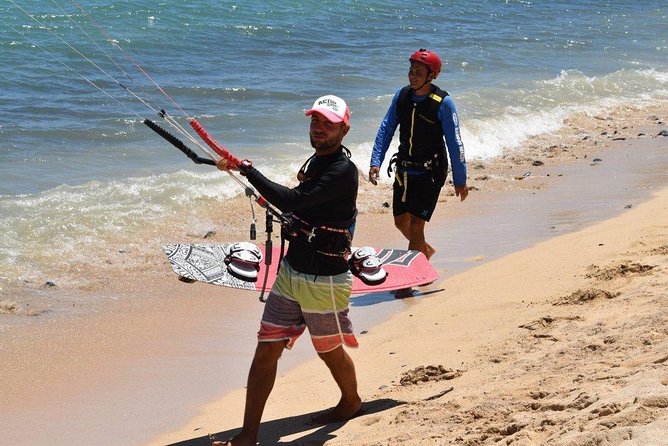
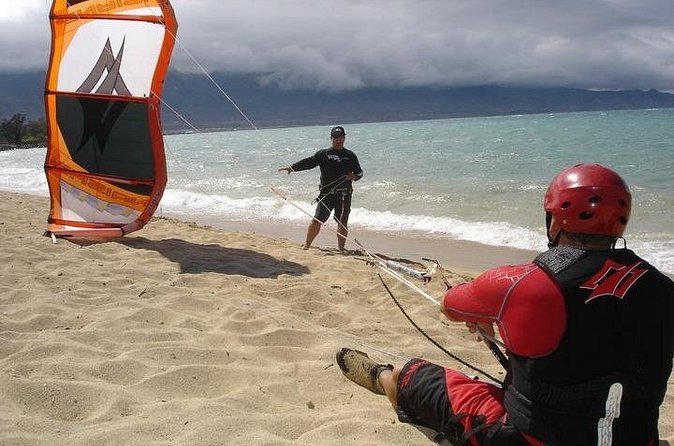
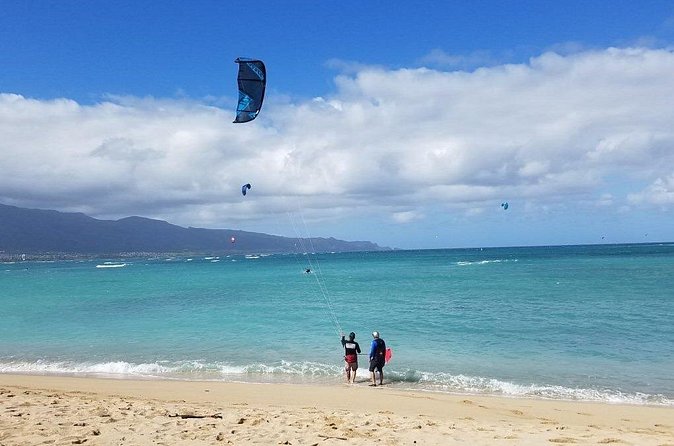
The next stage takes place on the beach. This is where you learn the basic controls before the water adds another layer of difficulty.
The instructor explains how the kite responds and how to use the control bar. You also learn the safety steps that help you release or manage the kite when conditions change. These are not details to rush through. A good first lesson is built on control, not on trying to get up and ride as fast as possible.
Miki is named as one of the instructors for this experience. Her approach, based on the available feedback, is patient and paced to the student. One participant specifically valued the time she took to explain kiteboarding and the way she made the lesson easy to follow. That is exactly the quality you want in a first class, since technical instructions can become confusing when the wind and equipment start competing for your attention.
The private setup should help here. You can ask the same question twice, stop after a difficult drill, or move ahead if the basics come easily. The lesson is tailored to your experience level rather than delivered as one fixed routine.
Moving Into the Water With an Instructor
After the beach instruction, the lesson moves into the water. This is where you begin practical training exercises while accompanied by the instructor.
The water phase gives you a chance to connect the dry-land controls with real movement. You are no longer only holding and steering the kite on the beach. You are managing the equipment while dealing with water, body position, and the pull of the kite.
The instructor remains with you during the training exercises. That is important for beginners, who may understand the steps in theory but need help when the kite starts moving with more force. The instructor can watch how you react, correct your control technique, and help keep the practice within a safe range.
You should expect effort here. Kiteboarding involves handling equipment and responding to wind and water at the same time. The class is not a passive sightseeing activity, and the supplied requirements make that clear. You must be able to swim, and moderate fitness is expected.
The exact amount of riding you achieve will depend on your experience, the weather, and how quickly you pick up the controls. The class promises instruction and practice, not a guaranteed level of independent riding. That is a fair arrangement for a sport affected so heavily by conditions and individual learning speed.
Same island, a different kind of day:
- Small-Group Road to Hana Adventure Tour with Pickup & Lunch
★ 5.0 · 3,064 reviews - Maui Pineapple Farm Tour in Haliimaile
★ 5.0 · 2,855 reviews - Maui Eco-Raft Tour: Eye-Level Whale or Dolphin Watching – Lahaina
★ 5.0 · 2,482 reviews - Maui Snorkeling Adventure to Molokini and Turtle Town
★ 4.5 · 2,221 reviews
Solo Practice During the Final Phase
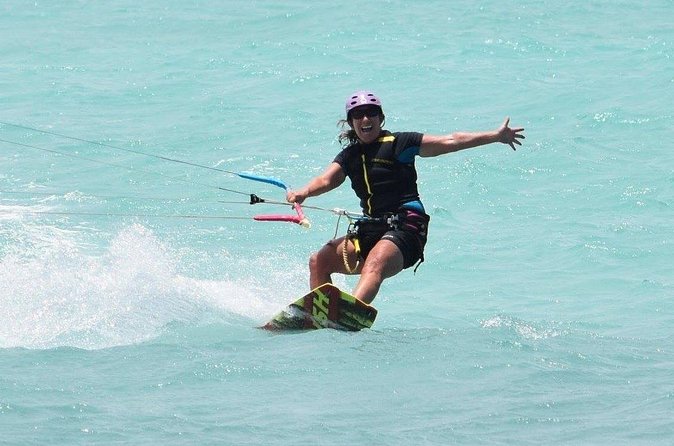
The final part of the lesson gives you a chance to practice what you have learned on your own. This does not mean you are abandoned. It means the instructor has guided you through the basic controls and now lets you test them with more independence.
For a beginner, this is likely the moment when the earlier instruction starts to make sense. You can repeat the movements, notice what changes the kite’s behavior, and build confidence through practice. For someone with prior experience, this time can be used to refine control or work on a specific skill.
The private format is especially useful during this phase. An instructor can let you try a technique, watch closely, and then give focused feedback. That kind of feedback is more useful than a general reminder because it connects directly to what you just did.
The lesson remains tailored to your level. A first-timer may spend more time on basic control and safety. A more experienced participant may move through those steps faster and use the remaining time for water practice. When you book, give your preferred departure time under the special requirements and make your experience level clear.
What the $394.96 Price Means
The listed price is $394.96 per person. That is a serious spend for a 2.5-hour activity, so the value depends largely on how much you want personal instruction.
You are paying for a private tour, a professional guide, an instructor, all kiteboarding and safety gear, bottled water, and the required taxes, fees, and handling charges. You also avoid the common problem of paying separately for an instructor and equipment rental.
For a solo participant or a small group that wants direct coaching, the private setup can make more sense than a cheaper group class. You get time built around your ability rather than the pace of several students. If you are mainly looking for a quick introduction and do not care about individual feedback, the price may feel high.
The cost does not include food, drinks beyond the bottled water provided, or transportation to and from the meeting point. Plan your own way to 1200 Amala Pl in Kahului. Since the activity ends there, you will also need to arrange your onward transportation.
This is best viewed as a skills lesson, not a sightseeing cruise. The value comes from instruction, supervised practice, and access to specialized equipment in one session. If you have wanted to try kiteboarding but do not own gear or know where to begin, those included elements carry real weight.
Timing, Weather, and Booking Ahead
The lesson lasts about 2 hours and 30 minutes. You should set aside more time around it for getting to the meeting point, completing the waiver, preparing, and leaving afterward.
The activity is commonly booked about 38 days in advance. That gives you a useful planning clue, especially if your Maui schedule is tight. Book early if this lesson is a priority, then keep the preferred departure time and weather check in mind.
You must call the provider the day before the class to reconfirm the weather and lesson start time. This is not a minor formality. Kiteboarding depends on suitable conditions, so the schedule can be affected by wind and weather.
If poor weather causes a cancellation, you will be offered another date or a full refund. You also receive a full refund if you cancel at least 24 hours before the start time. Cancellations or changes made within 24 hours are not refunded or accepted, and the cut-off uses local Maui time.
The mobile ticket is convenient, but it does not remove the need to confirm the class by phone. Keep the provider’s instructions handy and do not assume the original time is final until you have checked the day before.
Who Will Get the Most From This Lesson
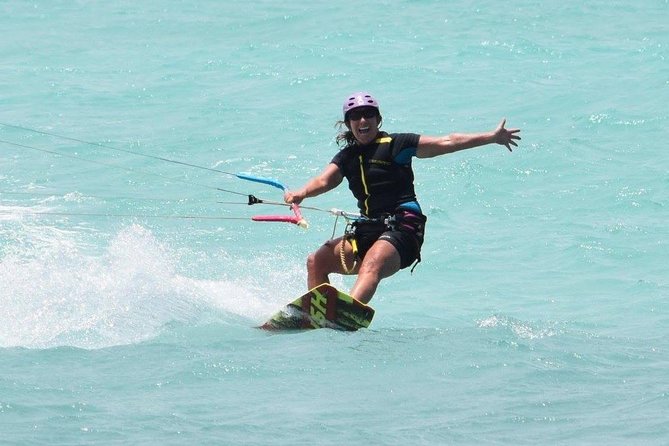
This experience suits a first-time kiteboarder who wants close instruction and a clear progression. You start with the basics, work with an instructor in the water, and then practice independently. That gives you a better foundation than simply being handed equipment and sent toward the water.
It also suits an intermediate participant who wants a private session. Since the lesson is adjusted to your experience, you can spend less time on points you already understand and more time working on control or confidence.
Families may consider it because the minimum age is 9. Still, every participant must be able to swim and handle a physically active lesson. The private structure can be helpful for a young student who needs frequent explanations or a slower pace.
I would not choose this for someone who wants a relaxed beach outing, a short photo stop, or a guaranteed ride across the water. Kiteboarding takes concentration, physical effort, and patience. The weather may also force a change of plan.
Small Details That Make the Day Easier
Wear what you are comfortable getting wet and moving in, though the supplied information does not specify a required clothing list. Bring only what you need for the lesson and plan your food separately, since meals and drinks are not included.
Arrive with enough time to handle the liability waiver and listen to the opening instructions. The meeting point is in Kahului, and the activity returns there, so check your route before the lesson rather than relying on an assumption that transportation is provided.
Tell the provider your preferred departure time when booking. Also explain your prior experience accurately. A private lesson works best when the instructor knows if you are starting from zero or already understand basic kite control.
The experience is offered in English. Confirmation is received at the time of booking, but the day-before call remains important because the weather and lesson start time need to be reconfirmed.
Should You Book the Kanaha Private Lesson?
Book it if you want a serious first look at kiteboarding with an instructor focused on your group. The private format, included equipment, water practice, and final solo work give you more than a simple demonstration. Miki’s patient, easy-to-follow teaching style is another encouraging detail for beginners.
Think twice if the $394.96 price is outside your activity budget or if you prefer a low-effort beach experience. You also need to accept the physical requirements and the chance that weather will change the schedule.
For a visitor who has been curious about kiteboarding and wants to learn safely rather than guess at the controls, this is a strong fit. Reserve ahead, call the day before, and arrive ready to work.
FAQ
Where does the kiteboarding lesson begin?
The lesson begins at 1200 Amala Pl, Kahului, HI 96732, USA, near Kanaha Beach Park.
Where does the activity end?
The activity ends back at the meeting point.
How long is the lesson?
The lesson lasts approximately 2 hours and 30 minutes.
Is the lesson private?
Yes. Only your group participates in the private activity.
What equipment is included?
Kiteboarding, safety, and control gear are included. Bottled water is also provided.
Do I need to bring transportation?
Yes. Transportation to and from the attraction is not included.
Can children join the lesson?
Participants must be at least 9 years old.
Do I need to know how to swim?
Yes. All participants must be able to swim.
What happens if the weather is poor?
If poor weather cancels the experience, you will be offered a different date or a full refund.
Just added on Maui
- Two Site Snorkeling Adventure featuring the Molokini Crater★ 5.0 · 4 reviews
- Road to Hana Deluxe Rainforest & Waterfall Experience from Maui★ 5.0 · 116 reviews
- Traditional Airport Lei Greeting on Kahului Maui★ 5.0 · 95 reviews
- Turtle Town Clear Kayak & Snorkel Tour (8am-11am)★ 5.0 · 100 reviews
- The Best Maui 3 Hour Molokini and Turtle Town Snorkel★ 5.0 · 106 reviews
- 3-Hour Small-Group Maalaea Luxury Snorkel Cruise Tour★ 5.0 · 29 reviews
- VIP Premiere Whale Watch Kaanapali Beach MAX 12 PASSENGERS★ 5.0 · 78 reviews
- Ti Leaf Airport Lei Greeting (Maui, Kahului Airport, OGG)★ 5.0 · 3 reviews
Tours in Maui, compared.

Small-Group Road to Hana Adventure Tour with Pickup & Lunch
Read our review →
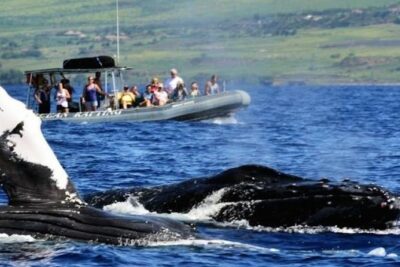
Maui Eco-Raft Tour: Eye-Level Whale or Dolphin Watching – Lahaina
Read our review →
Maui Snorkeling Adventure to Molokini and Turtle Town
Read our review →
Haleakala Sunrise Spectacular with Local Breakfast
Read our review →
Maui Snorkeling Adventure From Ma’alaea Harbor to Molokini
Read our review →