
Reviewed · SCUBA DIVING
Try Scuba Diving in Kauai From a Boat: No Experience Necessary
Kauai’s South Shore gives you a real ocean introduction to scuba, not a quick pool demonstration. After a safety lesson and practice session, you make two boat-based descents, each lasting about 30 to 45 minutes, with a maximum depth of 40 feet. That means more time underwater and more room to decide if scuba suits you.
I like two things here: all equipment is provided, and the large boat gives you space to get organized without feeling packed in. I also like the patient teaching style shown by instructors such as Shawn and Justine. The main caution is simple: breathing underwater and equalizing pressure can feel strange, and some people may choose not to go below the surface.
Key points to know before booking
- Two ocean sessions: You spend about 30 to 45 minutes underwater at each of two South Shore sites.
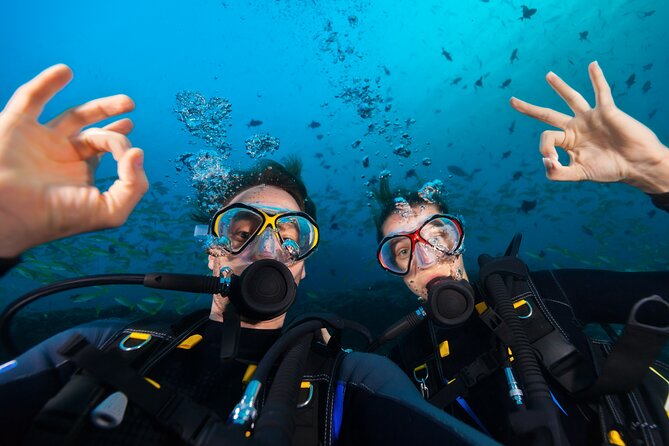
- No certification needed: The course teaches basic theory, equipment use, hand signals, and safety before you enter the sea.
- Maximum depth of 40 feet: This is a beginner-focused outing, not an advanced technical trip.
- Large, comfortable boat: Snacks, drinks, purified water, and scuba equipment are included.
- Small maximum group: The boat can carry up to 12 participants, with smaller groups possible.
- Plan around altitude rules: You must stay below 1,000 feet for 18 hours afterward, so do not schedule a flight, helicopter trip, skydiving, or Waimea Canyon visit during that period.
A first scuba lesson in Kauai’s open water
The unusual part of this experience is that your first underwater breathing practice takes place in the ocean. You do not spend the whole lesson in a swimming pool before moving offshore. After instruction at Kukuiula Small Boat Harbor, you get time to try the equipment in the water and settle into the basic rhythm of breathing through a regulator.
That can be a big advantage if you want to know what actual scuba feels like. It can also be the most demanding part of the morning. Snorkeling and scuba are not the same. Water pressure affects your ears as you descend, and you need to equalize carefully. One participant in the supplied feedback had to return upward several times before feeling ready, which is entirely reasonable for a first attempt.
Your instructor should not rush this stage. Shawn is specifically named as a calm and patient teacher, while Justine is praised for helping beginners feel safe and supported. Other instructors connected with the trip include Thomas, Debbie, and Jordan. The exact instructor depends on the day, but the teaching approach is clearly aimed at people who have never used scuba gear before.
The course covers basic theory, equipment, safety, emergency gear, underwater hand signals, and communication. You learn how to use the mask, regulator, tank, buoyancy equipment, and other supplied gear before heading to the boat. That preparation matters more than a long speech. You want enough information to respond calmly once you are in the sea.
More scuba diving on Kauai:
- Kauai’s Ultimate South Shore 2 Tank Dive (Certified Divers Only)
★ 5.0 · 190 reviews - Kauai’s Ultimate Discover Scuba Dive – OCEAN EXPERIENCE (1 Tank Dive)
★ 5.0 · 186 reviews - Kauai’s Ultimate Dive Boat Adventure (for CERTIFIED Divers Only)
★ 5.0 · 84 reviews
From the dive shop to Kukuiula Harbor
You begin at Seasport Divers at 2827 Poipu Road in Koloa at 10:00 am. Staff fit your equipment at the shop, load it, and drive you roughly two miles to Kukuiula Small Boat Harbor. This short transfer keeps the day organized and saves you from carrying a full set of scuba equipment through the resort area.
At the harbor, you receive the main beginner briefing and practice with the gear. Only after that do you make the short walk to the boat. A Coast Guard-certified captain then explains boat safety before departure.
That order makes good sense. You deal with the unfamiliar breathing equipment first, then learn where to sit, move, and prepare on the boat. If you are nervous, tell the instructor early. The supplied feedback shows that the staff are used to people who need extra time, need to come back up, or decide not to continue below the surface.
The trip lasts about five and a half hours from start to finish. It is not a rushed add-on between breakfast and lunch. You need a half-day free, plus enough energy for getting fitted, practicing skills, boarding, and making two ocean descents.
Two South Shore locations, two chances to settle in
The main attraction is the chance to visit two South Shore sites rather than making one short underwater outing. Each session lasts approximately 30 to 45 minutes, although the actual time can vary with conditions, comfort, air use, and the needs of the group.
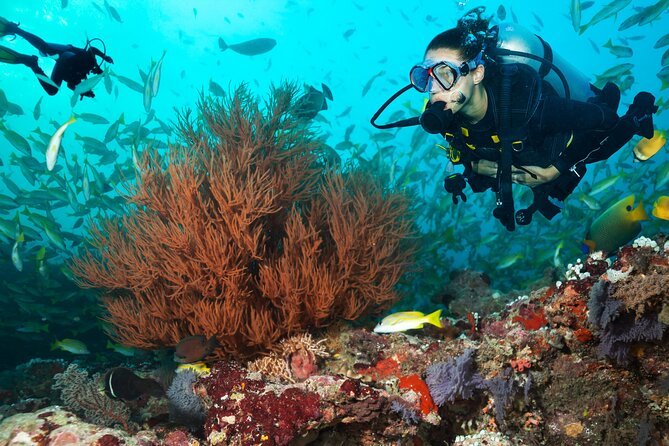
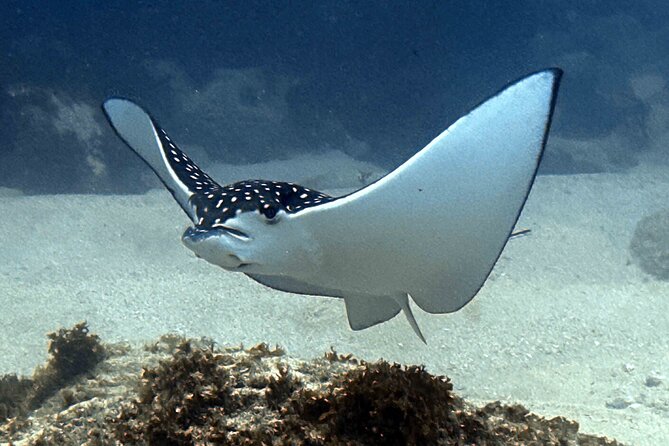
The maximum depth is 40 feet. For a first scuba experience, that is deep enough to give you a real sense of the underwater world without turning the outing into an advanced expedition. You might see lava arches, schools of fish, reef communities, eels, Hawaiian green sea turtles, and other marine life. Manta rays are also listed as a possible sight, but wildlife is never guaranteed.
The itinerary identifies Spouting Horn as a stop. This famous South Shore blowhole is best known for seawater forced through lava rock, sending spray into the air. It gives the day a clear Kauai connection beyond the equipment and instruction, though the key underwater activity takes place at the selected boat sites.
Conditions affect what you see. Some days may bring turtles and large schools of fish, while another outing may offer a quieter look at the reef. The value is not only in checking off a particular animal. You are learning how to move slowly, watch your air, communicate underwater, and observe marine life without disturbing it.
What makes the large boat useful
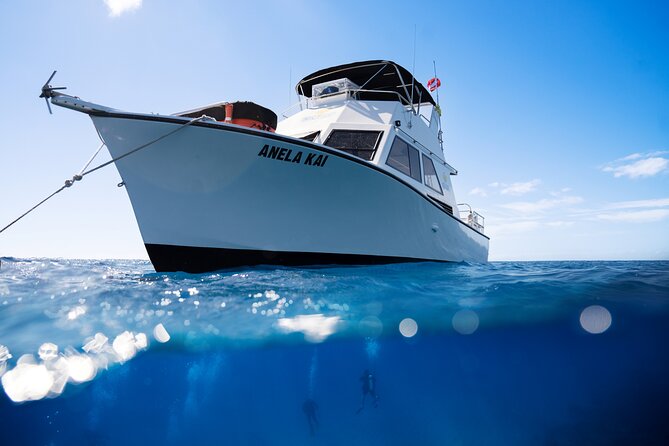
The boat is described as the largest and most spacious scuba boat on Kauai. That matters most before and after you enter the water, when you are handling fins, tanks, masks, wetsuits, and other equipment. Extra room makes the process less awkward, particularly if you are new to scuba and still figuring out where everything goes.
A Coast Guard-certified captain handles the boat operation and safety briefing. Cole is specifically praised for keeping the boat balanced and helping people happily, though the captain on your departure may differ. The crew also provides coffee or tea, bottled water, snacks, and access to a purified water dispenser. You can bring your own refillable bottle.
These are modest details, but they improve a half-day outing. You are not left to pack food, rent a wetsuit separately, or guess which equipment to bring. Wear swimming clothing and bring a towel. The scuba equipment and wetsuit are supplied.
A group maximum of 12 keeps the outing from becoming a huge boat excursion. The actual number may be smaller. One group had eight people, which allowed for a more personal feel. Still, this is a shared activity, not a private lesson, unless your booking specifically says otherwise.
Same island, a different kind of day:
- Koloa Zipline in Kauai
★ 5.0 · 6,764 reviews - Kauai Deluxe Sightseeing Flight
★ 5.0 · 2,162 reviews - Kauai Eco Adventure Helicopter Tour
★ 5.0 · 2,032 reviews - Kauai Airplane Tour: Na Pali Coast, Waterfalls & Window Seats
★ 5.0 · 1,964 reviews
How the underwater portion feels for a beginner
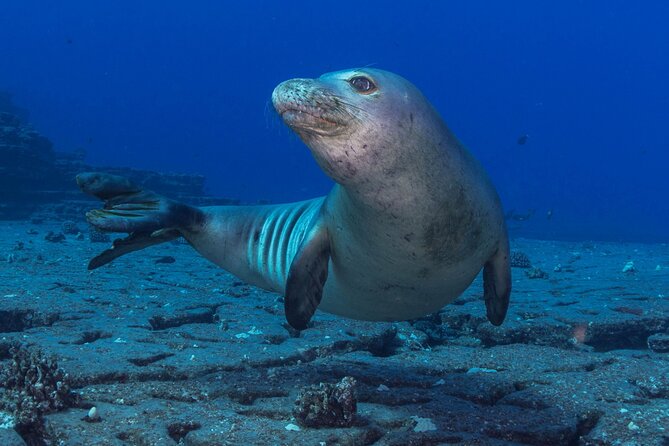
The first challenge is breathing. Your mind may know that the regulator works, but your body can take a little longer to trust it. Once that hurdle passes, the experience often becomes calmer. You will use hand signals because speaking normally is not possible underwater, and you will need to follow the instructor’s pace.
The second challenge is ear pressure. You must equalize as you descend, and the pressure change can feel very different from snorkeling. One useful technique described in the supplied feedback was moving slowly hand over hand down the anchor line. That gives you a steady reference and lets you pause when your ears need attention.
Do not treat reaching the bottom as a test of courage. If you feel uncomfortable, tell the instructor and return upward. A participant was unable to reach the bottom and was treated kindly rather than made to feel embarrassed. That is exactly how a first-time program should work.
Your moderate physical fitness matters. You need to manage basic swimming and water movement, climb aboard, and handle the equipment with assistance. The trip is not presented as suitable for every physical condition, so read the PADI Diver Medical Questionnaire carefully. You may need a physician’s sign-off before taking part.
What you might see below the surface
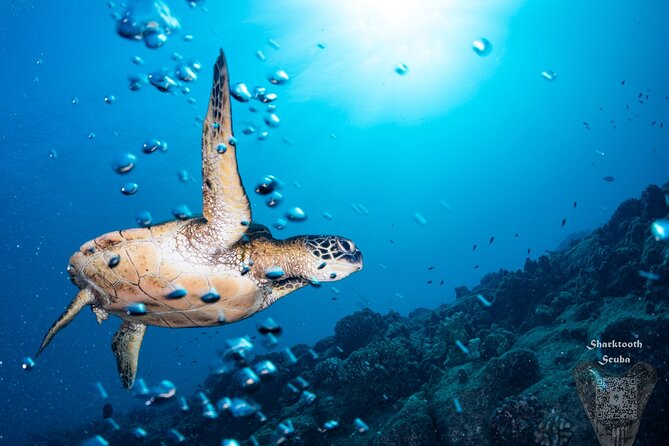
Kauai’s underwater scenery gives this outing an advantage over a simple shore lesson. The supplied details point to lava arches, reef ecosystems, schooling fish, eels, sea turtles, and the possibility of manta rays. Several participants saw Hawaiian green sea turtles swimming nearby, along with many kinds of fish.
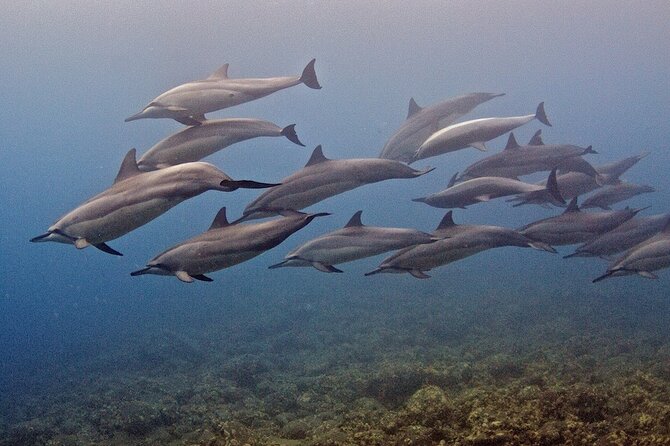
You should keep expectations sensible. No operator can promise a turtle, manta ray, dolphin, or particular fish on a given day. Weather, water conditions, timing, and the animals themselves all matter. The best approach is to treat wildlife as a bonus and focus on learning to observe.
You may find that scuba changes how you see the reef. Snorkeling keeps your face at the surface, while scuba lets you stay below and look upward, sideways, and into rock formations. The 40-foot limit keeps the trip within a beginner range, but it still gives you a genuine sense of moving through the reef rather than simply looking down from above.
If this first session catches your interest, the basic skills can help prepare you for a PADI Open Water Diver course later. It is not a substitute for certification. You finish with an introduction and a successful course completion through Seasport Divers, not a full open-water certification.
Is $316.59 a fair price?
At $316.59 per person, this is a serious activity expense. It costs more than a standard snorkel trip, but the comparison is not quite equal. The price includes an instructor, boat transport, two underwater sessions, scuba equipment, wetsuit, private ground transportation between the shop and harbor, snacks, drinks, water, fees, and taxes.
The two-session format is the strongest value point. You get a chance to adjust after the first underwater period, then try again with a better feel for breathing, buoyancy, and communication. A single short session could leave you still trying to get comfortable when it ends.
I would consider the price reasonable if you specifically want to try scuba rather than simply see fish from the surface. It is less compelling if you are uncertain about entering the ocean, dislike structured instruction, or mainly want a low-cost water activity. In that case, snorkeling may be a better fit.
The outing is booked an average of 47 days ahead, so do not leave it until the last few days of your Kauai stay if it is important to you. You also need to plan around the post-activity altitude restriction, which affects flights, helicopter trips, skydiving, and visits to Waimea Canyon.
Weather, cancellation, and practical timing
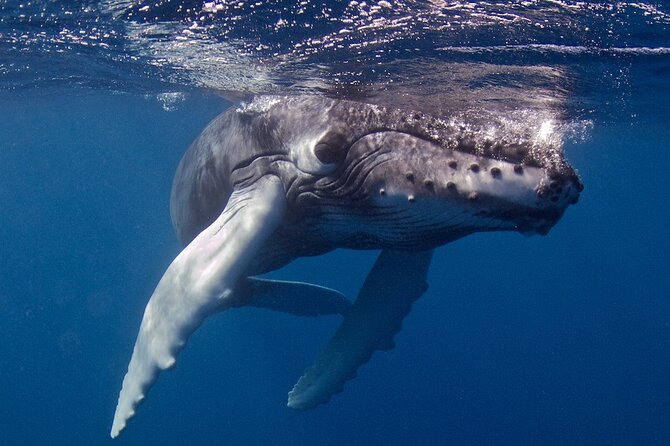
This activity depends on good weather. If conditions force a cancellation, you can choose another date or receive a full refund. The same applies if the minimum number needed for the activity is not reached.
You can cancel for a full refund up to 24 hours before the 10:00 am start time. Changes or cancellations inside that 24-hour window are not accepted for a refund. Keep the local cutoff time in mind when making plans.
The altitude rule deserves special attention. For 18 hours after the activity, you must not travel above 1,000 feet. That includes interisland or commercial flights, helicopter tours, skydiving, and trips to Waimea Canyon. Schedule this experience early enough in your vacation, or leave a full 18-hour buffer before any of those plans.
Who should book this experience?
I would recommend it to an adult or older teen who is curious about scuba, reasonably fit, and willing to learn at a measured pace. It suits couples who want to try something new together, including older participants who are comfortable with the physical requirements. One couple in their sixties completed the activity together.
It is also a good choice if you may want scuba certification later. You get a practical preview of breathing, pressure changes, equipment, hand signals, and underwater movement before committing to a longer course.
I would be more cautious if you are uncomfortable in open water, have trouble with pressure in your ears, or want complete control over the schedule. The staff can support a nervous beginner, but you still need to be ready for the basic physical and mental demands of scuba.
Should you book this Kauai scuba experience?
Book it if you want a proper first taste of scuba, not a quick surface-level introduction. The strongest reasons are the two 30 to 45 minute ocean sessions, included equipment, small maximum group, spacious boat, and patient approach to beginners. You also get a chance to see Kauai’s reef life from a viewpoint snorkeling cannot provide.
Skip it if $316.59 feels too high for an experiment, or if your schedule cannot accommodate the 18-hour altitude rule. If you do book, keep the rest of the day light, arrive ready in swimwear with a towel, and tell the instructor immediately if your ears, breathing, or nerves need more time. That is how you get the most from this carefully paced introduction.
FAQ
Do I need scuba certification to join?
No. This activity is designed for people with no previous scuba experience. You receive instruction in basic theory, safety, equipment use, and underwater communication before entering the water.
How deep will I go?
The maximum depth for each session is 40 feet. Your actual depth depends on your comfort, skills, conditions, and the instructor’s guidance.
How many underwater sessions are included?
Two sessions are included. Each lasts approximately 30 to 45 minutes from the boat.
What equipment is provided?
Scuba equipment and a wetsuit are provided. The price also includes a professional instructor, boat transportation, snacks, coffee or tea, bottled water, and access to purified refill water.
Where does the activity begin?
You meet at Seasport Divers, 2827 Poipu Road, Koloa, Hawaii 96756. The scheduled start time is 10:00 am, and the activity ends back at the meeting point.
What should I bring?
Wear swimming clothing and bring a towel. You may also bring your own water bottle for refills on the boat.
Can I fly after the activity?
No. You must not travel above 1,000 feet for 18 hours after the activity. This includes commercial and interisland flights, helicopter tours, skydiving, and trips to Waimea Canyon.
What happens if the weather is poor?
If poor weather causes a cancellation, you can choose a different date or receive a full refund. Full refunds are also available when you cancel at least 24 hours before the scheduled start time.
Just added on Kauai
- Kauai Island Private Guided Tour-Waimea Canyon from Poipu/Koloa★ 5.0 · 9 reviews
- Waimea Canyon & Na Pali Driving Tour app★ 4.5 · 116 reviews
- Waimea Historical and Cultural Shared Tour★ 4.5 · 5 reviews
- Kauai Wailua Valley & Waterfalls Audio Driving Tour★ 4.5 · 23 reviews
- Kauai Island Private Guided Tour-Waimea Canyon from Lihue/Kapaa★ 5.0 · 17 reviews
- Kauai Island Private Guided Tour-Waimea Canyon from Princeville★ 5.0 · 3 reviews
- 2-Hour Snorkeling Adventure in Kauai★ 5.0 · 18 reviews
- Unforgettable Surf Lesson in Kauai★ 5.0 · 6 reviews
Scuba Diving, compared.
First-Time Scuba Diving in Honolulu + Free Videos
Read our review →
Beginner Scuba Diving Experience with Video Package in Honolulu
Read our review →
Safe and Educational Shark Dive from Haleiwa: Sharks Guaranteed
Read our review →
2 Tank Lanai Cathedral Scuba Dive Via Boat for Certified Divers
Read our review →
Dive with Sharks in Hawaii: Shark Tour from Haleiwa
Read our review →Browse the lists this tour appears in