
Reviewed · SCUBA DIVING
Maui: Intro to Scuba Diving from Shore – Lahaina
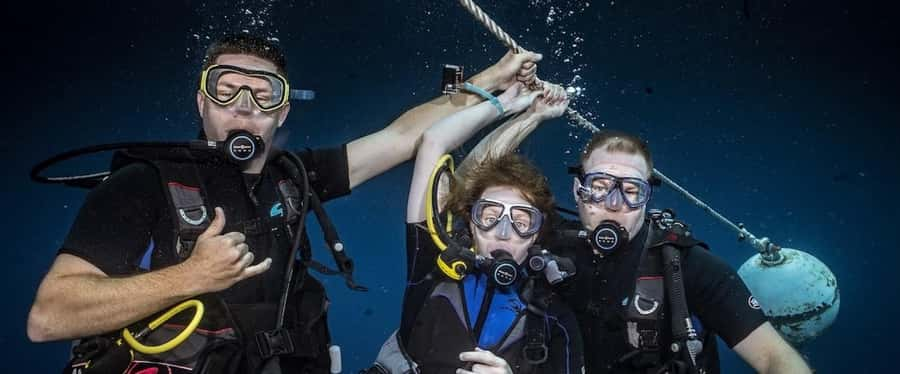
Maui’s shore-based scuba lesson gives you a calm first look at breathing underwater without committing to a full certification course. You study the basics before arriving, meet your PADI instructor in Lahaina, then practice simple safety skills in the water before exploring coral reefs with tropical fish and the chance of seeing turtles.
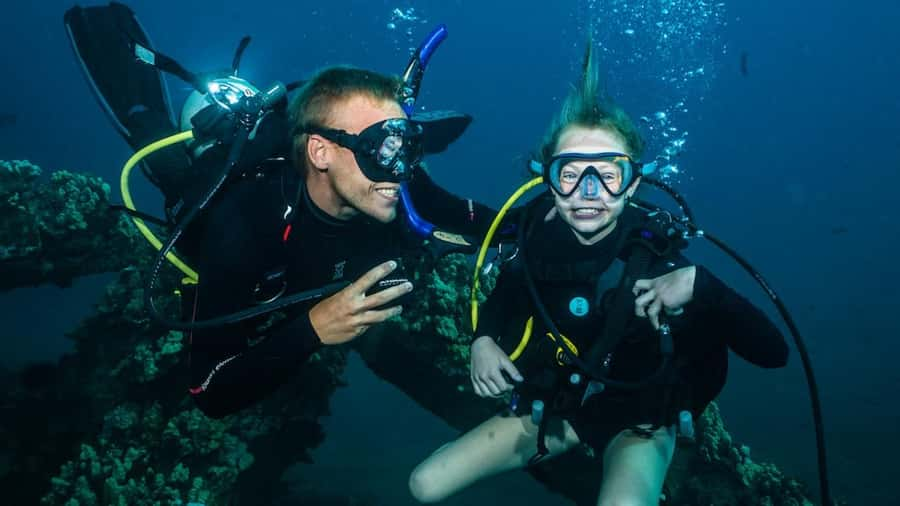
I like the small groups of up to four, since an instructor can watch your comfort level closely. I also like the practical format: you do not just listen to a briefing, you practice clearing your mask and recovering your regulator before moving on. The main consideration is that this is not suitable for non-swimmers or people with certain medical conditions, and seasickness can be a concern.
Key points to know before booking
- Your preparation starts online: The PADI eLearning course takes about 15 to 20 minutes and must be completed before you arrive.
- You get close instruction: Groups are limited to four people, with personal help from a PADI professional.
- The session lasts three hours: Allow time for the class, equipment preparation, water practice, and reef exploration.
- You practice real scuba skills: Mask clearing and regulator recovery are part of the lesson, not optional extras.
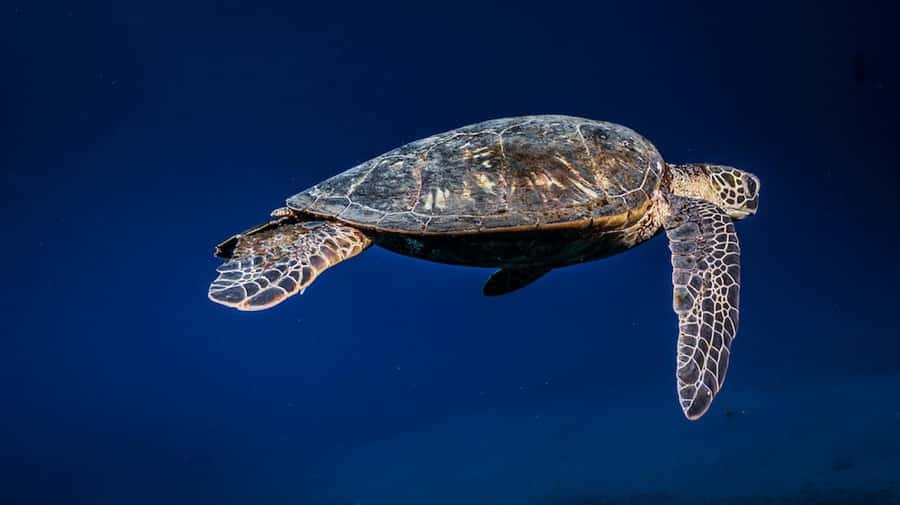
- Turtles are possible: Maui’s coral reefs support turtles and many tropical fish, though wildlife sightings are never guaranteed.
- Medical clearance matters: Complete the PADI medical form promptly, since a yes answer may require a doctor’s approval before you can enter the water.
Starting at Dive Maui in Lahaina
Your meeting point is Dive Maui, also known as Hawaiian Rafting Adventures, in Lahaina. Transportation is not provided, so you need to arrange your own way to the starting location and arrive ready for the lesson.
The three-hour schedule is divided into a short class and a longer water session. The class lasts about 30 minutes, while the underwater portion lasts about 75 minutes. The remaining time allows for meeting your instructor, preparing equipment, moving to the water, and returning to the shop.
This timing works well for a first attempt. You get enough time to learn and practice without signing up for an all-day outing. Still, this is a real physical activity, so do not plan an important appointment immediately afterward. You will need swimwear, and food is not included.
The instruction is in English. If you are comfortable receiving safety directions and asking questions in English, the small group format should make it easier to speak up when something feels unclear.
More scuba diving on Lahaina:
- First-Time Scuba Diving in Honolulu + Free Videos
★ 5.0 · 3,123 reviews - Oahu Shark Dive
★ 5.0 · 2,903 reviews - Oahu: Shark Cage Dive on the North Shore
★ 4.8 · 1,485 reviews
The online PADI lesson before you arrive
After booking, you receive access to PADI eLearning. The reading and videos take roughly 15 to 20 minutes, and you should complete them before reaching the shop.
This short lesson introduces the basic ideas behind scuba equipment, underwater breathing, and safety. It is not a replacement for instruction, but it gives you useful vocabulary and a first look at what will happen. That means your time in Lahaina can focus more on questions, equipment, and hands-on practice.
Pay special attention to the PADI medical questionnaire. You are asked to complete it as soon as possible. If you answer yes to any listed condition, you may need clearance from a doctor before the operator can take you into the water. This is important because approval may take time, and an unresolved medical answer can prevent you from participating.
The medical restrictions are not minor fine print. This experience is not suitable for pregnant women, people with back or heart problems, people with respiratory issues, non-swimmers, or people prone to seasickness. If any of those points may apply to you, deal with the medical form before making other plans around the activity.
The 30-minute class in Lahaina
At the shop, your instructor reviews the online material and explains the basic skills you will use. You go over the scuba equipment, how it works, and what it feels like to breathe through the regulator while underwater.
This is where the small group helps. With no more than four participants, you have a better chance to ask about pressure, breathing, mask fit, or anything else that makes you uneasy. A first underwater experience can feel strange even for a confident swimmer, so a patient instructor matters.
The instructors named in recent bookings include Scott and Matt. Scott received especially strong praise for helping a nervous participant feel safe and relaxed. That participant had scuba experience from years earlier, but still felt anxious at first and found the peaceful underwater setting reassuring. Matt was also singled out for providing excellent instruction.
You should still be honest about your comfort level. Tell the instructor if the equipment feels wrong, if you need a pause, or if you are not ready to continue. This is an introductory session, not a test of courage.
Practicing mask clearing and regulator recovery
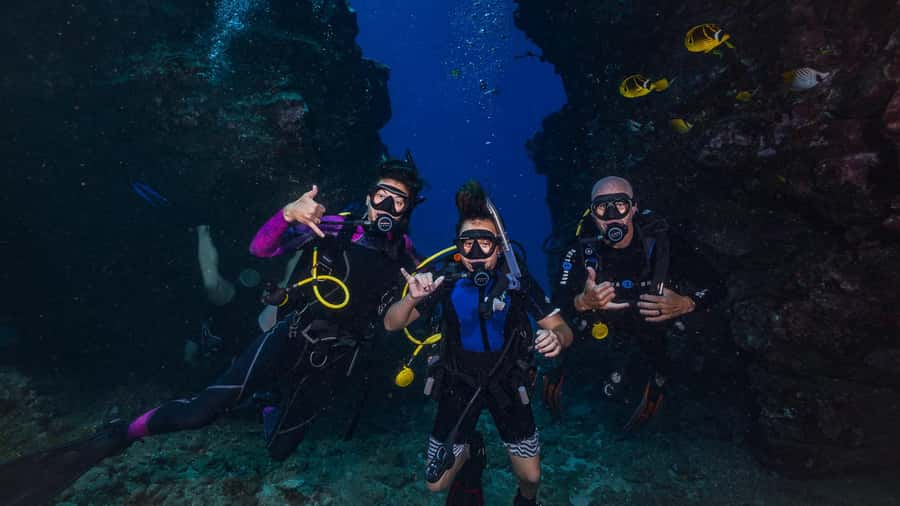
The first water work is skill practice. You learn to clear your mask and recover your regulator under the direct supervision of your instructor.
These exercises are valuable because they prepare you for small problems that can happen during any scuba session. A little water in the mask can feel alarming at first. Losing the regulator can also cause a quick rush of nerves. Practicing both skills in a controlled setting helps you understand what to do instead of reacting blindly.
You will also learn how to use the equipment while swimming underwater. The goal is not simply to put on a tank and look around. You are building the basic habits that allow you to stay calm, communicate with your instructor, and manage common equipment situations.
The description does not promise a particular depth, exact entry point, or guaranteed animal sighting. That is worth keeping in mind. Conditions and the selected site can affect the underwater portion, while your comfort level determines how quickly you move from practice to exploration.
Same island, a different kind of day:
- Maui Nui Luau at the Sheraton Maui Resort & Spa
★ 4.5 · 1,622 reviews - Myths of Maui Luau Dinner and Show
★ 4.0 · 1,144 reviews - Road to Hana: Full-Day Scenic Drive with Blacksand & Waterfalls
★ 4.5 · 837 reviews - Road To Hana: Maui Waterfall Hiking Tour in Private Jeep
★ 5.0 · 343 reviews
Exploring Maui’s coral reefs
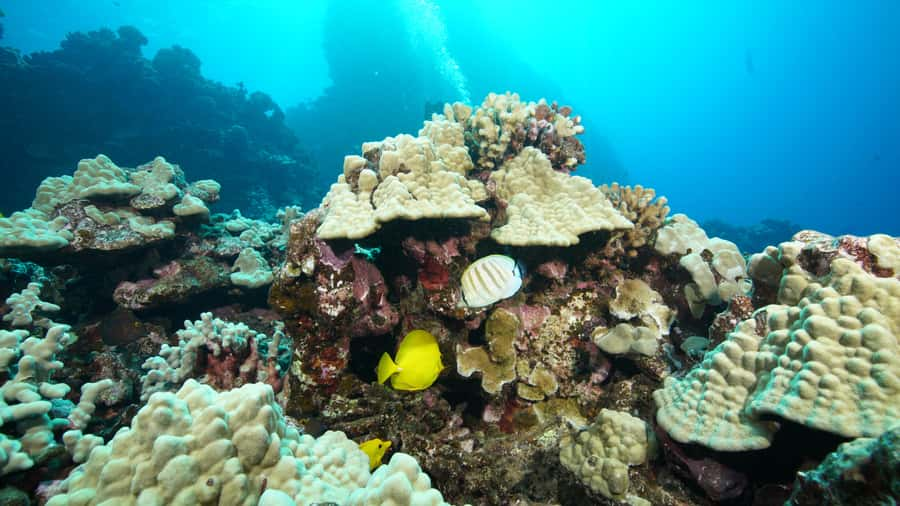
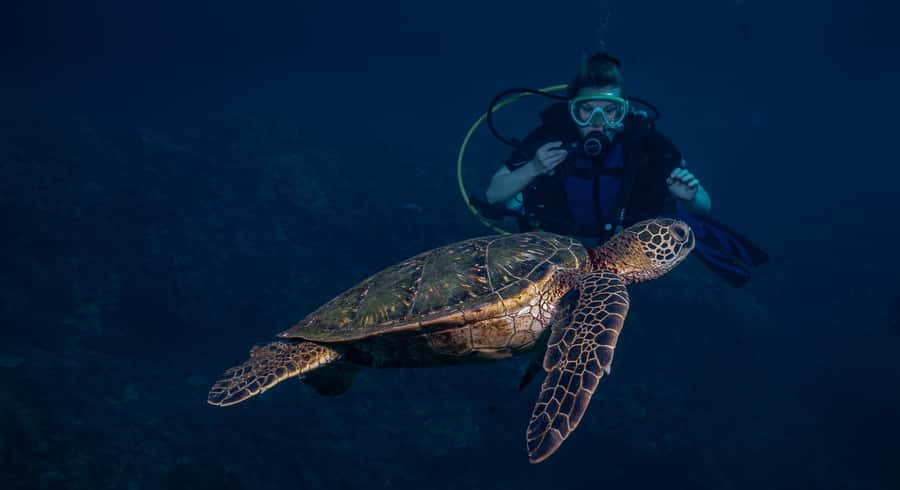
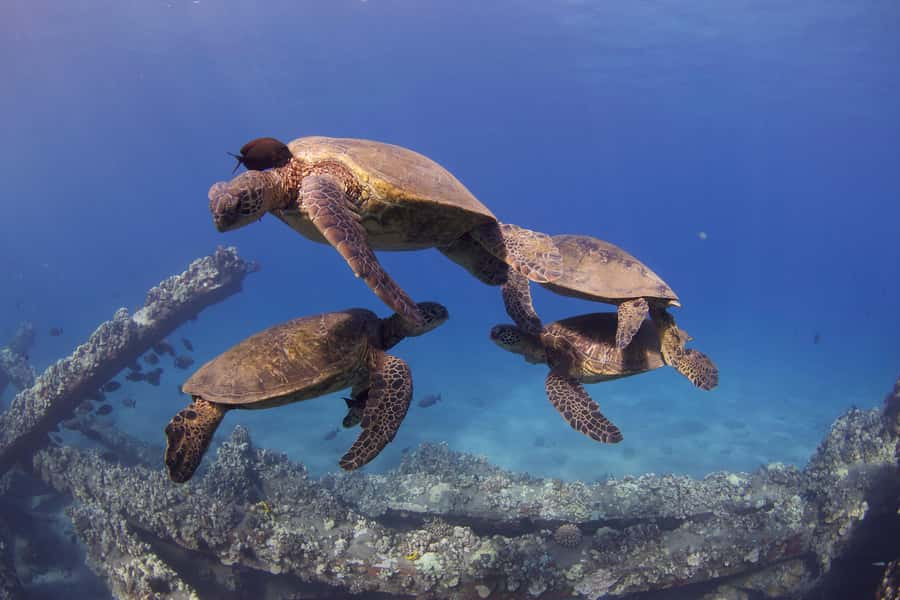
Once you feel ready, you continue with your instructor for the main underwater session. The setting is Maui’s coral reef environment, where you may see tropical fish and sea turtles.
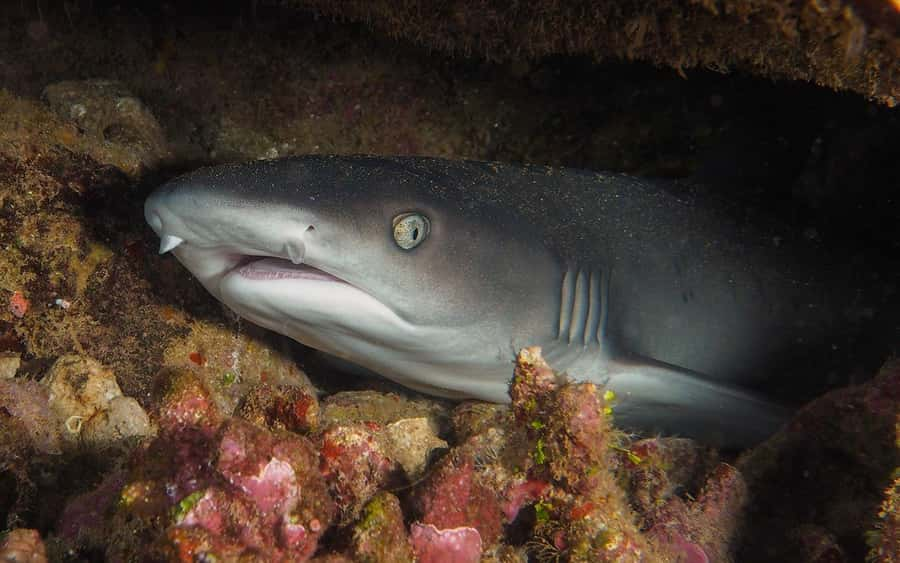
The appeal here is the change in pace. On land, the class is about instructions and equipment. Underwater, the lesson becomes a quiet way to observe the reef while staying close to a professional. One participant described the setting as peaceful and beautiful after initially worrying about sharks, and also saw what was called a turtle car wash.
Do not book this expecting a guaranteed turtle encounter. Wildlife is unpredictable, and the information provided does not promise sharks, turtles, or a particular number of fish. The stronger reason to book is the chance to explore a reef while learning the basics in a small supervised group. If a turtle appears, it becomes a memorable bonus.
You are not allowed to touch marine life. That rule protects both you and the animals, and it is especially important around coral. Keep your hands to yourself, follow the instructor’s direction, and watch rather than chase anything you see.
What the $160 price includes
The cost is $160 per person. That includes personalized instruction from a PADI professional, PADI materials, all scuba equipment, and equipment rental.
For a beginner, that package has practical value. You do not need to buy or transport specialized gear, and the eLearning materials are part of the preparation. The small group limit also means you are paying for close attention rather than a crowded introductory session.
The price does not include transportation or food. You need to reach Dive Maui on your own, bring swimwear, and plan your own meal before or after the activity. Since the water session lasts about 75 minutes inside a three-hour appointment, this is best viewed as a focused introduction rather than a full-day marine excursion.
It is also not a certification course. You learn basic skills under supervision and take part in a beginner session, but the information does not state that you receive an open-water certification. If your goal is certification, ask the operator about a separate course.
Who will enjoy this introduction most
This experience suits a confident swimmer who is curious about scuba but does not want to begin with a multi-day course. It also works for someone who has not been underwater with scuba equipment for years and wants a guided refresher.
The close supervision is useful for nervous beginners. Scott’s work with an anxious participant shows why the instructor relationship matters here. You are not left to figure out the equipment alone, and you have time to practice before exploring.
It is less suitable if you dislike being in the ocean, get seasick easily, or have a medical condition that could affect breathing or physical exertion. Non-swimmers should not book it. The operator specifically excludes people with respiratory, heart, and back problems, along with pregnant women.
You should also consider your schedule. The activity is three hours, and the underwater portion is only part of that time. If you want a long reef outing with several water stops, this is not the right format. If you want a structured first lesson, it makes more sense.
Small groups, safety, and comfort
A maximum of four participants is one of the strongest features. The instructor can keep the group together, watch your technique, and respond when someone needs extra time.
That does not remove every challenge. Breathing through a regulator, wearing unfamiliar gear, and adjusting to the water can feel odd. The experience depends partly on your willingness to communicate clearly. If you are worried, say so before entering the water rather than trying to hide it.
The direct instruction also means you are not independently exploring the reef. You remain under the supervision of the PADI professional and follow the skills and route set for the session. For a first experience, that structure is reassuring. For an experienced scuba participant, it may feel basic.
The safety briefing and medical form are central parts of the experience, not paperwork to ignore. Finish the online course early, answer the medical questions honestly, and give yourself time to seek a doctor’s clearance if needed.
Booking flexibility and practical planning
You can cancel up to 24 hours before the activity for a full refund. The reserve-now, pay-later option lets you hold a spot without paying immediately, which can help while you are still arranging a Maui schedule.
Check available start times before booking. The exact timing matters if you are fitting this around other Lahaina plans, and you should allow more than the 75-minute water period for the entire appointment.
Bring swimwear. Food and transportation are not included. The operator lists English as the instruction language, and the group is limited to four participants.
Because the activity begins and ends at Dive Maui, you return to the same starting location. That makes the plan simpler than an excursion requiring several separate transfers, but you still need to organize your own arrival.
Should you book this Lahaina scuba session?
Book it if you want a short, closely supervised introduction to scuba with equipment included and a real chance to see Maui reef life. The small groups, practical safety exercises, and attentive instruction from PADI professionals such as Scott and Matt make it a sensible first step.
Skip it if you are a non-swimmer, have a listed medical issue, are prone to seasickness, or want a certified scuba course. Also skip it if you expect a guaranteed turtle sighting or a long day on the water.
For the right person, $160 buys more than a quick look below the surface. You get preparation, hands-on instruction, basic problem-solving practice, and a controlled chance to discover whether scuba feels right for you.
FAQ
How long does the experience last?
The full activity lasts three hours. The class portion is about 30 minutes, and the scuba session lasts about 75 minutes, with additional time for preparation and returning to the starting point.
Where does the activity begin and end?
It begins and ends at Dive Maui, also called Hawaiian Rafting Adventures, in Lahaina.
Is transportation included?
No. Transportation to and from Dive Maui is not included.
What should I bring?
Bring swimwear. Food is not included.
Do I need to complete anything before arriving?
Yes. You receive PADI eLearning access and should complete the reading and videos before arrival. The course takes about 15 to 20 minutes.
What happens if I answer yes on the PADI medical form?
You may need clearance from a doctor before you can participate. Complete the medical form as soon as possible so there is time to address any concern.
Is this activity suitable for non-swimmers?
No. Non-swimmers are listed as unsuitable for this experience.
Can I touch turtles, coral, or other marine life?
No. Touching marine life is not allowed.
Just added on Lahaina
- Maui: Coast of Ka’anapali Beach Sunset Dinner Sail★ 5.0 · 121 reviews
- Small-Group Luxury Tour: Road to Hana and Ka’eleku Cavern Day Trip★ 5.0 · 84 reviews
- Maui Private Tour – Road to Hana Adventure – Just for Your Group★ 5.0 · 158 reviews
- Snorkel Sail Adventure off Ka’anapali Beach, Maui★ 5.0 · 36 reviews
- Road to Hana Private Jungle Tour with Lahaina Side pick up★ 5.0 · 19 reviews
- Shared Departure Transfer: Hotel to Maui Kahului Airport★ 4.5 · 180 reviews
- Round-Trip Airport Shuttle Kahului Airport on Maui★ 4.0 · 53 reviews
- Maui Island Private Day Tour★ 5.0 · 35 reviews
Scuba Diving, compared.
First-Time Scuba Diving in Honolulu + Free Videos
Read our review →
Beginner Scuba Diving Experience with Video Package in Honolulu
Read our review →
Safe and Educational Shark Dive from Haleiwa: Sharks Guaranteed
Read our review →
2 Tank Lanai Cathedral Scuba Dive Via Boat for Certified Divers
Read our review →
Dive with Sharks in Hawaii: Shark Tour from Haleiwa
Read our review →Browse the lists this tour appears in