
Reviewed · MANTA RAY NIGHT SNORKELS
Manta Ray Snorkeling by Night in Kailua-Kona, Hawaii
Kona’s famous manta ray encounter is a nighttime snorkel where wild rays glide beneath a lighted float and sweep through the plankton-rich water. The canoe ride is part of the appeal, and the small group keeps the outing more personal than a large motorboat trip.
I like the 12-person limit, which gives the crew a better chance to help you in the water. I also like the short ride to the viewing site and the historically accurate Hawaiian double-hulled canoe, which makes the outing feel more connected to Kona than a simple boat transfer.
The main drawback is the price, $127.10 per person, for roughly an hour on the water. You also need to swim and climb a short ladder without help, and manta rays are wild animals, so there is no promise they will appear.
Key points to know before booking
- Lighted float boards attract plankton: The rays come to feed on the plankton gathered around the lights, not because they are fed or trained.
- Small groups matter: The canoe holds no more than 12 people, with several crew members available to help in the water.
- The canoe ride is brief: You reach the manta site within a few minutes, according to the detailed on-water accounts, leaving more time for the actual snorkel.
- Plan on about 45 minutes in the water: The full outing is listed at about one hour, while the operator describes a typical trip of roughly one hour and 15 minutes.
- Bring your own towel: Towels, snacks, drinks, transportation, and motion sickness medicine are not included.
- The manta guarantee is not a refund: If no manta appears, you receive another chance on a later available departure, not money back.
Why Kona’s nighttime manta encounter is so special
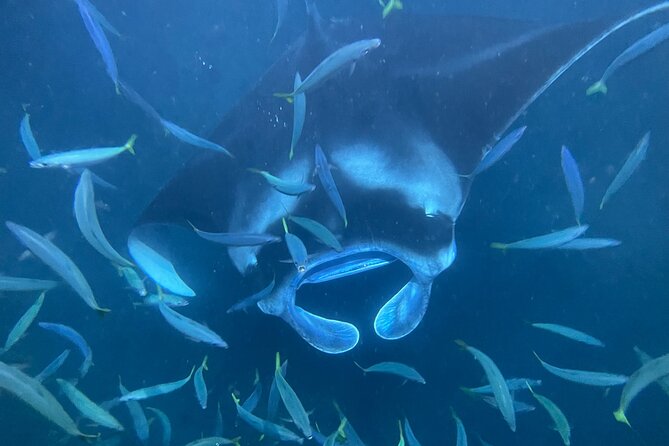
The attraction here is not a captive-animal show. These manta rays are wild, untrained, and not fed by the crew. The lighted board gathers plankton, and the rays choose to come close because they are feeding.
That distinction matters. You are watching natural behavior, and the result can vary from one night to the next. Some outings may bring several rays close to the board, while another evening may be quieter. The operator cannot control the animals or promise a sighting.
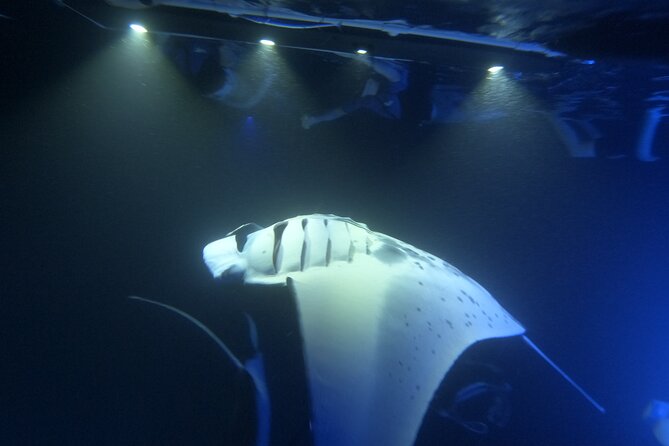
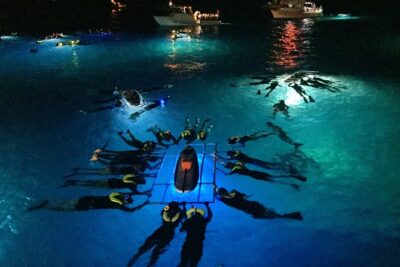
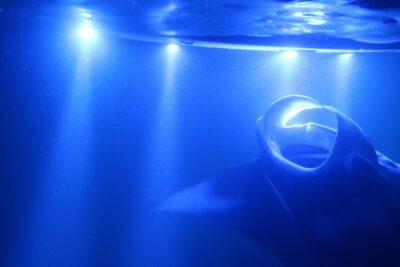
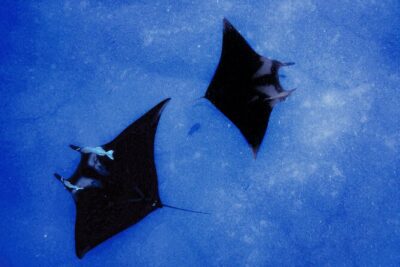
When the rays do appear, the action is wonderfully simple. They glide below you, turn on their sides, roll, and sweep their broad wings through the water. You may see them pass within inches of the float, but you should let them control the distance and avoid touching them.
This is one of Kona’s signature nature experiences because the viewing takes place after sunset. The dark water makes the lights more effective, and the rays become the clear focus of the evening. You are not looking for colorful coral or daytime fish. You are watching large, graceful animals work the water directly beneath you.
More snorkeling on Big Island of Hawaii:
- Big Island Manta Ray Night Snorkel
★ 5.0 · 5,656 reviews - Big Island: Kona Manta Ray Snorkel Tour in Keauhou Harbor
★ 4.5 · 2,465 reviews - Big Island: Captain Cook Snorkel On A Power Catamaran With Lunch
★ 5.0 · 2,232 reviews
Meeting in Kailua-Kona and getting ready
The meeting point is 78-7130 Kaleiopapa Street in Kailua-Kona. The activity ends at the same place, and public transportation is available nearby, but private transportation is not included.
The operator asks for your height and weight during booking. That information is used to select the right wetsuit top, so do not expect a normal shirt-size question. The wetsuit top provides warmth, which is useful because you remain in the water at night.
You receive a mask and snorkel, with prescription masks available, plus flotation equipment. Coffee, tea, snacks, and towels are not supplied. Bring a towel and plan a small snack or drink for before or after the outing.
The practical preparation is straightforward, but nighttime water can make people nervous. You should be comfortable swimming and able to climb a short ladder without assistance. The crew helps with boarding and entering the water, yet this is still an ocean activity rather than a pool session.
The minimum age is five. The trip is not recommended after recent surgery or for people with mobility or physical restrictions. If motion sickness is a concern, bring your own medicine because it is not included.
The Hawaiian canoe ride to the manta site
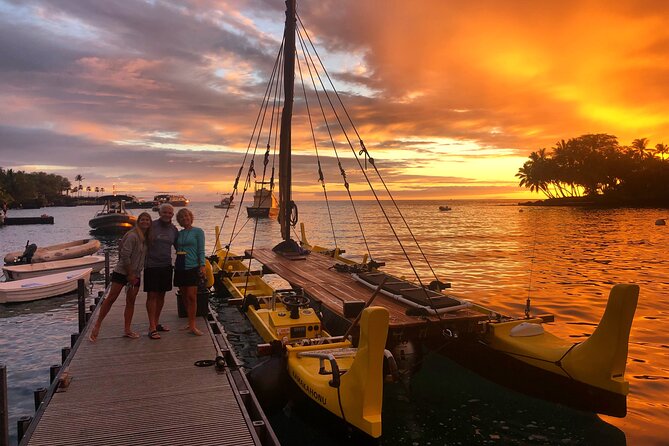
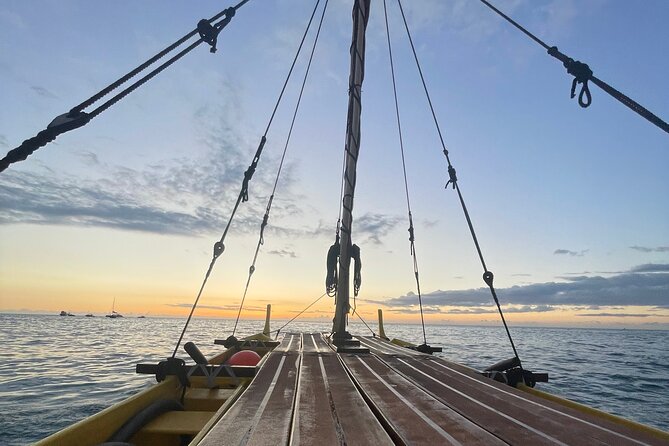
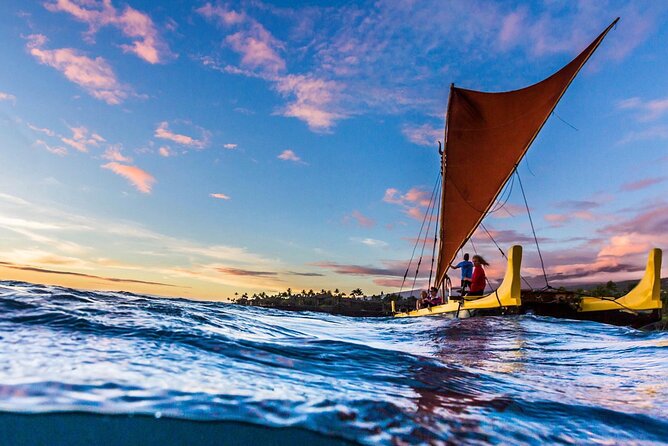
The ride takes place on a historically accurate Hawaiian double-hulled sailing canoe. It is a smaller, more intimate way to reach the viewing area than boarding a large excursion boat with a much bigger crowd.
The canoe itself gives the outing a distinct sense of place. You are not simply being carried to a snorkel site. You are riding in a craft modeled on traditional Hawaiian canoe design, with the Kona Coast around you and the evening sky overhead.
The boat ride is short, which works in your favor if your main goal is time with the rays. Detailed accounts place the ride at only a few minutes, with the canoe brought close to the lighted board before you enter the water. You can expect a sunset on earlier departures, while later trips focus more on the night sky and the feeding activity below.
A smaller boat also helps during boarding and return. The crew can pay closer attention to each person, especially anyone who feels uncertain about getting into the water. Still, the canoe is not a substitute for swimming ability. You must be prepared to enter and exit the water using the short ladder.
Holding the light board in the dark water
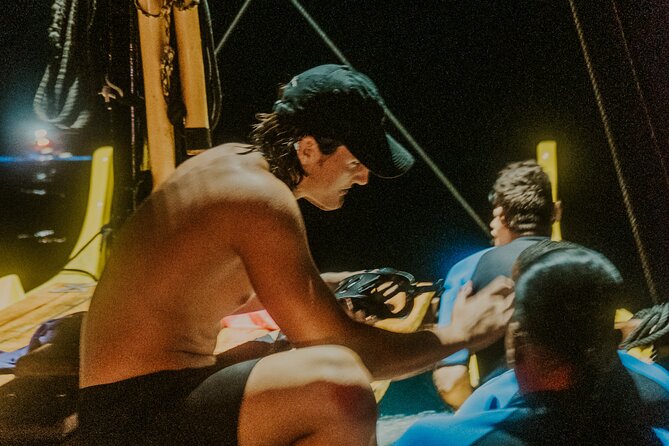
At the manta site, the crew positions a lighted flotation board on the surface. You hold onto it while looking down through your mask. The lights attract plankton, which in turn can attract manta rays.
The board provides flotation, but it can still become tiring to hold for a long period. One detailed account described the wait between sightings as exhausting, even though the rays eventually provided an excellent show. If your arms tire, tell the water guide rather than trying to push through discomfort.
The most reassuring feature is the crew presence in the water. Guides give safety instructions, monitor the group, and explain what the rays are doing. Specific crew members named in detailed accounts include Ni’Koa, Kalala, Kama, Chris, Lance, Chaden, Beck, Tayler, and Rob. Crew assignments can change, but Eka’s format usually places several guides with the group.
The best approach is patient observation. You might see a ray almost at once, or you might wait. The operator’s lightboard system improves the chance of attracting plankton and rays, but it cannot force an animal to appear.
Other night swims with the mantas from Big Island of Hawaii:
- KONA Manta Ray Night Snorkel – FREE re-ride if no Sightings
★ 5.0 · 2,212 reviews - Manta Ray Night Snorkel at Kona, Big Island
★ 5.0 · 1,758 reviews - Glow of the Deep: Night Snorkeling with Manta Rays
★ 4.5 · 1,254 reviews - Kailua Kona: Night Manta Ray Adventure on the Big Island
★ 4.8 · 1,199 reviews
What the manta rays do beneath you
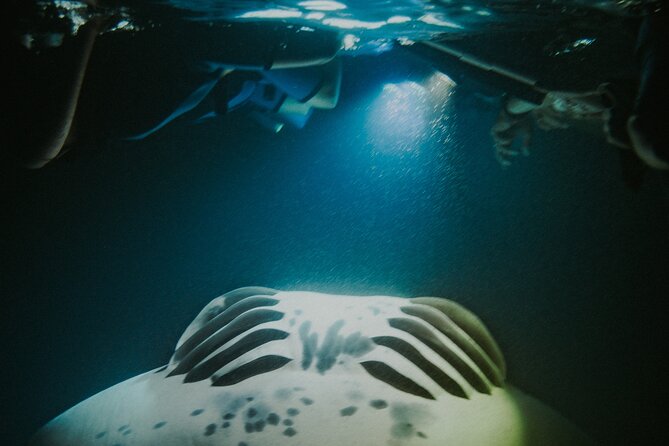
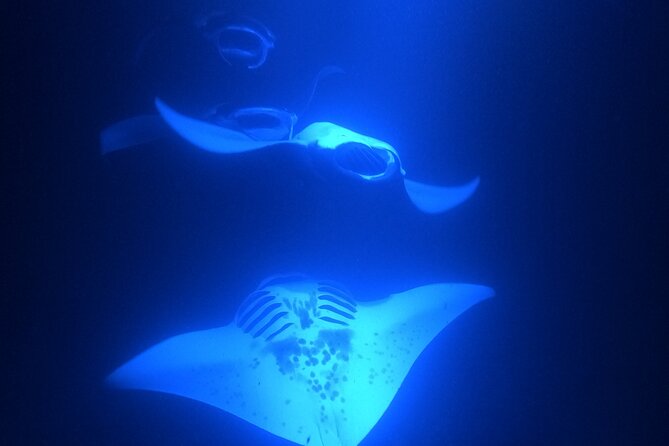
Manta rays feed by filtering plankton from the water. Around the lightboard, they make slow passes, often turning or rolling as they follow the food.
Their size can be startling when one comes close. The animals may seem enormous beneath the board, yet their movement is calm and controlled. You might see several rays circling at once, or one animal making repeated passes before disappearing into the dark.
This is a good setting for quiet attention. The water may feel cool, the board may tire your arms, and the darkness can make the first few minutes feel strange. Once a ray moves below you, those concerns tend to take second place.
You should not chase, touch, or block the animals. Let the ray choose its route. The most rewarding views often come when you keep still and allow the feeding pattern to develop.
The experience is also highly dependent on conditions. Choppy water and rain can make the outing less comfortable, even when the rays are present. The tour requires good weather, and poor conditions can lead to a rescheduled trip or a full refund.
Safety, comfort, and the level of support
The crew’s job is not just to point out rays. They help with boarding, explain the water entry, provide flotation equipment, and check on people during the snorkel.
That support is especially useful if you feel nervous about entering the ocean at night. The canoe is positioned close to the board, and the crew assists as people move into the water. You still need to swim, but you do not have to manage the equipment or the route alone.
The operator describes the trip as suitable for most people who meet the swimming and ladder requirements. It is not a good choice for someone with a recent surgery, significant mobility limits, or difficulty climbing out of the water.
The wetsuit top helps with warmth, but it does not turn the water tropical. The ocean may feel chilly at first, and you should bring a dry towel for the return to shore. A calm, supportive crew can make the difference between an anxious start and an enjoyable evening, but you should be honest about your comfort level before entering.
How long the trip really lasts
The basic description lists the outing at approximately one hour. The operator gives a more specific estimate of about one hour and 15 minutes, with at least 45 minutes of actual snorkeling in a typical outing.
That difference is worth noticing when you compare prices. This is not a two-hour water excursion, and you should not book it expecting a long cruise. It is a focused trip built around a short ride and a concentrated manta viewing session.
The compact schedule is an advantage for some people. You spend less time sitting on a boat and more of the outing near the lightboard. It also fits neatly into an evening around Kailua-Kona.
For others, the time may feel short for the price, especially if the water is rough or the rays take a while to appear. If you want a longer cruise, more open-ocean sightseeing, or several different snorkel stops, this is not that kind of trip.
Is $127.10 a good value?
At $127.10 per person, the price is not low. You are paying for a specialized nighttime wildlife outing, a small group, a traditional-style canoe, trained crew, safety equipment, wetsuit tops, flotation gear, and standard or prescription snorkel equipment.
The strongest value comes from the group size. With no more than 12 people, you avoid the crowded feeling common on larger manta boats. The crew can spend more time checking on each person, and you have a better chance of finding a comfortable place along the board.
The canoe also makes the price easier to understand. The trip is not only a transfer to the manta site. You are paying for a distinct Hawaiian canoe experience and a more intimate format.
Still, you should compare carefully. Some operators may charge less, and the total time is limited. Eka Canoe Adventures says its rates reflect certified captains, experienced guides, insurance, safety procedures, well-kept equipment, and powerful blue lights designed for this type of viewing.
The guarantee adds some value, but read it correctly. If no manta appears, the company offers another opportunity on a different evening or a future visit to Kona, subject to available seats. It does not provide a refund simply because the animals stayed away.
Who should book this canoe snorkel
I would put this near the top of the list for a couple, family, or solo visitor who wants a small-group manta encounter rather than a large boat outing. It also suits someone who likes cultural details and would rather ride a Hawaiian canoe than a standard vessel.
It is a strong choice for people who are nervous but able to swim. Several crew members can provide encouragement and guidance, and the short trip to the site keeps the logistics simple.
Families should note the five-year minimum age and think carefully about each child’s comfort in dark water. A child who can swim in a pool may still find an ocean entry at night intimidating.
This is less suitable if you dislike cold water, tire easily while holding flotation equipment, or want complete control over the schedule. It is also a poor match if seeing manta rays is your only acceptable outcome, since no company can command wild animals to appear.
Booking, cancellation, and useful planning tips
The experience is often booked about 23 days ahead, so reserving early is sensible, especially if your Kona schedule is tight. Choose an evening that leaves room for a second attempt if you want to use the manta guarantee.
You can cancel for a full refund up to 24 hours before the start time. Changes or cancellations inside that 24-hour window are not accepted for a refund.
Bad weather can cancel the trip. In that case, you are offered another date or a full refund. The same applies if the minimum number of participants is not reached.
Opt in to the day-of text updates during booking. The message includes parking and check-in directions with pictures, which can save time at the meeting point. Bring a towel, and consider carrying a small snack or drink since none are provided.
Should you book Eka Canoe Adventures?
Book it if you want a close look at wild manta rays with a small group, a short ride to the site, and a traditional-style Hawaiian canoe. The combination of a 12-person limit, attentive water support, included wetsuit tops, and prescription masks makes it a practical choice for many capable swimmers.
Skip it if the $127.10 price feels high for roughly an hour, if you need a guaranteed wildlife sighting, or if swimming and ladder climbing are difficult. For everyone else, this is a focused Kona evening with a strong chance of a memorable encounter, provided you accept the basic rule of wildlife watching: the manta rays make the final decision.
FAQ
How long is the manta ray snorkeling tour?
The experience is listed at approximately one hour. The operator describes a typical outing as about one hour and 15 minutes, with actual snorkeling usually lasting 45 minutes or more.
What is included in the price?
The price includes a wetsuit top, flotation devices, and snorkel equipment. Standard and prescription masks are available.
Are towels, food, or drinks included?
No. Towels, coffee, tea, and snacks are not included. Bring your own towel and plan refreshments separately.
Where does the tour meet?
The meeting point is 78-7130 Kaleiopapa Street, Kailua-Kona, Hawaii 96740. The activity ends at the same location.
How many people can join the canoe?
The maximum group size is 12 people. The smaller format allows the crew to provide more individual attention.
Do I need to know how to swim?
Yes. You must be able to swim and climb a short ladder without assistance. The crew provides flotation equipment and safety support, but this is an ocean snorkel.
What happens if no manta rays appear?
The manta rays are wild and sightings are not guaranteed. If none are seen, the manta guarantee gives you another opportunity on a different evening or during a future visit to Kona, subject to available seats. It does not provide a refund for a missed sighting.
Can I cancel the tour?
You can cancel up to 24 hours before the start time for a full refund. Cancellations or changes made less than 24 hours before the experience are not refunded. If poor weather or an insufficient number of participants cancels the trip, you can choose another date or receive a full refund.
Just added on Big Island of Hawaii
- Kailua-Kona: Big Island Morning Snorkeling Tour with Lunch★ 4.9 · 7 reviews
- Big Island: Hawaii Volcanoes National Park and Hilo Tour★ 5.0 · 118 reviews
- Kailua-Kona: Hualalai Volcano Doors On/Off Helicopter Tour★ 4.7 · 12 reviews
- Big Island: Full Day Adventure Tour of the Kohala Waterfalls★ 5.0 · 41 reviews
- Big Island Hawaii: Craft Chocolate Tasting and Farm Tour★ 5.0 · 14 reviews
- Big Island: Evening Volcano Explorer from Hilo★ 4.7 · 31 reviews
- Big Island: Off the Beaten Path Volcano Crater Hike★ 5.0 · 15 reviews
- Big Island: Full-Day Kohala Zipline and Waterfall Adventure★ 4.8 · 36 reviews
Manta Ray Night Snorkels, compared.
Kona Manta Ray Snorkel Tour in Keauhou Harbor
Read our review →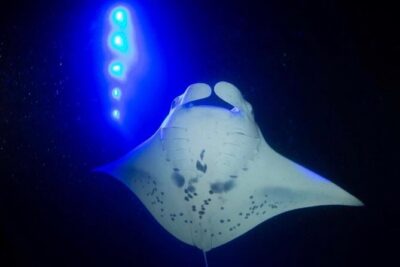
KONA Manta Ray Night Snorkel – FREE re-ride if no Sightings
Read our review →
Glow of the Deep: Night Snorkeling with Manta Rays
Read our review →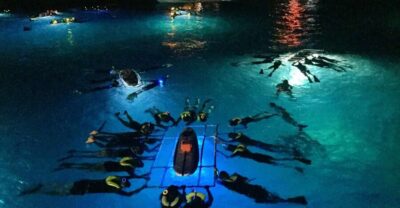
Manta Magic: Small-Group Manta Ray Night Snorkel in Kailua Kona
Read our review →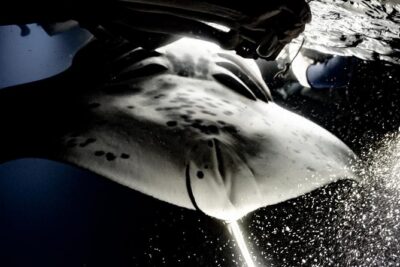
Browse the lists this tour appears in