
Reviewed · MANTA RAY NIGHT SNORKELS
Manta Ray Night Snorkel from Kona — Small Group
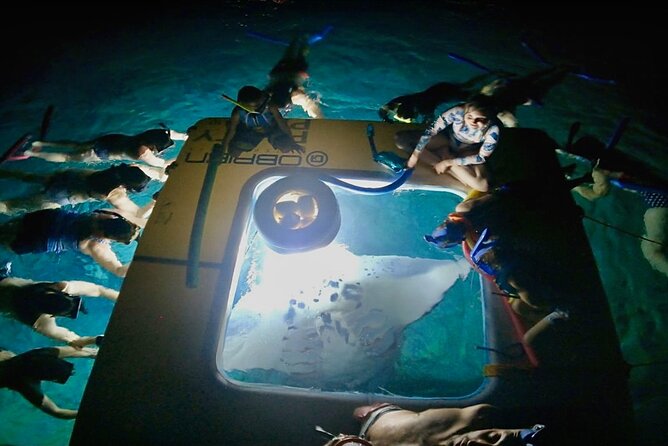
The big draw here is simple: after sunset, you float on the ocean while huge manta rays sweep through the light below you, sometimes passing within inches. These gentle, vegetarian animals gather to feed on plankton, and the sight of one rolling beneath your mask is the kind of Big Island memory that sticks.
I like the small boat setting, which gets you into the water quickly and gives the crew more time to help each person. I also like the flexible approach to the viewing site. Captains Kris and Chris, along with guides such as Ryan, Tori, and Gary, have used their local experience to choose between northern and southern manta areas when conditions allow.
The catch is that this is a real ocean activity, not a glassy pool outing. You need to handle a boat ride, cold water, a wetsuit, and entry and exit from the vessel. The 265-pound weight limit, no-pregnancy rule, and requirement for reasonable physical ability deserve careful attention before you book.
Key points to know before booking
- Mantas can pass within inches: The rays feed beneath bright underwater lights and may loop, roll, and glide close to the viewing board.
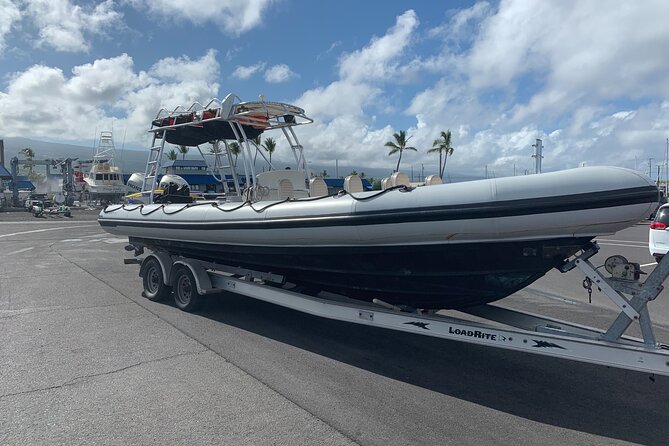
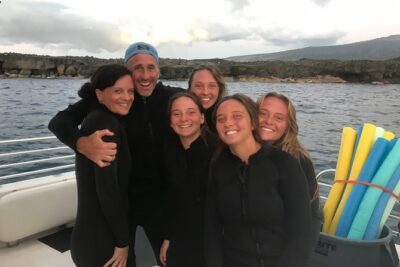
- Small group, maximum 16 people: A compact hard-hulled inflatable boat means more personal attention than a large party vessel.
- Sunset turns into moonlight: You leave Honokohau Harbor in daylight and return after dark, with island juices, soda, water, and snacks afterward.
- Two possible viewing areas: The crew may choose Garden Eel Cove or Manta Heaven based on conditions and manta activity.
- Sightings are guaranteed: If no manta appears, you can take a complimentary second outing.
- Bring warmth for the ride home: A wetsuit is supplied, but you still need a towel and a sweater or windbreaker.
Why Kona’s night mantas are worth the effort
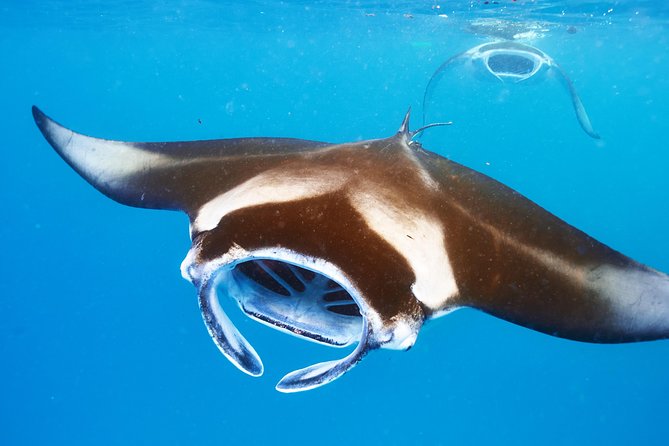
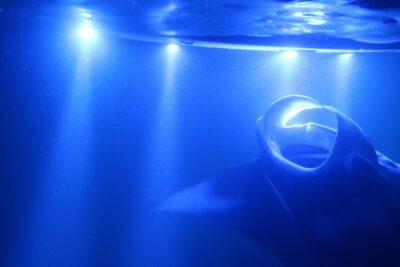
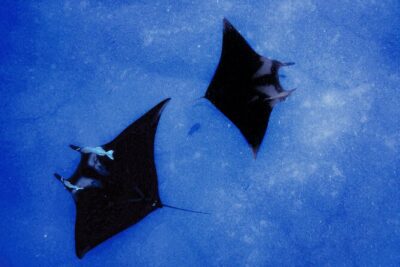
Manta rays are not predators looking for a meal of swimmers. These animals are vegetarian filter feeders. They glide through the water with their mouths open, taking in plankton, then filter out the food and move on.
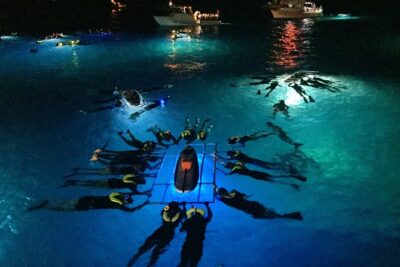
At night, underwater lights draw plankton toward the surface. The mantas follow. You float at the surface while they make wide loops below the lights, sometimes turning onto their sides or rolling beneath the group. Some can reach wingspans of about 20 feet, though the animals you see may be smaller.
That feeding pattern gives the experience a clear focus. You are not simply snorkeling over a reef hoping something appears. You are positioned at a known feeding site, watching a natural behavior that repeats night after night, with the exact number of mantas changing from evening to evening.
The best moments can be startlingly close. Several people on this trip have seen rays pass within inches of their masks, barrel-roll under the group, and return for another circuit. The animals are graceful rather than frantic, but their size makes every pass feel dramatic.
More snorkeling on Big Island of Hawaii:
- Big Island Manta Ray Night Snorkel
★ 5.0 · 5,656 reviews - Big Island: Kona Manta Ray Snorkel Tour in Keauhou Harbor
★ 4.5 · 2,465 reviews - Big Island: Captain Cook Snorkel On A Power Catamaran With Lunch
★ 5.0 · 2,232 reviews
From Honokohau Harbor to the open water
You meet at 74 Kealakehe Parkway in Kailua-Kona, at Honokohau Marina and Small Boat Harbor. Plan to arrive at least 15 minutes early. The precise departure spot and directions are sent 24 hours before the trip, so check your messages rather than assuming every boat leaves from the same dock.
The boat ride is part of the evening. You set out around sunset, when the light is changing and the coast begins to look different from the water. This timing also helps if you feel nervous about snorkeling in darkness. You enter the water with some daylight left, then watch the sky fade as the underwater lights become the main source of illumination.
The boat is a hard-hulled inflatable rather than a large cabin cruiser. That keeps the group compact and makes the ride feel more direct, but it also means less shelter from wind and spray. Put a warm layer in a dry place. The return ride can feel chilly after you have been in the water.
The advertised maximum is 16 people. That number matters here. You are sharing a floating viewing area, and a smaller group means less crowding around the lights, quicker help with equipment, and more room for the guide to watch how everyone is doing.
Safety briefing, wetsuits, and getting comfortable
Before entering the water, the crew explains what to expect and how to behave around the mantas. You then put on the provided wetsuit, mask, snorkel, and flotation equipment.
The wetsuit helps with warmth, but it does not turn the activity into a warm-water swim. Bring a swimsuit to wear underneath, plus your own towel and a sweater or windbreaker for afterward. Bottled water, island juices, soda, and light snacks are included, but personal towels and warm clothing are not.
You do not need to be an expert swimmer, but you do need to be able to participate safely in the ocean. The crew has flotation devices and can assist people who are less confident in the water. Guides have also helped nervous participants settle down and have stayed attentive when someone became seasick or panicked.
That support is useful, but it has limits. This is not an accessible boat ride where you can simply watch from the deck. Getting into the water and back onto the boat requires physical effort. The stated weight limit is 265 pounds, pregnant women cannot participate, and children under five are not permitted.
Read those rules before you arrive. One unhappy outcome came from a participant who reached the snorkel location but could not safely enter the water. The crew may make a final safety call on site, but you should not count on boarding as proof that you will be cleared to snorkel.
Garden Eel Cove or Manta Heaven
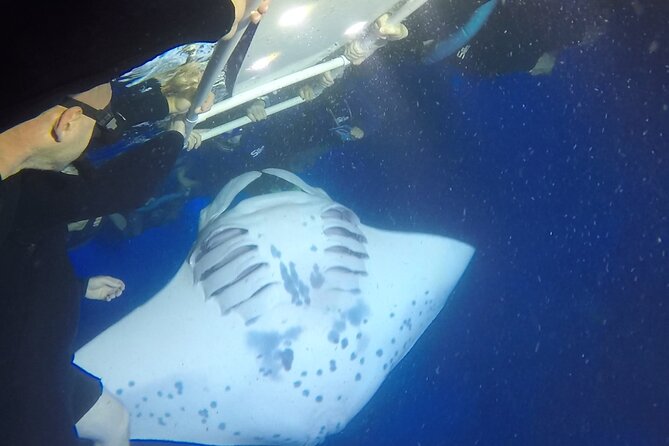
The advertised route includes Honokohau Marina, followed by Garden Eel Cove or Manta Heaven. The exact site can depend on sea conditions, manta activity, and the crew’s judgment.
That choice is one of the tour’s practical strengths. A captain leaving from this part of the coast can have access to more than one nearby manta area. If one location looks less promising or rougher, the crew may choose another rather than locking the group into a single stop.
You might spend about 40 to 45 minutes watching the mantas once the group is settled. The total outing lasts about two hours, including the briefing, boat ride, preparation, water time, and return to the harbor.
The viewing setup is straightforward. Lights attract plankton, and the mantas move through the illuminated water. You remain at the surface and look down, keeping your hands to yourself and allowing the animals to control the distance.
The rays may appear right away, or the crew may need to wait. Do not treat a quiet first few minutes as a failure. The boat’s one-trip-per-night schedule gives the crew some freedom to stay in place rather than rushing to clear the site for another departure. That slower pace can make a difference when the animals are feeding just outside the light.
Other night swims with the mantas from Big Island of Hawaii:
- KONA Manta Ray Night Snorkel – FREE re-ride if no Sightings
★ 5.0 · 2,212 reviews - Manta Ray Night Snorkel at Kona, Big Island
★ 5.0 · 1,758 reviews - Glow of the Deep: Night Snorkeling with Manta Rays
★ 4.5 · 1,254 reviews - Kailua Kona: Night Manta Ray Adventure on the Big Island
★ 4.8 · 1,199 reviews
How the small-group format changes the night
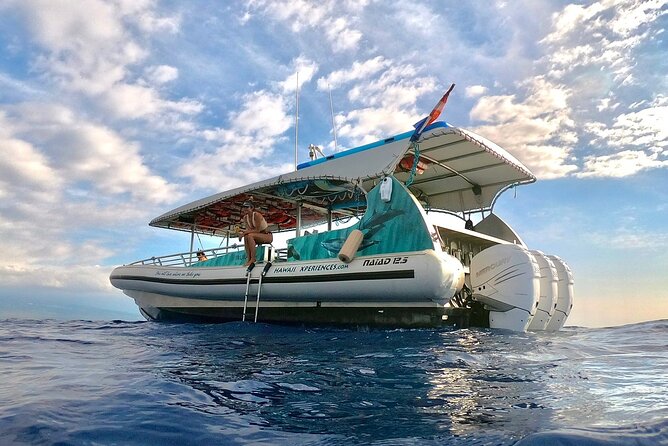
A small group is not just a marketing label here. It affects the whole rhythm of the outing.
You get into the water faster than you would with a large boat full of people. A guide can keep a closer eye on the group, explain what the mantas are doing, and help adjust flotation or masks without trying to manage a crowd.
The crew also has room to respond to different comfort levels. If you are an experienced snorkeler, you can focus on the rays. If you are uneasy in dark water, you can use flotation support and stay close to the guide. Families with teenagers have found the format manageable, and one family appreciated having options for life jackets and wetsuits.
The hard-hulled inflatable boat is fairly basic. If you want a large vessel with a cabin, roomy seating, and heavy protection from the elements, this is not that style of excursion. If you prefer a smaller craft, a direct ride, and a group that does not feel anonymous, the setup works well.
On the return, the open boat gives you a chance to look at the night sky. It also exposes you to the wind, so that warm layer is not a minor suggestion.
The guides and the feel of the service
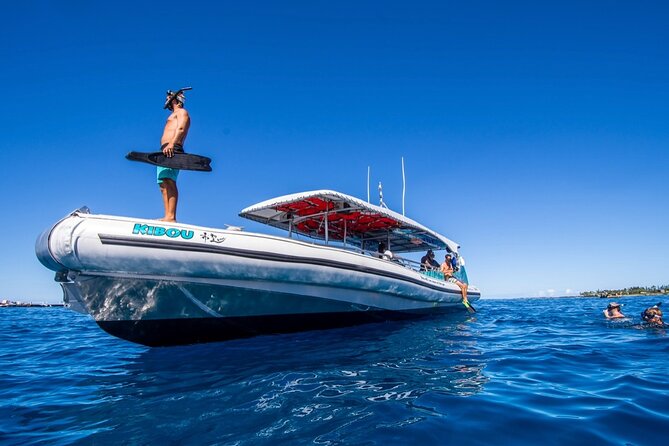
The crew names most often connected with this outing include Captain Kris, Captain Chris, Ryan, Tori, Gary, and Leio. The exact team can vary, but the service style is consistent in the useful ways: clear instructions, a calm tone, attention to less confident swimmers, and strong concern for the mantas.
Ryan has been noted for explaining manta behavior in the water and keeping the group entertained during slow moments. Tori has helped people dealing with seasickness and has offered assistance with cameras. Chris and Kris have been praised for choosing the viewing area carefully and giving the group time rather than forcing a tight schedule.
That flexibility is valuable, but it should not be confused with a guarantee of a long water session every night. Ocean conditions, safety, and animal behavior still control the evening. The crew can improve your odds and create a good setup, but no operator can command the mantas to perform.
You may bring a GoPro if you have one, though using a camera can distract you from the animals. Some participants have appreciated crew help with camera angles. A phone is less convenient in salt water, and the experience is easy to miss if you spend the entire time trying to film it.
What the $123 price really covers
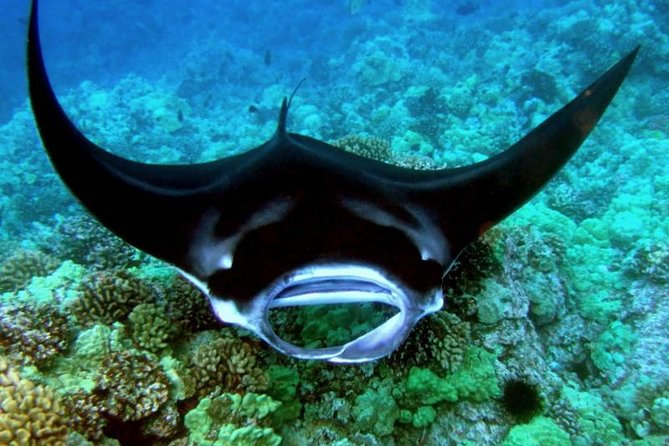
At $123 per person, this is not the cheapest way to spend an evening in Kona. It is also more than a simple boat ride because the price includes the boat, crew, safety briefing, wetsuit, snorkel equipment, flotation gear, snacks, and drinks.
The small group is the main value point. You are paying for a more personal setup, faster loading, direct attention in the water, and the ability to use two possible manta areas. The free return trip if no manta is seen also reduces the risk of paying for a dark-water snorkel with no animals.
Still, the price does not cover every comfort. You must provide your own towel and warm clothes, and the boat is a practical inflatable craft rather than a luxury vessel. If your priority is a polished, spacious boat with plenty of indoor seating, compare carefully before choosing.
For someone who wants a focused manta encounter and values a small group, the price is fair. For someone mainly seeking a scenic sunset cruise, a lower-cost boat ride may make more sense.
Who should book this Kona manta snorkel
I would point this trip toward couples, families with older children, and friends who want one memorable ocean activity during a Big Island stay. Teenagers are likely to appreciate the close animal encounters, while adults can enjoy the mix of sunset, open water, and moonlit snorkeling.
It also suits a cautious swimmer who is honest about their ability and willing to use flotation gear. The crew can offer reassurance and practical help, but you should still be comfortable entering the ocean and following instructions.
I would not choose it for a very young child, a pregnant person, or anyone with physical limitations that make boarding, water entry, or climbing back aboard difficult. The weight limit is firm, and the activity is not described as wheelchair accessible.
If you get seasick, consider how you handle small boats before booking. The crew has assisted people who felt ill, but an inflatable boat on open water can be a rougher setting than a large vessel.
Booking advice and cancellation details
This experience often fills well ahead of time, with bookings averaging about 33 days in advance. Reserve early if your Kona dates are fixed, especially if the manta snorkel is a top priority.
You can cancel for a full refund up to 24 hours before the start time. Changes or cancellations inside that window are not refundable. The tour also depends on weather and a minimum number of participants. If the operator cancels for either reason, you can choose another date or receive a full refund.
The manta guarantee is separate from weather cancellation. If the trip runs but no manta appears, you are offered a complimentary second outing.
Should you book it?
Book this tour if you want close manta encounters, prefer a smaller boat, and are comfortable with a genuine night snorkel. The best reasons to choose it are the compact group, helpful crew, access to more than one viewing area, and the chance to watch the animals for a relaxed stretch rather than being hurried through.
Skip it if you need a sheltered luxury boat, cannot manage ocean entry and exit, or dislike the idea of a cold ride after dark. Read the physical requirements carefully, bring a towel and warm layer, and arrive early at Honokohau Harbor.
For the right participant, this is one of Kona’s most memorable nature outings. You spend little time waiting around and much of the evening watching giant rays move through the light on their own terms.
FAQ
Where does the manta ray snorkel begin?
The meeting point is 74 Kealakehe Parkway in Kailua-Kona, at Honokohau Marina and Small Boat Harbor.
How long does the activity last?
The experience lasts approximately two hours, including the safety briefing, boat ride, preparation, snorkeling, and return to the harbor.
Where do you snorkel?
The crew may take you to Garden Eel Cove or Manta Heaven, depending on conditions and manta activity.
What equipment is provided?
A wetsuit, snorkel gear, and flotation devices are provided.
Are snacks and drinks included?
Yes. The tour includes light snacks, island juices, soda, and bottled water.
What should I bring?
Bring a swimsuit, towel, and warm clothing such as a sweater or windbreaker for the return ride.
How many people can join the tour?
The advertised maximum is 16 participants.
Is there a manta sighting guarantee?
Yes. If you do not see a manta ray, you can return for a complimentary second outing.
Are there age or weight restrictions?
Children under five are not permitted, pregnant women cannot participate, and the stated weight limit is 265 pounds.
What happens if the weather cancels the tour?
If poor weather causes a cancellation, you can choose a different date or receive a full refund.
Just added on Big Island of Hawaii
- Kailua-Kona: Big Island Morning Snorkeling Tour with Lunch★ 4.9 · 7 reviews
- Big Island: Hawaii Volcanoes National Park and Hilo Tour★ 5.0 · 118 reviews
- Kailua-Kona: Hualalai Volcano Doors On/Off Helicopter Tour★ 4.7 · 12 reviews
- Big Island: Full Day Adventure Tour of the Kohala Waterfalls★ 5.0 · 41 reviews
- Big Island Hawaii: Craft Chocolate Tasting and Farm Tour★ 5.0 · 14 reviews
- Big Island: Evening Volcano Explorer from Hilo★ 4.7 · 31 reviews
- Big Island: Off the Beaten Path Volcano Crater Hike★ 5.0 · 15 reviews
- Big Island: Full-Day Kohala Zipline and Waterfall Adventure★ 4.8 · 36 reviews
Manta Ray Night Snorkels, compared.
Kona Manta Ray Snorkel Tour in Keauhou Harbor
Read our review →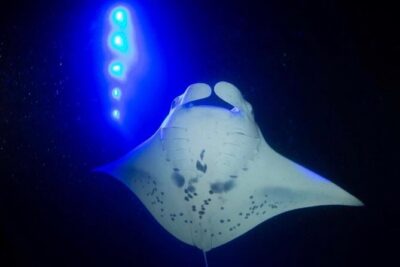
KONA Manta Ray Night Snorkel – FREE re-ride if no Sightings
Read our review →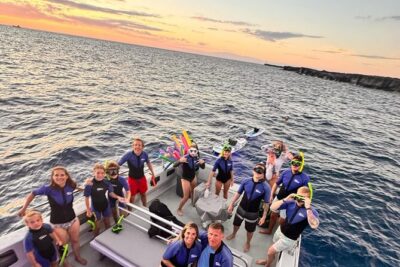
Glow of the Deep: Night Snorkeling with Manta Rays
Read our review →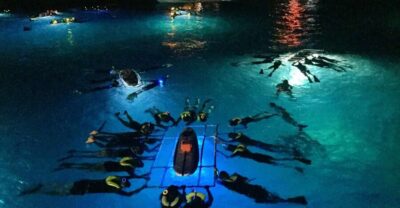
Manta Magic: Small-Group Manta Ray Night Snorkel in Kailua Kona
Read our review →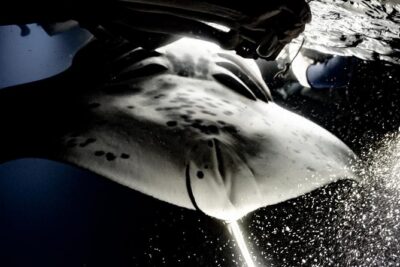
Browse the lists this tour appears in