
Reviewed · MANTA RAY NIGHT SNORKELS
Manta Ray Night Snorkel Experience of a Lifetime
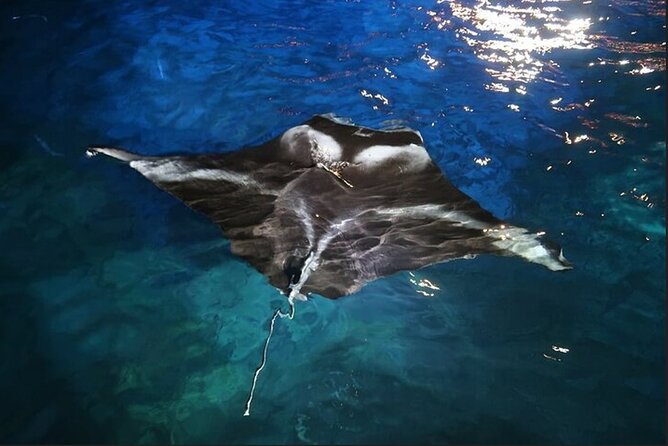
Big Island’s famous manta ray encounter is less a normal snorkel than a nighttime meeting with flying carpets of the sea. You hold onto a light board while plankton gathers below and manta rays sweep, roll, and sometimes brush close enough to startle you. The best nights are extraordinary, with five, ten, or even more rays circling beneath the group.
I like the small maximum group of 18, which gives the crew a better chance to help you find a good viewing position. I also like that the price includes a shorty wetsuit, snorkel gear, and a certified in-water guide, keeping the cost at a reasonable $79.46 per person. The main concern is simple: these are wild animals, and some nights bring one distant ray or none at all.
Key points to know before you book
- Manta rays feed beneath a light board: You float at the surface while the lights attract plankton, the rays’ food.
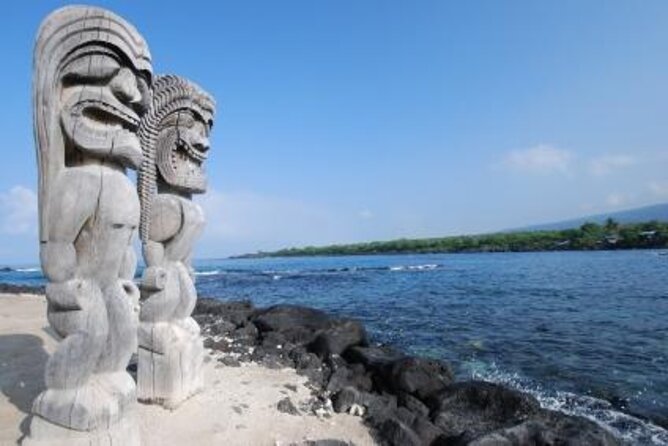
- Two possible sites: The boat travels from Honokohau Harbor to Garden Eel Cove, known as Manta Heaven, or south to Keauhou, known as Manta Village.
- Small, family-run operation: The boat carries no more than 18 people, a useful size for personal help without the feel of a large crowd.
- Basic swimming ability matters: You must be comfortable in the water and able to climb the boat ladder without assistance.
- Sightings are never guaranteed: A free return may be available at the full online price, but discounted or third-party bookings may require an additional $60.
- Bring warmth and patience: The water and boat ride can feel cold, and the actual time in the water is often around 30 minutes.
Why these manta rays are worth seeing after dark
Manta rays are gentle filter feeders, not predators waiting for a chance to bother you. They gather around the boat’s lights because the lights draw plankton, and the rays then glide through the illuminated water with their mouths open.
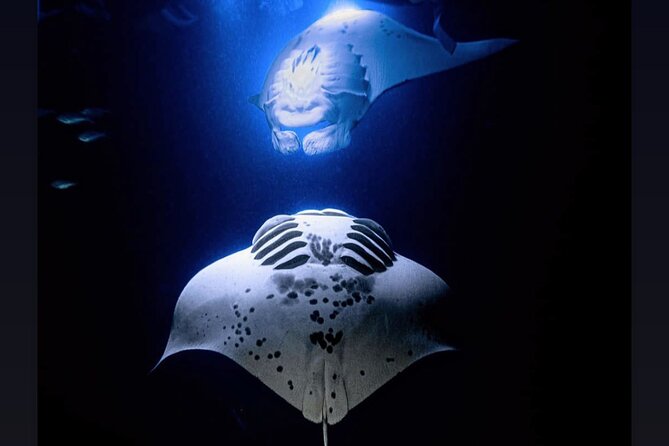
That feeding style creates the magic. You are not chasing an animal across a reef. You are holding still while a huge ray makes a slow pass beneath your face, turns on its side, or loops upward toward the light. Some people see a handful of rays close up. On especially active nights, the water can fill with them.
The best accounts describe rays brushing close to snorkelers, with one person seeing a ray perform a somersault just inches from their face. Other outings produce only one ray at a distance, or no rays at all. Both outcomes are possible, and the difference is controlled by the animals, not by the ticket price.
That uncertainty is part of the bargain. You are paying for a well-run chance to observe wild manta rays in their nighttime feeding area, not for a guaranteed show. If you need a sure sighting, this is the wrong kind of activity. If you can accept some risk for the chance of a remarkable encounter, it can become one of your best Big Island memories.
More snorkeling on Big Island of Hawaii:
- Big Island Manta Ray Night Snorkel
★ 5.0 · 5,656 reviews - Big Island: Kona Manta Ray Snorkel Tour in Keauhou Harbor
★ 4.5 · 2,465 reviews - Big Island: Captain Cook Snorkel On A Power Catamaran With Lunch
★ 5.0 · 2,232 reviews
From Honokohau Harbor to the manta site
You meet at Snorkel Big Island, at 74-380 Kealakehe Parkway in Kailua-Kona. Confirm the exact check-in time directly with the company, since you may need to arrive as much as 40 minutes early and no less than 15 minutes before departure.
The boat ride takes roughly 15 to 20 minutes. You may head north to Garden Eel Cove, also called Manta Heaven, or south to Keauhou’s Manta Village. The crew chooses the site based on conditions and where the manta activity is expected.
The ride itself is part of the evening. You leave the harbor in daylight or twilight, then return beneath stars and the lights of the Kona coast. It is worth bringing a sweatshirt or light jacket for the ride back, even if you expect to spend most of the outing in the water.
This is not a luxury cruise. The boat is small and practical, and one report describes a loose opening that allowed spray to soak a passenger on the return trip. If you want polished fittings and a roomy cabin, you may prefer a more expensive operator. If you value a smaller group and a straightforward boat ride, the modest setup may suit you.
Getting fitted with wetsuits and gear
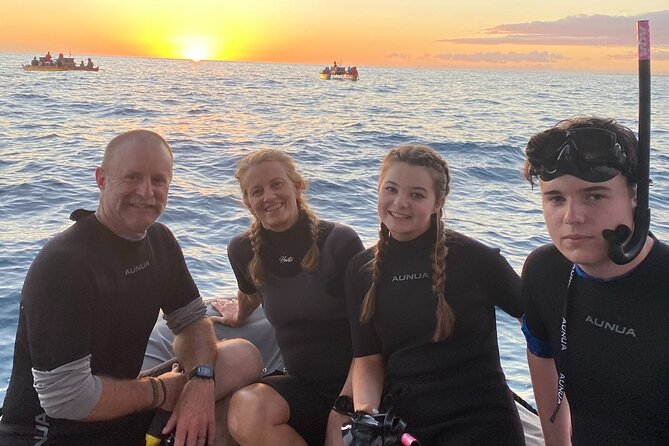
Snorkel Big Island provides the mask, snorkel, fins, and a shorty wetsuit. The wetsuit is not an optional extra. Use it. The water may not feel icy when you first enter, but floating mostly still for about 30 minutes can make you cold, especially at night.
Bring a towel and a warm layer for after the snorkel. A water bottle is also smart because it is easy to swallow some seawater through the snorkel. You do not need to bring standard snorkel equipment, but prescription masks are not included.
The check-in area can be dark, and it may be difficult to identify the staff. Arrive with enough time to find the meeting point without rushing. There is no bathroom access during the outing, so plan ahead before boarding.
The company is family owned and operated, and the feel can be more informal than at a large water-sports business. That can mean direct attention and a relaxed atmosphere. It can also mean that check-in feels less polished, especially if several groups are getting fitted at once.
Holding the light board over the feeding rays
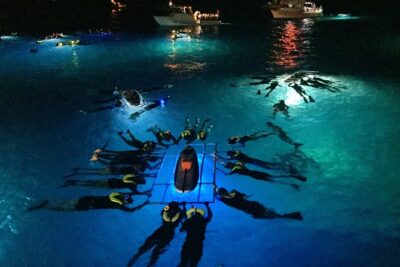
At the site, you slide into the water and hold onto a custom light board. The board keeps the group together and shines down into the water, attracting plankton. Your guide helps position you so you can see beneath the board without crowding other swimmers.
The technique is easy once you are settled. You do not need to swim around looking for rays. In fact, staying still is better. Keep your body near the surface, hold the board as instructed, and let the animals come to you.
The guides are American Red Cross certified for in-water work, and the captains are licensed by the United States Coast Guard. That matters here because the activity takes place at night, offshore, and in open water. The crew gives a safety briefing and watches the group while you float.
The company says you may request a life jacket if you prefer one. Basic swimming skills and previous snorkeling experience are required. You also need to climb the boat ladder independently, which is an important point for anyone with knee, shoulder, or mobility concerns.
A few people have found the open-ocean setting intimidating at first, but the guide presence helped them settle in. You should still be honest with yourself. This is not a dry viewing platform, and it is not a beginner swim lesson.
Other night swims with the mantas from Big Island of Hawaii:
- KONA Manta Ray Night Snorkel – FREE re-ride if no Sightings
★ 5.0 · 2,212 reviews - Manta Ray Night Snorkel at Kona, Big Island
★ 5.0 · 1,758 reviews - Glow of the Deep: Night Snorkeling with Manta Rays
★ 4.5 · 1,254 reviews - Kailua Kona: Night Manta Ray Adventure on the Big Island
★ 4.8 · 1,199 reviews
What a strong night looks like
When conditions and animal activity line up, the sight is hard to beat. You may look down and see a ray’s pale underside curve through the beam, its wide wings making a slow turn. The animals can pass directly under you, circle the board, and return again and again.
Several outings have produced five or six rays, while others have seen nine, ten, or even 12 to 15. Families with children as young as 10 have found the sight thrilling, and older children often enjoy the unusual setting as much as the animals.
The small group can help here. A maximum of 18 people gives the guides room to keep watch and place swimmers where they have a clear view. One of the best parts of the format is that you are not expected to chase a ray or fight a large crowd for a glimpse.
Guides may also point out other marine life. Small fish and, on one outing, sharks provided some interest when the manta rays did not appear. These sightings are incidental, though. Do not book this tour for a general reef snorkel. The purpose is the manta encounter.
The atmosphere depends heavily on the crew. Captain Kelly has been singled out for a relaxed, funny approach, while Jay, Elijah, and Jonathan have been praised for clear instructions and kind assistance. Crew assignments can change, so treat those names as examples rather than a guarantee. The strongest outings combine good animal activity with a crew that keeps you calm, informed, and involved.
The real risk: a quiet night at the site
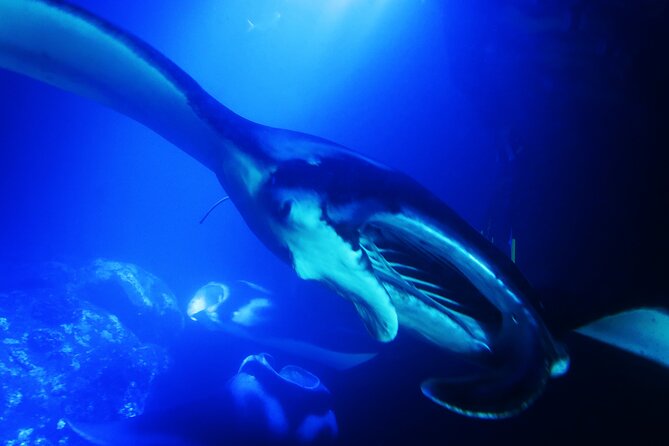
The company cannot promise manta rays, and you should take that policy seriously. Some nights produce no rays at all. A few reports also describe only one distant animal, or a ray that was present but not feeding near the light board.
That can feel especially disappointing after a boat ride and a cold wait in the water. One poor outing involved a light that reportedly was not working properly, while another raised concerns about the boat’s position and the amount of light available. Those are operational problems, not simply bad luck, and they can affect how much you see.
The crew may move the boat to a different buoy or shallower area when conditions allow. That can help, but the available spots may be limited by other boats. You could wait for another boat to leave, change locations during the session, or spend the full time at a site where the rays never arrive.
Staying in the water longer does not necessarily solve the problem. If the mantas are not at that site, another 20 minutes may only leave you colder. This is why the advertised two-hour tour should not be confused with two hours of snorkeling. The boat ride, check-in, safety talk, fitting, and reboarding all take part of the evening. Actual water time is often about 30 minutes.
Price, group size, and what you really receive
At $79.46 per person, this is a lower-priced way to try Kona’s manta snorkel. The price includes the boat trip, snorkel equipment, shorty wetsuit, and certified in-water guide. You do not have to rent those items separately.
The value is strongest when you get a small group, competent safety help, and active manta rays close to the board. In that situation, the tour can feel like a bargain. Several people describe it as the best part of their vacation, and the chance to watch wild rays at arm’s length is difficult to compare with ordinary sightseeing.
The lower price also comes with tradeoffs. The boat may be smaller and less polished than competing options. The crew’s energy can vary, and the best buoy position is not always available. Some people have found the staff warm and funny, while others felt the welcome was cold or the crew seemed disengaged.
I would compare this tour on more than price. Ask yourself how important boat comfort, crew personality, and equipment redundancy are to you. If you mainly want a safe, small-group chance at manta rays and you accept a basic boat, the price is appealing. If this is a once-only splurge and you want the most polished operation possible, spending more may make sense.
The manta policy also affects value. If no manta is seen, the company says full-price online customers may return free on another night, subject to limited seats. Tickets bought through a third party or at a discount may qualify only for another outing at $60 per person. Confirm the terms at booking and keep any promise of a return trip clear before you leave the dock.
Who should book this night snorkel
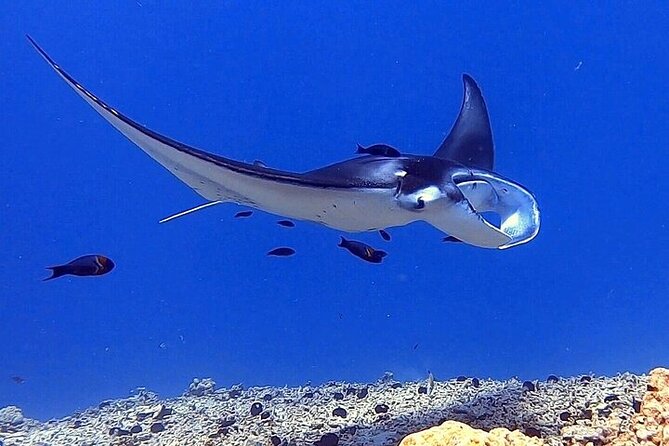
This outing suits you if you can swim, have snorkeled before, and feel comfortable holding onto a float in open water after dark. Families with older children, couples, solo visitors, and small groups of friends can all fit the format.
You will probably enjoy it most if you are comfortable with uncertainty. A patient attitude helps when the boat must wait for a buoy, when another vessel occupies a better viewing position, or when the rays take the night off.
It is not a good match if you have significant mobility restrictions, cannot climb a boat ladder independently, or need a prescription mask supplied by the operator. It is also a poor choice if you dislike cold water, boat motion, or the possibility of seasickness. The boat ride and floating motion have made some people ill, even when the manta encounter itself was worth it.
The activity is offered in English, and you need to understand the verbal safety briefing. If anyone in your group wants a life jacket, contact the reservation line ahead of time.
Practical planning for the evening
Confirm your reservation and check-in time directly with the operator. The stated meeting point is at Snorkel Big Island in Kailua-Kona, and the outing returns there after the boat ride.
Wear a swimsuit under the wetsuit and bring a towel, warm layer, and water bottle. Take seasickness precautions if you know you are prone to motion sickness, though the supplied information does not specify a particular medication or treatment.
The tour requires good weather and a minimum number of participants. If the company cancels for poor weather or insufficient bookings, you should be offered another date, another experience, or a full refund.
You can cancel for a full refund up to 24 hours before the local start time. Cancellations or changes made within 24 hours are not refunded or accepted, so do not wait until the afternoon of the trip if your plans are uncertain.
Should you book it?
I would book this manta ray night snorkel if you want the chance at a remarkable wild-animal encounter without paying luxury-tour prices. The small group, included gear, certified in-water supervision, and possible return policy make it a sensible choice for confident swimmers.
I would not book it expecting a guaranteed close-up show or a polished boat experience. The rays may be spectacular, distant, or absent, and crew service appears to depend on the night and the assigned staff. If you can accept those limits, this $79.46 outing offers a real shot at one of the Big Island’s most unusual evenings.
FAQ
How long does the manta ray night snorkel last?
The full activity lasts approximately two hours, including the boat ride from Honokohau Harbor and the return trip. Actual time in the water is often about 30 minutes.
Where does the tour meet?
The meeting point is Snorkel Big Island at 74-380 Kealakehe Parkway, Kailua-Kona, Hawaii. The activity ends back at the same location.
What equipment is included?
The tour provides snorkeling equipment, a shorty wetsuit, and a certified in-water guide or lifeguard. A prescription snorkel mask is not included.
Are manta ray sightings guaranteed?
No. Manta rays are wild animals, and the company cannot guarantee that you will see them. If no ray is seen, full-price online customers may be able to return free on another night, while third-party or discounted bookings may require an additional $60 per person.
Do I need snorkeling experience?
Yes. Basic swimming skills and previous snorkeling experience are required. You must also be able to climb the boat ladder independently.
What is the cancellation policy?
You can cancel at least 24 hours before the local start time for a full refund. Cancellations or changes made less than 24 hours before the start time are not refunded or accepted. If poor weather or an insufficient number of participants cancels the tour, you will be offered another date, another activity, or a full refund.
Just added on Big Island of Hawaii
- Kailua-Kona: Big Island Morning Snorkeling Tour with Lunch★ 4.9 · 7 reviews
- Big Island: Hawaii Volcanoes National Park and Hilo Tour★ 5.0 · 118 reviews
- Kailua-Kona: Hualalai Volcano Doors On/Off Helicopter Tour★ 4.7 · 12 reviews
- Big Island: Full Day Adventure Tour of the Kohala Waterfalls★ 5.0 · 41 reviews
- Big Island Hawaii: Craft Chocolate Tasting and Farm Tour★ 5.0 · 14 reviews
- Big Island: Evening Volcano Explorer from Hilo★ 4.7 · 31 reviews
- Big Island: Off the Beaten Path Volcano Crater Hike★ 5.0 · 15 reviews
- Big Island: Full-Day Kohala Zipline and Waterfall Adventure★ 4.8 · 36 reviews
Manta Ray Night Snorkels, compared.
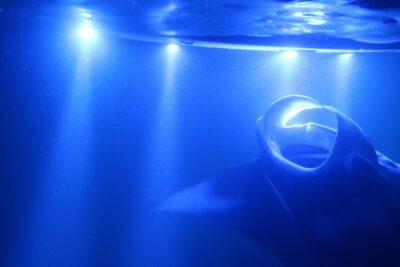
Kona Manta Ray Snorkel Tour in Keauhou Harbor
Read our review →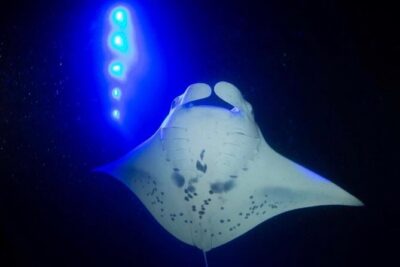
KONA Manta Ray Night Snorkel – FREE re-ride if no Sightings
Read our review →
Glow of the Deep: Night Snorkeling with Manta Rays
Read our review →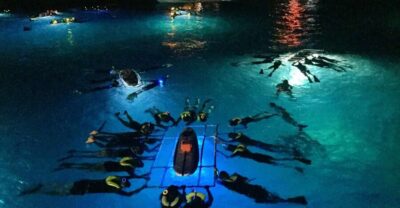
Manta Magic: Small-Group Manta Ray Night Snorkel in Kailua Kona
Read our review →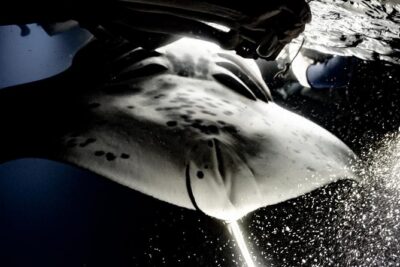
Browse the lists this tour appears in