
Reviewed · FARMS
Abalone Farm Tour
The most surprising part of this Kona outing is that abalone are not just something on a restaurant menu. You get to see them at different stages of growth, handle live animals, and learn how a working farm raises them in a tropical setting. Carlos, Kai, and Diana are among the guides who make the lesson lively rather than dry.
I like the hands-on format and the tasting at the end, especially for children who may not care about a standard farm talk. I also like the price: $35 buys a full hour of instruction, contact with sea life, and samples of abalone and seaweed. The main consideration is that this is an outdoor working farm, so bring water and a hat, and expect a simple agricultural setting rather than a polished aquarium.
Key points to know before booking
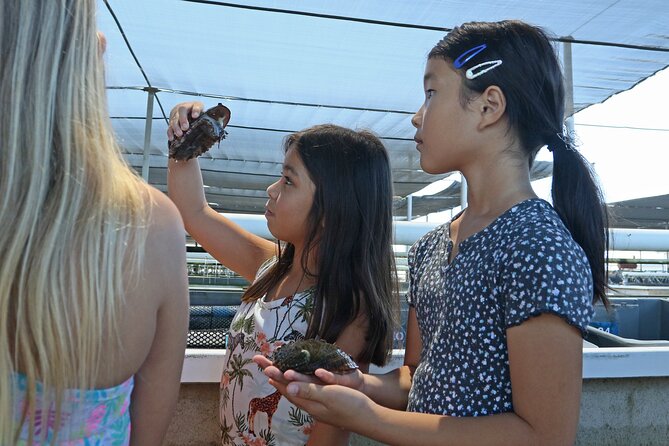
- Touch live abalone: You may handle abalone and other sea creatures while learning about their shells, bodies, growth, and life cycle.
- Taste the farm’s work: The tour includes seaweed and abalone samples, with a steamed shell of abalone described as a finishing treat.
- Learn why farming matters: The guide explains sustainable raising and the importance of supporting abalone populations.
- A short Kona activity: The tour lasts about one hour and ends where it begins at 73-357 Makako Bay Drive.
- Good for mixed-age groups: Families with young children and older adults have found the low-activity walk manageable.
- Leave time for lunch: A food truck on the property serves additional abalone dishes, including poke and sushi-style options.
Why this small Kona farm is worth your time
Kona has no shortage of beaches, scenic drives, and water activities. The Big Island Abalone Farm gives you something different: a close look at food production, marine biology, and conservation in one compact visit.
I like experiences that explain where local food comes from. Here, you are not simply handed a sample and sent on your way. The guide explains how abalone mate, grow, and reach harvest size, while showing you live animals along the way. You also learn about seaweed grown at the farm and its role in the farm system.
The setting is practical and working, not theatrical. That is part of the appeal. You see tanks, animals, and growing systems in an active farm environment. The tour does not require a full morning or a special level of fitness, making it useful when you have a spare hour before a flight or between Kona plans.
The farm sits near the Kona airport area, at 73-357 Makako Bay Drive. From Kailua-Kona pier, one visitor estimated the drive at roughly half an hour by Uber. Allow extra time for your own transport, but the location makes this a sensible final-day activity if your schedule is open.
Other coffee and chocolate farms to visit on Big Island of Hawaii:
- Big Island Highlights: Coffee, Volcano, Black Sands & Waterfall
★ 5.0 · 1,054 reviews - Hawaiian Salt Farm Tour in Kona
★ 5.0 · 767 reviews - Award Winning Farm Tour: Coffee, Chocolate and Unique Gifts
★ 5.0 · 484 reviews
What happens during the one-hour visit
The visit stays at Big Island Abalone and returns to the same meeting point. The tour lasts about one hour, though you may spend longer at the property if you eat at the nearby food truck or shop for abalone and souvenirs.
Your guide begins by explaining the farm’s purpose and the basic life cycle of abalone. You learn why sustainable raising matters and how the farm produces premium seafood in Hawaii’s tropical climate. The subject is more interesting than it may sound, since the talk connects biology, food, farming, and the health of wild abalone populations.
The lesson then becomes hands-on. You may touch live abalone and other sea creatures. One especially useful feature is seeing animals at different ages and sizes, which helps you understand that the shellfish on your plate is the final stage of a much longer process.
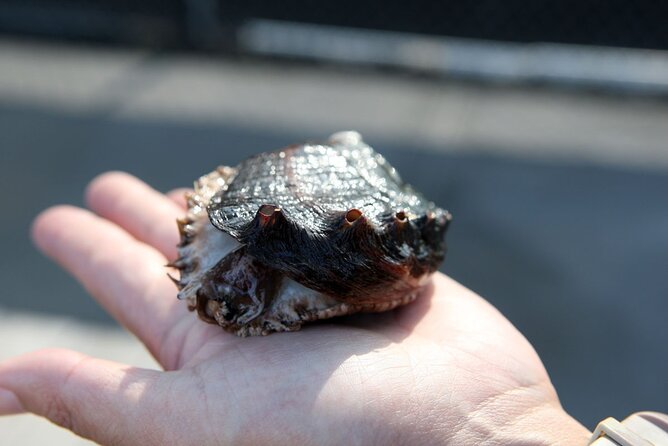
You may also look closely at features such as the shell, foot, eyes, and radula, the scraping structure abalone use while feeding. For children, this turns an abstract science lesson into something they can see and feel. For adults, it adds a new layer to a food that many people have only encountered in a restaurant.
The final part is the tasting. Samples can include abalone and seaweed, with sea grapes, sea peas, dulse, or other seaweed products mentioned as part of the experience. The abalone has been served steamed, and some descriptions refer to fresh and canned samples. Exact items may vary, but the tasting is clearly an important part of the hour.
You may keep a beautiful abalone shell after the tasting, according to the experience details shared on site. The farm also sells live abalone by the piece, and the nearby food truck offers cooked dishes. That gives you a choice: learn and leave, buy ingredients to enjoy later, or turn the visit into a small lunch stop.
The guides make the difference
The subject requires a guide who can explain science without making it feel like a classroom lecture. Carlos receives especially strong praise for his clear explanations, humor, and ability to draw the whole group into the discussion.
Kai has also led the tour, explaining how abalone mate, grow, and taste. Diana is described as energetic and warm, with a clear interest in the work. Since guides can change, you should not book expecting one particular person unless the operator confirms it. Still, the repeated strength of the guiding suggests that the human part of the experience is central.
Group size can reach 20 people, though a smaller group makes the hands-on portions easier. A group of 12 was described as a comfortable size. With more people, you may need to wait your turn at the tanks, but the one-hour length keeps the activity moving.
I would pay attention during the explanation of sustainability. The farm is not only selling seafood. It is also showing why controlled aquaculture can matter for a species facing pressure in the wild. The tour connects the farm’s business with a wider concern for abalone populations, giving the tasting more context.
A useful lesson in sustainable seafood
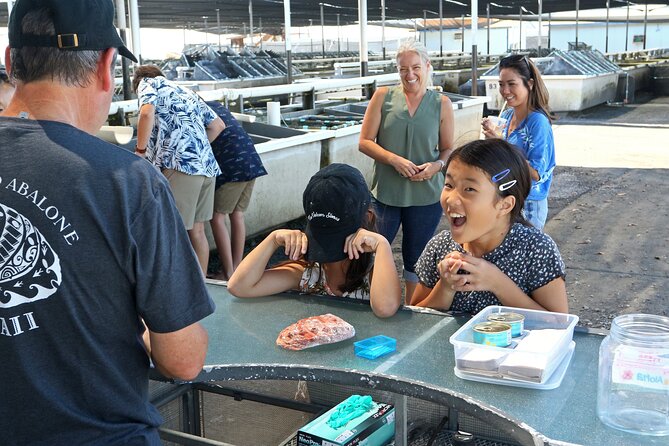
Abalone is often treated as a luxury ingredient, but this tour shows the work behind it. You learn that raising abalone involves careful attention to breeding, growth, feeding, and harvest. The farm also raises seaweed, giving you a look at more than one part of the operation.
That matters because sustainability is easy to use as a vague marketing word. Here, you can ask questions while looking at the animals and growing systems. The guide explains why farm raising can help support demand for abalone while reducing pressure on wild stocks.
I would not treat a one-hour tour as a full course in aquaculture. It is a friendly introduction, not a technical training session. Still, it gives you enough basic information to understand what you are eating and why the farm’s work has environmental value.
The seaweed tasting adds another useful angle. You may try several forms, including sea grapes, sea peas, and dulse. Some people compare the flavor or texture to familiar greens such as kale. It is a small but memorable way to connect the farm’s marine products to the wider food system.
Same island, a different kind of day:
- Big Island in a Day: Volcanoes Waterfalls Sightseeing and History
★ 5.0 · 6,569 reviews - Big Island Manta Ray Night Snorkel
★ 5.0 · 5,656 reviews - Big Island: Kona Manta Ray Snorkel Tour in Keauhou Harbor
★ 4.5 · 2,465 reviews - Hilo Shore Excursion: Volcanoes National Park & Black Sand Beach
★ 4.5 · 2,338 reviews
How much value do you get for $35?
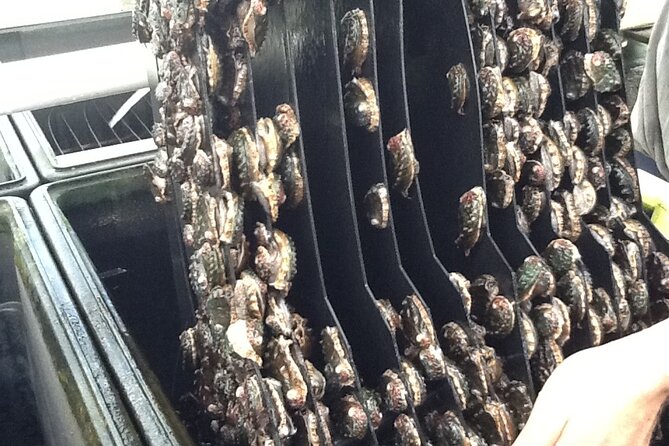
At $35 per person, this is fairly priced for a one-hour guided activity that includes tastings and hands-on contact with live sea life. You are paying for access to a working farm, an interpreter who explains the operation, and food samples at the end.
The value is strongest if you enjoy learning how food is produced. It is also a good deal for a family because the touch-and-taste format gives children several ways to stay involved. A ten-year-old has enjoyed the experience, and even a two-and-a-half-year-old was able to take part with retired parents.
The value is weaker if your main goal is a large meal. The tasting is a sample, not a full lunch. One person found the samples smaller than expected and preferred the idea of spending the money on abalone at the food truck instead.
That is a fair point. If you want to eat a generous portion of abalone, plan to buy lunch separately. If you want to understand the animal, see how it is farmed, and try a small serving as part of the lesson, the $35 price makes more sense.
Family, older adults, and mobility considerations
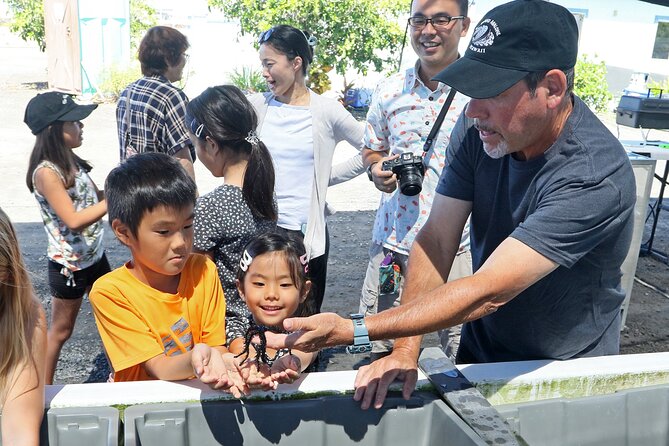
This is one of the easier educational activities to fit into a mixed-age itinerary. The walk is about an hour, and the physical activity is described as low. An older couple completed the farm visit with a cane, and families have brought both young children and retired parents.
The tour is mostly outdoors and is often under shade. That helps on a warm Kona day and may make the visit workable in light rain, but you should still bring water and a hat. The activity requires good weather, and the operator may cancel if conditions are poor.
The farm is not presented as a formal indoor museum with climate control or guaranteed seating. If someone in your group tires easily, contact the provider before booking to discuss current conditions. Most people can participate, and service animals are allowed.
The hands-on format also works well for children who need something more active than listening. Touching an abalone, spotting its body parts, and tasting seaweed gives the hour a clear rhythm. Adults can follow the science while children focus on the animals.
Pair the tour with lunch or an airport stop
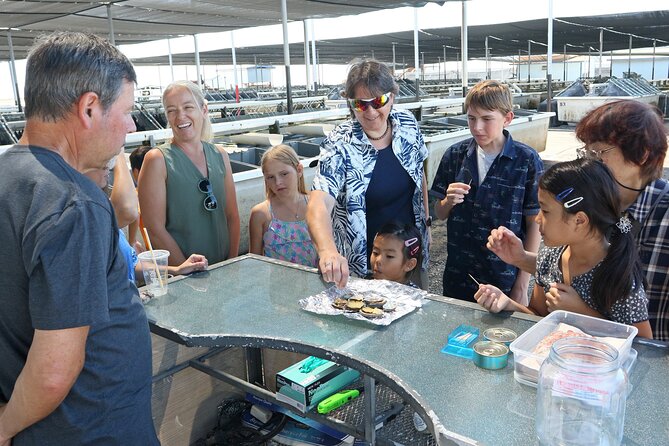
The farm’s location near the airport makes it handy on a departure day, provided your timing is generous. One couple booked it after finding they had extra time before leaving Kona. I would avoid placing it too close to a flight, since transport delays and a delayed tour would create unnecessary stress.
You can also combine the visit with lunch at the food truck on the property. Additional choices have included abalone poke and sushi-style dishes, and you may be able to buy fresh abalone by the piece. This is the best way to turn a one-hour educational visit into a longer food stop.
If you are staying in Kailua-Kona, plan your ride carefully. The farm is about a half-hour Uber trip from the pier according to one account, though your exact time depends on traffic and pickup conditions. A car or rideshare gives you the most practical access based on the information available.
The activity ends back at the meeting point, so you do not need to arrange a second pickup location. Mobile tickets are accepted, and the experience is offered in English.
The small drawbacks to keep in mind
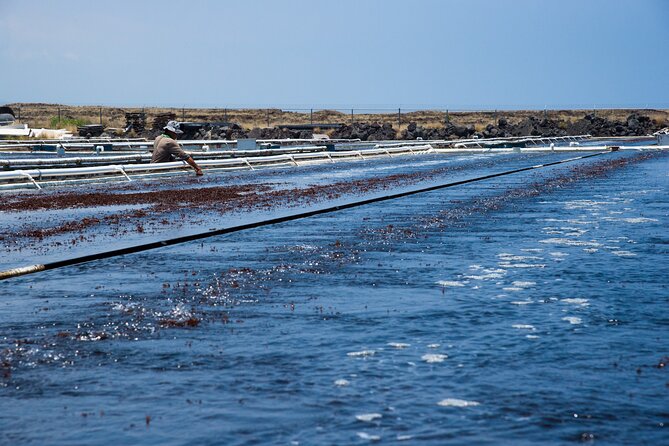
The tour has a narrow focus. If you are looking for volcano scenery, snorkeling, cultural performances, or a broad introduction to Hawaii, this is not the right choice. It is specifically about abalone, seaweed, farming, and related sea life.
The farm setting is also simple. You should expect a working agricultural site rather than a major visitor attraction. The outdoor format can be pleasant, but sun, rain, and heat are part of the deal.
The included food is tasting-sized. The abalone sample can be the highlight, but you should not assume it will replace lunch. If you are hungry, budget for the food truck or another meal afterward.
Finally, the group may include up to 20 people. That is still manageable for a one-hour tour, but a smaller group gives you more time at the tanks and more chances to ask questions. Booking ahead is sensible, since the activity averages about 12 days of advance booking.
Who should book Big Island Abalone?
I would choose this tour for families, food lovers, curious children, and anyone who has already done the classic Kona activities. It is also a good choice for a spare hour near the airport or for a rainy-day plan when a full outdoor adventure does not appeal.
You should book if you want to touch live abalone, learn how sustainable aquaculture works, and try seaweed and abalone in a relaxed setting. The strong guiding from people such as Carlos and Kai adds real value.
Skip it if you want a substantial seafood meal, a major sightseeing attraction, or a fully indoor activity. In that case, use the food truck for lunch and spend your tour budget elsewhere.
For most visitors, the best plan is to see the farm, enjoy the included tasting, then decide if you want more abalone afterward. At $35 and about one hour, it is a practical, unusual Kona experience with enough substance to justify the stop.
FAQ
Where does the Abalone Farm Tour meet?
The tour begins at Big Island Abalone, 73-357 Makako Bay Drive, Kailua-Kona, Hawaii 96740. The activity ends back at the same meeting point.
How long does the tour last?
The visit lasts approximately one hour.
How much does the tour cost?
The listed price is $35 per person.
Is abalone tasting included?
Yes. The tour includes abalone and seaweed tasting. Samples may include steamed abalone and several seaweed products.
Can I touch live abalone?
Yes. The experience includes opportunities to touch live abalone and other sea creatures.
Is the tour suitable for children?
Yes. The activity is designed for different ages, and most people can participate. Children have enjoyed the interactive parts and the tasting.
Are service animals allowed?
Yes, service animals are allowed.
What happens if the weather is poor?
The experience requires good weather. If the operator cancels because of poor conditions, you can choose another date or receive a full refund. You can also cancel for a full refund if you do so at least 24 hours before the start time.
Just added on Big Island of Hawaii
- Volcano National Park and Rainbow Fall in Hilo, Hawaii★ 5.0 · 53 reviews
- Volcanoes National Park Adventure Tour – Hilo Shore Excursion★ 4.5 · 104 reviews
- Volcanoes National Park and Hilo Private Tour★ 5.0 · 3 reviews
- Private VAN Tour Hilo★ 4.5 · 5 reviews
- Volcanoes Adventure Tour from Hilo★ 4.0 · 29 reviews
- Majestic Waterfall Tour★ 5.0 · 31 reviews
- Private Shore Excursion Hilo Volcanoes National Park up to 10 PPL★ 5.0 · 36 reviews
- 5 Hour Custom Private Tour of Hawaii★ 5.0 · 9 reviews
Farms, compared.
Oahu’s Ultimate Tour: Dole, Turtle Snorkel, Pali Lookout & More
Read our review →
Maui Ku’ia Estate Guided Cacao Farm Tour and Tasting
Read our review →
Big Island Highlights: Coffee, Volcano, Black Sands & Waterfall
Read our review →
Road to Hana Adventure with Farm to Table Lunch
Read our review →
Pearl Harbor, Dole Plantation, and Polynesian Center from Waikiki
Read our review →
Princeville Botanical Gardens Tour and Chocolate Tasting Ticket
Read our review →
Browse the lists this tour appears in