
Reviewed · HIKING & TREKKING
Big Island: Native Bird Watching & Hiking Tour
Hakalau Forest is one of the Big Island’s best places to look for birds found nowhere else on Earth. This full-day trip takes you into a restricted-access refuge, where a skilled guide helps you spot species that are easy to miss without trained eyes and sharp ears.
I especially like the small group of no more than nine and the chance to ride a 4WD Mercedes Sprinter into hard-to-reach parts of the refuge. I also like that the day covers more than bird names, with native plants, conservation work, island history, and oddities such as carnivorous caterpillars. The main drawback is the long day and rough terrain. You may hike up to four miles, and the road can be bumpy.
Key points at a glance
- Rare access to Hakalau Forest: Visit a protected refuge with restricted entry and important habitat for Hawaiian forest birds.
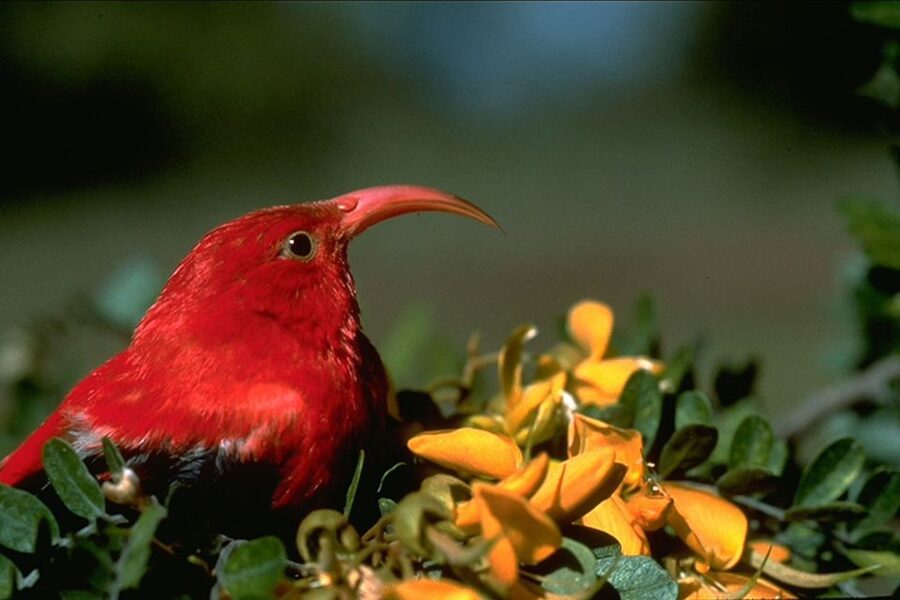
- A serious birding day: Search for ʻIʻiwi, ʻApapane, ʻAkiapōlāʻau, ʻAmakihi, Hawaiian Creeper, ʻElepaio, ʻŌmaʻō, Pueo, and ʻIo.
- Small group, personal guiding: The van holds no more than nine participants, giving you a better chance to ask questions and share sightings.
- Up to four miles of hiking: Expect uneven, rocky, muddy ground and conditions that may turn cool or wet.
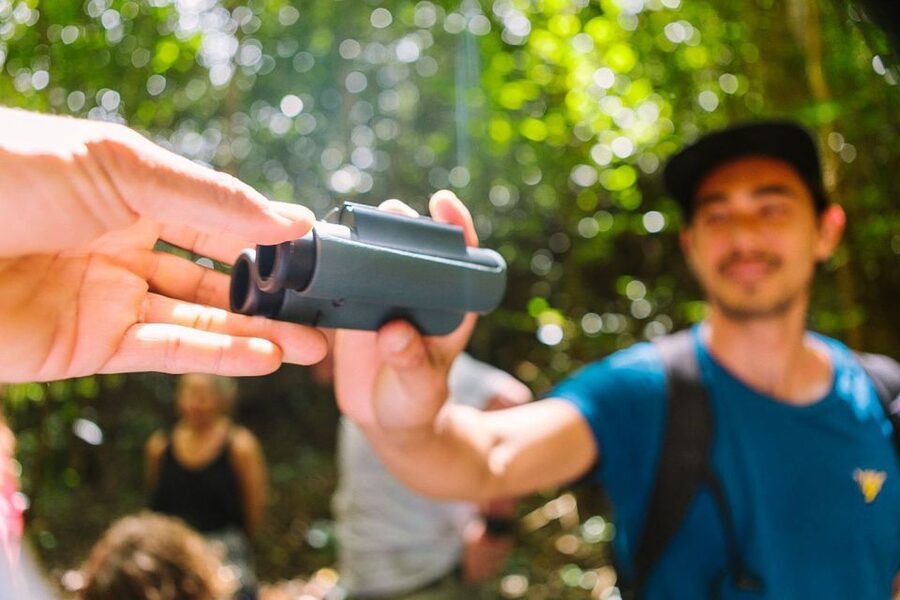
- Useful gear included: Binoculars, daypacks, hiking sticks, rain gear, snacks, breakfast, lunch, sunscreen, and refill water are provided.
- A full 12-hour commitment: Pickup and return are available from selected Kona and Waikoloa meeting points, not individual hotels.
Why Hakalau Forest matters
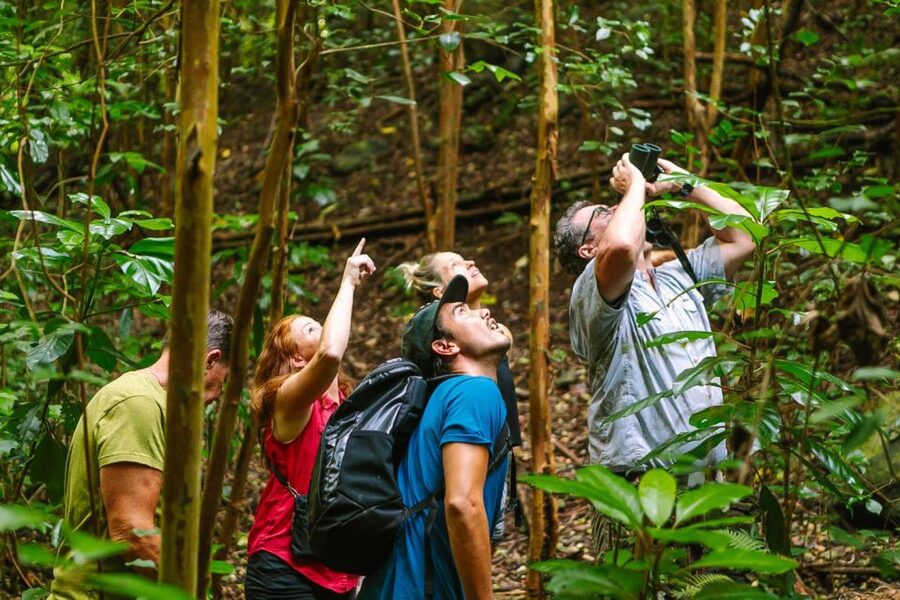
Hakalau Forest National Wildlife Refuge was created to protect native Hawaiian forest birds. It is also the country’s first refuge established specifically for forest birds, which gives the visit real conservation weight rather than making it just another scenic outing.
Many Hawaiian birds evolved in isolation. That makes them special, but it also means they are vulnerable when native forest disappears or outside species arrive. A walk here gives you a direct look at the habitat that supports them.
You are not simply ticking birds off a list. Your guide can explain how birds, plants, and conservation work fit together. That context makes a brief glimpse of a bird in the canopy far more meaningful.
Access is restricted, so this is not a place you casually add to a driving day. The permit-dependent departure also means the outing is not as flexible as a standard sightseeing tour. Still, that limited access is part of its value. You are visiting a protected area with a guide and a group small enough to keep the experience focused.
More hiking & trekking on Island Of Hawaii:
- Kilauea: Volcanoes National Park Guided Hike
★ 4.8 · 46 reviews - Big Island: Hawai’i Volcanoes National Park Guided Hike
★ 4.9 · 30 reviews - Big Island: Off the Beaten Path Volcano Crater Hike
★ 5.0 · 15 reviews
Starting from Kona or Waikoloa
Pickup is offered from selected central locations, including Waikōloa Plaza, Queens’ Marketplace, Hawaii Forest & Trail’s Kona headquarters, and Four Seasons Resort Hualalai. Hotel pickup is not included, so you need to reach one of these meeting points yourself.
Confirm your exact pickup time with the operator. The time shown when booking may not be the actual meeting time, and departures depend on restricted-access permits. Arrive at least 10 minutes early and look for the Hawaii Forest & Trail van marked on the front, side, and back.
The drive to the refuge takes about two hours. That is a sizeable part of the day, but it also gives your guide time to explain the plan, answer questions, and set expectations for the forest. Bring a reusable water bottle because there is a water refill station, but no bottle is supplied.
The 4WD ride into the refuge

Transportation is in a short-wheelbase, 4WD Mercedes Sprinter. This matters because the refuge includes rough, remote access roads that ordinary sightseeing vehicles may not handle comfortably.
The van lets you cross more of the refuge than you could on foot alone. You can reach off-the-beaten-track locations, then get out for focused walks and bird searches. The tradeoff is comfort. One account specifically noted that the off-road ride was bumpy and wished the drive could be smoother. That is a fair expectation to set before booking.
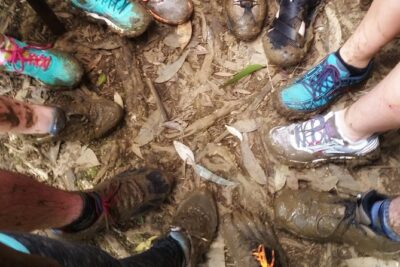
You should also expect changing conditions. Hakalau can be cool, wet, and muddy, even when the coast feels warm and dry. Layers are more useful than one heavy jacket, and clothes that can get dirty are a sensible choice.
Five hours of forest walking and birding
The main refuge portion lasts about five hours and includes lunch, a guided walk, hiking, and wildlife viewing. The walking distance can reach four miles, but the bigger issue is the surface. You need to manage uneven or rocky ground, and muddy sections may be part of the day.
This is not a paved path with birds placed conveniently beside it. You may spend time standing quietly, scanning branches, listening, and waiting for a quick movement. A guide with strong bird-tracking skills can make a major difference here, especially for small birds high in the canopy.
The group size helps. With no more than nine people, the guide can work to get everyone onto a sighting and explain what to watch for. One guide, Gary, has been praised for combining birding skill with stories, humor, and information about the island and its conservation efforts. That mix matters during a long day, when a steady pace and a good explanation keep the experience enjoyable.
Same island, a different kind of day:
- Kailua Kona: Night Manta Ray Adventure on the Big Island
★ 4.8 · 1,199 reviews - Big Island: Night Swim with Manta Ray with Hot Chocolate
★ 4.9 · 420 reviews - Kailua-Kona: Whale Watching Cruise on the Big Island
★ 4.7 · 273 reviews - From Keauhou Bay: Snorkel Cruise to Captain Cook’s Monument
★ 4.8 · 242 reviews
The birds you may search for
The refuge is best suited to people who are excited by endemic species, even if they are new to birding. You may search for:
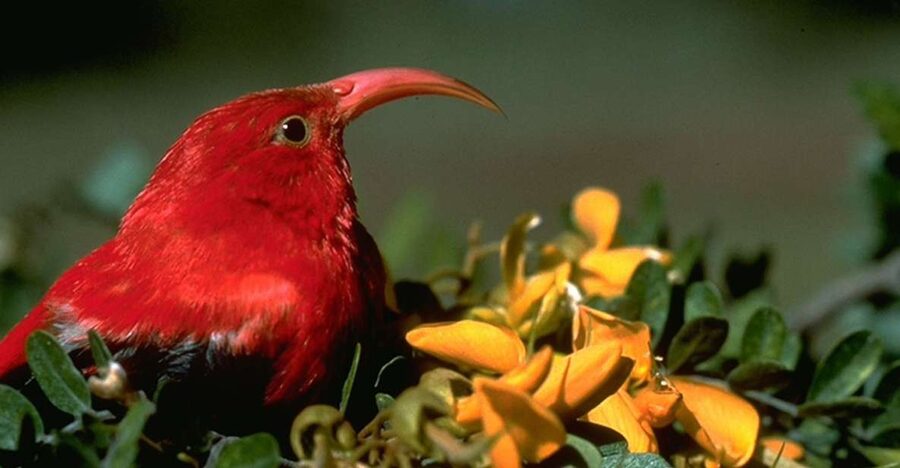
- ʻIʻiwi and ʻApapane, including the striking red ʻIʻiwi
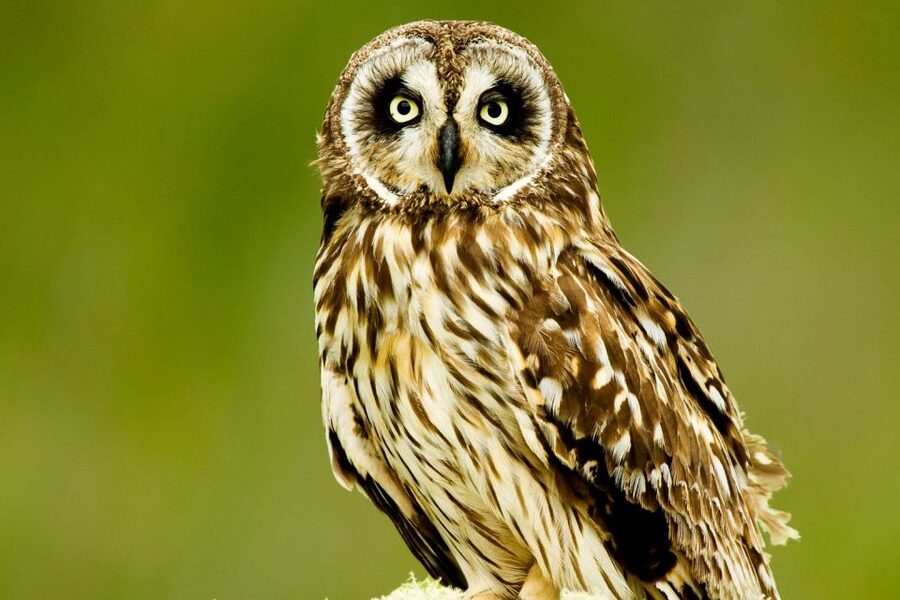
- Pueo, the wide-eyed Hawaiian owl
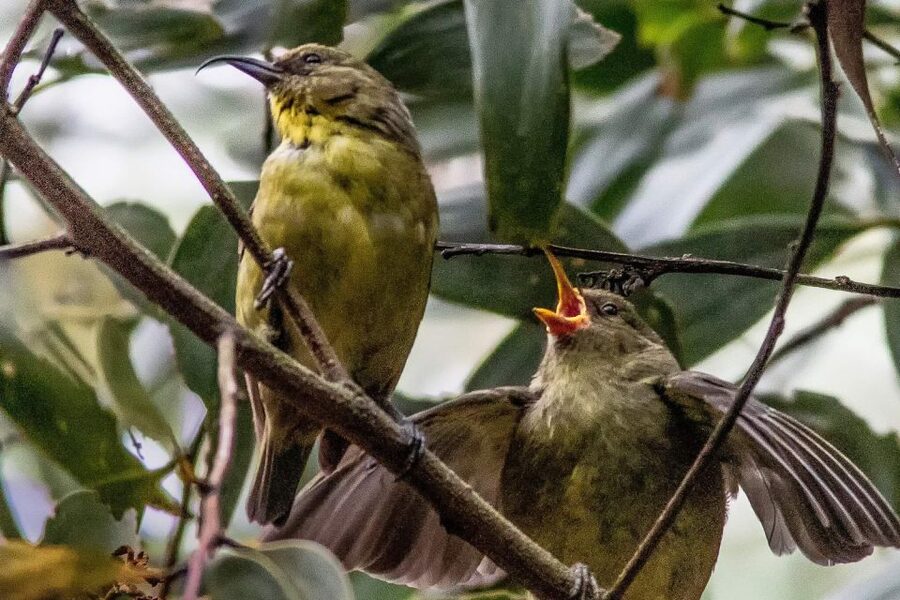
- ʻAkiapōlāʻau and ʻAmakihi, both associated with bright yellow coloring
- Hawaiian Creeper
- ʻElepaio and ʻŌmaʻō
- ʻIo, the Hawaiian hawk
Seeing every species is never something a responsible guide can promise. Birds move, weather changes, and some sightings may be brief. The useful point is that the day is organized around finding native forest species, rather than hoping to notice a few common birds by accident.
The included binoculars remove one common barrier. You do not need to own expensive optics before signing up, though bringing your own is fine if you prefer familiar equipment. The guide’s help is just as important as the gear. A bird that looks like a dark shape to you may become identifiable once someone points out its movement, call, or feeding behavior.
One participant recorded 12 first-time bird sightings on the day. That number will vary, but it gives you an idea of the potential for an experienced birder who wants to add Hawaiian species to a life list.
Plants, caterpillars, and more than birds
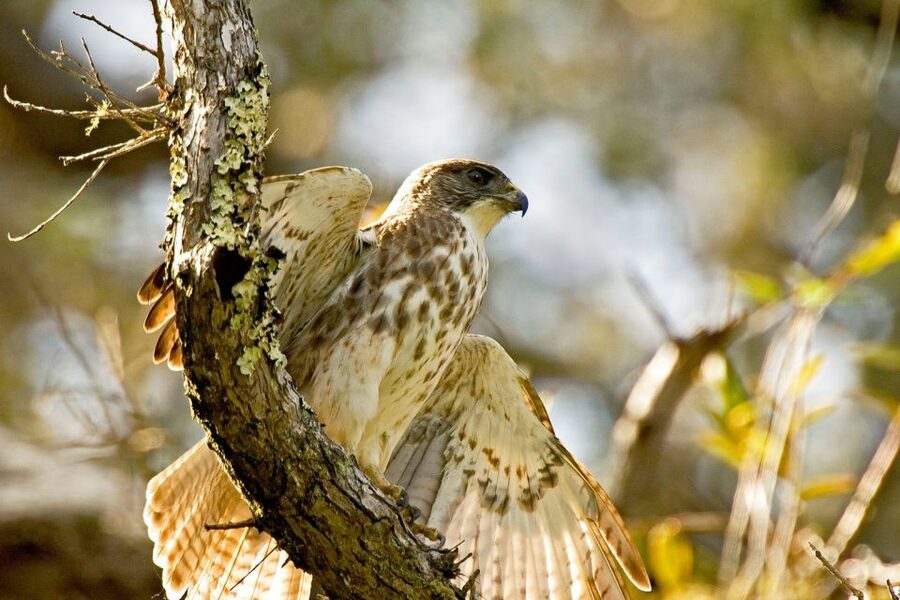
Birding is the main reason to book, but the refuge experience is broader. You will learn about rare native plants and animals, including carnivorous caterpillars. That detail alone gives the day a wonderfully strange Hawaiian edge. The forest is full of specialized life, not just colorful birds.
Your guide also covers Hawaiian nature, island history, and ongoing conservation work. I value that combination because it helps you understand why this forest is protected and why some species are so difficult to find elsewhere.
If you are a casual nature-lover, you do not need to arrive with a field guide memorized. The tour suits serious birders, but it also works for someone who wants a close look at Hawaiian ecology. Just be ready for patience. The reward comes from observation, not from a nonstop sequence of dramatic sightings.
Lunch, gear, and practical comforts
Breakfast snacks, snacks during the day, and a deli-style lunch are included. That is useful on a 12-hour outing, especially when there is no simple way to stop for a meal once you are inside the refuge.
You also receive a daypack, hiking sticks, rain gear, reef-safe sunscreen, and binoculars. The hiking sticks can be helpful on rocky or muddy ground, while the rain gear is a practical safeguard in a wet forest.
You still need to bring a hat, jacket, long pants, closed-toe shoes, weather-appropriate clothing, and a reusable water bottle. Sandals, flip-flops, shorts, and open-toed shoes are not allowed. Wear clothes that can get dirty. This is a working forest outing, not a polished garden walk.
Is $287 a fair price?
At $287 per person, this is an expensive day trip, but the price covers more than transport. You are paying for a full 12-hour schedule, restricted-access arrangements, a professional bird-tracking guide, 4WD transportation, food, binoculars, hiking equipment, rain gear, and a small group.
The value is strongest if you care about endemic birds or want access to a place that would be difficult to visit on your own. If you simply want a general nature walk, the price may feel high. You would be paying for a level of access and specialist guidance you may not fully use.
For a dedicated birder, the cost is easier to justify. A guide who can help you find several Hawaiian species, explain conservation work, and adjust the pace for the group is a practical investment. For a casual visitor, decide first if rare birds are central to your Big Island plans. If not, a shorter and less specialized outing may suit you better.
Who should book this day
I would recommend this tour to:
- Birders who want Hawaiian endemics
- Nature-lovers willing to hike on rough ground
- Visitors interested in conservation and native species
- People who enjoy small groups and expert interpretation
- Anyone prepared for a long day with several hours in a vehicle
It is not suitable for children under eight, pregnant women, people with back problems, people with mobility impairments, or people prone to motion sickness. The rough vehicle ride and uneven trails are the main concerns.
You should also think carefully about the duration. The trip takes about two hours to reach the refuge, about five hours there, and another two hours back, with the full schedule lasting around 12 hours. That is a serious commitment, particularly if you have other activities planned the next morning.
Booking and cancellation details
The tour requires at least four participants to operate. If the minimum is not met, the provider will notify you at least 24 hours ahead and offer a rescheduled date or full refund.
You can cancel up to 24 hours before departure for a full refund, and the reserve-now-pay-later option lets you hold a place without paying immediately. These policies help, but they do not remove the need to confirm the pickup point and time before the day of departure.
Should you book the Hakalau Forest birding tour?
Book it if rare Hawaiian birds are a priority, you can handle up to four miles on uneven terrain, and you are happy to spend 12 hours on a structured nature expedition. The restricted refuge access, small group, included gear, and strong guiding make this a serious birding experience rather than a casual sightseeing stop.
Skip it if you dislike bumpy vehicle rides, muddy trails, long days, or patient wildlife watching. The best reason to go is not a guaranteed list of sightings. It is the chance to enter an important native forest with someone who can help you notice what would otherwise remain hidden.
FAQ
How long does the Hakalau Forest tour last?
The experience lasts 12 hours, including the vehicle journey to and from the refuge.
Where can I meet the tour?
Pickup is available from selected locations in the Kona and Waikoloa areas, including Waikōloa Plaza, Queens’ Marketplace, Hawaii Forest & Trail’s Kona headquarters, and Four Seasons Resort Hualalai.
How much hiking is involved?
You may hike up to four miles on uneven or rocky terrain. Conditions can be muddy, wet, or cool.
What birds might I see?
The search includes ʻIʻiwi, ʻApapane, Pueo, ʻAkiapōlāʻau, ʻAmakihi, Hawaiian Creeper, ʻElepaio, ʻŌmaʻō, and ʻIo. Sightings are not guaranteed.
Is food included?
Yes. Breakfast snacks, snacks during the day, and a deli-style lunch are included. A water refill station is available, but you should bring your own reusable bottle.
What equipment is provided?
The tour provides binoculars, daypacks, hiking sticks, rain gear, and reef-safe sunscreen. You should bring a hat, jacket, long pants, suitable clothing, and closed-toe shoes.
Just added on Island Of Hawaii
- Big Island: Full Day Adventure Tour of the Kohala Waterfalls★ 5.0 · 41 reviews
- Big Island: Evening Volcano Explorer from Hilo★ 4.7 · 31 reviews
- Big Island: Off the Beaten Path Volcano Crater Hike★ 5.0 · 15 reviews
- Big Island: Full-Day Kohala Zipline and Waterfall Adventure★ 4.8 · 36 reviews
- Waikoloa Catamaran Snorkel & Sail Adventure with Lunch★ 4.8 · 39 reviews
- Big Island: 3-Hour Kohala Canopy Zipline Adventure★ 4.9 · 37 reviews
- Big Island: Captain Cook Sightseeing & Snorkel Expedition★ 4.9 · 105 reviews
- Big Island: Tiki Carving Workshop★ 4.9 · 38 reviews
Hiking & Trekking, compared.
Small Group Waterfall and Rainforest Hiking Adventure on Maui
Read our review →
Kauai Adventure: Kayak & Hike to Secret Falls with Expert Guide
Read our review →
Secret Falls Kayak & Hike Guided Adventure on the Wailua River
Read our review →
Wailua River Kayak and Sacred Falls Guided Hike with Lunch
Read our review →
Waterfall & Rainforest Hiking Adventure with Hotel Pickup
Read our review →
Manoa Falls Waterfall Hike with Lunch and Transfers
Read our review →
Diamond Head Hike with Roundtrip Transportation
Read our review →Browse the lists this tour appears in