
Reviewed · MANTA RAY NIGHT SNORKELS
Kailua-Kona: Night Manta Snorkel or Dive
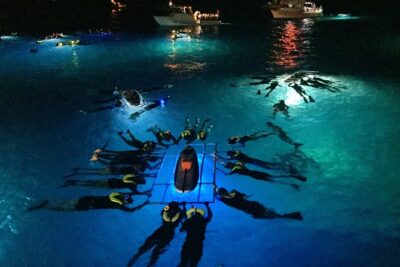
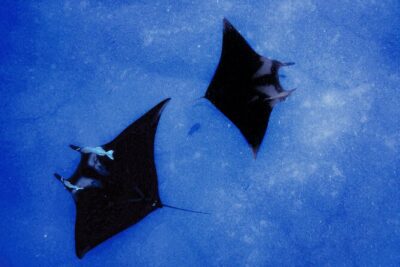
The main event here is wonderfully simple: you float in the dark Pacific while manta rays sweep beneath you, turning and rolling through bright pools of plankton. In Kailua-Kona, the boats anchor over a sandy bottom about 30 feet down, giving snorkelers a clear view from above and scuba participants a seat on the seafloor. The rays can reach 15 feet across, yet they feed with quiet, graceful precision.
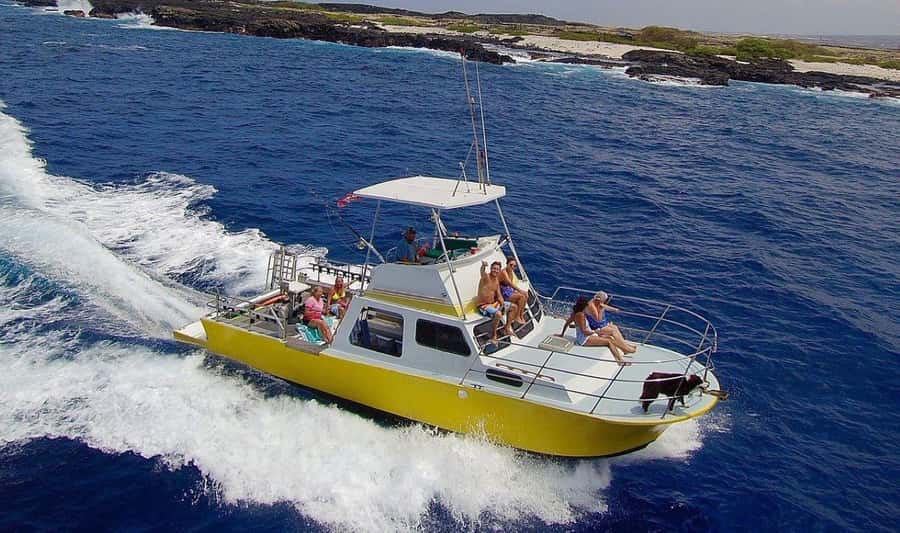
I like the calm, sheltered bay and the clear split between the two experiences. You can stay at the surface and watch the action below, or settle on the sandy bottom for a closer underwater view. I also like that the price includes snorkeling equipment, light snacks, and some non-alcoholic drinks. The main concern is reliability: one booking was canceled on the same day, so I would avoid scheduling this on the final night of a short visit.
Key points to know before booking
- Manta rays feed under the boat lights: Plankton gathers around the illumination, bringing the rays close to the viewing area.
- Snorkelers watch from above: You do not need scuba certification to see the animals circling beneath you.
- The viewing area is about 30 feet deep: Scuba participants sit on the sandy bottom while snorkelers remain at the surface.
- The outing lasts two hours: That includes the boat-based experience, time in the water, and the return.
- Snorkeling gear is included: Scuba equipment is not included and costs $40 to rent on site.
- The price is $129 per person: That is a fair price for a specialized night marine encounter, provided you are comfortable with the extra gear cost if using scuba.
Kona’s famous night meeting with manta rays
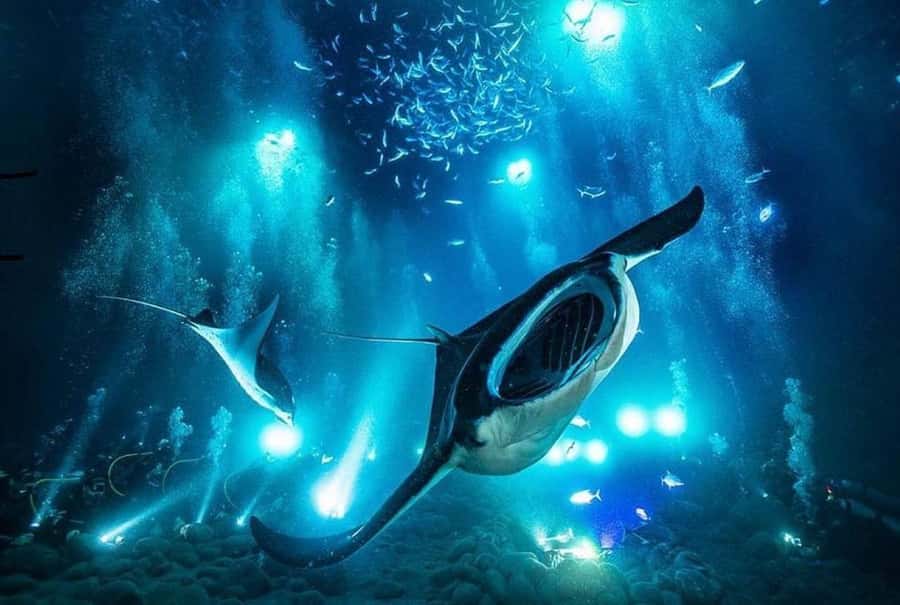
Kona’s manta encounter works because several simple things line up at once. The boat anchors in a sheltered bay, the water is generally calm, and lights attract plankton near the viewing area. The plankton draws manta rays, which glide through the light to feed.
That feeding behavior is the reason this experience feels so different from a standard reef snorkel. You are not simply searching for a shy animal in a large ocean. You stay in one area while the mantas come to you, passing through the illuminated water again and again.
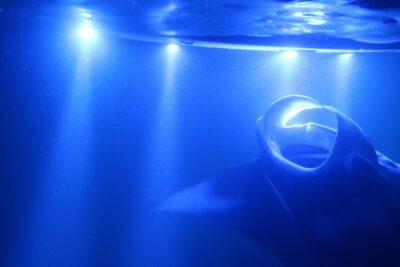
The rays perform continuous flips as they collect mouthfuls of plankton. Their wingspans may reach 15 feet, and some weigh more than 1,000 pounds. That size sounds imposing, but their feeding style is smooth and controlled. You are watching a natural routine, not a staged animal show.
The setting also helps. A sandy bottom gives scuba participants a clear place to settle without brushing against plants or coral. Snorkelers float above them, looking down into the light. The arrangement lets both groups share the same encounter without competing for space on a reef.
More snorkeling on Kailua Kona:
- Kona: Manta Ray Snorkel Tour, Guaranteed or Come Again Free
★ 4.6 · 78 reviews - Kona: Captain Cook Snorkel Tour
★ 4.7 · 35 reviews - Kailua Kona: Dolphin, Sea Cave and Captain Cook Snorkel Tour
★ 4.5 · 14 reviews
What the two-hour outing feels like
The activity is short enough to fit neatly into a Kona evening, but the two-hour length still gives the main event room to unfold. You should expect time for preparation, the boat portion, the water session, and the return to shore. Exact starting times depend on availability.
Torpedo Tours provides the snorkeling gear, so you do not need to bring your own mask and fins unless you prefer your personal equipment. Bring swimwear, a towel, dry clothes, water, snacks, biodegradable sunscreen, and a waterproof camera.
The supplied information does not include hotel pickup, so you need to arrange your own way to the departure point. It also does not include towels. That sounds minor, but a towel and warm change of clothes matter after a night session in the water.
Once the boat reaches the viewing area, the two options separate naturally. Scuba participants go down to the sandy bottom, at roughly 30 feet. Snorkelers stay above, floating at the surface and watching the rays pass between the lights and the divers below.
The activity does not provide a private manta encounter. Other people will be sharing the viewing area, and the information supplied does not specify the group size. Still, the sheltered bay and fixed feeding spot make the format easy to understand: everyone gathers around the lighted area and waits for the mantas to appear.
Snorkeling above the sandy bottom
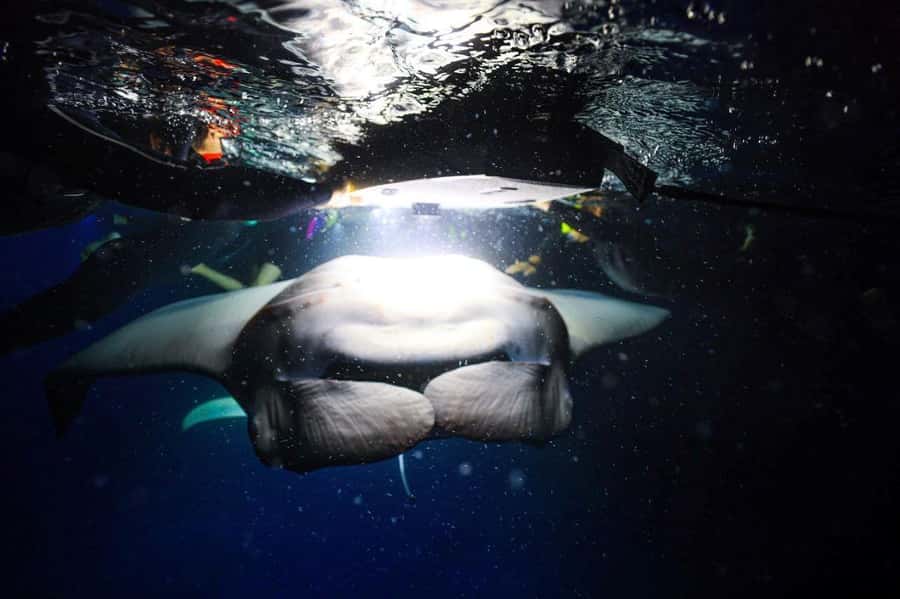
You do not need to scuba dive to appreciate this outing. Snorkelers float above the action and watch the manta rays rise toward the light. From the surface, you may see the full curve of a ray as it rolls, turns, and slips back into the darker water.
I like this option for people who want the spectacle without committing to specialized underwater equipment. The rays are attracted to the plankton near the lights, not to the people, so the activity centers on quiet observation.
You should be comfortable in the water and able to swim. Non-swimmers are not considered suitable for the activity. The experience is also not recommended for people prone to seasickness, which is worth taking seriously because even a calm bay can feel unsteady at night.
You may use a waterproof camera, but keep your attention on the water and the animals. Touching marine life and plants is not allowed. That rule protects the mantas and keeps the encounter from turning into a hands-on animal attraction.
The biggest advantage of snorkeling is the broad view. You can watch the entire feeding pattern from above and see several rays move through the light. The tradeoff is that you remain at the surface, so the rays may appear farther away than they do to scuba participants on the bottom.
The scuba option at roughly 30 feet
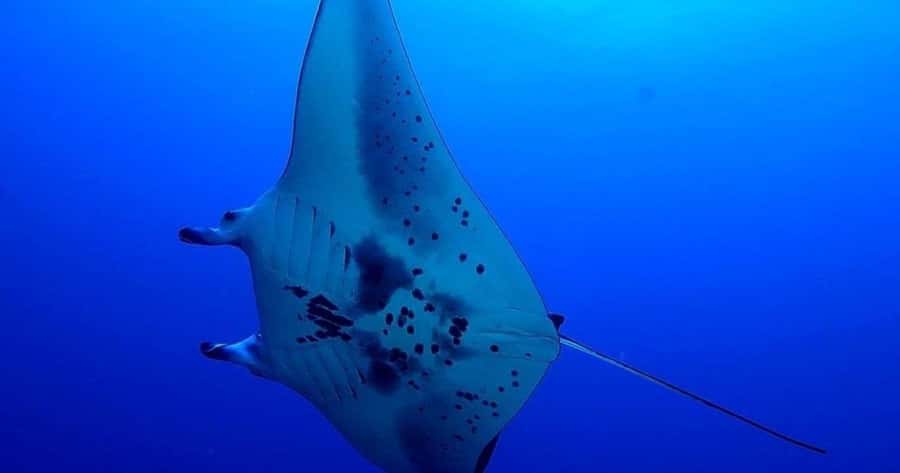
The scuba version puts you on the sandy bottom beneath the boat. From there, the mantas pass overhead and around the viewing area, often close enough to show the scale of their wings and the control of their movements.
The description does not state that scuba equipment is part of the $129 price. If you choose the scuba option, rental equipment costs an additional $40 on site. That brings the basic total to $169 per person before any other personal expenses, so factor it in when comparing this activity with other Kona plans.
The bottom position offers a more enclosed view than snorkeling. You look up as the rays roll through the beam of light, collecting plankton. It can feel like sitting in a natural theater, with the sandy seafloor as your seat and the mantas as the moving show.
This option suits you if you already feel comfortable with scuba equipment and want to watch the feeding from below. It is less suitable if you have back problems, are not a swimmer, or dislike being in the water at night. The activity specifically excludes people with back problems and non-swimmers.
If you are choosing between the two formats, do not assume scuba automatically means a better experience. Snorkeling gives you a wide overhead view and avoids the added $40 equipment charge. Scuba gives you a closer position beneath the rays. The better choice depends on your water comfort and the kind of perspective you want.
Other night swims with the mantas from Kailua Kona:
- Kailua-Kona: Manta Ray Watching Nighttime Boat Trip
★ 4.8 · 488 reviews - Kona Hi, Sunset Manta Ray Tour 10 passengers maximum
★ 5.0 · 14 reviews - Big Island: Manta Ray Snorkel Boat Tour
★ 4.4 · 12 reviews - Kailua-Kona: Manta Ray Snorkeling and Sunset Sailing Cruise
★ 5.0 · 3 reviews
Why the plankton and lights matter
The lights are not just for visibility. They gather plankton, and the plankton brings in the manta rays. That simple food chain creates the encounter.
Mantas are filter feeders. Here, you can watch them open their mouths and glide through the concentrated plankton, then loop around for another pass. The repeated flips are a feeding technique, not a performance rehearsed for visitors.
This is also why you should not expect the same sight every night. The animals are wild, and their movements depend on the food source and conditions. The activity is designed around a regular feeding area, but the rays still choose how they move and how long they remain.
That natural element is part of the appeal, but it also calls for realistic expectations. You are booking access to a favored feeding location, not a guarantee that a particular number of mantas will appear at a particular distance.
Crew, safety, and the overall feel
The strongest practical praise centers on the crew and captain. A verified booking from the United States gave full marks to the crew and captain, noting that they appeared capable, friendly, organized, and focused on keeping the outing enjoyable. A separate German booking also praised the captain and crew as pleasant.
That matters on a night water activity. You want clear direction, calm handling, and a crew that pays attention to what is happening around the boat. The available information does not provide individual guide names, but it does identify Torpedo Tours as the provider.
You should follow the crew’s instructions closely and keep your distance from the animals. Do not touch the rays, other marine life, or plants. The goal is to watch the mantas feed without changing their behavior.
The bay is described as serene and sheltered, with calm waters suited to underwater exploration. Even so, people prone to seasickness should skip this outing. If you know you get motion sick, a night boat ride may be a poor match despite the calm setting.
The same-day cancellation issue deserves a clear mention. One booking was canceled on the day the activity was scheduled, which caused understandable frustration. The overall rating is 4.6 from seven ratings, and the positive feedback focuses on the crew, but a single operational failure can matter a great deal when you have built an evening around it.
For that reason, I would schedule this early or midway through your Kona stay rather than on the last night. The stated cancellation policy allows a full refund when you cancel at least 24 hours ahead, but it does not remove the inconvenience of a provider cancellation close to the start time.
Is $129 a good value?
At $129 per person, this is not a casual beach activity. You are paying for a specialized night outing built around one of Kona’s best-known marine encounters.
The value is strongest if seeing manta rays is a priority. The price includes snorkeling gear, light snacks, and some non-alcoholic drinks. You also receive access to a sheltered viewing location where the lights attract plankton and the rays return to feed.
The value changes if you choose scuba. Add $40 for rental equipment, making the listed activity and equipment cost $169 per person. Bring your own suitable equipment only if the operator accepts it, since the supplied details do not explain equipment arrangements beyond the on-site rental price.
There are a few extra costs in convenience. Pickup is not included, and you need to bring your own towel, water, and snacks if you want more than the refreshments provided. These are small items, but they are easy to forget when preparing for a night on the water.
I would call the price reasonable for the snorkeling version if the manta encounter is high on your list. It is less compelling for someone who is only mildly interested in marine life, especially if seasickness or nighttime swimming will make the outing stressful.
Who should book this experience?
I would recommend it to a confident swimmer who wants a close look at large marine animals without spending an entire day on a boat. It also suits couples, families with suitable swimmers, and anyone who considers a manta encounter a main Kona goal.
Snorkeling is the easier choice for most people. You remain above the divers, have a broad view of the lighted area, and avoid the extra scuba rental fee. You still get to watch the rays feed beneath you.
The scuba version is best for someone already comfortable with underwater equipment and eager to sit below the rays. It is not the right choice simply because it sounds more adventurous. The snorkeling view may actually let you follow more of the animals’ movement.
I would not book this for a non-swimmer, someone with back problems, or anyone prone to seasickness. I would also avoid it if you cannot tolerate a same-day change of plans or if this is your only chance to see the mantas before flying home.
Practical preparation for a smoother night
Pack light, but pack the right items. Swimwear, a towel, dry clothes, water, snacks, and a waterproof camera cover the basics. Use biodegradable sunscreen, and apply it with enough time for it to settle before entering the water.
Do not count on hotel pickup. Since transportation is not included, confirm how you will reach the departure point before booking. Also check the available start times, since the two-hour duration does not by itself tell you exactly when the boat leaves.
Keep your expectations focused. The attraction is not a long coastal cruise or a reef tour with many different stops. It is a concentrated night encounter in one sheltered bay, built around plankton, lights, and manta feeding.
The experience has a strong environmental boundary: watch, do not touch. That rule is easy to follow and important to the animals. A calm observer gets more from the encounter than someone trying to chase a ray or reach toward it.
Should you book the Kona night manta outing?
Book it if you are a capable swimmer, comfortable around boats, and excited by the chance to watch manta rays feed at night. The sheltered bay, lighted plankton, sandy viewing area, and two viewing levels create a focused experience rather than a generic snorkel.
Choose snorkeling for the best price and the broadest view. Choose scuba only if you want the lower position and are prepared to add $40 for equipment. In either case, schedule it before your final evening and leave room for a backup plan because one reported cancellation occurred on the day of departure.
For a Kona visit built around ocean experiences, this is a strong choice. For anyone uneasy in dark water, prone to seasickness, or unable to swim, the graceful rays are not worth forcing the wrong activity.
FAQ
How long does the manta snorkel or scuba activity last?
The activity lasts two hours.
Where does the activity take place?
It takes place in Kailua-Kona, Hawaii, in a calm and sheltered bay.
How deep is the viewing area?
The sandy area where the boats anchor reaches about 30 feet deep.
Can I snorkel without choosing scuba?
Yes. Snorkelers float above the divers and watch the manta rays from the surface.
Is snorkeling gear included?
Yes. Snorkeling gear is included in the price.
Is scuba equipment included?
No. Scuba equipment can be rented on site for $40 if you select the scuba option.
What refreshments are included?
Light snacks and some non-alcoholic drinks are included.
Is hotel pickup included?
No. Pickup is not included.
What should I bring?
Bring swimwear, a change of clothes, a towel, snacks, water, a waterproof camera, and biodegradable sunscreen.
Who should not book this activity?
It is not suitable for people with back problems, non-swimmers, or people prone to seasickness.
More scuba diving on Kailua Kona
- First-Time Scuba Diving in Honolulu + Free Videos
★ 5.0 · 3,123 reviews - Oahu Shark Dive
★ 5.0 · 2,903 reviews - Oahu: Shark Cage Dive on the North Shore
★ 4.8 · 1,485 reviews - Shark Cage Diving on Oahu’s North Shore
★ 5.0 · 1,391 reviews
Just added on Kailua Kona
- Kona Salt Farm: Deep Ocean Cold Water Mineral Foot Soak★ 4.7 · 23 reviews
- Kailua-Kona: Kealakekua Bay Snorkel and Sail with Lunch★ 5.0 · 5 reviews
- Kona: Manta Ray Snorkel Tour, Guaranteed or Come Again Free★ 4.6 · 78 reviews
- Kona: Kilauea Summit to Shore★ 4.4 · 8 reviews
- Kona: Captain Cook Snorkel Tour★ 4.7 · 35 reviews
- Kailua-Kona: Manta Ray Snorkeling and Sunset Sailing Cruise★ 5.0 · 3 reviews
- Kona: Hawaii Volcanoes National Park Tour★ 5.0 · 9 reviews
- Kailua-Kona: Kohala, Volcanoes and Waterfall Helicopter Tour★ 3.8 · 8 reviews
Manta Ray Night Snorkels, compared.
Kona Manta Ray Snorkel Tour in Keauhou Harbor
Read our review →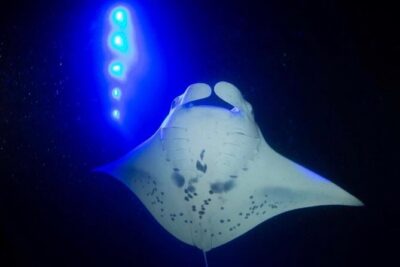
KONA Manta Ray Night Snorkel – FREE re-ride if no Sightings
Read our review →
Glow of the Deep: Night Snorkeling with Manta Rays
Read our review →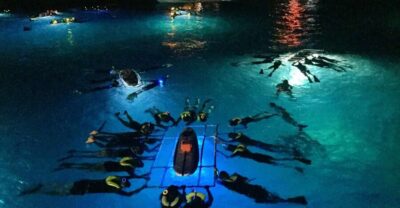
Manta Magic: Small-Group Manta Ray Night Snorkel in Kailua Kona
Read our review →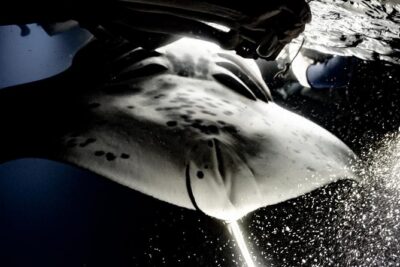
Browse the lists this tour appears in