
Reviewed · TURTLE SNORKELING TOURS
Hilo: Sea Turtle Lagoon and Black Sand Beach Snorkel
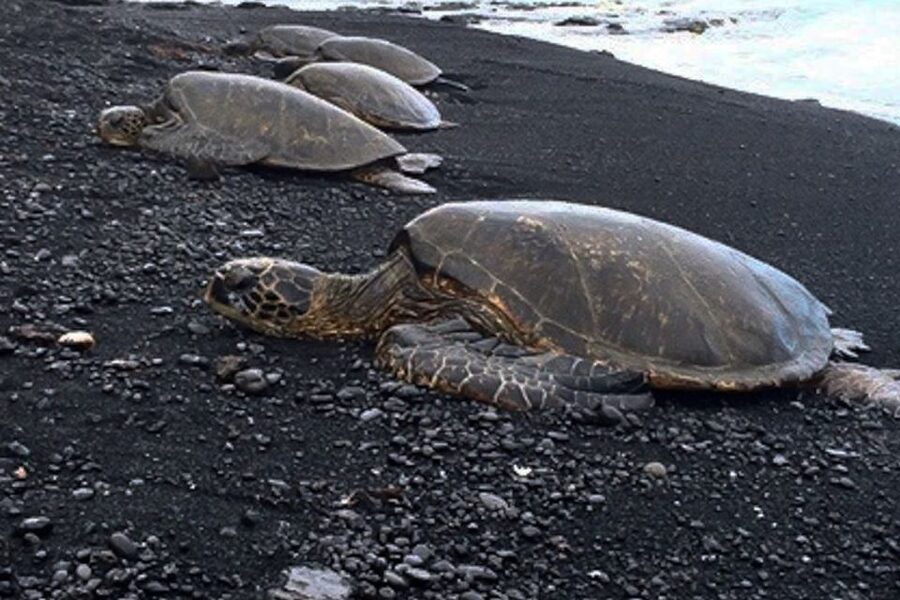
The main draw here is simple: you get into Hilo’s warm coastal water and search for green sea turtles among coral, fish, eels, rays, and other reef life. The black-sand shore and brackish lagoons give this outing a different feel from a standard boat snorkel.
I like the two snorkel stops, since the first can help you get comfortable before the second. I also like the small-group setup and the guides’ strong record for patient instruction. The main catch is that this is a beach snorkel, not a boat excursion, and rough surf or poor visibility can limit the plan.
Key points to know
- Two shoreline snorkel sites: You get more than one look at Hilo’s coastal waters, with conditions deciding how much time each stop receives.
- Sea turtles are possible, not promised: The area is known for green turtles, but you may see only fish and coral on a given day.
- Patient instruction for beginners: Guides such as Isaiah, Kai, Julia, and Adam have helped first-time snorkelers feel at ease.
- Small groups matter: The experience is limited to eight participants, with the description also highlighting groups of six or fewer.
- Bring a towel and water shoes: Neither is listed among the included gear, and entering a rocky or surging beach can be awkward without them.
- A guide-led nature lesson: Expect explanations about volcanic beaches, coral reefs, Hawaiian waters, and the animals below you.
What the three-hour Hilo snorkel is really like
This is a guided beach snorkel along the Hilo coast, not a cruise on a large catamaran. You meet at 1717 Kamehameha Avenue in Hilo, then prepare for the water with your English-speaking guide and supplied snorkeling equipment.
The pace is meant to be calm and instructional. Your guide explains how to use the mask and snorkel, checks that the equipment fits, and helps you enter the water. If you are new to snorkeling, that early coaching is valuable. Several guides have been praised for taking their time with first-timers, and one group began in a smaller, calmer area before moving to more open water.
You should still be comfortable swimming in the open ocean without assistance. This is not a flotation-only sightseeing trip, and the operator does not accept non-swimmers. The current information also says the activity is not suitable for children under eight, pregnant women, or people with back problems.
Once everyone is ready, the guide leads the group along the coast and points out marine life and coastal features. The experience lasts three hours, including preparation, two snorkeling stops, explanations, and a break for water, juice, and local snacks.
More snorkeling on Island Of Hawaii:
- From Keauhou Bay: Snorkel Cruise to Captain Cook’s Monument
★ 4.8 · 242 reviews - From Hawaii: Eco-Friendly Snorkeling Experience with BBQ
★ 4.8 · 151 reviews - Manta Ray Snorkel in Kailua-Kona with Hot Cocoa
★ 4.8 · 115 reviews
First stop: getting comfortable in Hilo’s coastal water
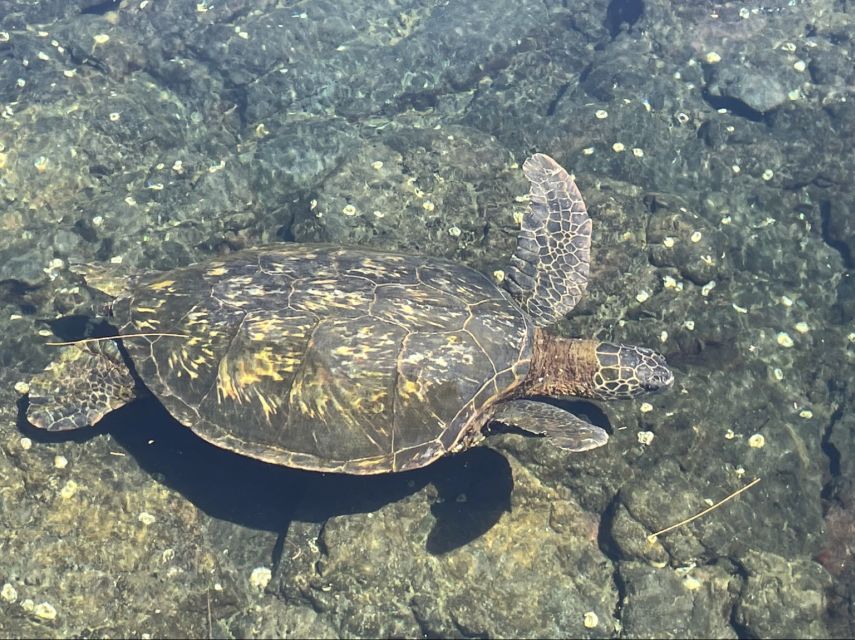
The first water stop is important because it sets the tone for the rest of the outing. You are not simply handed a mask and sent toward the waves. Your guide shows you the basics, helps with mask clearing, and watches how comfortable you are before moving on.
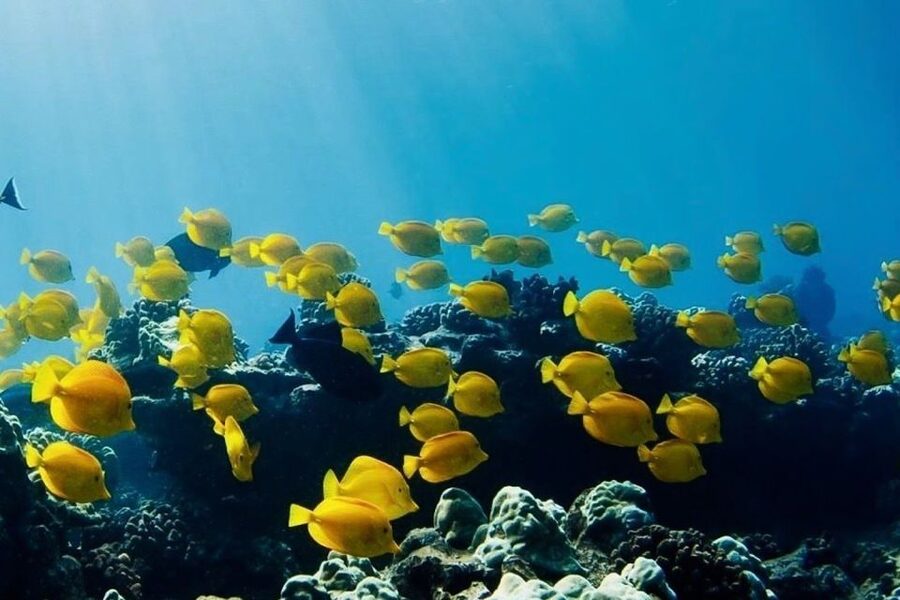
A protected lagoon or smaller bay may feel much friendlier than the open coast. Brackish water areas, where fresh and salt water meet, can attract a mix of marine life. The exact animals vary, but the tour area is associated with octopus, green turtles, eagle rays, eels, sea urchins, sea cucumbers, coral, and tropical reef fish.
This is also where a first-time snorkeler can learn the small tricks that make the activity easier: breathe slowly through the mouth, keep the mask sealed, and avoid thrashing your legs. A patient guide can make the difference between spending the morning fighting your gear and actually looking around.
The first stop may not provide the biggest fish count or the clearest water. That is part of the tradeoff with a natural beach setting. Conditions change with rain, wind, and surf, but a sheltered area can still offer a useful introduction.
Second stop: coral, fish, and the search for turtles
The second stop usually gives you more time to look for the animals that bring people here. Hilo’s volcanic shore supports coral areas where you might see schools of small reef fish, sea urchins, eels, and other creatures tucked around the rocks.
Green sea turtles are the headline attraction. The black-sand beaches and nearby lagoons are known for turtle activity, and the encounters can be memorable. One person described a very large turtle swimming beneath them in the lagoon, while others saw several turtles resting or moving through the water.
Still, you should treat turtles as a possibility rather than a guarantee. On some outings, the main reward is coral and fish. That is not a failed trip. One recent outing had no turtles but still included beautiful coral and plenty of colorful fish, while another had rough conditions that reduced visibility but still found turtles sheltering from the surf.
This is also where your guide adds value. Guides do more than point at a turtle and move on. They explain what you are seeing and help you keep a respectful distance. Some have carefully shown small organisms such as sea cucumbers and urchins from close range. You get a better sense of how much life exists in shallow water, even when the larger animals stay out of sight.
Spinner dolphins are listed among the possible marine sightings, but you should not book this as a dolphin-watching tour. The reliable focus is the reef and lagoon environment, with larger animals appearing when conditions and luck line up.
Why the guides make a difference
The strongest part of this experience is the human guidance. Names that appear repeatedly in the feedback include Isaiah, Isaiaha, Kai, Julia, Adam, Dylan, Matt, and others. The praise is consistent: guides are patient, safety-minded, friendly, and able to explain local marine life without making the outing feel like a classroom lecture.
Isaiah, in particular, is described as a local guide who offered clear explanations and steady help. Kai received similar praise for working patiently with beginners. Julia was appreciated for starting a group in a smaller area before moving into bigger water, a sensible approach for anyone still learning to trust a mask and snorkel.
That attention matters if your group has mixed ability. A confident swimmer may want to spend more time looking for fish, while a beginner may need help adjusting the mask or finding a comfortable rhythm. In a very large group, that can be hard to manage. Here, the small-group format gives the guide a better chance of noticing who needs support.
The advertised group limit is described in two ways: some information says a maximum of six, while the activity details give a maximum of eight. Either way, this is a small outing rather than a mass beach lesson. The actual size can be smaller, and some departures have had only two people plus the guide, which can feel nearly private.
More places to swim with turtles on Island Of Hawaii:
- Kona Turtle Snorkel Sail with Lunch and Drinks
★ 4.9 · 19 reviews - Oahu’s Ultimate Tour: Dole, Turtle Snorkel, Pali Lookout & More
★ 4.5 · 5,461 reviews - Oahu Circle Island Tour with Turtle Snorkeling— Small-Groups
★ 5.0 · 5,214 reviews - Waikiki, Hawaii: Turtle Canyon Snorkel Excursion
★ 5.0 · 4,656 reviews
Black sand, volcanic rock, and a living reef
The setting gives this tour its character. Hilo’s beaches are shaped by volcanic activity, and the dark shore makes a sharp contrast with the green hills and blue-gray Pacific. Your guide explains how volcanic islands and beaches form, adding useful context to what you see from shore.
Underwater, the story continues. Coral grows around volcanic rock, creating places for fish and smaller organisms to feed and hide. You may see an eagle ray moving across the bottom, an eel tucked into a crevice, or an octopus changing its position among the rocks.
The coastline is not a polished resort beach. That is part of the appeal, but it also means conditions can be uneven. Waves, rain, and wind can affect how easy it is to enter the water and how much you can see. One outing changed plans because the weather shifted, and another had heavy surf that reduced visibility.
Rain alone should not automatically stop you from going. The water can still be enjoyable on a cloudy or rainy day, especially in a protected area. The important question is not whether the sky is sunny, but whether ocean conditions allow safe access and decent visibility. The operator provides a full refund if weather or another unforeseen problem causes cancellation.
What is included, and what you need to bring
The $150 price includes the guide, snorkeling equipment, water, juice, local snacks, and a $1 Aloha i ke Kai Ocean Stewardship Fee. Hotel pickup and drop-off are not included, so you need to reach the Hilo meeting point on your own.
For a three-hour guided activity, the price is reasonable if you value instruction and a small group. You are paying for more than mask rental. The guide handles safety, helps beginners, explains the reef, and adjusts the plan to conditions. That is useful in unfamiliar ocean water.
The value is weaker if you are an experienced snorkeler who already has your own gear and only wants to swim independently. You may feel the cost is high, especially if weather cancels one of the two planned stops or turtles do not appear. One person considered the trip overpriced apart from seeing turtles, while others felt the two sites and guide support made it worth the time.
Bring:
- Swimsuit
- Sunglasses
- Reef-safe sunscreen or the sunscreen recommended by your accommodation
- Rain gear
- A towel
- Water shoes
The last two items deserve special attention. Towels are not listed as included, and one person specifically wished for clearer advice about bringing one. Water shoes can also help with rough or rocky entry points. They are not listed as provided or available for rent, so bring your own if you have them.
Who should book this Hilo outing?
I would choose this for a beginner or intermediate snorkeler who wants instruction, personal attention, and a chance to see Hilo’s marine life without joining a large boat group. It also suits families with older children who can swim independently and follow ocean safety directions.
The experience can work well for a mixed group. A strong swimmer gets a guide who can identify marine life and explain the reef, while a less confident participant gets help with equipment and water technique. The small group also makes it easier to ask questions about fish, volcanic geology, and local coastal life.
I would not choose it for a non-swimmer, someone who needs guaranteed calm water, or anyone expecting a boat ride. It is also not suitable under the current stated rules for children under eight, pregnant women, or people with back problems.
If turtles are your only goal, keep your expectations in check. You may see one close by, several resting in a lagoon, or none at all. The reef, coral, fish, and guided nature lesson need to be enough to make the outing worthwhile.
Meeting point, timing, and cancellation details
The meeting point is 1717 Kamehameha Avenue, Hilo, Hawaii 96720. One practical issue is that an address alone may not make the exact check-in spot obvious, so allow time to locate the departure point. An earlier participant wished it had been identified more clearly as a shop rather than only by street address.
There is no hotel pickup, so check your route before booking. The activity offers reserve-now, pay-later booking, and you can cancel up to 24 hours before departure for a full refund. No-shows are charged the full price, and late arrivals may face a late fee.
Arrive early enough to find the meeting point, use the restroom if needed, and get settled before the group heads to the beach. A three-hour water activity can feel rushed if you arrive at the last moment.
Final call: is the $150 price worth it?
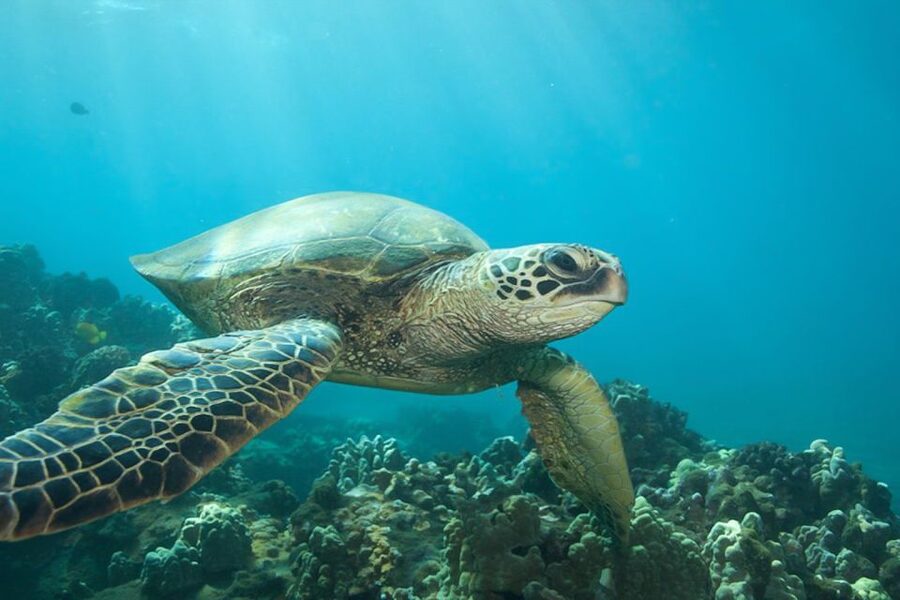
Book this if you want a small, well-guided Hilo snorkel with two possible water stops and a real chance to see turtles in their natural setting. The guides are the chief reason to choose it. Their patience and local knowledge make the experience more approachable for beginners and more interesting for confident swimmers.
Skip it if you need a guaranteed turtle sighting, a boat excursion, or a low-cost equipment rental. Hilo weather can change, ocean visibility is not fixed, and the beach entry may be less comfortable than a resort pool.
For most capable swimmers who want to understand what they are seeing, I think the price can be justified. Bring a towel and water shoes, expect nature to set the schedule, and treat the turtles as a bonus rather than a promise.
FAQ
Where does the Hilo snorkel tour meet?
It meets at 1717 Kamehameha Avenue, Hilo, Hawaii 96720, USA. Hotel pickup and drop-off are not included.
How long does the activity last?
The experience lasts three hours, including the guided preparation, two snorkeling stops, explanations, and island snacks and drinks.
How many people can join the tour?
The activity is described as a small group. One part of the information gives a maximum of six participants, while the general activity details list a maximum of eight.
Are snorkeling equipment and refreshments included?
Yes. The snorkel guide, snorkeling gear, water, juice, local snacks, and the $1 Aloha i ke Kai Ocean Stewardship Fee are included.
Do I need to be an experienced snorkeler?
No. Beginners are welcome, and the guide teaches basic snorkeling skills and provides help in the water. You must still be able to swim in the open ocean without assistance.
Are sea turtles guaranteed?
No. The area is known for green sea turtles, but sightings depend on natural conditions. You may instead see coral, tropical fish, octopus, eels, eagle rays, sea urchins, or sea cucumbers.
What should I bring?
Bring sunglasses, swimwear, sunscreen, and rain gear. A towel and water shoes are also wise because they are not listed among the included equipment.
Just added on Island Of Hawaii
- MaunaKea Stellar Explorer From Kona★ 4.2 · 82 reviews
- Mauna Kea: Stargazing Experience with Free Photos★ 4.8 · 29 reviews
- Mauna Kea: Stellar Explorer Tour from Hilo★ 4.5 · 67 reviews
- Manta Ray Snorkel in Kailua-Kona with Hot Cocoa★ 4.8 · 115 reviews
- Big Island: Luxury Catamaran Trip along the Kona Coast★ 5.0 · 5 reviews
- Kona Deluxe Catamaran Whale Watching Cruise★ 4.4 · 18 reviews
- Kona Turtle Snorkel Sail with Lunch and Drinks★ 4.9 · 19 reviews
- Kona: KOA Airport Private Transfer to Kona City|Hotels★ 5.0 · 5 reviews
Turtle Snorkeling Tours, compared.
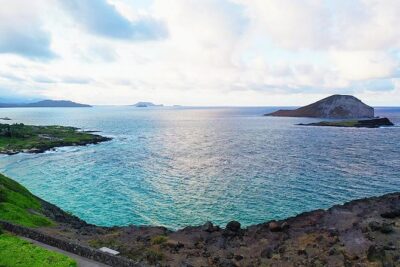
Oahu’s Ultimate Tour: Dole, Turtle Snorkel, Pali Lookout & More
Read our review →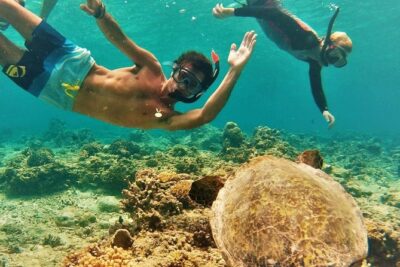
Oahu Circle Island Tour with Turtle Snorkeling— Small-Groups
Read our review →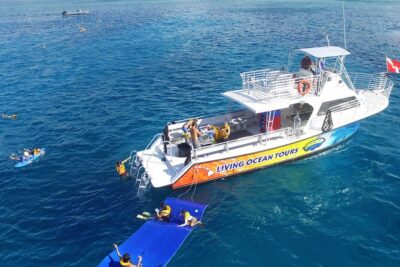
Waikiki, Hawaii: Turtle Canyon Snorkel Excursion
Read our review →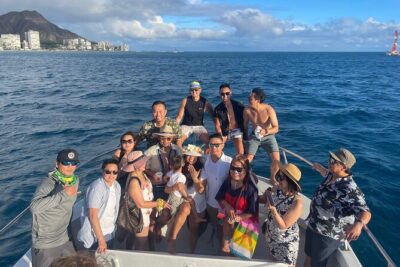
Turtle Canyon Snorkel Adventure in Waikiki, Oahu
Read our review →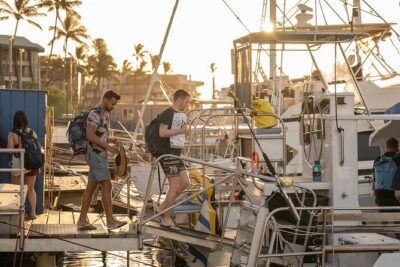
Maui Snorkeling Adventure to Molokini and Turtle Town
Read our review →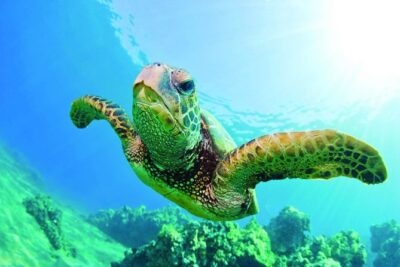
Waikiki Catamaran Snorkel Sail with Lunch: Turtles Guaranteed
Read our review →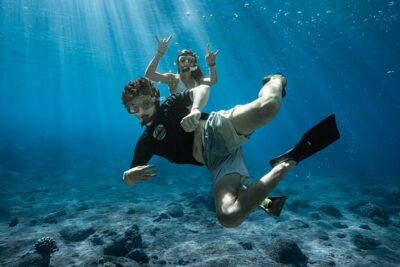
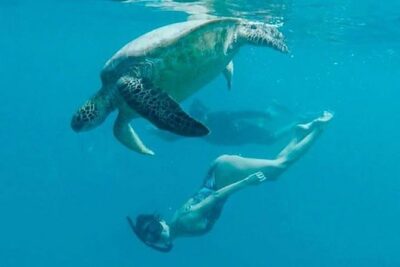
Waikiki Turtle Snorkel and Sail on Hawea Catamaran
Read our review →Browse the lists this tour appears in