
Reviewed · WHALE WATCHING
Zodiac Raft Whale Watching Adventure
The best part of this Kona excursion is the boat itself. You ride a compact, 16-passenger Zodiac that can move quickly along the coast and reposition when a whale surfaces. In winter, humpback whales gather in these waters to mate and raise their young, and the crew scans constantly for spouts, tail slaps, breaches, and mothers with calves.
I like the small group size, which makes it easier to see and hear the captain without feeling lost in a crowd. I also like the hydrophone, which lets you listen to whale song beneath the boat. Captains such as Shelby, Marco, Ashley, Cameron, and Rick are known for mixing solid marine facts with real excitement when the animals appear.
The trade-off is the ride. This is not a cushy sightseeing cruise. The Zodiac can bounce across strong wind and waves, and you need to hold on. It is not recommended for anyone pregnant or dealing with back or neck problems.
Key points to know before booking
- A 16-passenger Zodiac keeps the outing personal: You get a closer connection to the captain and a better chance of hearing the naturalist commentary.
- Winter is humpback season: The whales come to Hawaiian waters to mate and give birth, though sightings and specific behaviors are never guaranteed.
- The ride is part of the attraction: Expect speed, spray, and bouncing rather than a quiet, padded boat trip.
- A hydrophone adds a rare sound experience: You may hear whales singing underwater, sometimes distinguishing different voices.
- Kona’s volcanic coast is part of the tour: Sea caves, lava tubes, and other signs of Hawaii’s ongoing growth may appear along the route.
- The practical details are simple: The tour lasts about three hours, includes drinks and snacks, and returns to the starting point.
Why the Zodiac changes the whale-watching experience
A large boat gives you room to move around, but a Zodiac gives you a different kind of day on the water. You sit close to the surface, feel the motion of the sea, and notice the boat’s quick response when the captain spots a blow in the distance.
That speed matters during a whale search. A spout may appear, vanish, and reappear several hundred yards away. The Zodiac can travel toward a suitable viewing position without the slow turning circle of a larger vessel. The captain still needs to follow wildlife rules and keep a respectful distance, but the boat’s handling helps the crew make the most of a short encounter.
I would think of this as two outings in one. You get a serious search for humpback whales, along with a lively ride along the Kona coast. Even on a quieter whale day, the volcanic shoreline, open water, and chance of dolphins or turtles give the trip something to focus on.
The boat holds no more than 16 people. That is small enough for the captain to answer questions and keep an eye on the group. It also means the experience feels more active and less like sitting in a floating theater.
More whale watching on Big Island of Hawaii:
- Whale Watching On The Big Island
★ 5.0 · 573 reviews - Big Island: Pelagic Whale Watch Tour
★ 5.0 · 557 reviews - Kailua-Kona: Whale Watching Cruise on the Big Island
★ 4.7 · 273 reviews
Leaving Kailua-Kona for the coast
You meet at Captain Zodiac, at 74-425 Kealakehe Parkway, number 16, in the Kaiminani area. Hotel pickup and drop-off are not included, so plan your own way to the meeting point and allow time to check in before departure.
The outing lasts about three hours and ends back where it began. That makes it easy to fit into a Kona day, but do not schedule something immediately afterward. Ocean conditions, wildlife activity, and the needs of the group can affect the timing.
Before heading out, the crew explains the boat and the ride. This briefing is especially useful if you have never ridden in a rigid inflatable raft. You will want to understand where to sit, how to hold on, and what to expect when the boat speeds up.
The captain then takes on several jobs at once: boat operator, wildlife spotter, guide, and naturalist. Captains including Shelby, Marco, Ashley, Cameron, Rick, and others have been praised for sharing facts while keeping the mood light. Their enthusiasm matters because whale watching involves patience. The crew needs to keep scanning even when the ocean looks empty.
Searching for humpbacks in winter waters
The main reason to book this outing is the chance to see humpback whales. In winter, these animals come to Hawaii to mate and give birth. You may see a single whale, a mother and calf, or several animals gathered in the same area.
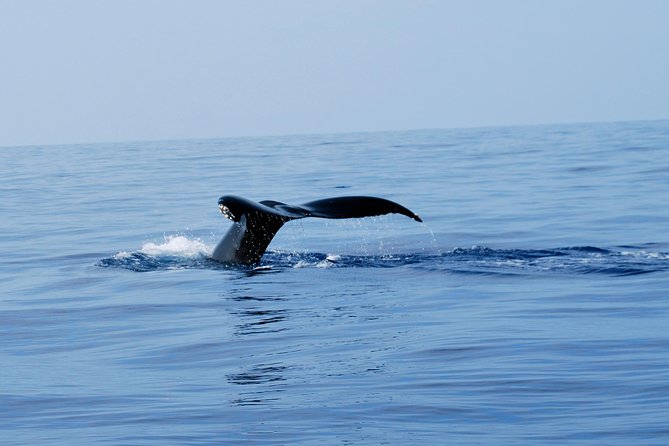
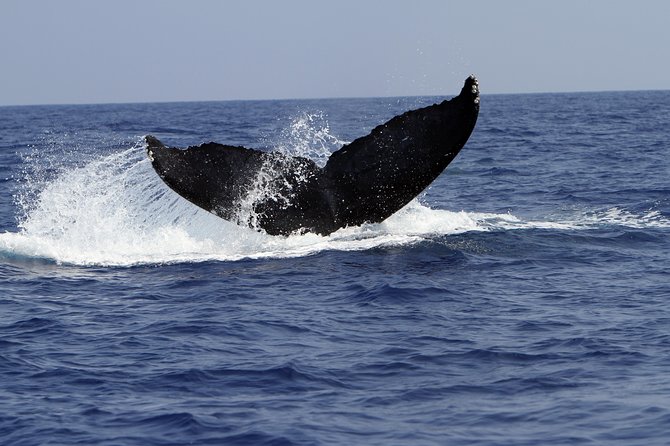
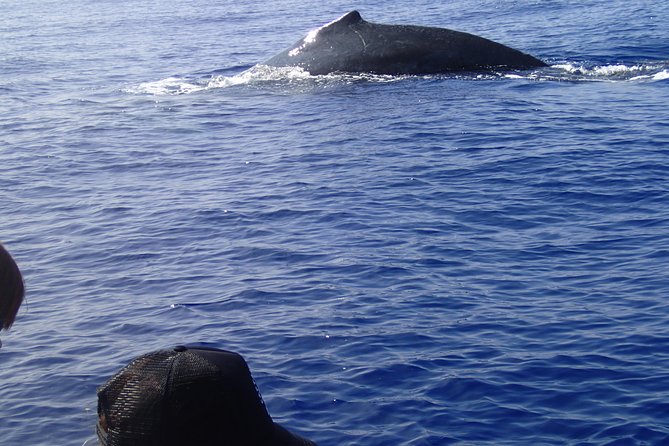
The crew watches for the signs that give whales away: a blow, a back rolling above the surface, a raised tail, a fin slap, or a full breach. Some outings produce several breaches and repeated tail slaps. Other days may bring quieter encounters, with whales surfacing, breathing, and slipping away.
That uncertainty is important. No captain can promise a breach, a calf, or a whale right beside the boat. One especially honest account describes a first outing with no whales despite a serious effort, followed by a second trip that produced five whales and a newborn humpback. The company arranged the return outing, but you should still book with the understanding that wild animals follow their own schedule.
When conditions are good, the small raft can make the search feel active. A spout appears, the captain changes course, and the boat moves toward a safe viewing position. You are not simply waiting for wildlife to come to you. You are part of the search.
The most memorable sightings can happen without a breach. A whale may surface beneath or close to the boat, an encounter often called a mugging. A mother and calf may linger, or a whale may slap its tail several times in a row. These moments are rare, which is exactly why you should value the full outing rather than judge it by a single dramatic photograph.
Listening to whales through the hydrophone
The hydrophone is one of the strongest reasons to choose this trip over a basic coastal ride. When the boat is stopped, the crew can lower the microphone into the water so you can hear the whales below the surface.
Whale song changes the mood of the trip. You may hear several animals calling, and with careful listening, you might notice different voices. The sound is low, haunting, and surprisingly clear. It gives you a sense of the animals’ presence even when you cannot see them.
This feature also adds value for children and anyone who enjoys learning how animals communicate. A breach lasts a second or two. The song can hold your attention longer and turns a quiet stretch of ocean into part of the experience.
The hydrophone is not a guarantee. It depends on finding whales and having the right moment to stop and listen. Still, it is a meaningful addition rather than a small gimmick. The trip connects sight and sound, which makes the encounter feel more complete.
Same island, a different kind of day:
- Big Island in a Day: Volcanoes Waterfalls Sightseeing and History
★ 5.0 · 6,569 reviews - Big Island Manta Ray Night Snorkel
★ 5.0 · 5,656 reviews - Big Island: Kona Manta Ray Snorkel Tour in Keauhou Harbor
★ 4.5 · 2,465 reviews - Hilo Shore Excursion: Volcanoes National Park & Black Sand Beach
★ 4.5 · 2,338 reviews
More than whales along the Kona coast
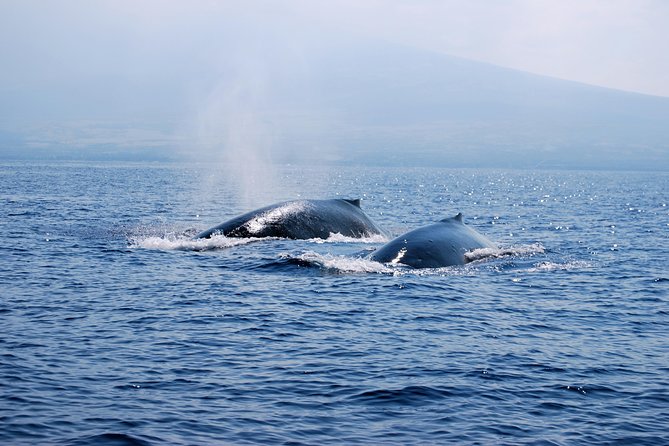
The route heads along the famous Kona coast in the direction of Waikoloa. The captain talks about Hawaiian history and the island’s volcanic geology while searching the cobalt-colored horizon.
Depending on the whale location and sea conditions, you may see coastal sea caves and small lava tubes. These formations show how lava has shaped the island and how Hawaii continues to grow through volcanic activity. The captain can explain what you are seeing instead of leaving the geology as scenery in the background.
The coastline may also produce sightings of spinner dolphins, bottlenose dolphins, green sea turtles, manta rays, flying fish, schools of fish, and other marine life. Humpbacks are the focus in winter, but these additional animals can turn a slow whale period into a varied marine outing.
There is also a chance of seeing lesser-known whale species. Wildlife is never arranged for a perfect checklist, so keep your attention on the water rather than waiting only for a breach. A dolphin pod moving through the wake or a turtle near the coast can be a fine part of the day.
What the three-hour itinerary feels like
The only formal stop is Captain Zodiac Raft Expeditions, but the trip itself has several natural stages.
First comes the briefing and launch. You get settled into the Zodiac, receive the basic safety information, and meet the captain and crew. Drinks, fruit juice, soda, bottled water, and snacks are included, which is useful during a three-hour outing.
Next comes the coastal run. The captain points out views along Kona and explains the area’s history and geology. The ride may be calm for a stretch, then turn lively as the Zodiac picks up speed.
The main section is the whale search. The crew scans for blows and watches for repeated activity. When whales appear, the captain positions the boat for viewing and explains the behavior you are seeing. The crew’s job is not only to find animals, but also to approach and watch them responsibly.
The route may include sea caves and lava tubes when conditions and whale locations allow. You might also encounter dolphins, turtles, manta rays, or flying fish. Toward the end, the boat returns to the meeting point, often with another fast run along the coast.
The changing pace is part of the appeal. You might move from lively boat handling to a quiet hydrophone session, then back to a quick repositioning after a distant spout. It feels less predictable than a standard sightseeing cruise.
Is the $113.82 price good value?
At $113.82 per person, this is not the cheapest way to spend three hours near Kona. The price includes the Zodiac ride, crew and naturalist commentary, drinks, snacks, and local taxes. Hotel transportation is not included.
I think the price makes sense if you specifically want a small boat and an active ride. You are paying for the limited group size, the raft’s speed, the captain’s wildlife expertise, and the possibility of hearing whales underwater. You are also paying for a chance to see more than one attraction: whales, dolphins, turtles, volcanic formations, and the Kona coast.
The value is less clear if you want a gentle, quiet cruise or if you mainly want guaranteed whale sightings. No whale tour can promise wild animals, and the Zodiac can feel rough when the wind and waves rise.
The strongest value comes when you treat the ride as an adventure first and a wildlife search second. If you see multiple whales breaching, a mother and calf, or a dolphin pod, the outing may become a major highlight of your vacation. If the whales stay hidden, the boat ride and coastline still need to be enough for you.
Who should book this Zodiac adventure?
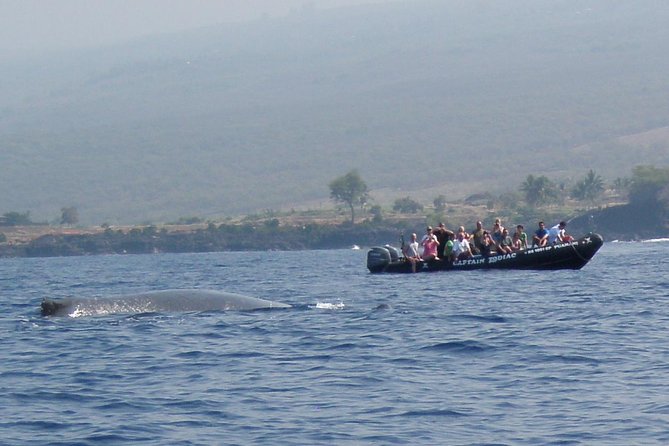
This trip suits active adults, couples, solo visitors, and families with children age four or older. It can also work well for grandparents and children traveling together, provided everyone is comfortable with a bouncy boat.
Children may find the Zodiac thrilling, almost like a marine roller coaster. That same motion can be tiring for someone who expected a calm cruise. Keep your expectations clear before booking.
The outing is a good match if you enjoy:
- Fast boat rides and open-water views
- Small groups instead of large vessels
- Marine life and natural history
- Learning from an animated captain
- The possibility of dolphins, turtles, manta rays, and whales
- A more hands-on coastal adventure
It is a poor match if you are pregnant or have back or neck problems. The ride is not cushioned in the manner of a large sightseeing boat, and strong wind or waves can make it physically demanding.
Practical details that matter
The minimum age is four, and the maximum group size is 16. Most people can take part, but the boat’s motion is the key physical consideration.
The activity is offered in English. You receive a mobile ticket and confirmation at booking. Since there is no hotel pickup, check the meeting address carefully and arrange your own transport.
The tour requires good weather. If poor conditions cancel the outing, you can receive a full refund or move to another date. You can also cancel for a full refund up to 24 hours before the start time. Cancellations or changes within 24 hours are not refunded or accepted.
Book ahead if your schedule is tight. The experience is booked an average of 24 days in advance, which suggests that popular dates can fill well before arrival.
My take: should you book it?
I would book this tour if I wanted a whale search with real motion and a small group, rather than a passive ride on a large boat. The Zodiac’s speed, the hydrophone, and the chance to see volcanic features make the three hours feel varied.
You should also book it if you can accept that nature controls the result. A spectacular breach is possible, but so is a quieter outing. The crew will search hard, yet no captain can order a whale to surface.
Choose this experience for the blend of wildlife, geology, Hawaiian stories, and a fast raft ride. Skip it if you need a smooth boat, hotel transportation, or a guaranteed close encounter. For the right person, this is one of Kona’s more memorable ways to get out on the Pacific.
FAQ
Where does the Zodiac whale-watching tour meet?
The tour begins at Captain Zodiac, 74-425 Kealakehe Parkway, number 16, Kaiminani, Hawaii 96740.
How long does the experience last?
The outing lasts approximately three hours and returns to the original meeting point.
How many people can ride on the boat?
The Zodiac has a maximum capacity of 16 travelers.
What animals might I see?
You might see humpback whales, spinner dolphins, bottlenose dolphins, green sea turtles, manta rays, flying fish, schools of fish, and other marine life.
Is whale watching guaranteed?
No. The crew searches for whales, but sightings and specific behaviors cannot be guaranteed.
Can I hear whale song?
The boat carries a hydrophone, so you may be able to hear whales singing underwater when conditions and sightings allow.
What is included in the price?
The price includes the rafting expedition, sodas, fruit juices, bottled water, snacks, and local taxes.
Is hotel pickup included?
No. You must make your own way to the meeting point, since hotel pickup and drop-off are not included.
What is the minimum age?
The minimum age is four years old.
What happens if bad weather cancels the tour?
If poor weather causes a cancellation, you will be offered another date or a full refund. You can also cancel at least 24 hours before the start time for a full refund.
Just added on Big Island of Hawaii
- Kailua-Kona: Big Island Morning Snorkeling Tour with Lunch★ 4.9 · 7 reviews
- Kailua-Kona: Hualalai Volcano Doors On/Off Helicopter Tour★ 4.7 · 12 reviews
- Big Island: Hawaii Volcanoes National Park and Hilo Tour★ 5.0 · 118 reviews
- Big Island: Full Day Adventure Tour of the Kohala Waterfalls★ 5.0 · 41 reviews
- Big Island Hawaii: Craft Chocolate Tasting and Farm Tour★ 5.0 · 14 reviews
- Big Island: Evening Volcano Explorer from Hilo★ 4.7 · 31 reviews
- Big Island: Off the Beaten Path Volcano Crater Hike★ 5.0 · 15 reviews
- Big Island: Full-Day Kohala Zipline and Waterfall Adventure★ 4.8 · 36 reviews
Whale Watching, compared.
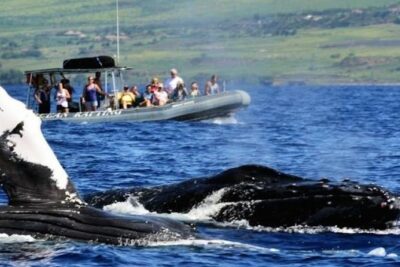
Maui Eco-Raft Tour: Eye-Level Whale or Dolphin Watching – Lahaina
Read our review →
2-Hour Oahu Whale Watch from Ala Wai Harbor, Waikiki
Read our review →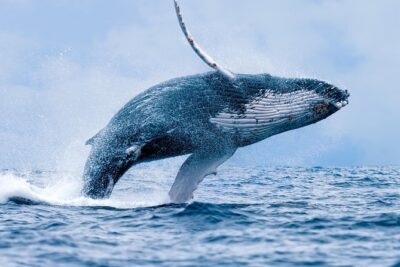
Luxury Snorkel Cruise, Local Buffet with Whale & Dolphin Watch
Read our review →
WHALES GUARANTEED Maui Whale Watching Makai Adventures
Read our review →
Waikiki, Oahu 2-Hour Whale Watching: Guaranteed Sightings
Read our review →
Ma’alaea Harbor: Whale Watching Tour Aboard Power Catamaran
Read our review →Browse the lists this tour appears in