
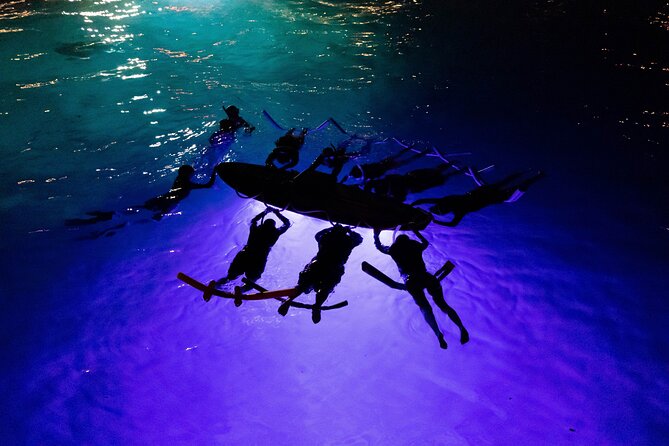
Reviewed · MANTA RAY NIGHT SNORKELS
Kona Night Manta Snorkel Tour
Kona’s famous night manta snorkel puts you in the water after dark, with huge rays gliding below and around you as underwater lights gather their plankton-rich meal. It is an unusual mix of calm sea watching and close wildlife contact, made easier by wetsuit tops, float belts, and a full set of snorkel gear.
I like the small maximum group of 26, since that gives the trip a more personal feel than a crowded boat outing. I also like the thoughtful finish: you can change into dry clothes in private changing rooms, sip a cold drink, and watch Hawaiian constellations on the ride back. The main consideration is simple: this is open-water snorkeling at night, so you need moderate physical fitness and comfort in the sea.
Key points to know before you book
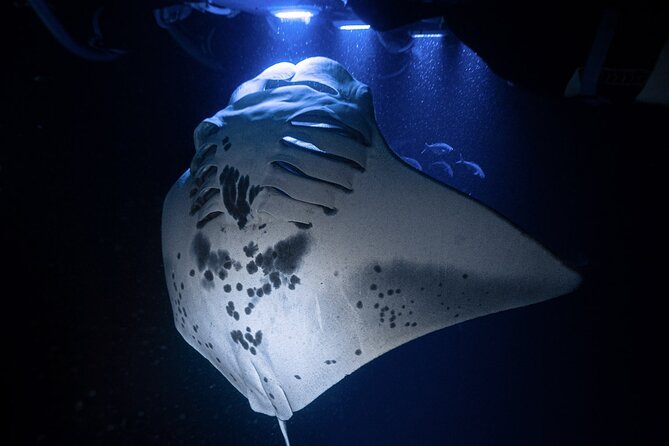
- Manta rays gather around the LED light boards: The lights attract plankton, which brings the rays close to the snorkeling area.
- The boat visits one of two Kona manta sites: Your captain chooses the hotspot for the outing.
- A small group keeps the experience manageable: The boat carries no more than 26 people.
- You get the core equipment: Wetsuit tops, masks, snorkels, fins, float belts, and cold drinks are included.
- The trip runs from sunset into the night: You get an ocean cruise, manta snorkeling, and stargazing in one outing.
- Weather can affect the plan: Poor conditions may lead to a new date or a full refund.
Why Kona’s night manta snorkel is so special
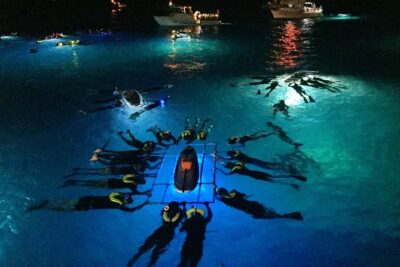
Manta rays are the main event here, but the setting does much of the work. You leave from Kona and cruise along the coast as daylight fades. At the site, underwater LED boards shine into the sea. The light draws plankton, and the plankton draws manta rays.
That chain of events gives you a clear purpose in the water. You are not simply hoping to spot a ray in a wide, dark ocean. You are positioned near a carefully lit feeding area, with the rays coming to investigate the food supply.
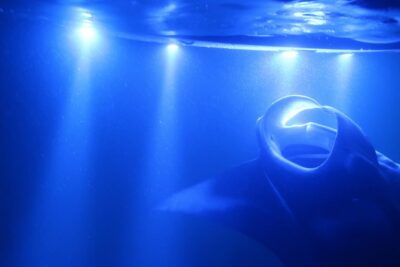
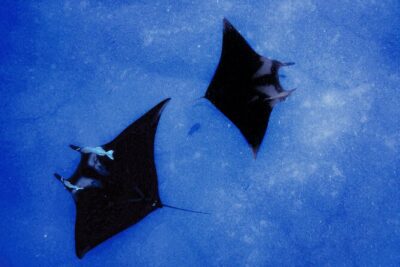
The animals themselves are the memorable part. Manta rays move with broad, slow wingbeats, making them look almost weightless. The sight is especially striking at night, when the light picks out their pale undersides against the dark water.
This is still a wildlife experience, not a theater show. The lighting attracts plankton, but no one can control exactly how many rays appear or how they move. That is part of the appeal, and also why a flexible attitude helps.
More snorkeling on Big Island of Hawaii:
- Big Island Manta Ray Night Snorkel
★ 5.0 · 5,656 reviews - Big Island: Kona Manta Ray Snorkel Tour in Keauhou Harbor
★ 4.5 · 2,465 reviews - Big Island: Captain Cook Snorkel On A Power Catamaran With Lunch
★ 5.0 · 2,232 reviews
From 247 Kealakehe Parkway to the open sea
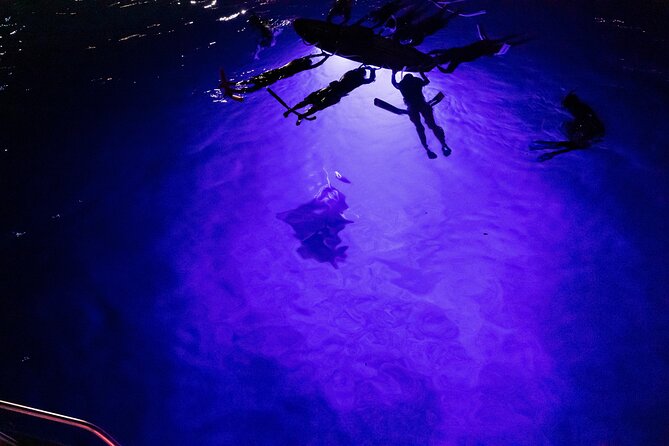
Your meeting point is 247 Kealakehe Parkway in Kailua-Kona. The tour uses a mobile ticket, and confirmation arrives when you book. The location is near public transportation, which helps if you are staying in the Kona area without a car.
The total outing lasts about two hours and 30 minutes. That is long enough for the boat ride, equipment preparation, time at the manta site, and the return under the stars, without taking an entire day from your Hawaii plans.
The boat carries a maximum of 26 people. I consider that an important detail. A smaller group generally makes it easier to hear instructions, get help with your gear, and find room in the water without feeling lost in a crowd.
You should arrive ready for a moderate physical activity. The tour does not call for advanced athletic ability, but you need to manage snorkeling in open water at night. If you are uneasy in the sea, tell the crew early so they can help you get settled with the equipment and float belt.
The sunset cruise and choice of manta site
The cruise begins along Kona’s shore, with the boat heading toward one of two manta-ray hotspots. The captain chooses the site for the outing, so the exact water location is not fixed.
The timing gives you two different views of the coast. At first, the sky and ocean retain the softer colors of evening. By the time you reach the site, the sun is dipping below the horizon, and the mood shifts from coastal sightseeing to nighttime wildlife watching.
That transition is one of the tour’s strengths. You are not rushed straight from a dock into dark water. The boat ride gives you time to settle in, listen to the crew, and watch the light change.
The tradeoff is that the ride takes up part of the 2.5-hour schedule. If you want nonstop time with manta rays, this may feel short. If you enjoy the whole setting, including the cruise and the return under the stars, the pace feels more balanced.
Getting ready with wetsuit tops and float belts
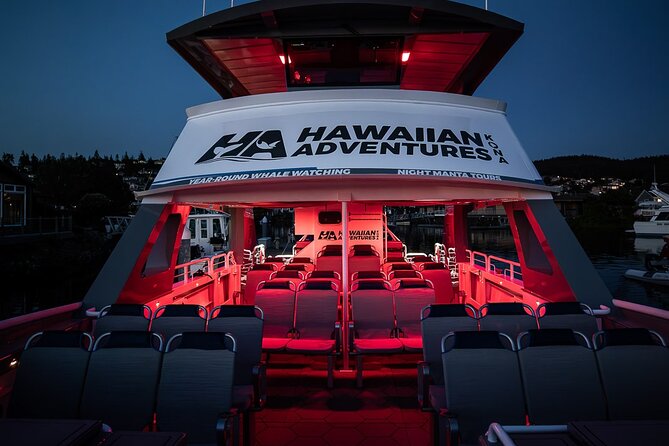
At the manta site, the crew passes out masks, snorkels, fins, float belts, and wetsuit tops. Cold drinks are also provided.
The wetsuit top matters because nighttime water can feel chilly, especially when you are floating in one place and watching the surface below. The float belt gives you extra support while you keep your face in the water and focus on the rays.
The crew also helps prepare the snorkel equipment. That hands-on assistance is useful if you have not snorkeled recently or if mask fit gives you trouble. One especially practical point is that you do not need to bring the basic snorkeling setup yourself.
You should still expect to do your part. You need to listen to the safety instructions, use the gear properly, and maintain enough strength and comfort to remain in the water. The moderate fitness requirement is worth taking seriously.
Other night swims with the mantas from Big Island of Hawaii:
- KONA Manta Ray Night Snorkel – FREE re-ride if no Sightings
★ 5.0 · 2,212 reviews - Manta Ray Night Snorkel at Kona, Big Island
★ 5.0 · 1,758 reviews - Glow of the Deep: Night Snorkeling with Manta Rays
★ 4.5 · 1,254 reviews - Kailua Kona: Night Manta Ray Adventure on the Big Island
★ 4.8 · 1,199 reviews
What happens around the LED light boards
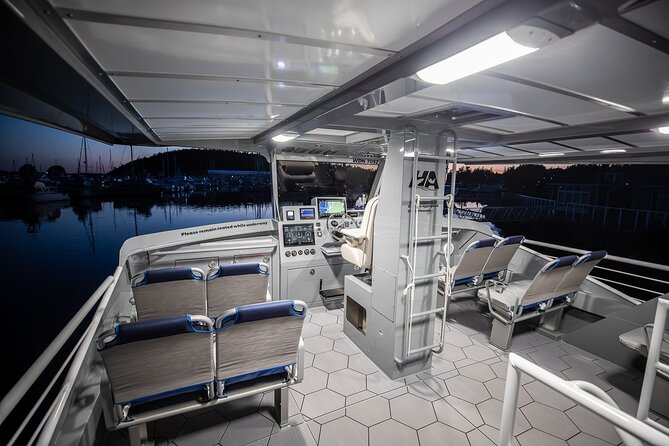
The boards are the working tool of the whole experience. They shine light into the water, attracting plankton. Manta rays then come toward the feeding area.
You will likely spend your time looking down into the illuminated water, watching for the large shapes to appear. The rays may pass beneath you or glide close to the lit area. Their movements are gentle, but their size can surprise you the first time one comes near.
The best way to enjoy this part is to stay calm and let the setup work. You do not need to chase the animals. In fact, the point is to remain in position while the rays move through the light.
The dark setting makes every appearance feel more dramatic. During the day, a manta may blend into the wider sea. At night, the beam of light gives you a small viewing area, and the contrast makes each pass easier to notice.
This part may be less comfortable for someone who dislikes darkness or open water. You are floating at night, and the boat lights cannot make the entire ocean feel familiar. The wetsuit top and float belt help, but confidence in the water still matters.
Returning to Kona under Hawaiian stars
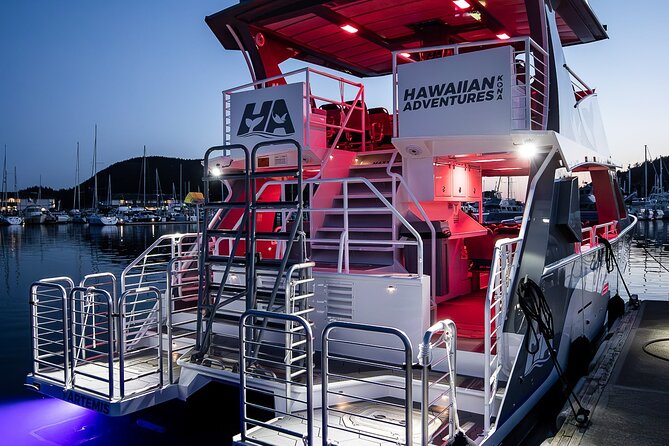
After snorkeling, you can use the private changing rooms to switch into comfortable clothes. That is a useful touch, especially after time in a wet wetsuit top and salty water.
The return trip is meant to be leisurely. Instead of ending the moment you climb back aboard, the tour gives you room to look up at the night sky. Hawaiian constellations become part of the experience, adding a quiet finish after the excitement at the manta site.
The stargazing also helps explain why the timing works so well. You get sunset on the way out, darkness for the snorkel, and a clear night-sky view on the way home. It feels like three different parts of the coast in one compact outing.
Cold drinks are provided, but you should plan your clothing with the return ride in mind. Having dry, comfortable clothes ready makes the final stretch much more pleasant.
Is $149 a fair price?
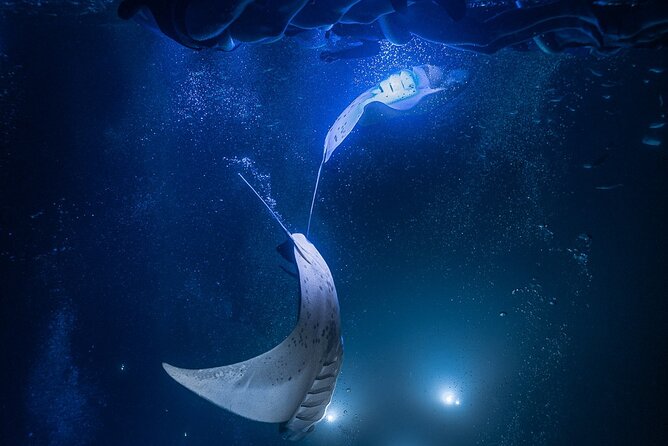
At $149 per person, this is not a casual add-on like a short harbor cruise. You are paying for a 2.5-hour boat outing, a guided open-water activity, equipment, wetsuit tops, float belts, cold drinks, and access to a specialized nighttime wildlife setup.
The value improves if you would otherwise need to rent snorkeling gear and arrange a separate sunset or evening activity. The trip combines all of those elements in one booking. You also avoid trying to locate the manta site or work out how to create a plankton-attracting light setup yourself.
The price may feel high if you are uncertain about snorkeling at night or mainly want a quick boat ride. The experience depends on your willingness to enter open water and spend time watching for wildlife. It is best value for someone who sees the manta encounter as a main event of a Big Island visit.
The strong 4.8 rating and 96 percent recommendation fit the tour’s main strengths: helpful preparation, a well-planned wildlife setup, and a memorable encounter with the rays. The most praised details are the kind crew, clear help with wetsuits and snorkel gear, and the feeling of getting to know individual manta rays, including one known as Tim.
Who will enjoy this tour most
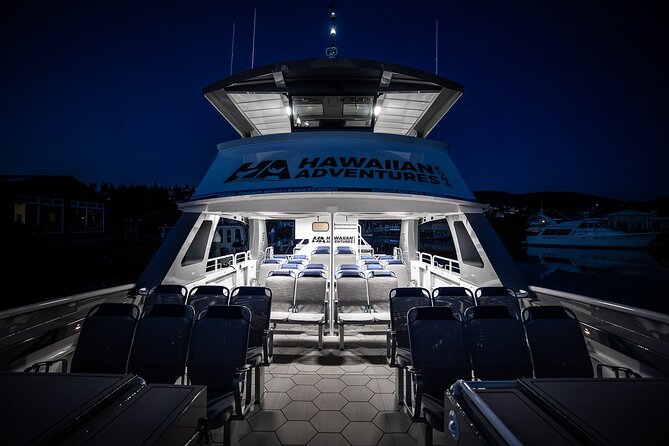
I would point this tour toward you if you want one major ocean experience during a Kona stay. It suits people who like wildlife, unusual evening activities, and a little adventure without committing to a full-day excursion.
It can also work well for a mixed group. Someone who enjoys the water can focus on the manta viewing, while another person may prefer the boat ride, sunset, changing rooms, and stargazing. Everyone still shares the same outing.
You should think twice if you strongly dislike open water, nighttime swimming, or floating in place for an extended period. The wetsuit top and float belt add comfort, but they do not turn the activity into a dry sightseeing cruise.
The experience is also not ideal for someone seeking a completely private outing. The maximum group size is 26, which is small enough to feel organized but not an exclusive charter.
Service animals are allowed, and the meeting point is near public transportation. Those details may help with planning, but the central question remains your comfort with the physical side of snorkeling.
Weather, cancellations, and planning around your stay
The tour requires good weather. If conditions force a cancellation, you can choose another date or receive a full refund. The same option applies if the minimum number of participants is not reached.
For your own planning, avoid placing this outing on the final possible night of your Hawaii visit. A weather change could remove your backup date, and booking about 30 days ahead is sensible since this is a popular Kona activity.
You can cancel for a full refund up to 24 hours before the start time. Changes or cancellations made less than 24 hours before the start time are not accepted for a refund. The cut-off follows local Hawaii time.
The mobile ticket keeps the arrival process simple. Bring the clothing you want for the ride home, and remember that the water portion requires moderate physical fitness.
My call: book it if manta rays are on your Big Island list
I would book this tour if you want a focused Kona wildlife experience and feel comfortable snorkeling after dark. The combination of plankton-attracting LED boards, close manta encounters, a maximum of 26 people, and a sunset-to-starlight schedule gives the outing real value.
I would skip it only if nighttime open-water snorkeling sounds stressful rather than exciting. For the right person, this is more than a standard snorkel trip. It is a carefully timed evening on the coast, with manta rays at the center and enough practical support to make the experience manageable.
FAQ
How long is the Kona night manta snorkel tour?
The experience lasts approximately two hours and 30 minutes.
Where does the tour meet?
The meeting point is 247 Kealakehe Parkway, Kailua-Kona, Hawaii 96740, USA.
How many people can join the tour?
The maximum group size is 26 participants.
What equipment is provided?
The tour provides wetsuit tops, masks, snorkels, fins, and float belts. Cold drinks are also included.
How are the manta rays attracted to the site?
Ocean LED light boards illuminate plankton in the water. The plankton draws manta rays toward the snorkeling area.
Is the tour suitable for someone with limited physical fitness?
The tour requires a moderate level of physical fitness. You should be prepared for open-water snorkeling at night.
What happens if bad weather cancels the tour?
You can choose a different date or receive a full refund if poor weather causes the cancellation.
Just added on Big Island of Hawaii
- Volcano National Park and Rainbow Fall in Hilo, Hawaii★ 5.0 · 53 reviews
- Volcanoes National Park Adventure Tour – Hilo Shore Excursion★ 4.5 · 104 reviews
- Volcanoes National Park and Hilo Private Tour★ 5.0 · 3 reviews
- Private VAN Tour Hilo★ 4.5 · 5 reviews
- Volcanoes Adventure Tour from Hilo★ 4.0 · 29 reviews
- Majestic Waterfall Tour★ 5.0 · 31 reviews
- Private Shore Excursion Hilo Volcanoes National Park up to 10 PPL★ 5.0 · 36 reviews
- 5 Hour Custom Private Tour of Hawaii★ 5.0 · 9 reviews
Manta Ray Night Snorkels, compared.
Kona Manta Ray Snorkel Tour in Keauhou Harbor
Read our review →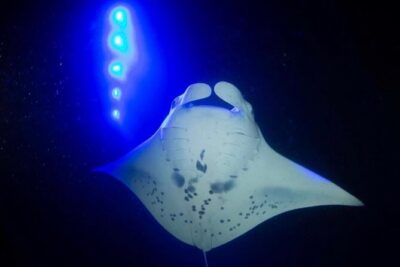
KONA Manta Ray Night Snorkel – FREE re-ride if no Sightings
Read our review →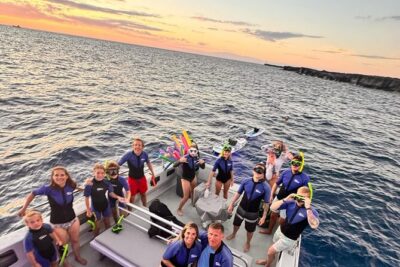
Glow of the Deep: Night Snorkeling with Manta Rays
Read our review →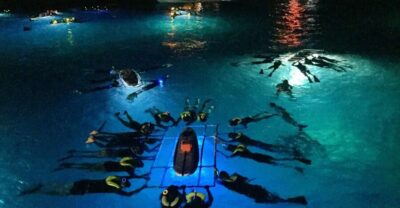
Manta Magic: Small-Group Manta Ray Night Snorkel in Kailua Kona
Read our review →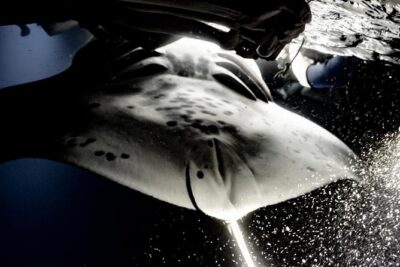
Browse the lists this tour appears in