
Reviewed · SCUBA DIVING
Introductory Beach Scuba Dive
Hilo’s introductory scuba experience gives you a sensible first step into the Pacific: learn on land, practice in a heated pool, then head to a reef near Hilo Bay. The pool session is the smart feature here, especially if you are nervous about breathing through a regulator or handling the equipment. You also get close guidance from PADI-certified instructors, with the group limited to four people.
I like the careful progression and the personal attention. I also like that the open-water session lasts 30 to 50 minutes, long enough to see coral and tropical fish without turning the morning into an exhausting marathon. The main drawback is the shore-based format. If you prefer stepping off a boat into deep water, this may not be your best match.
Key points to know before booking
- Heated-pool practice comes first: You learn basic skills in a controlled setting before entering the ocean.
- The ocean portion lasts 30 to 50 minutes: Expect a genuine introductory session rather than a quick underwater look.
- Groups are limited to four people: This allows instructors to watch each participant closely.
- Mark and Akara are part of the instructional team: Akara is especially attentive to keeping new participants comfortable.
- You meet at 9:00 a.m. in Hilo: The tour starts at Hilo Ocean Adventures, not directly at your hotel or cruise ship.
- Physical and medical rules are strict: You must swim without help, carry 50 pounds of equipment, understand detailed English instructions, and submit the required medical form 72 hours ahead.
Starting at Hilo Ocean Adventures at 9:00 a.m.
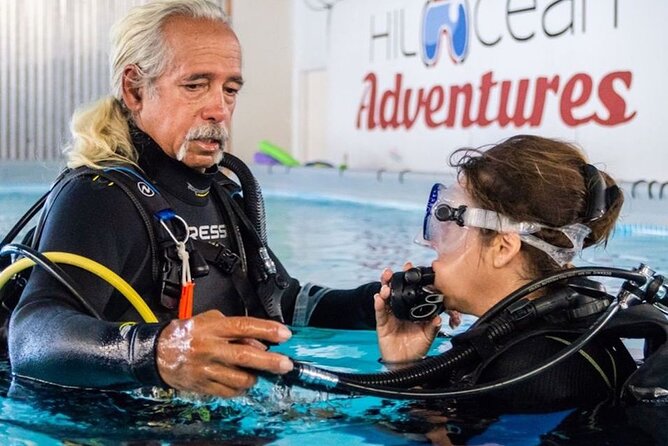
You begin at Hilo Ocean Adventures, at 1717 Kamehameha Avenue. Plan to arrive ready for a full morning rather than treating this as a quick add-on to a cruise-port stop.
The meeting-point arrangement matters. You are responsible for getting to the shop, including taking a cab from the port if you are arriving by ship. Transportation is provided from the check-in location to the underwater site, and the activity finishes back at the same meeting point. Do not assume hotel or port pickup, even though transportation is included once you check in.
The total outing lasts about four hours. That leaves some room in your day, but I would not schedule a tight excursion, a long drive, or an important appointment immediately afterward. Scuba activities require a little patience, and the morning can run longer if instruction or equipment checks take extra time.
More scuba diving on Big Island of Hawaii:
- One Tank Manta Night Dive and Snorkel
★ 5.0 · 56 reviews - Two Tank Morning Reef Dive and Snorkel
★ 5.0 · 54 reviews - 2-Tank Daytime Scuba Dive Boat Trip
★ 5.0 · 26 reviews
The 30-minute classroom lesson
The first formal step is a dry-land scuba lesson. The supplied schedule describes this as about 30 minutes, while the fuller itinerary refers to a morning classroom session of roughly 45 minutes. Either way, expect a real briefing rather than a quick safety speech.
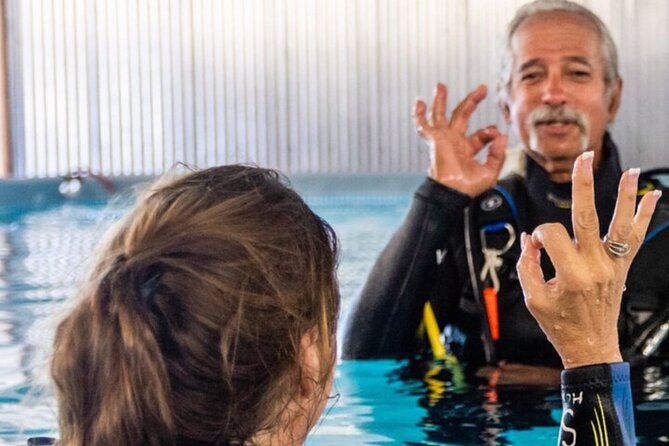
You learn how to breathe underwater, use the equipment, and respond to basic problems. The instructors also explain emergency procedures and the signals needed underwater. Because the session is offered in English, you need to understand detailed spoken instructions, not just general directions.
This part may feel less exciting than the ocean, but it is where you build the habits that make the rest of the morning possible. You should be willing to ask questions here. Once you are wearing a mask, regulator, buoyancy gear, and air tank, clear communication becomes much harder.
The instructors are not simply handing over equipment and pointing toward the water. You must pass the classroom and confined-water portions before moving on to the ocean. That rule can be disappointing if you are eager to get outside, but it is a fair safety check for a first-time scuba session.
Why the heated indoor pool helps
After the classroom work, you spend about 45 minutes in a heated indoor pool. This is the strongest feature for anyone who feels unsure about scuba.
A pool lets you test the mask, breathing system, and other gear without dealing with waves, current, or a large open-water setting right away. You can concentrate on breathing steadily and following instructions. The warm water also removes one common source of discomfort during a first attempt.
This is especially useful if you are not a confident swimmer. One participant arrived with a spouse who was not a swimmer and was afraid of the water, yet the careful pool practice helped build enough comfort to continue. That does not mean the activity suits every nonswimmer. You must still swim unassisted in the open ocean, so basic swimming ability is not optional.
The pool session also gives the instructor a chance to see how you handle the equipment. Akara, one of the instructors, is described as checking that participants feel comfortable throughout the process. That attentive approach is exactly what you want when you are learning a new skill in an unfamiliar setting.
Still, do not confuse a heated pool with a no-pressure introduction. You must successfully complete this confined portion before proceeding. If breathing through the equipment feels impossible or you cannot manage the required skills, you will not continue to the ocean portion.
Reaching the reef near Hilo Bay
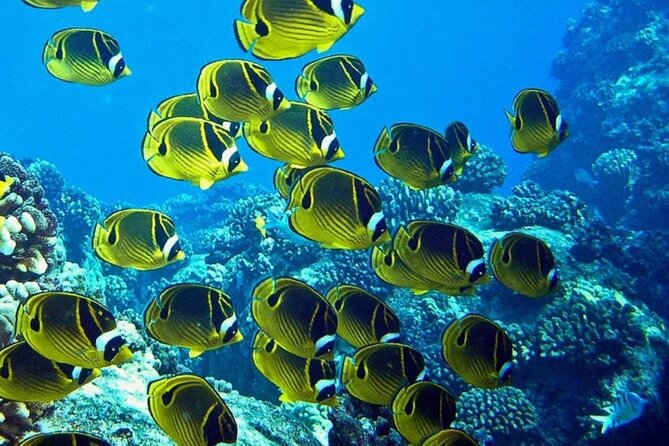
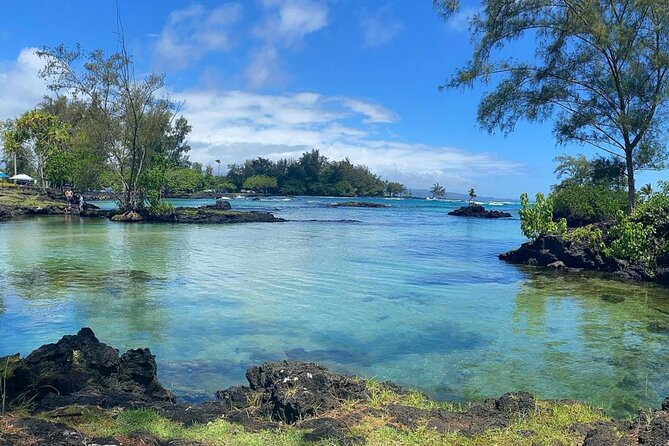
Once the classroom and pool work are complete, the team transports you from the shop to a local snorkeling and scuba location near Hilo. The specific reef location can vary, so you should think of this as a guided coastal session rather than a promise of one named underwater site.
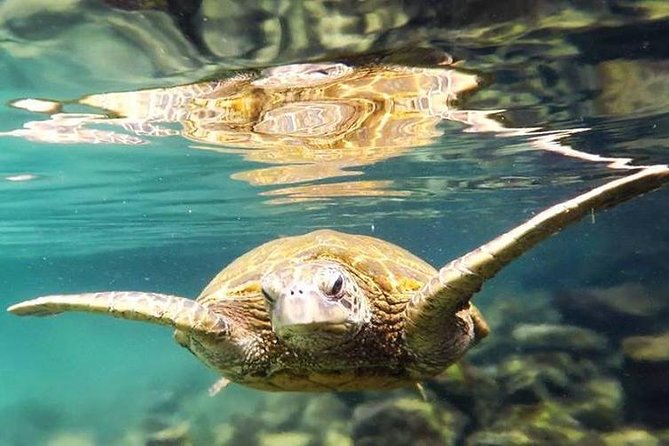
Hawaii contains a large share of the coral reef ecosystems in the United States, and the coast around the Big Island offers a chance to see the marine life that makes the area special. You may see tropical fish, coral, and Hawaiian green sea turtles. Wildlife sightings are never guaranteed, but the outing puts you in the right setting for them.
The shore-based format shapes the experience. You will not be boarding a boat for a quick ride offshore. Instead, you enter the ocean from the coast, which can make the transition feel more gradual and practical for a beginner. The tradeoff is that a shore entry may be less appealing to people who prefer the ease and excitement of stepping from a boat into open water.
The ocean session lasts about 30 to 50 minutes. That is enough time to settle into your breathing and look around, but it is still an introductory outing. You should not expect an advanced reef route, a long-distance swim, or a certification course.
Same island, a different kind of day:
- Big Island in a Day: Volcanoes Waterfalls Sightseeing and History
★ 5.0 · 6,569 reviews - Big Island Manta Ray Night Snorkel
★ 5.0 · 5,656 reviews - Big Island: Kona Manta Ray Snorkel Tour in Keauhou Harbor
★ 4.5 · 2,465 reviews - Hilo Shore Excursion: Volcanoes National Park & Black Sand Beach
★ 4.5 · 2,338 reviews
What the small group changes
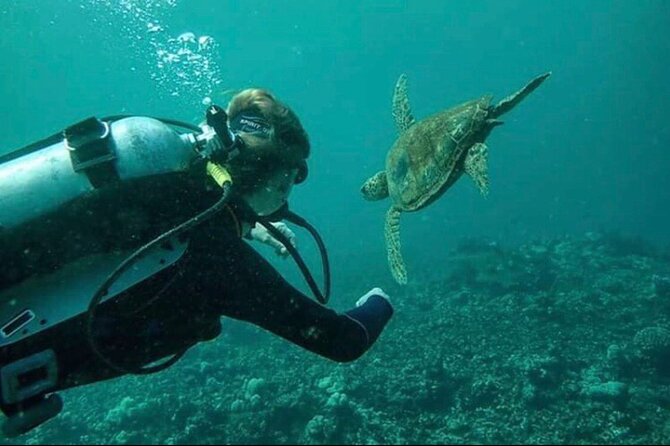
The maximum group size is four participants. That is a meaningful advantage for a first-time scuba activity.
With only a few people in the water, the instructor can watch how each person manages breathing, movement, and equipment. You are less likely to feel lost in a crowd, and it should be easier to signal if something feels wrong. Small groups also make the classroom and pool work feel more personal.
That said, a small group does not guarantee that every participant moves at the same pace. The ocean portion must be based on safety and comfort, so the staff may spend more time helping one person than another. If you are hoping for a fast, independent session, this guided structure may feel restrictive. For a first attempt, I consider that a reasonable trade.
Mark is part of the instructional team, and Akara has been singled out for careful attention to comfort. You should still take responsibility for speaking up. Tell the instructor if you are anxious, uncomfortable, or having trouble with the equipment. Good coaching works best when you are direct.
Equipment, snacks, and what you must manage
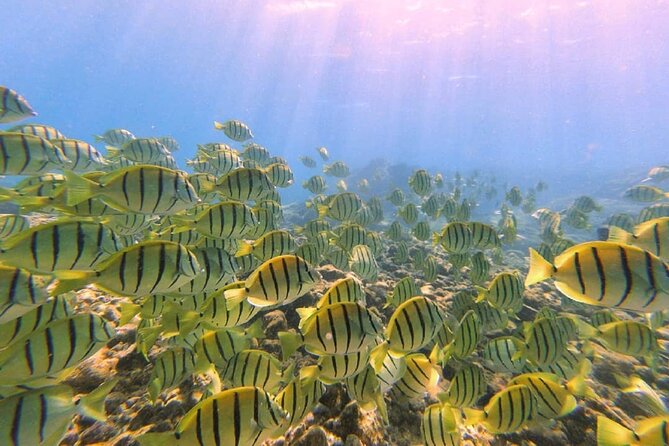
Scuba equipment is included, along with local juice and snacks. That makes the four-hour schedule easier to manage, since you do not need to arrange every refreshment yourself.
The gear is also the reason the physical requirements deserve close attention. You must be able to carry 50 pounds of equipment on your back without assistance. You also need a strong level of physical fitness and the ability to swim unassisted in the open ocean.
These are not minor details. Scuba equipment can feel bulky before you enter the water, and the ocean is less forgiving than the pool. If you have doubts about your strength, swimming ability, or stamina, ask the operator before booking rather than hoping the instructors can compensate.
The activity is not suitable for pregnant women or people with heart, neck, or back problems. You must complete the PADI or NAUI medical questionnaire at least 72 hours before the outing. Late paperwork or an inability to complete the full activity does not qualify for a refund, so handle the form early.
Planning the rest of your Hilo day
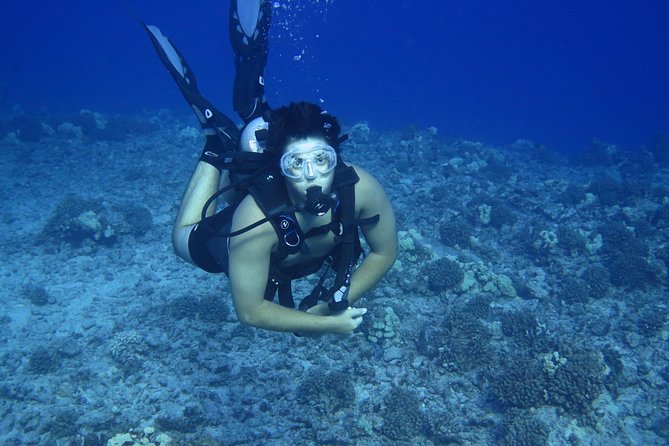
The post-scuba rule is easy to overlook: you must not travel to altitudes of 2,500 feet or higher for 18 hours after the session. This matters on the Big Island, where a day trip into higher country may be part of your plans.
Do not pair this outing with a visit to a high-elevation area later the same day. The restriction may also affect plans after a cruise stop, so check your schedule before booking. A low-key afternoon in Hilo is the safer plan.
Weather can also cancel the activity. If conditions are poor, you are offered another date or a full refund. For your own schedule, keep some flexibility around the booking, especially if this is one of the main reasons you are stopping in Hilo.
Cancellation is free up to 24 hours before the start time. Within 24 hours, changes and refunds are not accepted. Since the medical questionnaire is due 72 hours ahead, do not wait until the last minute to decide if you can participate.
Who will get the most from this morning
I would choose this outing if you want a first scuba experience with instruction built into the schedule. It suits a fit beginner who can swim, follow English-language directions, and accept a careful progression from classroom to pool to ocean.
It is also a good match if you are uneasy around the water but still want to try scuba. The heated pool gives you a chance to build confidence before dealing with the open sea. The small group and close supervision add useful reassurance.
I would hesitate if you want a boat-based outing, a relaxed snorkeling trip, or a casual activity that does not require medical paperwork. This is not suitable for someone who cannot swim unassisted, cannot carry the equipment, or has a medical condition that conflicts with the requirements.
The value comes from the structure, equipment, instruction, and small group rather than from a long list of stops. You are paying for a guided introduction that takes safety seriously. Since no price is provided here, I cannot judge the exact cost against similar tours, but the format offers more support than a simple equipment rental or a brief supervised swim.
Should you book the Hilo introductory scuba session?
Book it if you want to learn the basics properly and see what scuba feels like without committing to certification. The indoor pool is a real advantage, and the 30- to 50-minute ocean session gives you enough time to see coral and fish while keeping the day manageable.
Skip it if you prefer a boat entry, cannot meet the swimming and fitness rules, or have high-altitude plans within 18 hours. For the right participant, this is a careful, personal introduction to Hawaii’s coastal waters, with instructors such as Mark and Akara helping you take each step at a sensible pace.
FAQ
Where does the activity begin?
It begins at Hilo Ocean Adventures, 1717 Kamehameha Avenue, Hilo, Hawaii 96720, at 9:00 a.m.
How long does the activity last?
The full activity takes about four hours. The classroom session takes about 30 to 45 minutes, the heated-pool practice about 45 minutes, and the open-water session about 30 to 50 minutes.
Is scuba certification required?
No. This is a fully guided introductory scuba activity, and no prior certification is required.
What age must participants be?
Participants must be at least 15 years old. Anyone under 18 must be accompanied by an adult.
What physical abilities are required?
You must swim unassisted in the open ocean, understand detailed instructions in English, carry 50 pounds of equipment on your back without help, and have a strong level of physical fitness.
How far in advance can I cancel?
You can cancel at least 24 hours before the start time for a full refund. Cancellations or changes made within 24 hours are not refunded or accepted.
Just added on Big Island of Hawaii
- Volcano National Park and Rainbow Fall in Hilo, Hawaii★ 5.0 · 53 reviews
- Volcanoes National Park and Hilo Private Tour★ 5.0 · 3 reviews
- Volcanoes National Park Adventure Tour – Hilo Shore Excursion★ 4.5 · 104 reviews
- Private VAN Tour Hilo★ 4.5 · 5 reviews
- Volcanoes Adventure Tour from Hilo★ 4.0 · 29 reviews
- Majestic Waterfall Tour★ 5.0 · 31 reviews
- Private Shore Excursion Hilo Volcanoes National Park up to 10 PPL★ 5.0 · 36 reviews
- 5 Hour Custom Private Tour of Hawaii★ 5.0 · 9 reviews
Scuba Diving, compared.
First-Time Scuba Diving in Honolulu + Free Videos
Read our review →
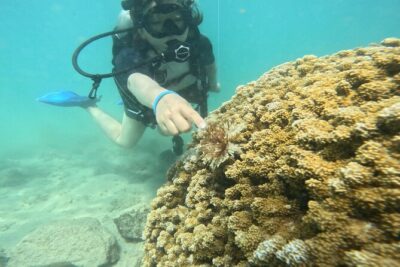
Beginner Scuba Diving Experience with Video Package in Honolulu
Read our review →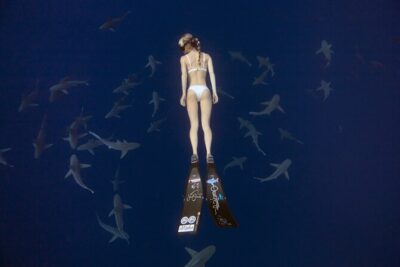
Safe and Educational Shark Dive from Haleiwa: Sharks Guaranteed
Read our review →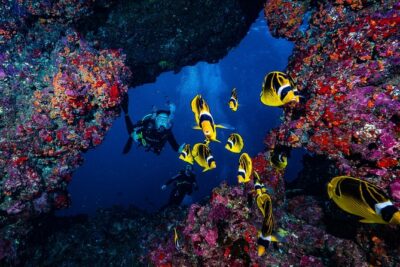
2 Tank Lanai Cathedral Scuba Dive Via Boat for Certified Divers
Read our review →
Dive with Sharks in Hawaii: Shark Tour from Haleiwa
Read our review →Browse the lists this tour appears in