
Reviewed · FARMS
Hawaiian Salt Farm Tour in Kona
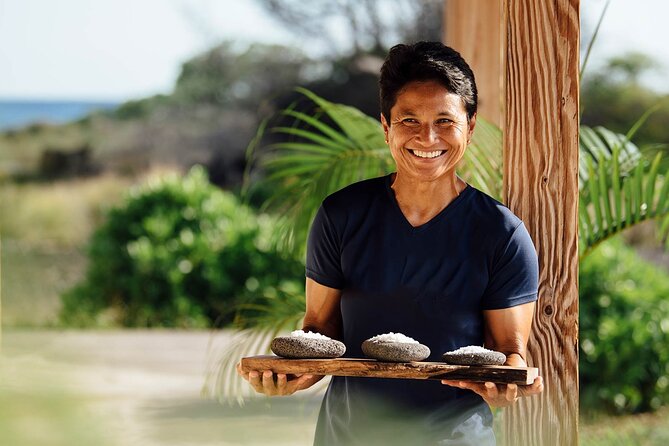
Kona’s salt farm turns seawater into a surprisingly engaging lesson in food, Hawaiian culture, and ocean science. You walk the seven-acre oceanfront farm, see salt at different stages of production, and finish by tasting a range of hand-harvested varieties.
I like the clear look at a working local business, and I like that the tour connects salt-making with Keahole Point, Hawaiian language, beach care, and deep-ocean water. The main drawback is the open setting: sun, wind, and fast-speaking guides can make parts of the presentation harder to follow.
Key points to know before you go
- The tour begins and ends at 73-907 Makako Bay Drive in Kailua-Kona, making it a simple stop near the Kona coast.
- You see the water source, harvesting areas, drying process, and finished salt, not just a display in a shop.
- Salt tasting is the finale, with samples served alongside foods such as fruit and vegetables.
- Guides including Candee, Candy, Mari, and Ipolani bring different strengths, from local history to practical details of the operation.
- The visit takes about 45 minutes to an hour, so it fits well before a flight or between larger Big Island activities.
- Sun protection matters, and umbrellas are available if the heat becomes intense.
Why this Kona salt farm is worth your time
Most Big Island visitors build their days around volcanoes, beaches, coffee farms, and scenic drives. Those are good choices, but the salt farm offers a different kind of stop. Instead of looking at a finished product on a shelf, you follow the process from ocean water to crystals and packaged salt.
That simple idea becomes more interesting once you hear how much care goes into separating and drying the salt. The farm also produces deep-ocean mineral products, so the talk is not limited to cooking. You learn about the water source, the operation’s development, and older Hawaiian ways of gathering salt.
I especially like the connection to place. This is not a generic food factory that could sit anywhere. The setting at Keahole Point and the relationship with the Pacific give the visit a strong Kona identity. You also hear about efforts connected with keeping beaches and ocean water clean, which adds a useful environmental thread.
The tour is small, with a maximum of 20 people. That number is large enough for an upbeat group but still manageable when the guide points out equipment or explains a stage of production. A smaller group may make it easier to ask questions, which is worth doing because the salt varieties and mineral products can otherwise blur together.
Other coffee and chocolate farms to visit on Big Island of Hawaii:
- Big Island Highlights: Coffee, Volcano, Black Sands & Waterfall
★ 5.0 · 1,054 reviews - Award Winning Farm Tour: Coffee, Chocolate and Unique Gifts
★ 5.0 · 484 reviews - Big Island: Night Swim with Manta Ray with Hot Chocolate
★ 4.9 · 420 reviews
Starting at Makako Bay Drive
You meet at Kona Sea Salt’s office at 73-907 Makako Bay Drive, Kailua-Kona. The activity ends at the same spot, so you do not need to arrange a separate pickup or wonder where the tour finishes.
The manager or another farm guide begins with an explanation of the water source. This opening matters because the source is central to the product. You are not simply told that the salt comes from the ocean. You learn where the water comes from and how it moves into the farm’s system.
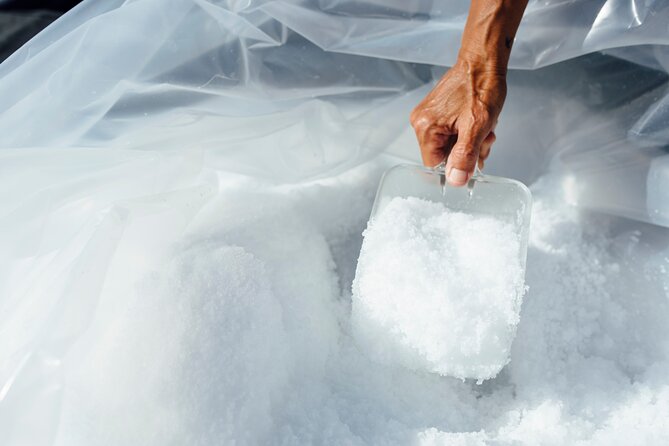
From there, the group heads through the harvesting areas. Expect an easy walking tour rather than a strenuous outdoor activity. One particularly useful feature is that you can see the salt during production, including the drying stage, instead of only seeing jars of finished salt in the shop.
The farm is outdoors and close to the ocean, so bring sunscreen and a hat. Umbrellas are available for shade, but I would still plan as if you will spend most of the visit in full sun. The oceanfront position is part of the appeal, but it also means you should not treat this like an air-conditioned museum stop.
Following seawater through the salt-making process
The heart of the visit is the explanation of how ocean water becomes salt. Your guide walks you through the harvesting process and points out the different stages around the farm. The basic idea is easy to grasp, yet the details make it worthwhile.
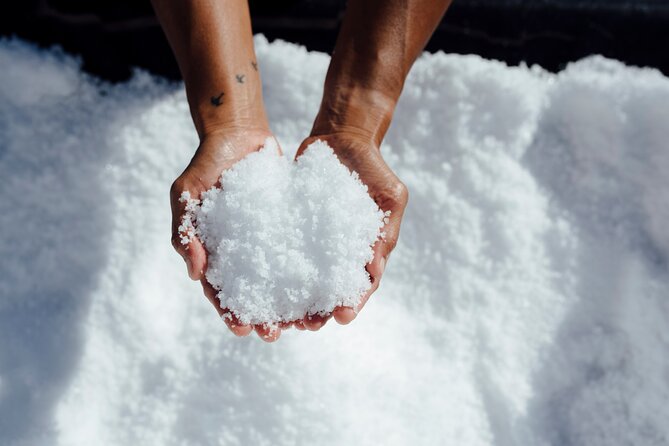
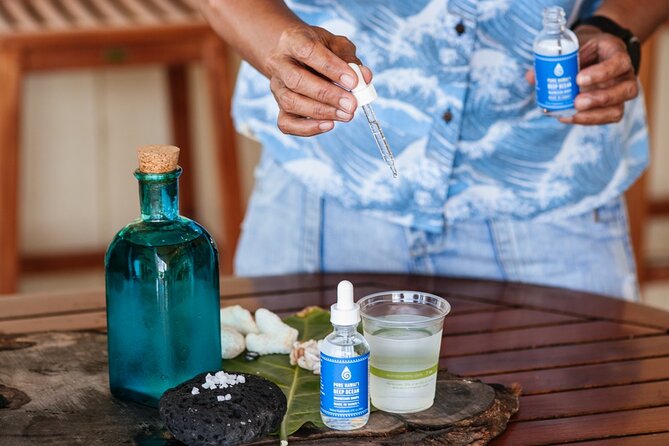
You will see salt drying and learn how the operation handles the product before it is packaged. The guide also discusses other deep-ocean mineral products made by the company. That broader explanation helps you understand why this farm deals with more than table salt.
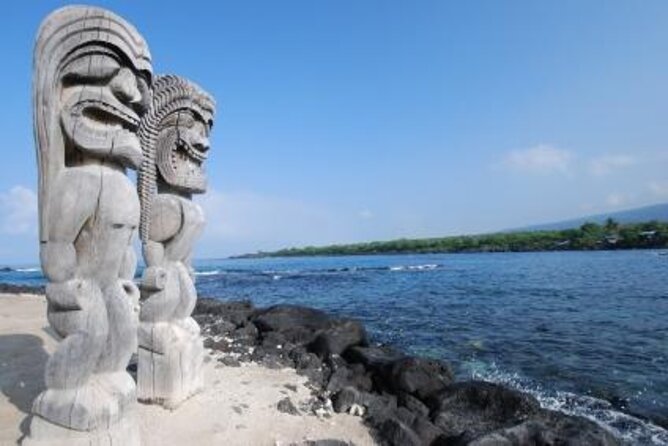
The story includes both present-day methods and earlier Hawaiian harvesting practices. Guides have also explained parts of Hawaiian life, including the alphabet and language, while talking about the area. This cultural context gives the visit more weight than a simple production demonstration.
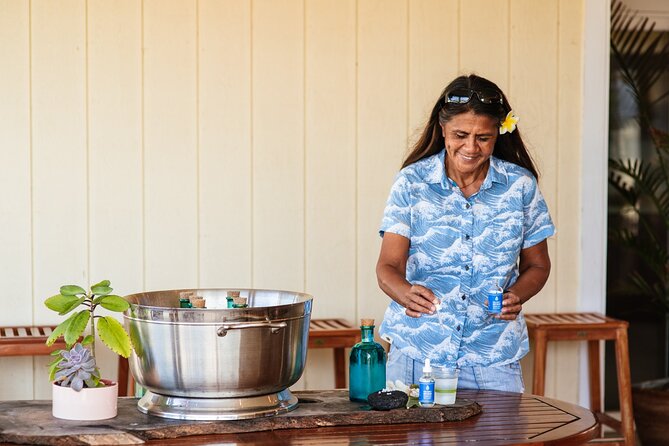
I would pay close attention to the account of Keahole Point. The area’s story helps explain why this particular site matters. The experience does not pretend that salt-making is a complicated spectacle. Instead, it shows how a straightforward natural process can carry local history, environmental concerns, and food traditions.
One caution: the quality of the presentation can depend on the guide and the pace. Some guides, including Candee, Candy, Mari, and Ipolani, have been praised for their friendly style, strong recall, and ability to answer questions. At least one visitor found the information difficult to follow because the guide spoke too quickly. If the pace gets ahead of you, ask for clarification early rather than waiting until the tasting.
The salt tasting is more than a quick sample
The tasting gives the tour a lively finish. You sample different Hawaiian salts and compare their flavors. The number can be substantial, with one account describing roughly 15 varieties served with fruit and vegetables.
This is where the process becomes useful at the dinner table. Salt can sound like a single ingredient, but tasting several types side by side lets you notice differences in texture, flavor, and seasoning. You also get a better sense of which varieties might make good food gifts or souvenirs.
The tasting is not just a sales pitch. It helps connect the earlier explanation to something you can sense for yourself. After hearing about harvesting, drying, and processing, you can see how the finished product differs from ordinary salt.
Still, ask a direct question about what you are sampling. The farm shop carries several products, and one visitor found it unclear which salts came specifically from the farm. A simple question about the source of each sample should make the tasting easier to follow.
If you enjoy cooking, this may be the strongest part of the hour. If you have little interest in food, the environmental and cultural sections give you other reasons to pay attention. The tasting also works well for families because children can take part instead of only listening to a talk.
Same island, a different kind of day:
- Big Island in a Day: Volcanoes Waterfalls Sightseeing and History
★ 5.0 · 6,569 reviews - Big Island Manta Ray Night Snorkel
★ 5.0 · 5,656 reviews - Big Island: Kona Manta Ray Snorkel Tour in Keauhou Harbor
★ 4.5 · 2,465 reviews - Hilo Shore Excursion: Volcanoes National Park & Black Sand Beach
★ 4.5 · 2,338 reviews
The setting makes this a good final Kona stop
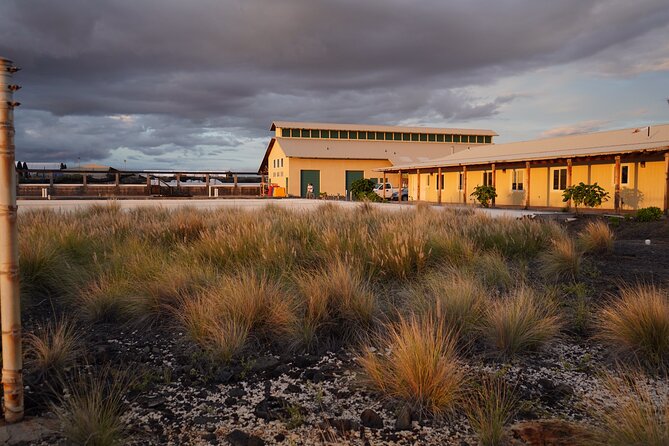
The farm’s position near the airport makes it useful on your departure day. You can fit the visit into a final Kona morning or afternoon, provided your schedule leaves a sensible buffer before your flight. Since the tour returns to the starting point, you are not left figuring out a new location afterward.
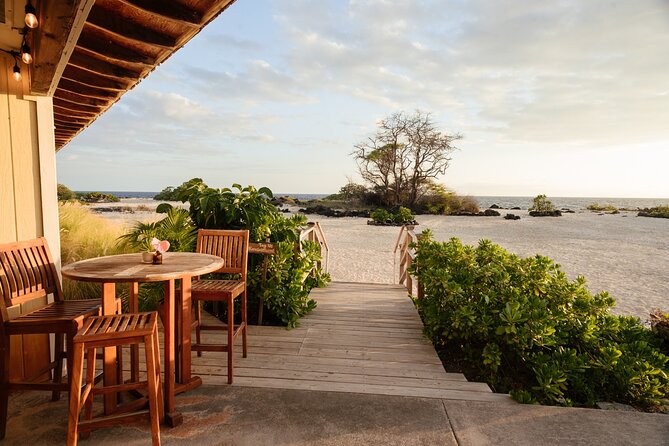
The oceanfront grounds are attractive, and the setting helps the salt story make sense. You can look toward the source of the raw material while standing among the working areas. That is more satisfying than learning about ocean salt in a room far from the water.
The farm is also a reasonable choice for mixed-age groups. The walk is not strenuous, and the grounds have been described as accessible with perhaps one small level change. One person using a walker was able to enjoy the visit. Service animals are allowed, and most people can participate.
The setting has limits. It is not a long scenic hike, and you should not book it expecting a full-day activity. The tour is compact and focused. You get a close look at one operation, not a broad survey of every food or farming tradition on the Big Island.
How much value do you get for $27?
At $27 per person, the farm tour is priced reasonably for a guided Kona activity lasting about 45 minutes to an hour. You receive a site visit, an explanation of the process, a look at the working areas, and a tasting. That is a fair package, especially if you value small local businesses and hands-on food experiences.
The price makes the most sense when you treat this as both a tasting and a short cultural stop. If you only want a large meal or a bag of salt, you can spend less elsewhere. But if you want to understand how the product is made and why this location matters, the guided visit adds real value.
The tour is also useful because it does not consume half a day. You can pair it with other Kona plans, place it before an airport departure, or use it as a lighter activity after a demanding day. The short length may be a benefit for children, older family members, and anyone who does not want another long excursion.
The optional foot soak is separate from the tour. Several people recommend adding it, but the water is described as much colder than expected. If you choose it, think of it as a brisk, refreshing mineral-water treatment, not a warm spa soak. The exact price of the add-on is not provided here, so confirm that when booking.
Who will enjoy this most
I would recommend the salt farm to food lovers, curious families, and visitors who want a quieter activity with a strong local connection. Children around school age can follow the basic idea and enjoy the tasting, while adults can focus on Hawaiian history, business development, and environmental care.
It also suits people who have already seen the major sights and want something different. The tour does not compete with a volcano visit or a coastal drive. It gives you a closer look at a small operation that most people would not think to seek out on their own.
Older adults and people with some mobility limits may find it manageable because the activity is short and not strenuous. The grounds appear accessible for most participants, though anyone who needs very specific access details should confirm them directly before booking.
This is less suited to anyone wanting a dramatic adventure. There is no long hike, boat ride, or thrilling demonstration. The reward comes from paying attention, asking questions, tasting carefully, and appreciating how an ordinary kitchen ingredient is made in a very particular place.
A few practical tips for a better visit
Arrive ready for sun. Wear sunscreen and a hat, and use the available umbrellas when needed. Comfortable shoes are sensible because you walk around the farm, even though the activity is not strenuous.
Ask questions during the process, especially about the water source, the difference between salt varieties, and which products are made on-site. The guides can explain more than the standard presentation, and asking early may help if the pace feels quick.
Give yourself time in the shop before or after the tour if you want a food souvenir. The selection includes different salts and other mineral products. The tasting can help you decide what is worth taking home instead of buying the first attractive package you see.
If you are pairing the farm with a flight, avoid cutting the timing too close. The stated tour duration is about 45 minutes, while the broader estimate is about an hour. Add driving, parking, and airport time before making your plan.
The tour requires decent weather. If poor weather causes a cancellation, you can receive a different date or a full refund. For your own cancellation, you must cancel at least 24 hours before the start time for a full refund. Changes or cancellations inside that window are not accepted and are not refunded.
Should you book the Hawaiian Salt Farm Tour?
Book it if you want a short, affordable Kona experience that combines local food, Hawaiian context, ocean science, and a tasting. The strongest reasons are the working farm setting, the chance to see salt drying and being processed, and the variety served at the end.
Skip it if your schedule is packed with major outdoor activities or if you want a dramatic excursion. The presentation depends on the guide, and the open-air setting can be hot. Still, at $27, the visit offers enough substance to earn a place in a Kona itinerary, especially before a flight or on a day when you want something easy but genuinely local.
FAQ
Where does the Hawaiian Salt Farm Tour meet?
The tour begins at 73-907 Makako Bay Drive, Kailua-Kona, Hawaii 96740. It ends back at the same meeting point.
How long does the salt farm tour last?
The visit takes about 45 minutes to an hour. The farm’s guided portion is listed as approximately 45 minutes.
How much does the tour cost?
The listed price is $27 per person.
What will I see during the tour?
You will see the water source, salt harvesting areas, parts of the drying and production process, and finished salt products. The guide also explains deep-ocean mineral products and the history of the operation.
Is there a salt tasting?
Yes. The tour ends with a tasting of different Hawaiian salts. Samples may be served with foods such as fruit and vegetables.
Is the tour offered in English?
Yes. The experience is offered in English.
Can service animals participate?
Yes. Service animals are allowed.
What happens if the tour is canceled because of bad weather?
You will be offered another date or a full refund. For your own full refund, cancel at least 24 hours before the experience start time.
Just added on Big Island of Hawaii
- Kailua-Kona: Big Island Morning Snorkeling Tour with Lunch★ 4.9 · 7 reviews
- Big Island: Hawaii Volcanoes National Park and Hilo Tour★ 5.0 · 118 reviews
- Kailua-Kona: Hualalai Volcano Doors On/Off Helicopter Tour★ 4.7 · 12 reviews
- Big Island: Full Day Adventure Tour of the Kohala Waterfalls★ 5.0 · 41 reviews
- Big Island Hawaii: Craft Chocolate Tasting and Farm Tour★ 5.0 · 14 reviews
- Big Island: Evening Volcano Explorer from Hilo★ 4.7 · 31 reviews
- Big Island: Off the Beaten Path Volcano Crater Hike★ 5.0 · 15 reviews
- Big Island: Full-Day Kohala Zipline and Waterfall Adventure★ 4.8 · 36 reviews
Farms, compared.
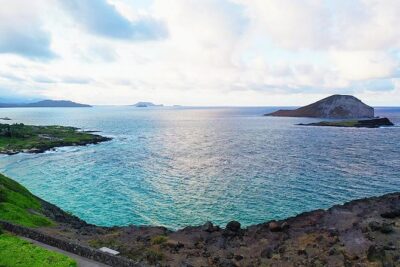
Oahu’s Ultimate Tour: Dole, Turtle Snorkel, Pali Lookout & More
Read our review →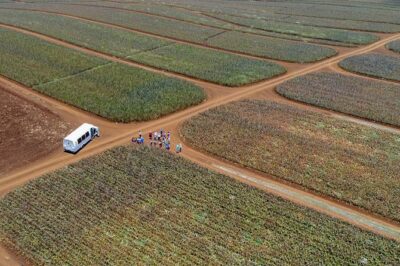
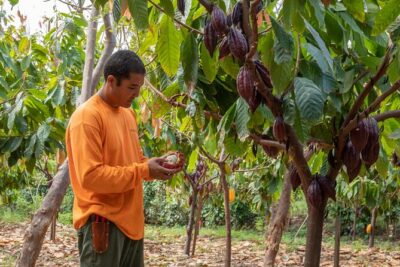
Maui Ku’ia Estate Guided Cacao Farm Tour and Tasting
Read our review →
Big Island Highlights: Coffee, Volcano, Black Sands & Waterfall
Read our review →
Road to Hana Adventure with Farm to Table Lunch
Read our review →
Pearl Harbor, Dole Plantation, and Polynesian Center from Waikiki
Read our review →
Princeville Botanical Gardens Tour and Chocolate Tasting Ticket
Read our review →
Browse the lists this tour appears in