
Reviewed · VOLCANOES NATIONAL PARK TOURS
Guided 3-Hour Hike in Volcanoes National Park
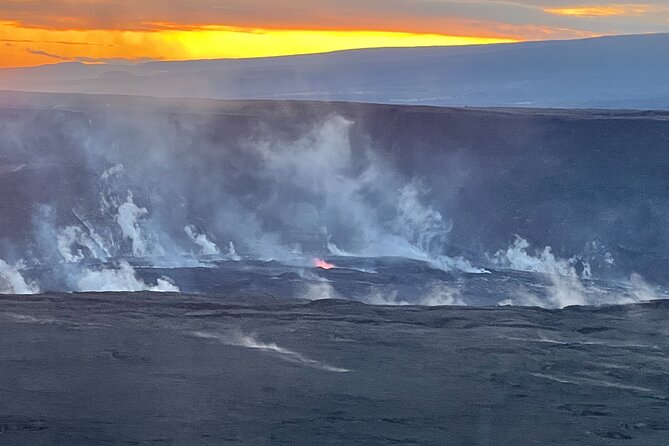
Kīlauea’s Halemaʻumaʻu Crater is the star here. This three-hour walk takes you down into a volcanic crater, past steaming ground and sulphur deposits, then through rainforest before reaching the crater floor. If conditions and volcanic activity line up, you may also see a lava lake or an eruption.
I like the small maximum group of 10, which gives guides such as Jennifer and Yvonne room to explain the volcano, plants, animals, and Hawaiian legends. I also like the practical gear: backpacks, trekking poles, jackets, and rain protection have all been useful on this route.
The main catch is the return climb. You need moderate fitness, and weather can change the mood quickly. One outing took place in steady rain, so bring a flexible attitude and expect the tour to be canceled or moved if conditions are poor.
Key points to know before you book
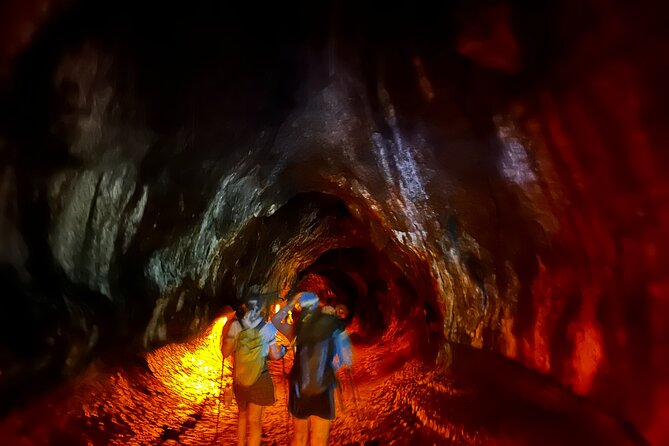
- Three hours inside Kīlauea: The route goes down into Halemaʻumaʻu Crater and returns to the Kīlauea Visitor Center.
- Steam vents and sulphur deposits: The first mile offers close views of volcanic ground and signs of heat below the surface.
- Rainforest in a crater: Tree ferns, ʻōhiʻa trees, and possible honeycreeper calls show how life adapts to volcanic soil.
- A guide-led nature walk: Jennifer and Yvonne are praised for explaining geology, flora, Hawaiian culture, and local legends.
- Gear is supplied: Backpacks and trekking poles are included, and guides may also provide jackets.
- Small-group value: With no more than 10 people, you get a more personal walk than on a large bus tour.
Walking down into Halemaʻumaʻu Crater
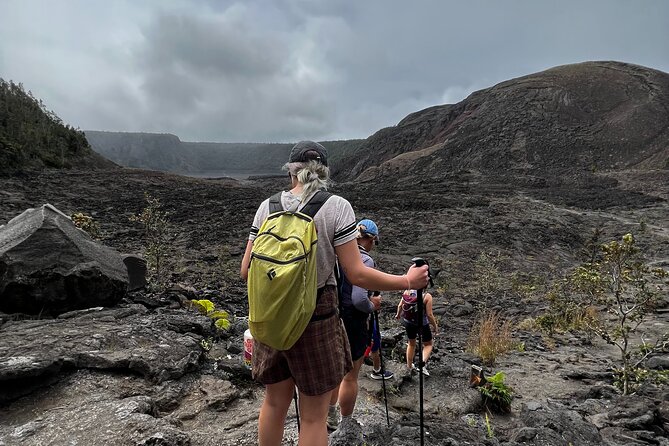
The appeal of this outing is simple: you do not just look at Kīlauea from a roadside viewpoint. You walk down into its crater, where volcanic features are part of the route rather than a distant backdrop.
The hike begins at the Kīlauea Visitor Center on Crater Rim Drive. From there, the path descends toward Halemaʻumaʻu Crater. The first mile is the most geologically dramatic part of the walk, with steam vents and sulphur deposits showing that this is still active volcanic ground.
That does not mean you should expect an eruption on demand. Kīlauea’s activity changes, and the visibility of lava depends on current conditions. The tour presents a chance to see a lava lake or an eruption, not a guarantee. That distinction matters when you are deciding if $120 is worthwhile.
The descent gives you a close look at the crater’s scale. It also creates the one physical issue you should take seriously: every step downhill must later be climbed back up. Trekking poles are included, which can help on the return and on uneven sections of the route.
More hiking & trekking on Big Island of Hawaii:
- Hidden Craters Hike of Kona
★ 5.0 · 156 reviews - Secret Tide Pool Hike – Jungle & Coast – Private
★ 4.5 · 92 reviews - Kilauea: Volcanoes National Park Guided Hike
★ 4.8 · 46 reviews
Steam vents and sulphur make the first mile special
Steam vents are among the best reasons to take this walk with a guide. You can see where heat escapes from the ground, and the sulphur deposits add color and texture to an otherwise stark volcanic setting.
A guide can give those features meaning instead of leaving you to wonder what you are seeing. Jennifer has been praised for explaining the volcano and the park’s plants, while Yvonne has also received strong praise for making the geology easy to follow. The value is not just getting from one point to another. It is understanding why the ground looks and behaves as it does.
Stay attentive to the route and follow the guide’s instructions. Volcanic areas are not ordinary hiking terrain, and the presence of steam is a reminder that the crater is an active natural system. The supplied information does not promise specific safety equipment beyond backpacks and trekking poles, so you should follow all directions closely.
This section is also where weather can have the greatest effect on your experience. Rain may soften the views and make the trail feel harder, though a good guide can still make the geology and setting worthwhile. The tour requires suitable weather and may be canceled if conditions are poor.
A rainforest growing inside volcanic ground
After the open volcanic features, the route continues through rainforest. That change is part of what makes this hike more interesting than a short crater overlook.
You may see tall tree ferns and ʻōhiʻa trees, with honeycreeper birds possibly calling from the forest. The plants are not just decoration. They show how life can return and adjust to ground shaped by eruptions, ash, heat, and changing soil.
Jennifer’s plant knowledge is one of the strongest reasons to choose this tour if you care about nature as much as geology. She has been praised for explaining the flora found throughout the park, and the tour also covers adaptations that help plants survive in the crater environment.
The forest section offers a welcome break from the exposed volcanic terrain, but it does not turn this into an easy stroll. You are still on a route that descends into and climbs out of a crater. If you have only a short time at Hawaiʻi Volcanoes National Park, this combination of rainforest and volcano lets you see two very different sides of the park in one outing.
Reaching the crater floor
The crater floor is the emotional high point of the route. You have walked down through steam vents and forest, then arrive at the broad volcanic basin below.
The views from this position can be striking, especially when the crater opens around you. One of the most memorable parts of the walk is simply being on the floor rather than looking down from the rim. The experience gives you a stronger sense of Kīlauea’s size and force.
The tour description highlights the Kīlauea lava lake as a major sight. Current volcanic conditions control what you can actually see, so treat this as a possible reward rather than the sole reason to book. An eruption may occur after your tour, as happened only a couple of hours after one outing, which is a useful reminder that volcanic timing is unpredictable.
If you do see active lava or an eruption, it can be a rare and powerful moment. If you do not, the crater itself, the steam, the sulphur, and the walk through changing plant life still form a full experience.
More volcano trips from Big Island of Hawaii:
- Big Island in a Day: Volcanoes Waterfalls Sightseeing and History
★ 5.0 · 6,569 reviews - Hilo Shore Excursion: Volcanoes National Park & Black Sand Beach
★ 4.5 · 2,338 reviews - Small Group Big Island Twilight Volcano and Stargazing Tour
★ 5.0 · 1,619 reviews - Big Island Highlights: Coffee, Volcano, Black Sands & Waterfall
★ 5.0 · 1,054 reviews
Views toward Kīlauea and Mauna Loa

The final part of the outing brings broad views across Kīlauea Crater, with Mauna Loa visible in the distance when conditions allow. This is where the scale of the island’s volcanic terrain comes together.
Visibility is not guaranteed. Rain and cloud can limit the view, and one highly rated outing took place in wet weather from start to finish. That does not make the experience worthless, but it does mean you should avoid booking this as a fixed, postcard-perfect sightseeing stop.
I would plan this walk with some flexibility. If the weather is clear, you may get the wide crater views that make the return climb feel well earned. If clouds close in, the guide’s explanations and the nearby volcanic features become more important.
What the guides add to the walk
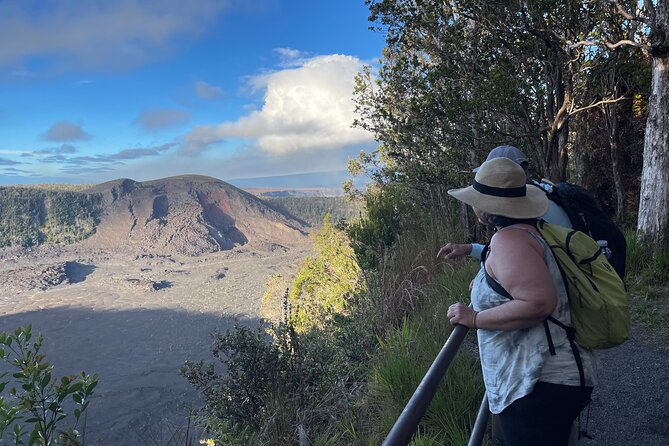
This is a guide-led experience, not simply a marked trail with a meeting time. The guide is the main source of context, and the strongest feedback centers on Jennifer and Yvonne.
Jennifer is described as organized, friendly, and clear. She covers volcano history, Hawaiian culture, legends, plants, and animals, which gives the walk more range than a geology-only tour. Yvonne is also praised for explaining what you see along the route.
That mix matters. Kīlauea is easier to appreciate when you connect the physical features with the living forest and the cultural stories of Hawaiʻi. The guide can also help you notice details you might pass without understanding, such as the difference between a steam vent and a simple wet patch or the way plants occupy volcanic ground.
The group limit of 10 is another advantage. It does not make the hike private, but it should make conversation easier and reduce the chance that you are lost in a crowd. Families have enjoyed the outing, and the guides have been especially well received for making the walk both educational and fun.
Backpacks, poles, and changing weather
The included gear adds real value. Backpacks and trekking poles are supplied, and a guide may have jackets available. One person specifically found the hiking sticks, jackets, and backpacks helpful, especially in wet conditions.
You should still dress for a hike and prepare for rain. The information provided does not list a detailed clothing checklist, so do not assume the supplied jacket replaces proper outdoor clothing. The route takes you down and back up, and moderate fitness is required.
The tour lasts about three hours, which is long enough to reach the crater floor without taking up an entire day. You return to the Kīlauea Visitor Center, so you do not need to arrange separate transportation from the end point.
Mobile ticketing and English-language guiding keep the booking simple. Confirmation is provided when you book. Because the group is capped at 10 and the activity is often booked well ahead, planning early makes sense, especially if your dates at the park are limited.
Is $120 a fair price?
At $120 per person, this is not the cheapest way to see Hawaiʻi Volcanoes National Park. You also need to budget for the park entrance fee, listed as $15 per person. The supplied details mention the $15 admission charge twice, so confirm the exact total when booking rather than assuming the tour price covers it.
The price makes more sense if you value interpretation and equipment. You are paying for a licensed guide, a small group, trekking poles, backpacks, and a three-hour route that reaches places you would not experience from a quick roadside stop.
It is less compelling if you mainly want a guaranteed eruption view. No guide can control volcanic activity or weather. You are paying for access to a well-explained hike through a remarkable volcanic setting, with active lava as a possible bonus.
I see the best value for people who would otherwise miss the meaning of the park’s steam vents, plant life, and crater formations. Families, curious first-time visitors, and hikers who prefer company and guidance should get more from the fee than confident walkers who only want a marked trail.
Who should book this Kīlauea hike?
Book it if you want to walk into the crater rather than simply photograph it from above. It suits you if you enjoy geology, native plants, Hawaiian culture, and stories tied to place.
It is also a good choice for families who want a structured outing, provided everyone can manage a moderate hike and the downhill route followed by the climb back up. The small group helps keep the experience personal.
Think twice if your schedule cannot handle a weather change. Poor weather can lead to a different date or a full refund, but a canceled tour will not solve a tight one-day plan. You should also reconsider if the return climb sounds uncomfortable or if you require a guaranteed lava sighting.
Free cancellation is available up to 24 hours before the start time. Cancellations or changes made inside that window are not refunded or accepted. If the minimum number of participants is not met, you can receive another option or a full refund.
Should you book it?
I would book this tour if your priority is a closer, better-explained look at Kīlauea. The combination of steam vents, sulphur deposits, crater-floor walking, rainforest, and possible views toward Mauna Loa gives you more than a standard overlook visit.
Go in with realistic expectations. The lava lake and eruption are not guaranteed, rain can change the views, and the route requires a real climb back to the rim. For $120 plus the park fee, the strongest value comes from the guide, the small group, and the chance to understand the volcano rather than merely see it.
FAQ
How long is the guided Kīlauea hike?
The hike lasts approximately three hours.
Where does the tour begin?
It begins at the Kīlauea Visitor Center, National Park, 1 Crater Rim Drive, Volcano, Hawaiʻi 96785.
Where does the hike finish?
The activity ends back at the Kīlauea Visitor Center meeting point.
Is the national park entrance fee included?
No. A $15 per-person park entrance or admission fee is listed separately from the tour price.
What equipment is provided?
Backpacks and trekking poles are included. Guides may also provide jackets, as noted in the tour information.
How many people can join the tour?
The maximum group size is 10 people.
What level of fitness do I need?
You should have a moderate level of physical fitness. The route descends into Kīlauea’s crater and requires a climb back out.
What happens if the weather is poor?
The experience requires good weather. If it is canceled because of poor conditions, you can choose another date or receive a full refund.
More National Parks on Big Island of Hawaii
- Big Island: Fat Tire E-Bike Tour through Volcanoes National Park
★ 5.0 · 546 reviews - Big Island, Hawaii: Volcanoes National Park Safari
★ 4.5 · 545 reviews - Small-Group Big Island Tour: Hawaii Volcanoes National Park and Kona Coffee Farm
★ 5.0 · 343 reviews - Volcano National Park Adventure From Kona
★ 5.0 · 339 reviews
Just added on Big Island of Hawaii
- Volcano National Park and Rainbow Fall in Hilo, Hawaii★ 5.0 · 53 reviews
- Volcanoes National Park Adventure Tour – Hilo Shore Excursion★ 4.5 · 104 reviews
- Volcanoes National Park and Hilo Private Tour★ 5.0 · 3 reviews
- Private VAN Tour Hilo★ 4.5 · 5 reviews
- Volcanoes Adventure Tour from Hilo★ 4.0 · 29 reviews
- Majestic Waterfall Tour★ 5.0 · 31 reviews
- Private Shore Excursion Hilo Volcanoes National Park up to 10 PPL★ 5.0 · 36 reviews
- 5 Hour Custom Private Tour of Hawaii★ 5.0 · 9 reviews
Volcanoes National Park Tours, compared.

Big Island in a Day: Volcanoes Waterfalls Sightseeing and History
Read our review →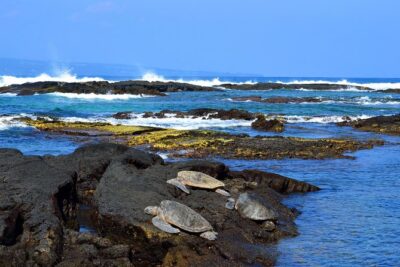
Hilo Shore Excursion: Volcanoes National Park & Black Sand Beach
Read our review →
Small Group Big Island Twilight Volcano and Stargazing Tour
Read our review →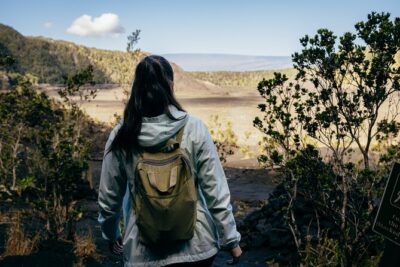
Big Island Highlights: Coffee, Volcano, Black Sands & Waterfall
Read our review →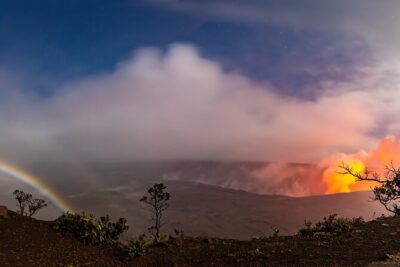
Deluxe Volcano Experience with Restaurant Dinner
Read our review →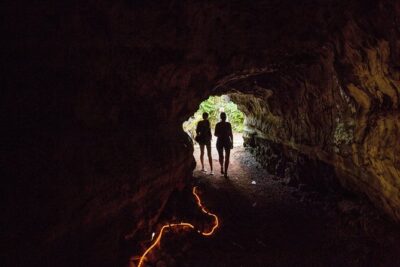
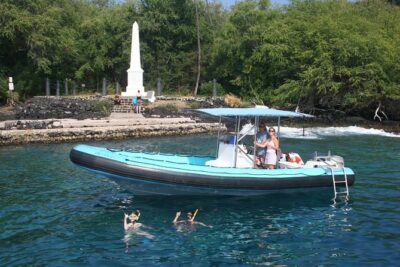
Captain Cook Snorkel Tour with Sea Caves and Lava Tubes
Read our review →
Fat Tire E-Bike Tour through Volcanoes National Park
Read our review →Browse the lists this tour appears in