
Reviewed · FARMS
Experience Our Honey Farm And Beekeeping Tour
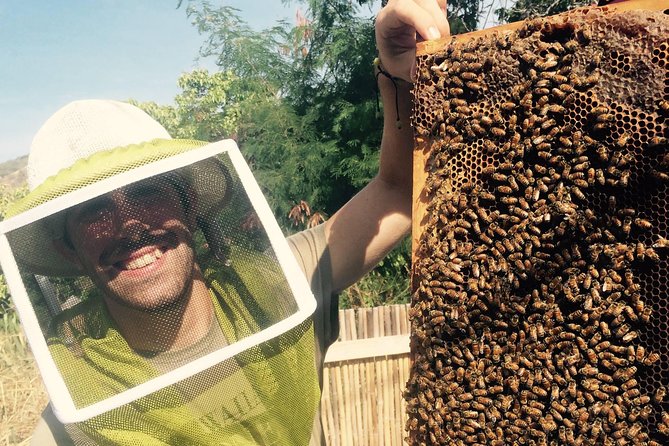
The most interesting part of this Big Island visit is the close look at working hives without putting you inside them. From a screened viewing area, you can watch the beekeeper handle the colonies and point out details such as the queen bee, while staying at a safe distance from the insects.
I like the guide-led format, especially when Joe is leading the session. His funny, lively teaching style helps children and adults follow the story of a bee colony. I also like the tasting: sampling several raw organic Hawaiian honeys gives you a clear sense of how honey can differ from one jar to the next.
The main consideration is that this is a small farm visit, not a long country tour. The presentation takes about 45 minutes to an hour, the location is somewhat remote, and anyone allergic to bee stings should skip the beekeeping portion and visit only the museum.
Key points to know before you go

- Watch active hives from behind a screen: You get a close look at beekeeping without wearing protective gear or standing in an open apiary.
- Joe brings the bees to life: His teaching mixes bee biology, pollination, hive management, and plenty of humor.
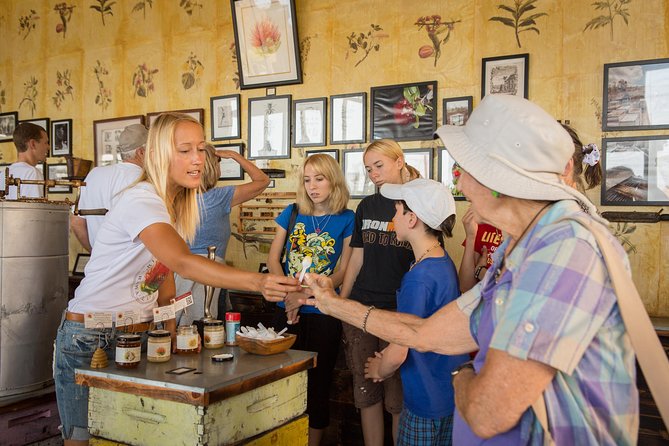
- Honey tasting is part of the visit: Sample raw organic Hawaiian honeys, then browse honey, beeswax goods, and other farm products.
- The group is small: The tour details list a maximum of eight people, making it easier to ask questions.
- Families have plenty to see: Children may spot the queen bee or even a bee emerging from its cell.
- Plan around the one-hour visit: It starts at 10:00 a.m. at 82-1140 Meli Road in Captain Cook and ends there.
A close look at bees near Captain Cook
Big Island Bees offers a compact, hands-on introduction to honey farming on Hawaii Island. You arrive at the farm at 82-1140 Meli Road in Captain Cook, then join the scheduled beekeeping presentation. The setting is practical rather than polished, which suits the subject. You are there to see how hives work, not to watch a staged show.
The tour is listed at 45 minutes to one hour, though some descriptions and experiences place the full visit closer to 1.5 hours when time in the museum, shop, tasting area, or video presentation is included. I would allow at least an hour and avoid scheduling another activity immediately afterward.
The key feature is the screened area beside the hives. You are close enough to see the beekeeper work and observe the bees moving around the colony, but you remain separated from the insects. Some demonstrations involve the beekeeper shaking bees from the screen or handling the hive without the face netting you might expect.
That can look startling, especially when you are only a few feet away. The point is not to encourage careless contact with bees. It is to show how an experienced beekeeper reads a hive and works calmly around it.
Other coffee and chocolate farms to visit on Big Island of Hawaii:
- Big Island Highlights: Coffee, Volcano, Black Sands & Waterfall
★ 5.0 · 1,054 reviews - Hawaiian Salt Farm Tour in Kona
★ 5.0 · 767 reviews - Award Winning Farm Tour: Coffee, Chocolate and Unique Gifts
★ 5.0 · 484 reviews
Joe’s lively lesson on the hive
The guide is a big part of the experience. Joe is often singled out for his ability to explain bee life in plain language, answer questions, and keep a family group involved. His humor can be broad at times, so if you prefer a quiet scientific lecture, the style may feel a little energetic.
For most people, though, the humor helps. Bees can seem intimidating or confusing when you only see them buzzing around a picnic. A good explanation turns the colony into a social system with different jobs, stages of life, and ways of communicating.
You learn about the bee life cycle, pollination, the role of the queen, and the work involved in caring for hives. The presentation also connects bees to the wider food system. That is useful context for children, since the visit is not only about honey in a jar. It explains why bees matter to plants, farms, and ecosystems.
Joe has also been able to answer questions from very young children, including a six-year-old, while keeping older family members interested. That makes the experience a good fit for mixed-age groups. A child who arrives nervous about bees may leave with a more sensible understanding of them, though the tour is not suitable for anyone with a bee-sting allergy.
Seeing the queen and the working colony
A highlight is the chance to see the queen bee. She may be pointed out within the hive, giving you a rare look at the insect that anchors the colony’s reproductive cycle. You may also see a bee being born or emerging from its cell, depending on what is happening in the hive during your visit.
These moments cannot be guaranteed, since the farm is showing a living colony rather than staging a performance. That uncertainty is part of the value. You are looking at an active farm operation, and the bees set the schedule.
The screened viewing area also helps you understand scale. A hive is not an abstract box described in a textbook. It is a busy working structure, and the beekeeper can show you how the bees use it. You will not be suiting up for an extended session of handling frames, but you will get a clear look at the work.
Anyone who is afraid of bees should think carefully before booking. The experience is designed to be safe, but you are still near live hives. The farm specifically advises people allergic to bee stings not to take the tour. Those visitors can still visit the museum instead.
Raw Hawaiian honey is the tasty lesson
The tasting room gives the visit a strong finish. You can sample raw organic Hawaiian honeys and compare their flavors before deciding what to buy. Tasting several types side by side is more useful than simply being told that local honey tastes different.
The samples also make the biology easier to understand. Honey reflects the flowers available to the bees, and a tasting gives you a direct reason to pay attention to what the bees are collecting. It turns the lesson into something you can taste.
Tea and snacks are available in addition to the honey samples. Lunch is not included, so treat the farm as a morning stop rather than a meal destination. If you need a substantial lunch, plan it separately.
The store is worth leaving time for. It carries honey, beeswax products, beekeeping memorabilia, and other farm goods. The ice cream receives particular praise, though the supplied details do not specify every flavor or whether it is available at all times. If you enjoy food souvenirs, this is a better place to buy something connected to the island than a generic gift shop.
Same island, a different kind of day:
- Big Island in a Day: Volcanoes Waterfalls Sightseeing and History
★ 5.0 · 6,569 reviews - Big Island Manta Ray Night Snorkel
★ 5.0 · 5,656 reviews - Big Island: Kona Manta Ray Snorkel Tour in Keauhou Harbor
★ 4.5 · 2,465 reviews - Hilo Shore Excursion: Volcanoes National Park & Black Sand Beach
★ 4.5 · 2,338 reviews
A small group makes questions easier
The tour information lists a maximum of eight people. That is a useful size for a subject like beekeeping, since you can see the demonstration and ask questions without shouting across a large crowd.
There is also a reference to groups limited to 18 people, but the more specific additional information gives a maximum of eight travelers. I would plan on the smaller figure for this scheduled activity.
A small group matters most during the hive demonstration. You can ask about the queen, bee behavior, honey production, or pollination and get an answer from the guide. Children also have a better chance of seeing what the beekeeper is pointing out.
The tour is offered in English. Confirmation arrives when you book, and mobile tickets are accepted. The activity starts at 10:00 a.m. and returns to the same meeting point, so you do not need to arrange a separate end location.
Museum time, shop browsing, and the remote setting
The beekeeping tour is only one part of the farm. You can also visit the museum and explore displays about bees and beekeeping. A video presentation may be included in the wider visit, adding a broader look at bees around the world and their role in the environment.
The museum is the best alternative for anyone who cannot take the hive portion. It also gives you a little more freedom if one member of your group wants to learn while another would rather avoid the hives.
The location is somewhat remote, and restroom facilities are limited. That is a small but useful planning point. Use a restroom before arrival if possible, especially if you are visiting with young children.
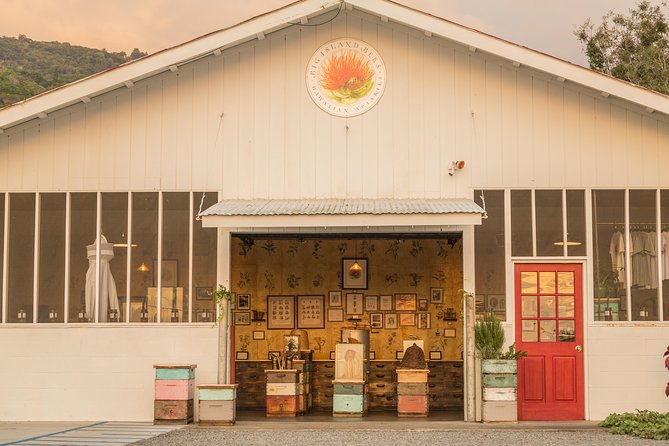
This is not a resort-style attraction with a long list of amenities. It is a working honey farm, museum, tasting room, and shop. I see that as part of its appeal, but you should set your expectations accordingly. The visit works best when you are curious about food production, animals, and the people who care for them.
Is the $30 price good value?
At $30 per person, I consider this a fair price for a guided farm experience, especially if you take time for the tasting, museum, and shop. You are not paying only for a quick sample of honey. The fee supports a structured explanation of beekeeping, access to a screened hive demonstration, and a chance to ask questions directly.
The value is strongest for families, couples, and anyone who enjoys small agricultural businesses. A child can learn how bees live and work, while an adult may come away with a better understanding of pollination and honey production.
The value is weaker if you are looking for a full-day activity or a large working-farm tour. The scheduled portion is short, and lunch is not included. You should also factor in the drive to Captain Cook if the farm is far from where you are staying.
Kamaaina pricing improves the deal for Hawaii residents. Adults age 19 and older pay $20 with a valid Hawaii State ID, while residents ages 13 to 18 pay $10. The stated standard price is $30 per person.
Who will enjoy this Big Island farm visit?
I would recommend it to families with children, food-focused visitors, garden lovers, and anyone curious about how a small farm operates. It also works well for people who want an educational morning stop rather than another beach or sightseeing outing.
The experience suits you particularly well if you like asking questions. The guide’s energy and the small group format reward curiosity. You can ask about bee behavior, the queen, pollination, honey, or the practical side of keeping hives.
It may not suit you if you have a serious bee-sting allergy, dislike being near insects, or need a full meal included. The farm itself advises people allergic to bee stings not to join the tour. Visit the museum only if you want to avoid the hive area.
The humor is another personal preference. Joe’s style is warm and playful, but sometimes a little over the top. Most families will find that it keeps the session moving. A visitor seeking a strictly formal lecture may prefer a quieter setting.
Booking, weather, and practical details
Book ahead if this is important to your plans. The experience is commonly reserved about 43 days in advance, and reservations are strongly recommended for the beekeeping tour.
Free cancellation is available if you cancel at least 24 hours before the local start time. Changes or cancellations made later are not accepted for a refund. The activity requires good weather, so a weather cancellation brings the choice of another date or a full refund.
Service animals are allowed, and most people can participate. The tour is offered in English only. Since the activity ends back at 82-1140 Meli Road, plan your driving route around the return to the farm.
I would arrive ready for a working agricultural site: comfortable clothing, sensible shoes, and a willingness to stand near hives behind a screen. The supplied information does not list a required dress code, so you should follow the farm’s instructions on arrival.
Should you book Big Island Bees?
Book this tour if you want a short, personal look at beekeeping with a funny guide, a real hive demonstration, and a generous honey tasting. The chance to see the queen or a newly emerging bee adds a memorable touch, though neither can be promised.
I especially recommend it for families who want an activity with substance. You get a lesson in ecology, food production, and animal care, plus a shop filled with useful souvenirs. Just remember that the farm is remote, restroom facilities are limited, lunch is not included, and people allergic to bee stings should choose the museum instead.
For $30, it is a good-value Big Island stop when you are already near Captain Cook and have an hour to spare.
FAQ
Where does the honey farm tour start?
The tour starts at 82-1140 Meli Road, Captain Cook, Hawaii 96704.
What time does the tour begin?
The scheduled start time is 10:00 a.m.
How long does the experience last?
The beekeeping portion lasts about 45 minutes to one hour. Allow extra time if you also visit the museum, tasting room, or shop.
What is included in the tour?
The experience includes a guided beekeeping visit and honey samples. Tea and snacks are available in addition to the samples.
Is lunch included?
No. Lunch is not included, although tea and snacks are available.
Can people with bee-sting allergies take the tour?
No. People allergic to bee stings should not take the beekeeping tour. They can visit the museum instead.
How many people can join the activity?
The additional tour information lists a maximum of eight people. The experience details also describe small groups for a more personal visit.
Can I cancel for a refund?
Yes. You can cancel at least 24 hours before the start time for a full refund. If poor weather causes the farm to cancel, you can receive a full refund or choose another date.
Just added on Big Island of Hawaii
- Volcano National Park and Rainbow Fall in Hilo, Hawaii★ 5.0 · 53 reviews
- Volcanoes National Park Adventure Tour – Hilo Shore Excursion★ 4.5 · 104 reviews
- Volcanoes National Park and Hilo Private Tour★ 5.0 · 3 reviews
- Private VAN Tour Hilo★ 4.5 · 5 reviews
- Volcanoes Adventure Tour from Hilo★ 4.0 · 29 reviews
- Majestic Waterfall Tour★ 5.0 · 31 reviews
- Private Shore Excursion Hilo Volcanoes National Park up to 10 PPL★ 5.0 · 36 reviews
- 5 Hour Custom Private Tour of Hawaii★ 5.0 · 9 reviews
Farms, compared.

Oahu’s Ultimate Tour: Dole, Turtle Snorkel, Pali Lookout & More
Read our review →
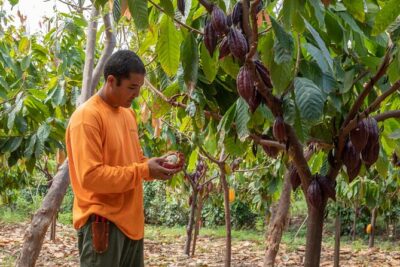
Maui Ku’ia Estate Guided Cacao Farm Tour and Tasting
Read our review →
Big Island Highlights: Coffee, Volcano, Black Sands & Waterfall
Read our review →
Road to Hana Adventure with Farm to Table Lunch
Read our review →
Pearl Harbor, Dole Plantation, and Polynesian Center from Waikiki
Read our review →
Princeville Botanical Gardens Tour and Chocolate Tasting Ticket
Read our review →
Browse the lists this tour appears in