
Reviewed · TROLLEY & ATTRACTION PASSES
Waikiki Trolley Red Line Heroes & Legends Hop-on Hop-off Tour
The most useful thing about this trolley is the way it connects Waikiki with historic Honolulu in one ride. You pass the Duke Kahanamoku statue, the State Capitol, Punchbowl Crater, Chinatown, Aloha Tower, and Kakaʻako without sorting out Honolulu’s bus system on your first day.
I like the broad sweep of the route and the live stories from drivers such as Sam, Chuck, Big Tony, Chico, Turk, and Kie. I also like the chance to hop off for the Honolulu Museum of Art, Foster Botanical Garden, or Chinatown. The catch is important: buses may be crowded, pickup spots can be hard to find, and the next trolley may be about an hour away.
- A useful first-day orientation: Connects Waikiki, downtown Honolulu, Chinatown, Punchbowl, and Kakaʻako.
- Fourteen notable stops: Includes the State Capitol, King Kamehameha Statue, Aloha Tower, and Ala Moana Regional Park.
- Live local commentary: Guides explain Hawaiian monarchy, culture, World War II, and city landmarks.
- Open-air sightseeing: The trolley gives you a pleasant city ride, though wind and engine noise can affect what you hear.
- Good value for a short visit: At $35, it can replace several separate rides, but only if the schedule works for you.
- Plan around delays: Some rides take about two hours, and a full hop-on day needs patience.
What the Red Line Does Best
This is a city orientation ride, not a fast taxi and not a full-island tour. The Red Line traces a useful path from Waikiki into central Honolulu, then loops through Chinatown, the harbor, Kakaʻako, and Ala Moana.
I find that route valuable because Waikiki can make Oahu feel like a beach resort with a few hotels behind it. The trolley gives you a wider picture. You see government buildings, memorial sites, old religious institutions, shopping districts, working harbor areas, and newer art and food districts in the same outing.
The experience is listed at about 1 hour 20 minutes, but actual rides can run closer to two hours because of traffic and the number of stops. If you stay on board, that makes it a relaxed city circuit. If you hop off, budget much more time, since the next trolley may not arrive quickly.
The open-air setup adds to the fun. You get a breeze and a better sense of the streets than you do from a sealed coach. It also brings two drawbacks: wind can drown out commentary, and the engine can be loud, especially toward the back. Sit where you can hear the driver, and keep your expectations practical rather than treating every spoken detail as a perfectly clear audio presentation.
Waikiki Starts With Surf Culture and Easy Orientation
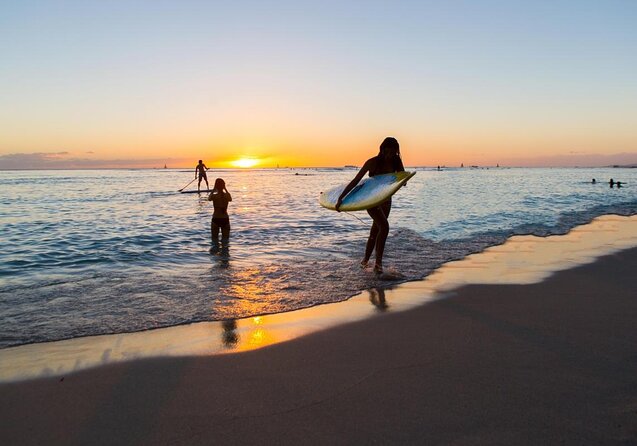
The usual starting point is Waikiki Shopping Plaza. This is a convenient place to begin if you are staying in central Waikiki, and it puts you near the resort district’s shops, restaurants, and busy hotel streets.
The next stop is the Duke Paoa Kahanamoku Statue. Duke was a famous Hawaiian swimmer and surfer, and the statue is one of Waikiki’s best-known meeting points. Even if you do not get off, the stop helps place you in the story of Waikiki as a center of surfing and Hawaiian beach culture.
The Twin Fin Hotel follows on the route. This stop is useful mainly as a Waikiki connection point. If you are staying nearby, check carefully for the trolley marker rather than assuming the hotel entrance is the exact boarding spot.
The early part of the ride is a good time to listen and get oriented. You will not see every corner of Waikiki, but you will understand how the resort strip connects with the older and more civic parts of Honolulu.
Other passes worth buying on Oahu:
- Waikiki Trolley Hop-On Hop-Off Tour of Honolulu
★ 4.5 · 4,783 reviews - Waikiki Trolley Blue Line Coastline & Local Grindz Hop-on Hop-off
★ 5.0 · 4,159 reviews - Oahu: Waikiki Trolley Hop-on Hop-off All-Line Pass
★ 4.4 · 810 reviews
Honolulu Museum of Art Adds a Worthwhile Stop
The Honolulu Museum of Art, or HoMA, is one of the more rewarding hop-off choices for visitors who want a break from streets and memorials. The stop gives you access to a serious art institution in the middle of the city route.
One practical warning matters here: the museum is closed on Monday and Tuesday. Check the day before planning your entire trolley schedule around it. If you are visiting on one of those days, stay on board or choose another stop instead.
The museum is not a quick photo stop. If you want to visit properly, the trolley’s loose hop-on format can work well, but the uncertain wait for the next bus means you should not plan a tight chain of appointments afterward.
The State Capitol and Punchbowl Explain Honolulu’s Past
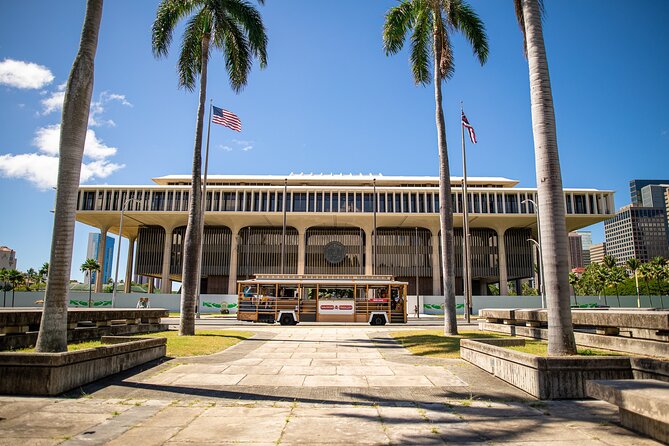
The Hawaii State Capitol is one of the route’s strongest sightseeing stops. Its broad civic setting gives the guide room to explain Hawaii’s government and the transition from monarchy to statehood.
This is where the live commentary earns its $35 price more than a simple transfer bus would. Guides have explained Hawaiian royalty, local culture, and major events including World War II. The quality depends on the driver, but the better guides turn ordinary buildings into useful context.
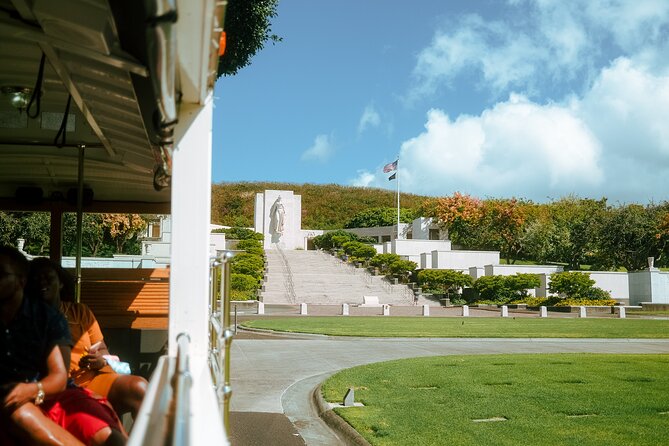
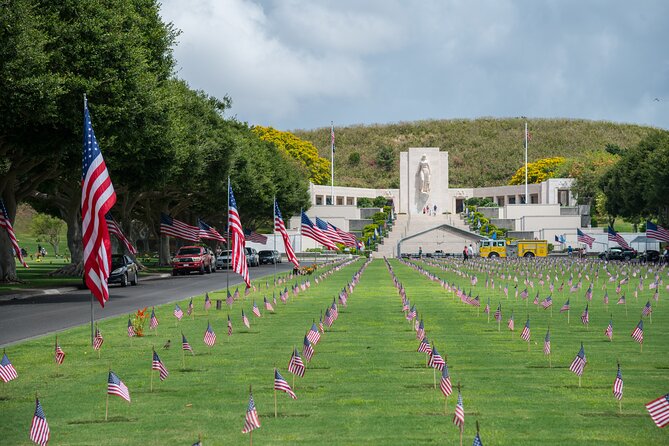
The next stop reaches the National Memorial Cemetery of the Pacific at Punchbowl Crater. This is often the emotional high point of the route. The cemetery sits inside a volcanic crater, and its memorial setting is quiet, formal, and very different from Waikiki’s commercial streets.
Give this stop the respect and time it deserves. It is not just a scenic overlook or a quick camera pause. The cemetery connects Honolulu with American military history and the Pacific theater. The route information identifies Punchbowl Crater with the cemetery stop, so you should allow for both the memorial setting and the time needed to take it in.
Foster Botanical Garden Brings a Quieter Change of Pace
Foster Botanical Garden gives you another reason to get off. After Waikiki hotels, traffic, government buildings, and memorials, a garden stop changes the rhythm of the day.
The provided route does not specify how long to spend there or detail the garden’s collections, so I would treat this as a flexible stop rather than promise a particular program. If you like plants, quiet paths, and a slower hour between trolley rides, it is a sensible choice.
The practical problem is timing. The next trolley may not come soon, and the route can be affected by traffic. If your priority is simply to see the whole circuit, remain on board. If you want a calm pause, accept that you may spend a substantial part of the afternoon here.
Same island, a different kind of day:
- Oahu Grand Circle Island and Haleiwa Tour: 9-Hr Deluxe Experience
★ 5.0 · 17,387 reviews - Oahu: Grand Tour Around Island 16 Locations plus Snorkeling
★ 5.0 · 8,669 reviews - Parasailing Experience in Waikiki, HI
★ 5.0 · 7,692 reviews - Salute to Pearl Harbor Including USS Arizona
★ 4.5 · 7,433 reviews
Izumo Taishakyo Mission and Royal Kitchen Add Local Character
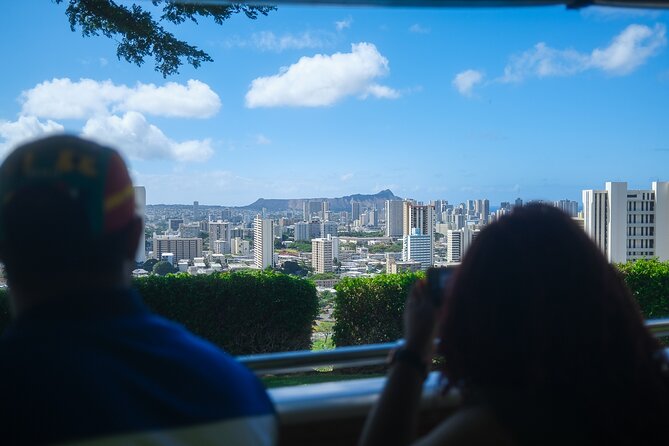
The Izumo Taishakyo Mission of Hawaii and Royal Kitchen stop offers a glimpse of Honolulu beyond the usual royal and military landmarks. A religious mission and a local food reference make this section feel less like a checklist of major monuments.
This is a useful reminder that Honolulu is not one single tourist district. The city includes long-standing cultural communities, local institutions, historic buildings, and everyday places that do not fit neatly into a beach holiday.
You should listen closely to the driver here, since the value comes mainly from the explanation. Wind, road noise, and the open-air trolley can make some details difficult to catch. A seat toward the front usually gives you a better chance of hearing the commentary.
Chinatown and Downtown Need a Clear Plan
The Chinatown stop brings you into a district with restaurants, shops, historic streets, and the Hawaii Theatre. It is one of the best places to hop off if you want food or a change from Waikiki’s hotel zone.
Chinatown can feel rougher and more worn than Waikiki. That contrast is part of seeing the real city, but it also means you should know what kind of stop you are choosing. This is not a polished resort promenade. It is an urban district with more edge, and some visitors may prefer a short visit rather than a long wander.
Downtown Honolulu is close by, and the Hawaii Theatre gives the area an important cultural marker. The trolley commentary helps tie the streets together, particularly if you do not know why certain buildings matter.
Pickup instructions are not always obvious at city stops. Look for the trolley sign, ask a local representative when one is present, and confirm the direction before walking away. At some places, especially around Ala Moana, unclear boarding points have caused avoidable confusion.
King Kamehameha and Aloha Tower Mark the Harbor Core
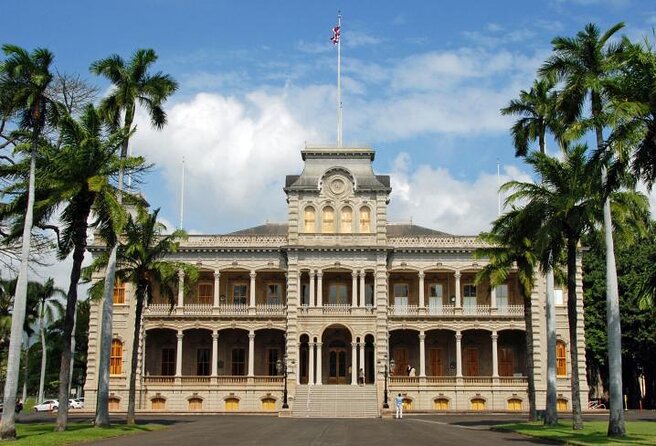
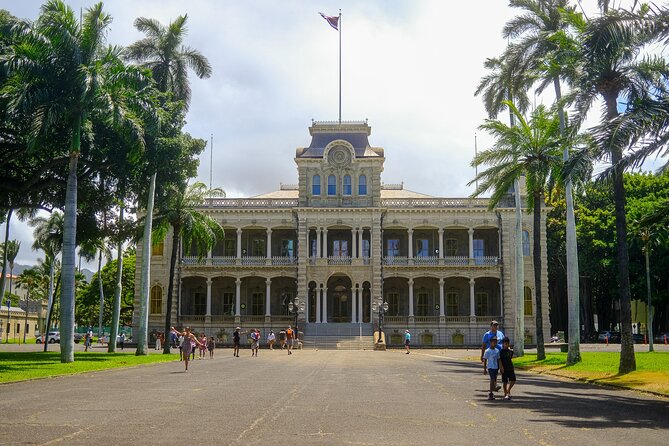
The King Kamehameha Statue is one of Honolulu’s essential photo stops. The statue sits near important civic and historic buildings, and the guide uses it to discuss Hawaii’s monarchy and the kingdom’s past.
This stop pairs naturally with the State Capitol. If you want the strongest royal and government portion of the route, pay attention during both sections rather than treating them as separate photo opportunities.
Aloha Tower Marketplace and Honolulu Harbor come next. The route includes a brief sightseeing break here, making it a good place to stretch your legs and take in the harbor setting.
Aloha Tower also helps explain Honolulu as a port city. You can see how different this part of town feels from Waikiki, where the focus is beaches and hotels. The break is brief, so do not count on a long meal or an extended shopping visit unless the schedule gives you enough time.
Kakaʻako and Ala Moana Finish the City Loop
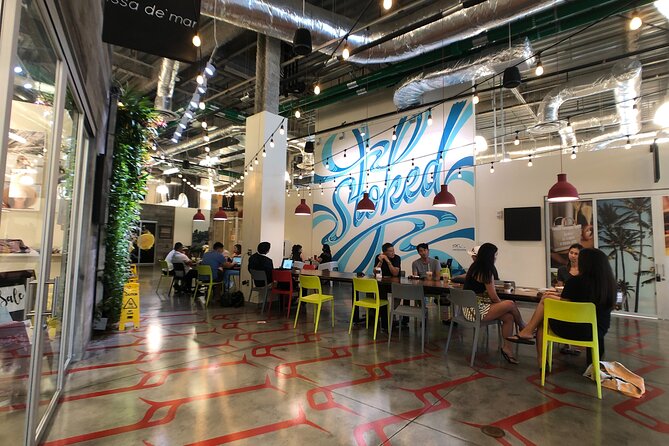
SALT at Our Kakaʻako and Ward Centre show a newer side of Honolulu. These stops shift the focus toward shopping, food, and the changing character of the city.
Kakaʻako is especially useful if you want to compare areas before deciding where to return later. The route gives you an overview, not a detailed neighborhood walk, so note what catches your eye and come back independently if you have time.
Ala Moana Regional Park closes the route. It offers a different setting from the commercial mall area, and the stop can work well if you want open space near the water. Be precise about which Ala Moana stop you need. The park and Ala Moana shopping area are not interchangeable pickup points, and unclear signs have caused people to miss the trolley.
The Guides Can Make or Break the Ride
The strongest part of this experience is the driver-guide. Sam has been praised for making the ride educational and restful. Chuck has brought humor and clear explanations. Big Tony has focused on Hawaiian heroes and legends, while Chico has been especially appreciated for his pronunciation of Hawaiian names and his willingness to help with photos.
Turk has delivered a lively ride with useful comments around Chinatown. Kie has been praised for clear instructions and helpful timing on a broader Honolulu visit. You will not know which guide you get in advance, so the experience can vary.
The common thread is live narration rather than a recorded script. That lets the driver point out buildings and explain local details as you pass. It also means the sound system matters. Some rides have had loud engine noise, and open-air wind can make parts of the commentary hard to understand.
Timing, Seats, and Pickup Points Matter
The biggest weakness is not the route. It is the operation of a hop-on service in a busy city.
A trolley can arrive late, fill up, or pass a stop if there is no room. Some riders have waited about an hour between buses. One ride began roughly 45 minutes late, while another was so crowded that a passenger had to stand for part of the journey. That is a serious issue if you have limited mobility or simply expect a guaranteed seat.
The wooden seats can also become uncomfortable, and crowding may prevent a clear view from both sides of the trolley. The open design is pleasant when you have a good seat, less so when you are standing or trying to hear over the motor.
Pickup signs are another weak point. At a major stop such as Ala Moana Regional Park, you may need to confirm exactly where the trolley boards. Do not leave the curb without checking the stop marker and direction.
If you need to reach a timed event, do not use the Red Line as your only transport plan. Traffic, a parade, a late departure, or a full trolley can disrupt the schedule. The service is best when you have spare time.
Is $35 a Fair Price?
At $35 per person, the Red Line is reasonably priced for a guided introduction to Honolulu, especially if you would otherwise pay for several separate rides. You also get a broad route and the ability to hop off at multiple points.
The value drops if you stay on a crowded trolley, cannot hear the narration, or wait a long time for the next bus. Honolulu’s regular city bus service costs less, and it covers more of the island, but it requires more planning and does not provide the same sightseeing commentary.
I would pay for the Red Line when I want an easy first look at Honolulu and have no urgent schedule. I would skip it if I need precise departure times, guaranteed seating, or the cheapest possible transport.
The experience is offered in English, uses a mobile ticket, and generally suits most participants. Service animals are allowed, and the route is near public transportation. The stated operating hours are 8:00 a.m. to 4:00 p.m., Monday through Sunday, though the practical sightseeing time depends on traffic and trolley availability.
The booking is non-refundable and cannot be changed after purchase, so make sure your day is settled before paying.
Who Should Book the Red Line?
I recommend it most for first-time visitors who want to understand Honolulu before choosing where to spend the rest of their holiday. It also suits anyone with a free afternoon, families who like a narrated ride, and people who want a break from the water.
It is especially useful on day one. You can see the major districts, note the places that deserve a second visit, and learn how Waikiki relates to downtown and the harbor.
I would be cautious if you are caring for someone who cannot stand for long, if you have a strict appointment, or if you dislike waiting. You should also think twice if you are already taking a detailed Pearl Harbor tour, since parts of the military and World War II commentary may overlap.
My Verdict on the Waikiki Red Line
Book this trolley if your goal is a friendly, broad introduction to Honolulu rather than a perfectly timed transport service. The route covers a lot, the live guides can be funny and well informed, and the move from Waikiki to Punchbowl, Chinatown, Aloha Tower, and Kakaʻako gives you a much fuller sense of Oahu’s capital.
Go early, confirm every pickup point, expect possible delays, and avoid stacking the ride against a reservation. If you can accept those limits, $35 buys a useful city overview with real local context. If you need low-cost transport or strict reliability, use Honolulu’s city bus instead.
FAQ
How long does the Waikiki Trolley Red Line tour take?
The listed duration is approximately 1 hour 20 minutes. Actual rides can take closer to two hours because of traffic and the stops along the route.
Can I get on and off the trolley?
Yes. The Red Line is designed for hop-on, hop-off sightseeing, allowing you to leave at stops and board again later. Allow extra time because the next trolley may be about an hour away.
What places does the Red Line visit?
Stops include Waikiki Shopping Plaza, the Duke Kahanamoku Statue, the Honolulu Museum of Art, Hawaii State Capitol, National Memorial Cemetery of the Pacific at Punchbowl Crater, Foster Botanical Garden, Chinatown, King Kamehameha Statue, Aloha Tower Marketplace, SALT at Our Kakaʻako, Ward Centre, and Ala Moana Regional Park.
Is the tour offered in English?
Yes. The experience is offered in English, with live commentary from the driver-guide.
What are the operating hours?
The stated operating hours are 8:00 a.m. to 4:00 p.m., Monday through Sunday, for the listed operating period from January 1, 2024, through December 10, 2026.
Is the Honolulu Museum of Art open every day?
No. The Honolulu Museum of Art is closed on Monday and Tuesday, so plan your hop-off visit for another day.
How much does the tour cost?
The price is $35 per person. The ticket is mobile, and the experience is non-refundable and cannot be changed after booking.
Just added on Oahu
- Big Island Hawaii Volcano Day tour from Oahu and Hotel PU★ 4.8 · 29 reviews
- Best of Oahu in One Day★ 4.9 · 11 reviews
- Oahu: Beauty and the Feast Circle Island Experience★ 4.6 · 83 reviews
- Amazing Circle Island Tour★ 4.4 · 4 reviews
- Arrival Lei Greeting –HNL to Waikiki Private Transfer★ 5.0 · 3 reviews
- Oahu: Waikiki 2-Hour Semi-Private Surfing Lesson★ 4.9 · 5 reviews
- (2nd)Diamond Head Hike w/ Malasada Starts at 7:00 a.m.★ 3.3 · 3 reviews
- Oahu: Waikiki 2-Hour Beginner Group Surf Lesson★ 4.9 · 191 reviews
Trolley & Attraction Passes, compared.
Waikiki Trolley Hop-On Hop-Off Tour of Honolulu
Read our review →
Waikiki Trolley Blue Line Coastline & Local Grindz Hop-on Hop-off
Read our review →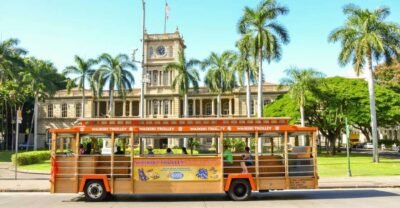

Waikiki Trolley Green Line Diamond Head Shuttle
Read our review →
Go City: Oahu All-Inclusive Pass with over 45 Things To Do
Read our review →Browse the lists this tour appears in