
Reviewed · ROAD TO HANA TOURS
Maui: Famous Road to Hana Waterfalls and Lunch by Mercedes Van
The best part of this Road to Hana tour is simple: you can watch Maui’s rainforest and coast instead of gripping a steering wheel through hundreds of curves. Your driver handles the narrow bridges and steep turns while sharing Hawaiian stories, plant lore, and local history.
I like two things especially. First, the route includes the big-ticket sights, from Ho‘okipa Beach and Keʻanae to Waiʻānapanapa’s black sand shore. Second, the small Mercedes Sprinter van keeps the day more personal than a large coach tour. The main drawback is the length. Ten hours is a serious day, and the road can be rough on anyone prone to motion sickness.
Key points to know before booking
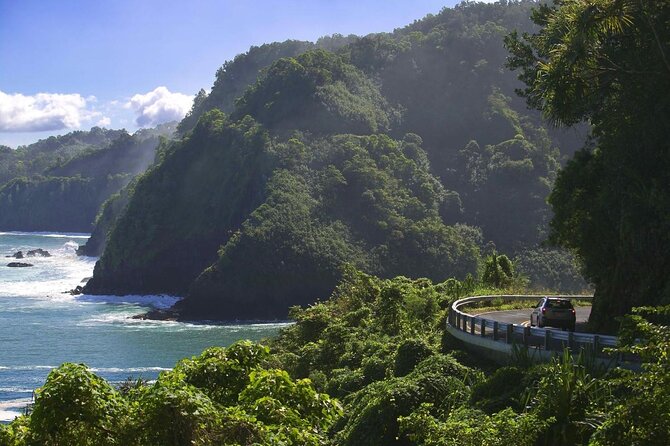
- Hundreds of curves and one-lane bridges: The drive includes roughly 617 to 640 curves and about 56 to 59 single-lane bridges, depending on how the route is counted.
- A full day from early morning: Pickup begins around 5:45 or 6:00 a.m., with the tour lasting about 9 to 10 hours.
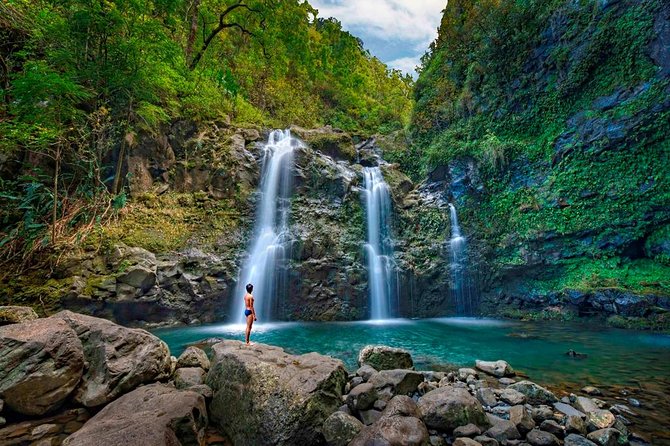
- Waterfalls and swimming stops: Puaʻa Kaʻa State Park offers time near a waterfall and pool, though water levels and weather vary.
- Waiʻānapanapa is a major highlight: You get about an hour at Maui’s famous black sand beach and volcanic coast.
- Local food is included: Lunch is a picnic-style ham, turkey, or veggie sandwich, plus snacks, water, cane juice, and pastries.
- Guide quality matters: Marty, Roger, Quinn, Dom, Brian, and others have been singled out for safe driving, storytelling, and care with the group.
Why riding the Road to Hana makes sense
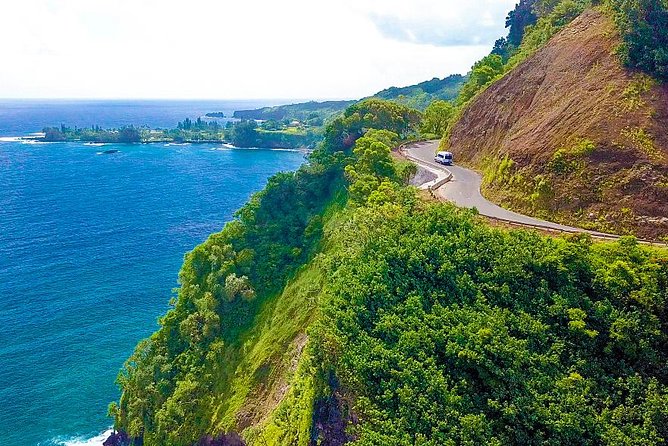
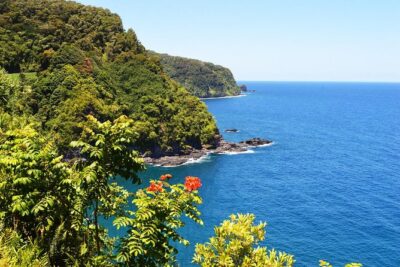
The Hana Highway is not difficult because it is long alone. It is difficult because it keeps twisting. The route follows Maui’s northeastern coast through rainforest, valleys, bridges, waterfalls, and small communities. You may be concentrating so hard on the road that you miss the very scenery you came to see.
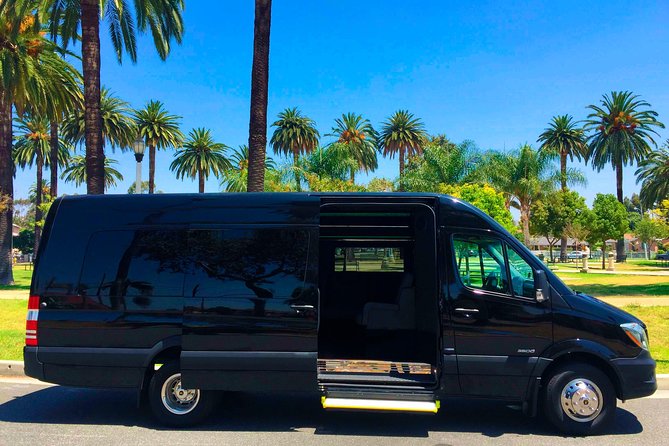
This tour solves that problem with a driver at the wheel. You sit in an air-conditioned Mercedes Sprinter van, look out the windows, and get out at selected viewpoints and swimming stops. That is a real advantage if this is your first visit to Maui or if you are uneasy on narrow roads.
The group is limited to 14 people. That is small enough for a guide to keep track of everyone, though the van can feel full when every seat is occupied. The ride is comfortable, but this is still a vehicle traveling over a winding mountain road. If you need a lot of personal space or dislike long drives, consider that carefully.
The guide also gives the drive meaning. Strong guides such as Marty, Roger, Quinn, and Dom have been praised for explaining Hawaiian culture, plants, animals, legends, and the island’s past. That commentary is more useful here than a stream of random facts. The road passes through places where farming traditions, taro cultivation, and local stories remain part of daily life.
More waterfall tours on Maui:
- Small Group Waterfall and Rainforest Hiking Adventure on Maui
★ 5.0 · 1,417 reviews - Rainforest Tour to Hana and Beyond
★ 5.0 · 864 reviews - West Maui Mountain Waterfall and Ocean Tour via Horseback
★ 5.0 · 845 reviews
Early pickup and the long ride east
The day starts early, often before sunrise. Pickup times vary by hotel and area. Resorts around Kā‘anapali commonly have pickups between 5:45 and 6:00 a.m. Wailea and Kihei pickup is listed at 6:00 a.m., while some meeting points in Wailuku and Kahului are later.
If your lodging is not on the pickup list, you may need to meet the van. People staying in Napili-Honokowai, Kahana, or Kapalua are directed to Lahaina Cannery Mall at 6:00 a.m. Some South Maui and Upcountry locations also use designated meeting points. Confirm this before booking, since pickup arrangements have occasionally required repeated confirmation or a change of meeting place.
The first stretch heads toward Paʻia, an old sugar plantation town now filled with galleries, small shops, and restaurants. You may not get a long visit here, but it helps explain how Maui changed from a plantation economy to the island communities you see today.
From there, the highway begins to feel more remote. The route includes about 64 miles of coastal road, though the exact count of curves and bridges varies by description. The road’s old concrete and steel bridges date in many cases to the early twentieth century. They are narrow, often one lane, and part of what makes this journey memorable.
Ho‘okipa Beach and Maui’s north coast
Ho‘okipa Beach Park is an early scenic stop, usually around 15 minutes. It is known for windsurfing, kiteboarding, and surfing, so conditions determine what you see. The coast can look peaceful or energetic, with wind and waves shaping the entire view.
The beach is also associated with Hawaiian green sea turtles that feed and rest along the shoreline. The tour information notes that turtles can weigh around 200 pounds. Keep your distance from wildlife and follow posted guidance, even when a turtle is easy to spot.
This stop is brief, so think of it as a chance to stretch your legs and take in the coast rather than a long beach visit. You will have more time later for rainforest and shoreline stops.
Twin Falls, Haipuaʻena Falls, and the first pools
Twin Falls is one of the first easily reached waterfall areas on the Road to Hana. It is a popular place, and its appeal is obvious: water, thick greenery, and a short break from the van.
Haipuaʻena Falls is smaller and less obvious. The trail can be muddy, and the lack of a large sign means fewer people may reach it. That makes it a good example of how this tour works. You are not simply driving to one famous waterfall. You are seeing a series of smaller sites where the mood changes with rainfall, time of day, and recent conditions.
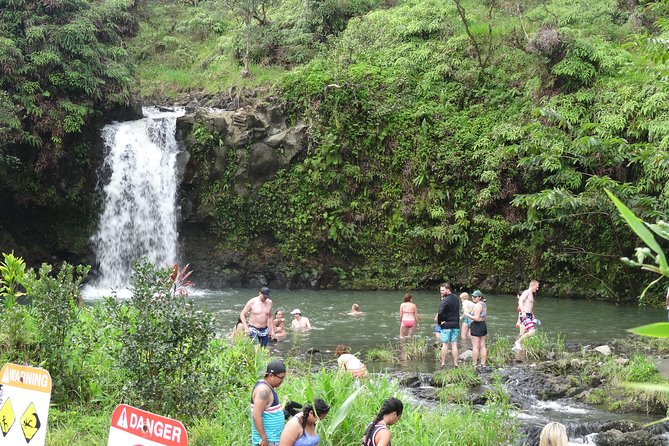
Waterfall swimming is weather dependent. If rain has been light, a fall may be thin or a pool may not be suitable. If rain has been heavy, water can rise quickly. Bring a swimsuit, towel, and dry clothes if you want to swim, but do not assume every pool will be open or safe on every departure.
More ways to drive the Road to Hana from Maui:
- Small-Group Road to Hana Adventure Tour with Pickup & Lunch
★ 5.0 · 3,064 reviews - Road to Hana Adventure Maui Tour with Lunch
★ 5.0 · 1,832 reviews - Maui: VIP Private Road to Hana Tour with Pick Up
★ 5.0 · 1,068 reviews - Maui: Road to Hana Adventure with Farm to Table Lunch
★ 5.0 · 877 reviews
Keʻanae Point and the taste of banana bread
Keʻanae Point is one of the more meaningful stops on the route. The small community is tied to taro farming, banana growing, breadfruit, and older Hawaiian ways of working the land. From the overlook and peninsula, you can see large taro fields and the sharp meeting of land and sea.
The tour allows about 20 minutes here, followed by around 15 minutes at Aunty Sandy’s Banana Bread. The family-run stand has been baking and selling its famous loaf since the early 1980s. This is the sort of stop that adds flavor to a day of scenery. You get a local snack, but you also see how food, family, and place connect along the highway.
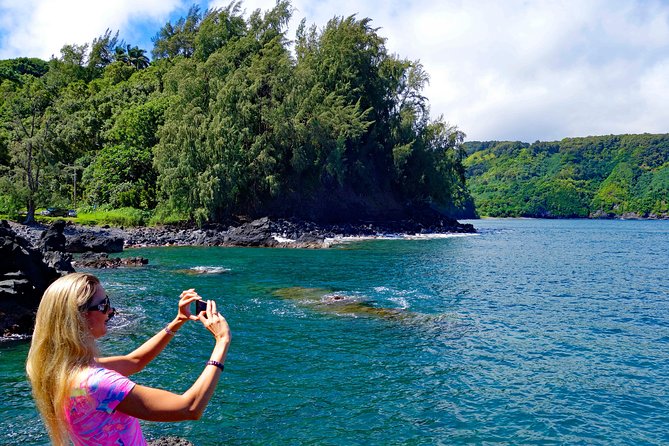
You may also pass pullouts where people pose near cliffs or rocky viewpoints. Use common sense. The coast is dramatic, but a photograph is not worth stepping beyond a safe boundary or ignoring signs.
Wailua Valley, Honomanu, and rainbow eucalyptus
Wailua Valley State Wayside Park offers a short pause and a view into an area with old taro patches and culturally important plants and fish. Hawaiian tradition connects taro, or kalo, with the ancestry of the Hawaiian people. Your guide can help explain why these fields matter instead of treating them as just another green view from the road.
Honomanu has a five-minute pullout with views toward the bay and Keʻanae Peninsula. Kaumahina State Wayside Park is another possible viewpoint, with forest and introduced plants across a small 7.8-acre park. These stops are quick, but they break up the drive and give you a chance to see the coast from above.
The rainbow eucalyptus stop is also short, usually about five minutes. The trees shed sections of bark to reveal green, blue, purple, orange, and maroon tones. The colors are real, though the display varies from tree to tree and season to season. Have your camera ready because the van may not linger long.
Waiʻānapanapa’s black sand and volcanic shore
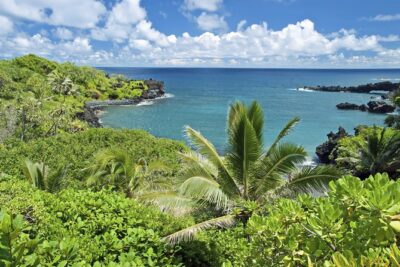
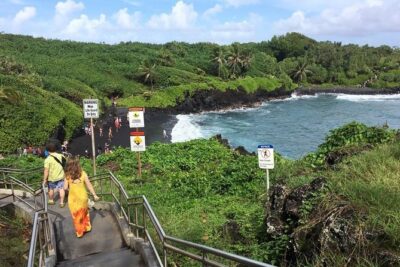
Waiʻānapanapa State Park is the major stop of the day, with about an hour scheduled. Its black sand comes from dark volcanic rock, and the beach sits beside jagged lava formations and deep blue water. The contrast is striking without needing much decoration.
You can walk along the bay, sit under shade, and look across the rough volcanic coast. The park offers broad views in several directions, and the combination of jungle, basalt, ocean, and spray is unlike the softer beaches near many Maui resorts.
An hour is enough to see the main area and take photographs, but it may feel short if you want a long swim or a careful walk. Several people have wished for more time here, which is understandable. Still, including this park is a strong point of the tour. It gives you more than waterfalls and roadside viewpoints.
Park access can be affected by closures, weather, or local rules. The schedule can change if conditions outside the operator’s control affect the route.
Hana Bay, Hana town, and the turn-around
Hana Beach Park sits within Hana Bay and has a curved black sand beach protected by a reef. It is described as one of the safer swimming beaches on the eastern coast. The bay feels calmer than the exposed shoreline, though you should still follow water conditions and local warnings.
One thing to understand before booking is that Hana itself is not presented as a major town stop filled with attractions. The point of the day is the road, the rainforest, the coastline, and the communities along the way. After reaching the Hana area, the tour turns around rather than continuing into a separate set of major sights.
That may disappoint you if you expect a long visit in town or a dramatic final destination. If you see Hana as the end point of a scenic journey, the schedule makes more sense. The famous part is the route itself.
Puaʻa Kaʻa and Wailua Falls
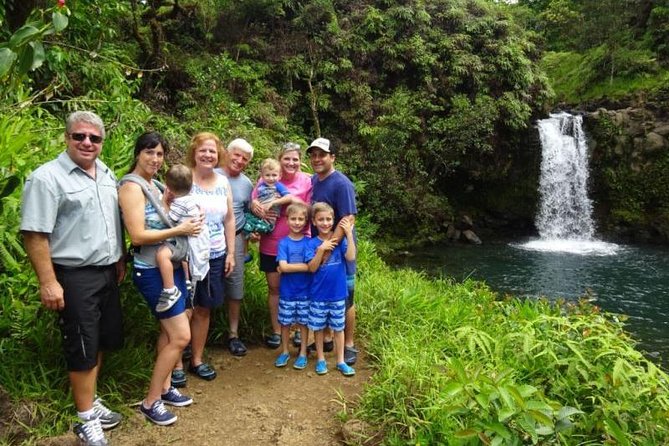
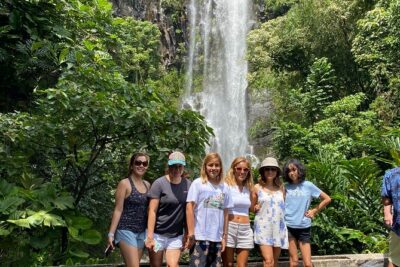
Puaʻa Kaʻa State Park is one of the best places for a more relaxed waterfall stop. The waterfall is fairly easy to reach, and about 40 minutes is allowed. You may have time to walk, take photographs, or swim if conditions permit.
The water can be chilly, so wear a swimsuit under your clothes and bring a change of clothing. Towels are not listed as included, so pack one. This is also a good place to keep footwear practical. Trails near waterfalls can be wet or muddy.
Wailua Falls is easier still. It can be seen from the highway, sometimes without leaving the vehicle. That makes it a useful photo stop late in the day, when everyone may be ready for a quieter look rather than another hike.
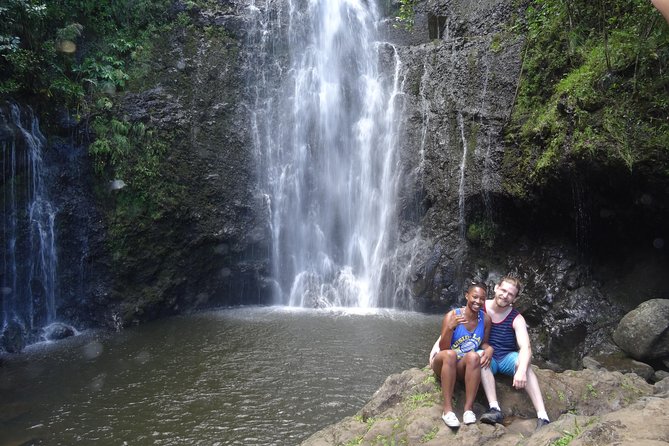
The route may also include Upper Waikani Falls, known as Three Bears because three parallel falls vary in size. Like the other falls, the amount of water changes with recent rain. Photos taken during heavy flow can make a familiar roadside waterfall look much larger than it does during a dry spell.
Kaʻeleku Cave and the return ride
Kaʻeleku Cave is an accessible lava tube formed when the surface of a lava flow cooled while molten rock continued moving below. Over time, the underground channel remained as a cave. Maui has relatively few large accessible lava tubes, making this a different kind of stop from the waterfalls and beaches.
The tour description does not give a fixed time for the cave, and the exact route can change. Ask your guide what is open and included that day. The same applies to individual waterfall trails and swimming areas.
The return ride can be long. A 9 to 10 hour schedule is an estimate, not a promise to the minute. Traffic, rain, road conditions, closures, and the location of your lodging all affect the final drop-off time. Do not book a tight dinner reservation or evening activity immediately afterward.
Lunch, snacks, and what to pack
Lunch is a picnic-style sandwich from a local deli. You choose ham, turkey, or veggie when booking. The package also includes snacks, water, Hawaiian cane juice, and pastries.
There are no special food alternatives for raw, vegan, or food-allergy needs. If that applies to you, bring your own meal and snacks. You should also carry a refillable water bottle if you prefer more water than the included supply.
Pack a swimsuit, towel, dry clothes, light layers, sunscreen, comfortable shoes, and motion sickness medicine if you need it. One person found ginger chews useful, while another used Dramamine and had no trouble. The first stop can feel cool in winter, so layers are practical even on a warm Maui day.
Is the $249.99 price fair?
At $249.99 per person, this is not a cheap sightseeing ride. The price includes transportation, a driver-guide, hotel pickup at selected locations, lunch, snacks, drinks, and access to the planned stops. You are also paying to avoid renting a car, navigating the highway, finding parking, and watching the clock all day.
For two people, the cost is close to $500 before gratuity. A 15 to 20 percent driver gratuity is recommended, so include that in your budget. The value is strongest if you place a high price on safe driving and guided context. It is weaker if you already enjoy driving narrow roads, want complete control over the schedule, or plan to spend long periods at only one or two locations.
The guide makes the largest difference in value. Marty has been praised for learning names, keeping the group involved, and looking after people at stops. Roger is known for timing viewpoints before crowds. Quinn has been singled out for stories about history, culture, and plants. Dom has earned praise for careful handling of the road. Guides vary, but the best ones turn a long drive into an informed day rather than a simple transfer.
Who should book this Maui tour?
Book it if you are visiting Maui for the first time, do not want to drive the Hana Highway, or want a structured day with the major stops handled for you. It is also a good fit for solo visitors and families who prefer a guide, lunch, and a small group.
Think twice if narrow, winding roads make you anxious even as a passenger. Motion sickness is a real concern. The day is also too long for anyone who wants a slow morning or a flexible beach schedule.
The tour has free cancellation up to 24 hours before departure. Within 24 hours, changes and cancellations are not accepted for a refund. Weather or an insufficient number of bookings can also lead to a change of date or a full refund.
Final call: book it or drive yourself?
I would book this tour if the thought of driving 600-plus curves and dozens of one-lane bridges makes you tense. The combination of Waiʻānapanapa, Puaʻa Kaʻa, Keʻanae, Ho‘okipa, and the smaller waterfall stops gives you a solid first look at East Maui, and the guide adds cultural context that a navigation app cannot provide.
I would choose another plan if you want to linger at black sand beaches, stop wherever you like, or spend a long afternoon in Hana. The schedule is broad rather than leisurely. For most first-time visitors, though, the Mercedes van is a sensible trade: less control, but far less stress and a much better chance of actually seeing the road.
FAQ
How long does the Road to Hana tour last?
The experience lasts approximately 9 to 10 hours. Pickup begins as early as 5:45 a.m., and the return time depends on your lodging, traffic, road conditions, weather, and any route changes.
What is included in the price?
The tour includes the Road to Hana excursion, driver-guide service, live commentary, selected hotel pickup and drop-off, a picnic-style ham, turkey, or veggie sandwich, snacks, water, Hawaiian cane juice, and pastries.
Is hotel pickup available everywhere on Maui?
No. Pickup is offered only at selected locations. Some lodging areas use meeting points instead, including Lahaina Cannery Mall, Maalaea Park n’ Ride, Kahului Park n’ Ride, or another designated location.
Can I choose a special meal?
You can choose ham, turkey, or veggie sandwiches. Raw, vegan, and food-allergy alternatives are not available, so bring your own food if you follow a special diet.
Is swimming included?
The route includes opportunities to swim at waterfall pools and beaches, including Puaʻa Kaʻa State Park. Swimming depends on weather, water conditions, access, and local safety rules.
How many people are in the van?
The tour has a maximum of 14 people. The van may be full on some departures, although it is designed for the group size.
Should I bring motion sickness medicine?
The road has hundreds of curves and turns, so motion sickness is possible. Ginger chews and Dramamine were both used successfully by people on recent departures, but choose only medication that is suitable for you.
What happens if bad weather cancels the tour?
If poor weather causes cancellation, you are offered another date or a full refund. The route and timing may also change because of road closures, traffic, or other conditions outside the operator’s control.
Just added on Maui
- Central Maui: Two-Island Scenic Helicopter Flight to Molokai★ 4.9 · 165 reviews
- Goat Yoga with Miniature Goats In Maui★ 5.0 · 55 reviews
- A Maui Beach Photoshoot in Wailea★ 5.0 · 154 reviews
- Maui Circle Island-PRIVATE-Air Tour for 2-5: Waterfalls & Lava!★ 5.0 · 228 reviews
- Clear Kayak Tour with Pontoons and Optional Snorkeling-Unlimited★ 5.0 · 224 reviews
- Haleakala Maui Sunset Twilight Tour with Dinner★ 4.5 · 240 reviews
- Intro/Refresher Dive Swim Ability Required★ 5.0 · 248 reviews
- Beginner Scuba Dive in Lahaina: Swimming Required★ 5.0 · 219 reviews
Road to Hana Tours, compared.
Small-Group Road to Hana Adventure Tour with Pickup & Lunch
Read our review →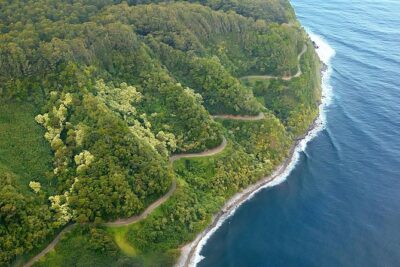

Road to Hana Adventure with Farm to Table Lunch
Read our review →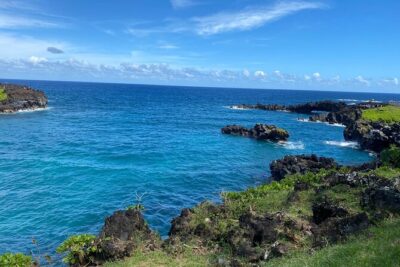
Road to Hana: Full-Day Scenic Drive with Blacksand & Waterfalls
Read our review →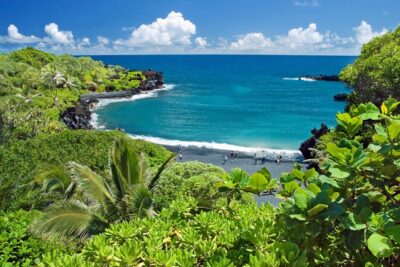
Road to Hana Luxury Limo-Van Tour with Helicopter Flight
Read our review →Browse the lists this tour appears in