
Reviewed · GLASS-BOTTOM BOAT TOURS
Glass-Bottom Boat Cruise from Waikoloa
Anaeho’omalu Bay gives you a quick look at Hawaii’s reef life without snorkeling, swimming, or wrestling with gear. The best parts are the friendly marine guides, including crew members such as Jason and Nick, and the shaded seating, which makes this an easy outing for children and older adults.
I also like the short format and flexible departure times. You can fit the cruise into a beach day at Waikoloa rather than giving up half a morning. The main catch is visibility: wind, glare, clouds, and water conditions can turn a lively reef visit into a brief look at a few fish and coral.
Key points to know before you book
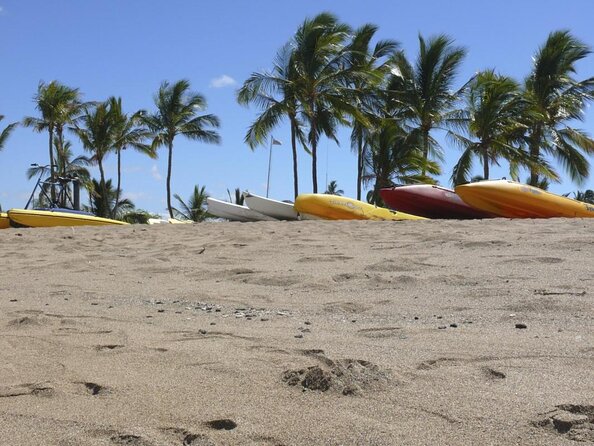
- Anaeho’omalu Bay is the whole setting: The boat remains inside the bay, where the water is shallow enough for the glass panels to reveal coral and reef animals.
- The cruise lasts about 30 minutes: It is a compact introduction, not a full snorkeling excursion or offshore wildlife trip.
- Early departures usually offer the clearest views: Calm morning water tends to produce better visibility before wind and clouds affect the bay.
- You may see sea turtles, tropical fish, and sea urchins: Sightings vary, so treat wildlife as a possibility rather than a promise.
- Your feet will get wet while boarding: Reaching the ramp requires walking through water from the beach, sometimes as deep as your knees.
- The group is small: The boat holds a maximum of 19 people, giving the crew a good chance to answer questions.
A short boat ride with a clear purpose
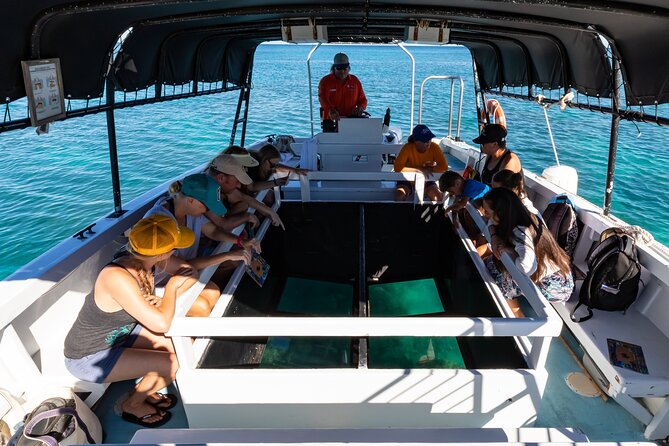
This cruise is best understood as dry snorkeling. You sit on shaded benches and look through glass panels set into the boat while the crew points out what lies below. The boat does not travel far from shore, but that is part of the design. Anaeho’omalu Bay offers the reef viewing area, and the Coast Guard approval for the vessel requires it to remain within the bay.
That limited range matters. If you expect an offshore cruise with wide ocean views, large animals, or a long search for marine life, this is the wrong outing. If you want a gentle introduction to Hawaii’s underwater world, especially for young children who cannot snorkel yet, the short route makes sense.
The boat ride itself is calmest when the bay is calm. Wind can stir the surface and make the glass harder to use. Reflections and glare may also affect your view, so this is not a guaranteed window into perfect underwater scenery.
More boats with a window in the floor at Big Island of Hawaii:
- Glass-Bottom Boat Reef Tour
★ 4.5 · 506 reviews - Waikiki Glass Bottom Boat Cruise
★ 4.5 · 2,192 reviews - Honolulu: Glass Bottom Boat Tour along Oahu’s South Shore
★ 4.6 · 1,575 reviews
Starting at Waikoloa and finding the beach hut
The meeting point is at 69-1081 Ku’uali’i Place in Waikoloa Village, with the cruise returning to the same spot. The actual check-in area is near the bay, and finding it can take some attention because the shoreline location does not have a simple, official street address.
I would allow extra time to park and walk. Free public parking requires roughly a five-minute walk to the check-in point. Parking at the nearby Marriott may be easier, but it requires payment. Follow the directions supplied with your booking instead of assuming your navigation app will lead you directly to the boat.
The staff at the hut can help if you get turned around. One useful family touch is that children may have sand toys to use while waiting. That can make the pre-boarding stretch easier, especially if you arrive early with restless young children.
Boarding means walking through shoreline water
The access point is practical but not dry. To reach the boarding ramp, you walk through water at the edge of the beach. Depending on ocean conditions, it may reach your knees. A railing helps as you step aboard, and crew members can assist people who need extra support.
Wear something that can get wet. Sandals or water-friendly shoes are more sensible than delicate footwear, and a towel is useful after the short crossing. This detail is easy to miss when planning, but it is the main physical consideration for the activity.
Most people can take part, and service animals are allowed. Still, anyone who has trouble walking through moving shoreline water should think carefully about the boarding step before booking.
What you see through the glass
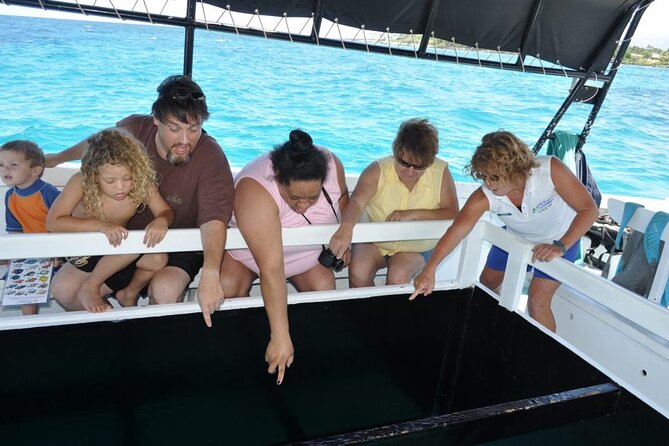
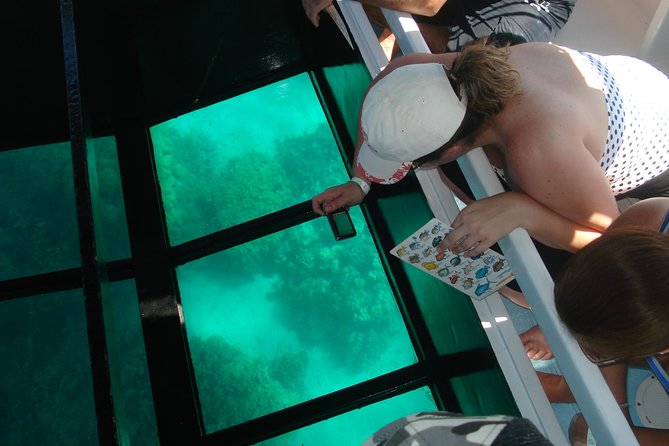
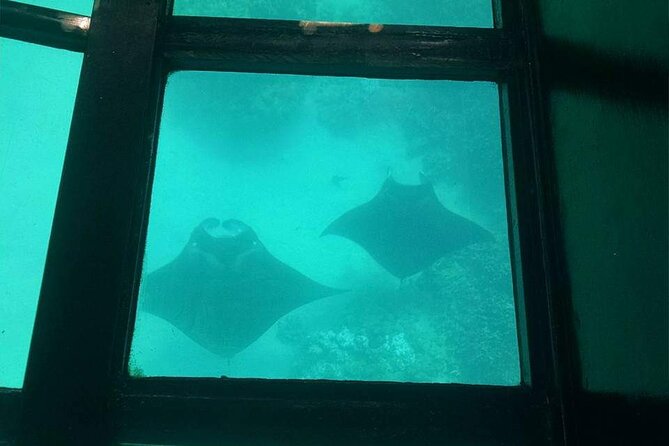
Once aboard, you settle beneath shaded benches and watch the reef pass below. The crew points out tropical fish, coral, sea cucumbers, sea urchins, and other small marine animals. Possible sightings include yellow tang, triggerfish, pufferfish, Hawaiian cleaner wrasse, saddle wrasse, and green sea turtles.
The humuhumunukunukuapuaʻa, Hawaii’s state fish, is also part of the conversation. Ask the marine naturalists about it directly. The crew is especially good at turning a quick sighting into a small lesson, explaining what you are looking at and answering questions as the boat moves through the bay.
A sea turtle can be the highlight of the trip, but it is never wise to book a wildlife outing expecting one particular animal. Some departures produce a turtle, manta ray, and many tropical fish. Others reveal only a few fish close to the rocks, with a turtle beside the boat providing the best moment.
That difference is normal for a shallow reef viewing trip. The crew can help you spot animals, but it cannot control wind, sunlight, water clarity, or the movement of fish.
Same island, a different kind of day:
- Big Island in a Day: Volcanoes Waterfalls Sightseeing and History
★ 5.0 · 6,569 reviews - Big Island Manta Ray Night Snorkel
★ 5.0 · 5,656 reviews - Big Island: Kona Manta Ray Snorkel Tour in Keauhou Harbor
★ 4.5 · 2,465 reviews - Hilo Shore Excursion: Volcanoes National Park & Black Sand Beach
★ 4.5 · 2,338 reviews
Why the reef may look less colorful than expected
Hawaii’s coral reefs do not always look like the intensely colored reefs pictured in tropical travel advertising. The coral here may appear tan or light green, and many reef fish are small. They often stay close to rocks and coral, where their colors can be harder to distinguish from above.
Some visitors interpret this as a dead reef, but the local operator explains that the coral in Anaeho’omalu Bay is alive. The visual effect is simply more subtle than many people expect. If you approach the cruise with an interest in observing reef life rather than hunting for bright underwater photographs, you are more likely to enjoy it.
The glass itself can also affect the view. Reflections and glare may make it harder to see the bottom, especially later in the day or when the surface is choppy. Clean viewing panels help, but no glass-bottom boat can remove every reflection.
Choose the earliest departure you can manage
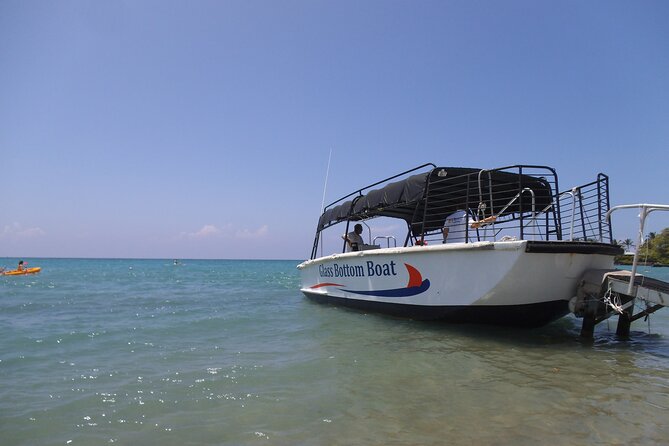
The day’s first departures generally offer the best chance of clear water. Morning conditions are often calmer before wind and clouds develop, and a calm surface reduces glare. The exact departure schedule can vary, but multiple times are offered so you can fit the cruise around your plans.
I would choose an early time if seeing fish and coral is your main reason for going. A later departure can still be pleasant, and one family was able to board an earlier boat after arriving ahead of schedule, but you should not count on that accommodation.
The cruise takes about 30 minutes. That is enough time for a first look at the reef, but it is not enough for a slow, extended wildlife search. Think of it as a small activity before or after a beach day, not the central event of your entire Waikoloa itinerary.
The crew is the strongest part of the experience
The marine naturalists give this trip its character. They identify fish, explain reef features, discuss local marine life, and share suggestions about snorkeling areas in the bay. Their commentary gives children something to watch for and helps adults notice details they might otherwise miss.
Crew members such as Jason and Nick have received special praise for their friendly manner and clear explanations. The captain and first mate also help watch the waves, keep the ride comfortable, and assist people getting on and off the boat.
This personal attention matters because the underwater view can be hit or miss. On a less clear departure, a good guide can still make the ride worthwhile by explaining what you are seeing and answering questions. I would ask freely rather than sitting silently and hoping the best fish swims beneath the glass.
How the $50 price measures up
At $50 per person, the cruise is reasonably priced for a short, guided marine-life activity, especially if you are comparing it with a longer snorkeling trip or boat excursion. You are paying for a 30-minute boat ride, a small group capped at 19 people, shaded seating, and live interpretation from the crew.
The value depends on your expectations. For a family with young children, the price can make sense because everyone can see the reef without buying or managing snorkeling equipment. It also works well for older adults or anyone who prefers not to enter the water.
For a confident adult snorkeler, the value is less certain. You will likely see more and stay with the reef longer by snorkeling, assuming conditions and comfort allow it. The boat is most useful as an accessible alternative, a first ocean activity for a child, or a low-effort way to add marine life to a Waikoloa day.
Who should book this cruise
I would recommend it most strongly for families with small children. The boat is short, the seating is shaded, the crew keeps the mood friendly, and children can see underwater life before they are ready to snorkel. It is also a good first boat ride for a child who may not be ready for a larger or longer excursion.
It suits older adults as well, provided they can manage the wet shoreline boarding. Crew members can help with getting aboard, and the ride avoids the exertion of swimming, kicking, and handling snorkel gear.
You may also like it if you want a quiet change from sunbathing or a simple activity that fits between other plans. I would not choose it as your only marine activity if your main goal is extensive reef viewing, colorful coral photography, or a strong guarantee of wildlife sightings.
Planning notes that can save you trouble
Book early if your schedule is fixed. This experience is commonly reserved well ahead of time, with an average booking lead of about 19 days. Multiple departure times help, but popular holiday periods can reduce your choices.
The mobile ticket is convenient, and confirmation is sent at booking. The activity is offered in English. Since you return to the same meeting point, you do not need to arrange separate transportation after the cruise.
Weather can cancel the trip. If that happens, you are offered another date or a full refund. You can also cancel for a full refund up to 24 hours before the scheduled start time. Changes or cancellations made inside that 24-hour window are not accepted for a refund.
My booking verdict
Book this Waikoloa glass-bottom boat cruise if you want a short, family-friendly look at Hawaii’s reef without getting in the water. Choose an early departure, arrive with time to find the beach check-in point, and wear footwear that can handle shallow shoreline water.
I would skip it if you want a long offshore ride or guaranteed close views of many fish. For the right audience, though, the mix of shaded seating, patient crew, and a chance to see a turtle or reef fish makes this a sensible $50 addition to a Big Island day.
FAQ
How long is the Glass-Bottom Boat Cruise from Waikoloa?
The cruise lasts approximately 30 minutes.
Where does the cruise depart?
It departs from the Waikoloa area near Anaeho’omalu Bay. The stated meeting point is 69-1081 Ku’uali’i Place, Waikoloa Village, Hawaii 96738.
Does the boat return to the starting point?
Yes. The activity ends back at the meeting point.
Do I need to get into the ocean?
No. You remain on the boat and view marine life through the glass bottom. You do need to walk through shoreline water to reach the boarding ramp.
How deep might the boarding water be?
Depending on ocean conditions, the water at the shoreline can be as deep as your knees.
What marine life might I see?
Possible sightings include tropical fish, coral, sea turtles, sea cucumbers, sea urchins, triggerfish, yellow tang, pufferfish, Hawaiian cleaner wrasse, saddle wrasse, and the humuhumunukunukuapuaʻa.
Is the boat shaded?
Yes. Shaded bench seating is provided.
How many people can join the cruise?
The activity has a maximum capacity of 19 people.
Is the experience suitable for children?
Yes. The short ride and dry viewing make it a useful introduction to reef life for children who are not ready to snorkel.
What happens if bad weather cancels the cruise?
You will be offered a different date or a full refund. For your own cancellation, you must cancel at least 24 hours before the start time to receive a full refund.
Just added on Big Island of Hawaii
- Kailua-Kona: Big Island Morning Snorkeling Tour with Lunch★ 4.9 · 7 reviews
- Big Island: Hawaii Volcanoes National Park and Hilo Tour★ 5.0 · 118 reviews
- Kailua-Kona: Hualalai Volcano Doors On/Off Helicopter Tour★ 4.7 · 12 reviews
- Big Island: Full Day Adventure Tour of the Kohala Waterfalls★ 5.0 · 41 reviews
- Big Island Hawaii: Craft Chocolate Tasting and Farm Tour★ 5.0 · 14 reviews
- Big Island: Evening Volcano Explorer from Hilo★ 4.7 · 31 reviews
- Big Island: Off the Beaten Path Volcano Crater Hike★ 5.0 · 15 reviews
- Big Island: Full-Day Kohala Zipline and Waterfall Adventure★ 4.8 · 36 reviews
Glass-Bottom Boat Tours, compared.
Glass Bottom Boat Tour along Oahu’s South Shore
Read our review →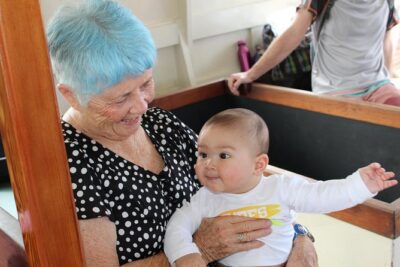
Browse the lists this tour appears in