
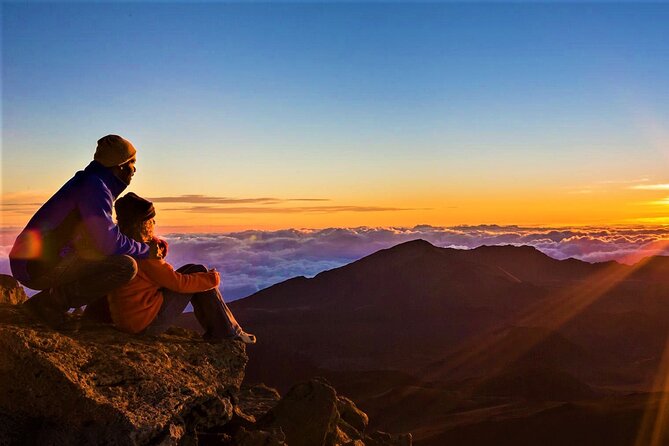
Reviewed · HALEAKALA SUNRISE TOURS
Haleakala Sunrise Best Guided Bike Tour with Bike Maui
The day begins in the dark and ends with you rolling through Maui’s countryside on two wheels. First comes sunrise above the clouds at Haleakala, then a downhill ride from about 6,500 feet through the volcano’s famous 29 switchbacks.
I like the way this combines two very different Maui sights in one outing: a quiet summit morning and a breezy ride through Upcountry. I also like the careful setup, with fitted bikes, helmets, wind gear, a guide, and a support vehicle following the group.
The catch is simple: this is a very early start, and it is not a nonstop bike ride from the summit. You shuttle to the riding point and later make several stops, so anyone expecting eight hours of continuous cycling may feel shortchanged.
Key points to know before you book
- Sunrise comes first: Expect a pre-dawn departure and cold, windy conditions at Haleakala’s summit.
- The ride begins at 6,500 feet: You do not pedal from the summit itself. The biking portion starts just outside the national park entrance.
- The 29 switchbacks are the star: The downhill route gives you long views and a strong sense of speed, with guides controlling the pace.
- Safety support is built in: A lead guide rides with the group while a vehicle follows behind.
- Bring layers, water, snacks, and money: Warm clothing matters at the summit, and breakfast in Haiku is no-host.
- This suits confident riders aged 15 and older: Recent biking experience and a minimum height of 4 feet 10 inches are required.
Haleakala before dawn, with sunrise as the payoff
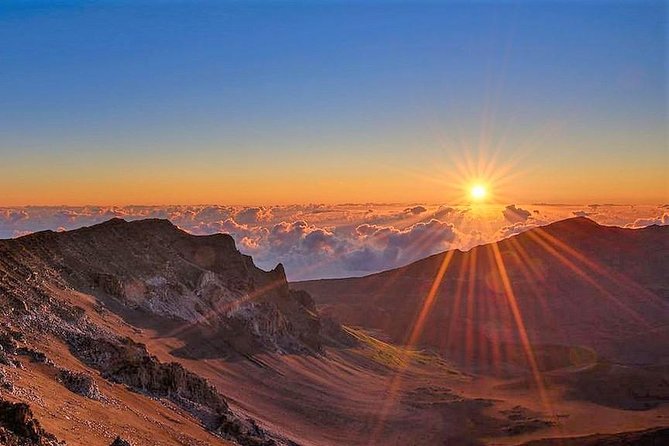
The day starts at Bike Maui’s base at 810 Haiku Road. Hotel pickup is not included, so you need to reach the meeting point yourself. The exact morning schedule is built around sunrise, which means many people set an alarm around 2 a.m. or 3 a.m., depending on the season and pickup time.
That sounds harsh because it is. But the early hour serves a purpose. Haleakala’s summit is a long way above sea level, and reaching the viewing area before dawn gives you time to get in place before the sky begins to change.
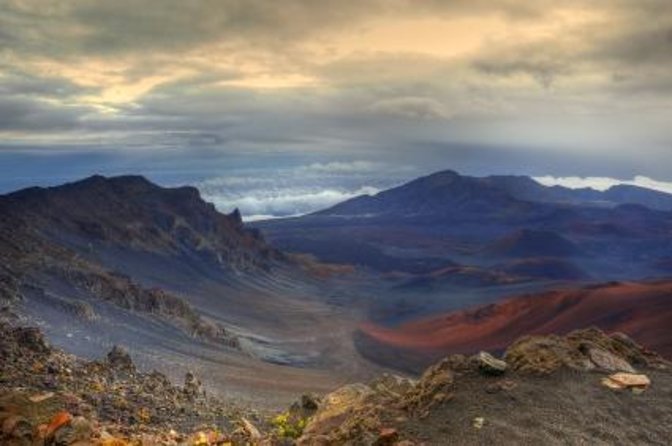
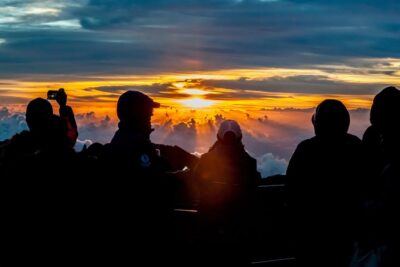
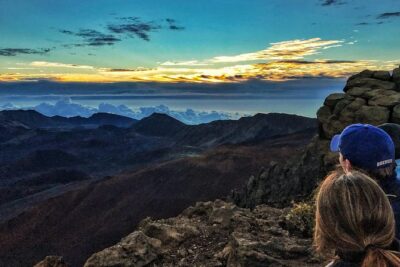
At the top, you can look into the dormant volcanic crater and across both sides of Maui. The summit is also the coldest part of the day. Several people found the wind and low temperature stronger than expected, even with the provided outer layer. I would bring a warm sweatshirt, long pants, a hat, and gloves. Think mountain morning, not tropical beach weather.
The tour supplies a Helly Hansen windbreaker suit top and bottom. That is useful protection from wind and possible rain, but it is not a replacement for warm layers underneath. On a cloudy or rainy morning, you may see little or nothing at sunrise. That is a real risk with any summit trip, and no operator can control the clouds.
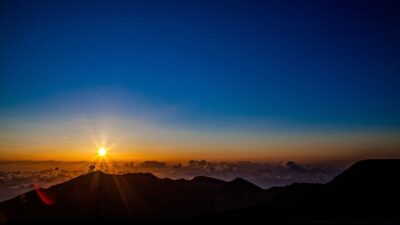
If the sky clears, sunrise is the emotional center of the outing. Get to a viewing point promptly rather than lingering near the vehicle. The summit can be crowded with people arriving by bus or private car, and the best open views may go quickly.
Other Haleakala trips from Maui:
- Maui: Haleakala Sunrise Spectacular with Local Breakfast
★ 4.5 · 2,155 reviews - Haleakala 6 Line Zipline Adventure
★ 5.0 · 913 reviews - Haleakala Sunrise Best Self-Guided Bike Tour
★ 4.5 · 745 reviews
The crater view and the meaning behind sunrise
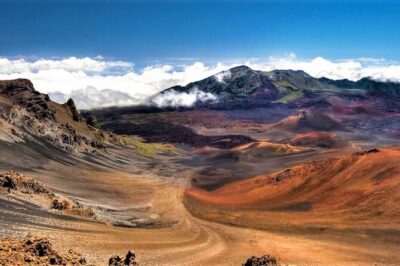
Haleakala is not just a high lookout. You are standing on Maui’s largest volcano, looking across a broad volcanic crater shaped by long periods of erosion and weather. The scale changes as the light comes up. Dark slopes become visible, then ridges, clouds, and distant coastline.
A park ranger may lead a sunrise ceremony. That adds a sense of place and reminds you that this is more than a scenic photo stop. Treat the summit quietly and respectfully. The high elevation, thin air, wind, and limited light can make the first half hour feel slow, so give yourself time to adjust.
Photography takes a little planning. In low light, your phone may not behave the way you expect, especially if you want to record the sunrise. Have it ready before the sky brightens, and keep your hands warm enough to operate it. A small blanket can also be useful while you wait.
Once sunrise is over, you do not immediately ride from the summit. The shuttle takes you down to the biking start point outside the national park entrance. This transfer is important to understand before booking. Some people picture a bicycle rolling out from the summit parking area, but the actual ride begins lower down.
Starting the ride at 6,500 feet
At the bike launch point, the guides fit you with a Kona mountain bike, bell helmet, and gloves. You receive a safety briefing before setting off. This is where the tour’s guided format earns its keep.
The road is downhill, but downhill does not mean effortless. You need to control speed, hold your line, use the brakes properly, and stay alert through curves. The guide sets the pace and provides breaks. A support vehicle follows the group, helping manage traffic and offering backup if you need assistance.
Guides including Dan, Drew, Russell, Steve, and Kimo have been singled out for humor, patience, clear instructions, and care with nervous riders. Your guide will vary, but the structure remains the same: a lead guide in front, a group behind, and a vehicle following the riders.
That arrangement can make a big difference if you are unsure about the route. You are not left to guess where to turn or how quickly to descend. The guide can also pause the group for photos, water, clothing changes, and safety reminders.
The riding is often described as easy in terms of effort because gravity does most of the work. Still, the route can feel fast. One person called it scary, while another said the ride was not for the faint of heart. Those comments are not contradictory. You may not need much pedaling, but you do need steady bike handling.
Riding the famous 29 switchbacks
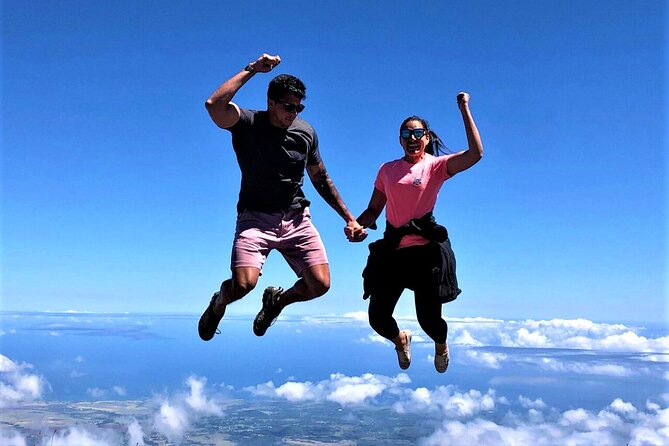
The Fabulous 29 switchbacks are the main cycling attraction. The road bends repeatedly down Haleakala’s slopes, creating a ride that feels dramatic without requiring you to climb back up.
Each bend changes the view. You may see open slopes, distant ocean, farms, or sections of road curling below. The elevation drops as you ride, so the air gradually feels less cold. This is also when layers become useful. You can remove a sweatshirt at a stop and store it in a backpack or with your other gear.
The guides do not simply send you racing downhill. Stops break up the ride and give you time to take pictures, listen to local stories, and regain confidence. The pauses are especially helpful if you have recent biking experience but do not regularly ride on winding roads.
The tour requires recent biking experience, and that rule should be taken seriously. You do not need to be an athlete, but you should already know how to ride, steer, stop, and handle a bicycle comfortably. If you are anxious, tell the guide early. One guide, Russell, was praised for helping a nervous rider improve through patient instruction.
The road is shared with other traffic. The following vehicle helps protect the group and manage cars behind you, but you remain responsible for safe riding. Keep your attention on the road rather than trying to photograph while moving.
More bike tours on Maui:
- Best Haleakala Downhill Self-Guided Bike Tour with Maui Sunriders
★ 5.0 · 496 reviews - Water Bike Tour in South Maui
★ 5.0 · 372 reviews - Haleakala Express Self-Guided Bike Tour with Bike Maui
★ 4.5 · 271 reviews - Maui Haleakala Sunrise Downhill Bike Tour with Mountain Riders Rated #1
★ 4.5 · 262 reviews
From the volcano to Upcountry Maui
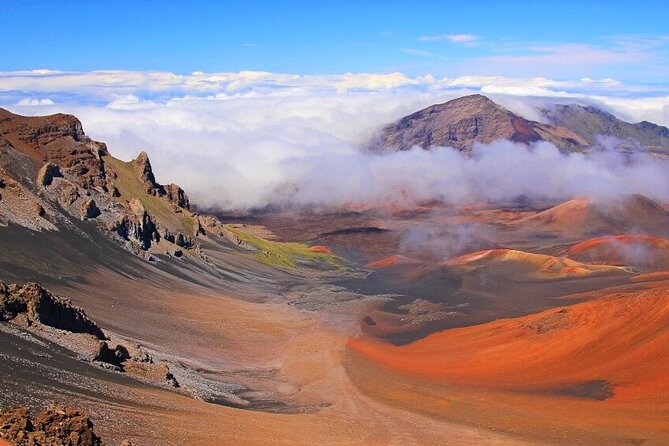
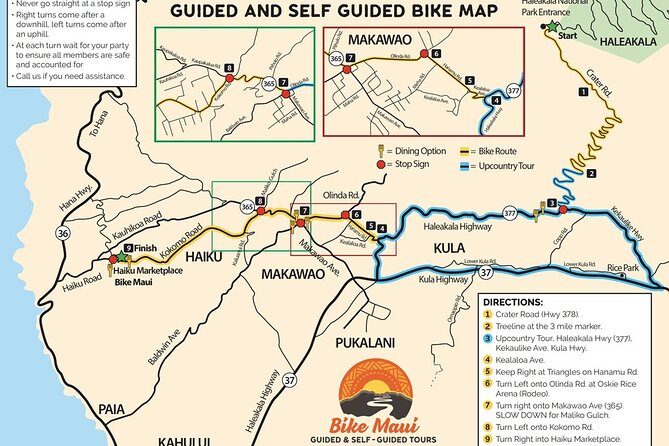
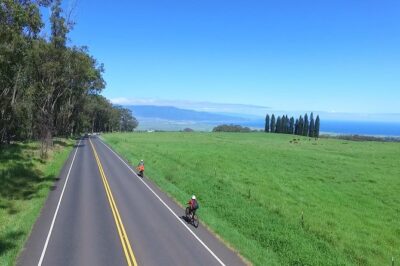
After the main switchback section, the route continues through Upcountry Maui. The scenery shifts as you lose elevation. The summit’s volcanic setting gives way to farms, open country, and small-town streets.
The shuttle is used at points along the route, so this is not a pedal-every-mile trip. That design has a practical reason. It keeps the group moving, avoids less interesting road sections, and lets the operator focus the biking on the most scenic and enjoyable parts.
You also pass through Makawao, one of Upcountry Maui’s best-known towns. The stop gives you a change of pace after the open road and curves above. It is a chance to see a different side of Maui, away from the resort coast and beach traffic.
This contrast is one of the strongest features of the outing. In a single morning, you move from a volcanic summit to rural roads and then into a small Upcountry community. The result feels broader than a simple bike rental, although it also means the price covers transport and guiding as much as cycling.
Breakfast in Haiku is useful, but bring your wallet
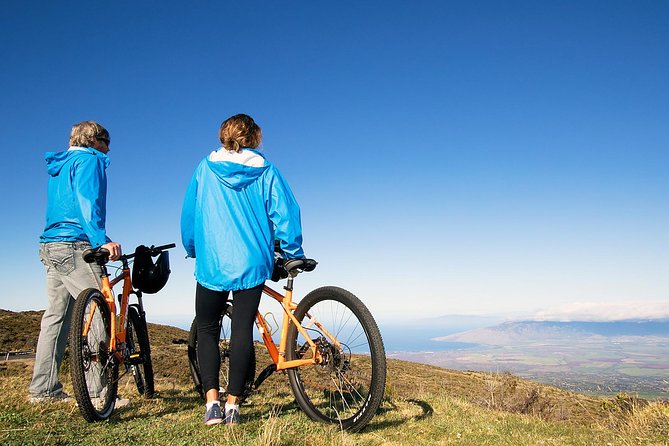
The outing finishes with a no-host breakfast stop in Haiku. Breakfast is not included in the price, so bring a credit card or cash. You should also carry your own water and snacks.
The breakfast stop is a welcome chance to sit down after the cold summit and downhill ride. Still, the time may feel brief if you are hungry from the early start. I would pack a small snack that can be eaten quickly before or after the bike ride, as well as water for the road.
Because you start so early, hunger can sneak up on you. The supplied wind suit, bike, helmet, gloves, and support vehicle cover the key activity needs, but food remains your responsibility. A light snack in your bag can make the morning much more comfortable.
After breakfast, the activity ends back at the Haiku meeting point. You are not dropped at your hotel, so plan your transportation and allow time to collect anything you left in your vehicle.
What the $317.89 price really covers
At $317.89 per person, this is an expensive Maui excursion. You are not paying only for bicycle use. The price includes the summit transport, national park fees and taxes, bike equipment, windbreaker suit, gloves, professional guide, and the logistics of moving a group safely down the mountain.
The vehicle support matters. A self-guided downhill ride may cost less, but it would not provide the same route management, safety briefing, guide commentary, or following vehicle. If you want a controlled introduction to Haleakala cycling, those services add real value.
The value is weaker if your main goal is a long, continuous ride. The bike sections are broken up by transport and stops, and the riding does not begin at the summit. A recent complaint centered on feeling that too little time was spent on the bicycle. That is the key expectation issue to settle before you pay.
I see this as two connected activities: a Haleakala sunrise visit and a guided downhill ride. If you would happily pay separately for summit access, transport, and a guided bike outing, the combined price may feel reasonable. If you want a full-day cycling challenge, choose a different format.
Who should book this Haleakala outing?
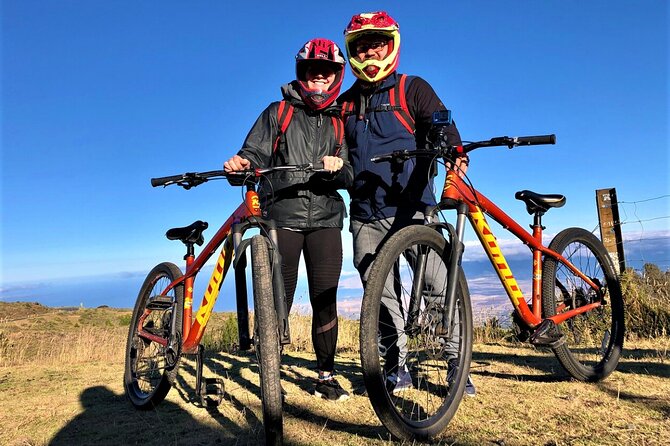
I would recommend it most strongly to you if you want a memorable Maui morning but do not want to plan the summit drive, bike route, equipment, and traffic management yourself. It works well for couples, families with older teenagers, and solo visitors who enjoy active sightseeing.
The minimum age is 15, and riders must be at least 4 feet 10 inches tall. Every rider needs recent biking experience and a moderate level of fitness. You should be comfortable riding downhill and using brakes for an extended period.
This is not ideal if you dislike early mornings, cold weather, uncertain sunrise conditions, or group schedules. It also may not suit anyone who wants a private outing or a ride with no commentary. The group can include up to 24 people, so the experience is organized rather than intimate.
The guides are a major part of the day. Dan, Drew, Russell, Steve, Kimo, and others have been praised for humor, patience, safety instruction, and local stories. One concern was inappropriate political joking from a guide. That sort of conduct is not acceptable, and it is worth remembering that your experience can depend partly on the individual assigned to your group.
Practical preparation for the 2 a.m. alarm
Plan your clothing before bed. Wear warm layers, long pants, a hat, and gloves for the summit. Add clothing that can be removed later as the morning warms. The supplied Helly Hansen suit helps with wind and rain, but layers underneath remain essential.
Bring:
- Water
- Snacks
- Cash or a credit card for breakfast
- A phone or camera ready for low-light photos
- Extra warm clothing
- A small bag for items you remove during the descent
Arrive at the Haiku meeting point on time. Hotel pickup is not provided, and the activity returns there at the end. Confirmation is provided when you book, and the tour is offered in English.
The tour needs suitable weather and a minimum number of participants. If poor weather cancels the outing, you can receive a different date or a full refund. If the minimum is not met, you receive a different option or a full refund. You can cancel for a full refund up to 24 hours before the start time. Changes or cancellations inside that window are not accepted.
Should you book the Bike Maui sunrise ride?
Book it if you want Haleakala sunrise and a guided downhill ride in one day, and you are comfortable with an extremely early start. The summit views, the 29 switchbacks, the support vehicle, and the transition through Makawao make this one of Maui’s more varied active outings.
Skip it if you mainly want hours of uninterrupted cycling, a private tour, or a guaranteed sunrise. Weather can hide the summit view, and the ride is shorter and more interrupted than the word bike tour might suggest.
My best advice is to treat the outing as a volcano sunrise tour with a substantial downhill biking section, not as an all-day cycling expedition. Bring more warmth than you think you need, carry food and water, and tell the guide if you lack confidence. With those expectations, the early alarm and high price are easier to justify.
FAQ
Where does the Haleakala sunrise bike tour start?
The tour starts at 810 Haiku Road in Haiku, Hawaii. Hotel pickup is not included.
Where does the activity end?
The tour ends back at the Haiku meeting point.
How long does the tour last?
The activity lasts approximately eight hours.
Does the bike ride begin at the Haleakala summit?
No. After sunrise, the shuttle takes you to a riding point at about 6,500 feet just outside the national park entrance.
What equipment is provided?
The tour provides a Kona mountain bike, bell helmet, gloves, and a Helly Hansen windbreaker suit top and bottom. An air-conditioned vehicle and professional bike guide are also included.
Is breakfast included?
No. The tour stops for a no-host breakfast in Haiku. Bring cash or a credit card, as well as your own water and snacks.
What are the age and height requirements?
The minimum age is 15, and the minimum height is 4 feet 10 inches. Recent biking experience and moderate physical fitness are required.
Can I cancel for a refund?
You can cancel up to 24 hours before the start time for a full refund. If poor weather or an insufficient number of participants cancels the tour, you can choose another date or receive a full refund.
Just added on Maui
- Central Maui: Two-Island Scenic Helicopter Flight to Molokai★ 4.9 · 165 reviews
- Goat Yoga with Miniature Goats In Maui★ 5.0 · 55 reviews
- A Maui Beach Photoshoot in Wailea★ 5.0 · 154 reviews
- Small-Group Shark and Turtle Dive for Certified Divers★ 5.0 · 219 reviews
- From Ma’alaea: Sunset Dinner Cruise Aboard the Quicksilver★ 4.5 · 218 reviews
- Maui Lahaina Group Surf Lesson★ 4.9 · 235 reviews
- Maui: Guided Rainforest and Waterfall Walk & Swim★ 4.8 · 226 reviews
- South Maui: Gilligans’ Island Luau with Dinner and Drinks★ 4.2 · 254 reviews
Haleakala Sunrise Tours, compared.
Haleakala Sunrise Spectacular with Local Breakfast
Read our review →
Best Haleakala Downhill Self-Guided Bike Tour with Maui Sunriders
Read our review →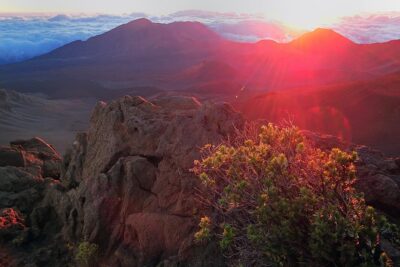
Haleakala Sunrise Tour with Breakfast and West Side Pickup
Read our review →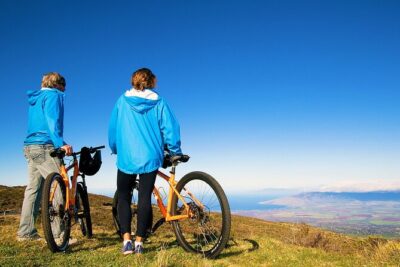
Haleakala Express Self-Guided Bike Tour with Bike Maui
Read our review →Browse the lists this tour appears in