
Reviewed · WATERPARK & ROPES COURSES
Small Group Waterfall Rappel in Lihue, Kauai
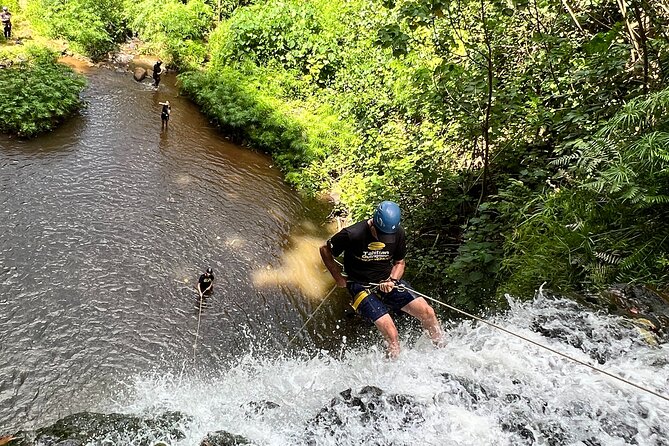
Rappelling down a waterfall is a very different way to see Kauai. After a safety lesson and practice run, you lower yourself down a 30-foot cascade, hike through tropical forest, then face the taller 60-foot Papakolea Falls. Matt, Nan, Kate, and Rashad are among the guides praised for calm instruction and good humor.
I like the small private-group format, which gives the guides room to coach you through the scary first steps. I also like the practical setup: harnesses, helmets, tabis, snacks, drinks, and a conservation fee are included. The catch is simple: this is not a gentle sightseeing walk. Heights, slick rock, mud, and a moderate hike are part of the deal, and the $207.20 price will feel high if you want only a short waterfall outing.
Key points to know before you book
- Two waterfall descents: Start with 30-foot Bamboo Falls, then take on 60-foot Papakolea Falls.
- Practice comes first: You learn the ropes on a dry wall before entering the forest.
- Guides focus on confidence: Matt, Nan, Kate, Rashad, and other certified instructors provide patient coaching for first-time rappellers.
- Gear is supplied: Helmets, harnesses, and water shoes, called tabis, are included.
- Private land and conservation: The route offers views toward the Hule‘ia watershed and Ha‘upu Mountain range, with a conservation fee supporting Hule‘ia National Wildlife Refuge.
- Come prepared for mud and heights: Wear clothing you do not mind getting dirty, and do not wear white.
What makes this Kauai adventure different
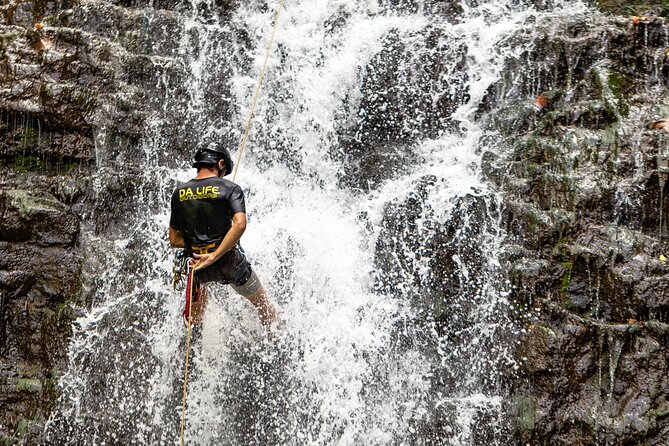
Kauai has plenty of ways to see water: lookout points, boat rides, hikes, and swim spots. This outing puts you directly in the waterfall’s path. You are not simply looking at a cascade from a trail. You are leaning back in a harness while water runs near your helmet and boots.
That difference matters. Rappelling asks you to trust the rope, follow instructions, and control your movement. It is active, a little intimidating, and more personal than a standard half-day tour. The instructors handle the technical side while you learn the body position and rope control needed to descend.
The experience is not zip lining and not rock climbing. You are lowering yourself down a fixed route with guidance from certified instructors. For a first-time attempt, that can be a good balance: the activity feels adventurous, but you are not expected to arrive with technical skills.
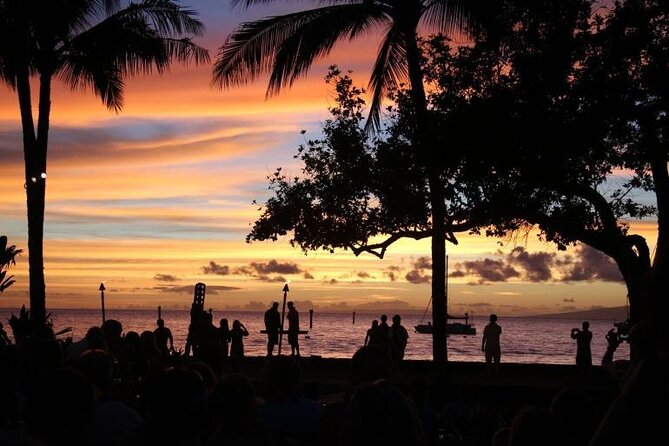
The outing takes place on private land near the Hule‘ia watershed. That setting adds something beyond the two descents. The walk beneath the tropical canopy, the views toward the Ha‘upu Mountain range, and the quiet feel of the route help explain why the conservation fee is part of the cost.
More waterfall tours on Kauai:
- Kauai Airplane Tour: Na Pali Coast, Waterfalls & Window Seats
★ 5.0 · 1,964 reviews - Kauai Private Doors-Off Helicopter: Ultimate Waterfalls & Canyons
★ 5.0 · 1,510 reviews - Kauai: Secret Falls Kayak and Hike
★ 5.0 · 1,403 reviews
Starting at the Hule‘ia area near Puhi
You meet at the supplied Puhi location, listed by the plus code XJ37+MW Puhi, Hawaii. Since hotel pickup and drop-off are not included, you should plan to drive yourself. The activity begins and ends at the same meeting point, so having a car is the most practical choice.
Double-check your navigation before leaving. The meeting point is identified by a plus code rather than a familiar attraction name, and one participant specifically advised trusting the GPS location. Give yourself enough time to find the start without rushing into a safety briefing.
The total outing lasts about four hours. The exact pace can vary with group size, instruction time, and how quickly people move through the two descents. One person felt the activity finished sooner than the advertised four hours when the group was small, so you should treat the duration as approximate rather than a promise of four full hours on the trail.
Learning the ropes before the first waterfall
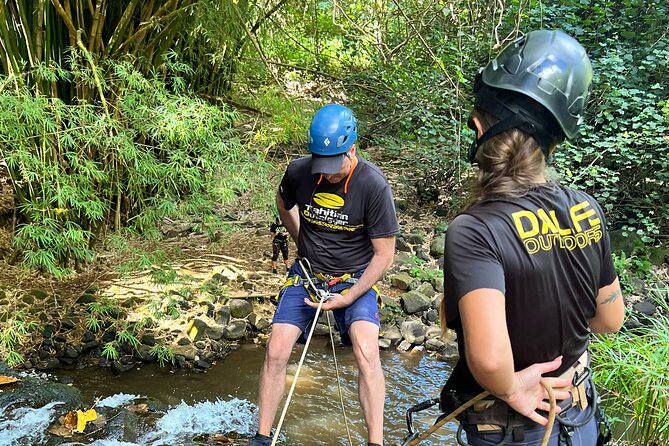
The safety briefing is an important part of the experience, not filler before the fun begins. You learn how to use the harness and rappel system, how to position your body, and how to move under instruction. The first practice takes place on a dry wall.
That practice run is where the nerves often show up. Leaning backward while trusting a rope can feel wrong at first, especially if you have never rappelled. The guides repeat the basics and give you a chance to find a rhythm before adding running water, mossy rock, and height.
I would pay close attention here, even if you are eager to reach the falls. The practice is your chance to ask questions and sort out the hand movements while your surroundings are less demanding. Guides such as Matt, Nan, Kate, and Rashad have been singled out for patience, encouragement, and a calm manner, which is especially useful for anyone uneasy about heights.
The activity requires a moderate level of physical fitness. You need to walk beneath a tropical canopy, manage uneven and wet ground, and control your body during the descents. You do not need prior rappelling experience, but you do need to be willing to follow instructions and work through a physical challenge.
Hiking under the tropical canopy
Once the instruction is complete, you hike to the waterfalls. The walk is described as short, but it still includes a tropical route and wet, mossy surfaces. Your guides may point out local plants and talk about the history of the land as you go.
This part gives the outing a needed pause. The rappelling is the headline, but the walk lets you enjoy the Hule‘ia area without staring at a clock or rushing from one obstacle to the next. You also get time to settle your nerves before the first descent.
The route is not presented as a long wilderness trek. If your main goal is a demanding Kauai hike, this will not replace one. If you want a compact nature outing attached to a major adrenaline activity, the short approach works well.
Wear clothing that can handle water, dirt, and mud. White clothing is a poor choice. One useful practical detail from the supplied comments is that participants finished muddy by the end, so pack with the conditions in mind rather than dressing for a dry sightseeing tour.
Other waterparks and ropes courses on Kauai:
- Rappel Maui Waterfalls and Rainforest Cliffs
★ 5.0 · 459 reviews - Waikiki Snorkeling & Ocean Waterpark Adventure from Oahu
★ 4.5 · 58 reviews - Adventure Course Extreme Including Climbing Wall & Rappel
★ 5.0 · 44 reviews
Bamboo Falls: the 30-foot introduction
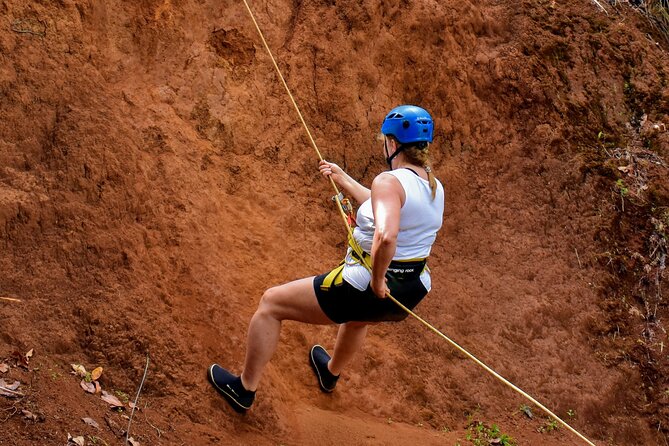
The first descent takes place at Bamboo Falls, a 30-foot waterfall. This is the smaller of the two rappels and serves as the practical introduction to moving down wet rock with water nearby.
Even 30 feet is enough to feel serious when you are at the top, particularly if you are nervous about heights. The value of starting here is that you can apply the dry-wall lesson in a more controlled setting before facing the taller fall.
Expect the rock to feel slick and the waterfall to add sensory noise and distraction. You will need to keep your attention on the instructor’s directions and your foot placement. The guides stay involved throughout the descent, helping you manage the process rather than sending you off alone.
Bamboo Falls is also a useful test of your comfort level. If the first rappel leaves you tense but still willing to continue, the coaching and practice have done their job. If you discover that the height or water is simply too much, you will have learned that before attempting the 60-foot drop.
Papakolea Falls: the 60-foot challenge
The second descent is Papakolea Falls, at more than 60 feet. This is the moment that makes the outing a serious adventure rather than a simple waterfall walk.
The height changes the feeling of the activity. You have already learned the basic technique, but the longer descent gives you more time to manage your body, control the rope, and stay focused. The guides remain central here. You are not expected to improvise a route or prove anything to the group.
A particularly memorable feature is the chance to reach a shelf behind the larger waterfall. From there, you can stand on the rock with the falling water directly in front of you. It is a striking position, and it gives you a view of the waterfall that ordinary trail access rarely provides.
This is also where honest self-assessment matters. The tour requires a head for heights, and the largest descent is over 60 feet. The minimum age is 10, but the activity is not recommended for people over 65. The stated weight range is 70 to 250 pounds, with a waist measurement between 22 and 48 inches.
Those limits are not minor booking details. They tell you who the activity is designed for. Families with teenagers have enjoyed it, but every participant needs to be comfortable with the physical and emotional demands. If you have a serious fear of heights, you may still manage it with support, but you should not assume the guides can remove the challenge entirely.
What the guides add to the day
The strongest part of this outing is the instruction. The guides are not there only to point toward the falls. They teach, check your equipment, explain what to expect, and help you handle the first moments of doubt.
Matt appears repeatedly among the praised guides, alongside Nan, Kate, Rashad, and Nun. The names vary by departure, so you should not book expecting one particular person. What matters is the pattern of the guide service: calm explanations, encouragement, humor, and attention to safety.
That tone can change the whole day. A person who is frightened at the top of the first rappel may need a slower explanation rather than a push to hurry. The supplied feedback includes examples of people who were afraid of heights but completed the descents after careful coaching.
The guides also add local context during the walk. Conversations about plants and the history of the land make the route feel connected to Kauai rather than like a portable adventure course dropped into the forest.
Gear, food, and the practical setup
You do not need to arrange separate equipment rental. The tour provides helmets, harnesses, and water shoes known as tabis. That saves time and removes one of the common hassles of trying an activity for the first time.
The tabis matter because you are moving over wet and possibly mossy surfaces. You should still expect to get muddy, even with proper footwear. The equipment makes the activity possible and safer, but it does not turn the route into a dry or easy walk.
A dry bag is also provided according to one detailed account, allowing you to protect a phone or small belongings. Bring only what you need. The information supplied does not specify the full size or capacity of the bag, so you should not count on it for bulky items.
Snacks, juice, and water are included. There is a water and juice station, along with snack bars or similar refreshments. That is useful after the walk and the two descents, though it is still sensible to arrive hydrated.
The tour also includes a conservation fee benefiting Hule‘ia National Wildlife Refuge. That gives part of the price a clear purpose beyond equipment and staffing. You are paying for a guided technical activity on private land while also contributing to care for the area.
Is $207.20 a fair price?
At $207.20 per person, this is not a budget add-on. The price makes more sense if you value the combination of certified instruction, supplied technical gear, access to private land, two waterfall descents, refreshments, and a small private group.
You are not paying simply for a hike to a waterfall. The cost covers an activity that requires trained staff, safety equipment, route management, and instruction. The conservation fee also supports the Hule‘ia National Wildlife Refuge.
Still, the price will not feel right for everyone. One participant considered the outing expensive, especially because a small group finished in less than four hours. If you are comparing it with a free public trail or a simple scenic stop, it is costly.
I would judge the value by asking one question: do you want to learn and complete a genuine rappel, or do you mainly want to see waterfalls? If you want the first option, the price is easier to justify. If you want the second, Kauai offers less expensive ways to enjoy water and forest.
Who should book this experience?
This is a strong fit for active families with older children, couples looking for an unusual shared challenge, and solo participants who want structured support. The private format can be especially helpful if your group has mixed confidence levels, since the guides can focus on your party rather than a large crowd.
It also suits people who have never rappelled but are willing to learn. You do not need a technical background. You do need a moderate fitness level, a willingness to get wet and dirty, and enough comfort with heights to attempt a descent of more than 60 feet.
You should think twice if you dislike heights, have mobility limits that make a tropical hike or wet rock difficult, or want a relaxed nature walk. The activity is not recommended for those over 65, and the stated size limits are firm: 70 to 250 pounds and a 22 to 48-inch waist.
The private-group description is useful, but you should still confirm the exact group arrangement when booking. The supplied information says only your group participates, which means you can expect a more personal outing than a large bus-based tour.
Timing, weather, and cancellation
The outing requires good weather. If poor conditions force a cancellation, you are offered another date or a full refund. The same applies if the minimum number of participants is not met.
You can cancel for a full refund up to 24 hours before the start time. Cancellations or changes made less than 24 hours before the local start time are not refunded or accepted.
Because the experience depends on wet rock, waterfall flow, and safe outdoor conditions, weather flexibility is important. Do not schedule this as the one activity you cannot move if your Kauai plans are tight.
Should you book the waterfall rappel?
Book it if you want a genuine challenge with careful instruction, not just a scenic outing. The two descents, private-land setting, tropical hike, and chance to stand behind a waterfall make this one of Kauai’s more unusual active experiences.
I especially like it for first-time rappellers who are nervous but determined. The dry-wall practice and patient coaching from guides such as Matt, Nan, Kate, and Rashad give you a sensible way into the activity. You can be scared at the start and still have a real chance of finishing proud.
Skip it if $207.20 feels too steep for a four-hour outing, if you want a dry and easy day, or if heights are a firm no. For everyone else, bring muddy clothes, drive to the Puhi meeting point, listen closely during practice, and let the smaller waterfall prepare you for Papakolea Falls.
FAQ
How long does the waterfall rappel experience last?
The activity lasts approximately four hours, though the exact length can vary.
Where does the tour meet?
It meets at the supplied location near Puhi, Hawaii, identified as XJ37+MW Puhi. The activity ends at the same meeting point.
Is hotel pickup included?
No. Hotel pickup and drop-off are not included, so you should plan to reach the meeting point yourself.
Do I need previous rappelling experience?
No previous experience is stated as required. You receive a safety briefing and practice on a dry wall before rappelling at the waterfalls.
How tall are the waterfalls?
The first descent is about 30 feet at Bamboo Falls. The second is more than 60 feet at Papakolea Falls.
What equipment is provided?
The tour provides helmets, harnesses, and water shoes called tabis. A dry bag for protecting small belongings is also described in the supplied tour information.
What should I bring or wear?
Wear clothing that can get wet and muddy. White clothing is specifically discouraged because the route can leave you muddy.
What are the age and size requirements?
The minimum age is 10. Participants must weigh between 70 and 250 pounds and have a waist measurement between 22 and 48 inches. The activity is not recommended for people over 65.
Is food or drinking water included?
Yes. Snacks, juice, and water are included, with a water and juice station available during the activity.
What happens if the weather is poor?
If poor weather causes cancellation, you are offered a different date or a full refund. You may also cancel for a full refund if you do so at least 24 hours before the start time.
Just added on Kauai
- Kauai Northeast Tour, Fern Grotto River Cruise & Lighthouse★ 4.5 · 90 reviews
- Kauai: Allerton Garden Guided Group Walking Tour★ 4.6 · 159 reviews
- Kauai: Allerton Garden and Estate Tour with Sunset Dinner★ 4.6 · 55 reviews
- Kauai’s Ultimate Group Surf Lesson★ 5.0 · 110 reviews
- Kauai’s Ultimate Dive Boat Adventure (for CERTIFIED Divers Only)★ 5.0 · 84 reviews
- Outrigger Canoe Surfing at Kalapaki Beach★ 5.0 · 54 reviews
- Kauai’s Exclusive Morning Scuba Charter for Experienced Divers★ 5.0 · 47 reviews
- Kauai’s Premier Fishing Charters★ 5.0 · 54 reviews
Waterpark & Ropes Courses, compared.
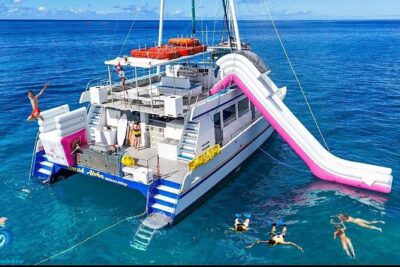
Waikiki Snorkeling & Ocean Waterpark Adventure from Oahu
Read our review →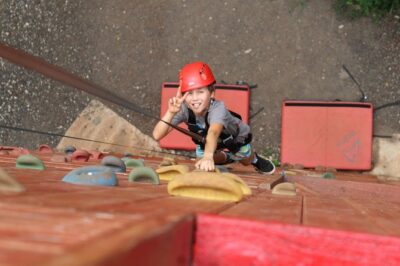
Adventure Course Extreme Including Climbing Wall & Rappel
Read our review →Browse the lists this tour appears in