
Reviewed · TOURS IN KAUAI
Inside the Hive: Kauai Honey and Bee Tour
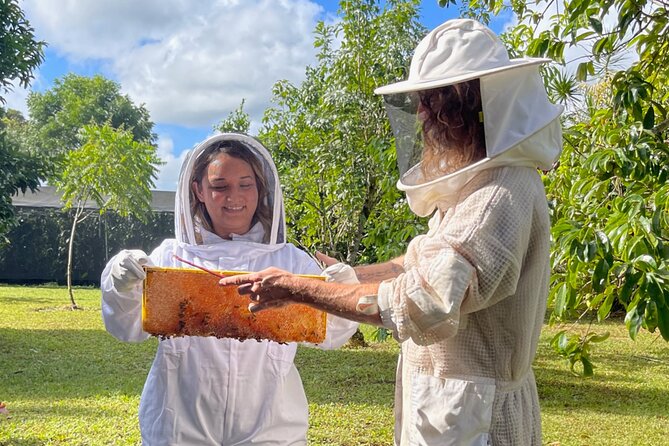
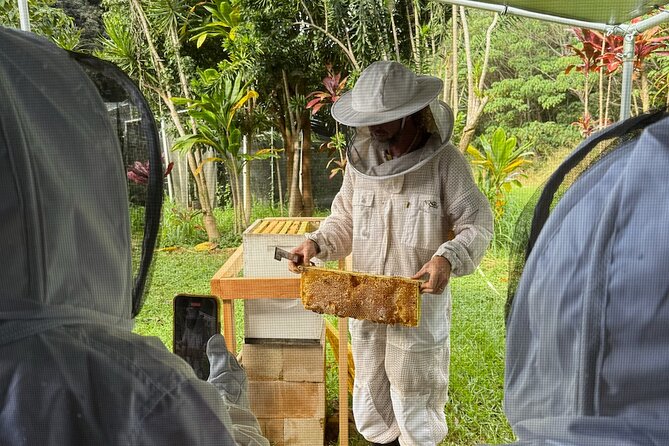
The most memorable part of this Kauai farm visit is simple: you put on a bee suit and hold a frame from a working hive. You are close enough to see the bees at work, but the activity is arranged for comfort and safety. Fresh honeycomb straight from the hive turns the lesson into lunch-sized proof that honey is more than a jar on a shelf.
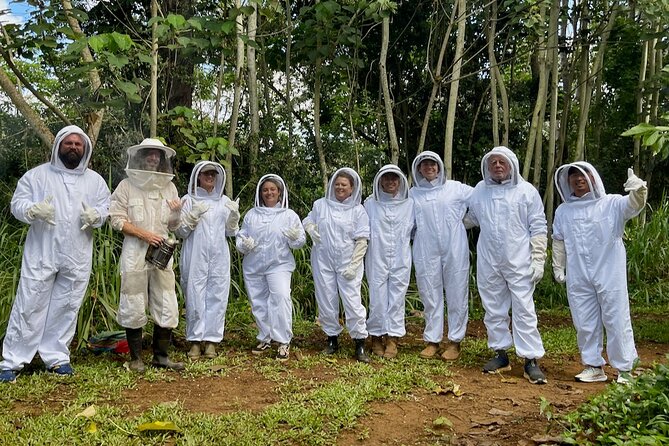
I like two things especially. First, the small group, limited to 14 people, gives you room to ask questions and hear the beekeeper clearly. Second, this is not only a talk about bees. You taste cacao tea with honey, roasted macadamia nuts, several Hawaiian honeys, and seasonal pairings. Guides including Ronnie, McKenna, Jess, Alexandria, Sarah, Jules, Brooke, and Jackson have helped make the experience warm and highly informative.
The main consideration is the price: $120.24 per person is a serious spend for two hours. You also need to walk about 100 yards, stand for 15 minutes, and put on a full-body bee suit without help. Children must be at least 7, and the tour depends on suitable weather.
Key points at a glance
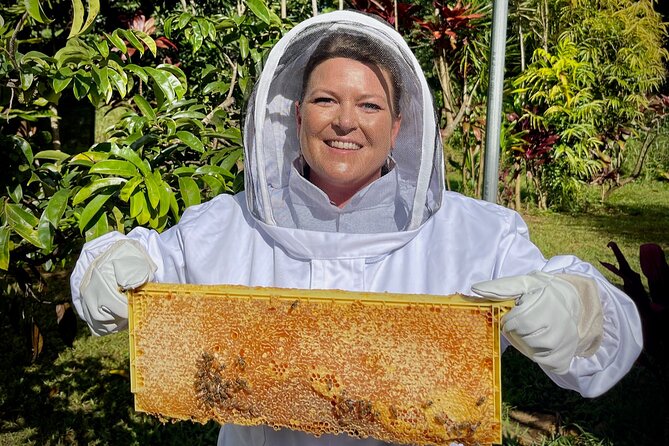
- Hold a frame from a live hive: You get a close look at active honey bees while wearing a full bee suit.
- Taste honey in several forms: The menu includes honeycomb, cacao tea, macadamia nuts, a Hawaiian honey flight, and seasonal pairings.
- Learn about Hawaiian agriculture: The experience links bees, farming, plants, and one of Hawaii’s best-known foods.
- Small group, personal pace: A maximum of 14 people makes it easier to hear the beekeepers and ask questions.
- Ages 7 and up: It works well for families, but young children cannot join.
- Plan for farm conditions: Wear closed-toe shoes and calf-length socks, and bring water and sunscreen.
Why this Kauai honey tour feels different
Kauai has no shortage of food experiences, but this one asks you to do more than taste the finished product. You see where honey begins, learn how a colony functions, and handle a hive frame under the direction of a beekeeper.
That physical part matters. A jar of honey hides the work behind it. Once you see bees moving across a frame, the food on the tasting table feels connected to a living farm system. You also get a better sense of why beekeeping requires care, timing, protective clothing, and respect for the colony.
The setting is a special corner of Lydgate Farms that is not open for self-guided visits. You need a reservation to enter the farm area. That keeps the visit organized and gives the staff a chance to prepare the hive area, tasting setup, and suits for your group.
The experience comes from the team behind the Lydgate Farms Chocolate Tour. If you already like farm-based food visits, this is a natural companion. It has the same general appeal of learning how a local product is made, but the subject here is alive, active, and capable of flying around you.
Other trips people book on Kauai:
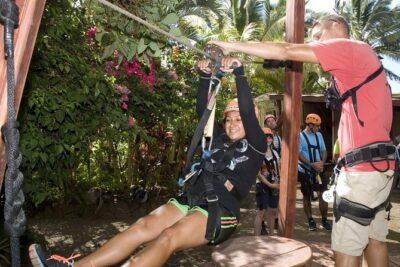
- Koloa Zipline in Kauai
★ 5.0 · 6,764 reviews - Kauai Deluxe Sightseeing Flight
★ 5.0 · 2,162 reviews - Kauai Eco Adventure Helicopter Tour
★ 5.0 · 2,032 reviews
Arriving at Lydgate Farms at 9:30 am
The tour begins at Lydgate Farms Chocolate Tours, 5730 Olohena Road in Kapaʻa. The start time is 9:30 am, and the activity finishes at the same meeting point.
Because the experience involves a working apiary and a fixed tasting sequence, arriving prepared is more useful than arriving casually. Wear clothes that fit comfortably under a bee suit. Closed-toe shoes are required, and calf-length socks are recommended. Sandals are a poor choice here, both for the farm walking and for the protective clothing.
Bring a water bottle and sunscreen. This is an outdoor activity, and you will be walking and standing rather than sitting through a presentation. The farm setting is part of the appeal, but it also means you should dress for sun and warm conditions.
You do not need to arrange separate transportation between stops. There is one meeting point, and the activity ends there. That makes it easy to combine with other plans around Kauai’s East side, although you should leave enough time before and after the two-hour visit rather than scheduling something immediately against it.
Learning the basics before meeting the bees
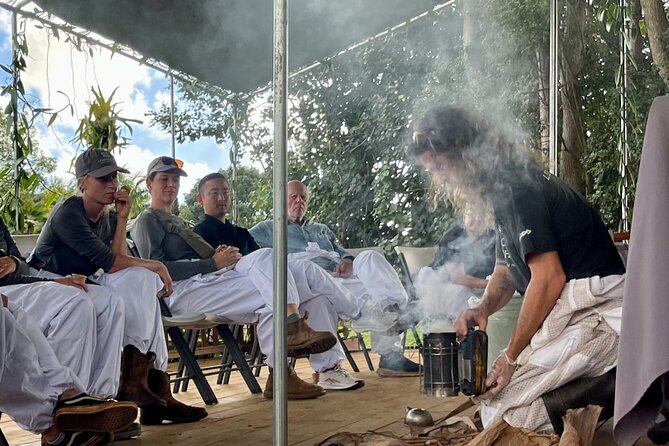
The first part sets up the rest of the experience. Your beekeepers explain the role of Apis mellifera, the honey bee, and place honey within Hawaiian agriculture.
This is where the tour becomes more than a novelty photo in a bee suit. You learn why bees matter to farms and how honey connects insects, flowering plants, and food production. The teaching is practical, with the live hive waiting as the real example.
The guide team changes, but names associated with the experience include Ronnie, McKenna, Jess, Alexandria, Sarah, Jules, Brooke, and Jackson. The strongest praise centers on their clear explanations, friendly manner, and ability to keep families involved. Jackson, in particular, has been singled out for a strong presentation, while Ronnie and McKenna are noted for handling family groups well.
You should expect questions to be welcome. Several families found that the children became less afraid of bees after learning how the insects live and work. That is a useful sign for parents, since the tour presents bees as animals to understand rather than pests to swat away.
Putting on the bee suit
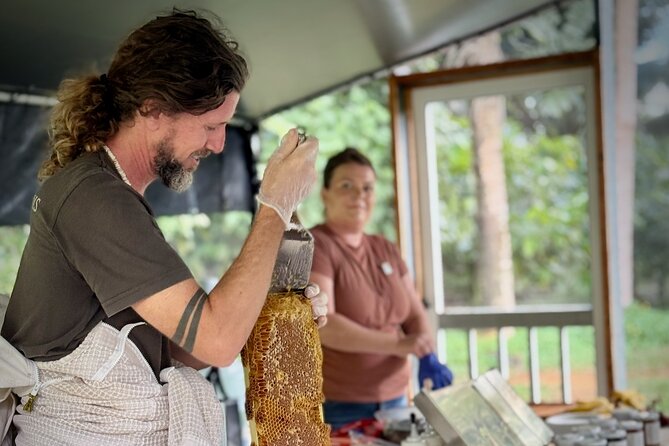
Before you approach the hive, you put on a full-body bee suit over your regular clothes. This is one reason the clothing instructions matter. Loose or awkward clothing may make the process less comfortable, and you must be able to put on the suit without assistance.
The suit is not just a practical requirement. It changes the feel of the visit. You are protected, but you also look and feel like part of the apiary operation. Children often enjoy this part, and adults get a memorable photo opportunity without turning the visit into a staged attraction.
The activity is described as safe and comfortable, but you should still take the setting seriously. Bees are living insects, not props. Listen closely to the beekeeper, move as directed, and tell the staff if you feel uneasy. The provided requirements make clear that you need to be comfortable standing for 15 minutes and walking about 100 yards.
If you have limited mobility, this may not be the right farm activity. The key issue is not a long hike. It is the combination of walking, standing, changing into protective clothing, and taking part outdoors.
Same island, a different kind of day:
- Kauai Airplane Tour: Na Pali Coast, Waterfalls & Window Seats
★ 5.0 · 1,964 reviews - Kauai: Hughes 500 4-Passenger Doors-Off Helicopters
★ 5.0 · 1,951 reviews - Kauai: Luau Kalamaku with Buffet Dinner and Show
★ 4.5 · 1,620 reviews - Na Pali Coast Half-Day Raft and Snorkel Adventure
★ 5.0 · 1,609 reviews
Holding a frame from the active hive
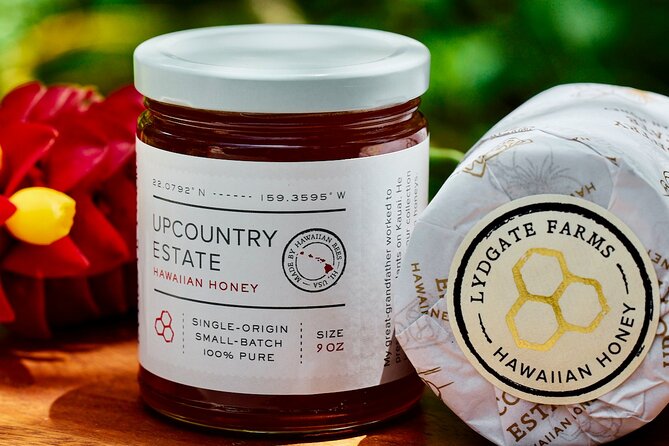
The central moment is seeing inside an active hive and holding a frame. This gives you a close look at the bees and the structure they use to produce and store honey.
A frame from a hive is far more interesting than a sealed honey jar. You can connect the beekeeper’s explanation to something directly in front of you. You may see the working surface of the colony and understand that honey is made and stored within a busy social system, not simply collected from flowers and poured into containers.
The exact activity can vary with farm conditions, but the experience includes seeing the working hives and taking part in the honey harvest. The hands-on element is carefully balanced with instruction, so you are not left to guess what to do.
This is also the part that may test your comfort level. Even inside a suit, some people may feel nervous holding a frame covered with bees. If you already dislike insects, know that the tour gets close to the hive by design. Parents should consider the same point for children, even though the experience has helped some young participants overcome their fear.
A tasting menu built around Kauai honey
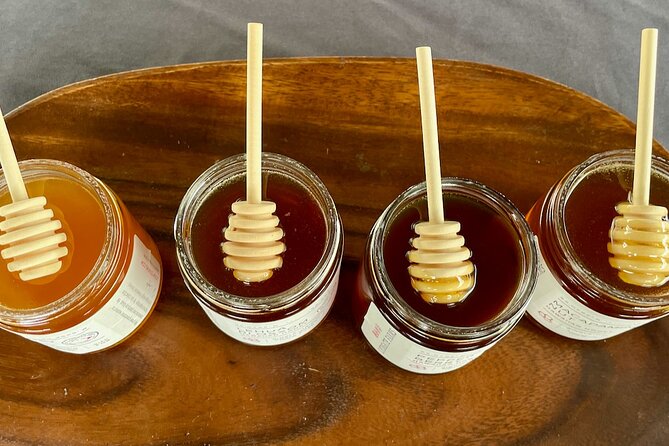
The tasting is not a small afterthought. It is a substantial part of the two-hour visit and helps you compare honey in different settings.
The menu begins with cacao tea sweetened with honey. That gives you an early example of honey used as an ingredient rather than tasted alone. Honeycomb follows, offering the most direct connection to the hive. You taste the honey in its original wax structure, which has a different texture from liquid honey.
Honey-roasted macadamia nuts add crunch and salt to the sequence. They also bring another Hawaiian agricultural product into the tasting. The menu then moves to a flight of Hawaiian honeys, giving you a chance to notice how different honeys can vary in flavor.
The experience ends with seasonal Hawaiian honey pairings. The supplied details do not list the exact seasonal ingredients, so the final course may change. That is a good reason to treat it as a flexible farm tasting rather than a fixed restaurant menu.
Some participants have also been able to eat honey from the hive they saw and take home honey connected with that harvest. Because that detail can depend on the day’s operation, I would not book solely on the assumption that a take-home portion is guaranteed. Still, it adds a strong personal touch when available, and some people have bought additional honey afterward.
What the small group adds
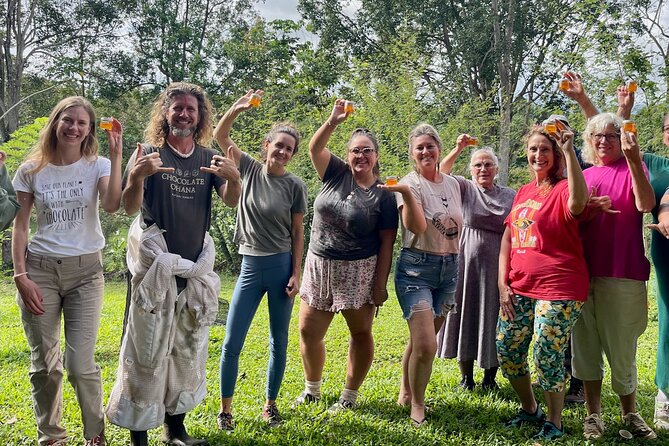
A maximum of 14 people is a real advantage here. A large crowd would make it harder to inspect a hive frame, hear explanations, and ask questions without holding up the activity.
In a small group, you can pay attention to the details that interest you. You might want to ask about Hawaiian plants, honey flavor, hive behavior, or the harvest process. Families can also keep children involved instead of letting them drift through a long lecture.
The relaxed tone is another strength. The beekeepers are not simply delivering facts from a script. The experience works best as a conversation, with demonstrations and tasting woven into the explanation. That helps explain why the tour appeals to couples, friends, and families alike.
Still, a small group does not mean private service. You share the guide’s attention with up to 13 other people, and the pace must work for the whole group. If you want a private apiary lesson, this is not described as one.
Is $120.24 a good value?
At $120.24 per person, this is one of the pricier two-hour activities you might add to a Kauai itinerary. You are paying for several elements at once: farm access, a guided working-apiary visit, protective equipment, instruction, hands-on participation, and a multi-part tasting.
I think the price makes the most sense if you value unusual food experiences and personal access to local agriculture. You are not paying only for a snack or a short demonstration. The bee suit, live hive, honeycomb, and guided tasting create a complete experience with several distinct parts.
The value is weaker if you are mainly looking for a cheap family outing or a quick sample of local food. Children under 7 cannot join, the visit requires outdoor walking and standing, and the two-hour format may feel long to anyone with little interest in bees.
Booking ahead is sensible. The activity averages booking about 26 days in advance, which signals that dates can fill well before a Kauai trip. Free cancellation is available until 24 hours before the start time. Poor weather or failure to reach the required minimum group size can lead to a new date or a full refund.
Who should book this experience?
I would choose this for families with children aged 7 and up, especially those curious about animals, food, science, or farming. The combination of dressing up, holding a hive frame, and tasting honey gives children several ways to stay engaged.
It also suits couples and friends who want something away from the water. One person specifically described it as a favorite non-water activity, and that fits the tour’s appeal. You get a close look at Kauai’s farm life without committing to a full-day excursion.
Food-focused visitors should pay attention to the tasting. The menu moves from cacao tea to honeycomb, nuts, a honey flight, and seasonal pairings, so this is not simply a lecture with one spoonful at the end.
I would hesitate if you have a serious fear of bees, cannot stand outdoors for 15 minutes, cannot walk approximately 100 yards, or cannot put on the suit independently. Also remember that the experience requires good weather. A wet or windy day can change the plan.
FAQ
Where does the Kauai honey tour begin?
It begins at Lydgate Farms Chocolate Tours, 5730 Olohena Road, Kapaʻa, Hawaii 96746.
What time does the tour start?
The tour starts at 9:30 am.
How long does the experience last?
The activity lasts approximately two hours and ends back at the meeting point.
What is the price?
The listed price is $120.24 per person.
What is included in the tasting?
The tasting includes cacao tea with honey, honeycomb from the hive, honey-roasted macadamia nuts, a flight of Hawaiian honeys, and seasonal Hawaiian honey pairings.
Can children join the tour?
Yes, but children must be at least 7 years old. You need to provide the age of each child when making the reservation.
What should I wear?
Wear comfortable clothing that can fit under a full-body bee suit. Closed-toe shoes and calf-length socks are required or recommended, and sandals are not advised.
How much walking and standing is involved?
You need to be able to walk about 100 yards and stand for 15 minutes. You must also be able to put on the full-body bee suit without assistance.
What happens if I need to cancel?
You can receive a full refund if you cancel at least 24 hours before the start time. Cancellations or changes made less than 24 hours before the start time are not accepted for a refund.
Should you book the Inside the Hive tour?
Book it if you want a hands-on Kauai farm experience with real bees, local honey, and a tasting menu that makes the lesson easy to remember. The live hive and honeycomb are the main reasons to go, while the small group and warm beekeeper team make the two hours feel personal.
Skip it if the price feels high for a short activity, or if bees, outdoor standing, and protective clothing sound stressful. For the right person, though, this is an unusual and well-rounded way to understand Hawaiian agriculture, and it gives you a story far more distinctive than another ordinary food stop.
Just added on Kauai
- Kauai Island Private Guided Tour-Waimea Canyon from Poipu/Koloa★ 5.0 · 9 reviews
- Waimea Canyon & Na Pali Driving Tour app★ 4.5 · 116 reviews
- Waimea Historical and Cultural Shared Tour★ 4.5 · 5 reviews
- Kauai Island Private Guided Tour-Waimea Canyon from Princeville★ 5.0 · 3 reviews
- Kauai Wailua Valley & Waterfalls Audio Driving Tour★ 4.5 · 23 reviews
- Kauai Island Private Guided Tour-Waimea Canyon from Lihue/Kapaa★ 5.0 · 17 reviews
- 2-Hour Snorkeling Adventure in Kauai★ 5.0 · 18 reviews
- Unforgettable Surf Lesson in Kauai★ 5.0 · 6 reviews
Tours in Kauai, compared.

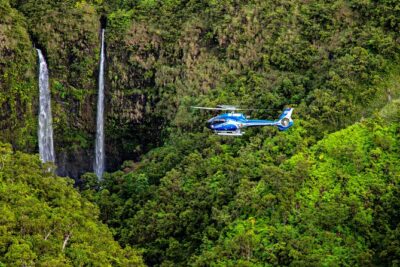

Kauai Airplane Tour: Na Pali Coast, Waterfalls & Window Seats
Read our review →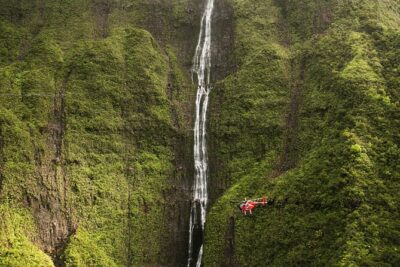
Hughes 500 4-Passenger Doors-Off Helicopters
Read our review →
Na Pali Coast Half-Day Raft and Snorkel Adventure
Read our review →
Browse the lists this tour appears in